Petty, Preston
Name/Title
Petty, PrestonTags
Motocross & Supercross, Off RoadDescription
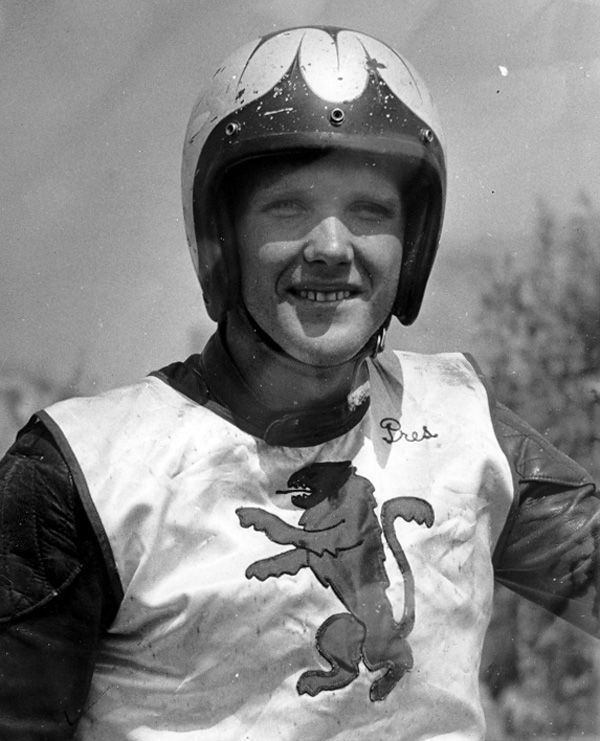
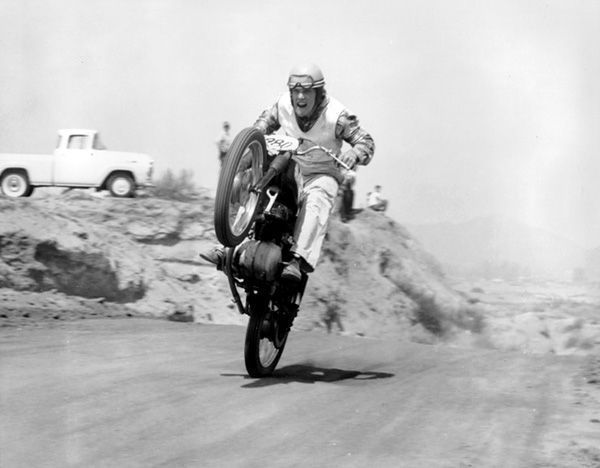
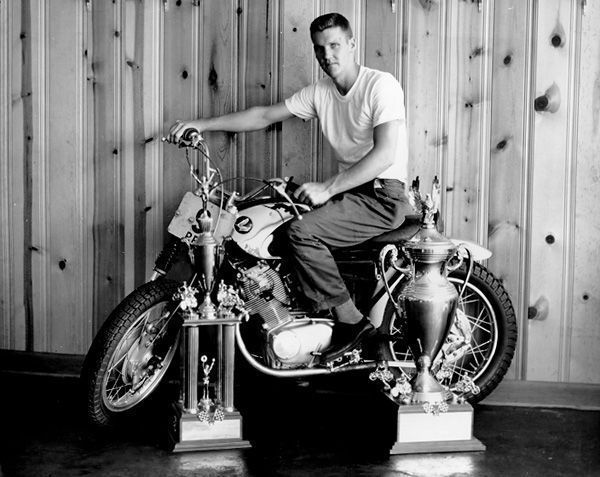
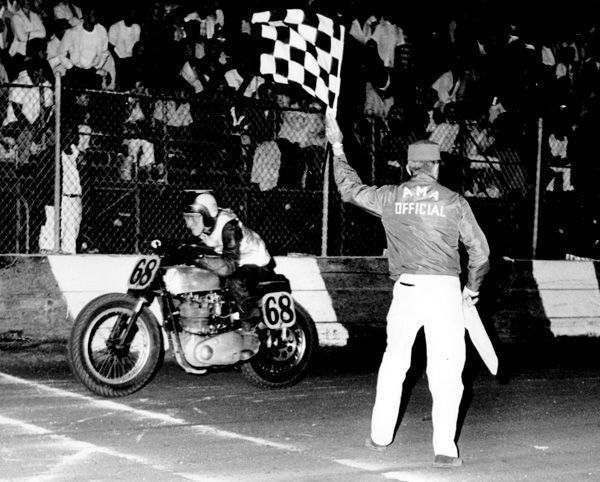
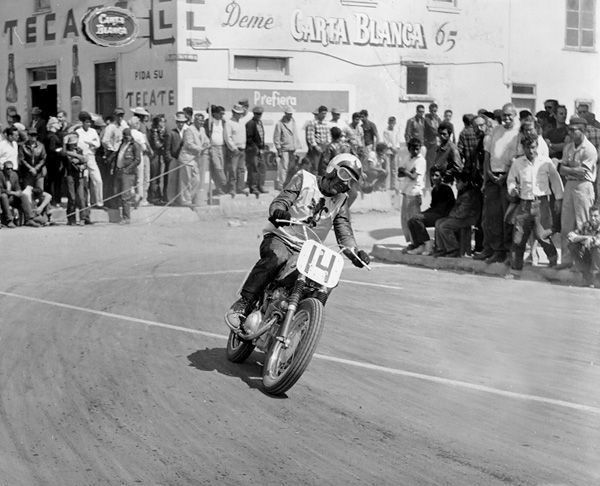
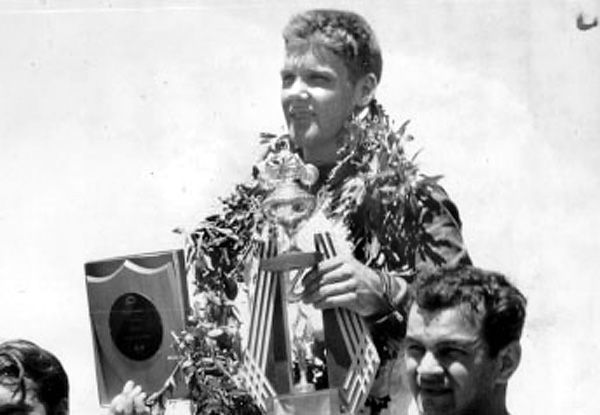
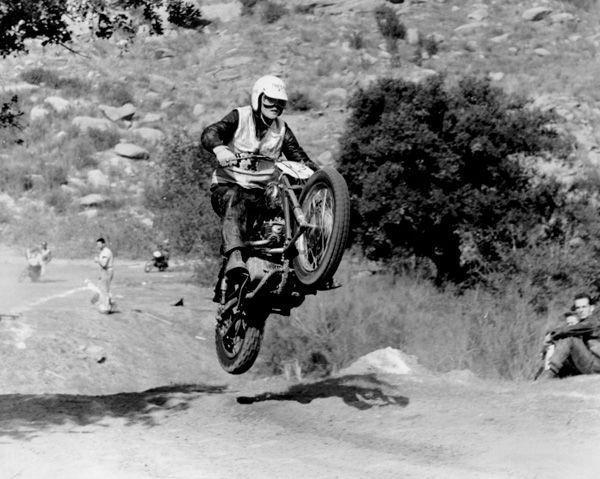
- Inventor of the plastic motorcycle fender, which revolutionized off-road racing by replacing dangerous and fragile metal fenders - One of America’s top off-road and motocross racers from the late 1950s through the early 1970s - Three-time member of the International Six Day Trials (ISDT) team representing the United States, earning a silver medal in 1969 Preston Petty was a leading off-road and motocross racer from the late 1950s through the early 1970s. He was one of the first riders in the country to race Honda motorcycles, and he rode for America in three International Six Day Trials (ISDT, now known as the International Six Days Enduro or ISDE) events and was one of the early proponents of bringing European-style motocross to America. Petty is best known, however, for his ground-breaking plastic motorcycle component business, Petty Plastics. His innovative fenders changed the popular view of the time that plastic was junk when it came to off-road motorcycles. His fenders became the gold standard during the 1970s and nearly all serious racers scrapped their stock fenders for Petty units instead. Petty was born in Los Angeles on Feb. 19, 1941. He was raised in an affluent and strict Mormon family. His father was a successful attorney and tried in vain to keep young Preston off motorcycles. Petty had an interest in anything motorized from an early age. As a child he would ride atop his mother’s vacuum cleaner. Growing up on a hilltop in the Santa Monica Mountains, Petty started riding at age 11. He got what he described as his first real motorcycle, an Ariel Colt, when he was just 13. Shortly afterward, he started competing in local TT and scrambles events. By the time he was 16, Petty was already one of the top scrambles and off-road racers in Southern California. He became known as a thinking-man’s racer, skilled at reading terrain and knowing how to get the most out of his bikes. He earned a solid reputation for winning a lot of races on smaller-displacement machines, outcompeting more popular big-bore bikes of the day. Petty’s skill came from hours spent riding in the Santa Monica Mountains. “I could take off and hit the trails from my backyard,” Petty remembered. “Every day after school, I’d hop on my bike and explore the hills and canyons. In the 1950s, it was still wide open enough in Southern California to do that. It was a great time to learn to ride.” Petty continued to hone his racing skills and became very well known in motorcycle racing circles. This did not sit well with Petty’s conservative father. “Marlon Brando and the Hell’s Angels didn’t help matters,” Petty quipped. His dad tried to bribe Petty into giving up motorcycling by buying him a new Volvo automobile when he was 16. “All I was thinking about was how great it would be to be able to drive to the shop and pick up parts for my motorcycle.” He got the Volvo but couldn’t find a way to keep himself off the racetrack. He tried to hide his racing endeavors from his parents, and was successful for a time, but eventually the cat was out of the bag. It was hard to keep things under cover when a rider was winning as much as Petty was. The next attempt to put young Preston on the straight and narrow was to send him to the esteemed Brigham Young University. Petty found it hard to fit in at BYU. “The school administrators kept trying to point out to me that Sundays were for going to church,” Petty recalled. “But I couldn’t see going to church when there was a perfectly good race going on nearby. I told them I got plenty of prayer in during the races, but that didn’t seem to convince them for some reason.” The Volvo Petty’s dad bought him fell a victim of the racing bug as well. At one event, a guy came over and was obviously admiring the rare foreign auto. Petty, never one to let an opportunity pass, began chatting with the gentleman. It wasn’t long before Petty had a deal — his Volvo for the gentleman’s Buick Roadmaster and $600. Petty promptly paid a visit to Wayne Moulton’s Triumph shop in Salt Lake City and plunked down the 600 bucks on a brand-new Triumph Tiger Cub. That same Tiger Cub eventually caused his demise at BYU. “I didn’t want to leave the little Cub out in the cold. Have you ever seen a Triumph shiver?” Petty joked. “I kept the bike in the dorm, where it would be nice and warm and I could keep it immaculate. One night after spending hours working on a trick new timing set-up I’d read about in one of the magazines, I decided to see if it would kick on the first try like they said it would. And sure enough it did! Unfortunately, the dorm mother heard it and came over to investigate. They made me keep the little Triumph outside after that and that just wasn’t acceptable. One night I threw all my clothes in the Roadmaster and strapped on the bike. One of the nuns saw me and asked if I was leaving college. I told her I was just going to get my clothes dry-cleaned. I failed to mention that the dry cleaner was in Los Angeles. That was pretty much the end of my days at BYU.” Back in Los Angeles, Petty got much more serious about his racing. He was one of the first to race Honda motorcycles. In fact, Petty successfully raced a Honda in scrambles events before the company had formally opened its American distributorship. When Honda opened its U.S. headquarters, Petty was the first rider the company backed. In the early 1960s, Petty began racing novice and amateur flat track events with backing from Fred Moxley. He was a true up-and-comer on the flat tracks of Southern California, such as Ascot Park, where he won numerous races in the highly competitive hotbed of racing. But his pursuit of a professional racing career became mired in the ugly politics of rival sanctioning bodies. At the time, the AMA engaged in the shady policy of banning riders who competed in non-AMA sanctioned events. Petty was a big proponent of getting American racing more in line with FIM world championship events, including being outspoken in his support of European motocross, which the AMA cared little about during the early 1960s. Petty raced in a lot of these so-called “outlaw” races that were popular in fiercely independent Southern California, and was eventually banned by the AMA. The ostensible reason was that Petty was racing with a duplicate license, but it was made clear to Petty that it was really for his support of non-AMA racing bodies. Petty’s father, who for years railed against his son’s motorcycle racing, nonetheless didn’t like the heavy-handed methods the AMA employed, and a court battle ensued. Petty ultimately won the right to race AMA nationals but found his desire to do so vanished after all the legal wrangling. “During that period, I decided to go back to school and learn computers,” Petty explained. “I got married and then pretty much just became a weekend warrior. I look back on those days and wonder how I might have done on the pro circuit. I would have given them hell, I can tell you that.” Petty furthered his reputation of being a top-notch scrambles and desert racer during the 1960s. He even had an opportunity to race briefly in European championship motocross events in 1960. Petty was one of the top scrambles racers in the country when Edison Dye helped usher in a new era of motocross in America in the late 1960s. “We were the guys that the Europeans came over and beat up on,” Petty laughed. “They were doing things with their bikes that we never even dreamed of doing. It was quite a learning experience.” Petty rode on the American team in the ISDT in 1969, 1970 and 1971. He earned a Silver Medal in 1969, but experienced mechanical problems with his bikes in the other outings. It was during one of these trips to Europe that Petty tried with little success to sell his newly invented plastic fenders. Not wanting to carry a big load of the fenders on his return to the United States, he left his inventory with well-known British custom motocross builder Eric Cheney. Months later, after nearly giving up on the fender idea, Petty got a call from Cheney raving about the durability of the fender. With Cheney’s endorsement, the fenders became huge sellers in Europe and, soon after, in America as well. The idea for the fender came after a ride where the aluminum front fender of Petty’s Maico racer broke off. Using the seemingly indestructible five-gallon paint buckets as inspiration, Petty utilized his programming skills in computer-aided machining to fashion a mold. He then spent months of trial and error coming up with the optimal plastic formula to use in the fenders. He thought if he could eventually sell 2,000 fenders that it would be worth the effort and investment. Little did he realize that he had developed the perfect product at a perfect time, just when off-road motorcycling was experiencing explosive growth. Instead of selling a total of 2,000, Petty’s fenders sold at a rate of 2,000 per day at the peak of sales. In 1972, Petty opened a factory in Oregon and expanded his line of plastic products to include headlight assemblies, number plates, skid plates, levers, grips and more. During this period, he scaled back his racing efforts to concentrate on his growing business. His enterprise might have made him a rich man, but Petty lost it all by 1980 after the sale of his company on a long-term payout basis went awry when the group that purchased the rights to Petty Plastics went bankrupt. Petty spent the latter years of his life living quietly in Arizona and later in the Los Angeles area, working as a computer programmer. Always intrigued by new technology, Petty experienced a bit of a late-career resurgence when he returned to both flat track and trials competition riding highly modified electric motorcycles manufactured by Zero. You could easily spot Petty on the track, always dressed in his signature bright blue mechanic’s overalls. In his later years, Petty signed a deal to have Preston Petty Products remanufactured for the vintage racing community, and you can purchase these products today. Preston Petty passed away on Jan. 16, 2022, at the age of 81, following a long battle with chronic obstructive pulmonary disease (COPD). His legacy as an innovator with a deep passion for new technology still stands, and he will always be remembered for his rare combination of racing skill and design and engineering proficiency, which he combined to revolutionize off-road motorcycling forever.Category
Class of 1999