Note Type
AI searchNote
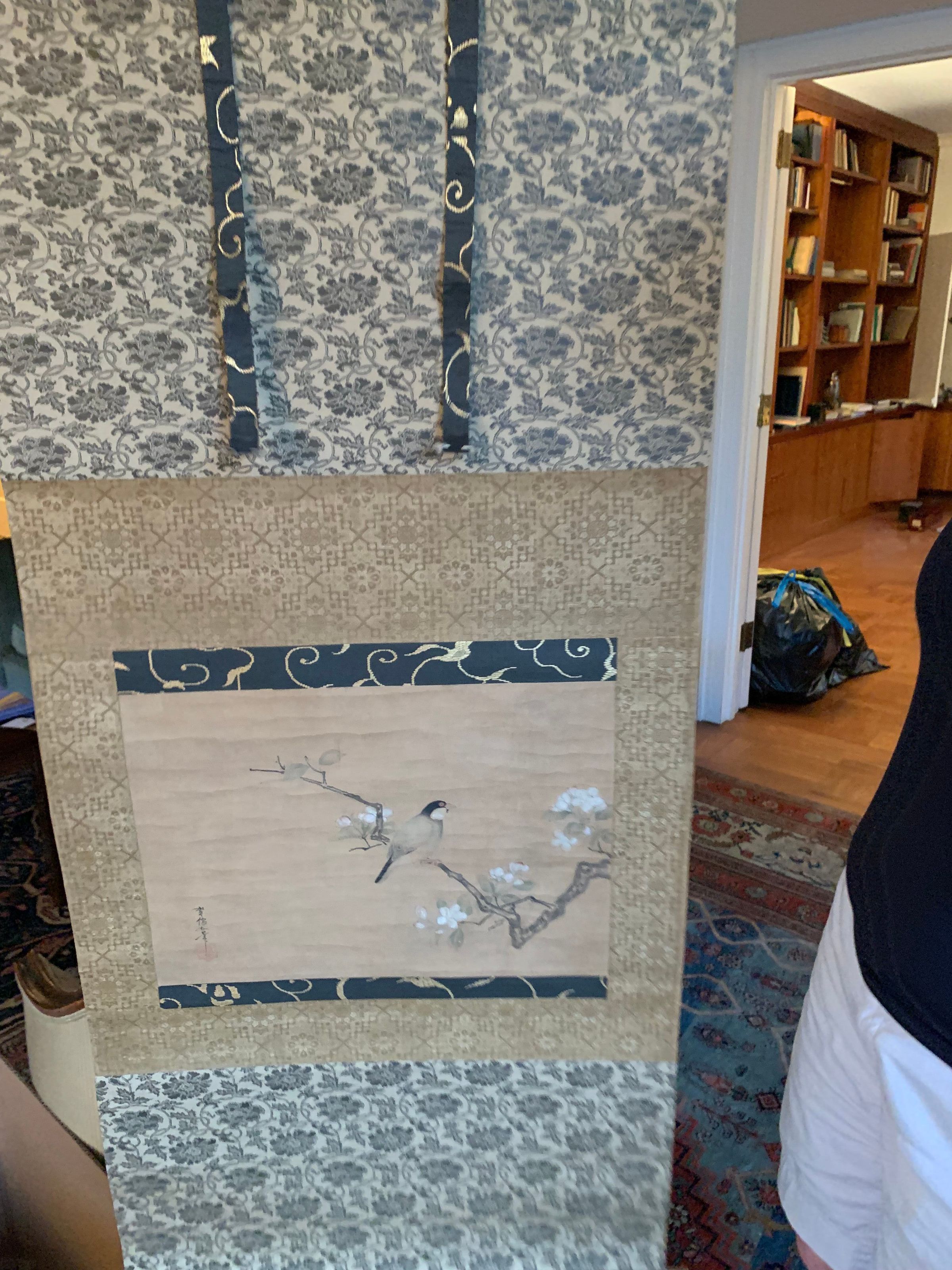
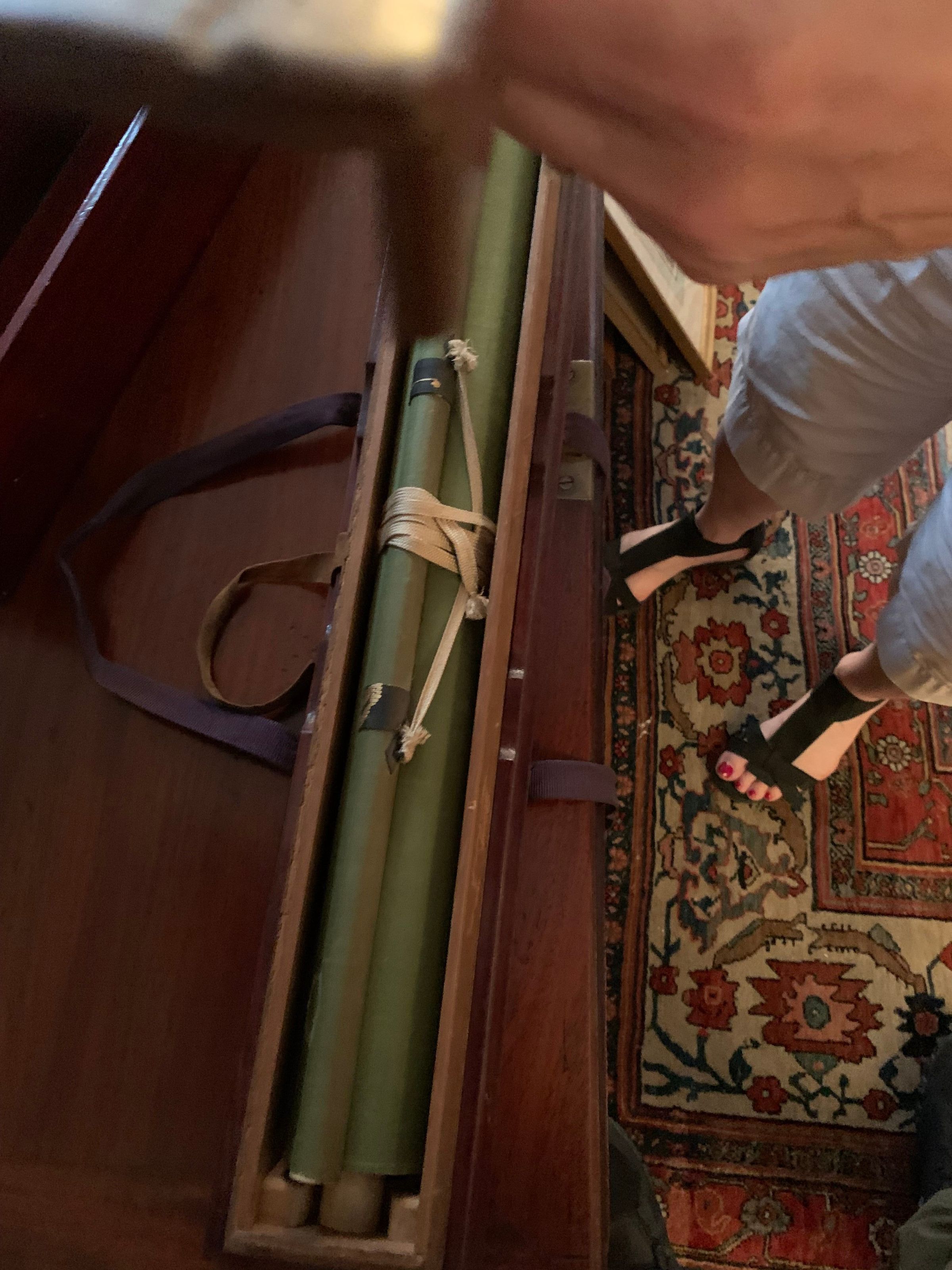
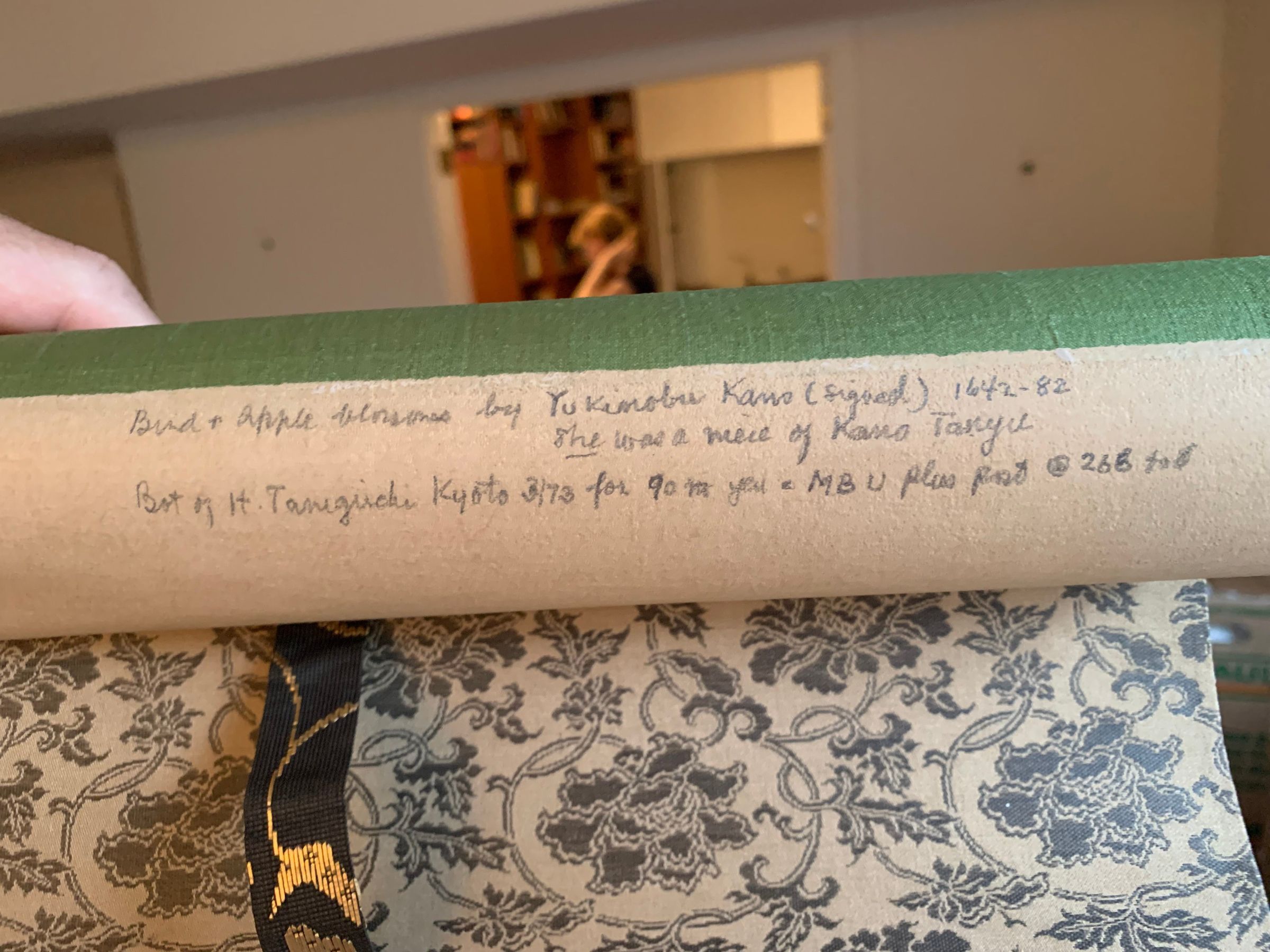
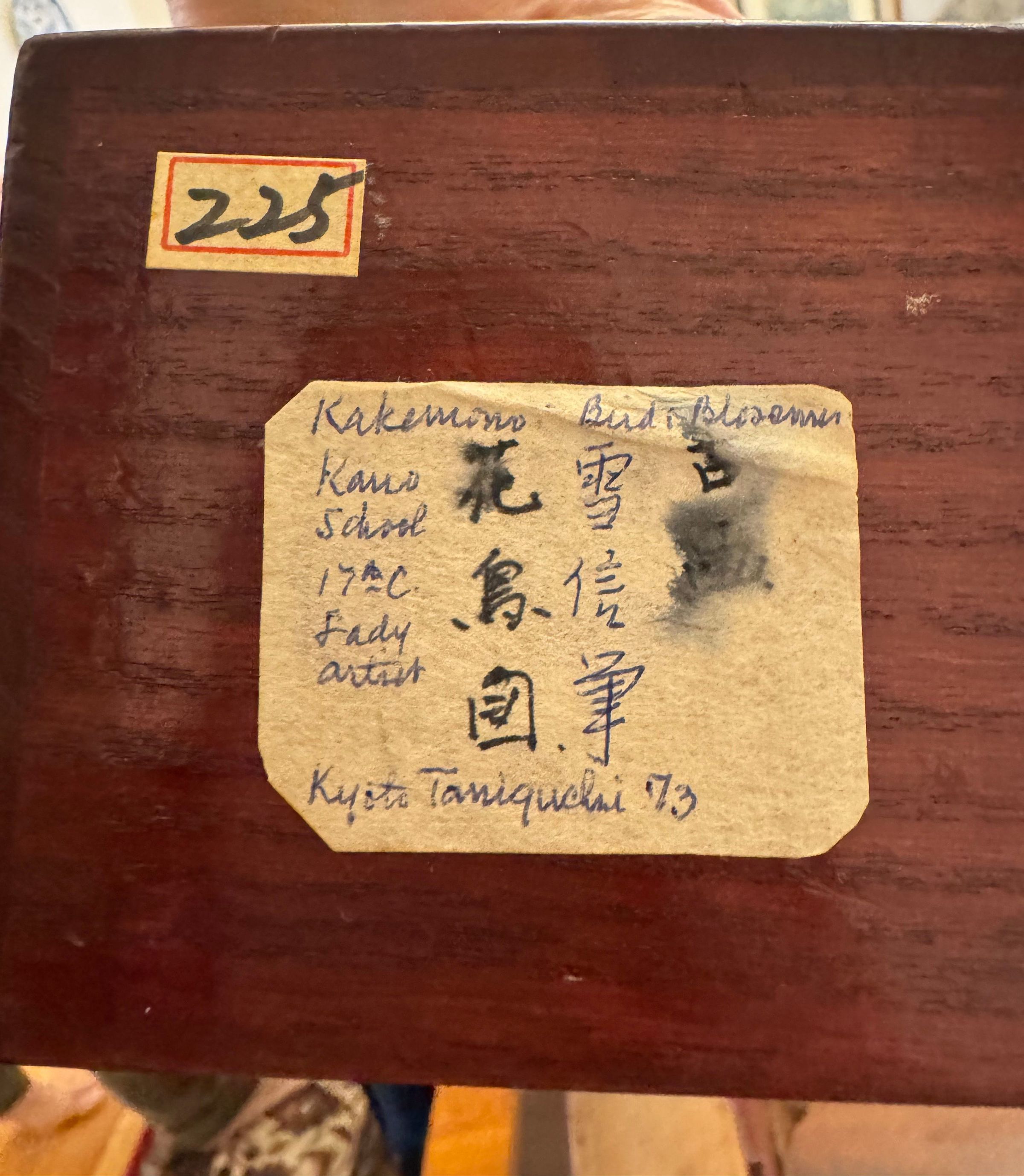
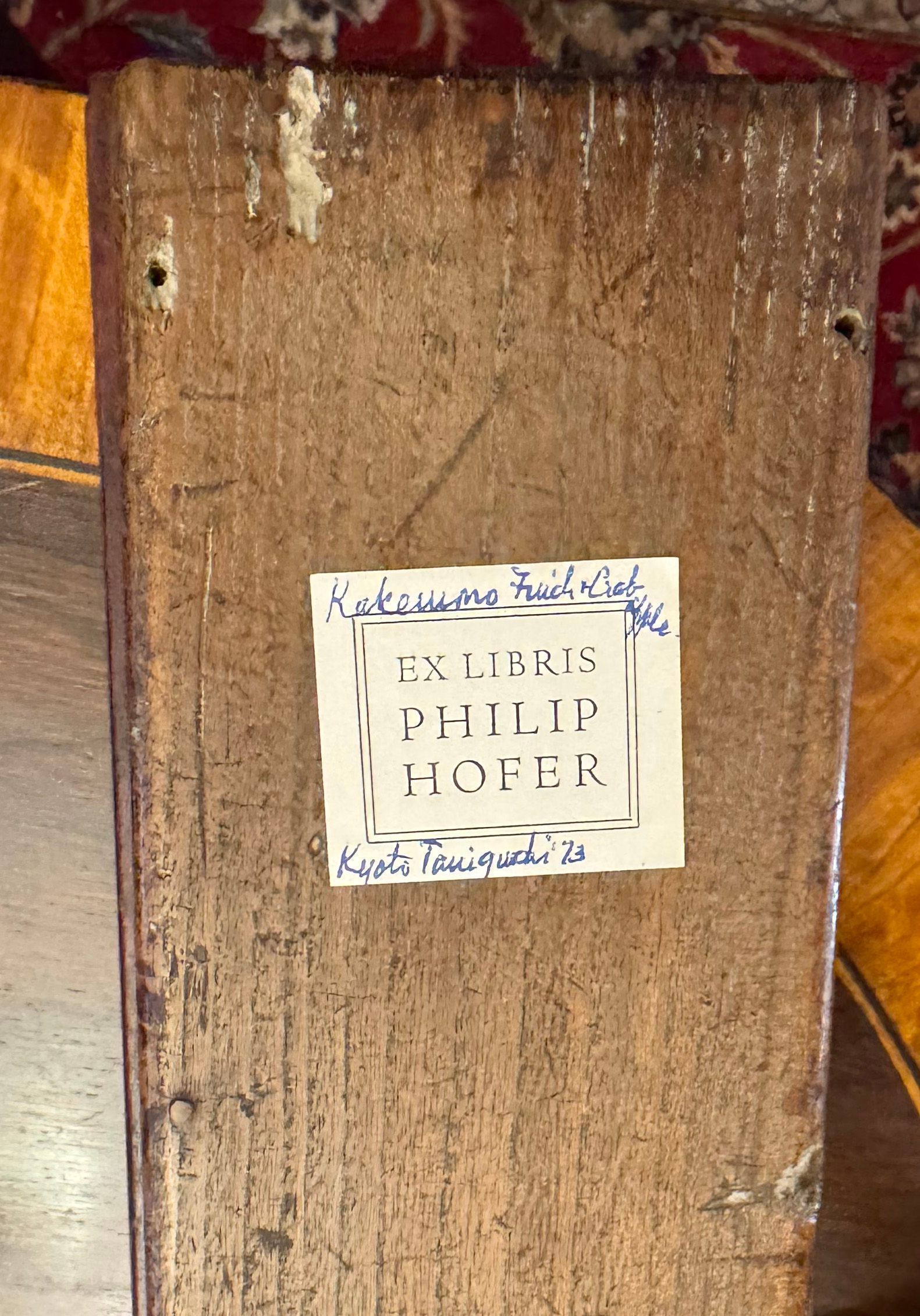
This final piece, a Kakemono (hanging scroll), is a beautiful example of Kachō-ga (bird-and-flower painting). Based on the helpful label you've shared from the wooden storage box (kiribako), we can pinpoint its lineage and historical significance quite precisely.
The Identification: Kano School "Lady Artist"
The label identifies this as a 17th-century Kano School work. This is highly significant for a few reasons:
The Kano School: They were the official painters to the Shogunate. Their style is characterized by firm, "bony" brushwork (derived from Chinese ink painting) combined with Japanese decorative sensibilities.
The "Lady Artist": The label notes this was painted by a "lady artist." In the 17th century (the Edo period), it was rare but not unheard of for women—often daughters of high-ranking Kano masters—to be trained in the family style. This makes the provenance particularly unique, as female artists from this era were often overshadowed by their male counterparts.
The Subject: The Japanese characters on the label read 花鳥図 (Kachō-zu), meaning "Painting of Flowers and Birds."
Artistic Features
The Bird: The bird appears to be a Java Sparrow (known as Buncho in Japan), a popular subject in Edo painting for its clean, graphic appearance and white cheek patches.
The Blossoms: These are likely plum or cherry blossoms, symbolizing the arrival of spring and the transience of life.
The Mounting: Notice the intricate silk borders (hyōgu). The choice of patterned brocade suggests this was intended for a formal tea room or a high-status home.
The Artist: Snow-Letter (Yukimoto)
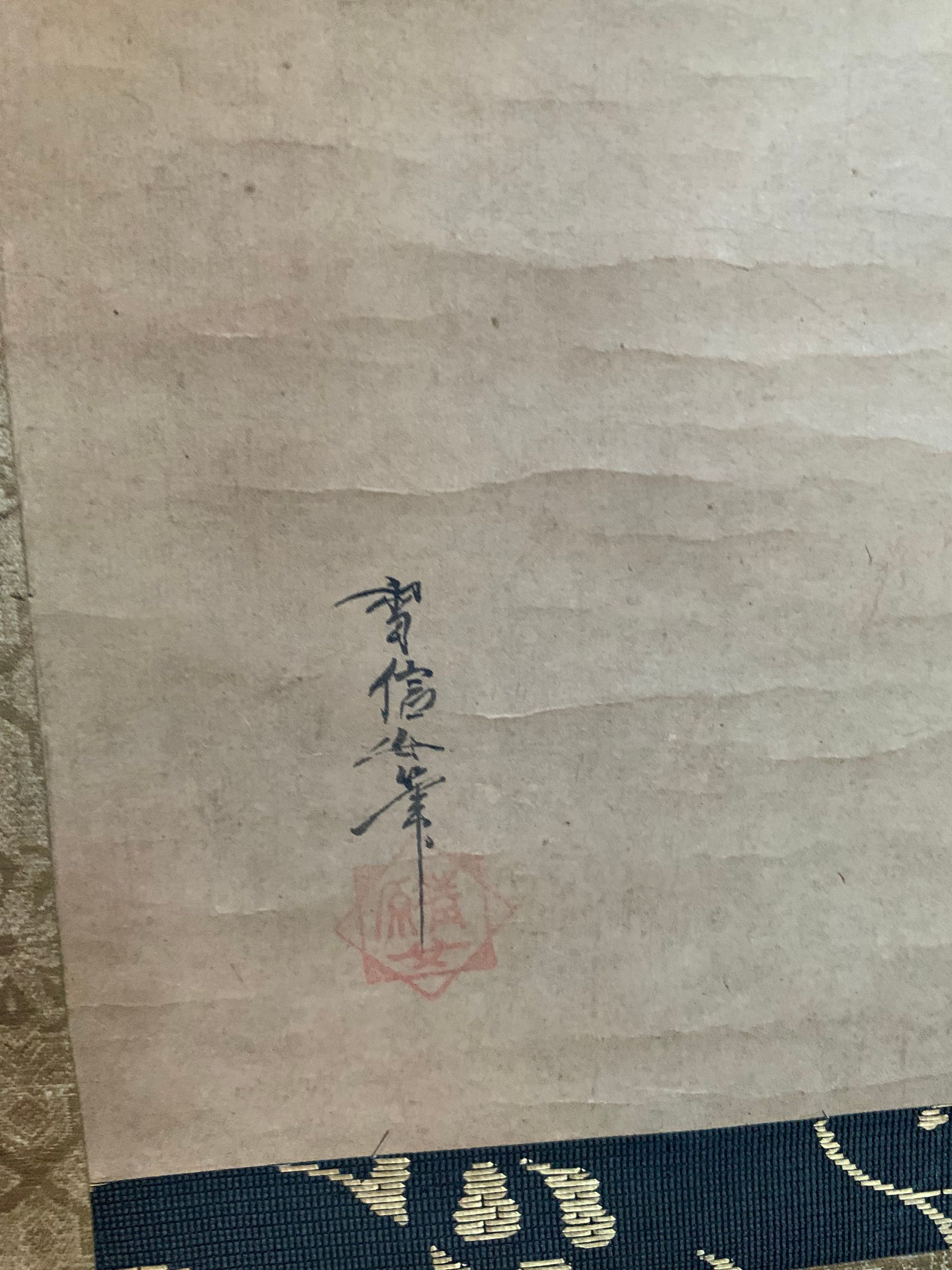
The signature reads 雪信筆 (Yukinobu hitsu), which means "Brushed by Yukinobu."
This identifies the artist as Kiyohara Yukinobu (1643–1782). She is widely considered the most celebrated female painter of the Kano school. She was the daughter of Kusumi Morikage and the niece of the legendary Kano Tan'yū. Her work was highly sought after by the aristocracy of the Edo period because she combined the bold, technical mastery of the Kano style with a unique "feminine" delicacy and grace.
The Signature: The fluid, vertical strokes are characteristic of her mature style.
The Seal: The red seal beneath her name is her personal mark, often used to authenticate her bird-and-flower (kachō-ga) and figure paintings.