Notes
The factory:
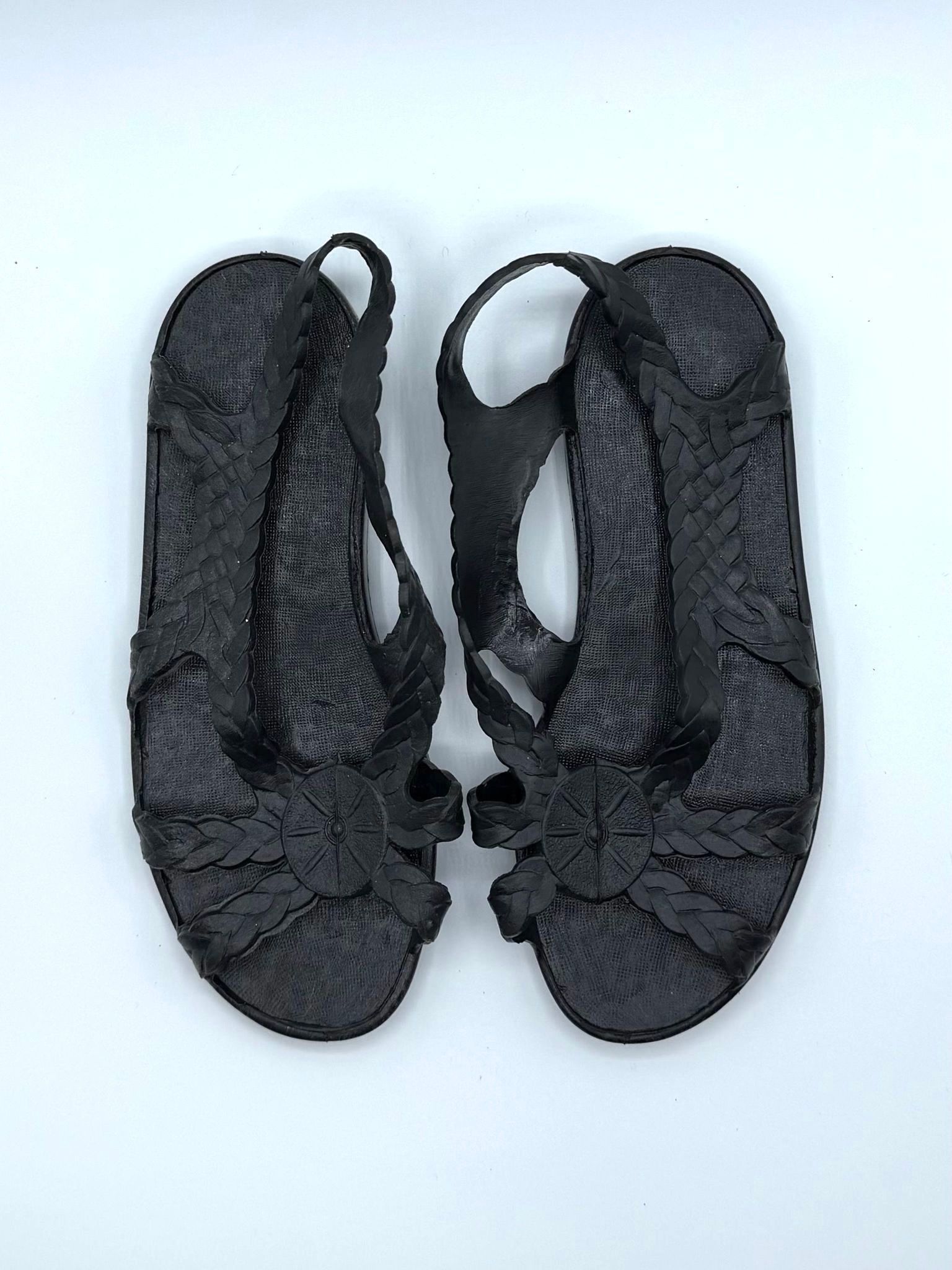
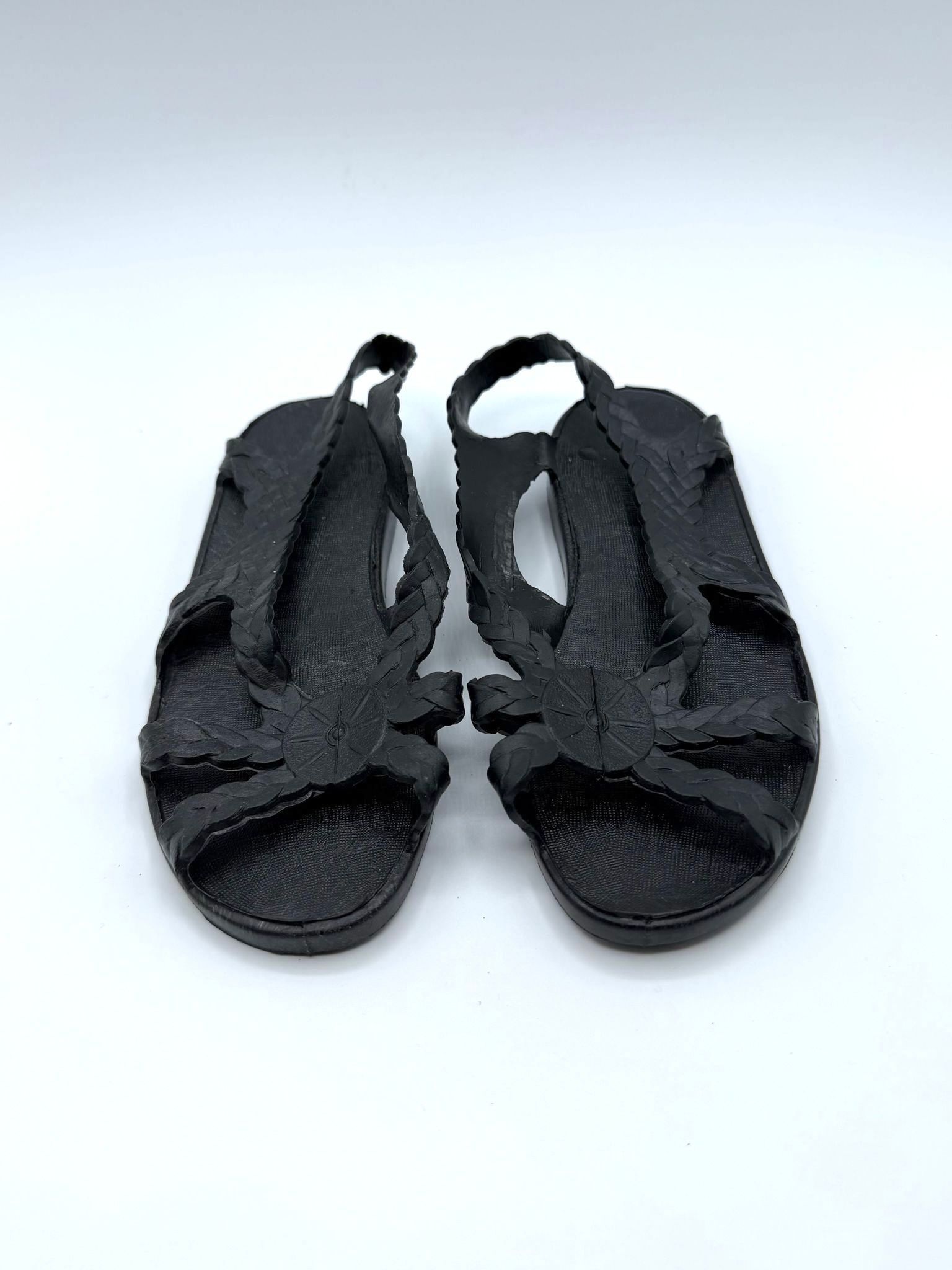
The standard scholarly attribution comes from Carollee Bengelsdorf, The Problem of Democracy in Cuba: Between Vision and Reality (1994): the 1968 Revolutionary Offensive reduced footwear output — which until then had relied heavily on small private workshops — and those workshops were replaced by a plastic-shoe factory acquired in the People's Republic of China. A Cuban memoir recalls an official announcement that a plastic-shoe factory was at full capacity and could produce 10 million pairs a year, with polyurethane being studied for closed shoes — "thus the kiko plástico was born."
The trigger was the Ofensiva Revolucionaria. On 13 March 1968 Fidel Castro announced the nationalization of all remaining private businesses — some 58,000 small enterprises — including around 9,600 small workshops, alongside the drive toward the 10-million-ton sugar harvest. Many stores closed for lack of goods such as clothing and shoes, and trades like cobblers and shoe-repairers vanished, making such services hard to find. With private cobblers and small shoe shops gone, the state turned to mass plastic-shoe production to fill the gap.
Pre-1959 Cuba had a major, export-quality leather-shoe industry — in 1954 Cuba produced about 15 million pairs of high-quality shoes for six million inhabitants — built on famous firms like Ingelmo, Bulnes, and Amadeo. After 1959 these were nationalized and largely repurposed or run down; the Amador Blanco Peña factory was created in the early 1970s on Fidel Castro's initiative using machinery seized from the Ingelmo and Valle plants, and the Nguyen Van Troi factory was designed and installed by Czech technicians of the SVIT (Bata) firm. The plastic-shoe plant from China belongs to this same post-Offensive reorganization of footwear toward state mass production.Notes
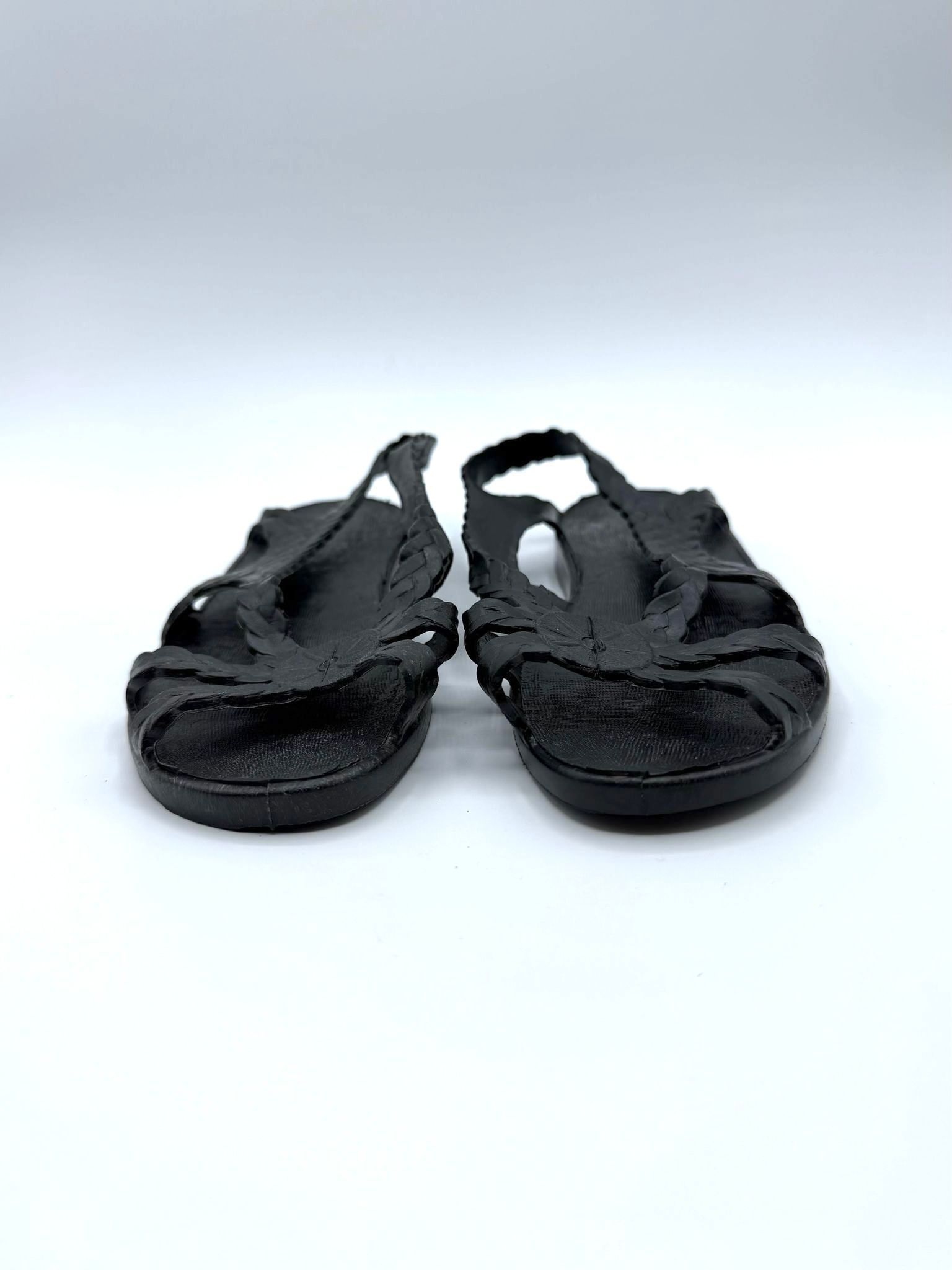
Distinct in model from the iconic holed school kiko, but part of the same plastic-footwear phenomenon.