Notes
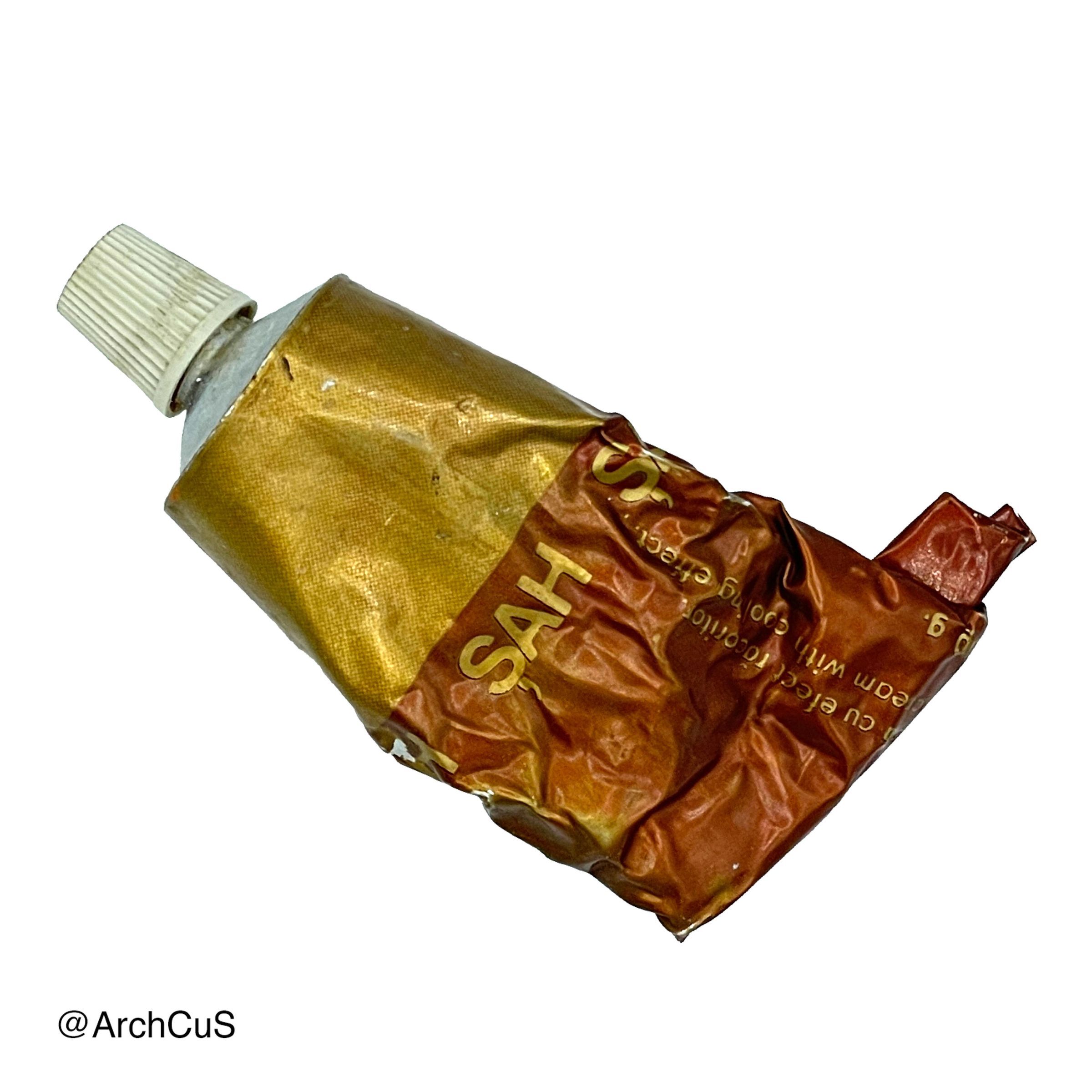
The product description "with cooling effect" (Romanian "cu efect răcoritor") indicates a mentholated formulation typical of mid-century men's shaving creams — designed to leave a cool sensation on the skin after shaving.Notes
The "Nivea" name and a necessary clarification. The Romanian manufacturer's name — Întreprinderea de Produse Cosmetice "Nivea" — uses the word "Nivea" in a way that requires clarification, because the Romanian state cosmetics enterprise was NOT the German Beiersdorf "Nivea" brand.
The use of the "Nivea" name by a Romanian state cosmetics enterprise during the socialist period reflects the more permissive Eastern Bloc handling of Western trademarks: the brand name had been in use in Romania since before World War II (Beiersdorf's Nivea had a strong pre-war presence in Eastern Europe), and after the postwar nationalizations the Romanian state continued using the name for its domestic cosmetics line, parallel to but legally separate from the West German brand. Post-1989, with the collapse of socialism and the restoration of Beiersdorf's trademark rights across Eastern Europe, the Romanian "Nivea" enterprise was reorganized and rebranded — most likely absorbed into successor cosmetics companies; the SAH brand appears to have been discontinued.Notes
The Romanian SAH shaving cream is documented in Romanian patent records (RO87955, 1983; RO86639, 1983) as a product of Întreprinderea de Produse Cosmetice "Nivea," with formula details including stearic acid, allantoin, propylene glycol, sorbitol, fragrance, and other excipients.
Notes
The Romanian/English bilingual labeling tells us the tube was produced for both the Romanian domestic market and Anglophone export. The relevant question is how a Romanian product reached a Cuban household. The most plausible answer is Leopoldo Arús Caraballo's Eastern Bloc travels: Romanian goods were available throughout COMECON, including in Czechoslovakia (which he visited) and the USSR. Less likely but possible: direct Romanian-Cuban trade. Romania under Ceaușescu maintained an idiosyncratic but active foreign policy: Romania kept diplomatic ties with countries the Soviet bloc otherwise broke with (notably Israel after 1967, and West Germany earlier than most), and pursued some non-aligned positions, while also maintaining standard COMECON trade. Romanian cosmetics and consumer goods reached Cuba both through direct bilateral trade and through Cuban travelers buying small consumer items in Eastern European markets and bringing them home.