Notes
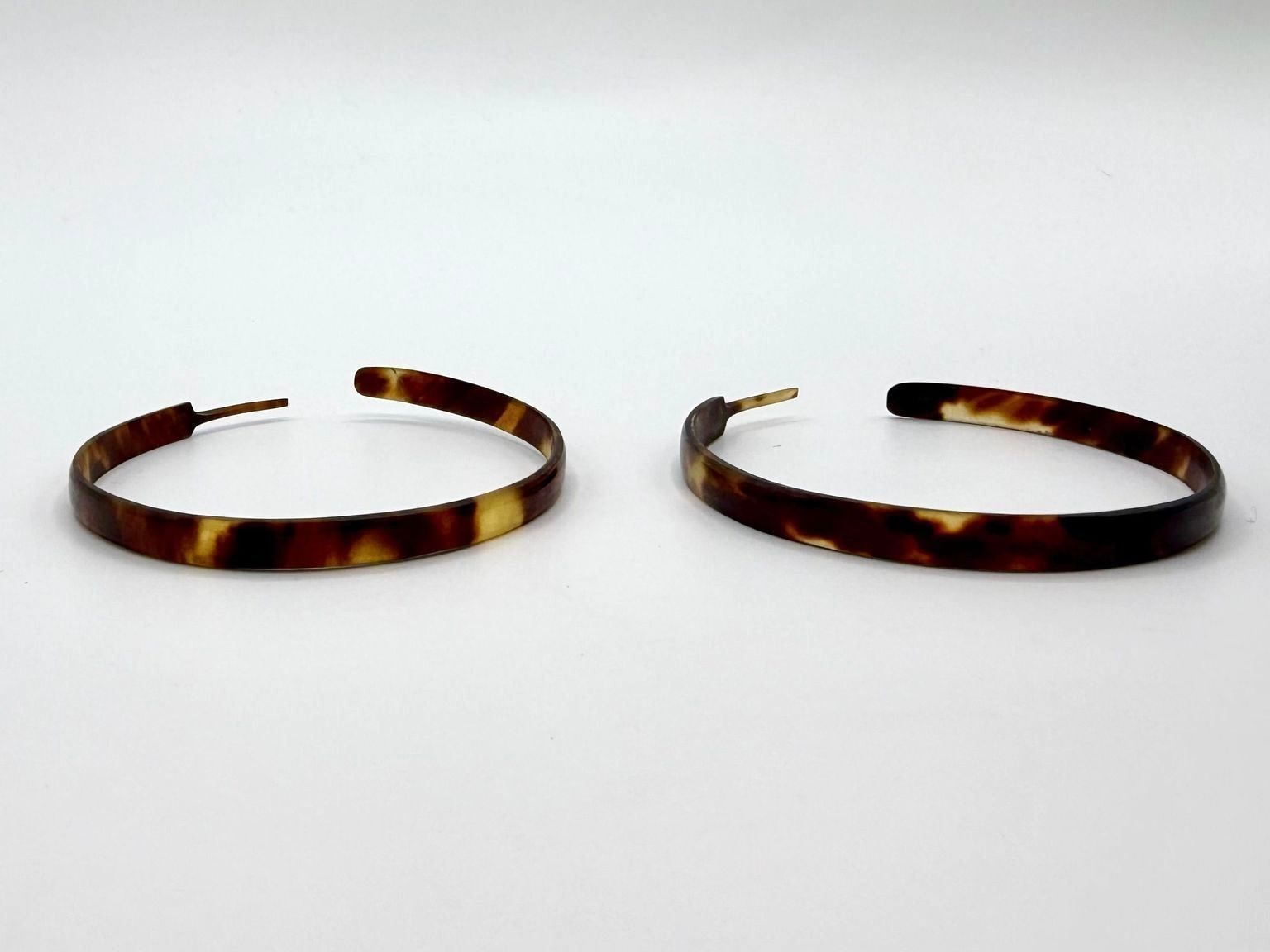
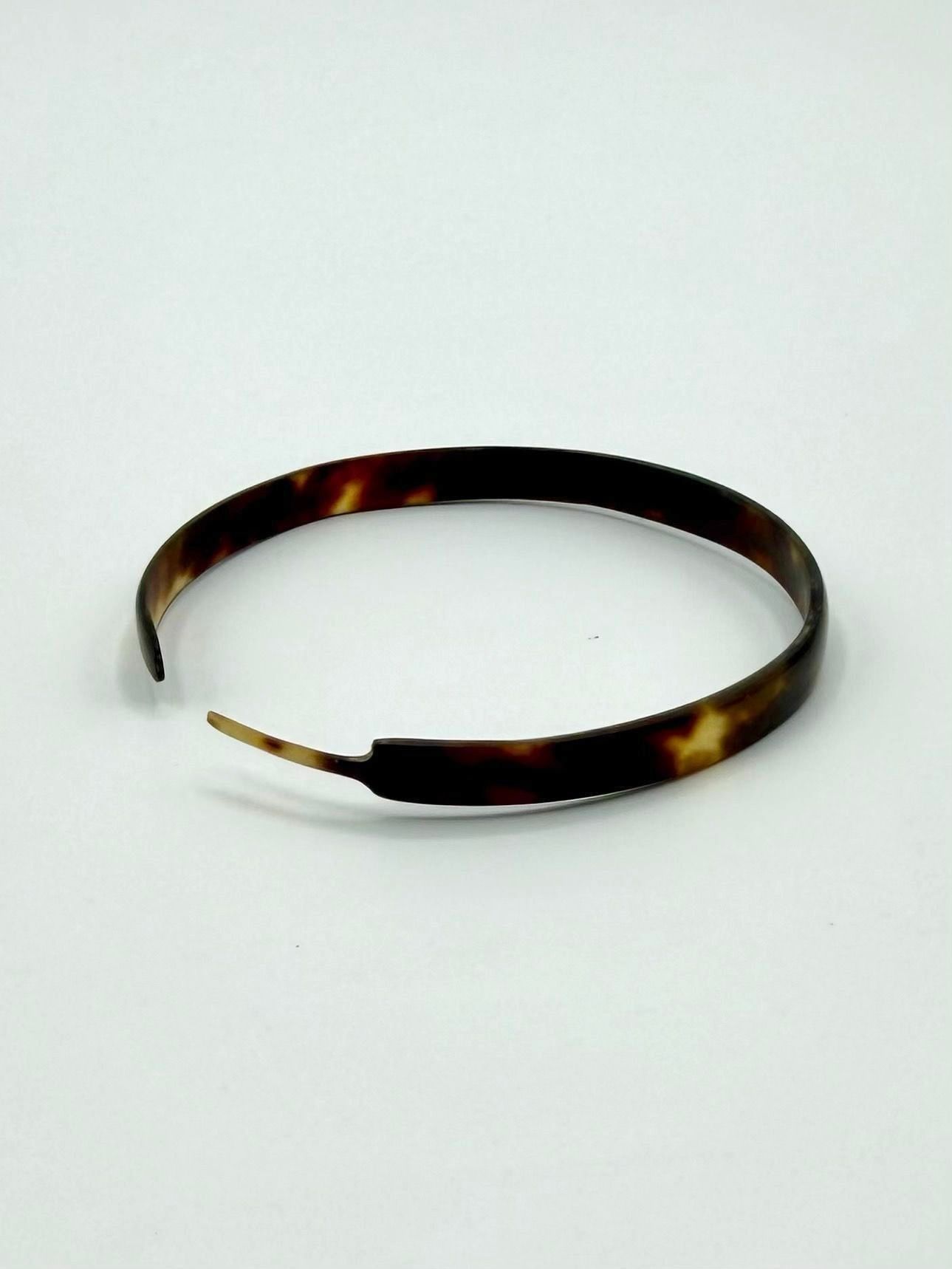
Carey (tortoiseshell) is the shell of the hawksbill sea turtle, the only natural source of commercial tortoiseshell, worked for centuries into combs, eyeglass frames, picks, and jewelry. The material is thermoplastic — softened with heat and pressure-worked — which is consistent with the scarf-joined hoop construction here.
CITES / legal note (important for this object): the hawksbill was listed on CITES Appendix I in 1977, banning international commercial trade. Cuba was historically among the largest tortoiseshell suppliers to Japan and continued a legal domestic hawksbill harvest (capped at 500/year) until 2008, when the hunt ended; Cuba also maintained a shell stockpile and twice sought (1997, 2000–02) to downlist its hawksbills for trade, withdrawing the proposals.
Practical implication: genuine carey items face strict restrictions on any cross-border movement, loan, or sale — relevant for catalog/provenance documentation even though display and study are unaffected.
Notes
Carey craft has deep roots in Cuban material culture, with tortoiseshell worked into combs, hair ornaments, jewellery, and decorative objects for centuries. After 1959, carey goods continued to be produced and, after 1978, sold through state-sanctioned artisan markets, occupying an ambiguous position between cultural heritage and the international trade restrictions imposed by CITES, which listed the hawksbill as a protected species from 1977.