Note Type
Historical NoteNote
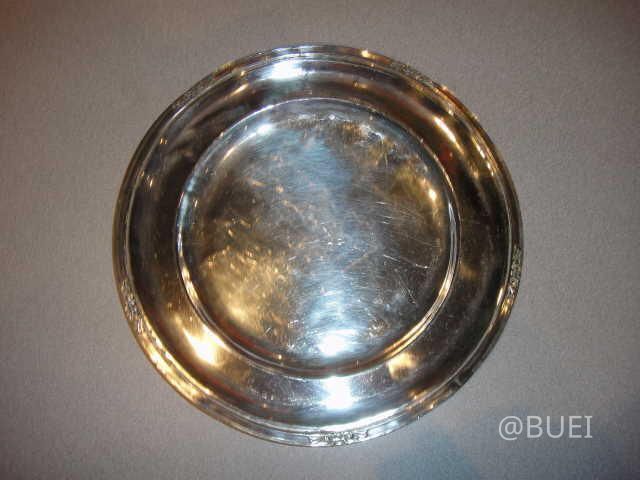
Charger plates have been in use since the 19th century. They are sometimes referred to as service plates and under plates. They are used as a base setting to serve dining courses onto and they enhance the dining experience. The practicality of a charger plate is that they prevent spillages and staining of the tablecloth. They also retain heat in the dining ware therefore keeping the heat of the food, therefore also protecting your table from heat damage.Note Type
Historical NoteNote
Luis Anduiza was a Spanish silversmith who operated one of the first and most successful silver factories in Spain. He made pieces for Spanish bourgoeisie and nobility, and ultimately the Spanish royal family. The Anduiza workshops were given the commission to provision King Alfonso XIII's royal yacht, Giraldo, with silver crockery and cutlery. The next year they also supplied crockery, cutlery and other tableware to the battleships of the royal fleet.