Tags
Baseball Hall of FameDescription
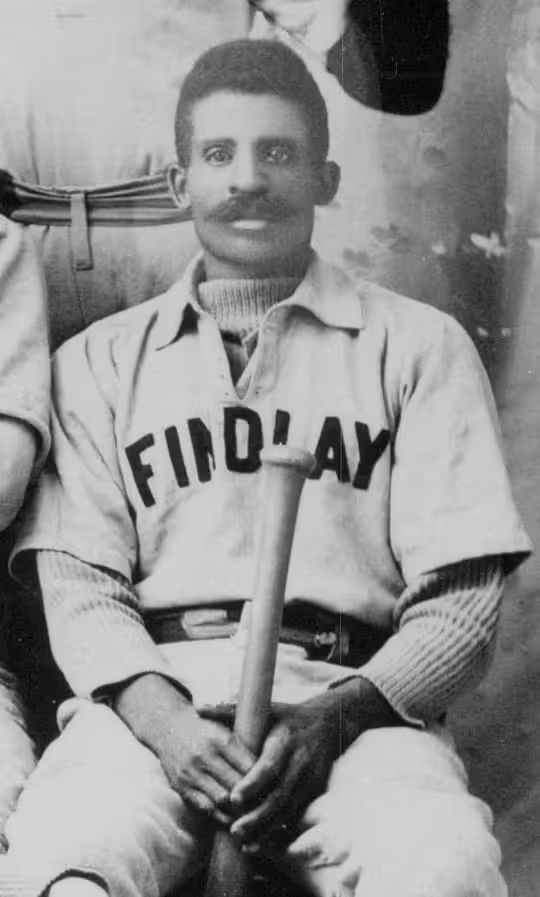
Bud Fowler grew up in 19th century Cooperstown, N.Y. And while he did not live to see the establishment of the National Baseball Hall of Fame, he did leave an indelible mark on history as a pioneering Black player in professional baseball.
Born John W. Jackson Jr. in Fort Plain, N.Y., on March 16, 1858, Fowler’s family moved to Cooperstown – located about a half hour from Fort Plain – just a few years later. According to village historian Hugh MacDougall, just 28 Blacks lived in Cooperstown at that time, and Fowler attended school primarily alongside white children. His father was a barber and in later years Fowler followed in his footsteps to help supplement his income.
In his early years as a pro, Fowler played primarily for a team in Lynn, Mass., but was often called in to pitch as a substitute on other teams. Racism ran rampant, though baseball’s color line had yet to be officially established, and this further fueled Fowler’s transient team affiliations. His time with the Guelph (Ontario) Maple Leafs, for instance, was short-lived because, per the Guelph Herald, “Some of the Maple Leafs are ill-natured enough to object to [a] colored pitcher.”
He faced similar obstacles in Binghamton, where the Boston Herald reported that “The players of the Binghamton club have each been fined $50 by the directors for having refused to go upon the field six weeks ago unless Fowler, the colored second baseman, was removed.”
The color of Fowler’s skin forced him into a more nomadic career than his white contemporaries. He manned second base for the Keokuk Hawkeyes in Iowa, appeared in the Colorado State League, signed with the Topeka Capitals, returned east to star for the Binghamton Crickets, ventured to Indiana to play for the Terre Haute Hoosiers, traveled Southwest to join the New Mexico League, represented Greenville in the Michigan State League and led the Nebraska State League in steals. All told, historians estimate he played for more than a dozen leagues throughout the course of his career, while Fowler himself claimed to have played on teams “based in twenty-two different states and in Canada.”
Despite the lack of consistent playing time, Fowler played professionally for nearly two decades and his talents earned him recognition in the baseball community; and was inducted into the baseball hall of fame in 2022.Context
In May 2024 the integration of Negro League statistics into Major League Baseball's (MLB) official records is considered a historic act of atonement and a long-overdue correction of a "historic wrong". For decades, Black players were excluded from the American and National Leagues due to racial segregation, forcing them to create their own circuits that were just as competitive but remained officially unrecognized until recent time.Collection
Negro League Baseball Cards and MemorabiliaCataloged By
Charles OmamehCreate Date
March 30, 2026Update Date
May 5, 2026