Notes
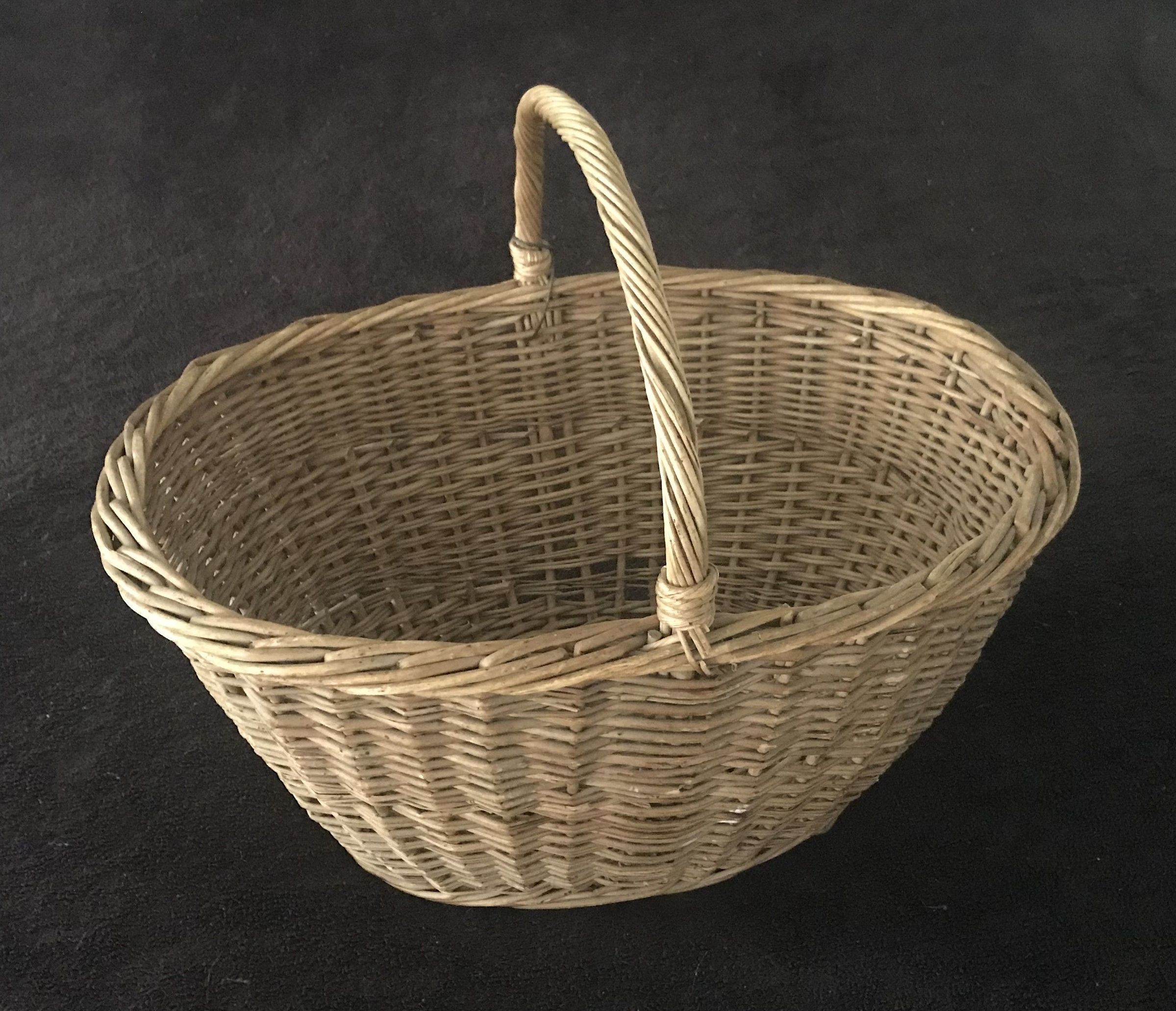
“In 1861, the Civil War began. In 1863, the slaves were all set free. H. G. Brunk was wanted then in Rockingham County, Virginia., to fight against armies in the north countries called Yankees. Brunk’s faith made him one of the seventy brethren on horseback through the mountains for Yankeedom. They were captured by two soldiers who took their seventy horses, saddles and bridles to the cavalry in the Rebel army and the seventy brethren to the Richmond, Virginia, jail. They were not required to put on any uniforms, but because they would not be drilled as warriors they had to take care of the sick in the army, and haul hay from the large bank barns for the cavalry horses, using the four-horse teams taken from the farmers by the soldiers. While Brunk was waiting his turn to get his load in the barn he slipped off home through the big orchard and timbers. Then he kept hid from the soldiers two and a half years at his neighbors’ dwellings, in the garrets sometimes, where he made willow-whip baskets. Henrietta Cooprider has one of them at this writing, July, 1919.”
Excerpt from the Handwritten Article by Reuben J. Heatwole titled “Long Ago,” published in the January 1948 issue of the Mennonite Historical Bulletin. Reuben J. Heatwole was Henry G. Brunk’s brother-in-law and fellow refugee from the Civil War. Henrietta (Brunk) Cooprider is Henry G. Brunk’s daughter and R. J. Heatwole’s niece.Notes
“Sometimes he made willow whip baskets, of which we still have one in our possession. Neighbors children would tell it quietly, if they saw a soldier coming.”
Page 19 of the booklet "Through Trial to Crown of Life: Story of Grandmother Heatwole-Brunk-Cooprider". Ethel Estella (Cooprider) Erb was Henry G. Brunk’s granddaughter and Henrietta (Brunk) Cooprider’s daughter. Her booklet was published c1940 with a second printing c1944.Notes
This willow basket was woven by Henry G. Brunk, a Virginia Mennonite, who married Susanna Heatwole just prior to the Civil War. … he hid in the barns and attics of his community and would weave baskets from the willow switches along the creeks. This basket survived the trip to Kansas in the covered wagon and was handed down to Cooprider family members.”
Excerpts from a Hesston College Centennial Display Titled: “Henry G. Brunk Basket – 1863”
by Herb Zook. Herb Zook was Henry G. Brunk’s great-grandson, Henrietta (Brunk) Cooprider’s grandson, and Stella (Cooprider) Erb’s nephew. Zook submitted this statement on September 9, 2009, for the Hesston College Centennial Heritage Auction. The basket was displayed at the auction, but it was not put up for sale. Herb’s statement included a photograph of the basket that matches the basket that his daughter donated to the Brethren & Mennonite Heritage Center, June 13, 2025.Notes
“My father Herb Zook son of Ruth Cooprider Zook was showing and loaning the basket to historians… for the last 10 years before Herb’s death. When the basket came back to me two years ago, I was devastated to see that the tag that was written in my grandmother’s handwriting was missing from the basket. On the tag she wrote that she was presenting it to me and explained the significance of its history—that is, my great-great-great-grandfather who refused to kill others in war had woven willows into baskets to leave as gifts for families in whose barns he was safely hiding during the Civil War. My grandparents were moving out of their sweet home and into an apartment in Schowalter Villa. I clearly remember the day she wrote and read the note to 8- or 9-year-old me and wired the tag onto a bottom reed inside it. I walked the half mile home carrying it carefully and put the basket in my room and promptly filled it with stuffed animals.”
Account by LuAnn Zook. LuAnn Zook is Henry G. Brunk’s great-great-granddaughter, Henrietta (Brunk) Cooprider’s great-granddaughter, Ruth (Cooprider) Zook’s granddaughter, and Herb Zook’s daughter.