Name/Title
Edison's Talking Doll (1888–1890)Entry/Object ID
116Description
The world's first talking toy – a technical marvel and commercial failure
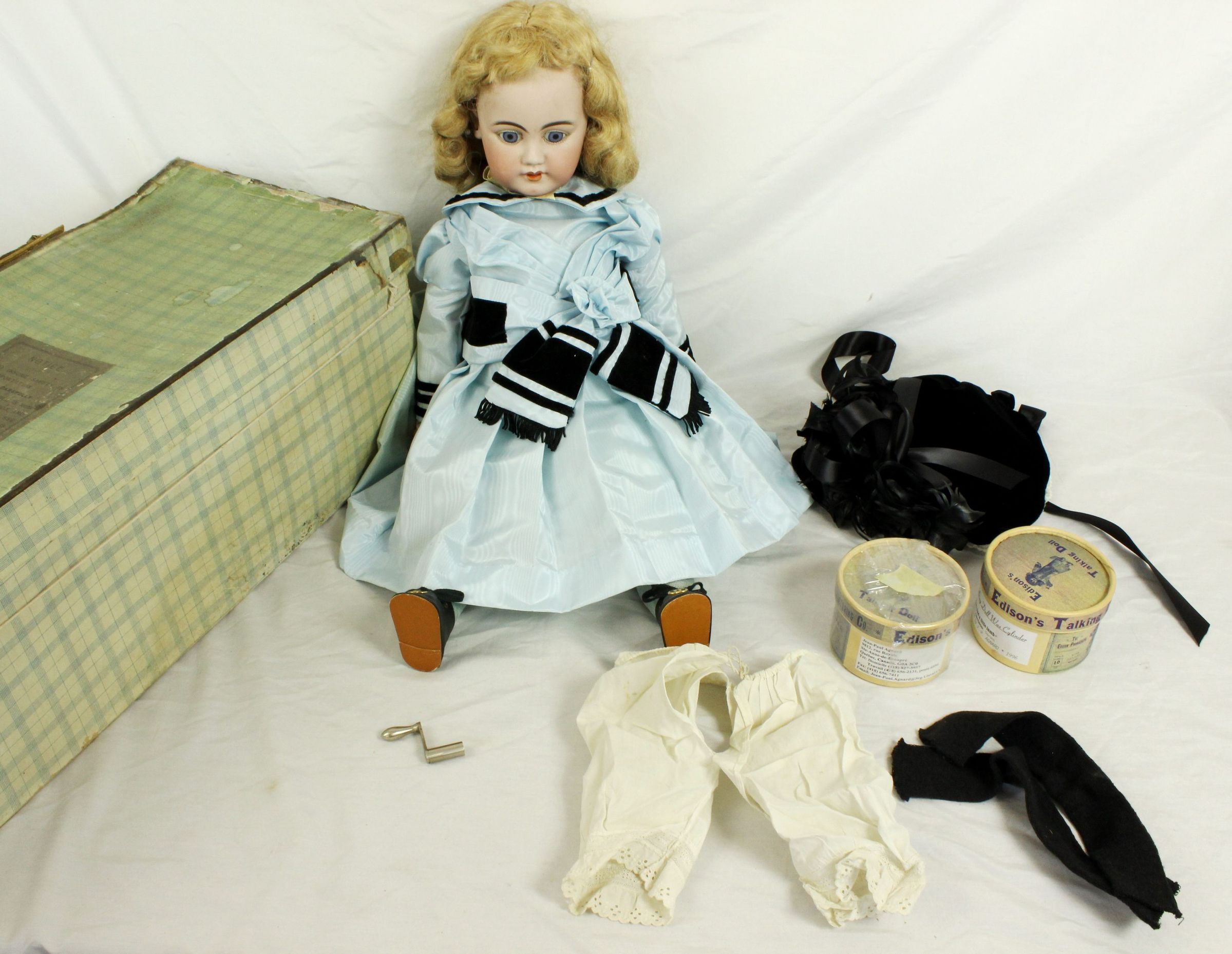
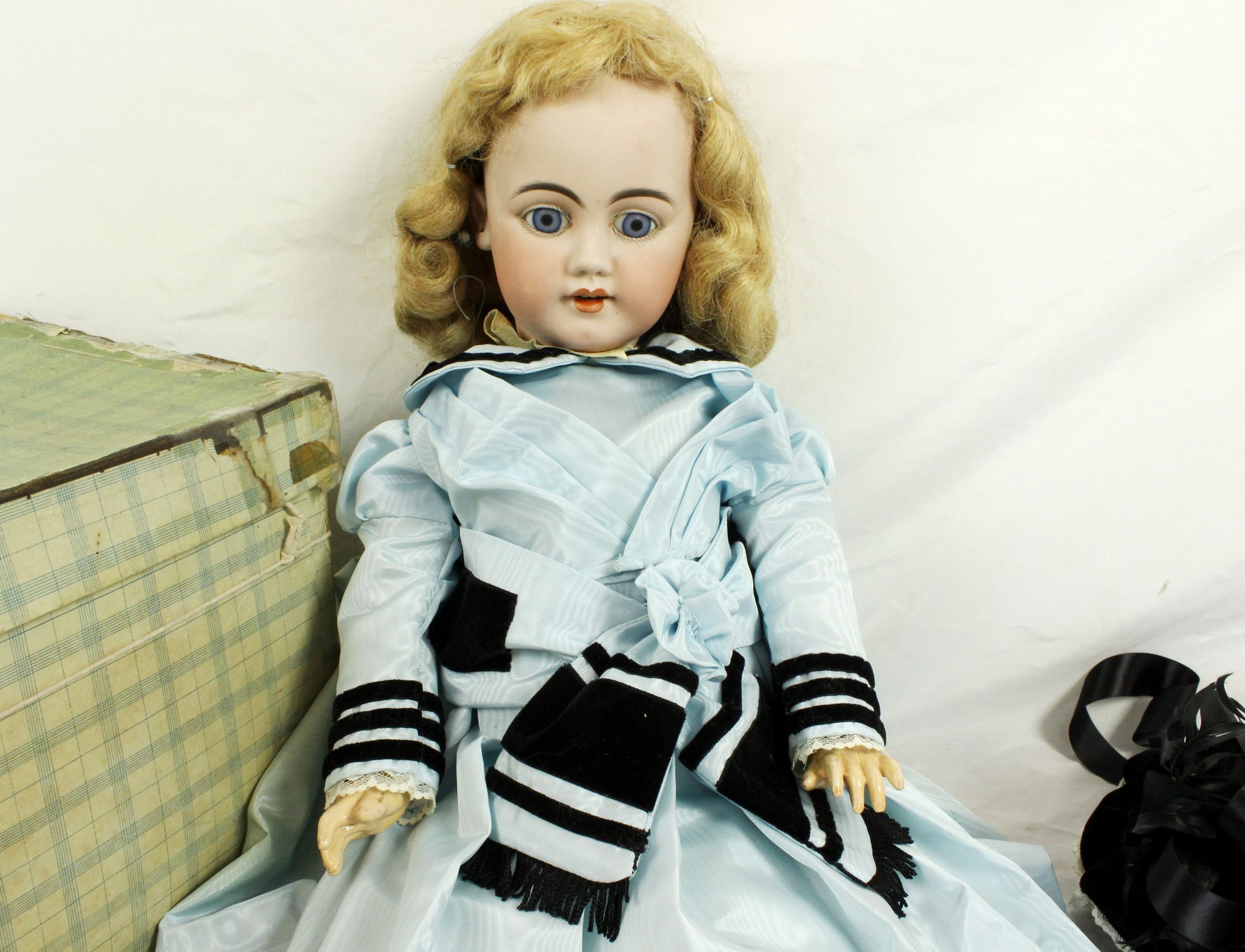
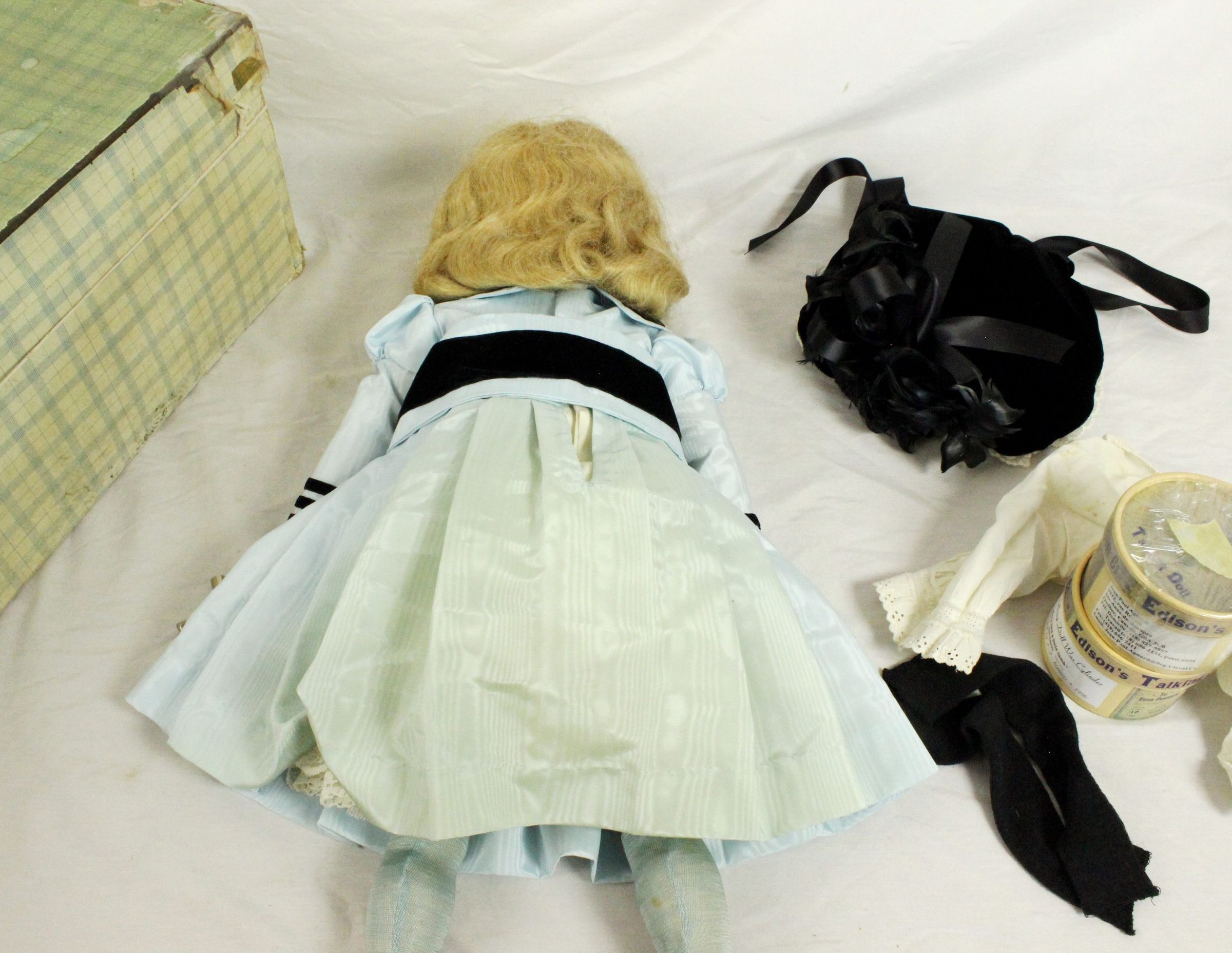
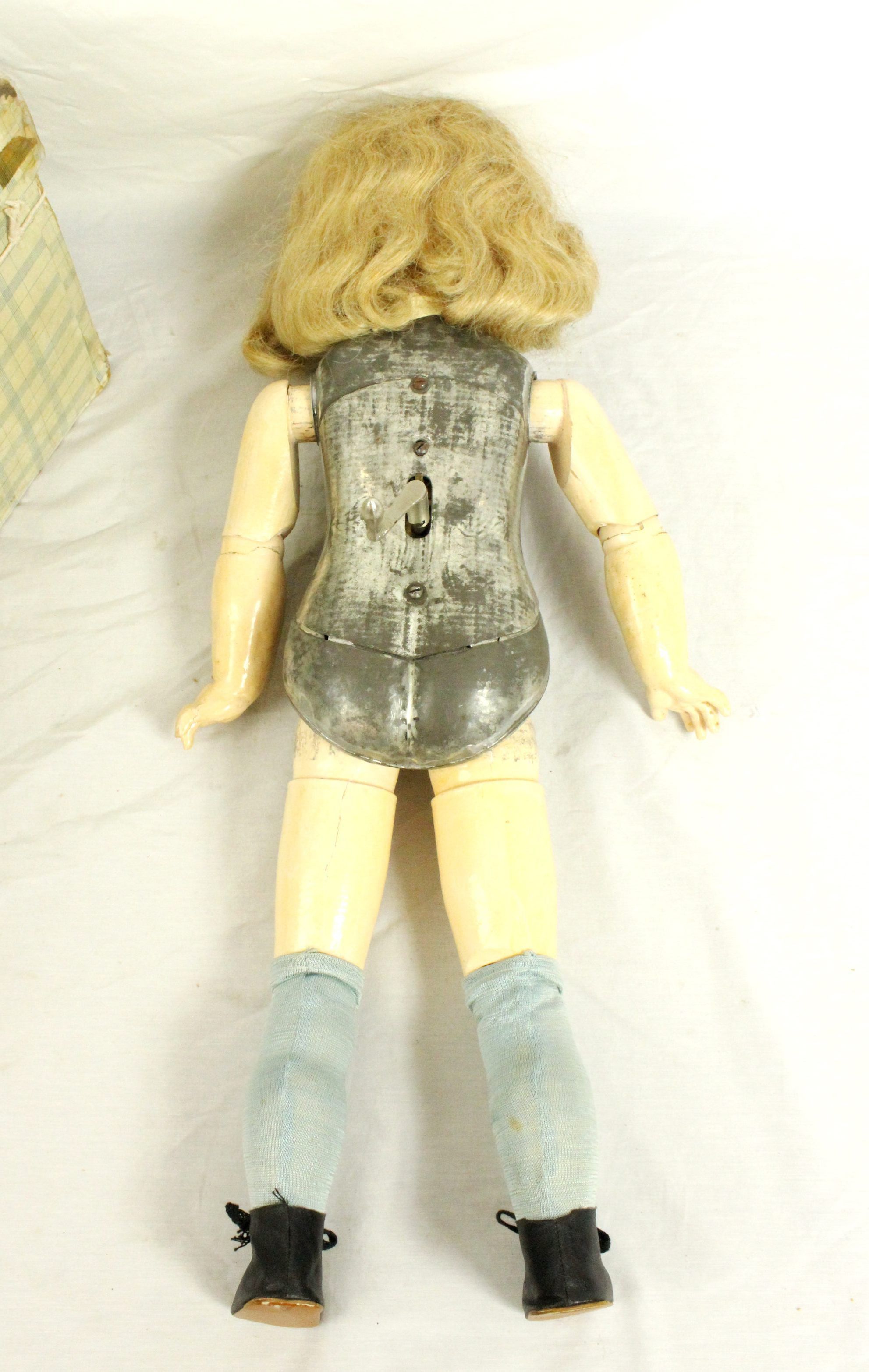
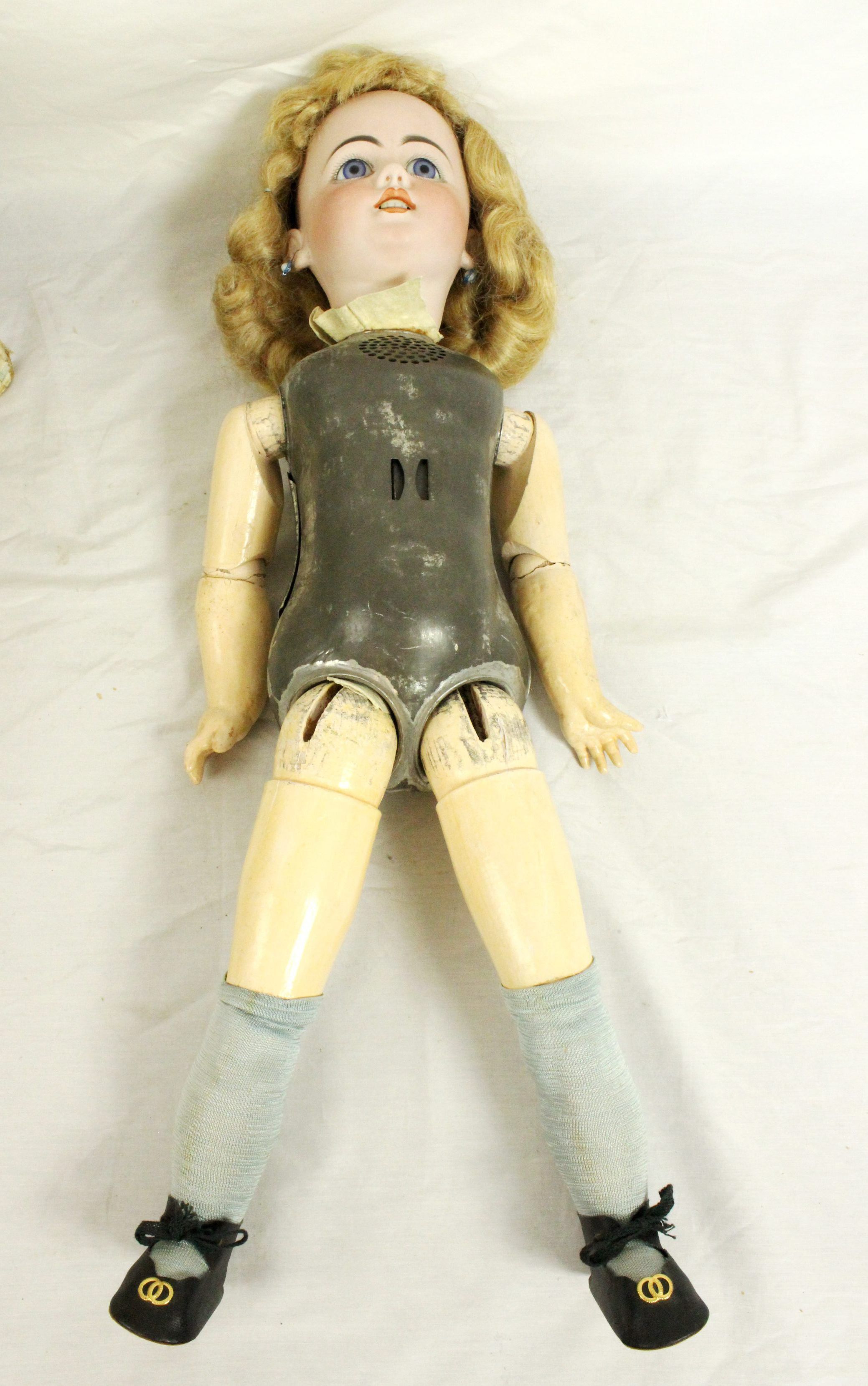
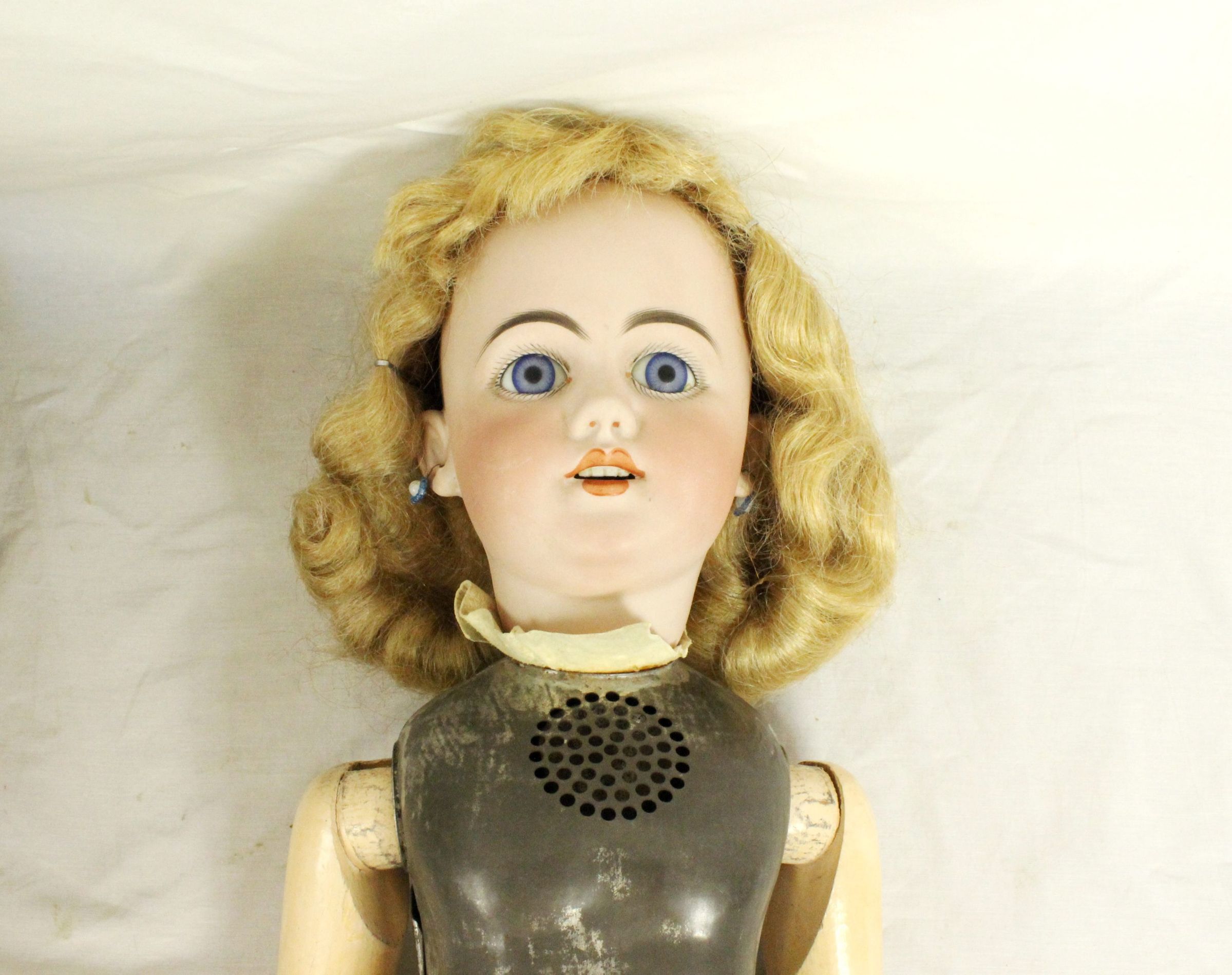
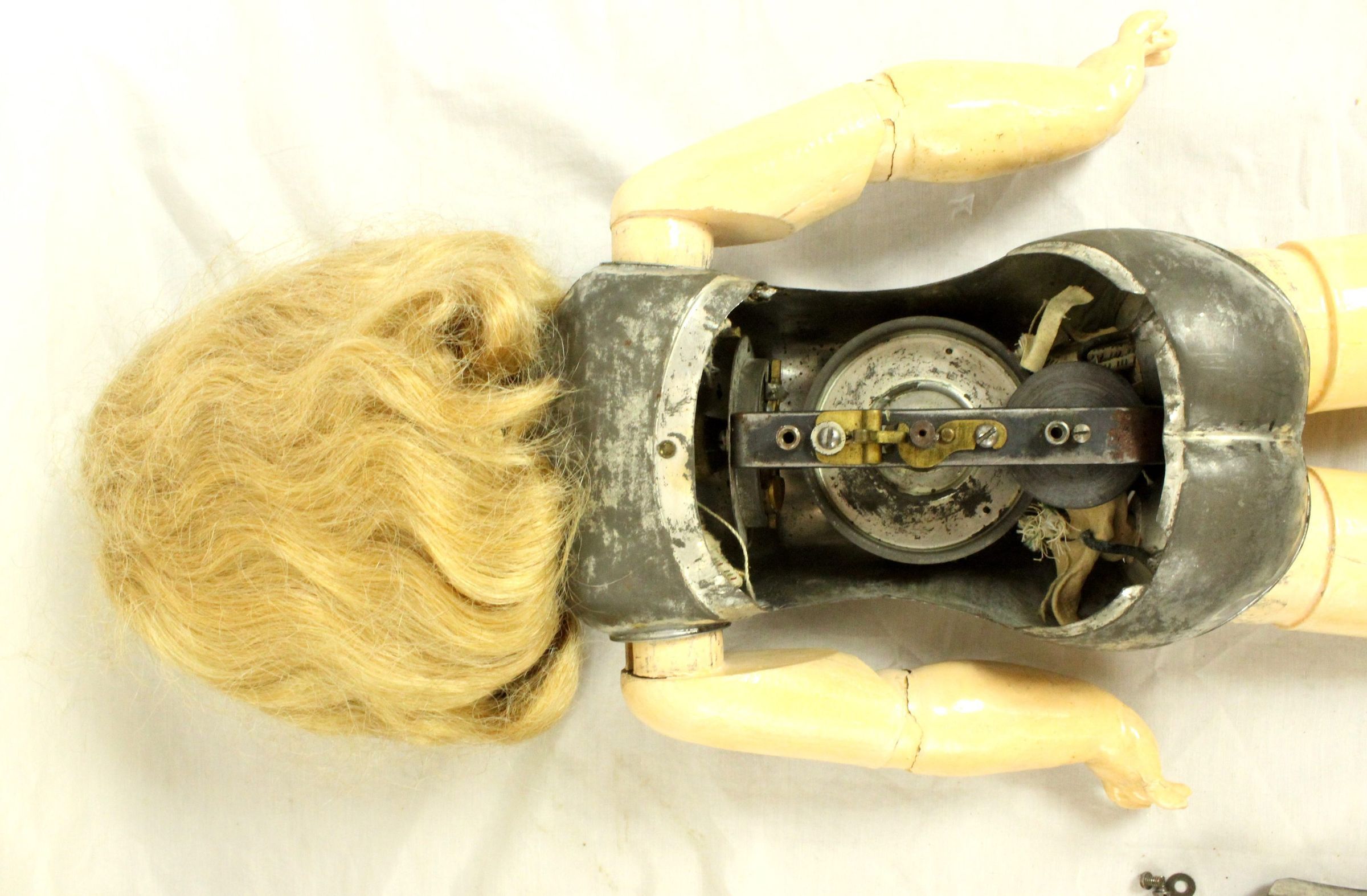
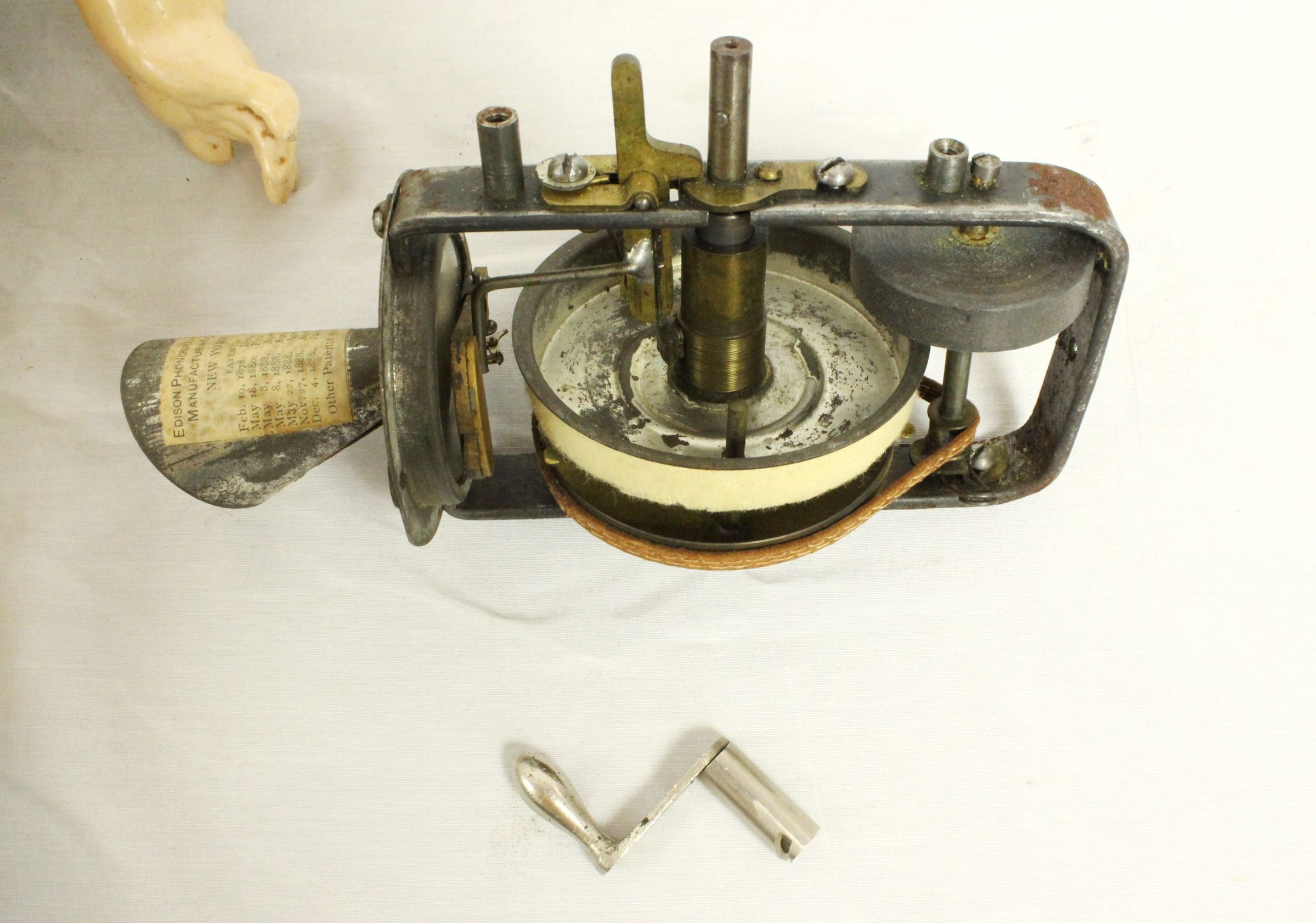
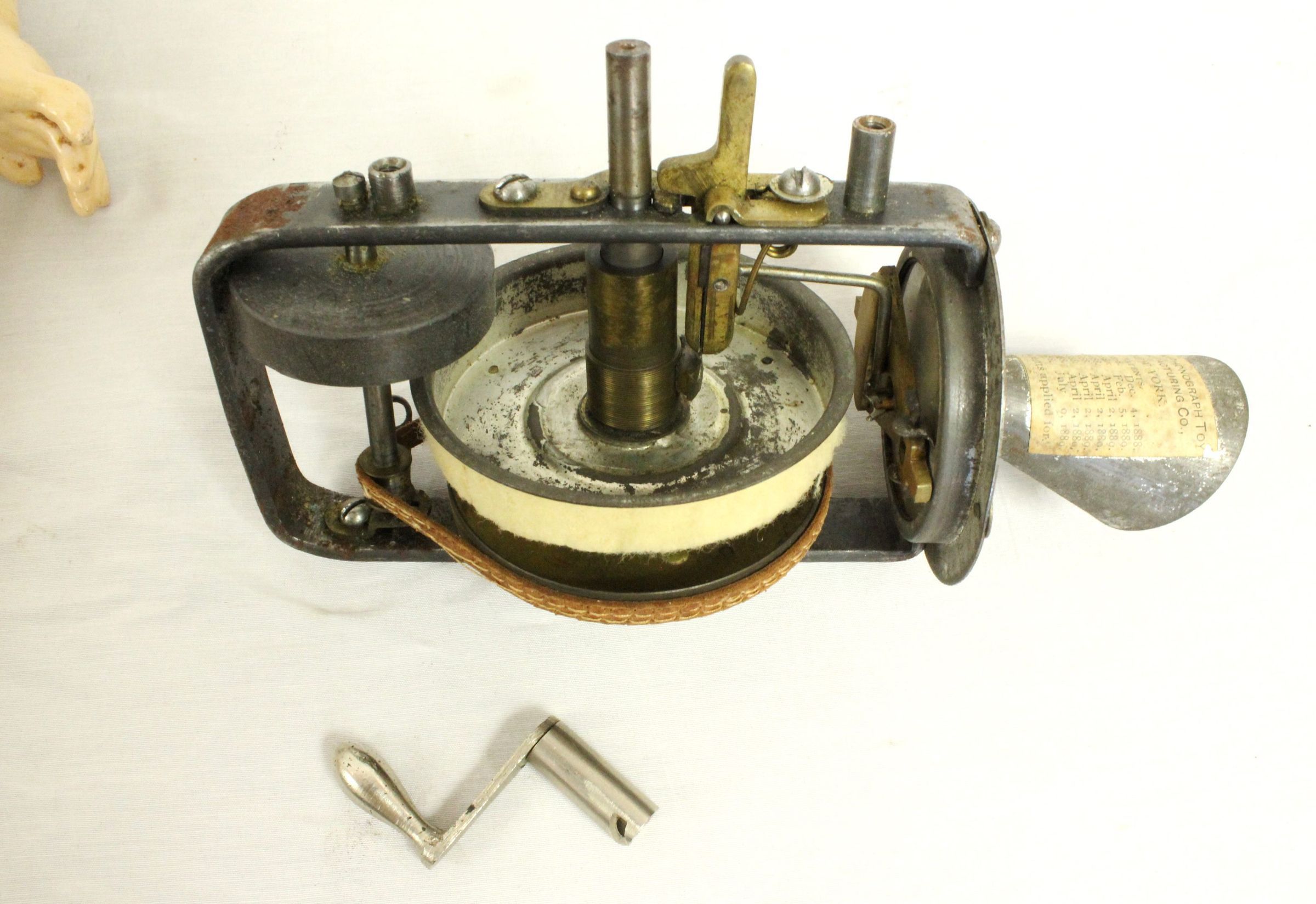
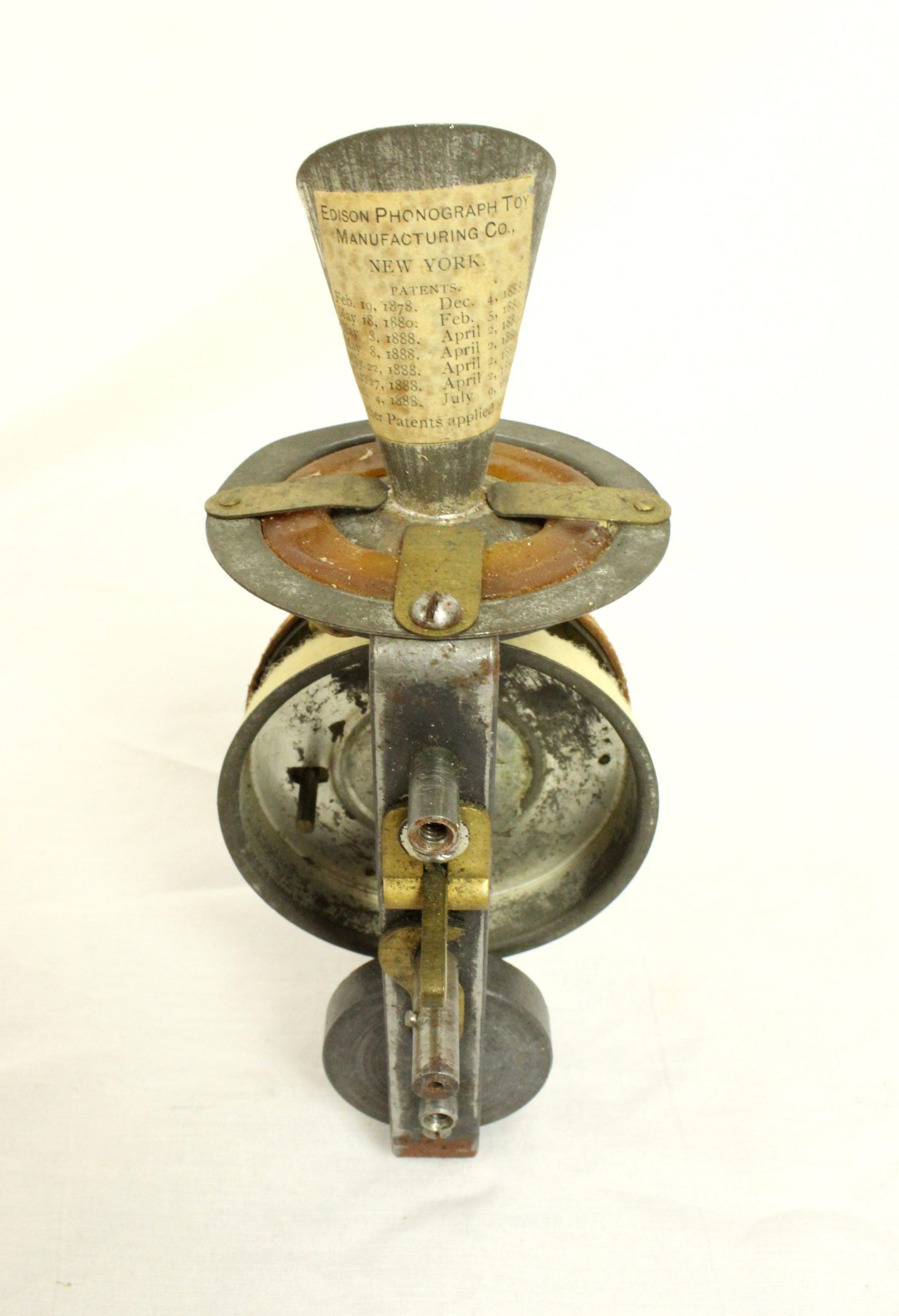
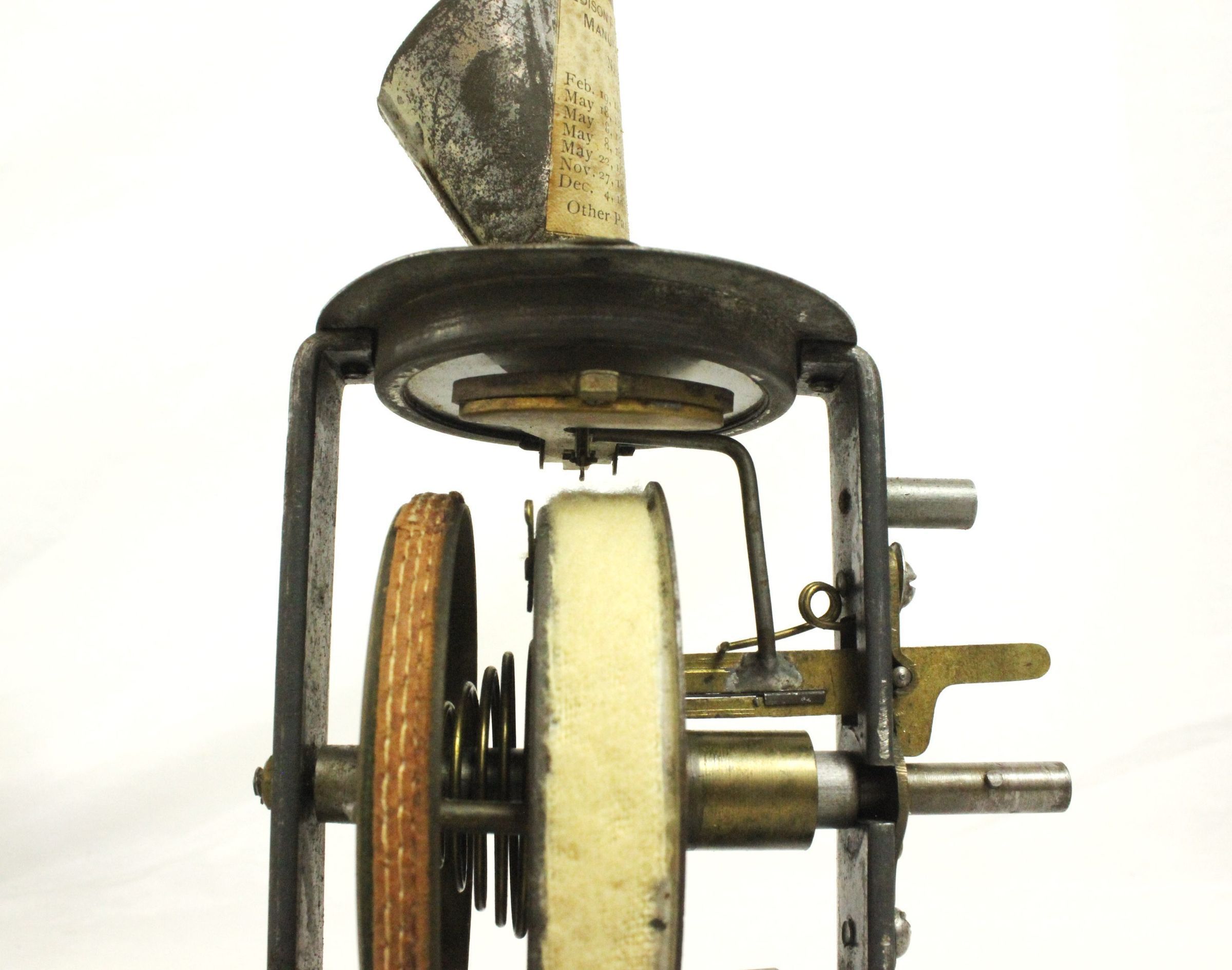
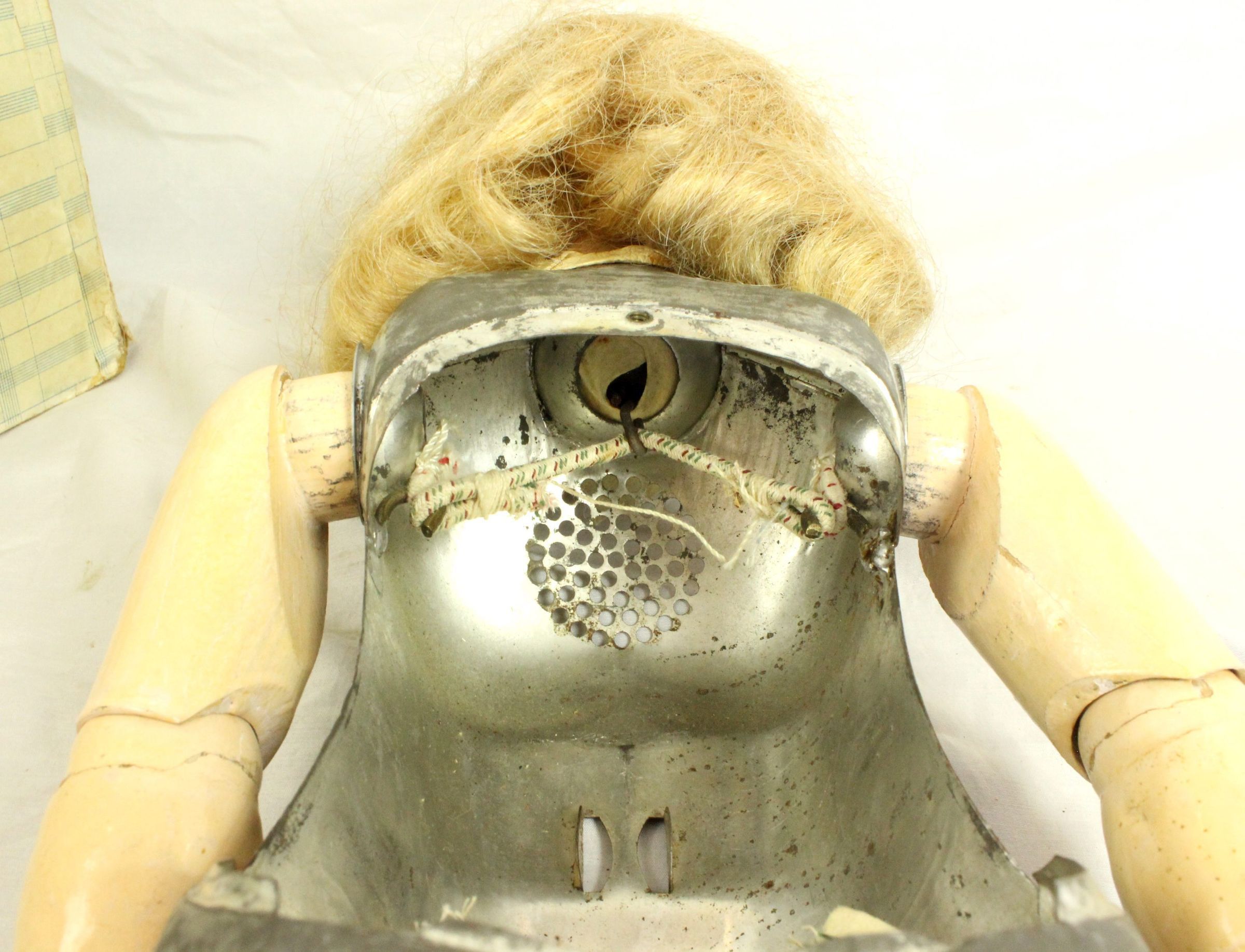
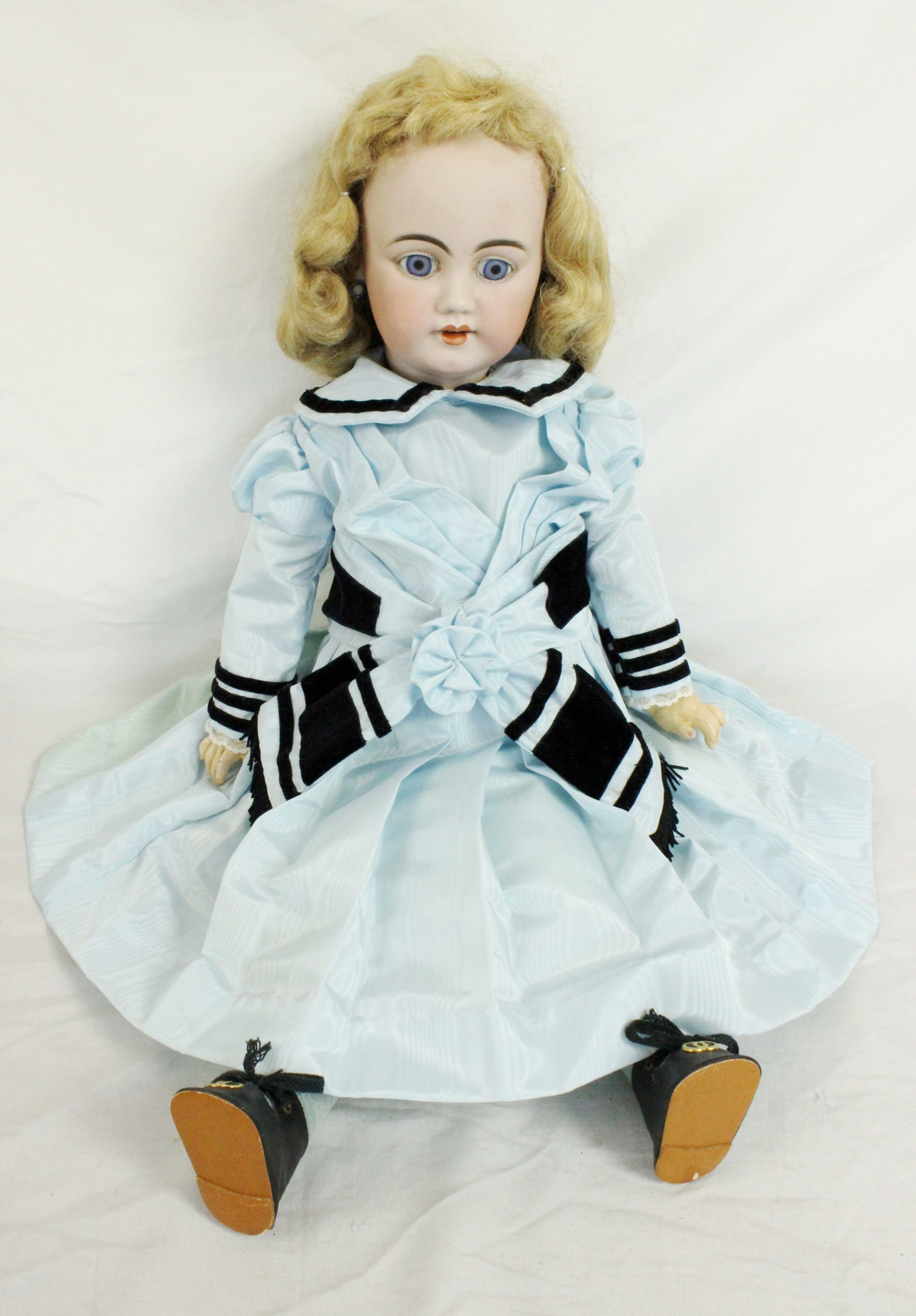
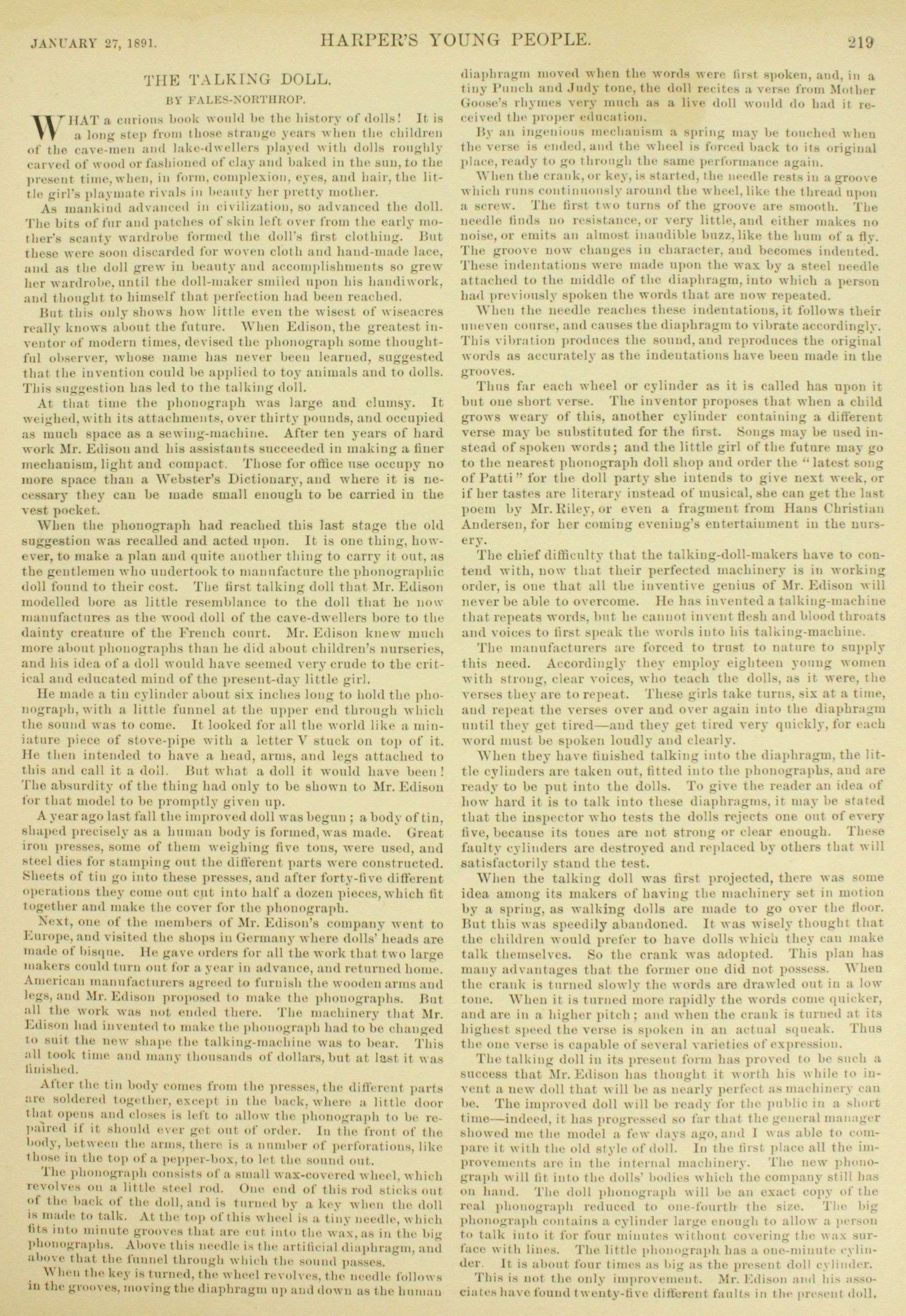
This small doll was a sensation in its time. Around 1890, Thomas Alva Edison introduced the world’s first talking toy doll. Measuring just 18 centimeters in height, it contained a miniature phonograph inside a metal torso. A hand crank protruded from the back, and the sound tube pointed toward holes in the doll’s belly – through which the voice was meant to emerge.
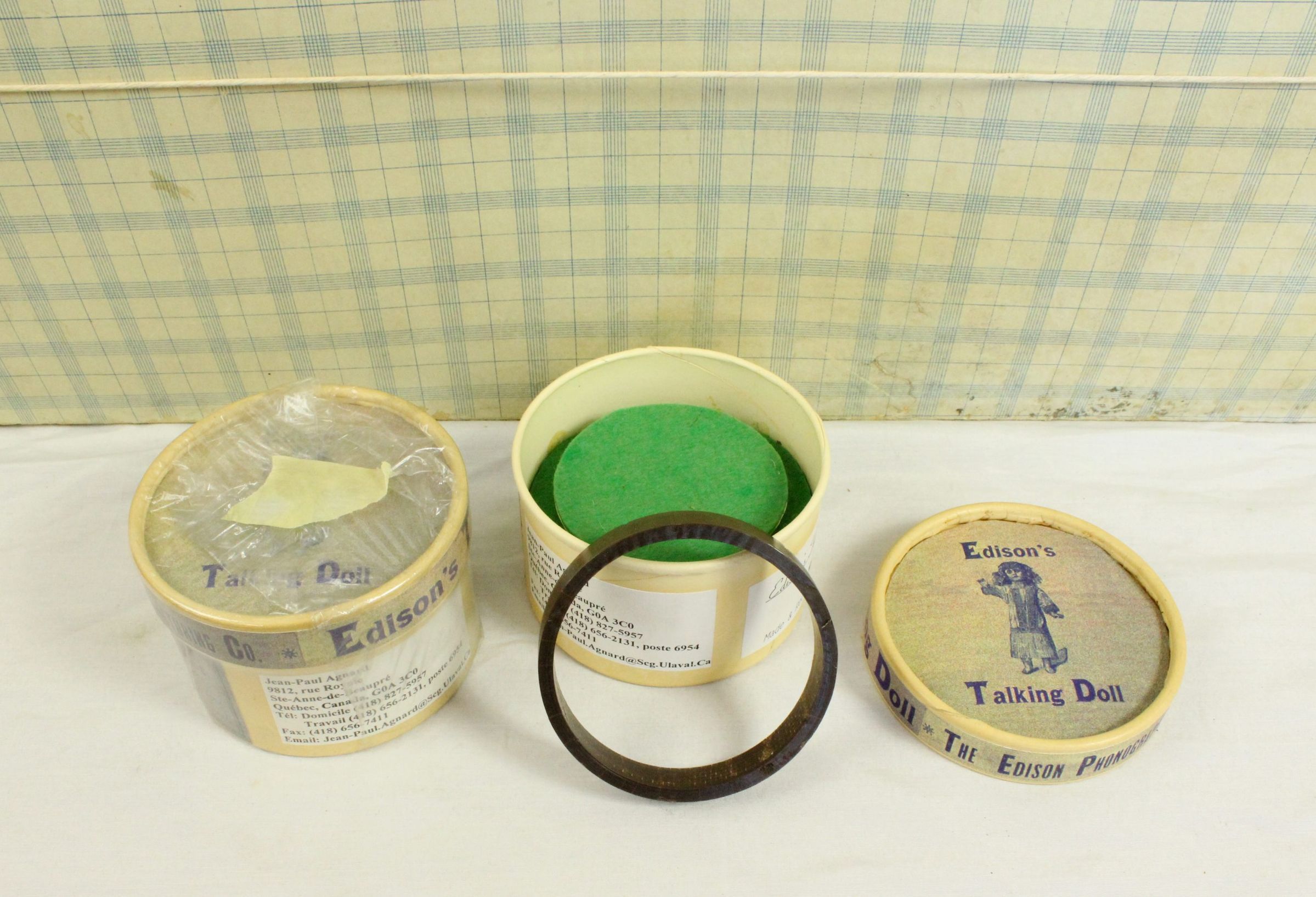
To produce the audio recordings, Edison hired a team of women in the fall of 1888 who tirelessly recorded nursery rhymes onto metal cylinders. The New York Evening Sun reported on November 22, 1888:
“Two young ladies kept speaking into the tiny talking machines while a diligent worker produced them in large numbers.”
Though the dolls were revolutionary, they quickly proved to be too heavy, too expensive, too fragile – and too frightening. The sound quality was poor and scratchy, and many children were scared by the eerie voices. Just before the dolls were officially released in April 1890, Edison switched from durable metal cylinders to more fragile wax cylinders – a costly decision.
Fewer than 500 dolls were ever sold. Many were returned, others were destroyed, and some were sold later without the phonograph. Edison halted production just a few months after launch. Complete and working dolls are extremely rare today.
On display at the Edisonium:
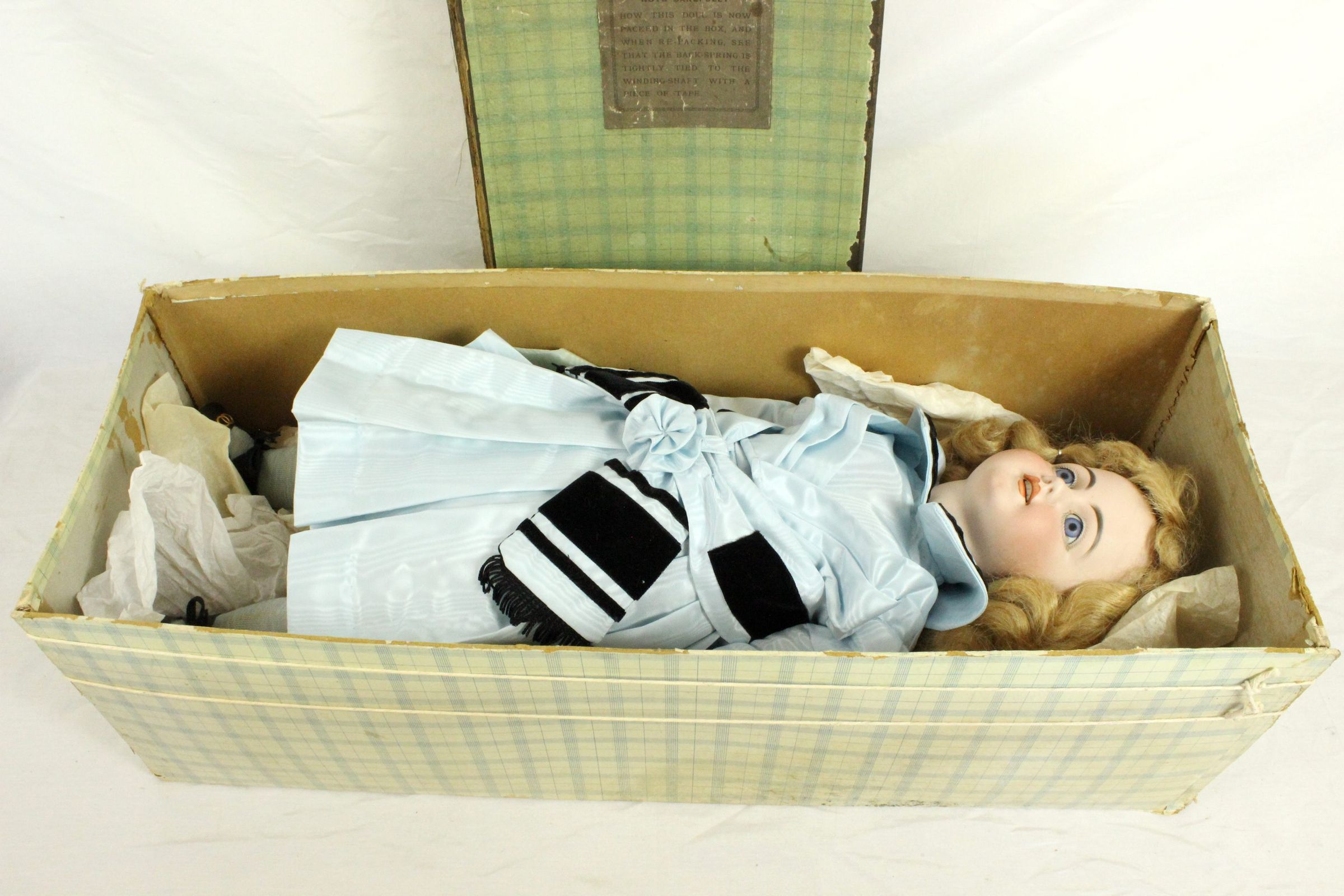
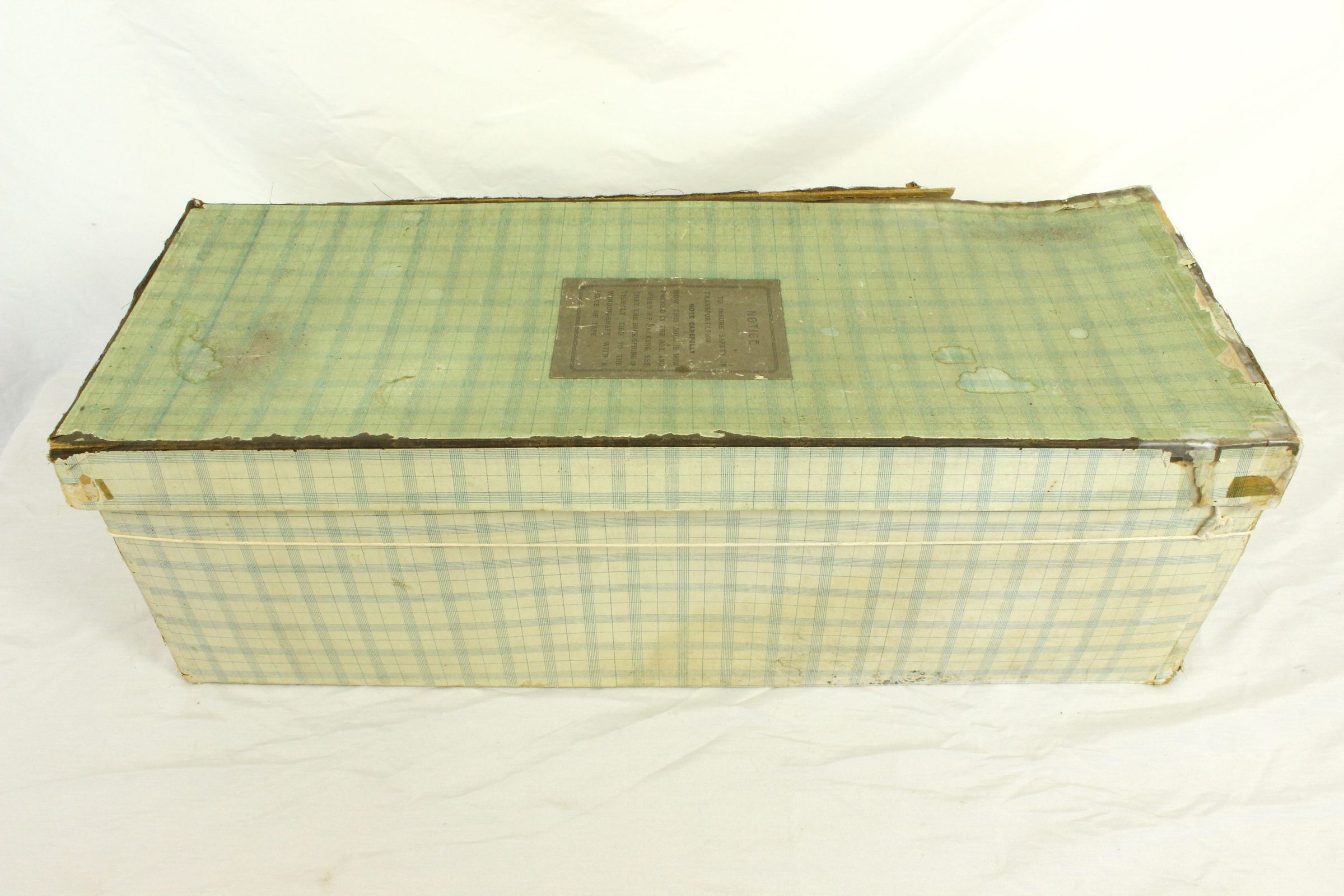
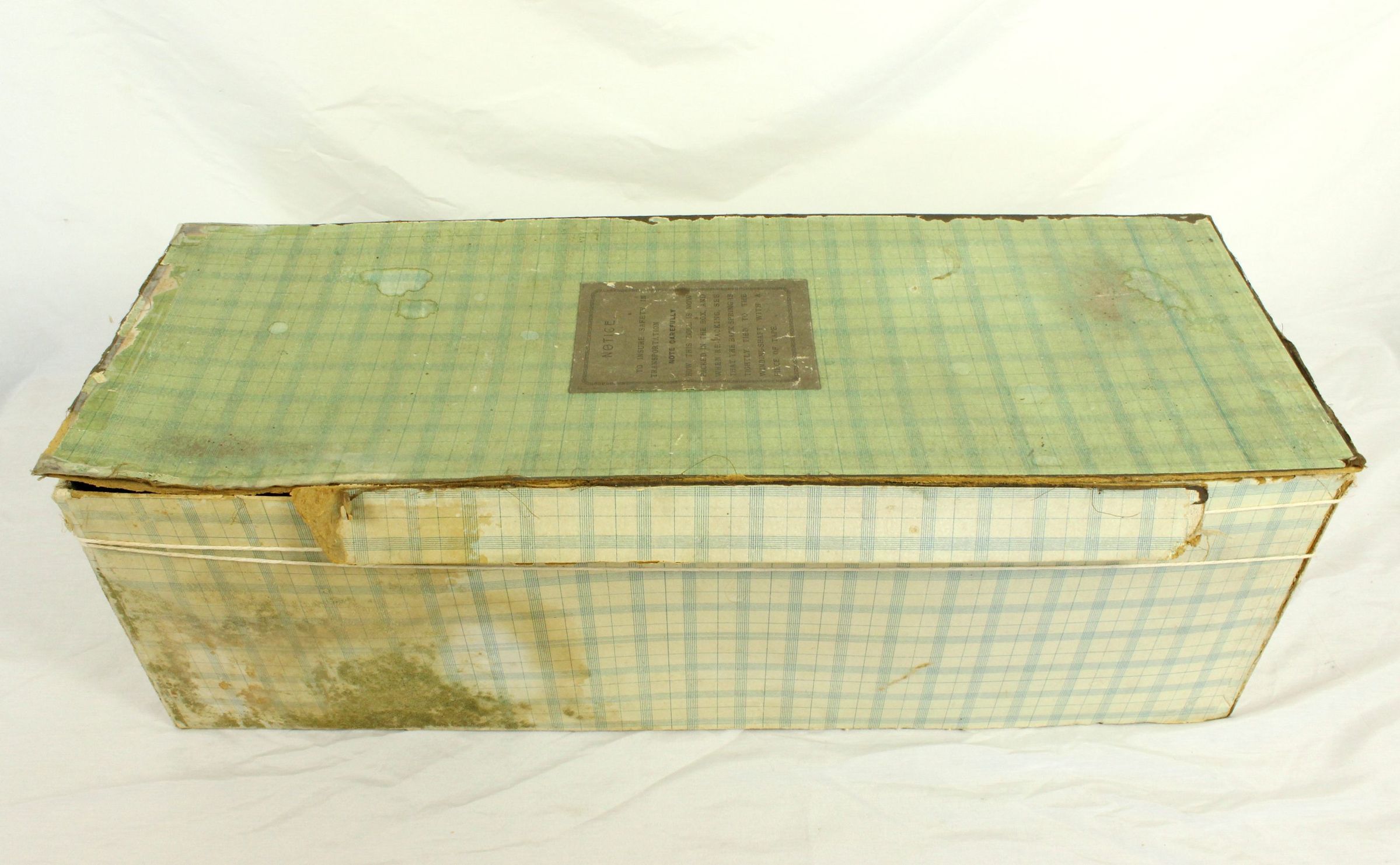
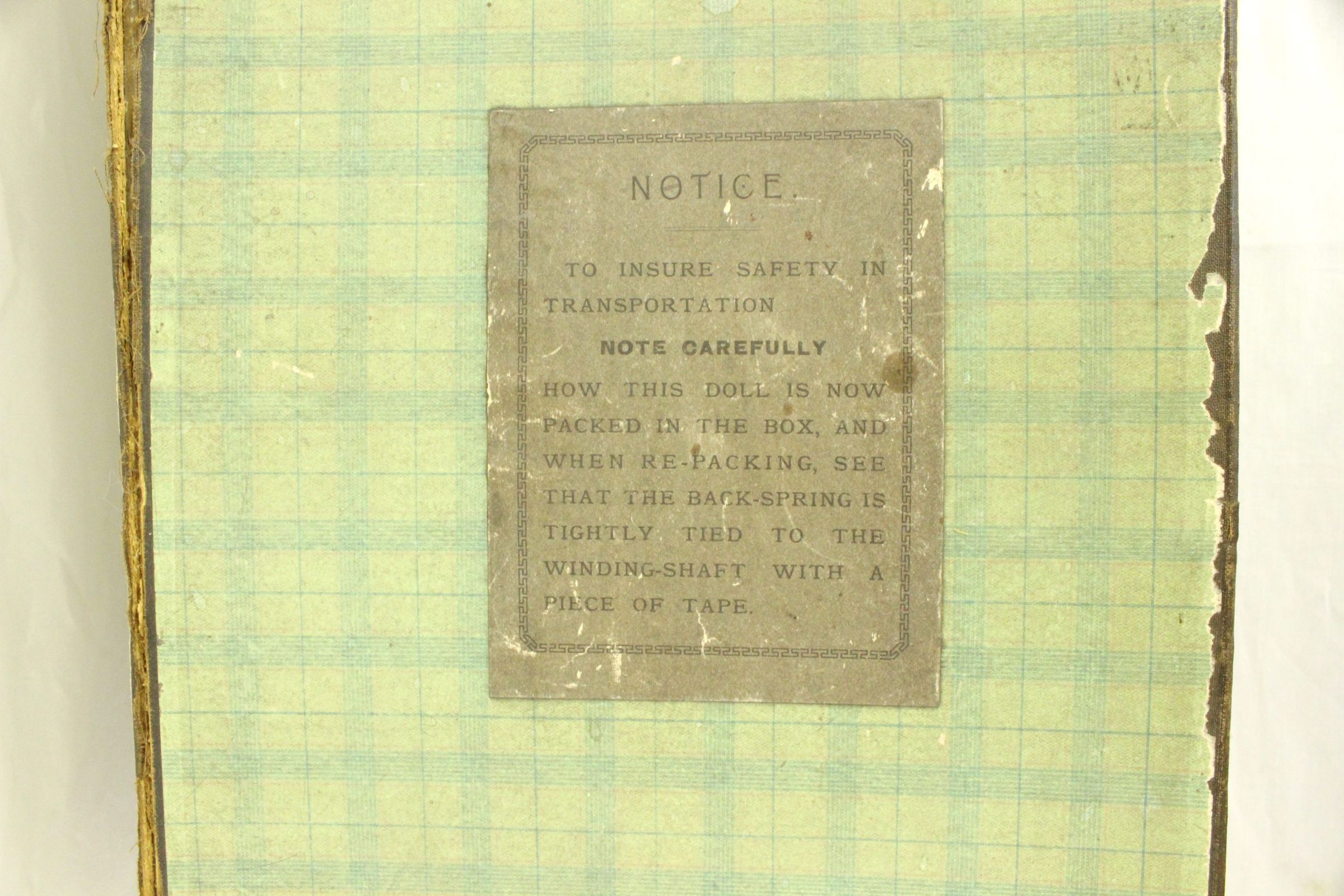
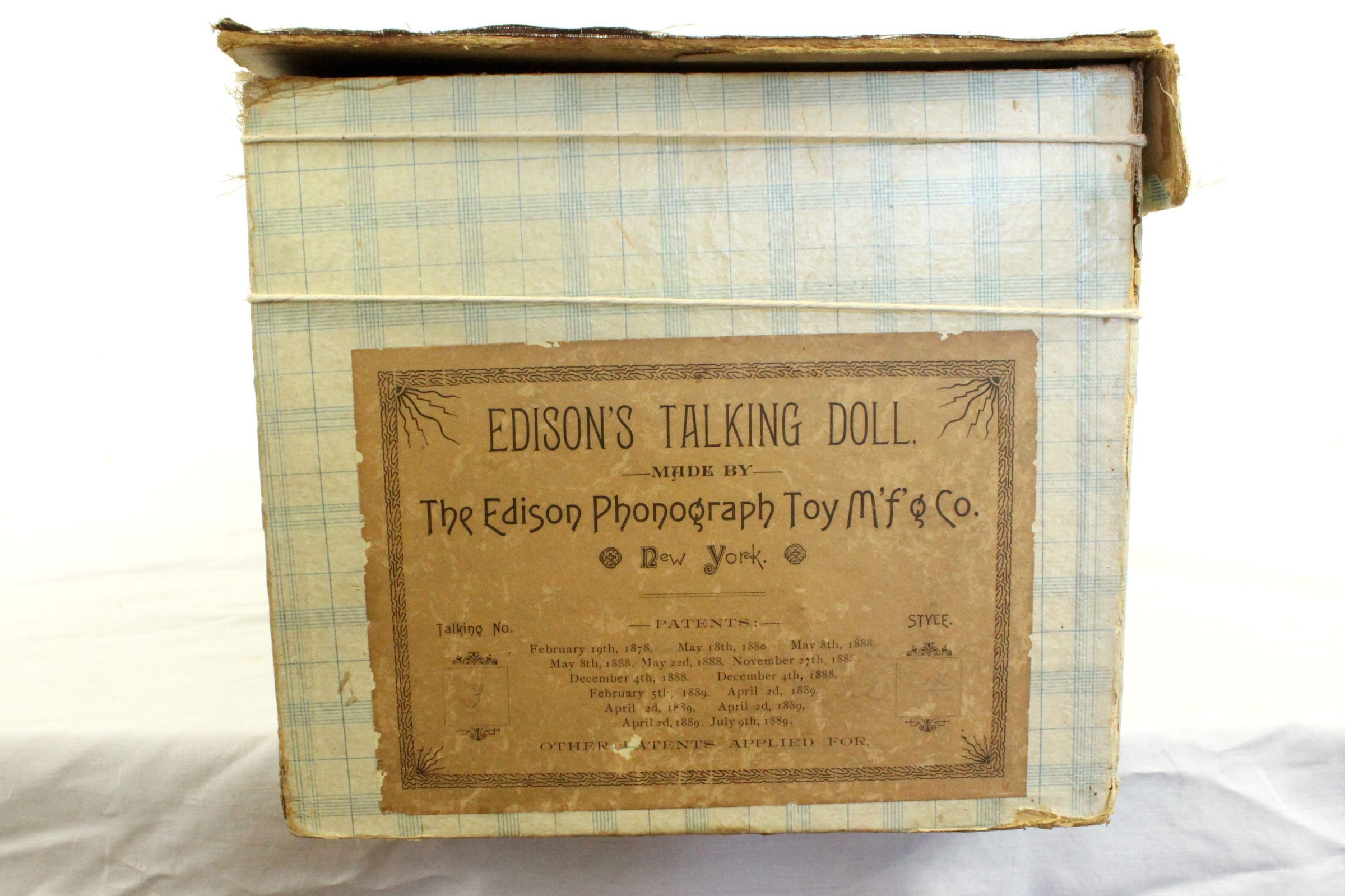
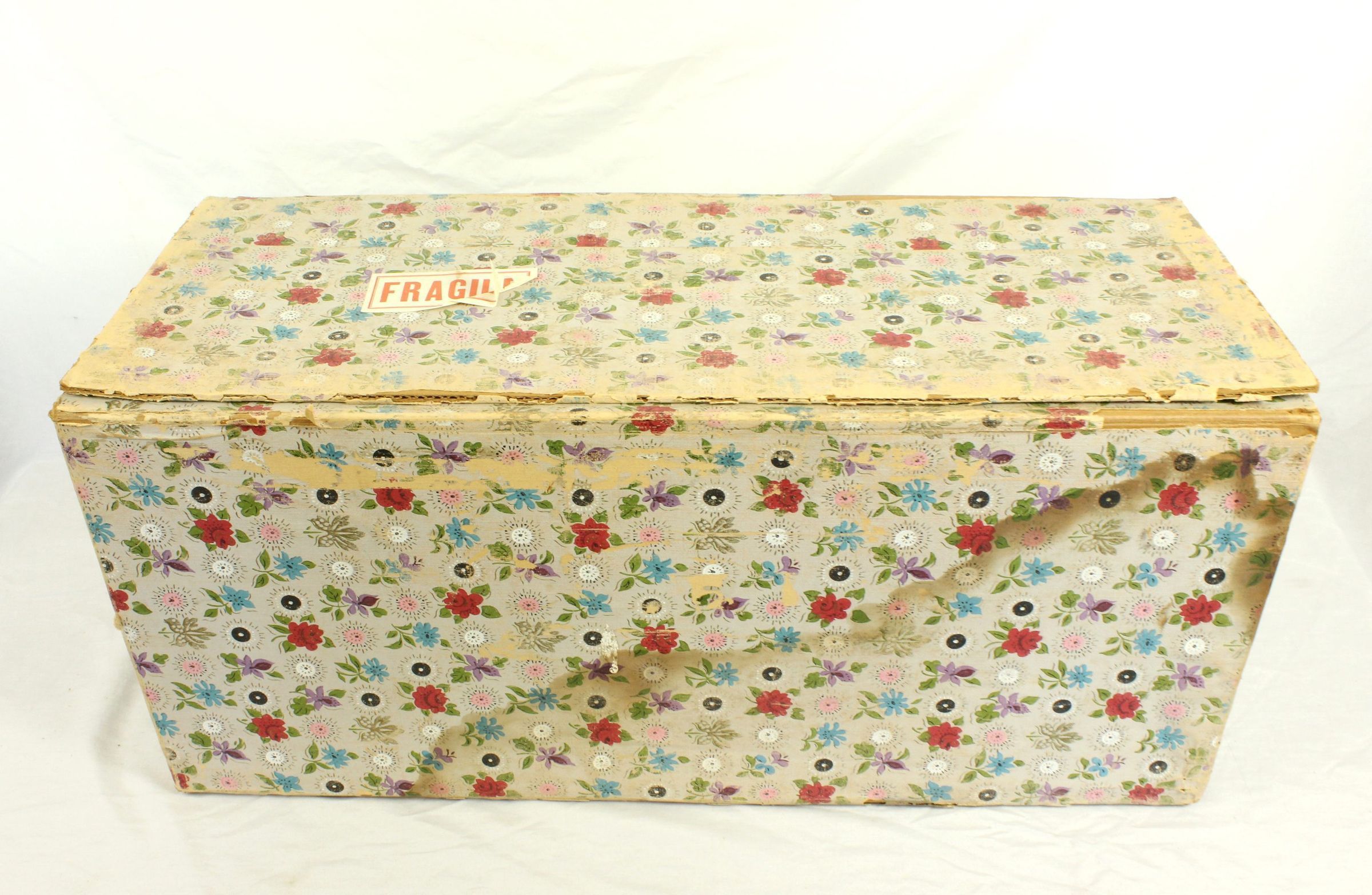
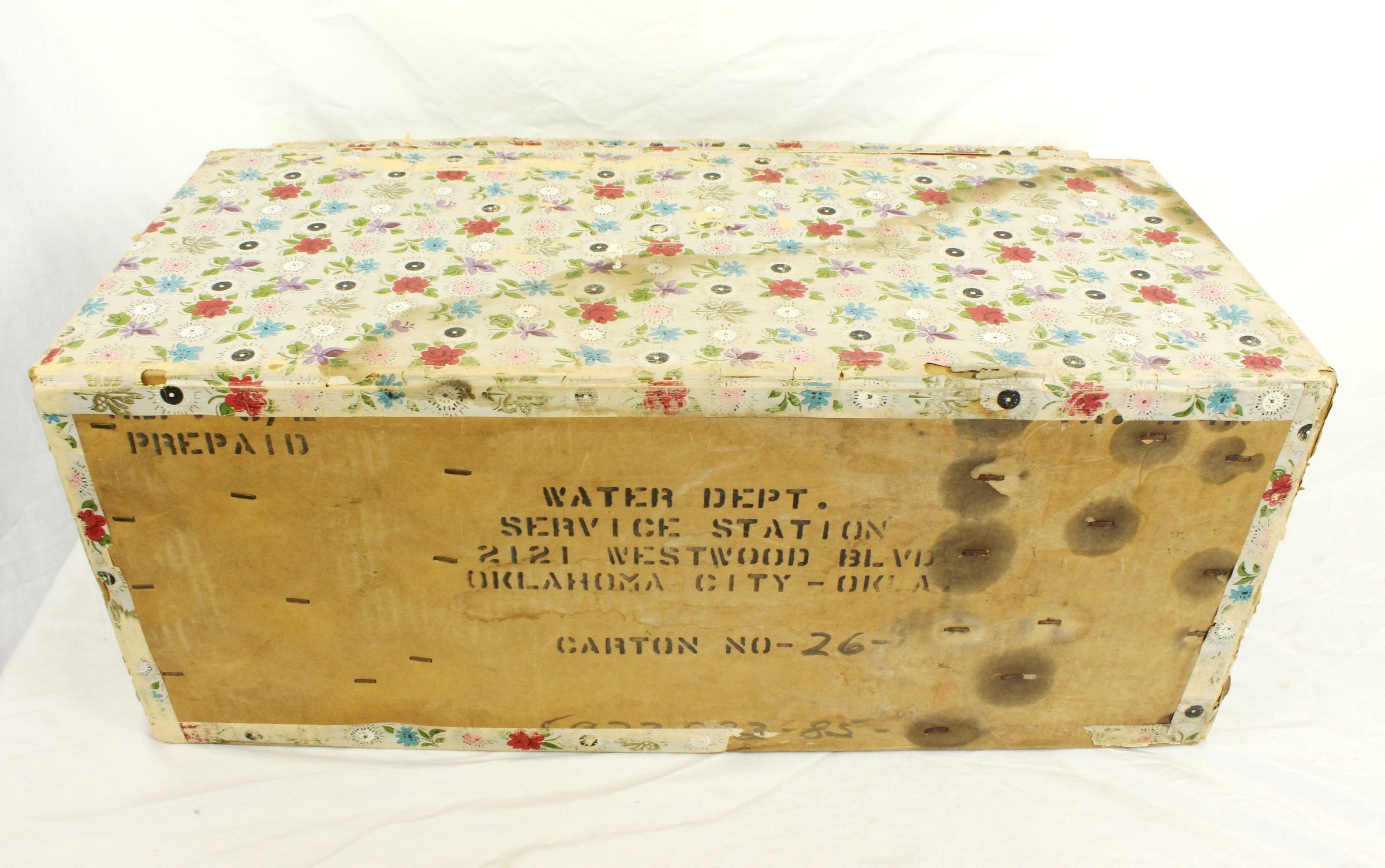
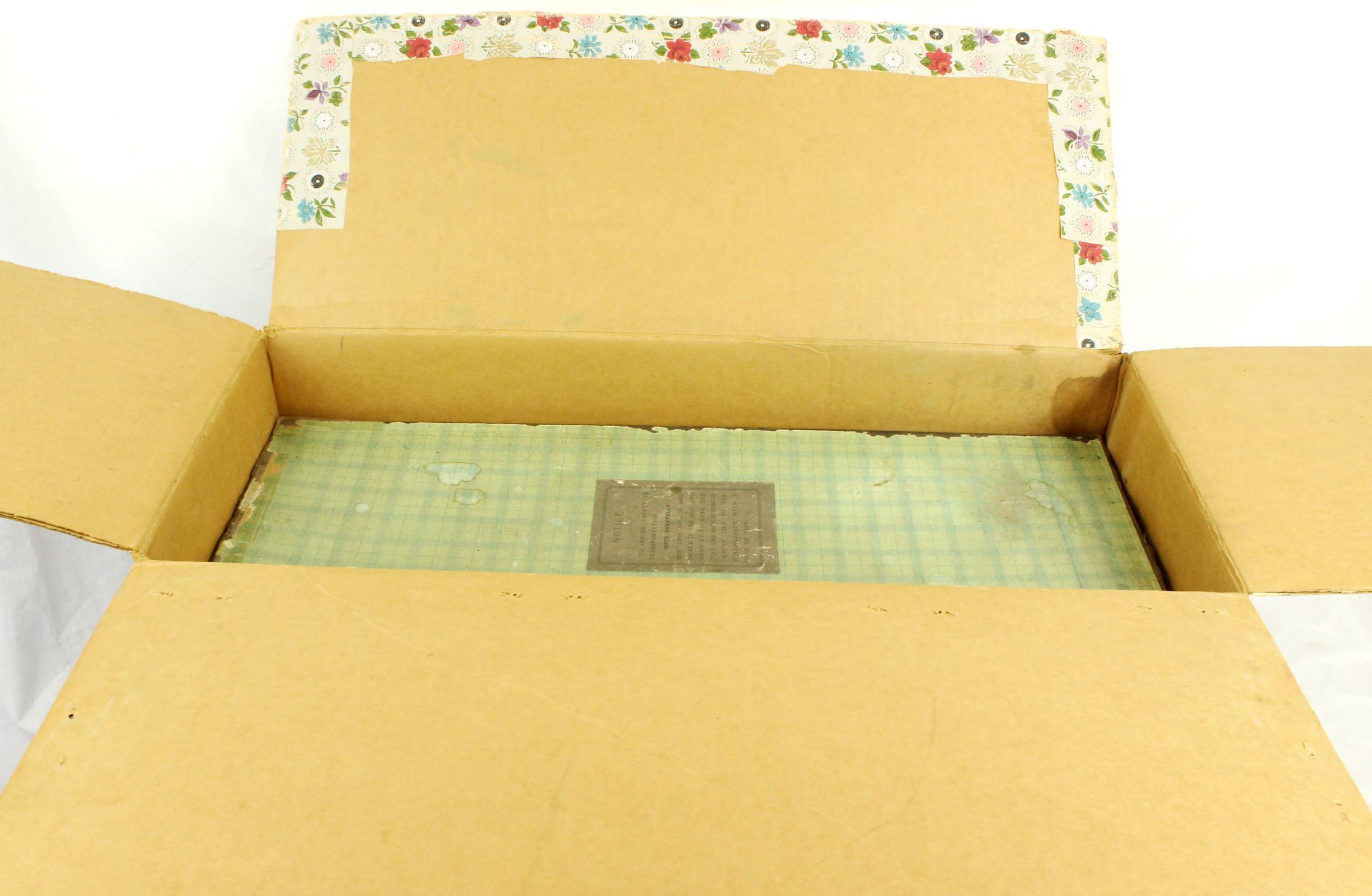
Two original Edison Talking Dolls, including one in its original 1888 packaging. Only a handful of complete examples with functioning mechanisms have survived – a remarkable early fusion of sound recording and children’s toys.