Name/Title
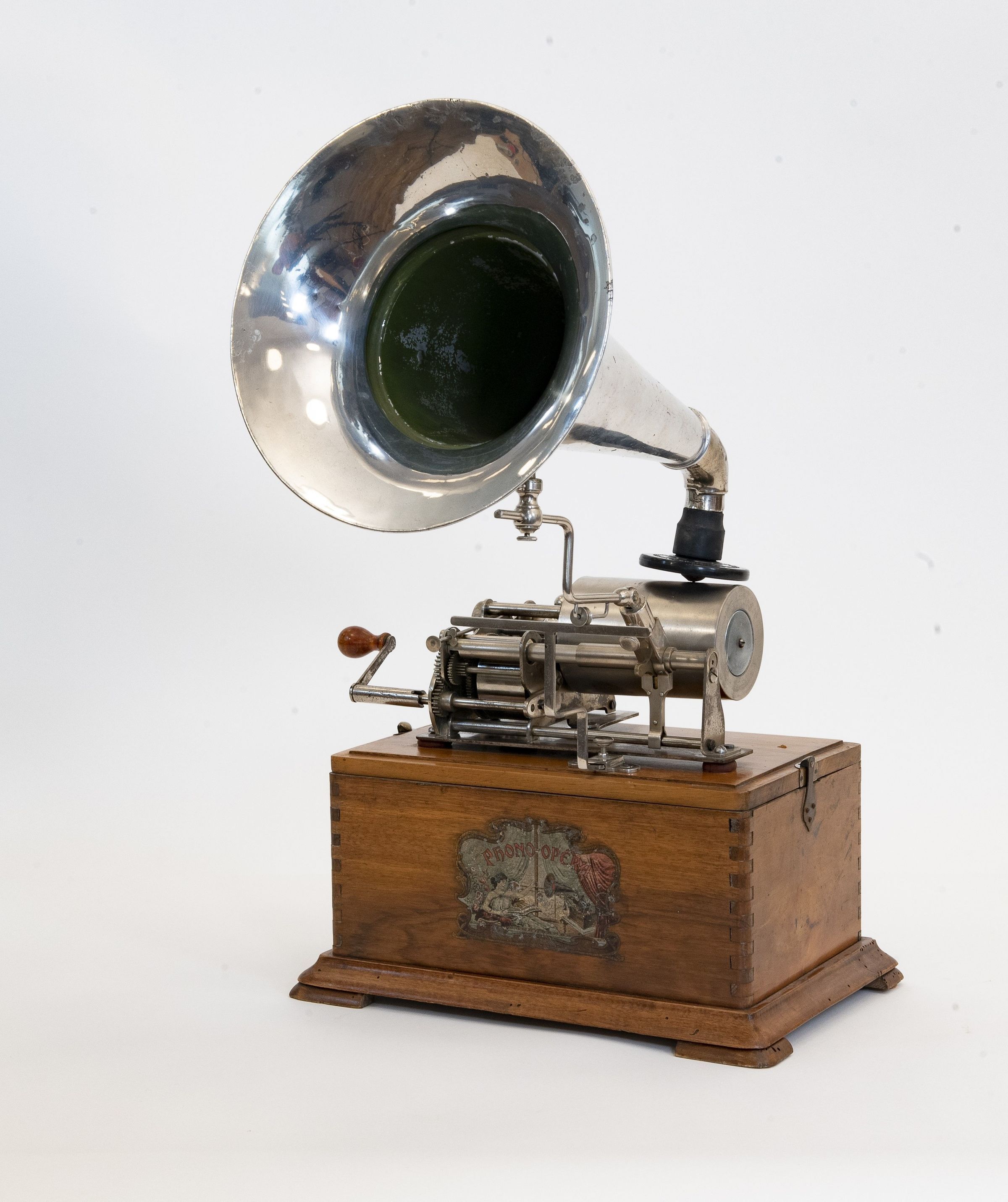
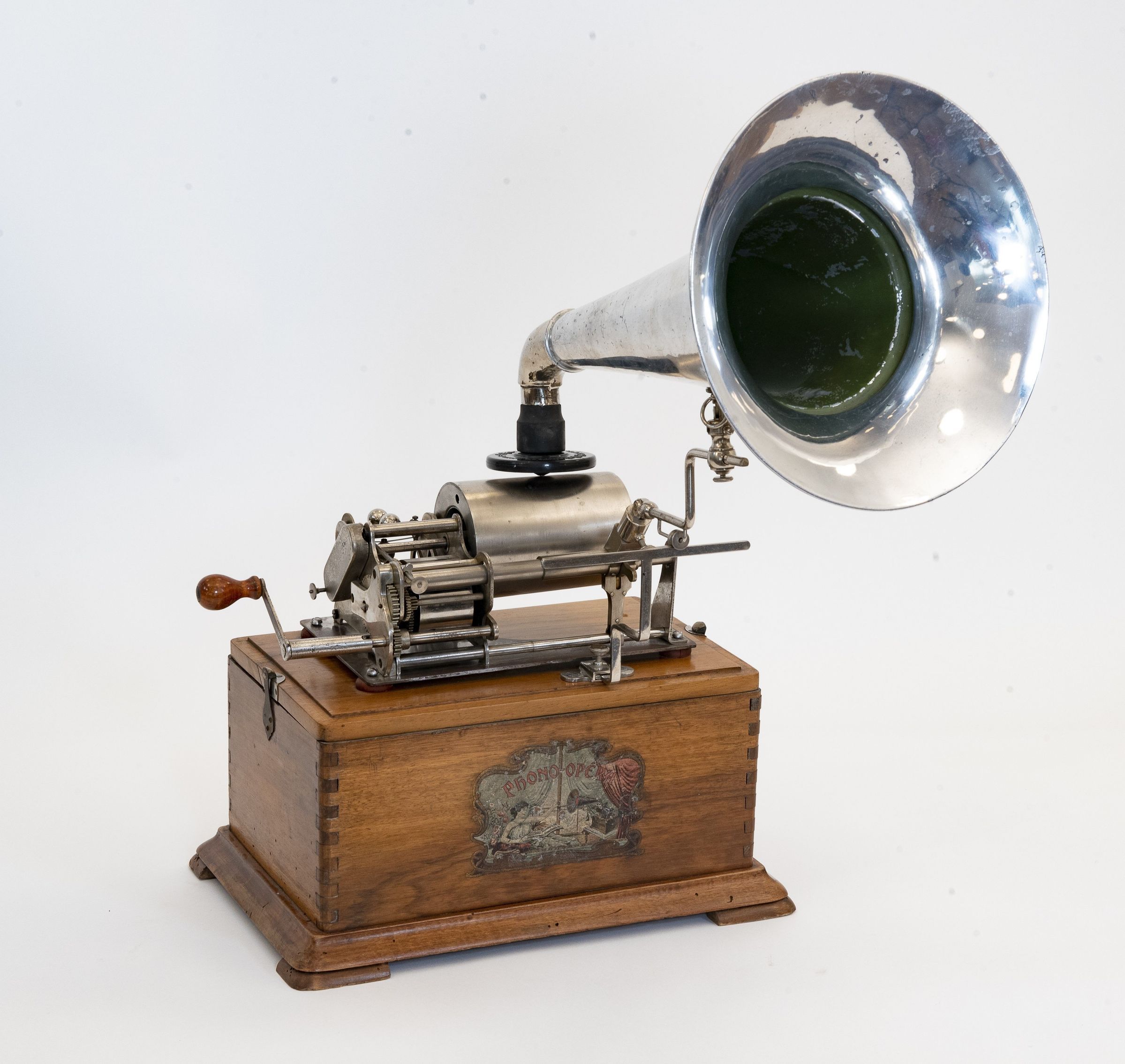
Phono Opera Société des Machines Parlantes A. Combret, ParisEntry/Object ID
130Description
ca. 1902–1906
Historical Background
The Phono-Opéra was developed and marketed in Paris by the Société des Machines Parlantes A. Combret. It belonged to a series of French phonographs that deliberately distinguished themselves from the American market with unique technical features.
The name Opéra referred to the cultural prestige of the Paris Opéra—but it must not be confused with the American Edison Opera, which appeared later.
Technology and Special Features
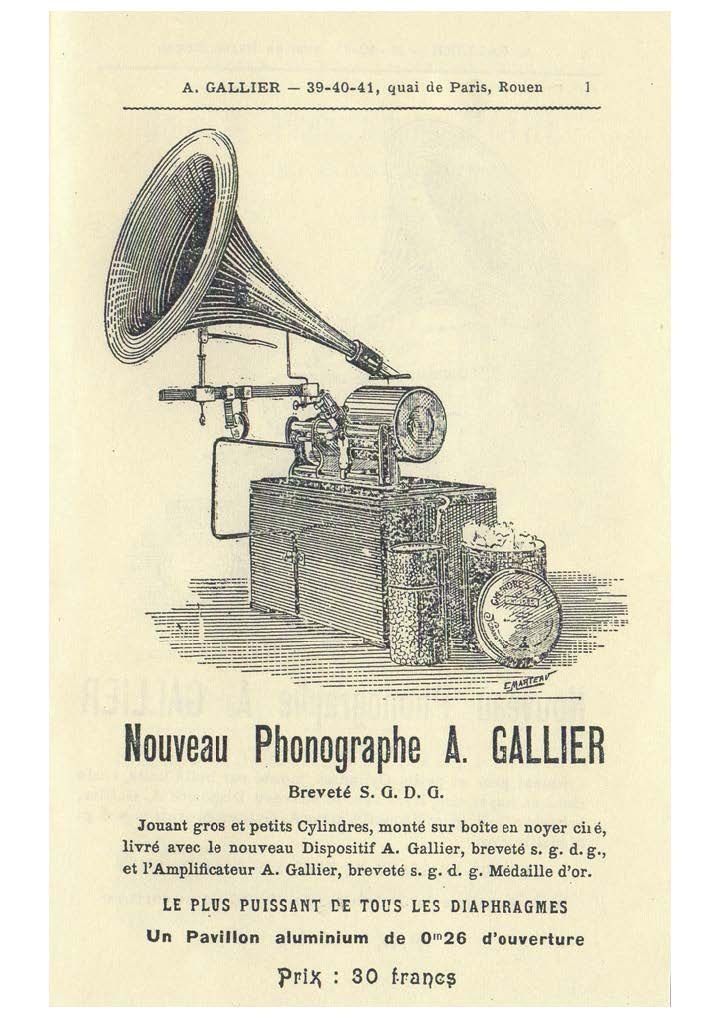
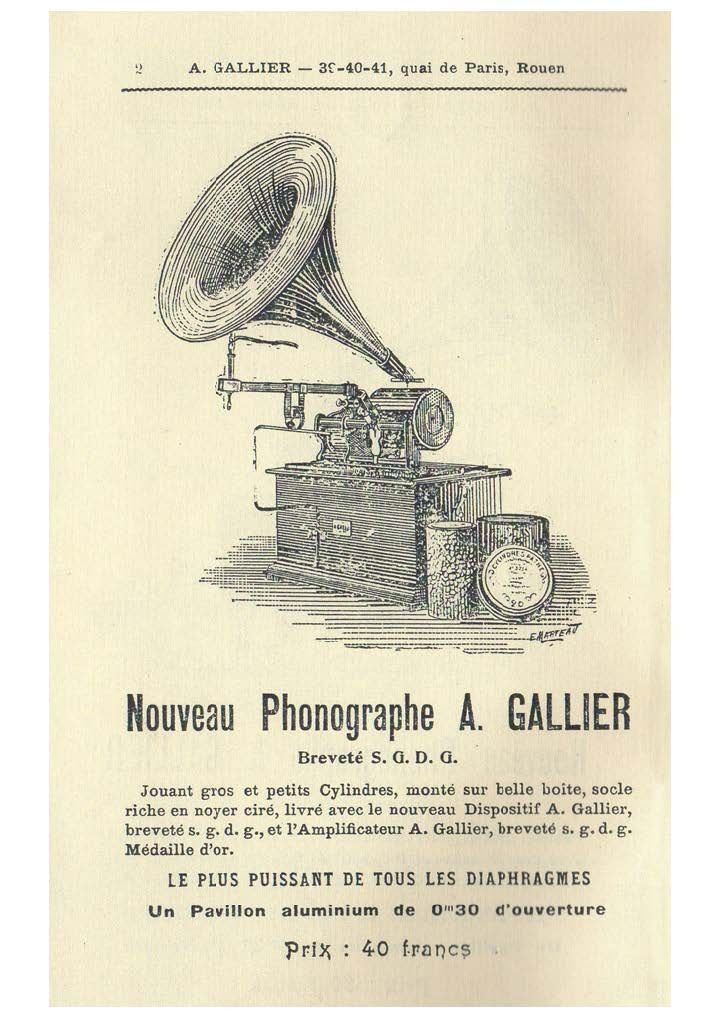
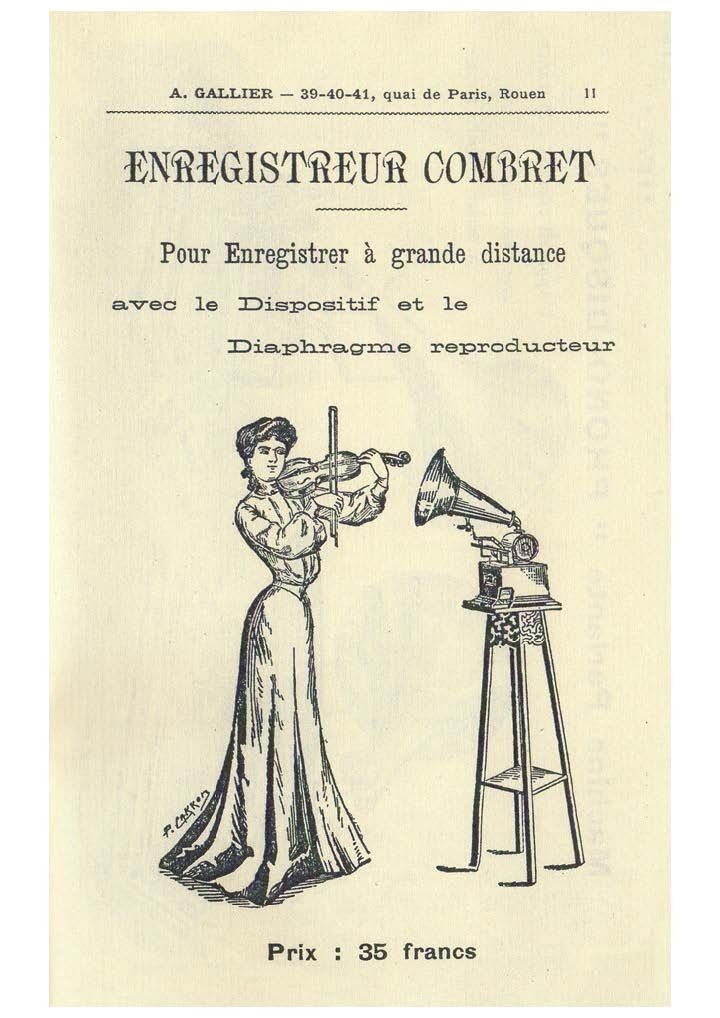
System: Recording and playback technology also compatible with other French cylinder machines.
“Le Sonore” diaphragm: A particularly large and sensitive diaphragm designed to enhance tonal quality.
Reproducer: An extraordinary detail is the use of a real hazelnut shell in the reproducer. This unusual material choice softened the sound, reducing metallic harshness, and was considered in France a true acoustic refinement.
Cabinet: Solid wooden case with colorful Phono-Opéra decal, presenting the machine as an elegant salon model.
Horn: Detachable metal horn, acoustically optimized.
Significance and Rarity
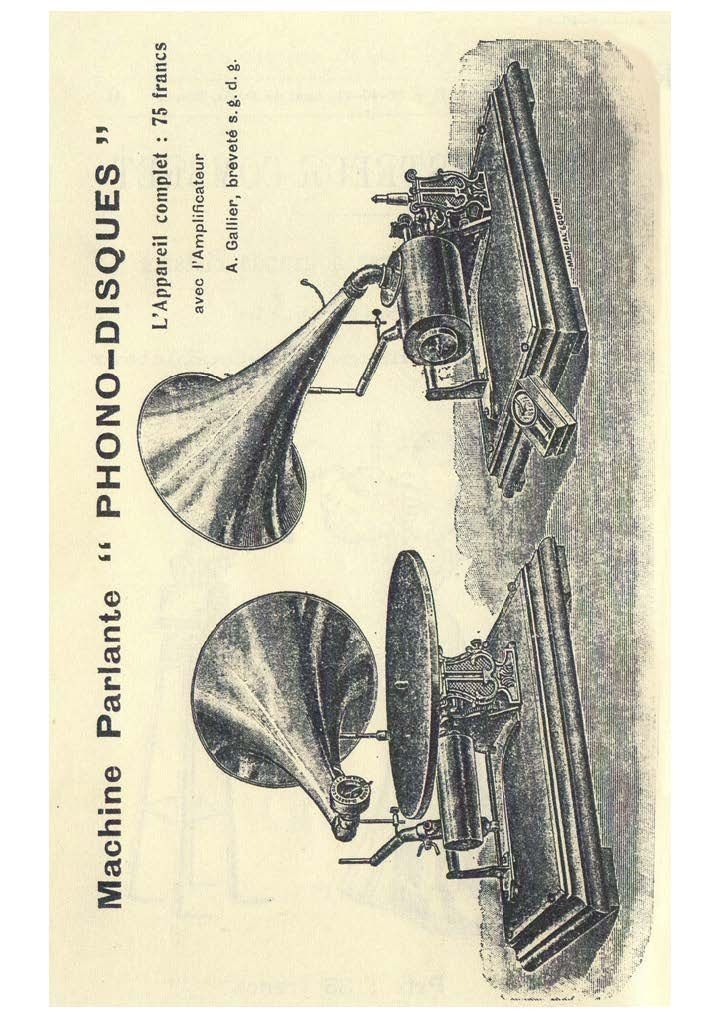
The Phono-Opéra represents the final phase of French cylinder phonographs, just before Combret and other makers shifted entirely to disc machines after 1906.
Surviving examples are extremely rare and illustrate the diversity and creativity of the European phonograph industry at the turn of the century.
The example displayed at the Edisonium is exceptionally well preserved and demonstrates the distinctive French contribution to the history of recorded sound.