Name/Title
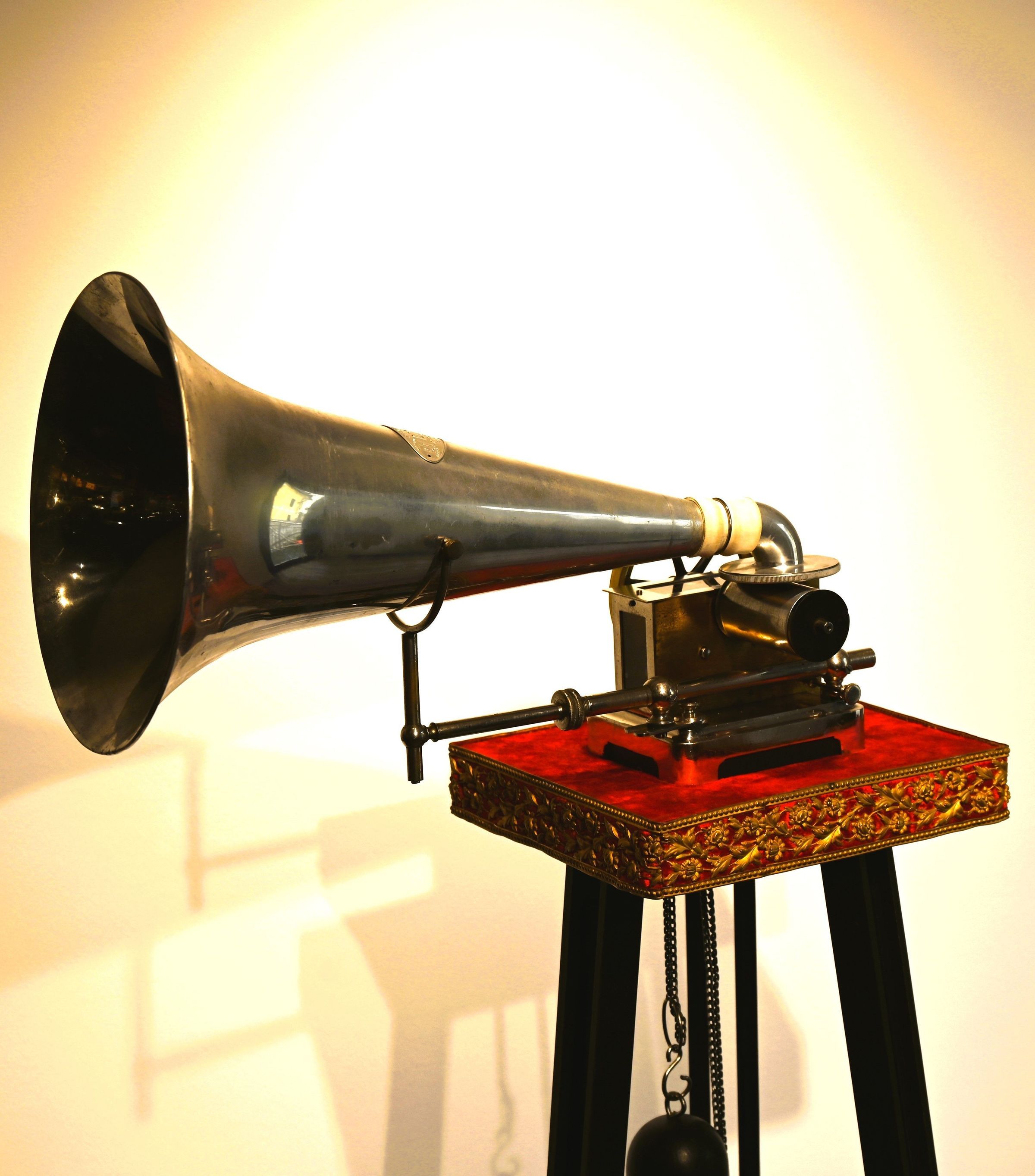
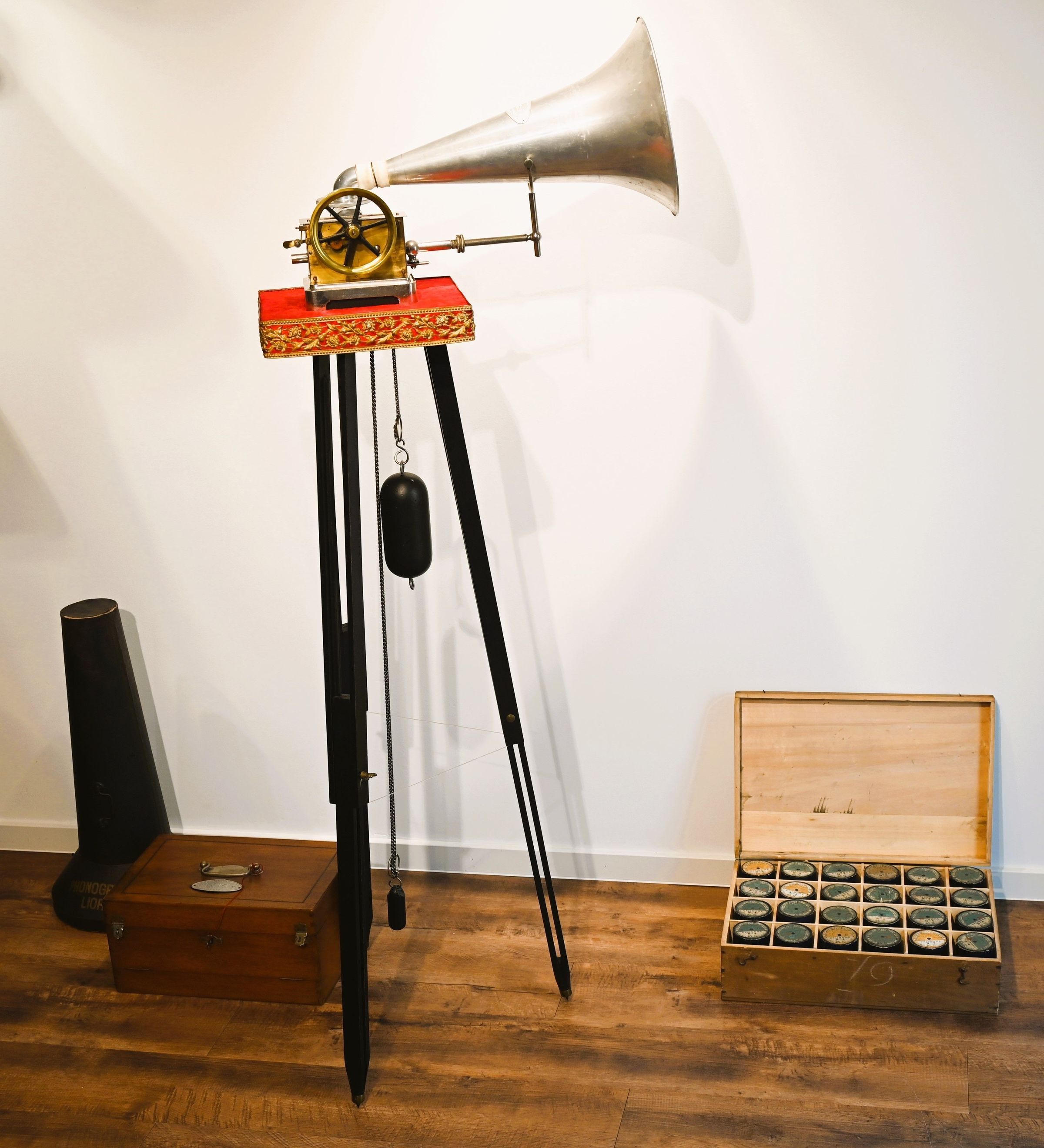
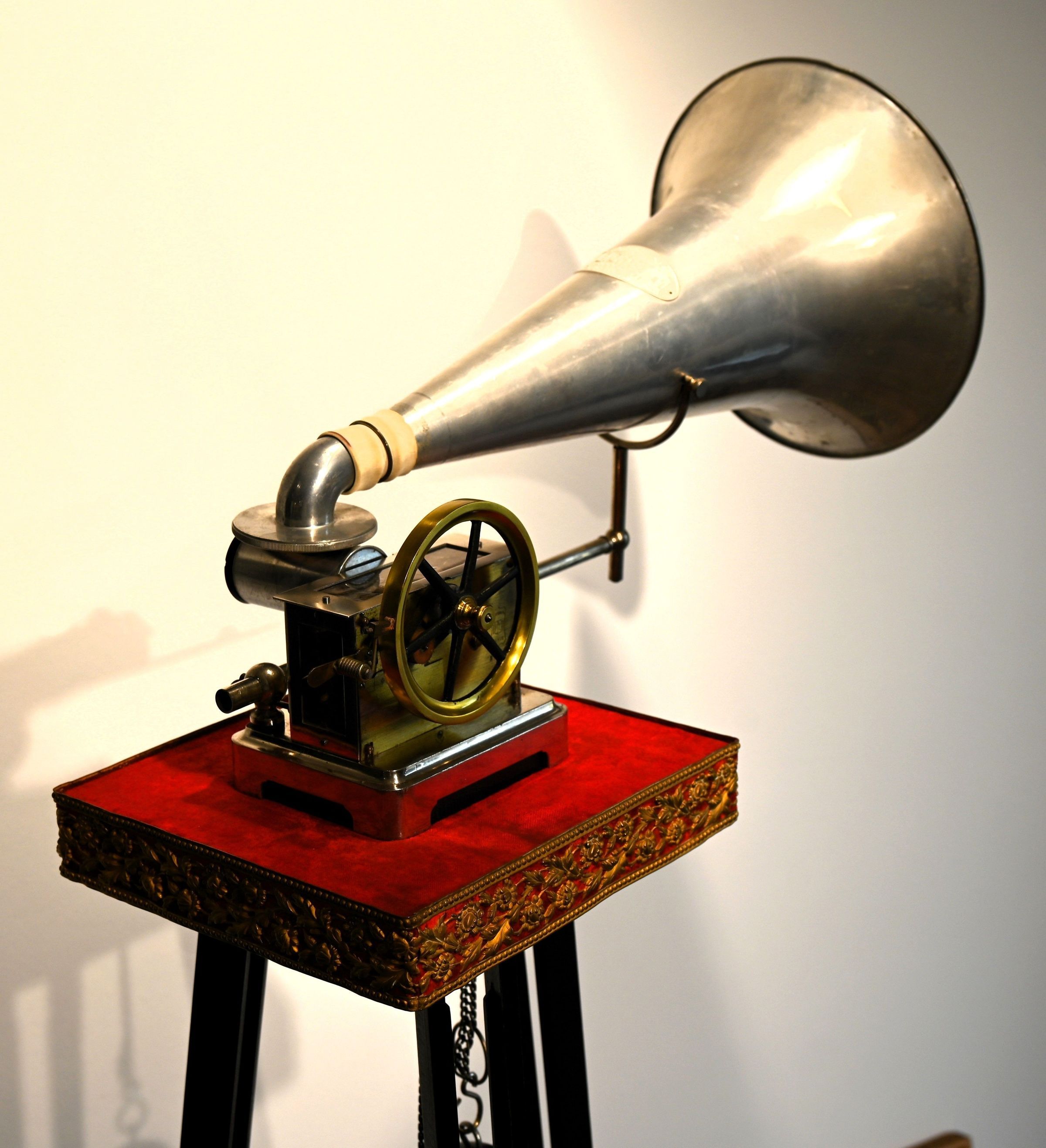
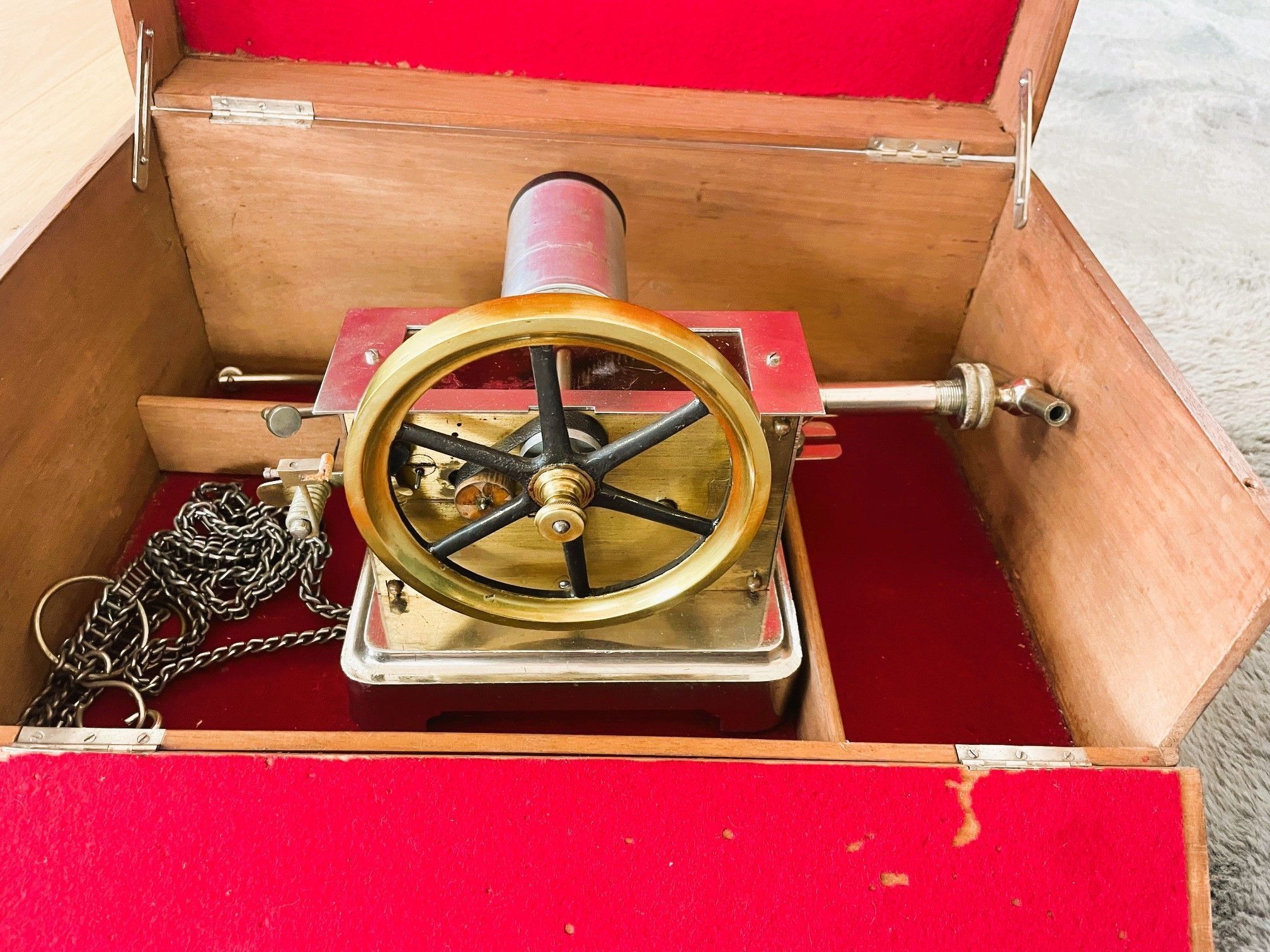
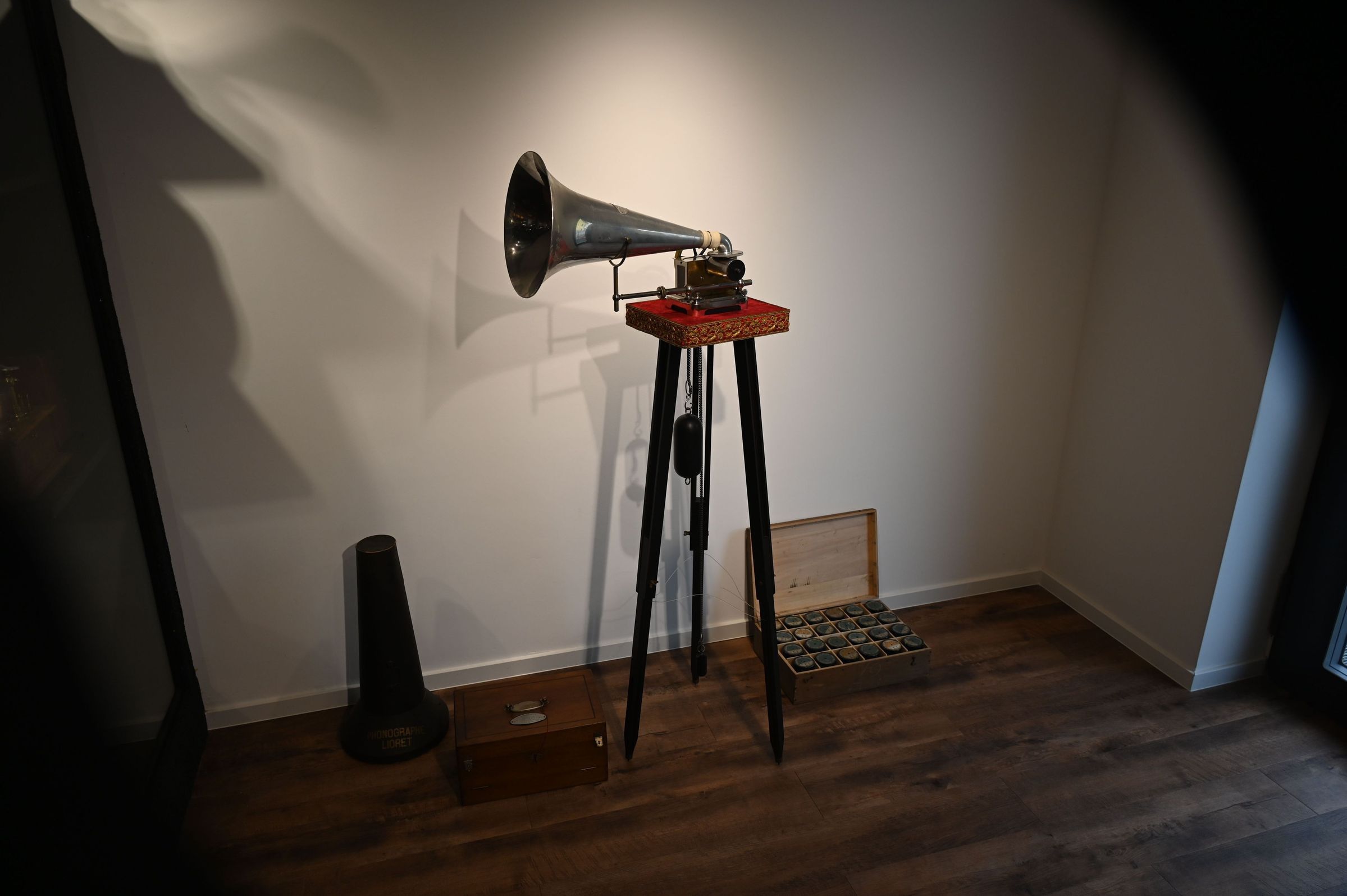
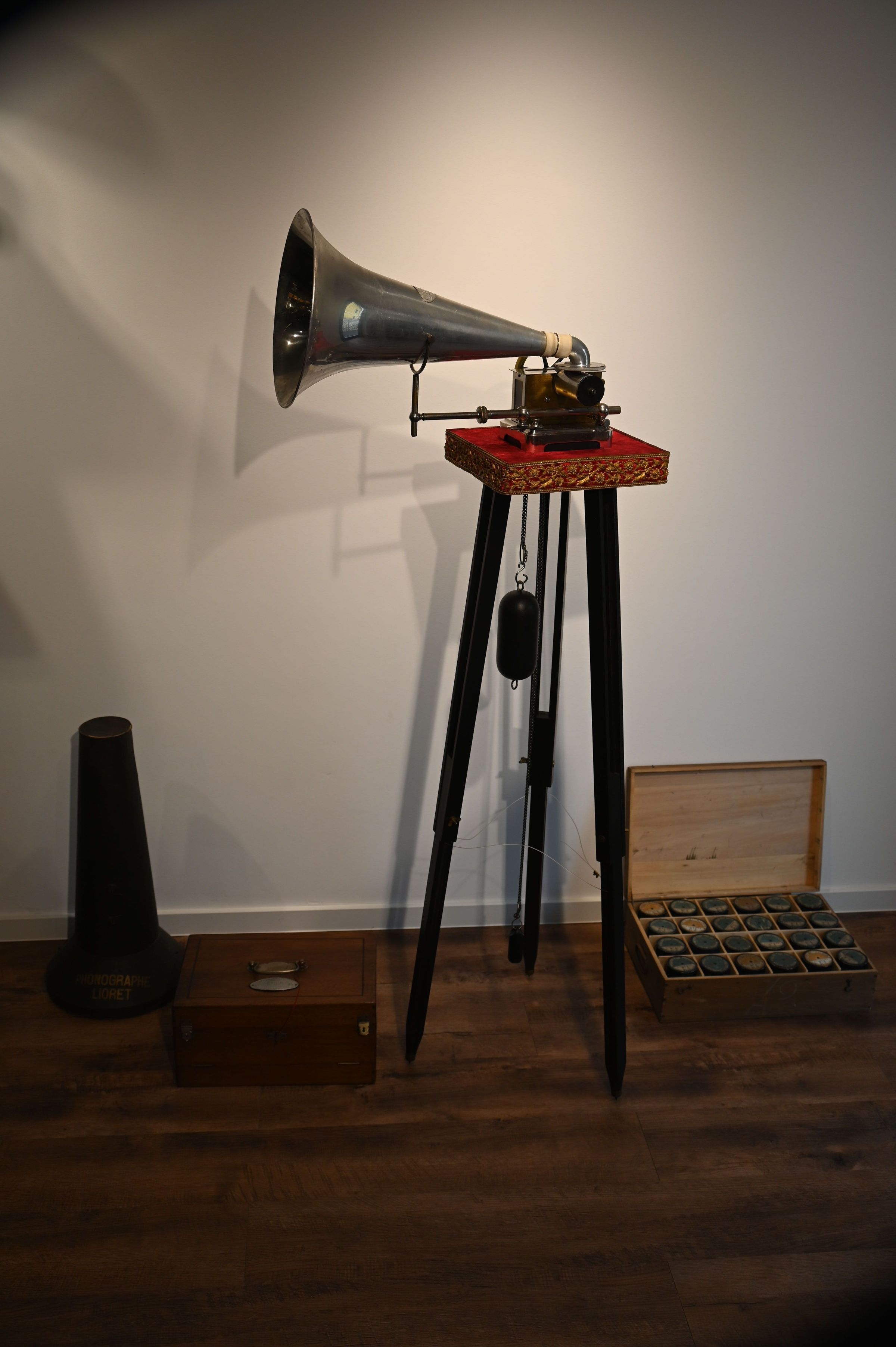
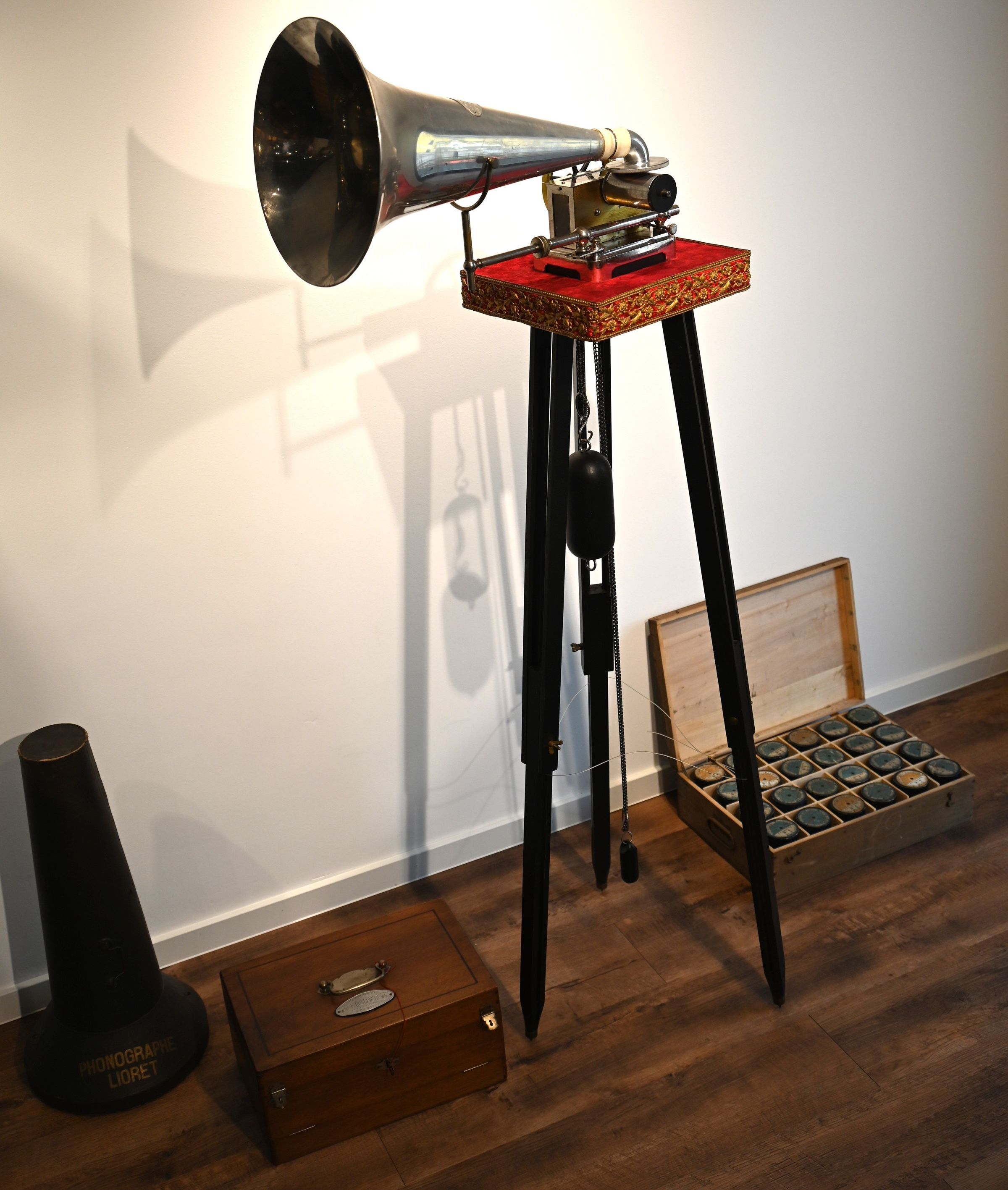
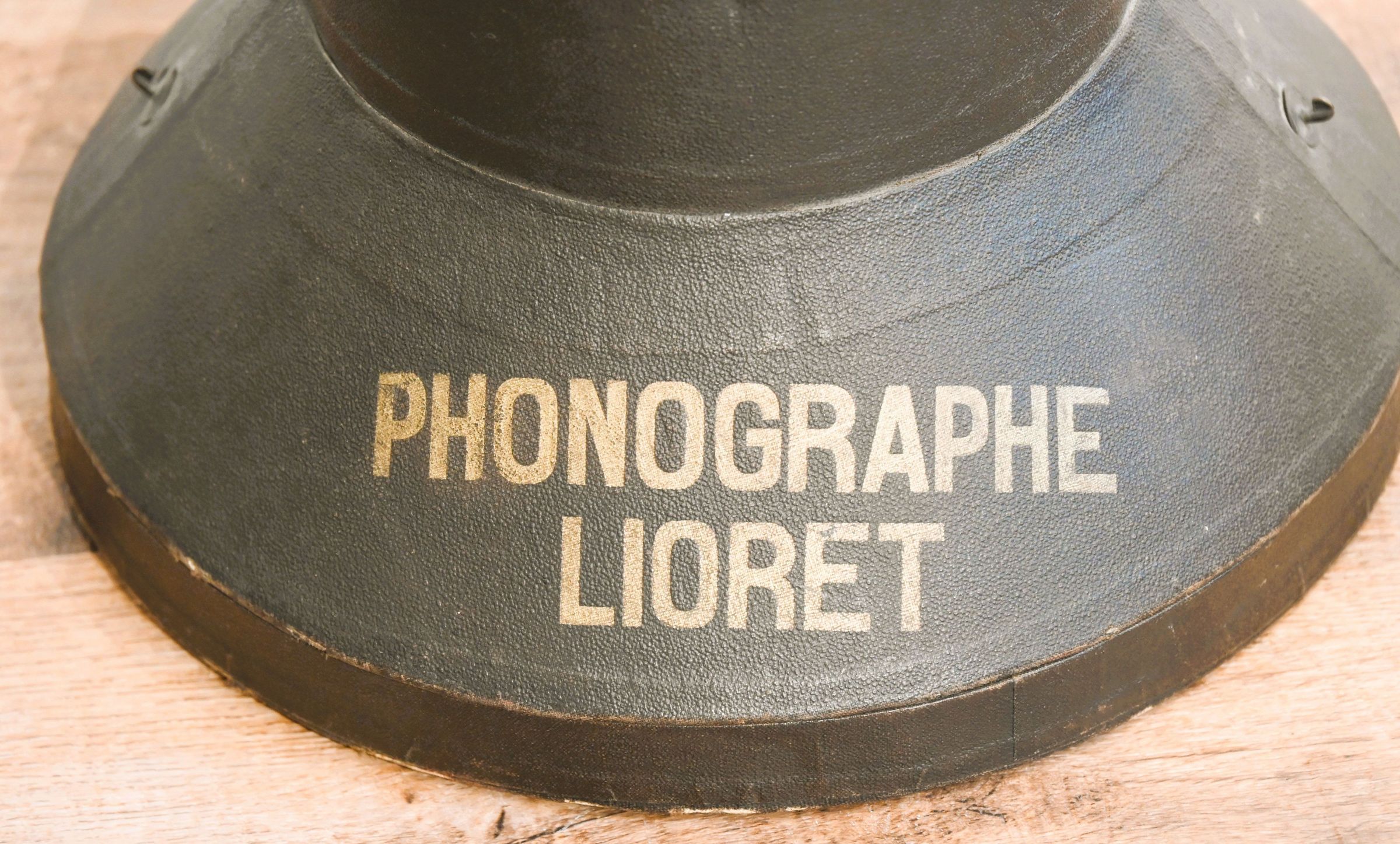
Lioretgraph No. 3 à poids Manufactured circa 1898 by Henri Lioret, ParisEntry/Object ID
270Description
Manufactured circa 1898 by Henri Lioret, Paris
Type: Weight-driven cylinder phonograph
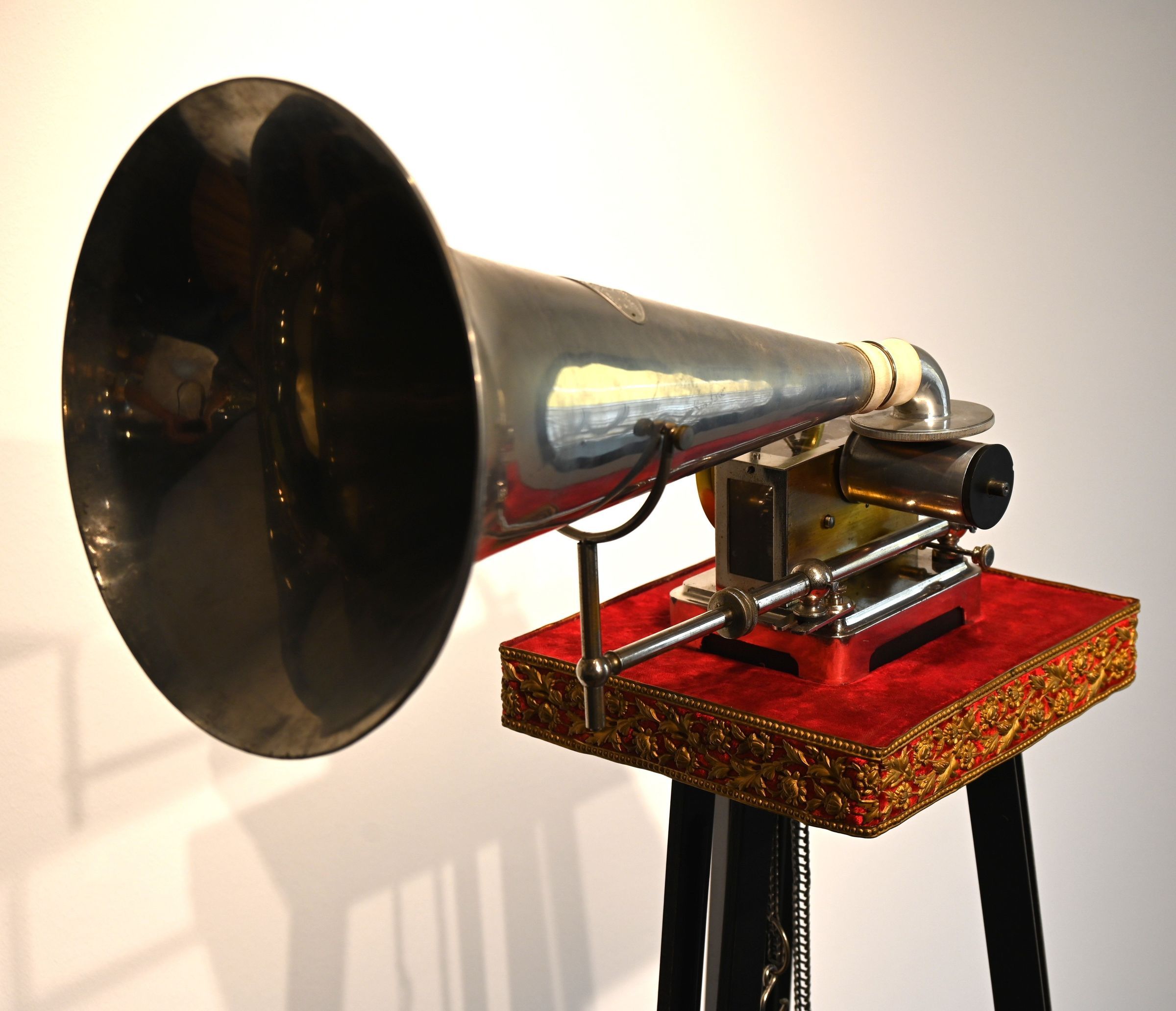
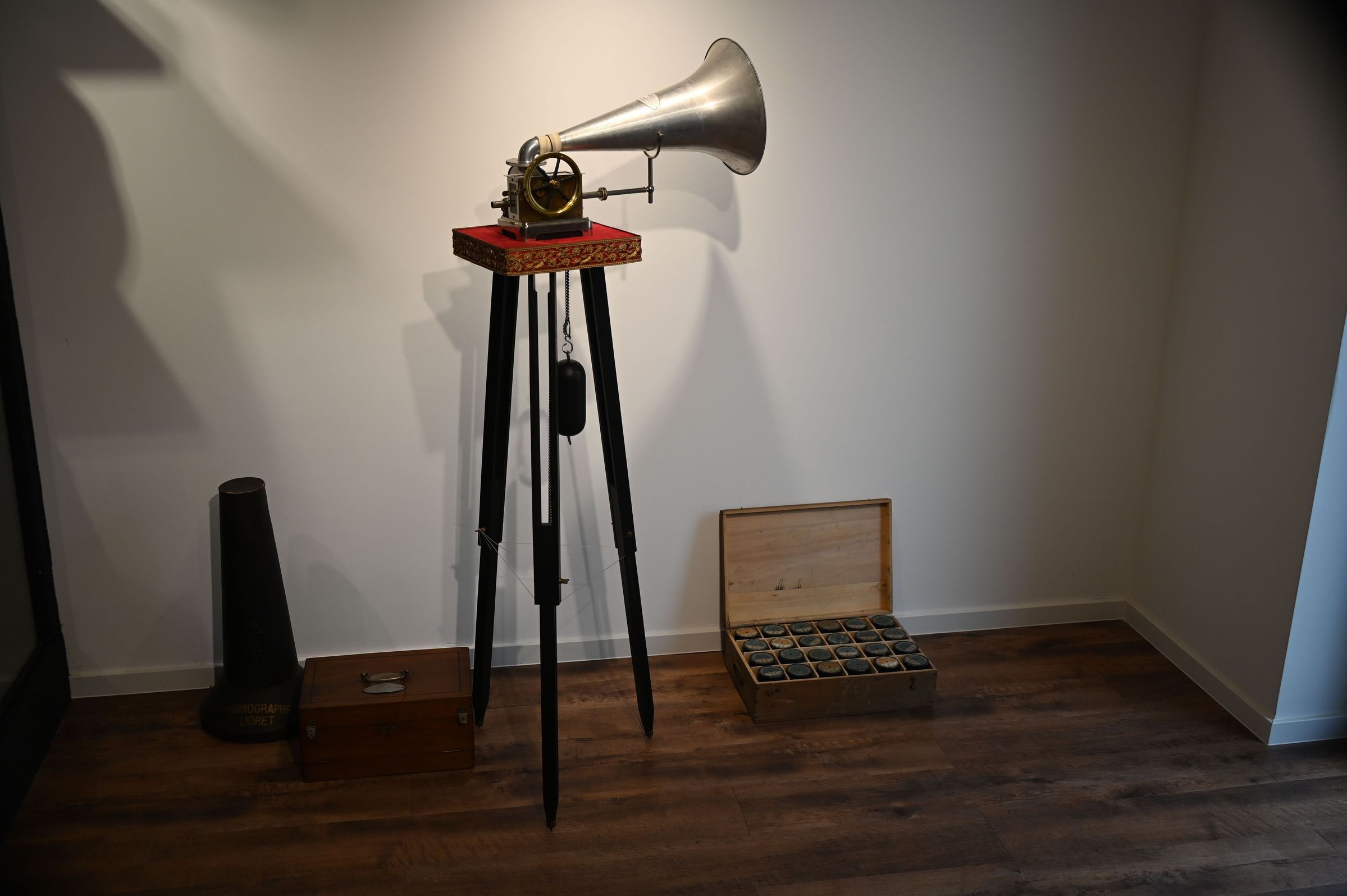
Special features: Clockwork mechanism with weights, tripod-mounted, Eurêka celluloid cylinders, velvet-covered platform with bronze trim
An Early Masterpiece of French Phonographic Engineering
The Lioretgraph No. 3 à poids is one of the most elegant and technically refined playback devices from the dawn of sound recording. Developed by the visionary Parisian watchmaker, inventor and phonograph pioneer Henri Lioret, this model exemplifies the fusion of art, mechanics, and innovation at the close of the 19th century.
Unlike the commonly used spring motors of its time, this phonograph is powered by a weight-driven clockwork mechanism—a principle borrowed from traditional longcase and tower clocks. As the weight gently descends along a chain guide, it ensures consistent, quiet, and low-maintenance operation.
Materials & Presentation – Elegance in Every Detail
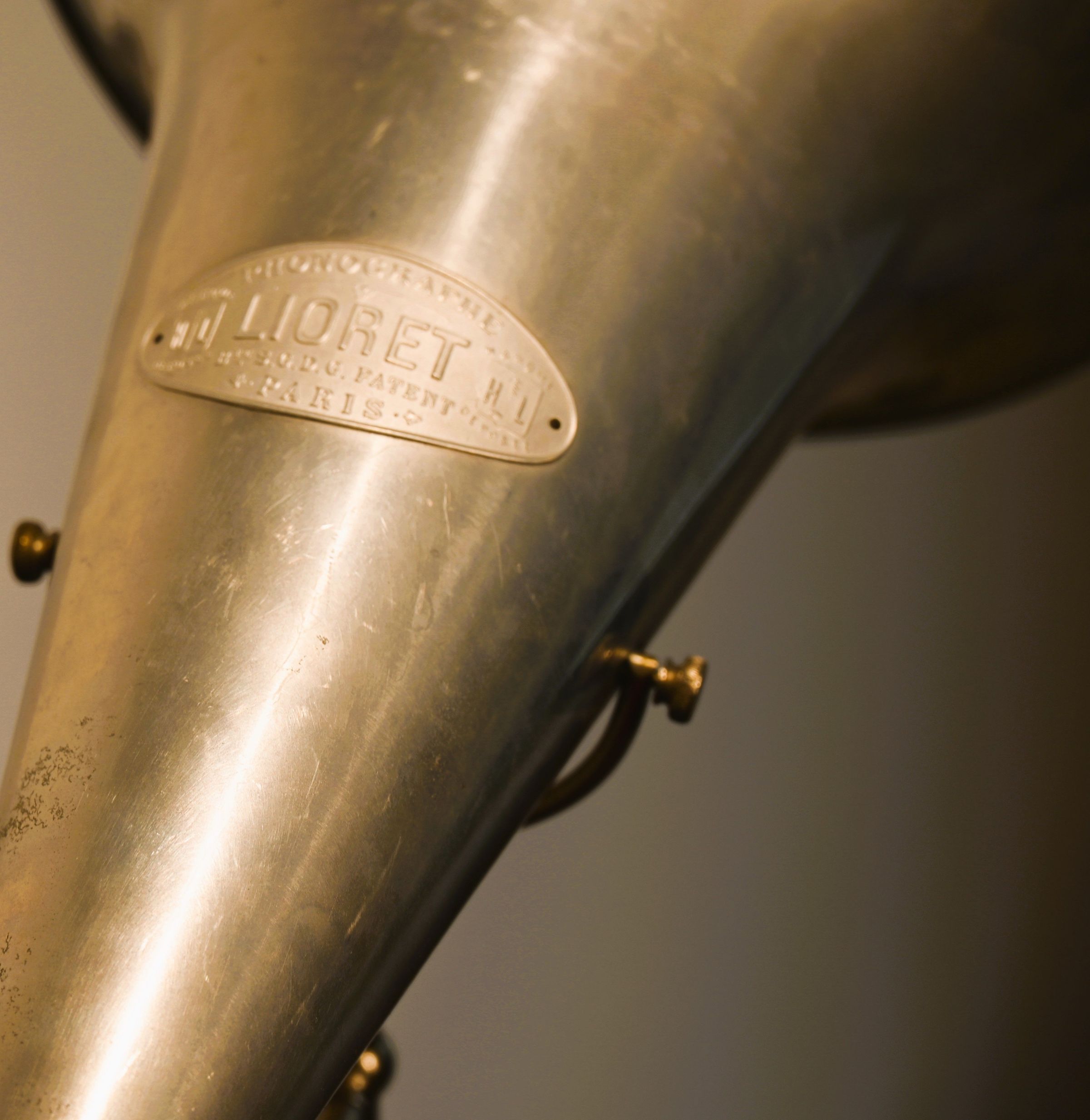
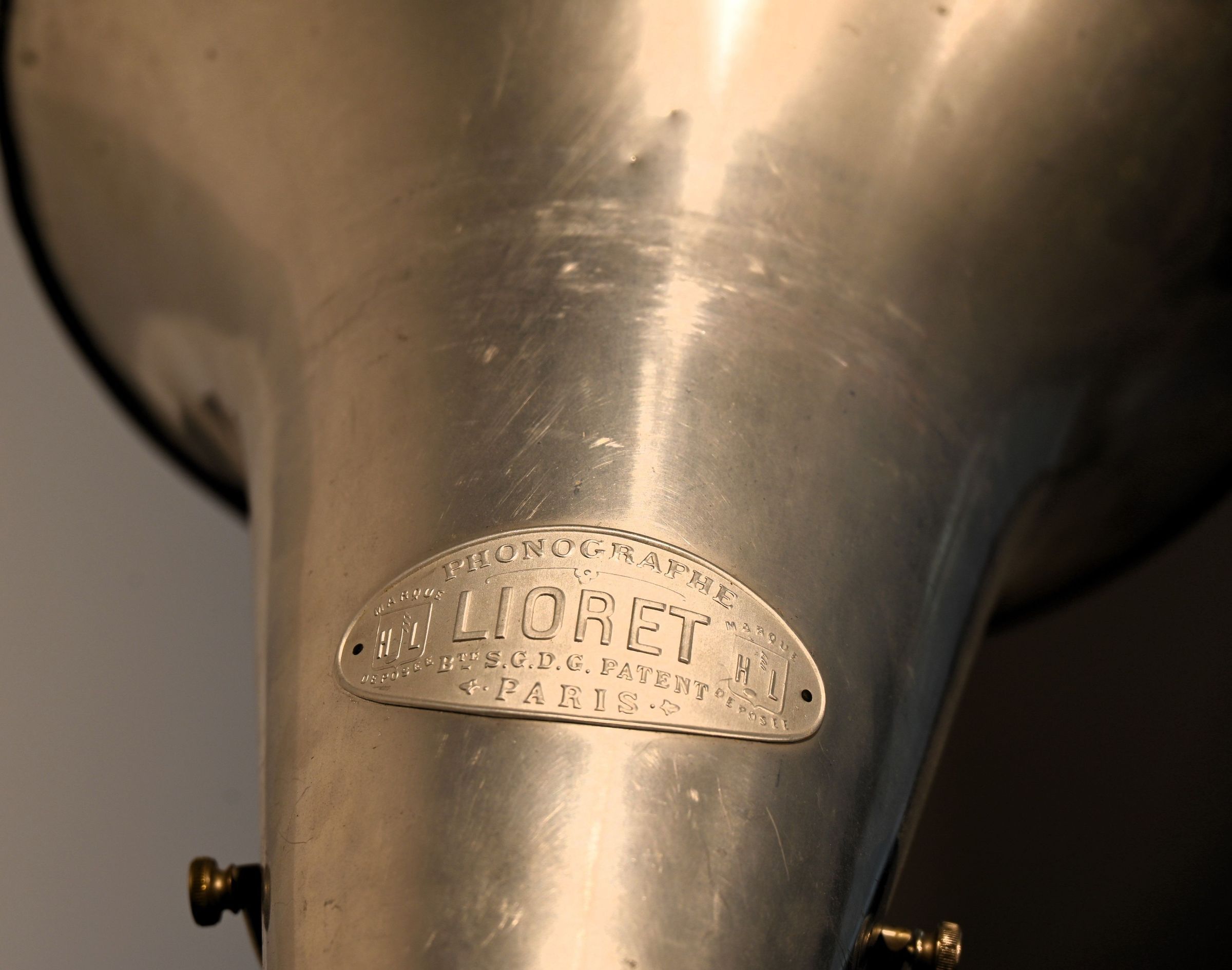
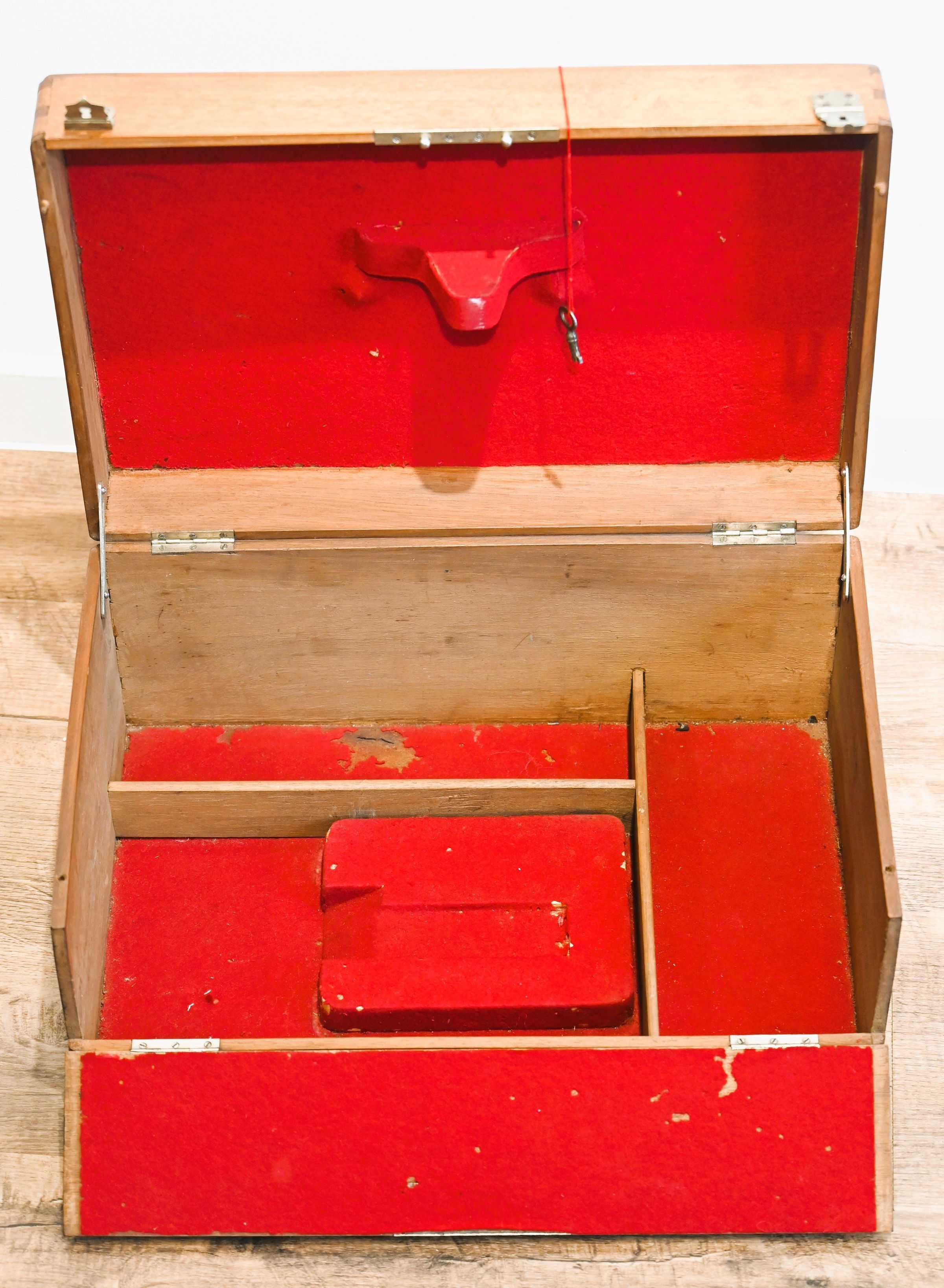
The mechanism is mounted on a three-legged wooden tripod, with a red velvet-covered platform adorned in gilded bronze ornaments typical of the Belle Époque. A large metal horn delivers surprisingly rich and voluminous sound projection.
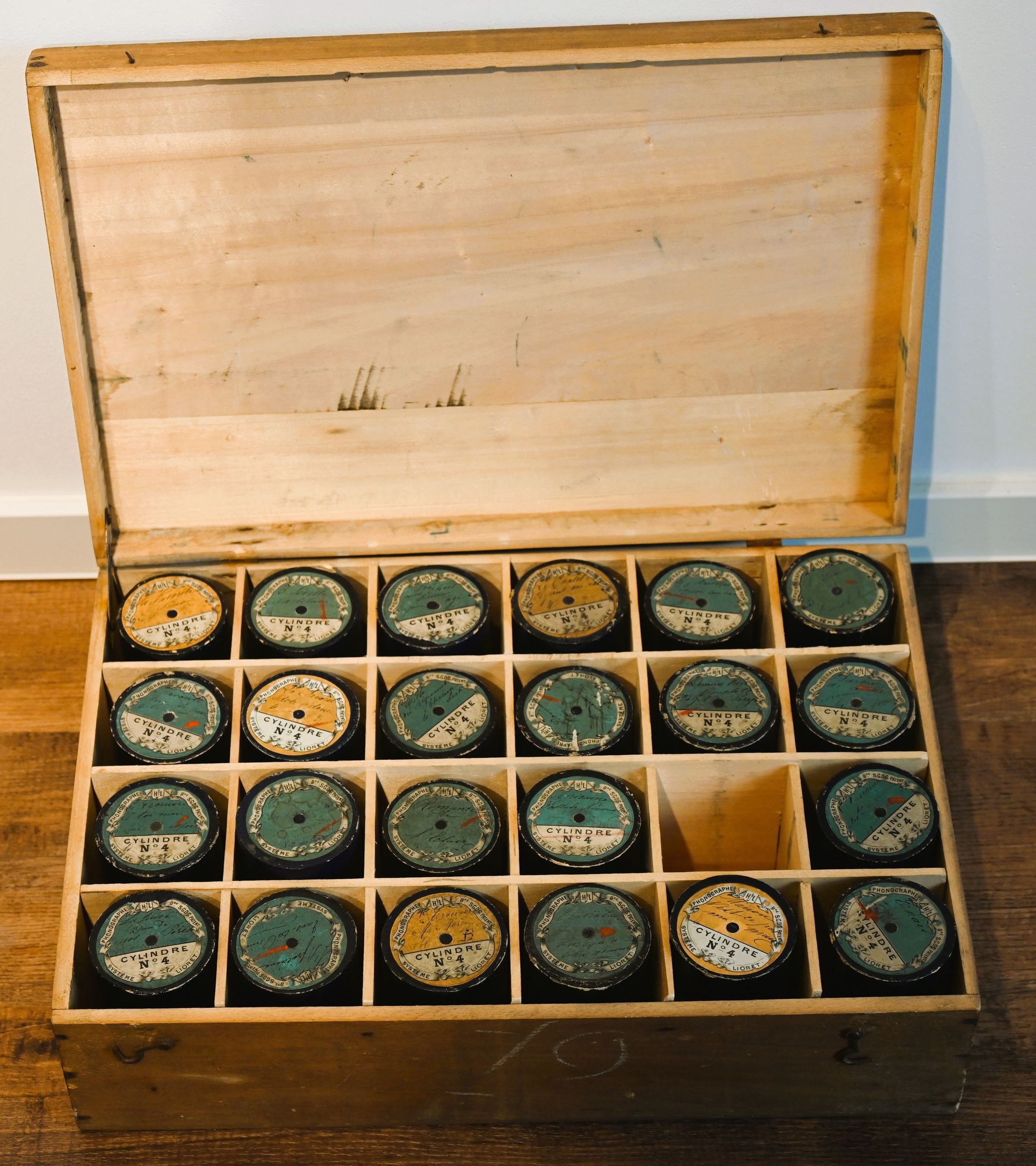
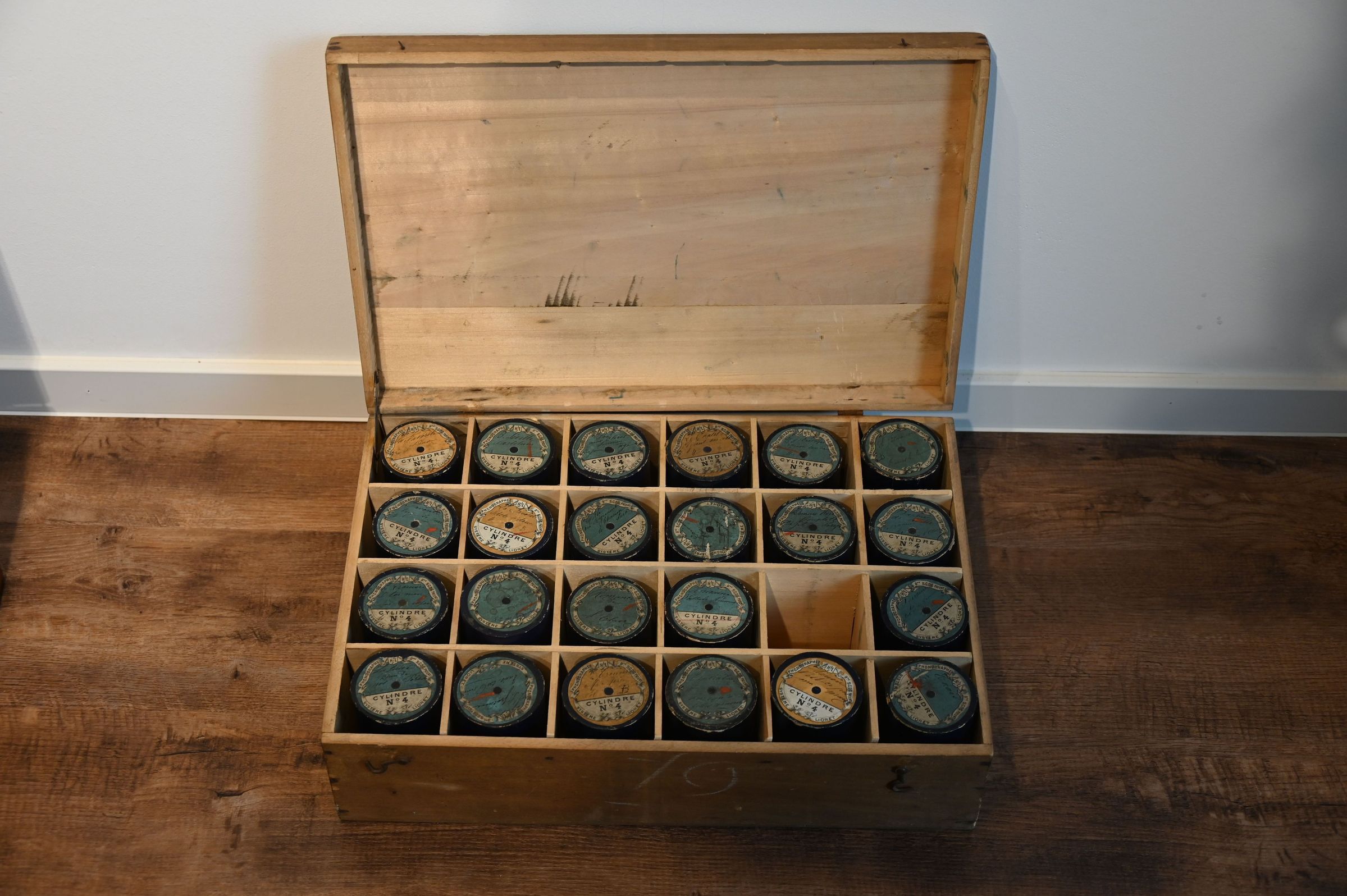
The Lioretgraph plays only the specially developed Eurêka cylinders, made of celluloid—a robust early plastic. These cylinders provided a playback time of about four minutes, a true innovation at the time. In addition to music, Lioret’s recordings included dramatic scenes, poetry, and religious texts.
The Man Behind the Machine: Henri Lioret
Henri Lioret (1848–1938) was not only a brilliant technical designer but also a passionate artist. His creations combined watchmaking precision with a strong sense of aesthetic design. As early as the 1890s, he was experimenting with talking dolls, miniature phonographs, and electronic music boxes.
The Lioretgraph No. 3 was offered around 1898 at a retail price of 300 Francs—a clear marker of its status as a luxury product. It was aimed at physicians, academics, and affluent households. Advertisements described it as “très soigné et puissant” – very finely crafted and powerful.
Historical Significance
This device not only reflects the state of technology in its day but also represents France’s distinctive response to Edison’s phonograph. At a time when America was dominating the sound recording industry, Lioret created a refined and independent alternative—technically bold and artistically exquisite.
A rare jewel in the Edisonium collection – and a fascinating glimpse into the rich creativity of early sound technology.