Name/Title
Zonophone "Type A"Entry/Object ID
138Description
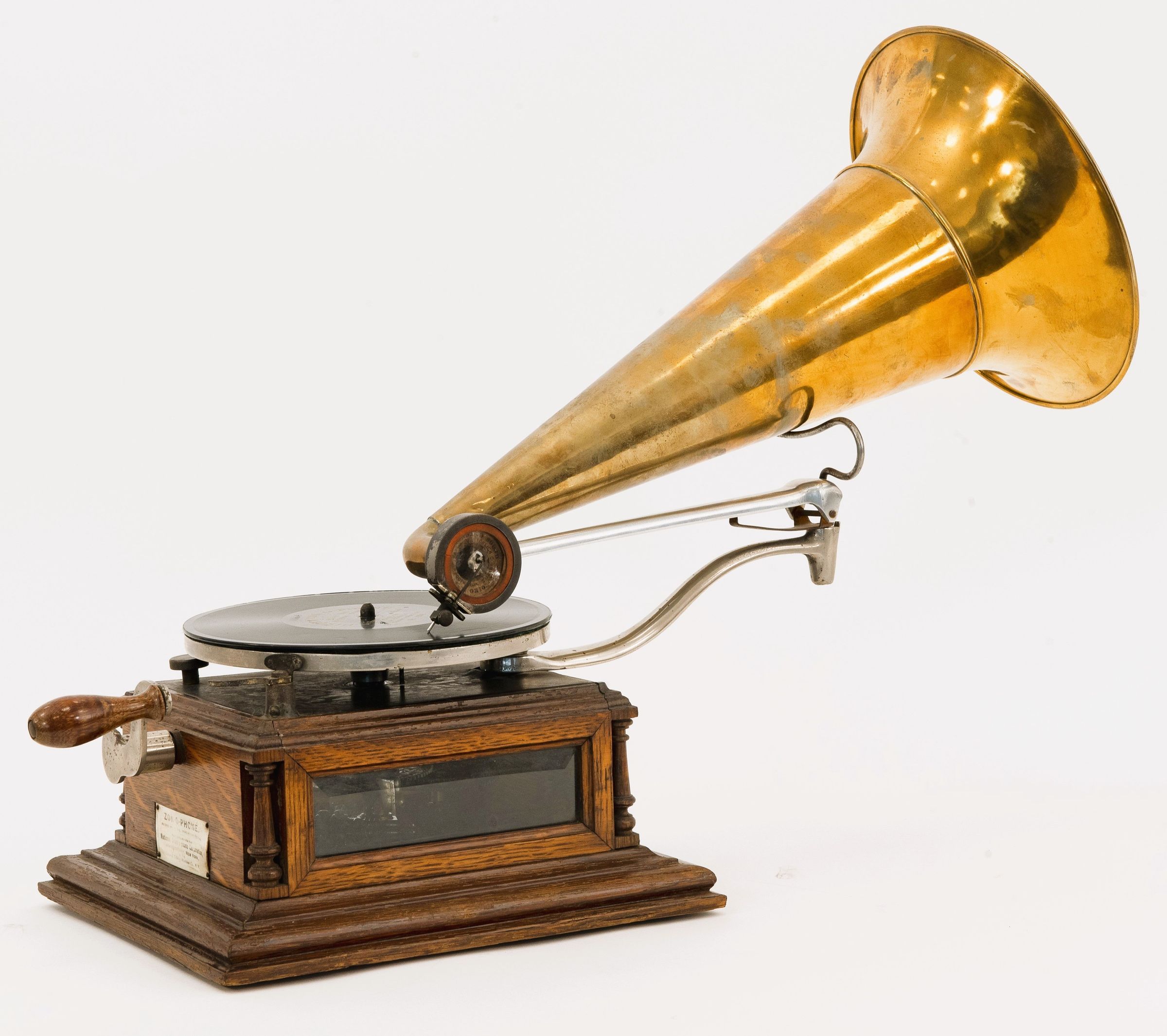
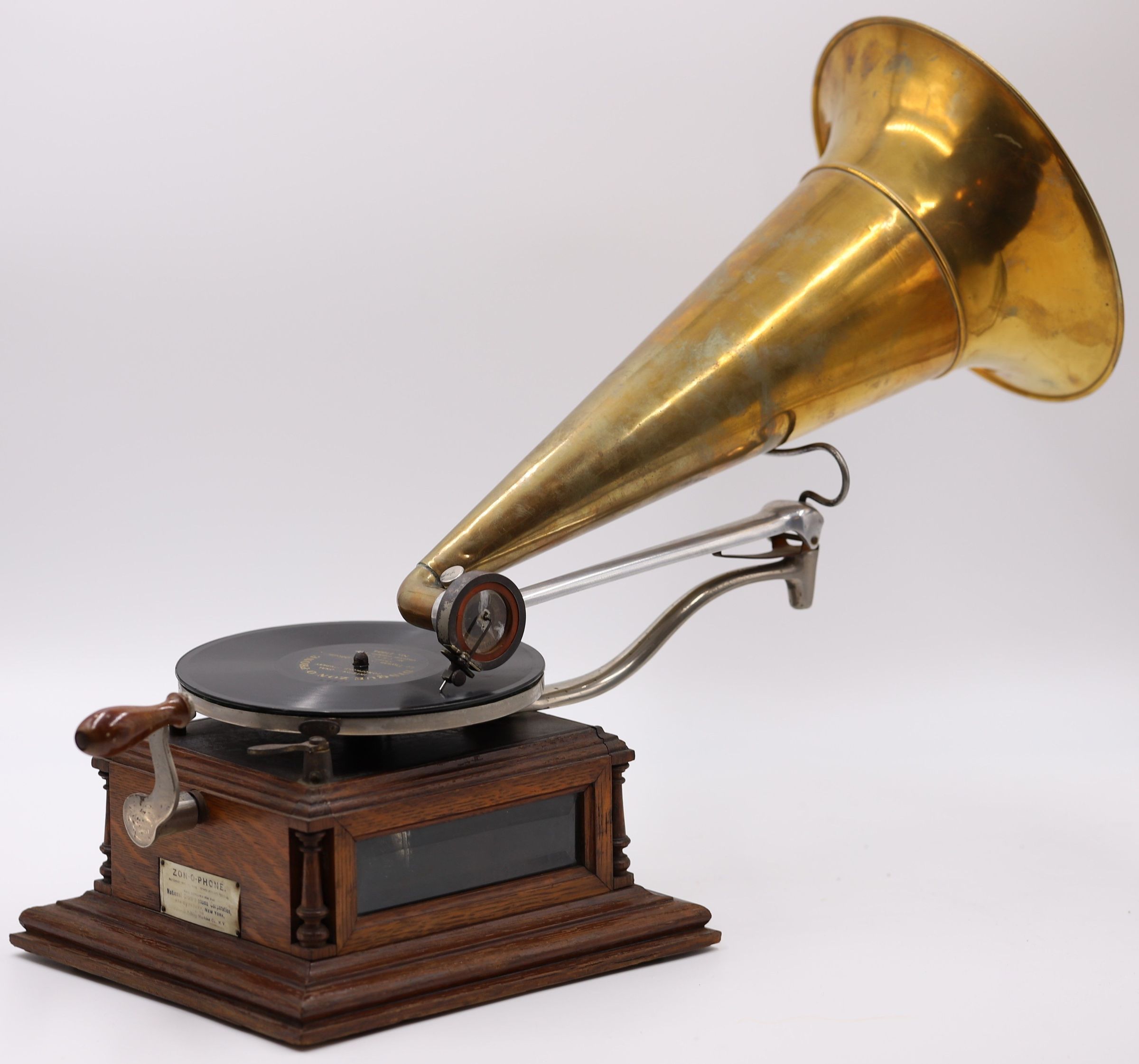
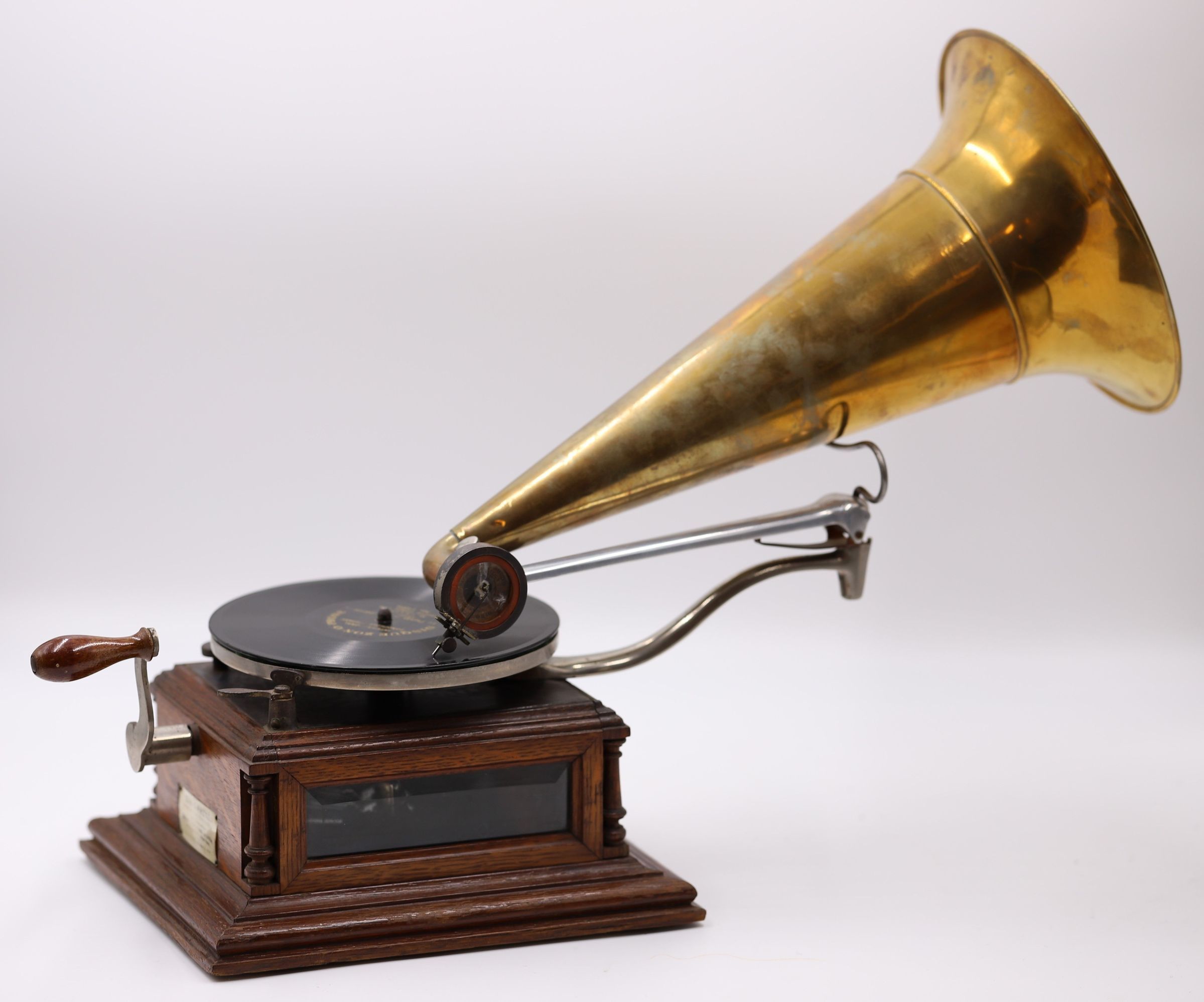
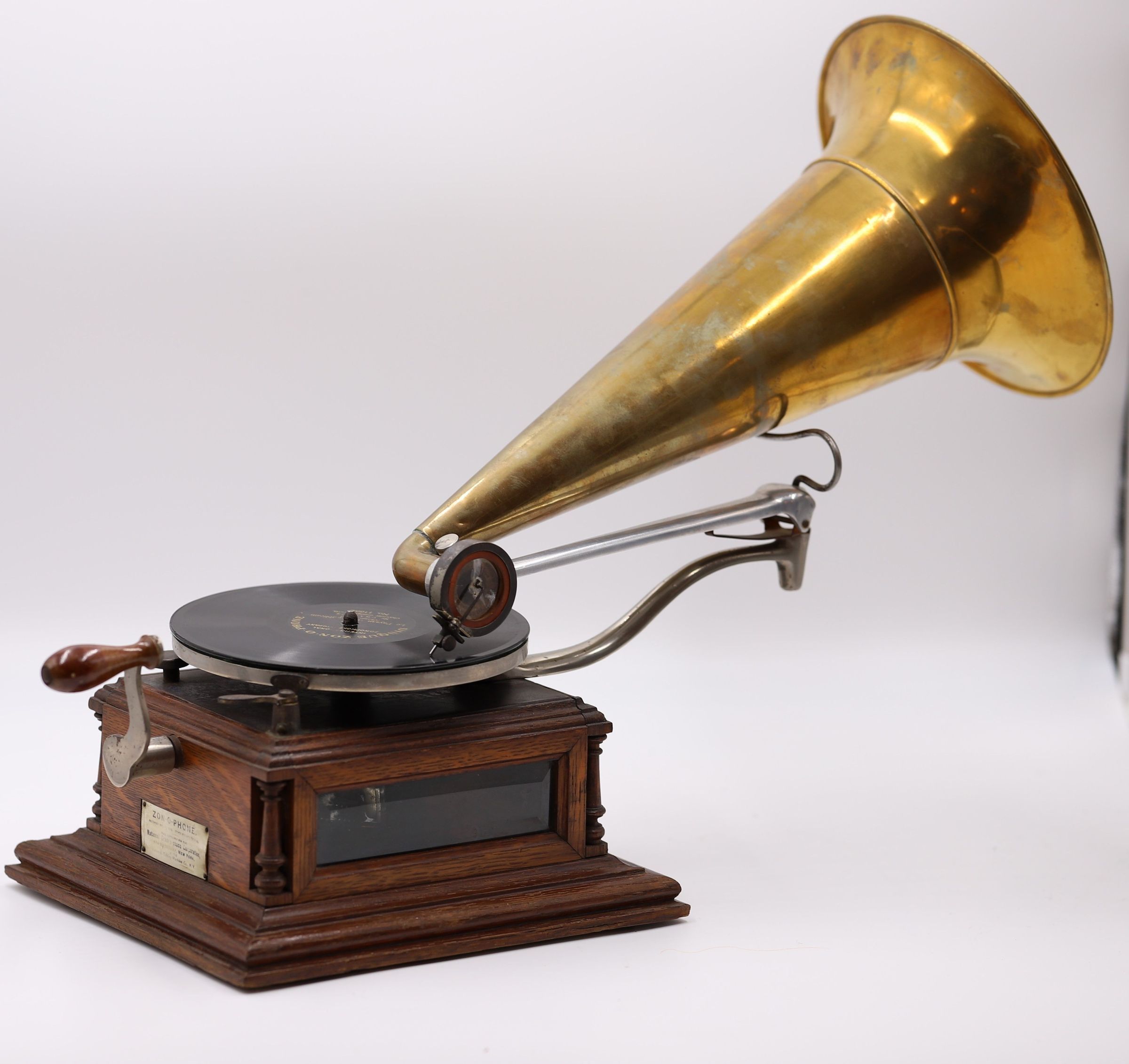
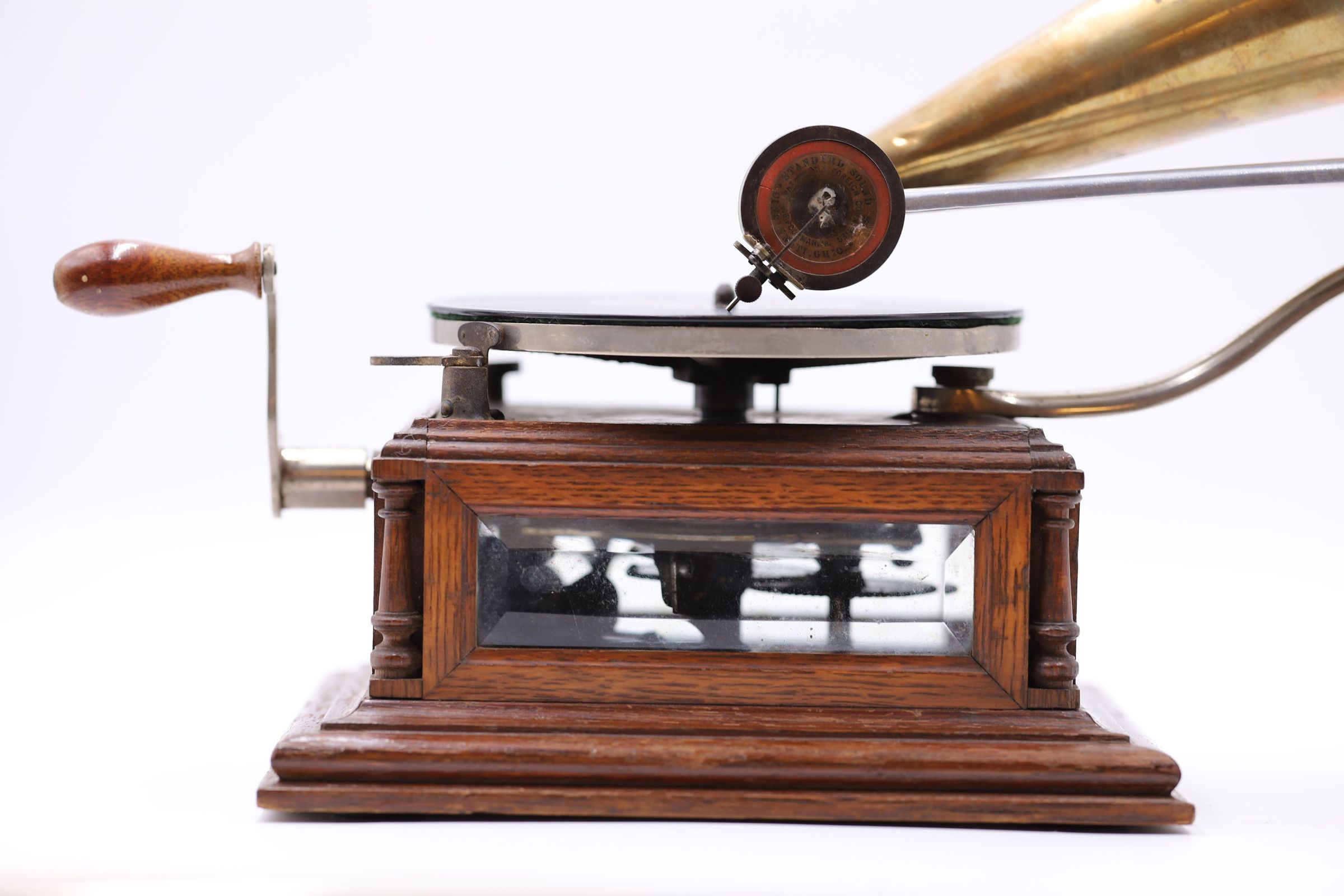
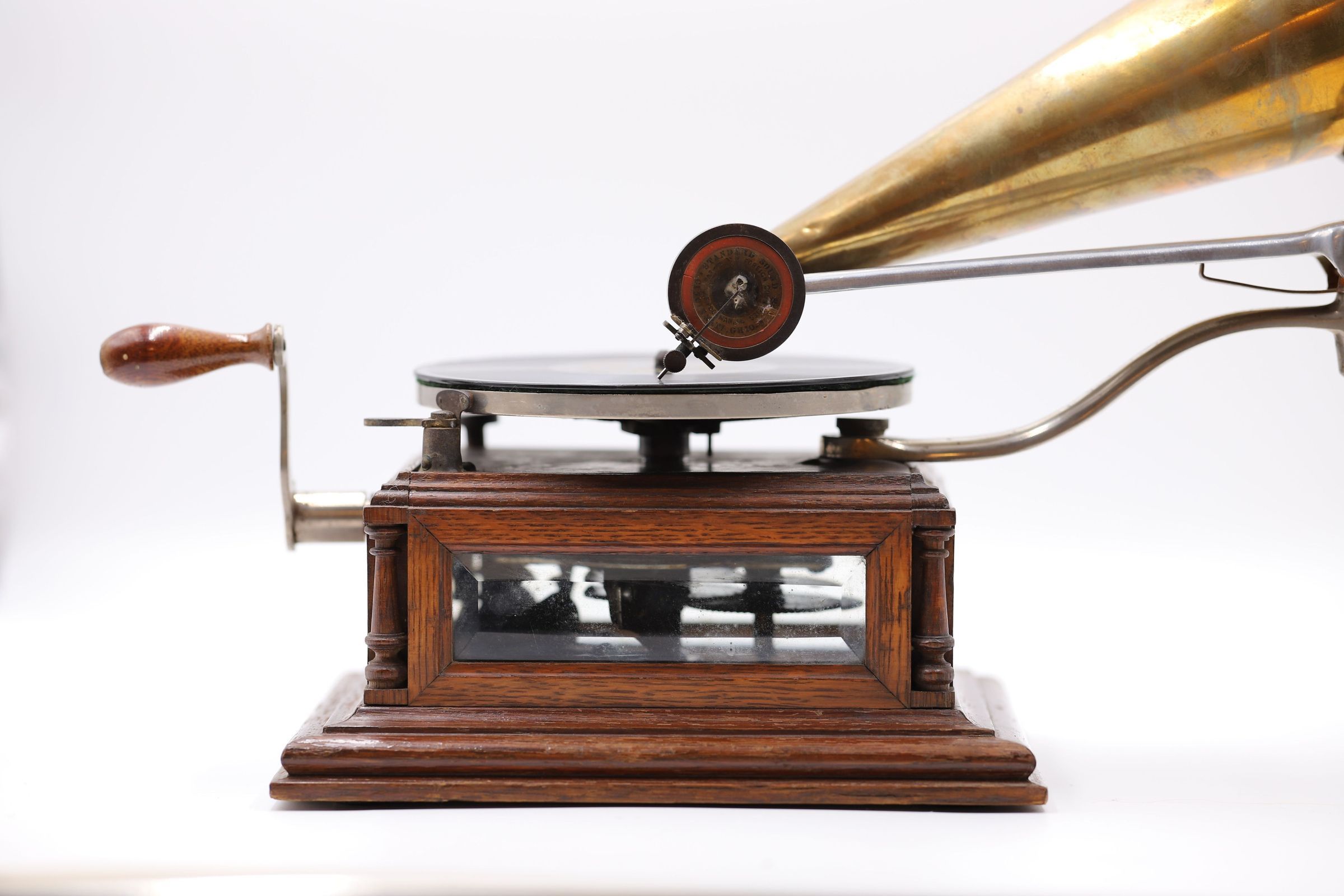
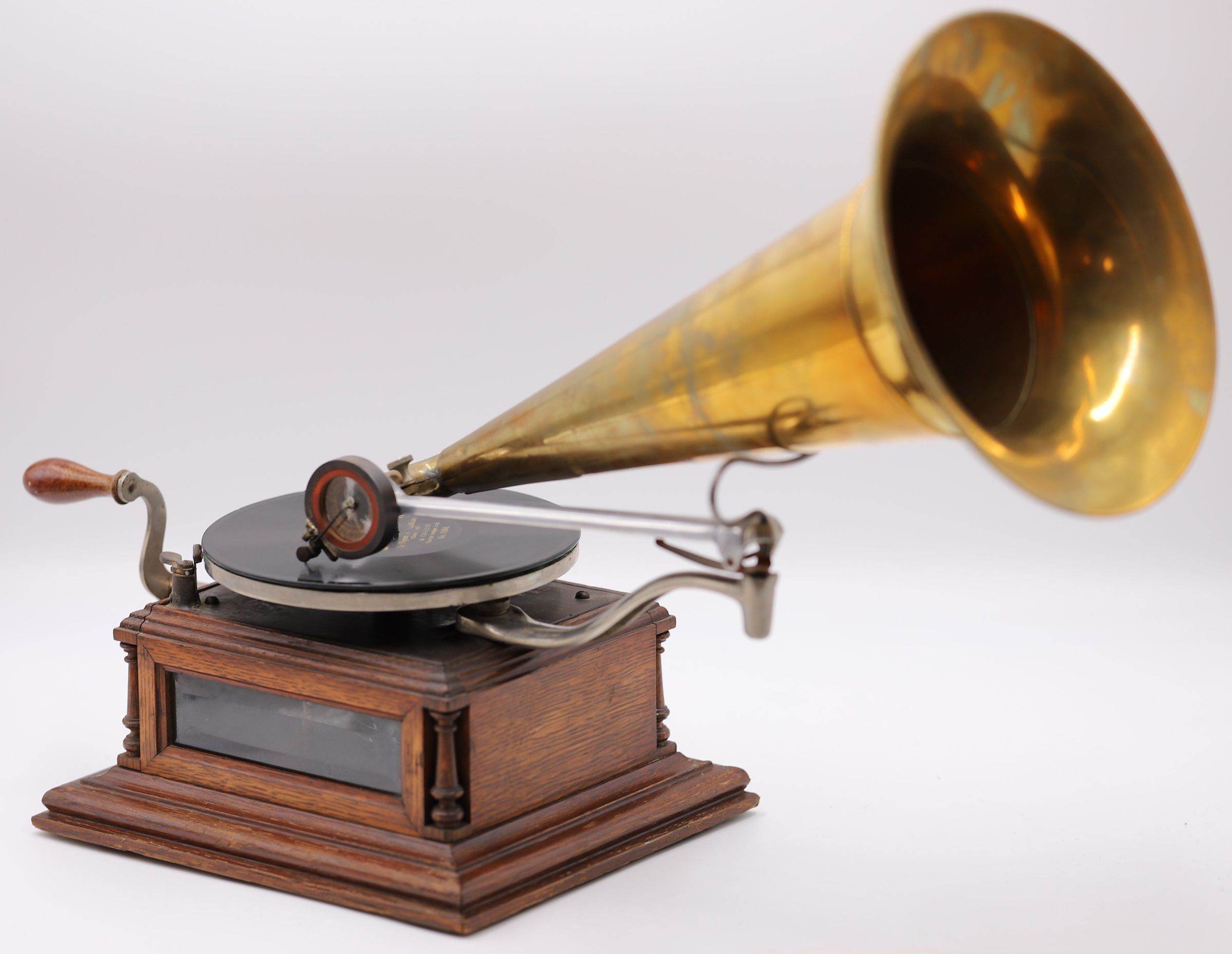
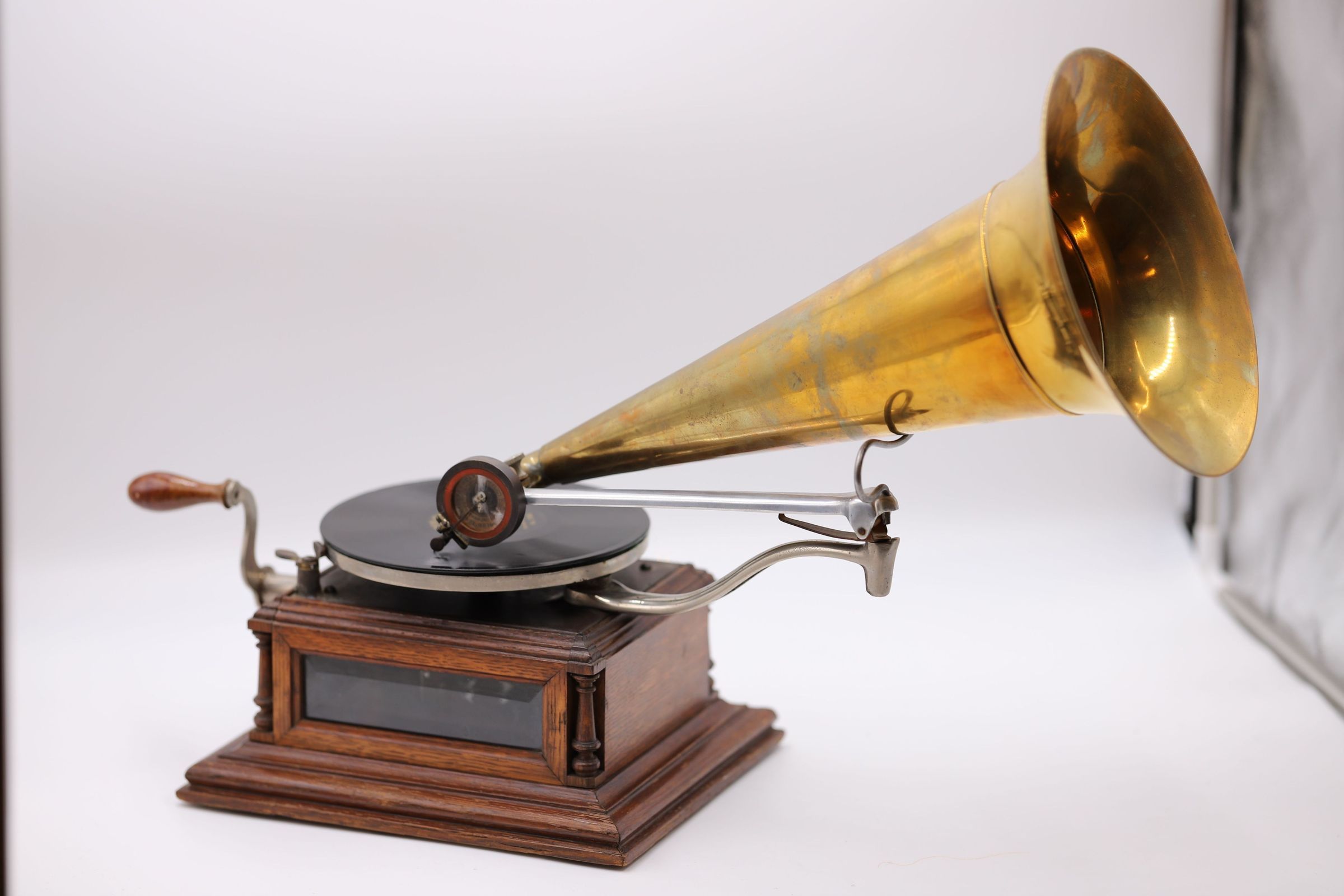
Zonophone Type A
National Gramophone Corporation, USA, c. 1899–1901
Historical Background
The Zonophone was introduced by Frank Seaman after conflicts with Emile Berliner and Eldridge Johnson. Beginning in 1899, Seaman commissioned alternative gramophone designs, some developed by Louis Valiquet. With the establishment of the National Gramophone Corporation, Zonophone machines quickly became the only legally available disc players in the United States, after Berliner was barred by court order in 1900.
The Type A originally sold for 25 dollars and was part of the first Zonophone series (Models A–D and the Concert Grand). These machines all used the same motor design and also enjoyed considerable success in European export markets.
Technical Features
Motor: Spring-driven motor by Louis Valiquet, quiet-running and capable of being wound while playing.
Construction: The Type A includes the rare early version with side-mounted glass panels in the cabinet, allowing a view of the spring motor and gearing.
Zonophone Plaque: The earliest machines featured a National Gramophone Corp. celluloid tag in unusual positions—this example shows one of those rare placements.
Turntable & Spindle: Equipped with a spring-loaded spindle to secure records, a more refined solution than the simple clamps used on Berliner’s machines.
Soundbox: Initially fitted with the closed “V” reproducer, later upgraded to the more powerful “V Concert.”
Rarity and Significance
Early Zonophones such as this Type A were often of higher quality—and less expensive—than Berliner’s gramophones. Their improved motors, stronger cases, and interchangeable reproducers represented an important step forward in the history of disc sound reproduction.
The present example is especially noteworthy for its early construction details and the original placement of the National Gramophone Corporation celluloid tag.