Name/Title
Rosenfield Coin-Operated PhonographEntry/Object ID
105Description
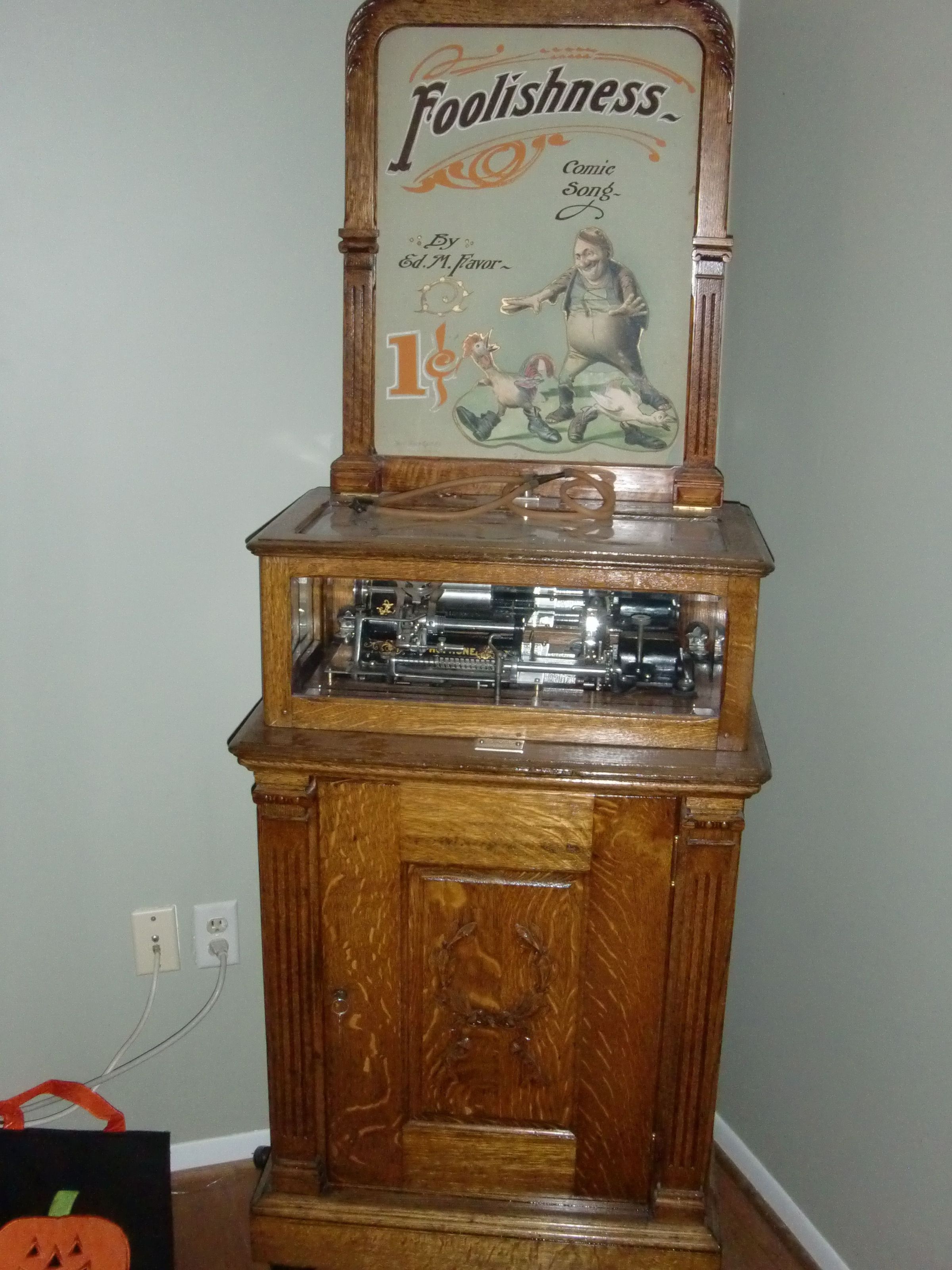
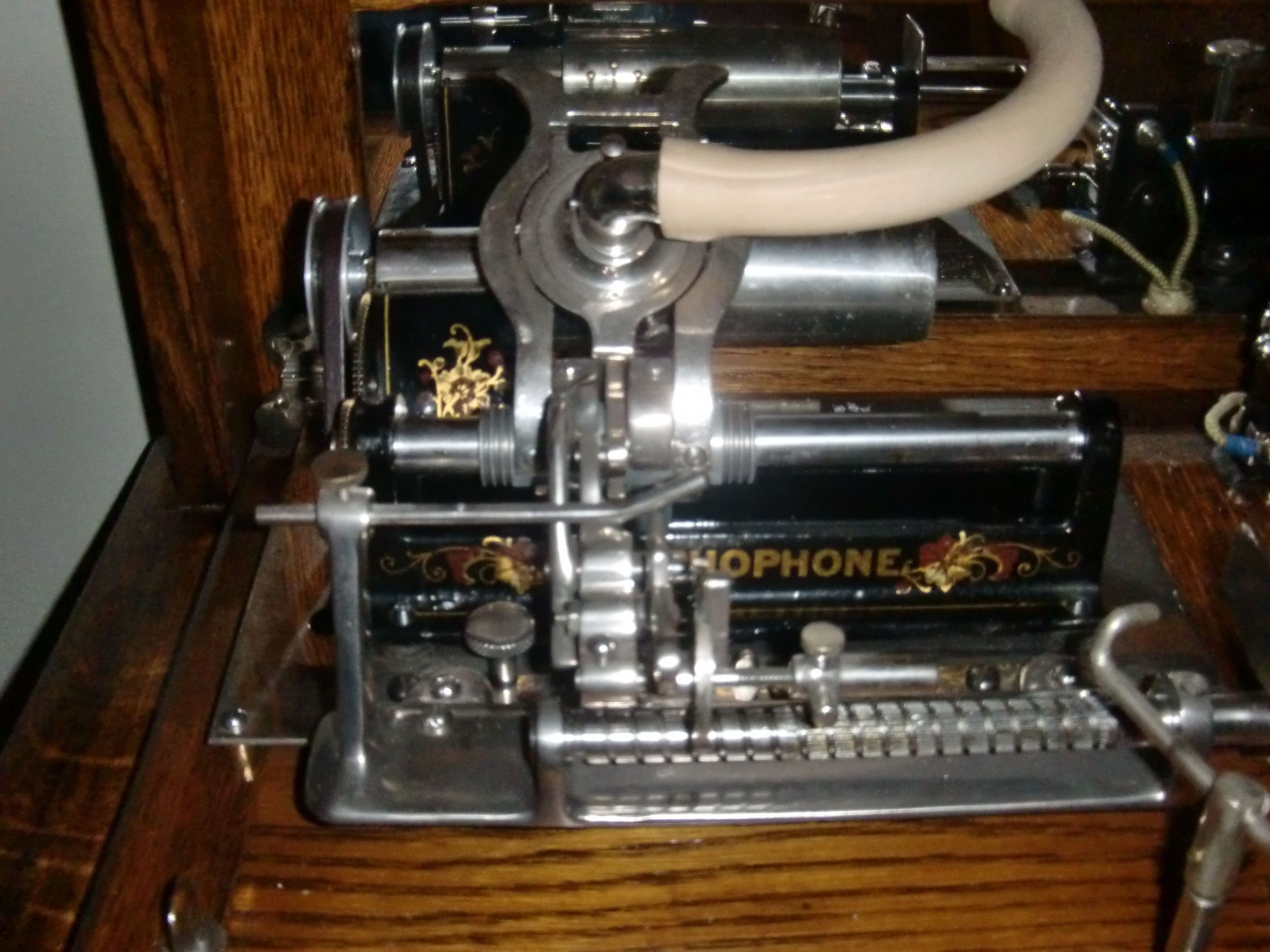
(c. 1906). A fully automatic early audio system combining spring and electric drive – based on the Columbia Type AZ Graphophone
This rare and innovative machine combines two major technological advances of its time: coin-activated sound reproduction and electro-mechanical automation of movement and reset functions.
It was produced around 1905–1906 by the Rosenfield Manufacturing Company of New York City, one of the foremost makers of coin-operated amusement devices in the early 20th century.
Technical Construction:
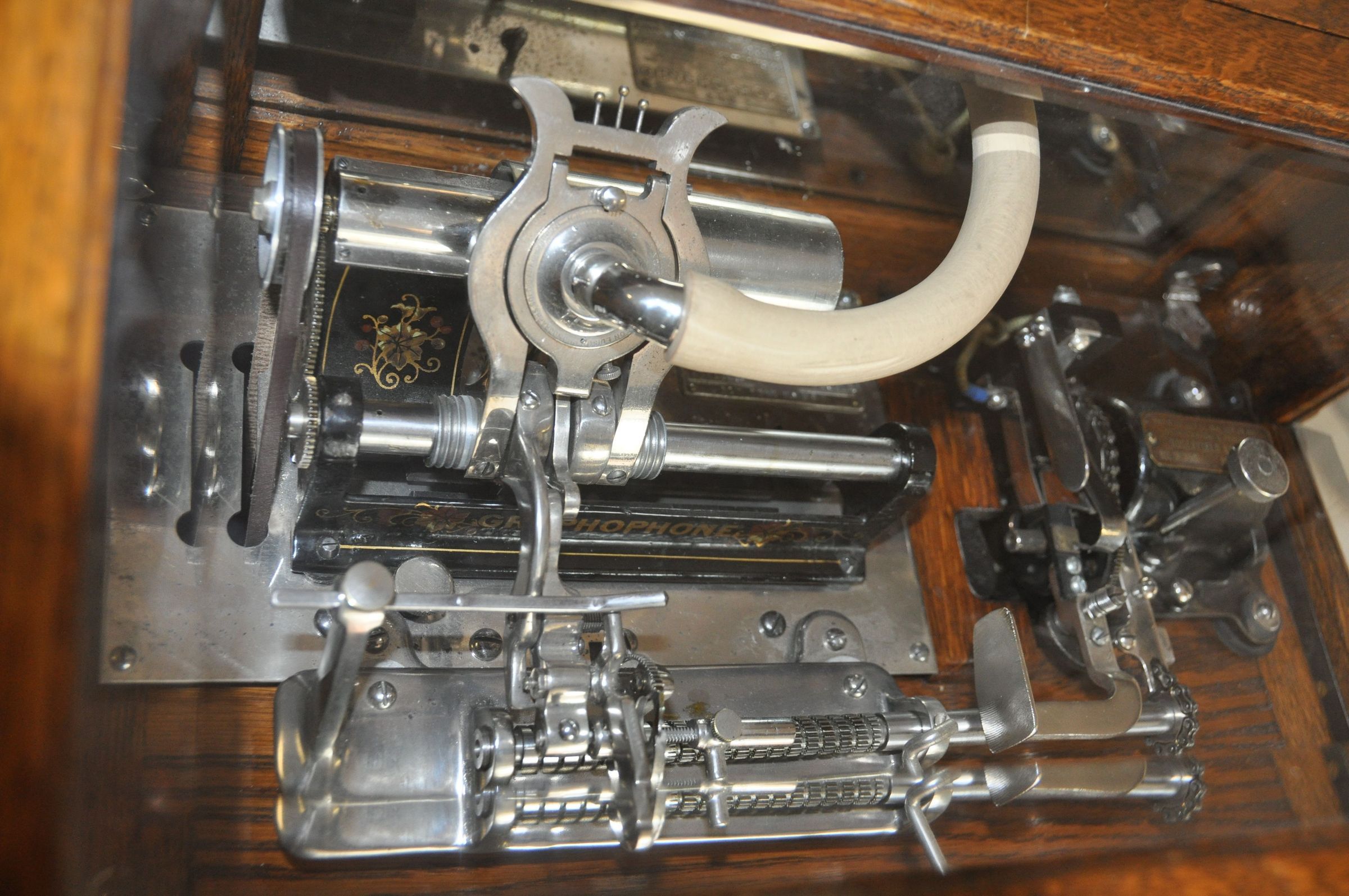
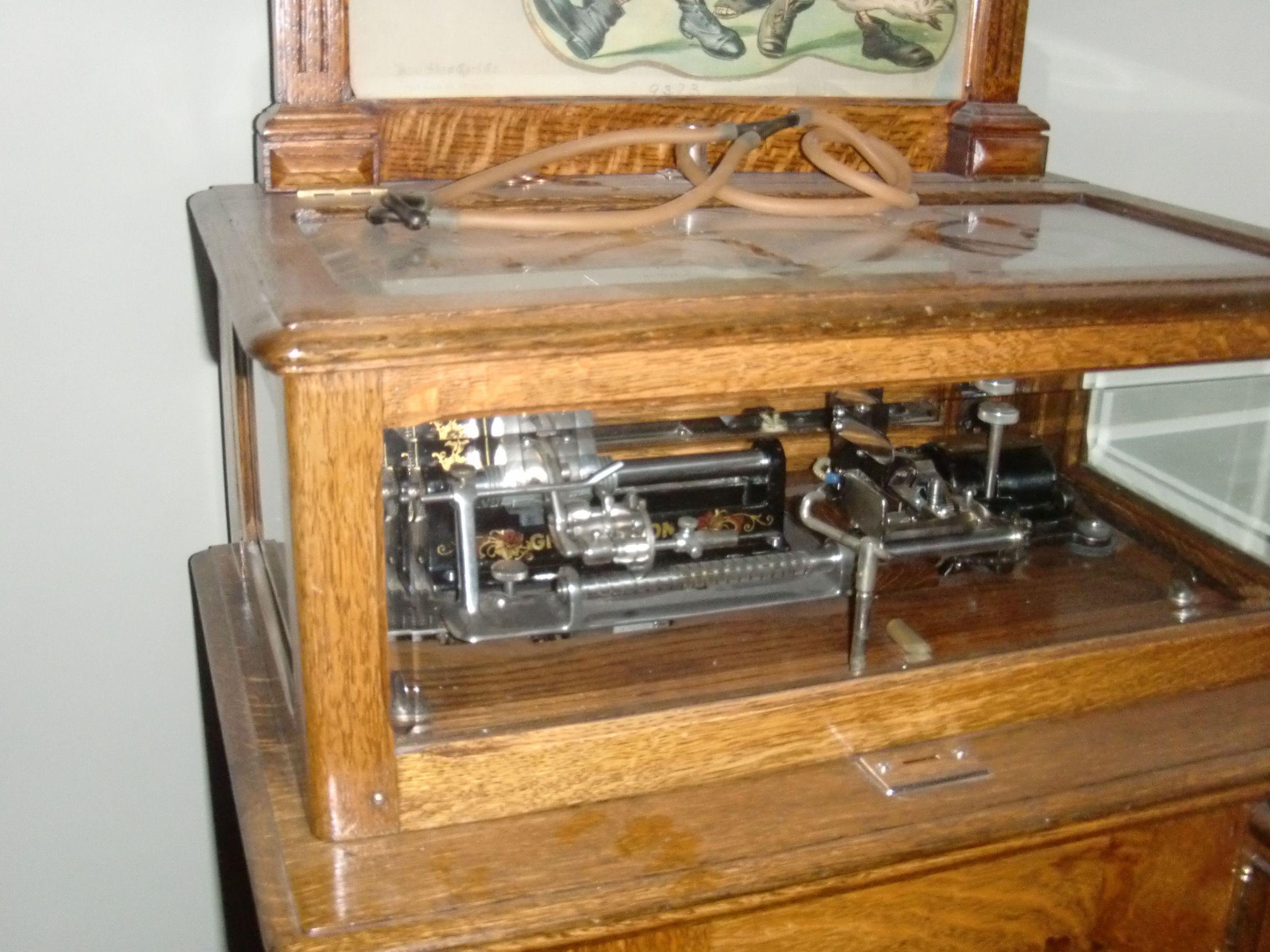
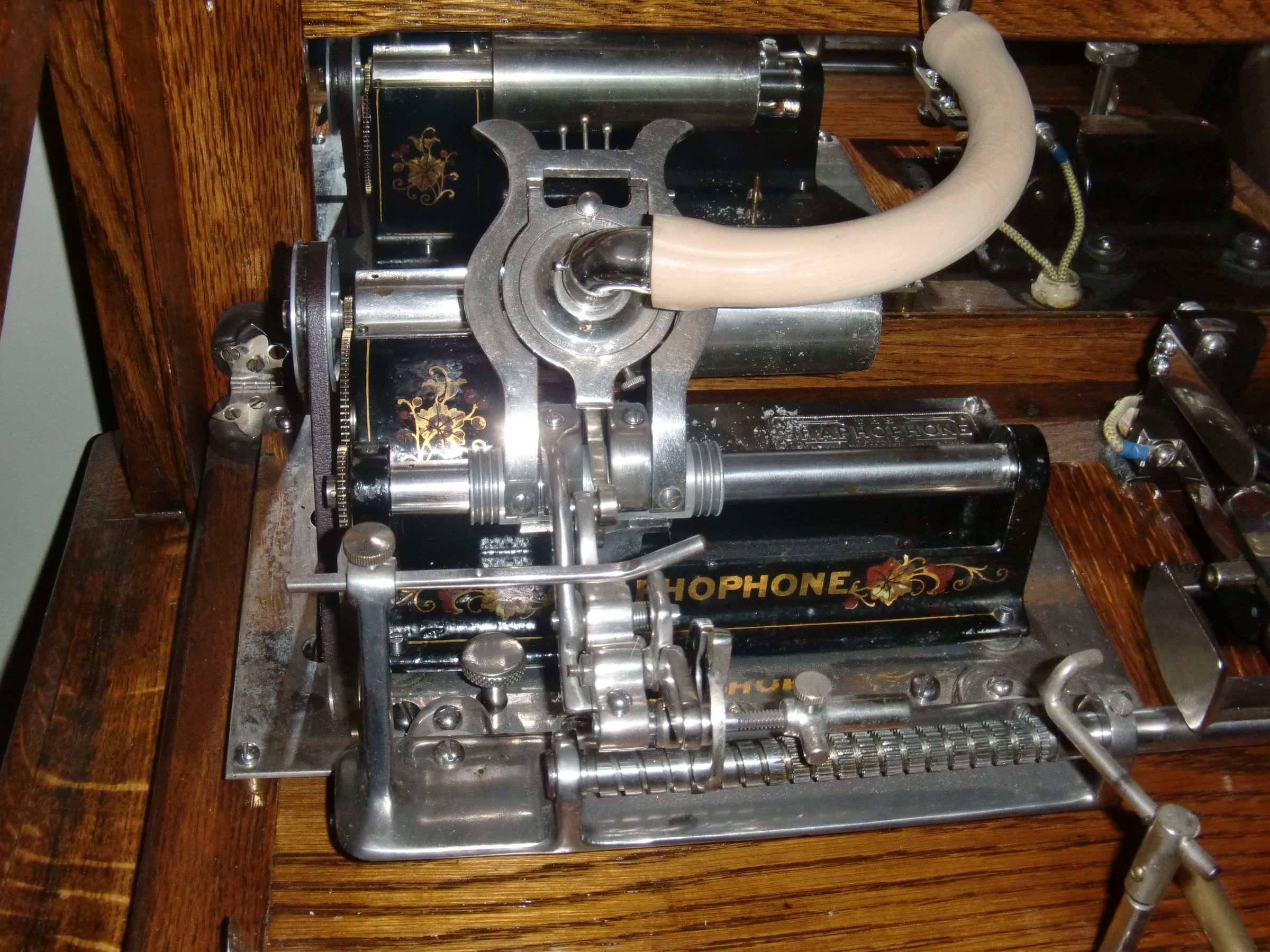
At its core is a Columbia Type "AZ" Graphophone, the first Columbia model with a fixed carriage reproducer. The AZ mechanism features a two-spring motor for consistent cylinder playback, running at a stable speed for standard 2-minute wax cylinders.
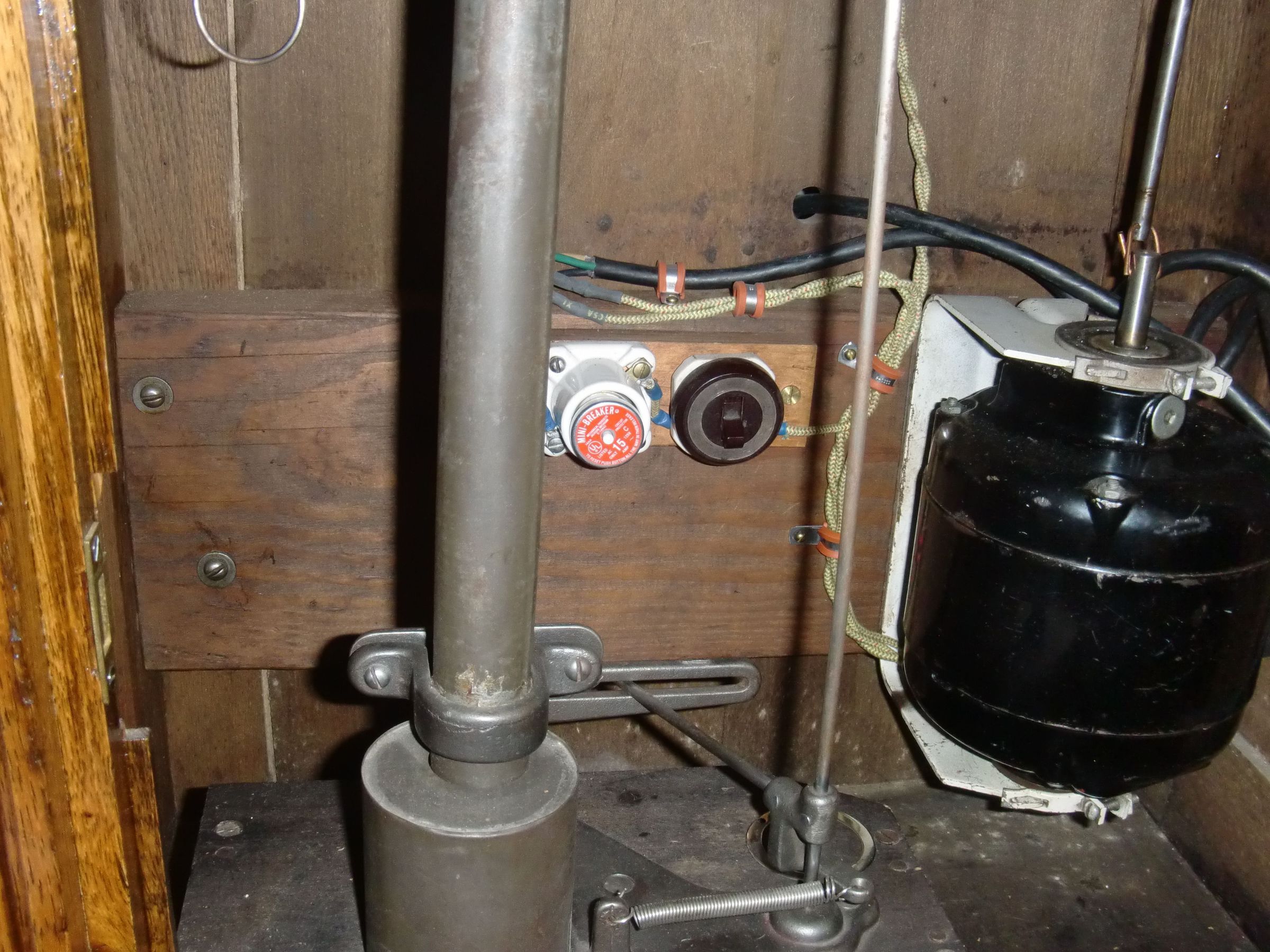
Rosenfield’s enhancement added a dual-motor system:
A spring motor served as the primary drive, activated by inserting a coin.
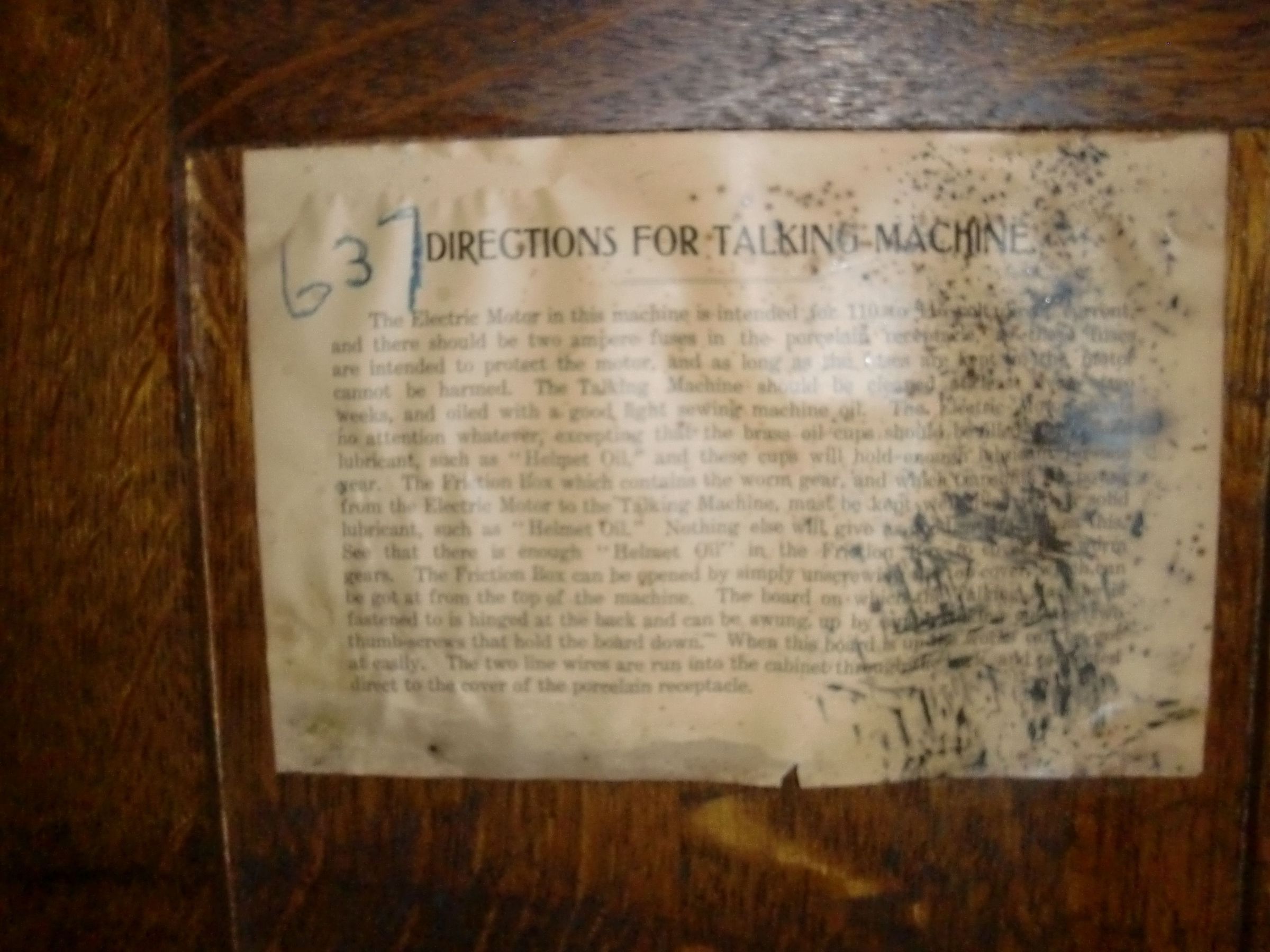
A separate Emerson electric motor (104V AC) was triggered by an internal contact switch once playback had finished.
The electric motor performed three functions:
Rewinding the spring motor
Returning the reproducer carriage to its start position
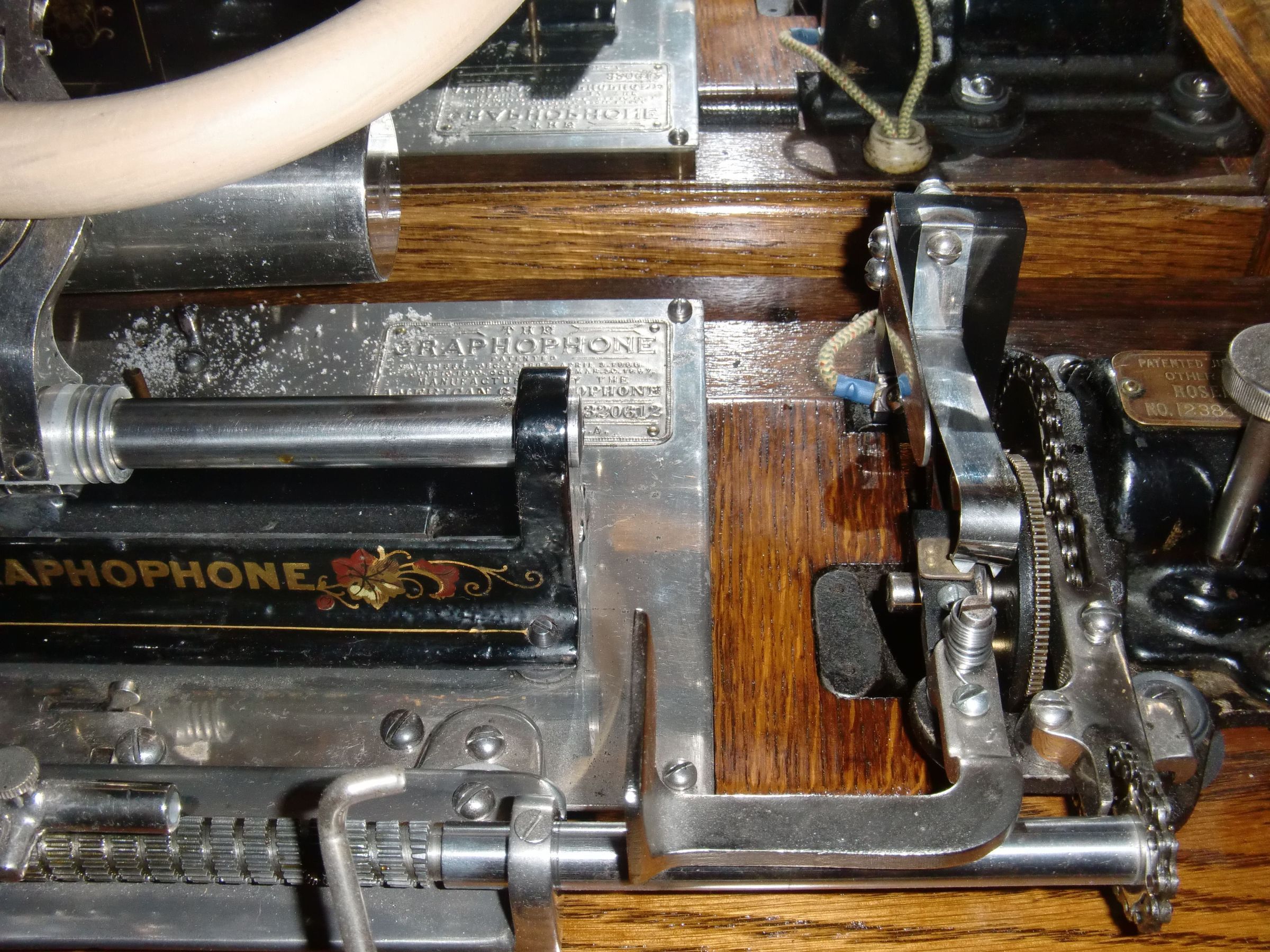
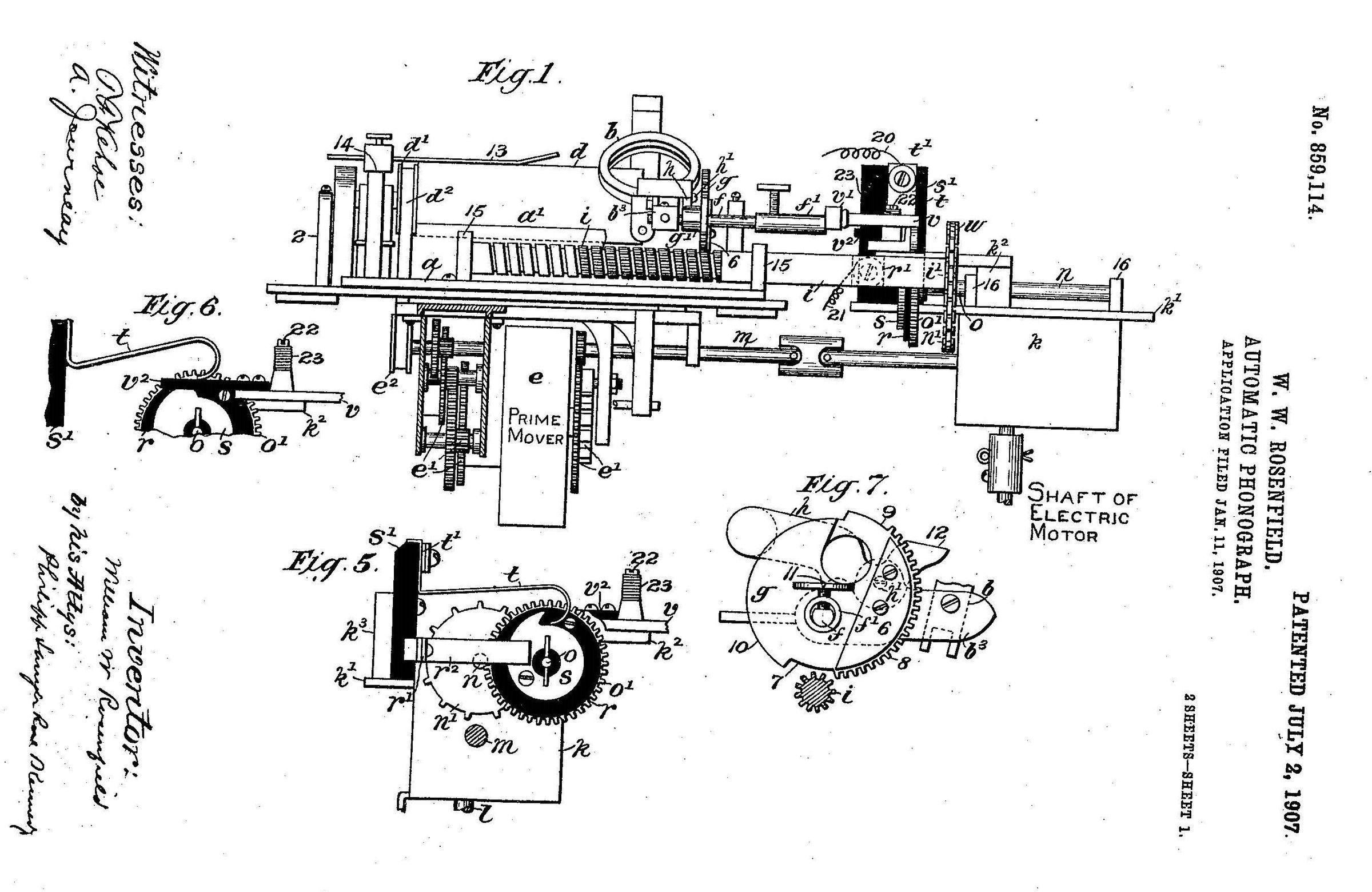
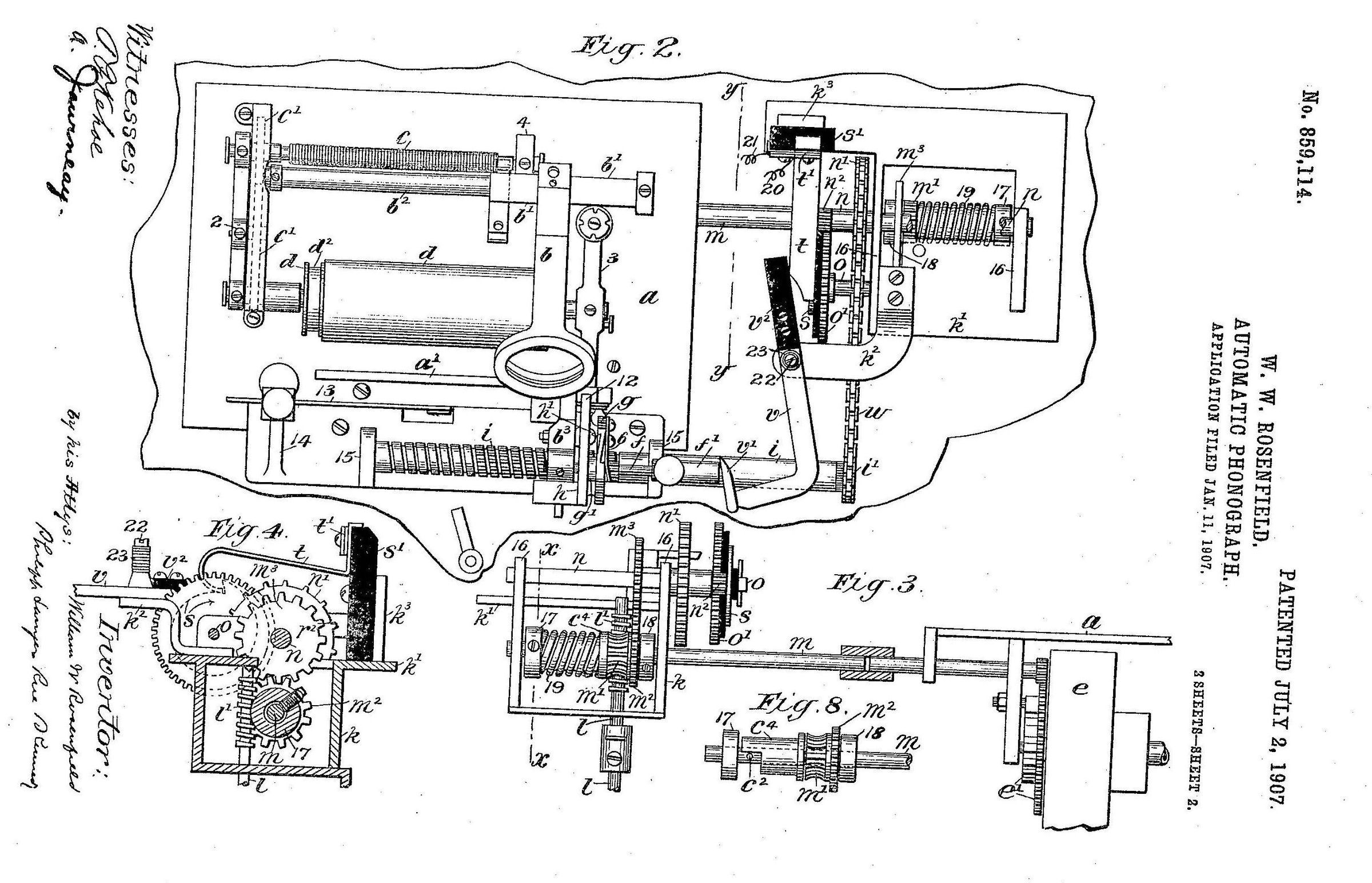
Engaging the chain-driven auto-return mechanism, which moved the tone arm back via a lead screw
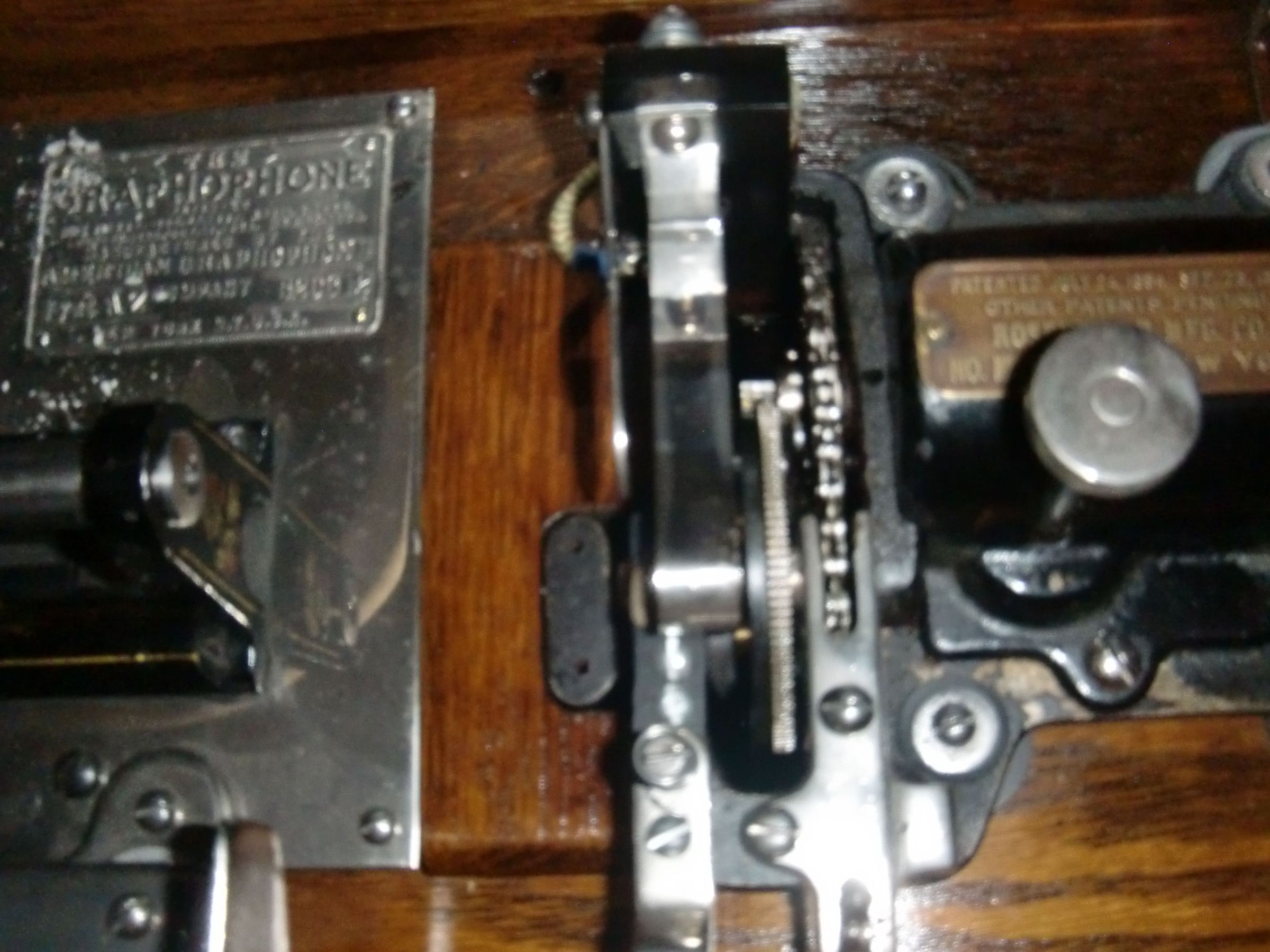
A clever brass cam contact wheel with a notch kept the electrical circuit open during playback, then closed it at precisely the right moment to activate the reset cycle.
Key Technical Features:
Columbia AZ Graphophone with fixed carriage
#9 Lyric reproducer, exclusive to this configuration
Two-spring motor for steady, regulated playback
Emerson electric motor (104V AC) for reset and rewind
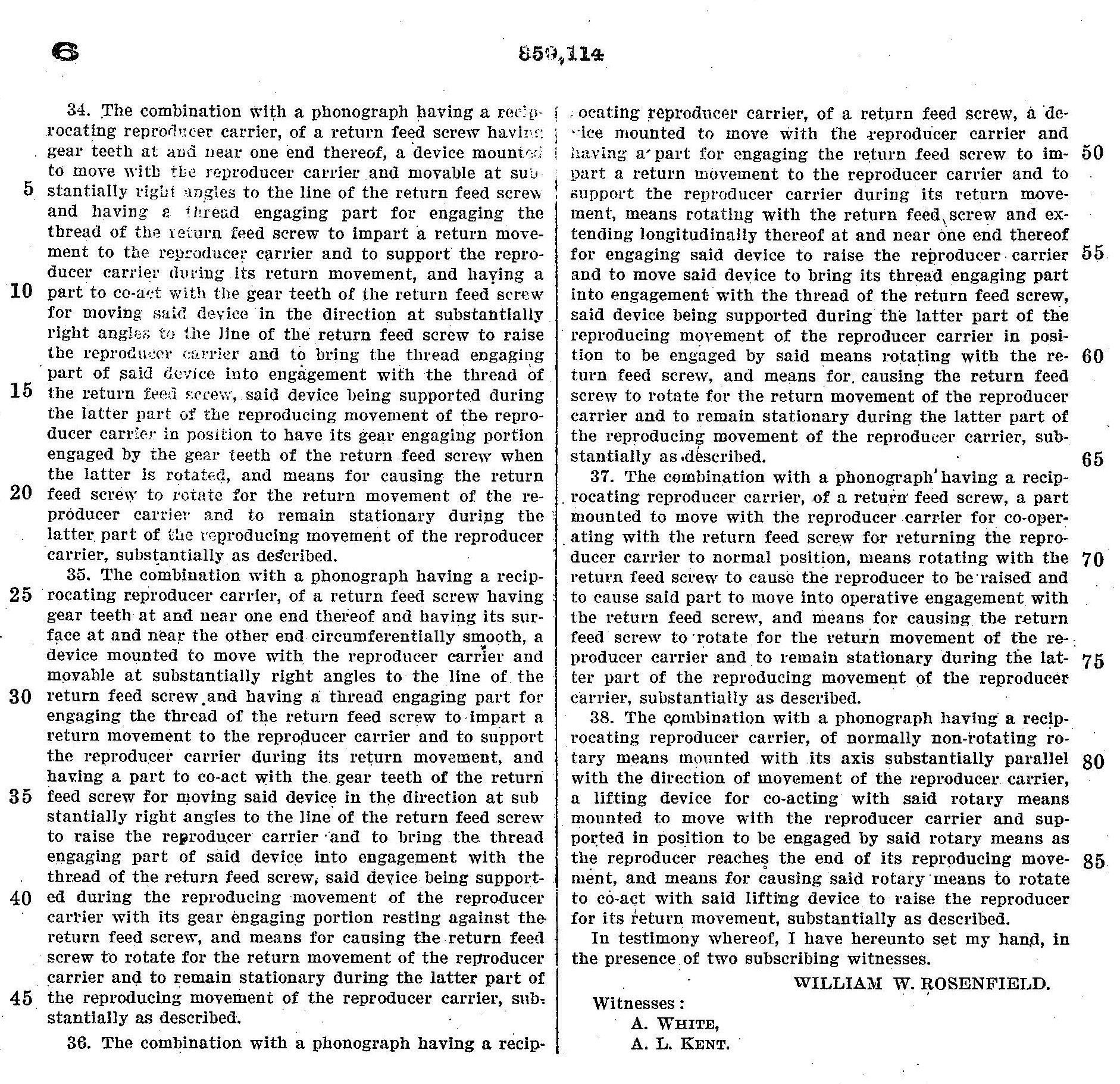
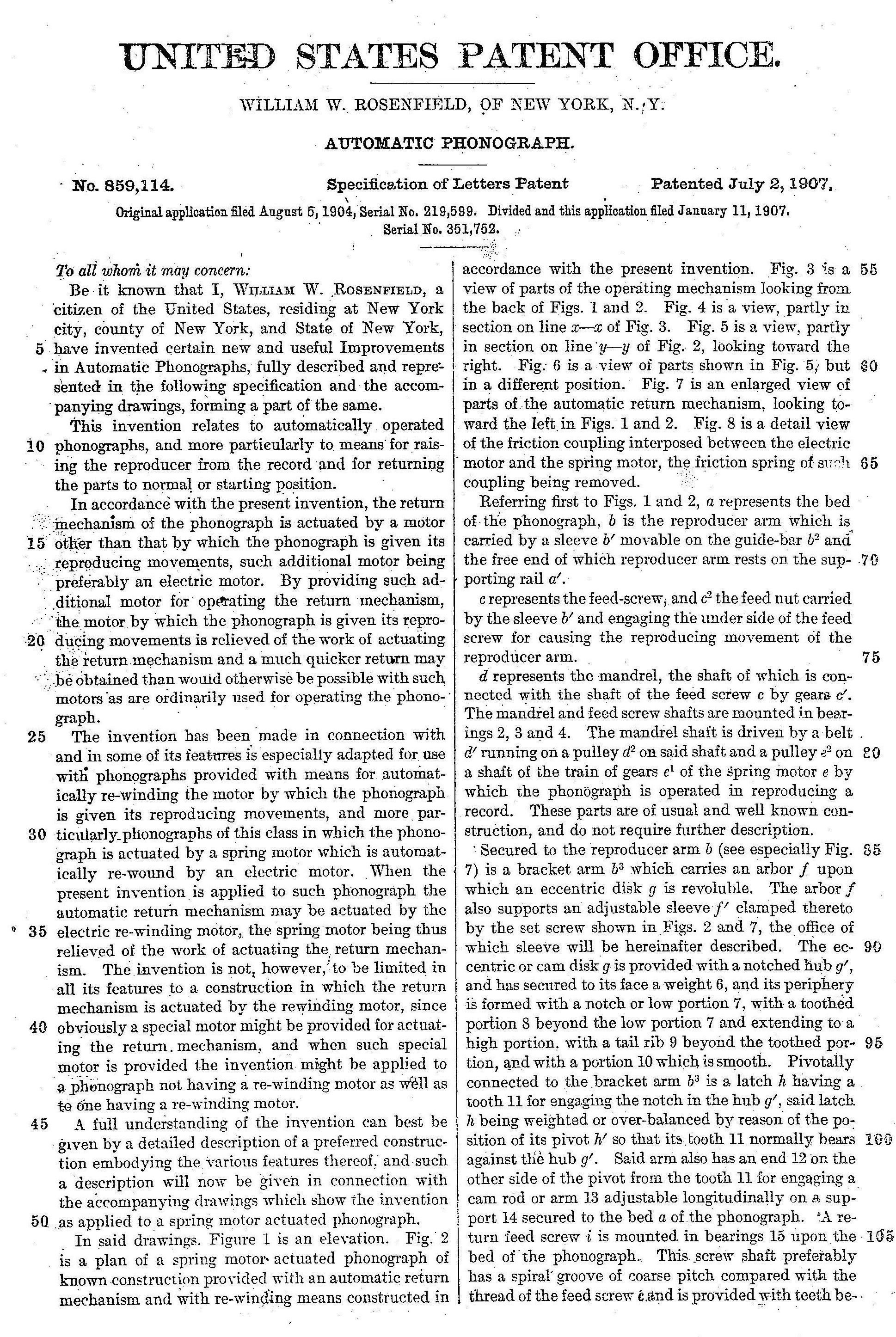
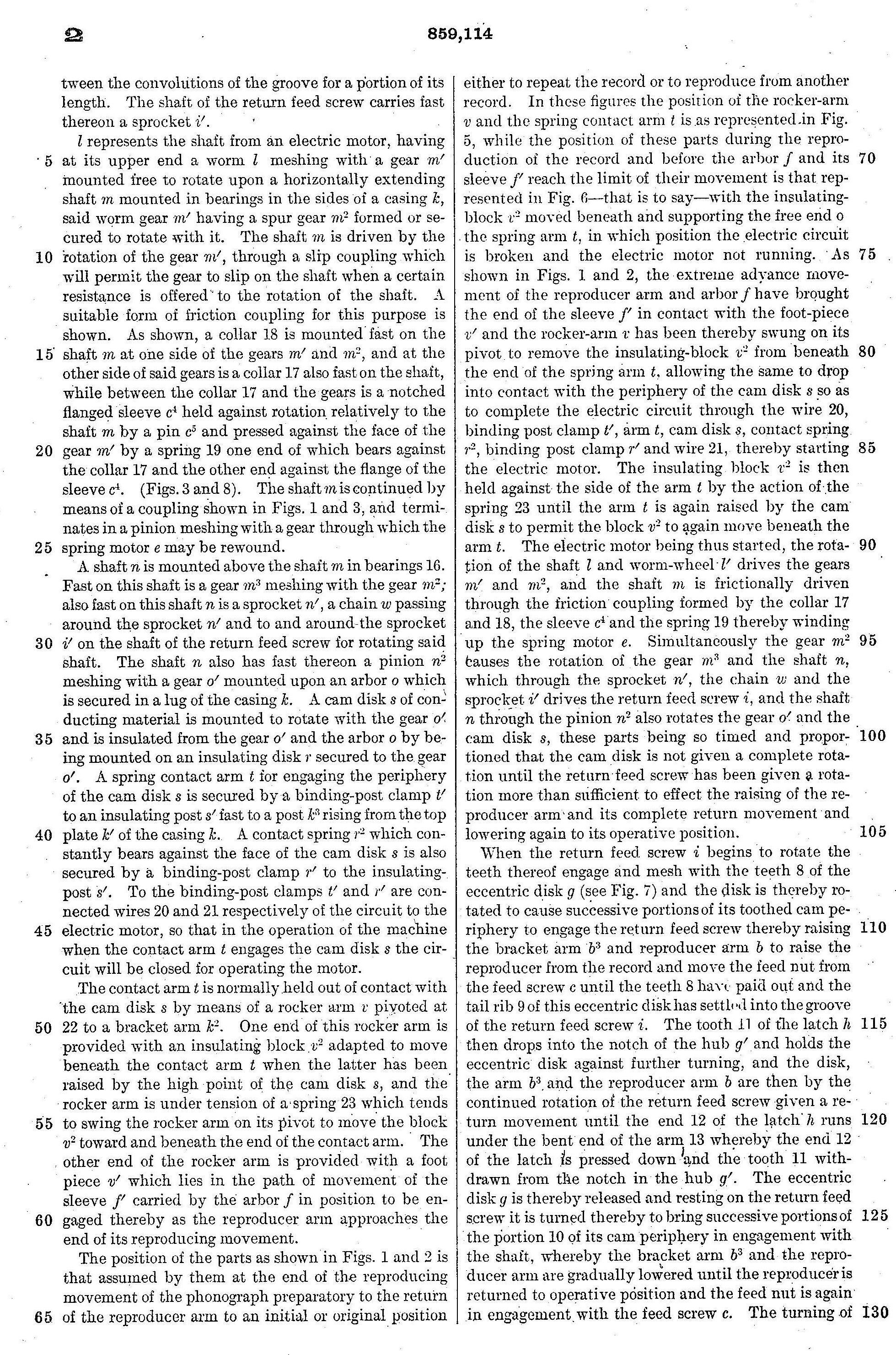
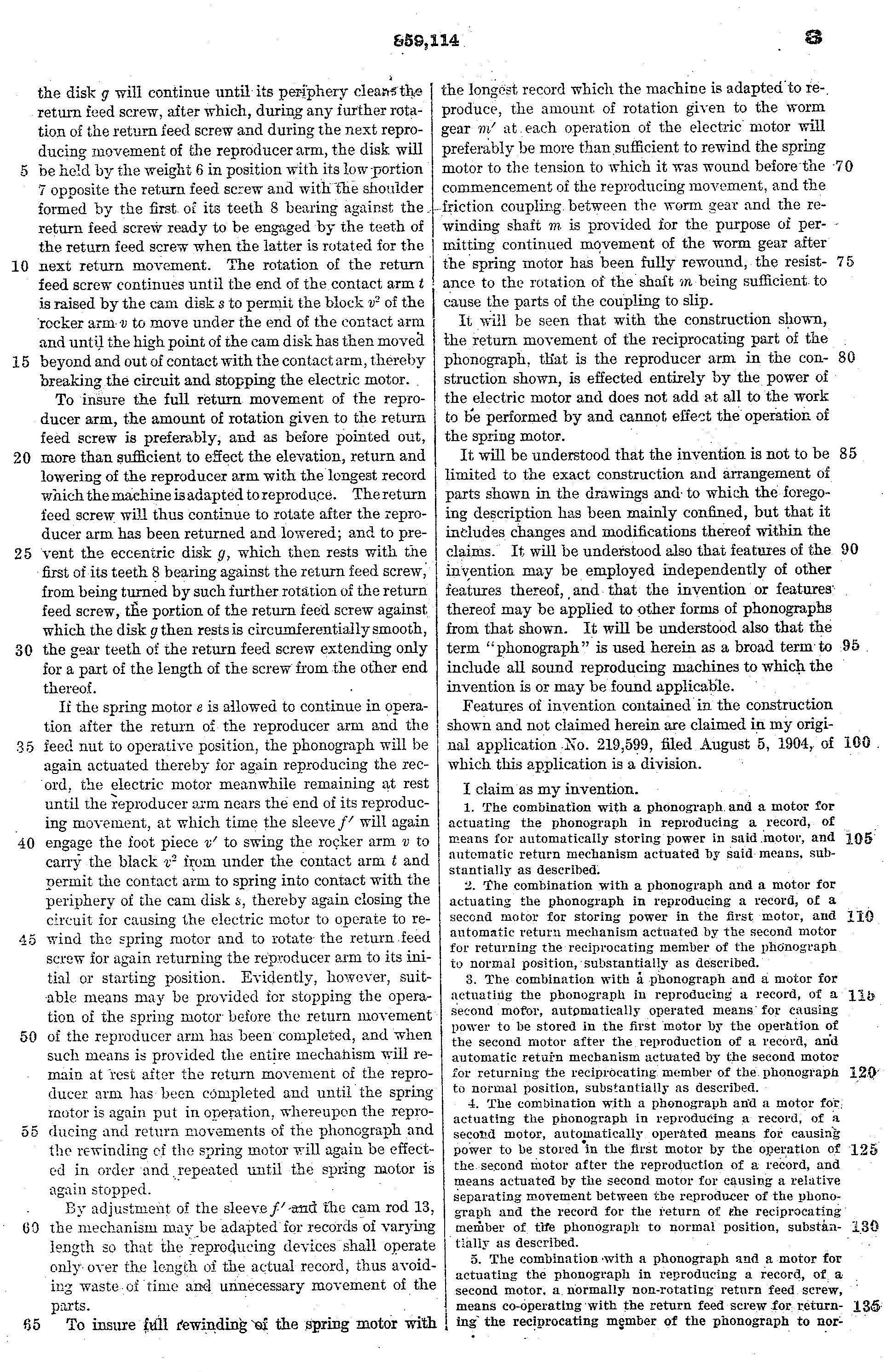
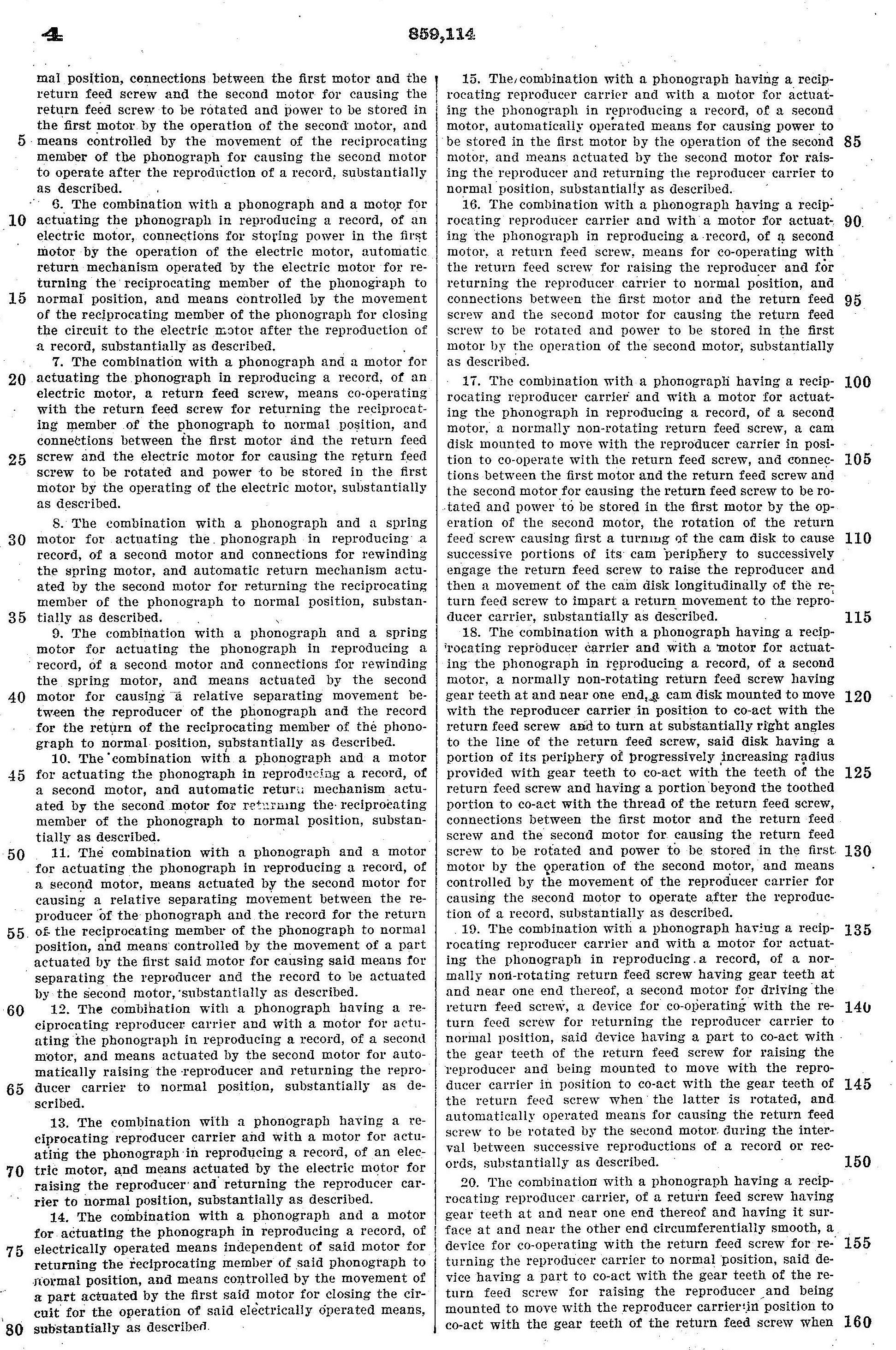
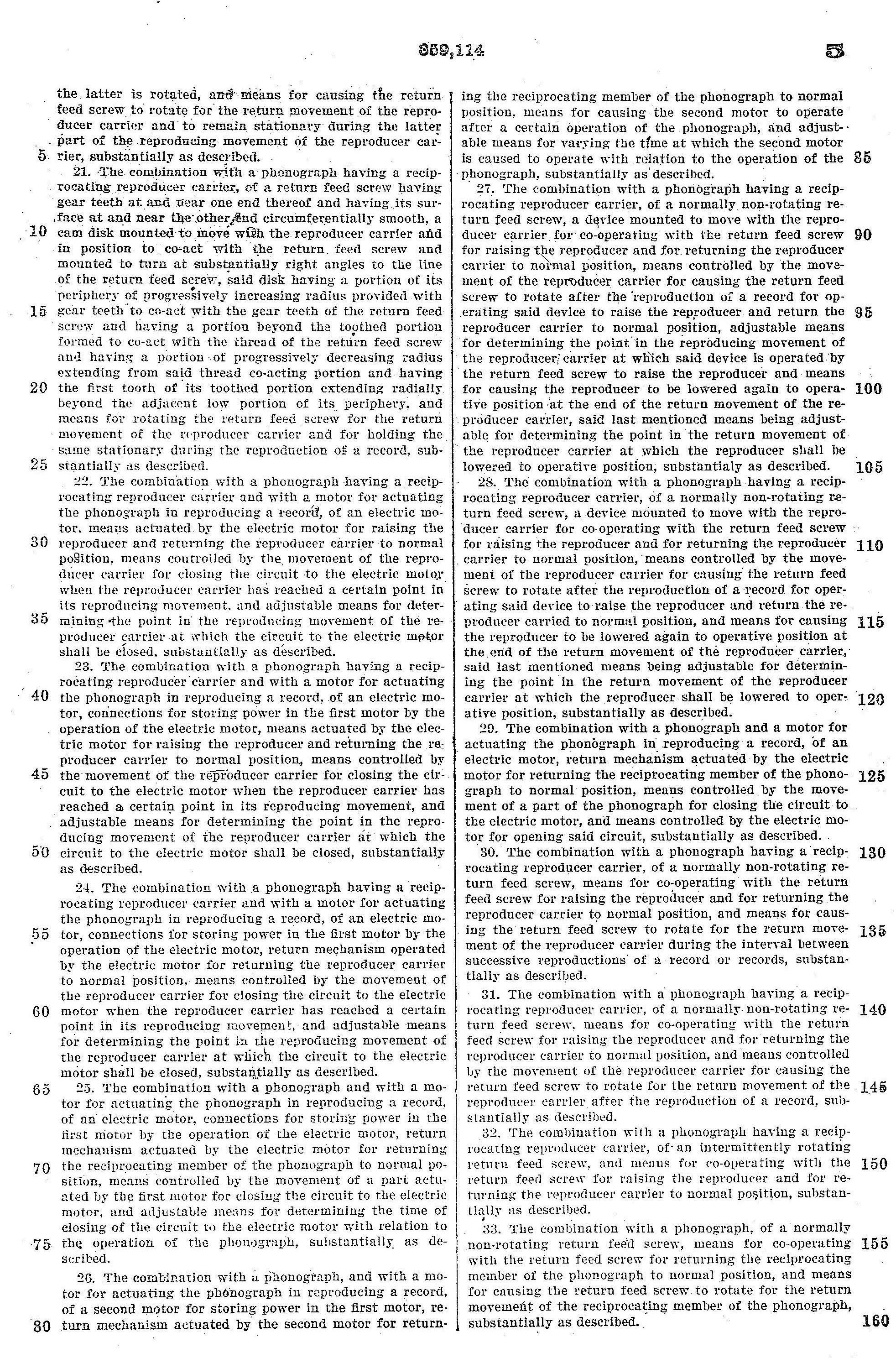
Chain-driven auto-return mechanism (U.S. Patent No. 859,114)
Automatic coin-start system – no levers or buttons
Large viewing glass window showcasing the internal works
Sturdy cabinet made of solid oak, with metal claw feet and locking coin box
Interchangeable display placards advertising the song title
Listening tubes instead of a phonograph horn – ideal for use in noisy public settings
Usage and Reach:
Contemporary advertisements claimed that over 2,000 units were in operation in:
Arcades
Amusement parks
Train stations
Hotels
Waiting rooms
Early American “penny arcades”
One slogan read:
“Nearly 90% of amusement arcades are equipped with Rosenfield Automatic Self-Winding Talking Machines.”
This model was part of Rosenfield’s modular product range, which also included more elaborate machines such as the Illustrated Song Machine with stereoscopic slide projection.
Conclusion – Significance in Media History:
The Rosenfield AZ coin-op phonograph represents a key technological bridge between Edison’s Class M machines, Columbia’s commercial AZ line, and later jukebox and vending systems.
It was:
fully automatic
designed for continuous public use
mechanically robust and precisely timed
and one of the earliest examples of interactive media terminals
With its hybrid drive system and patented reset mechanism, this model ranks among the world’s first self-service media devices – and remains a technical and historical highlight in any serious phonograph collection.