Name/Title
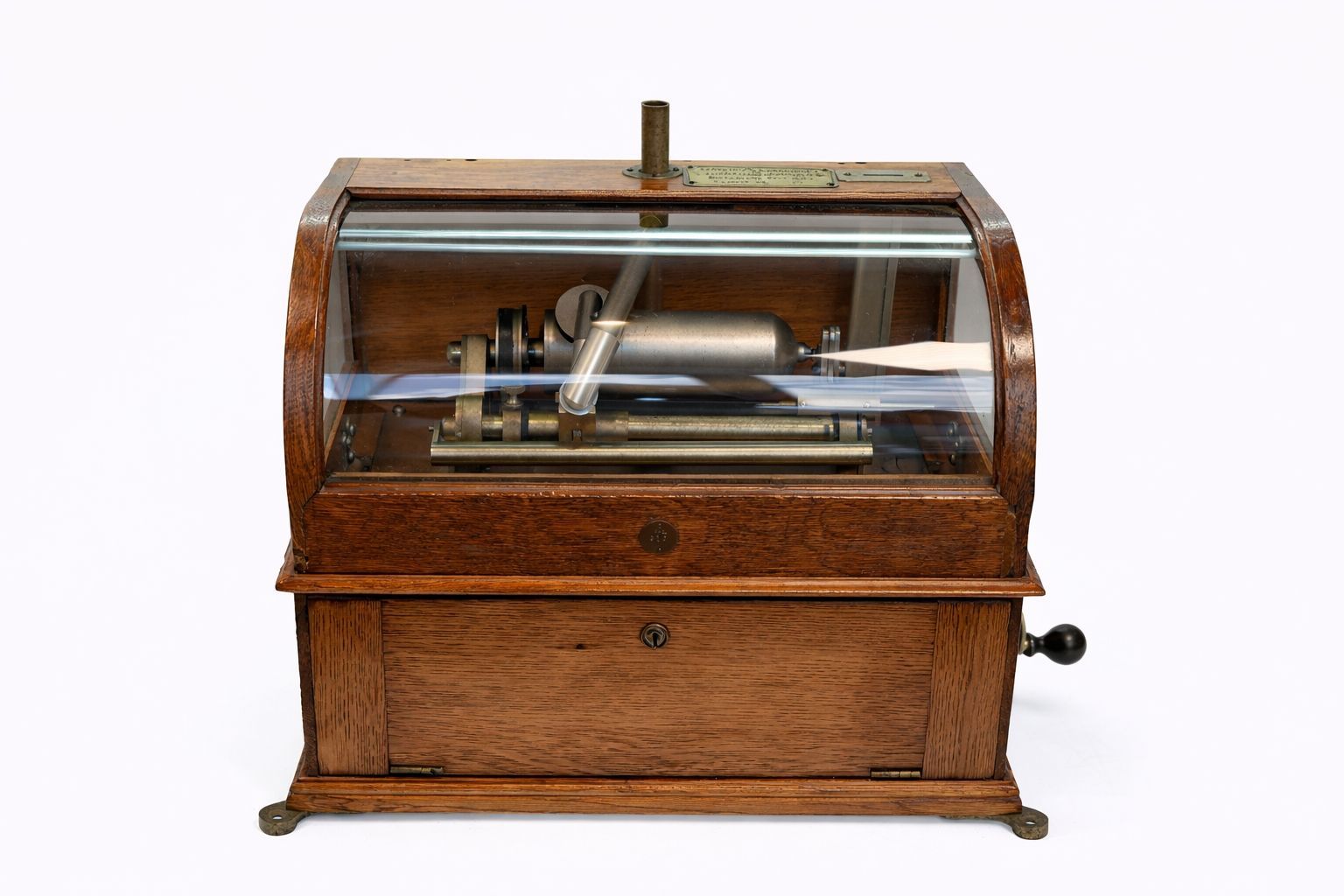
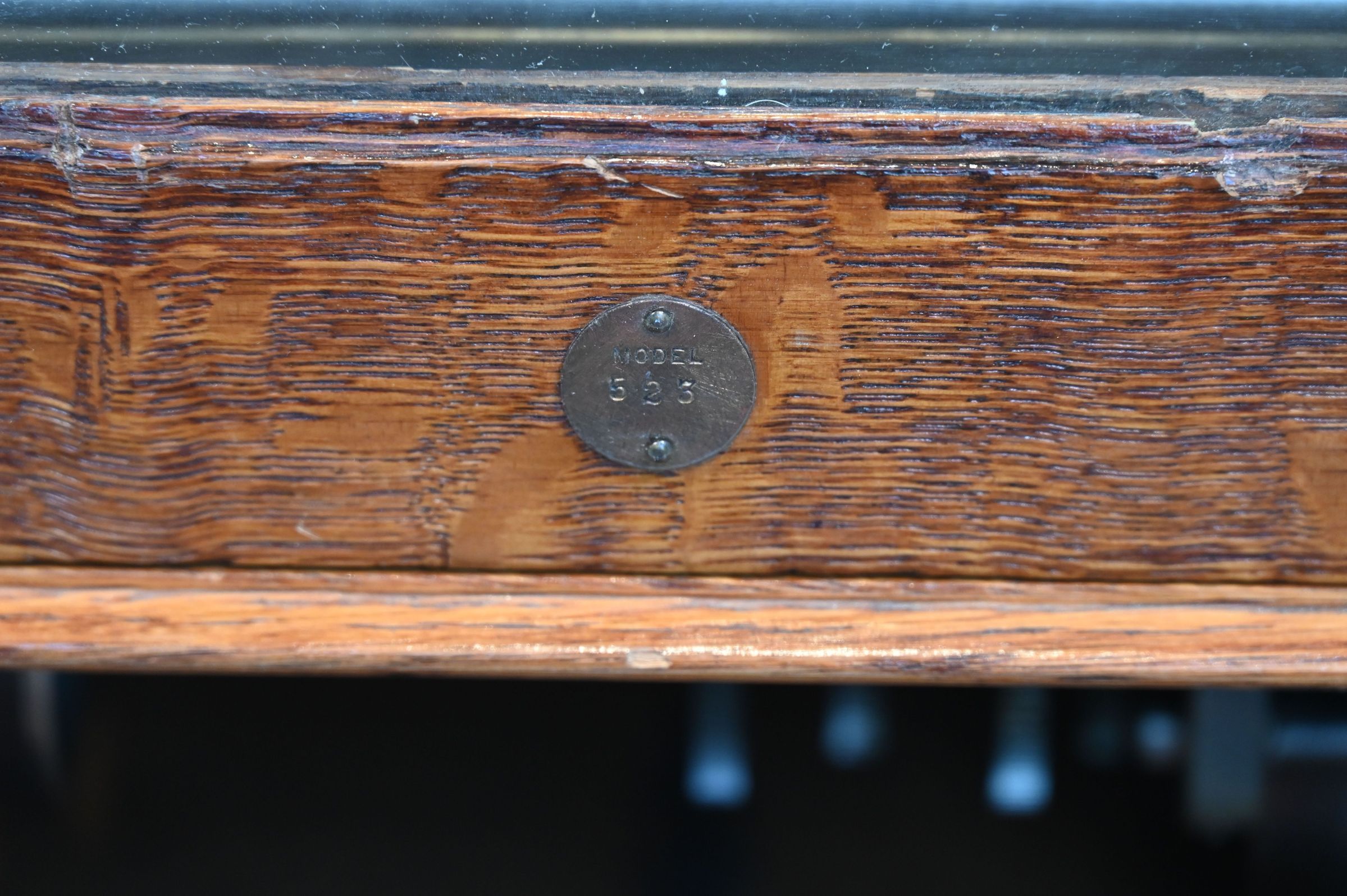
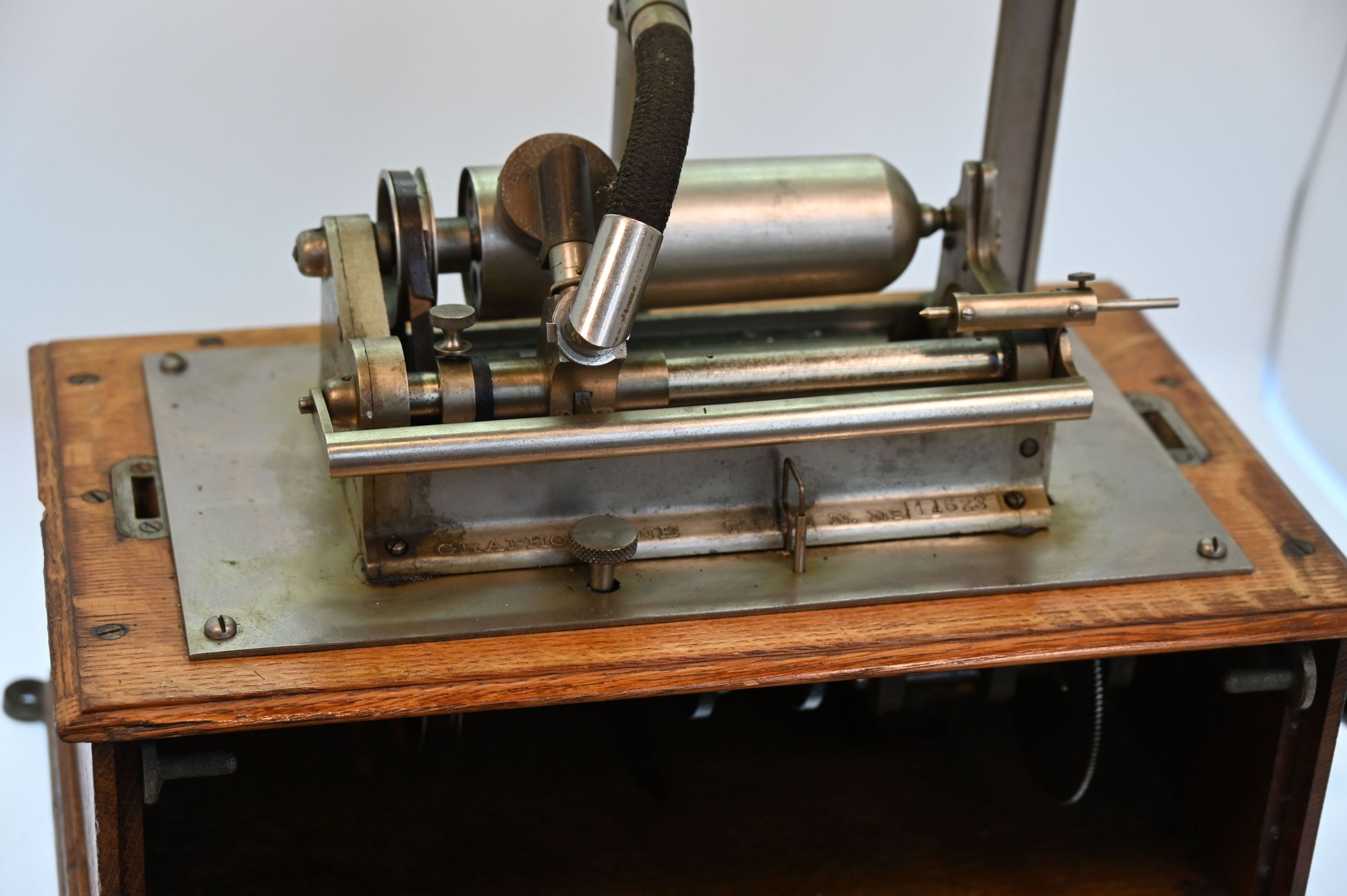
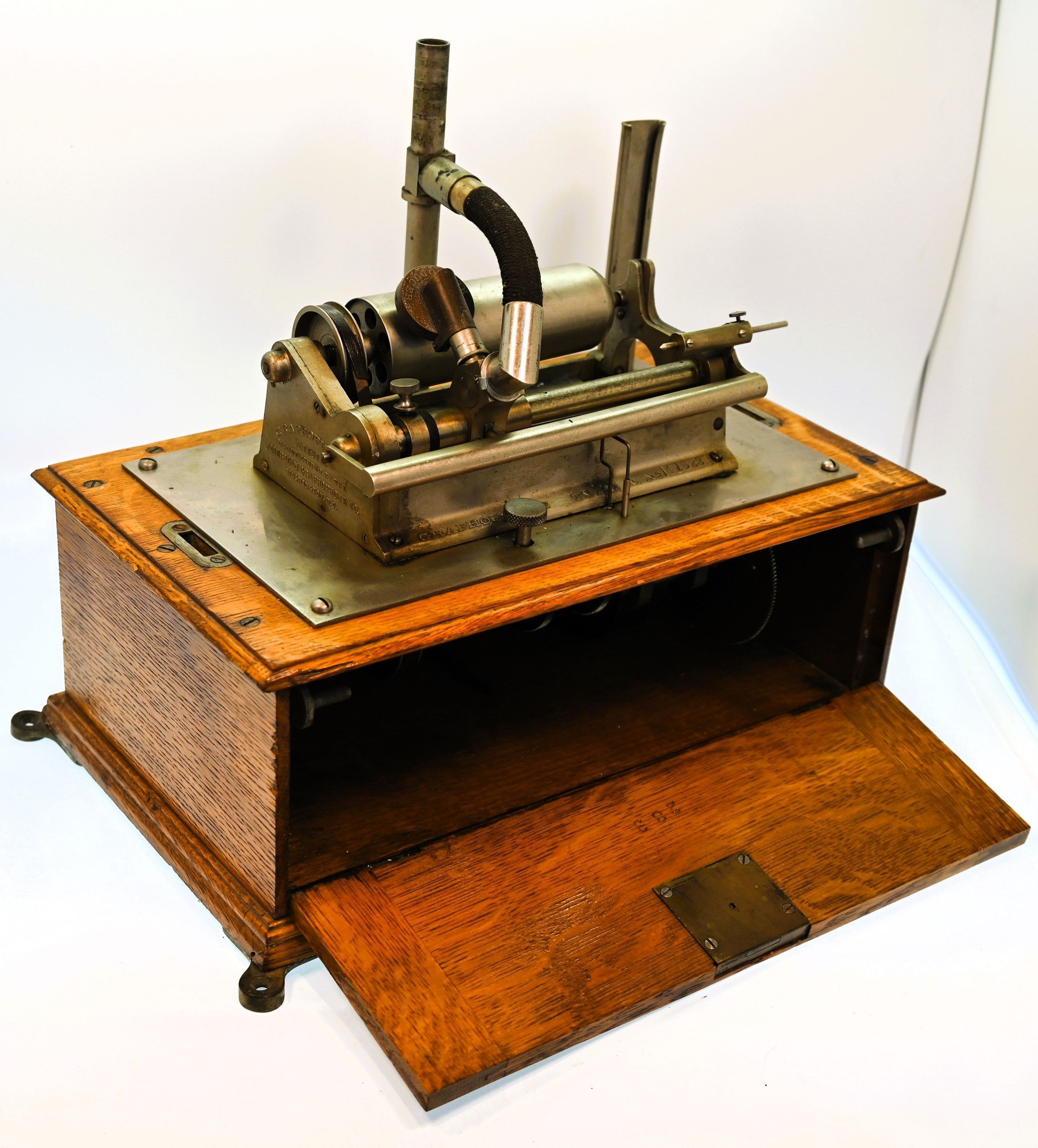
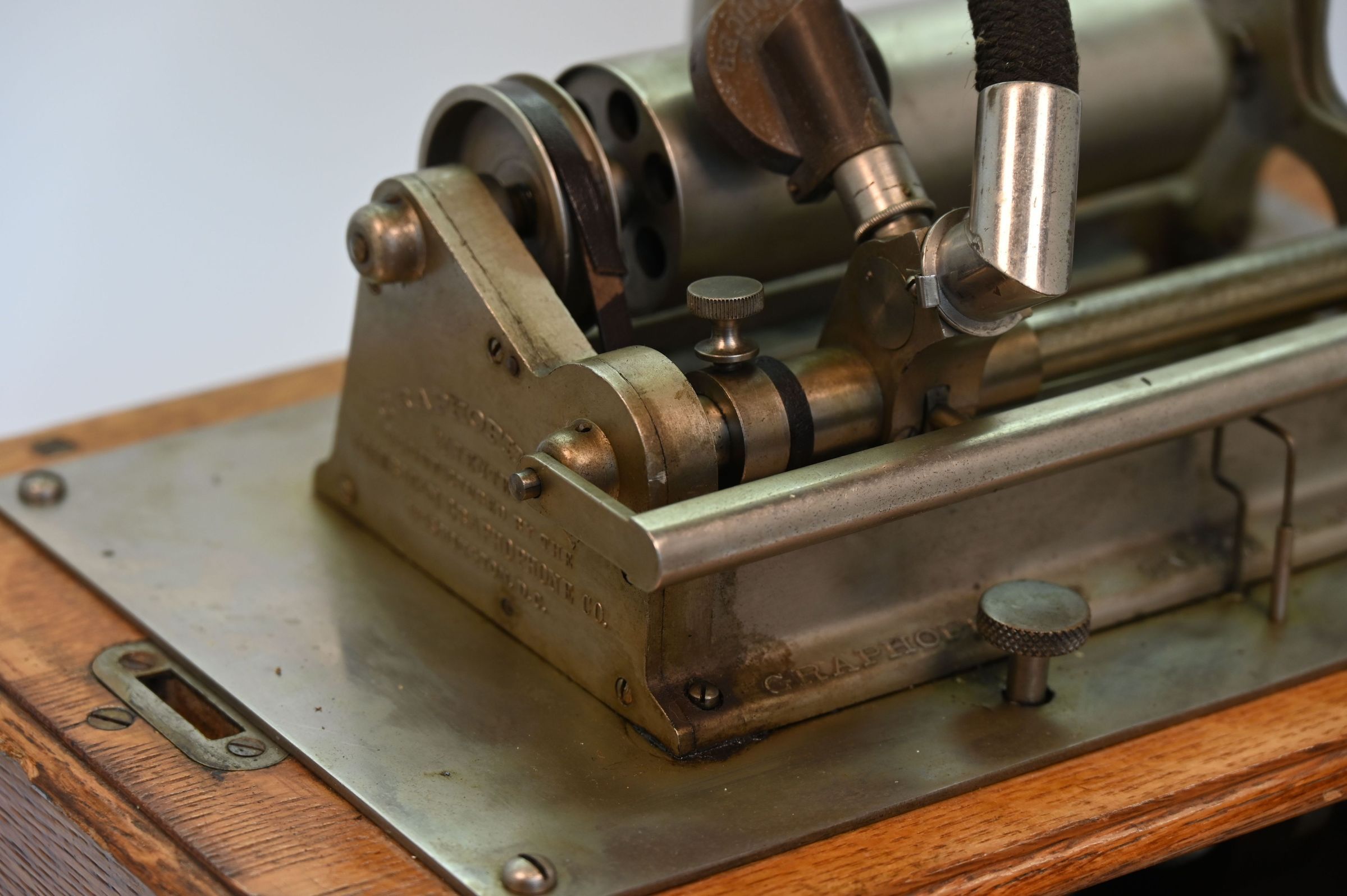
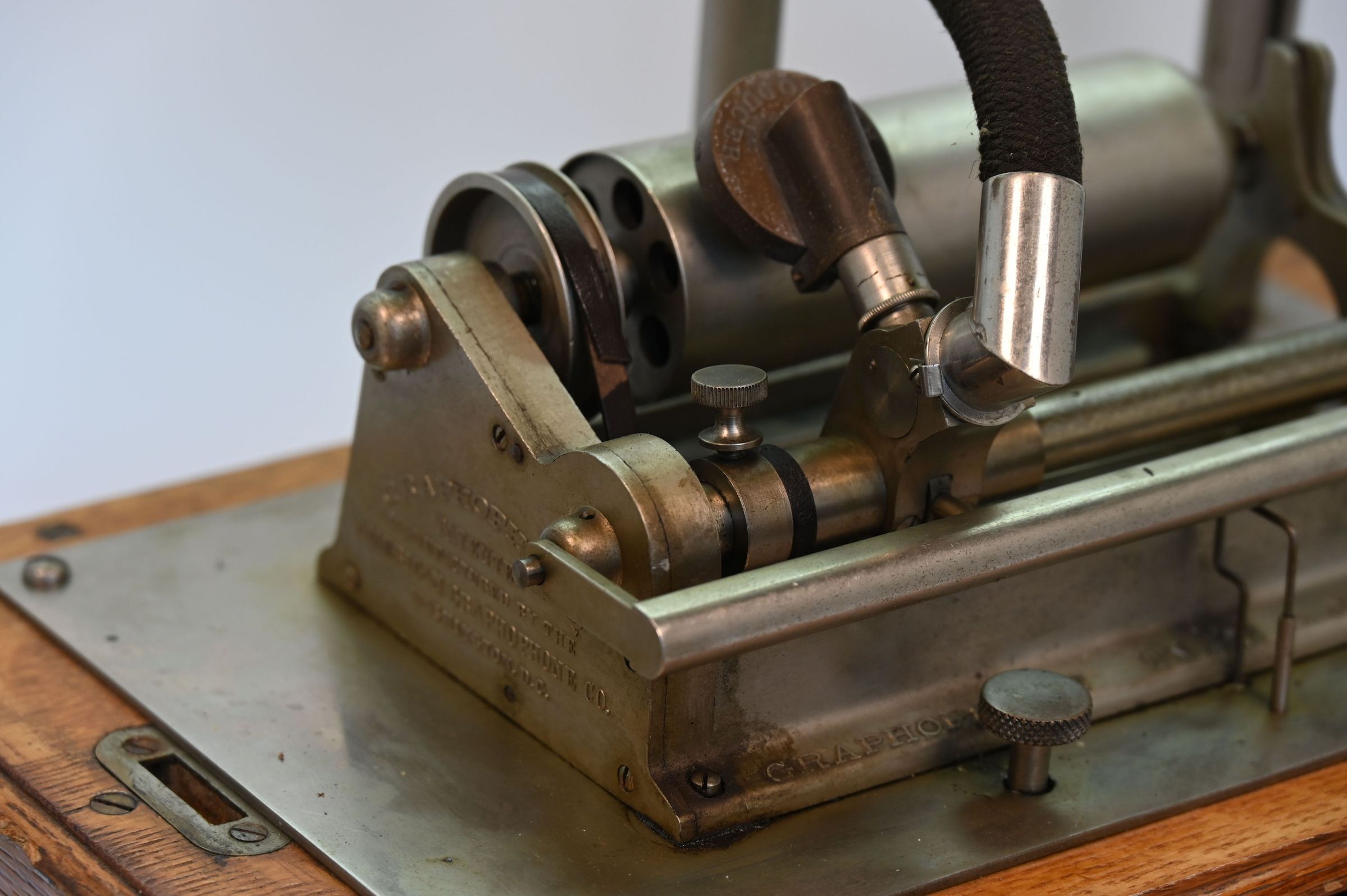
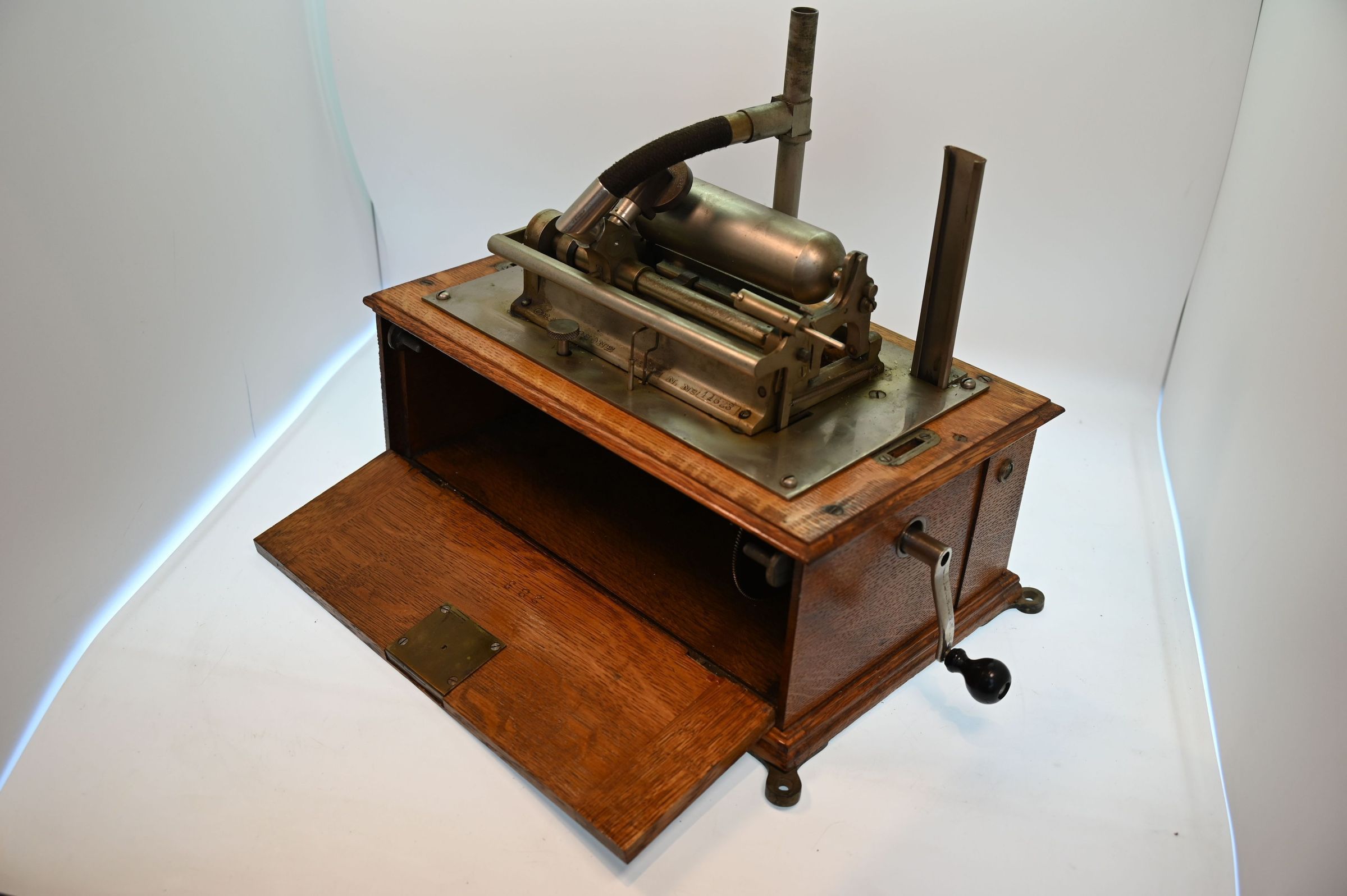
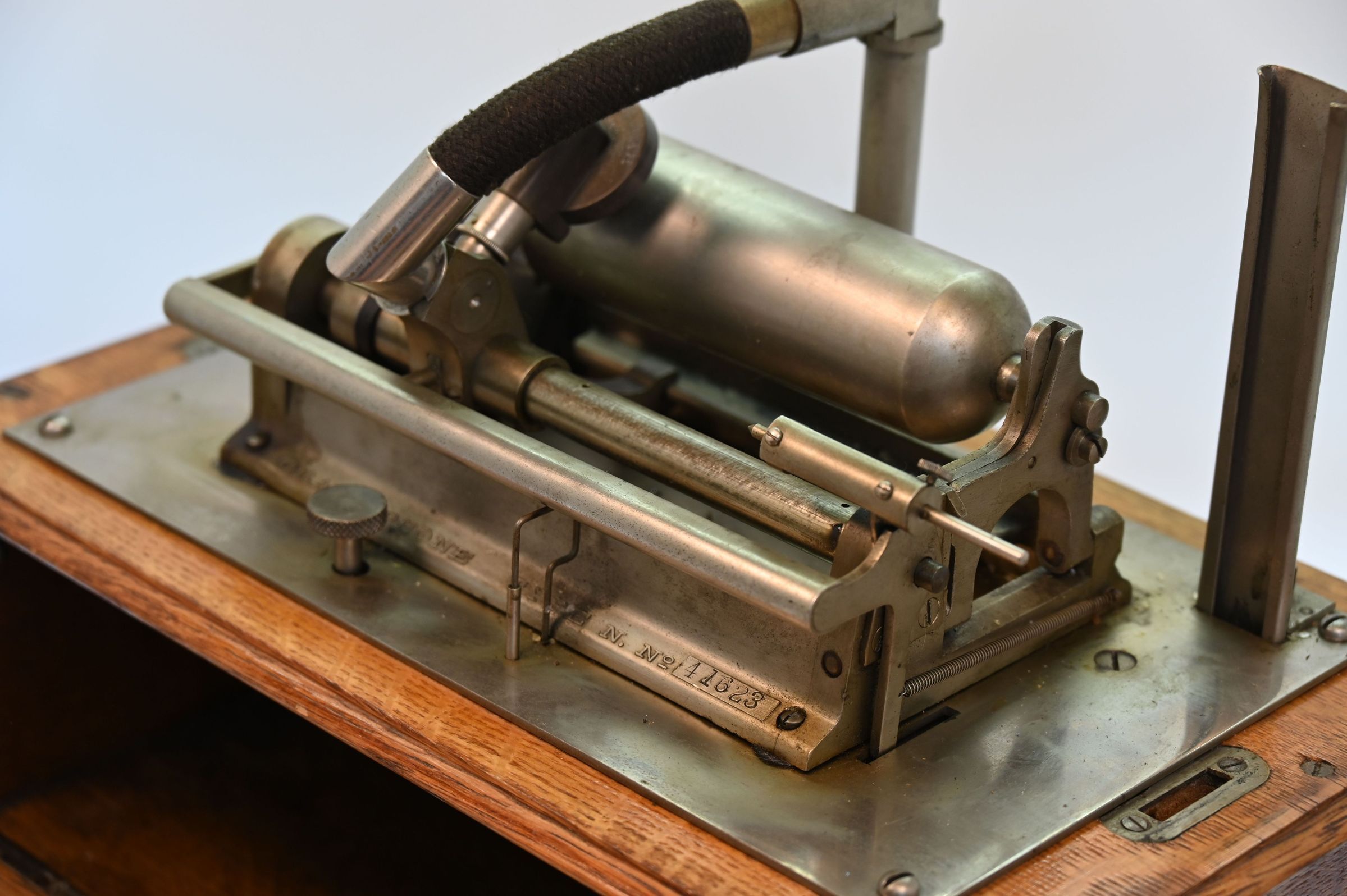
Columbia Graphophone Type N Coin-Operated, LaboratoryEntry/Object ID
110Description
Manufacturer: American Graphophone Company, Bridgeport, Connecticut, USA
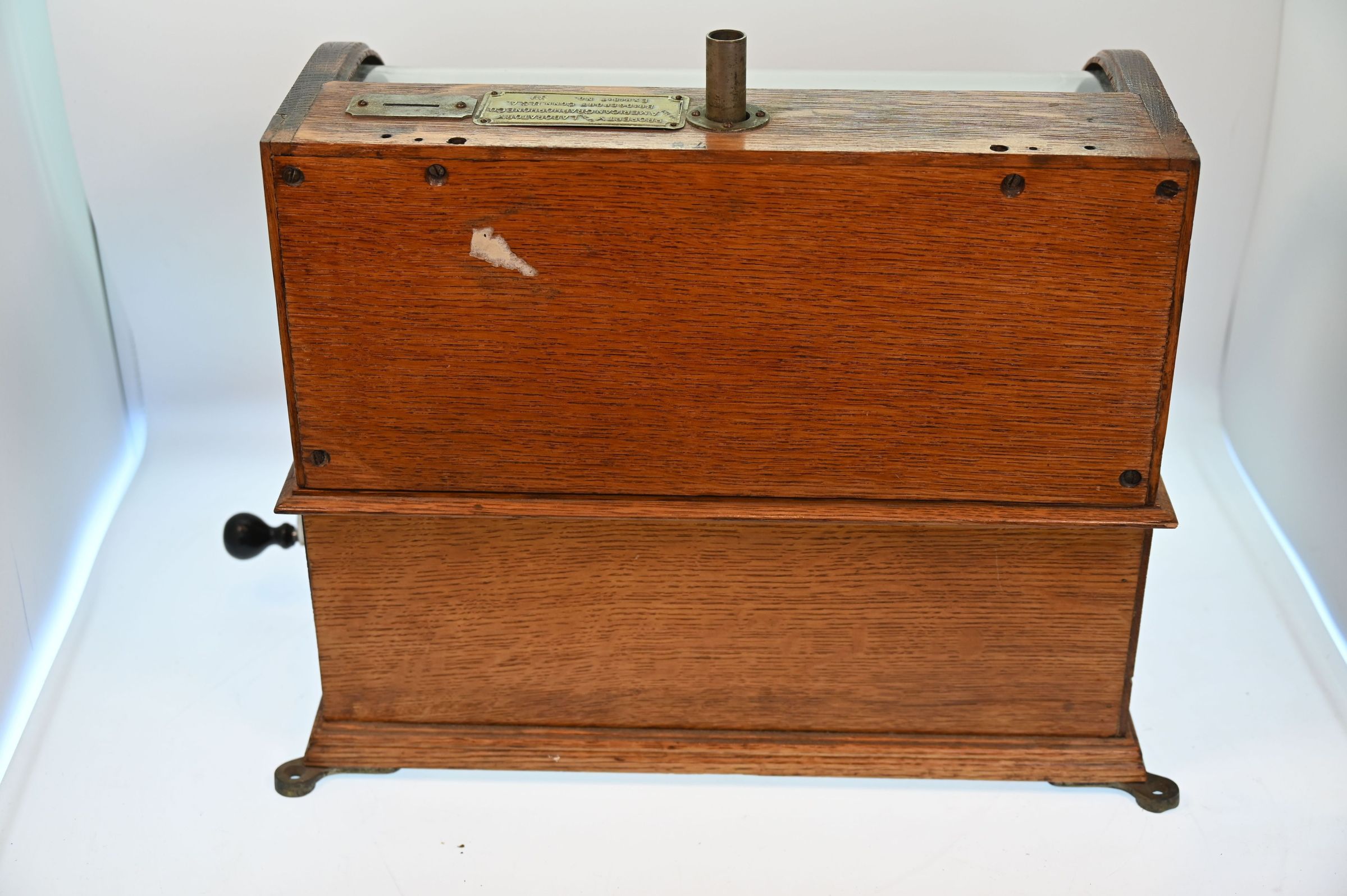
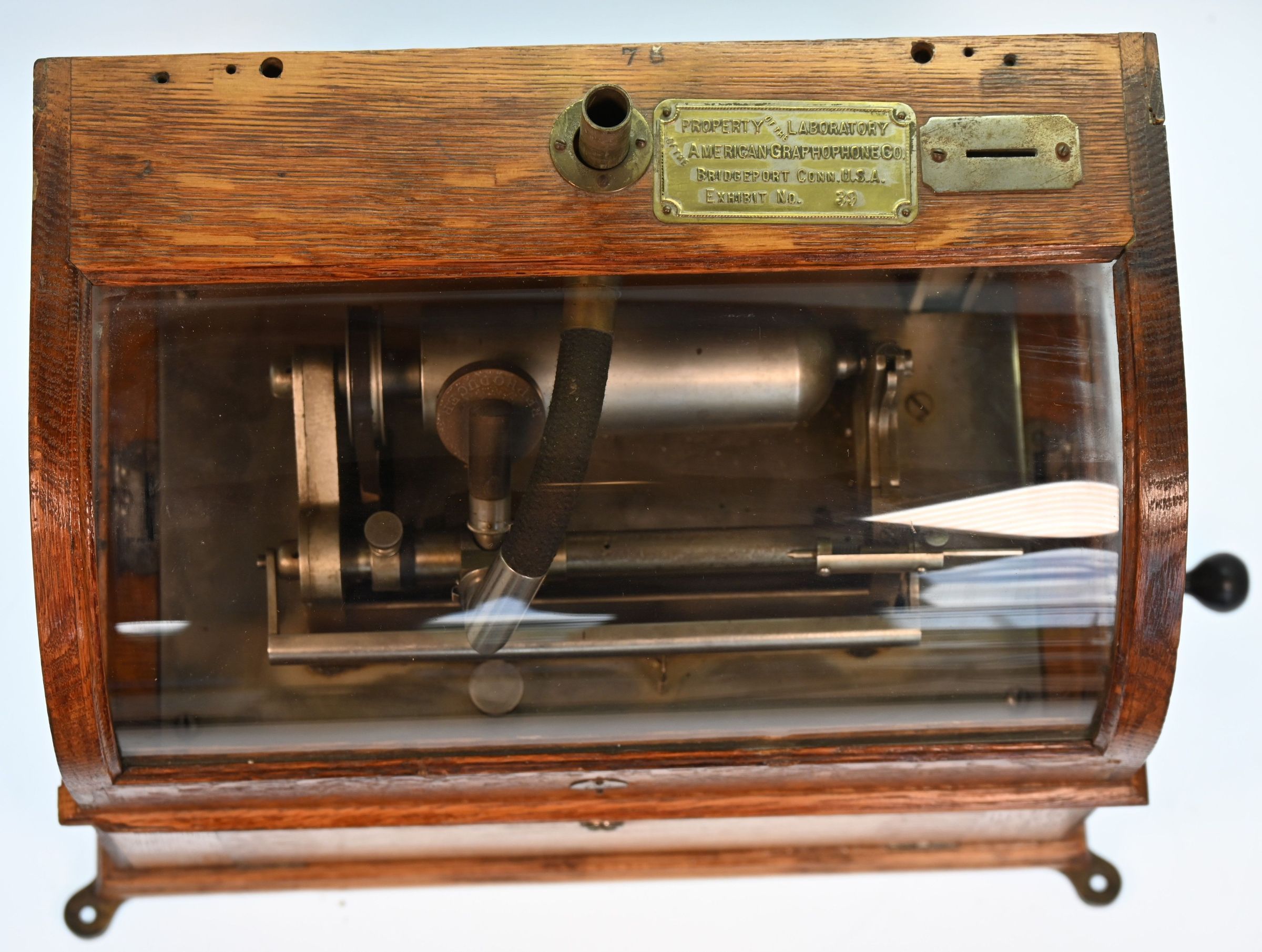
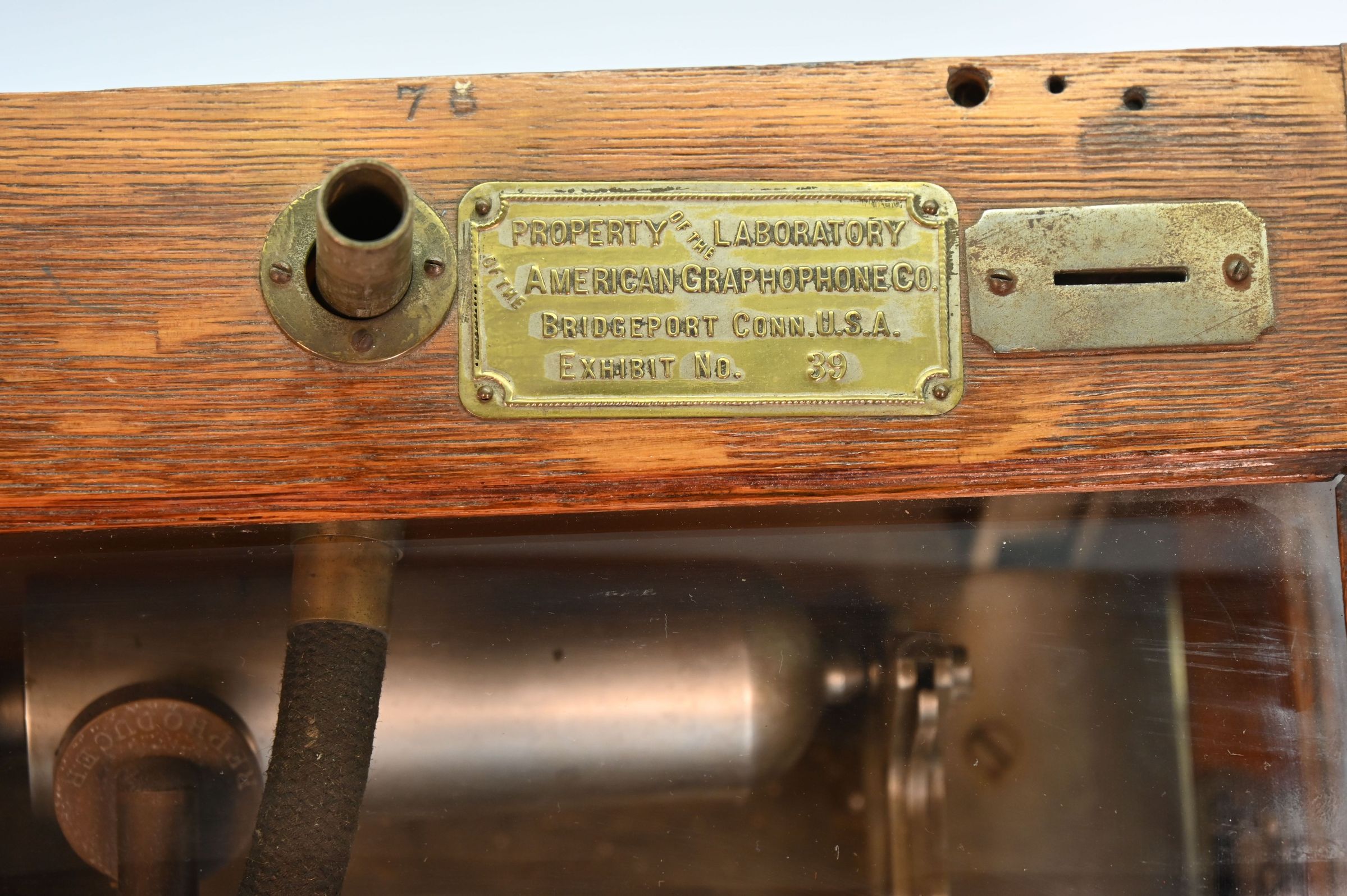
Labelled: “Exhibit No. 39” – with original Graphophone Laboratory nameplate
One of the Earliest Coin-Operated Talking Machines
This rare and historically important machine is based on the popular Columbia Type N Home Graphophone, first sold around 1895 for approximately $40 – roughly equivalent to a month’s wages for a skilled worker of the time. The coin-operated version appeared as early as 1896, making it one of the earliest spring-driven coin-op phonographs ever manufactured, and predating Edison’s own commercial model.
Unlike domestic phonographs, this device was designed for public use in commercial settings, including hotels, railway stations, restaurants, barbershops, waiting rooms, and drugstores. For the price of a coin, it provided a brief musical performance or spoken recording – a revolutionary and entertaining experience at the dawn of the 20th century.
Technology and Mechanics
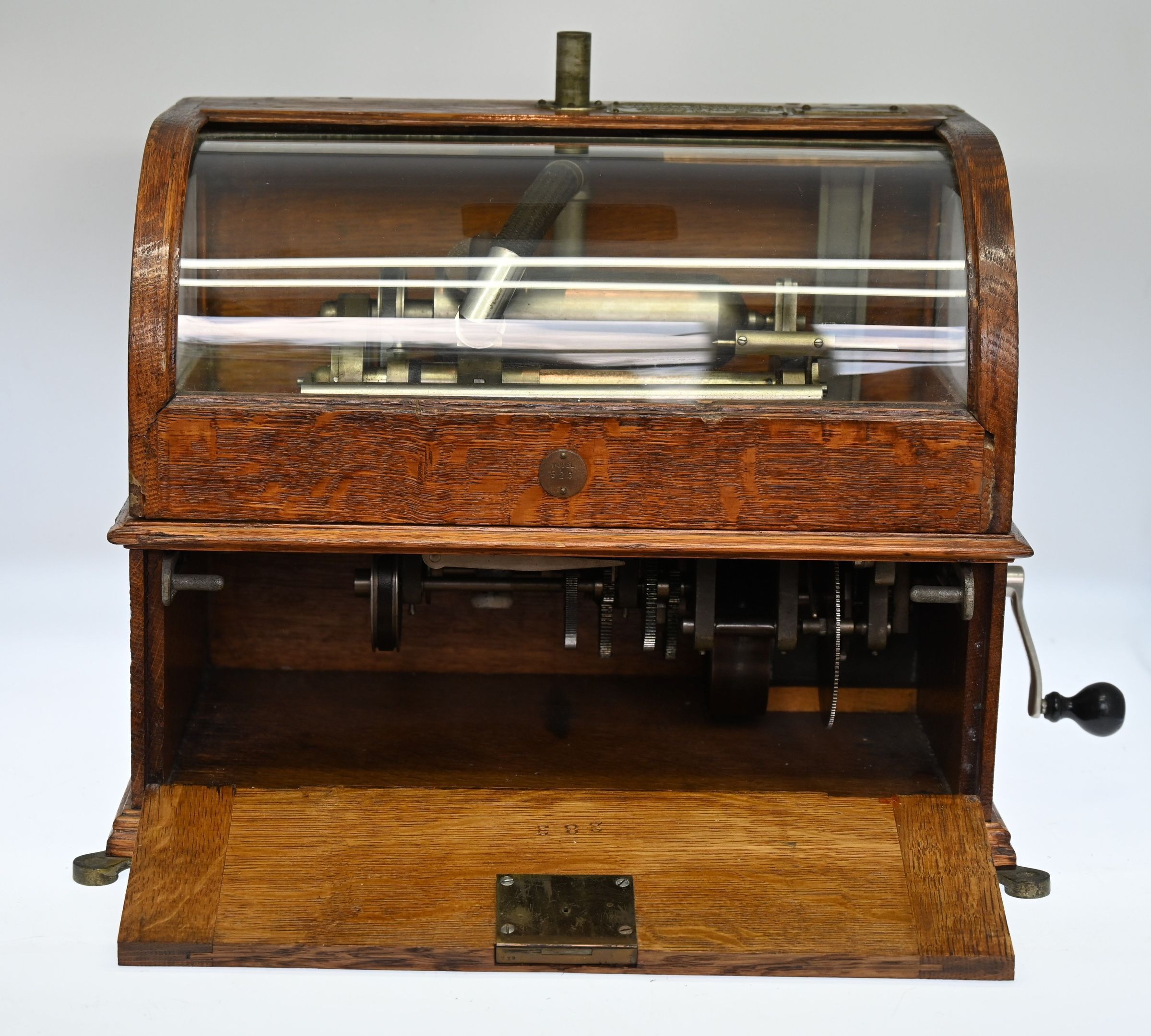
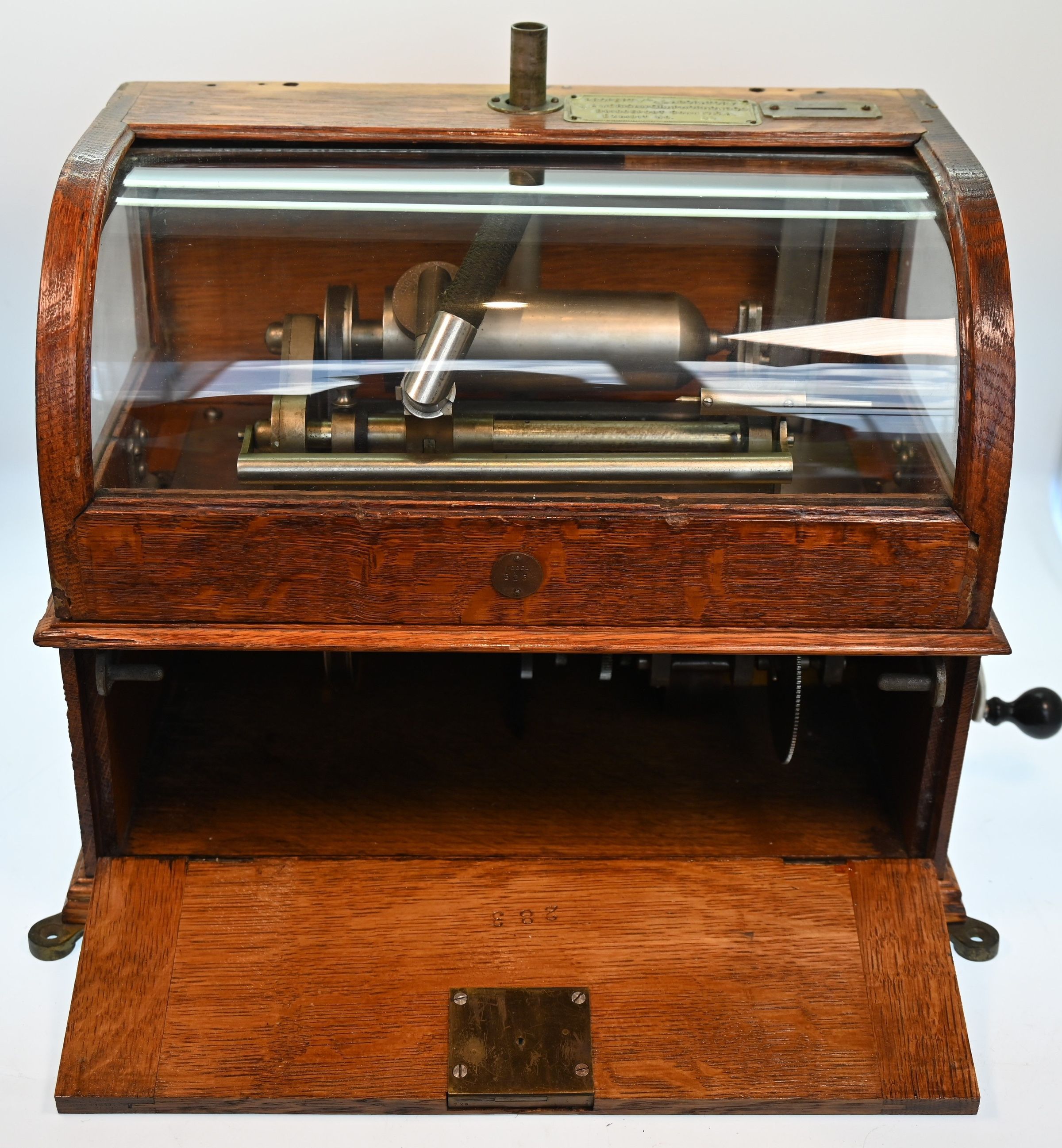
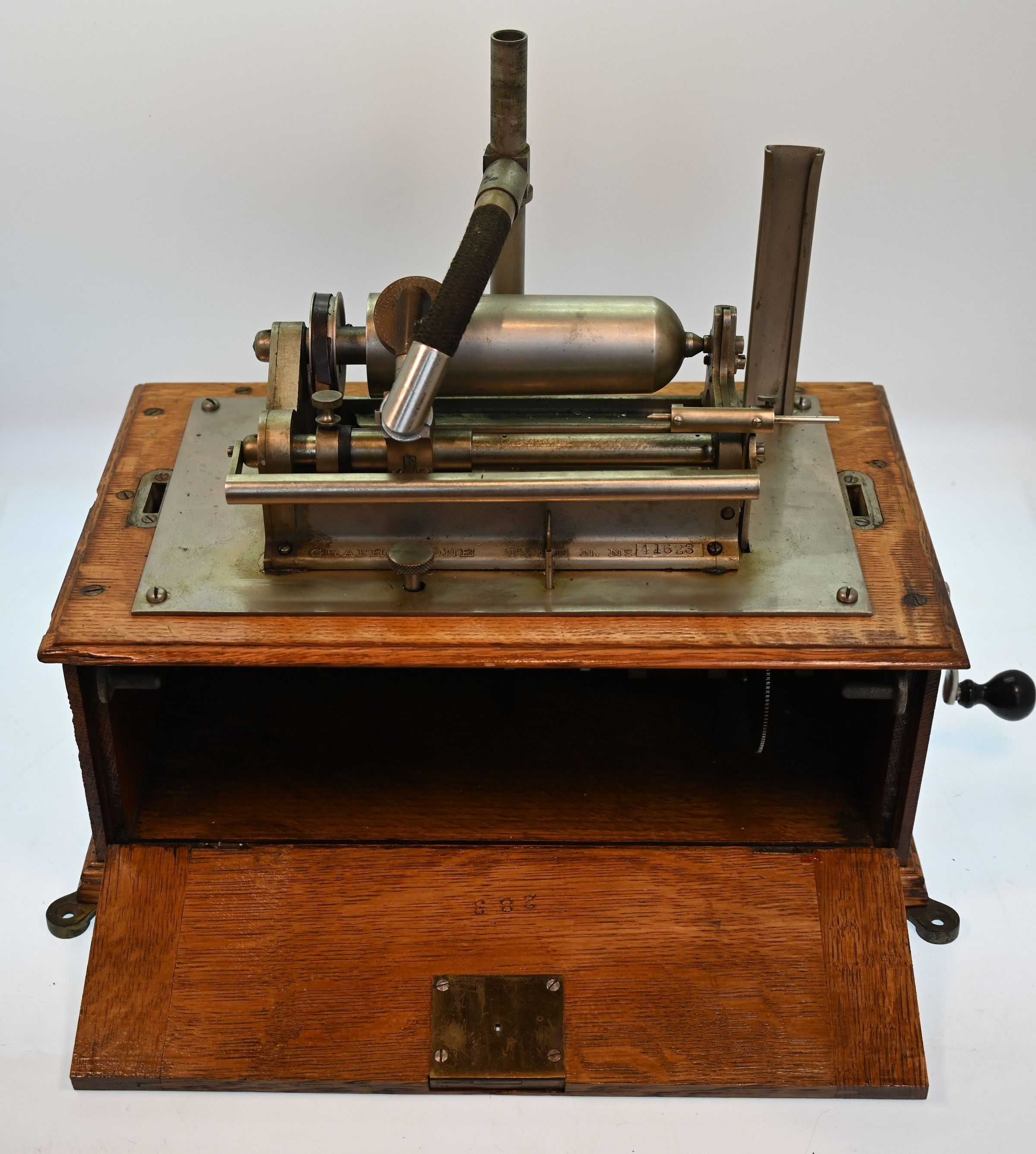
Unlike battery-powered predecessors, the Type N Coin-Op used a fully mechanical spring motor with crank winding, allowing it to function independently of electrical power. Its built-in coin-actuated system controlled a complex sequence of events:
Unlocking and lowering the reproducer/tonearm
Starting the motor via a mechanical release
Automatically stopping playback after completion
Returning the tonearm to its starting position
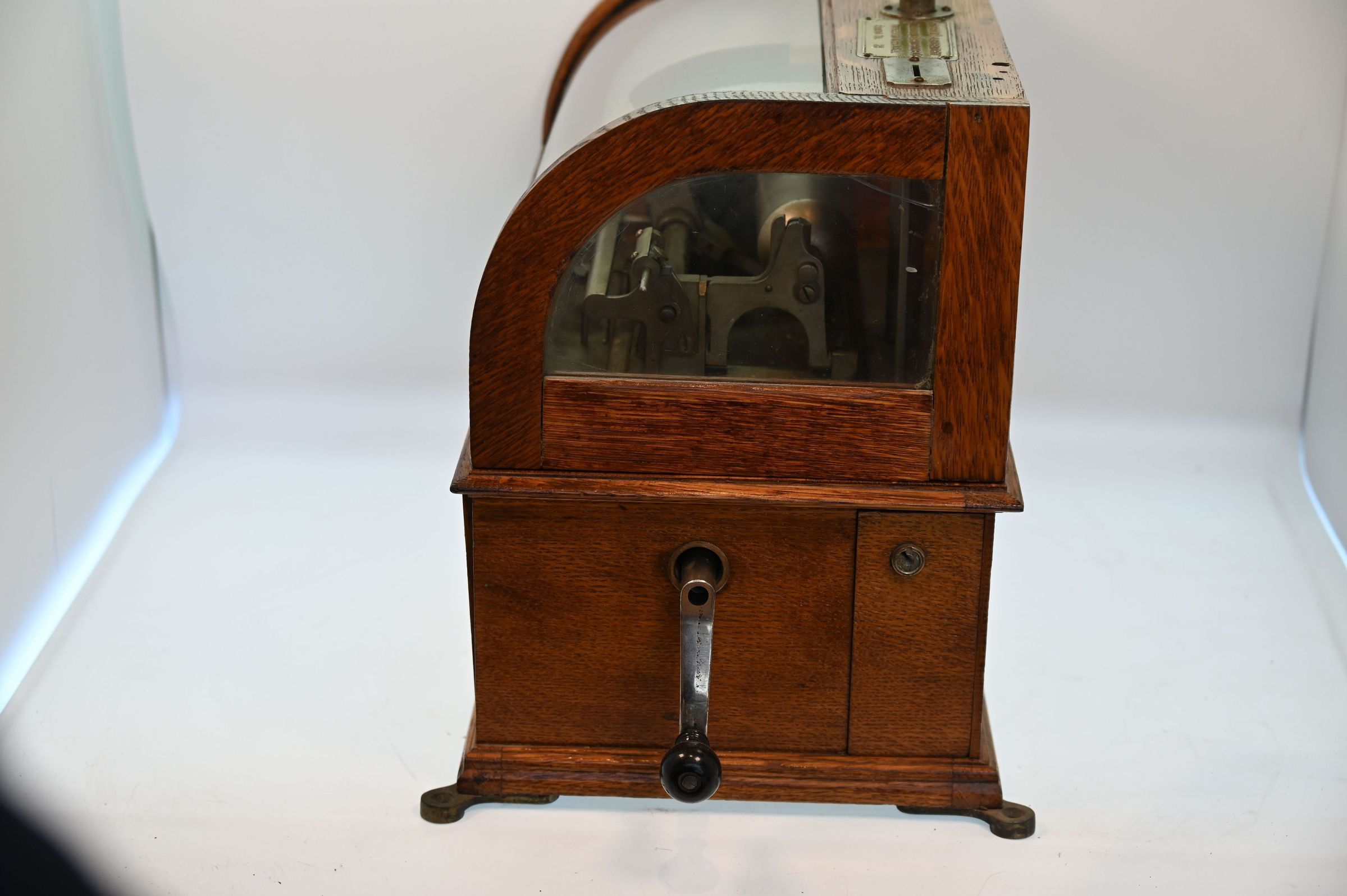
The oak cabinet with its arched glass lid not only protected the mechanism but made it visible to the paying customer. The topwork is cast in aluminum, a rare and forward-looking material at the time, chosen for its light weight and ability to reduce operating noise.
Rare Laboratory Model
Of special note is the original brass laboratory plate, which reads:
“Property of the Laboratory of the American Graphophone Co. – Exhibit No. 39”
This inscription suggests the machine was either a demonstration model, prototype, or internal test unit produced by the company’s own development lab – making it all the more historically significant. Very few surviving Graphophones bear this type of label, and almost none in this configuration.
Historical Significance
The Columbia Type N Coin-Op represents a critical transition in the history of sound technology – from private listening in the home to public, commercial access to recorded sound. Its sturdy yet elegant construction, user-friendly design, and automatic coin-triggered operation made it a true pioneer of modern music vending machines and jukeboxes.
This particular example, housed in the Edisonium, stands as a testament to early mechanical innovation, industrial design, and the growing cultural appetite for recorded entertainment at the turn of the century