Name/Title
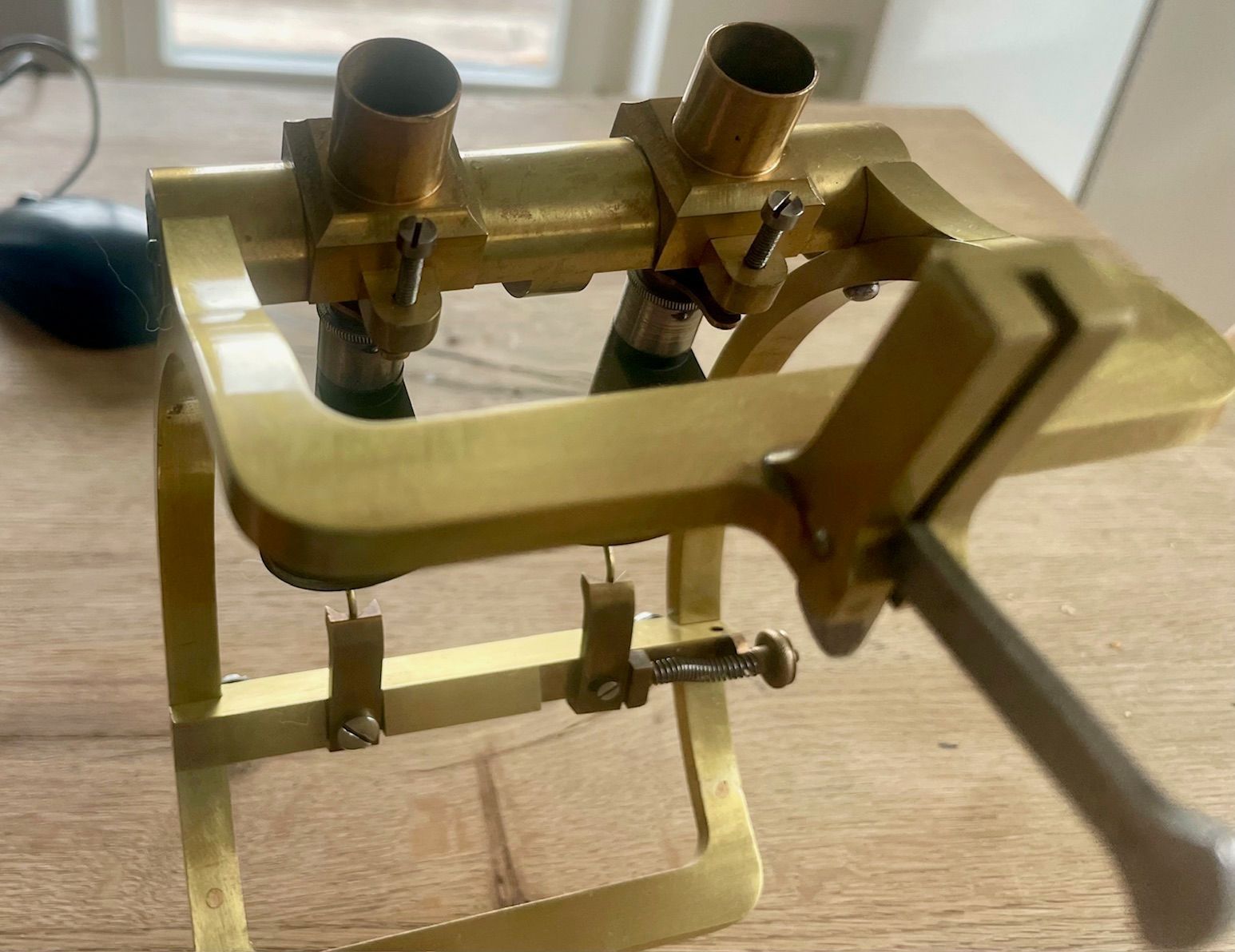
Prototype “Multiple Graphophone” – First Stereo in the World from teh Laboratory ArchiveEntry/Object ID
154Description
American Graphophone Company, Bridgeport, Connecticut, USA – ca. 1899
Prototype “Multiple Graphophone” – Foundation for the Graphophone Multiplex Grand
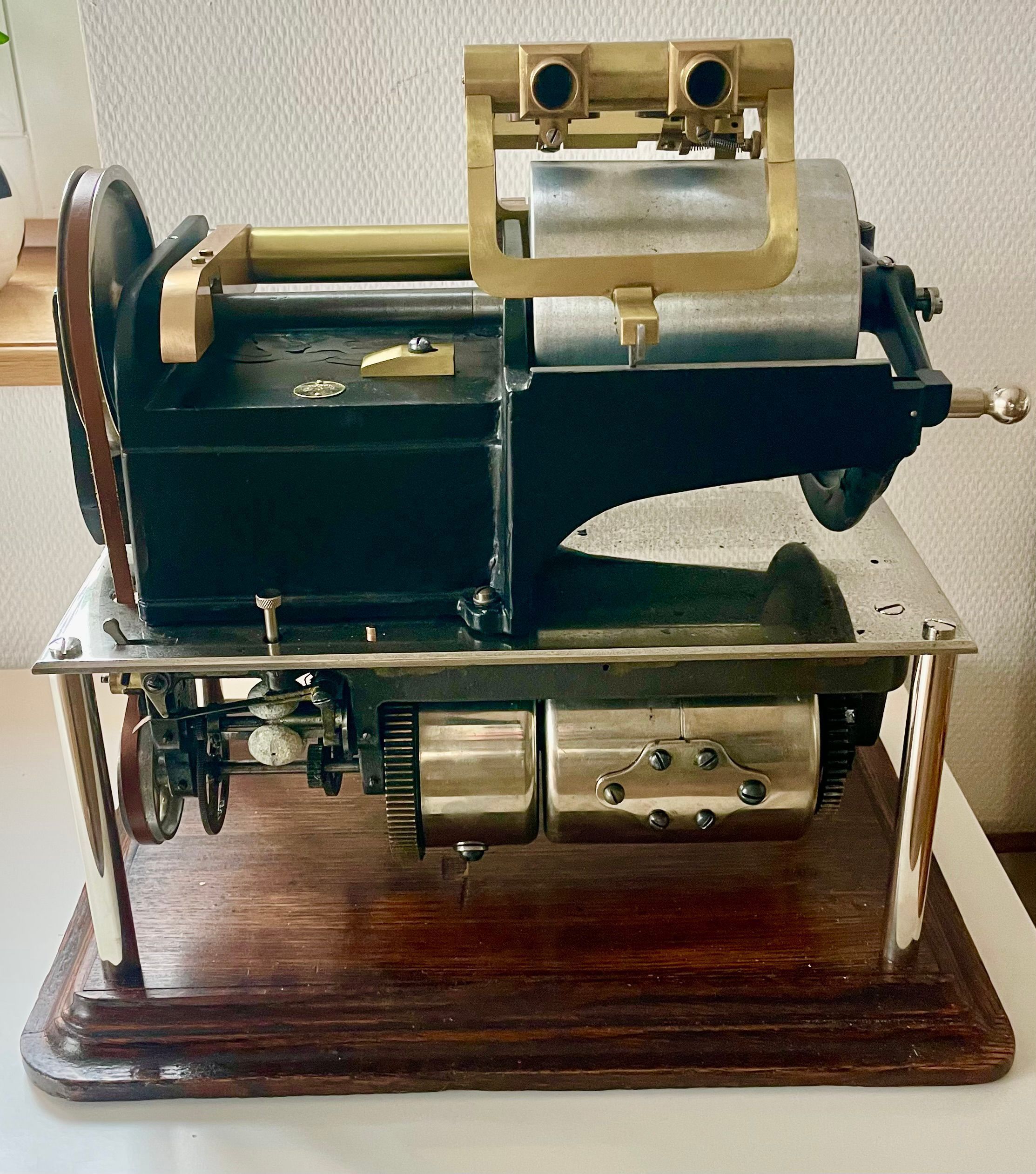
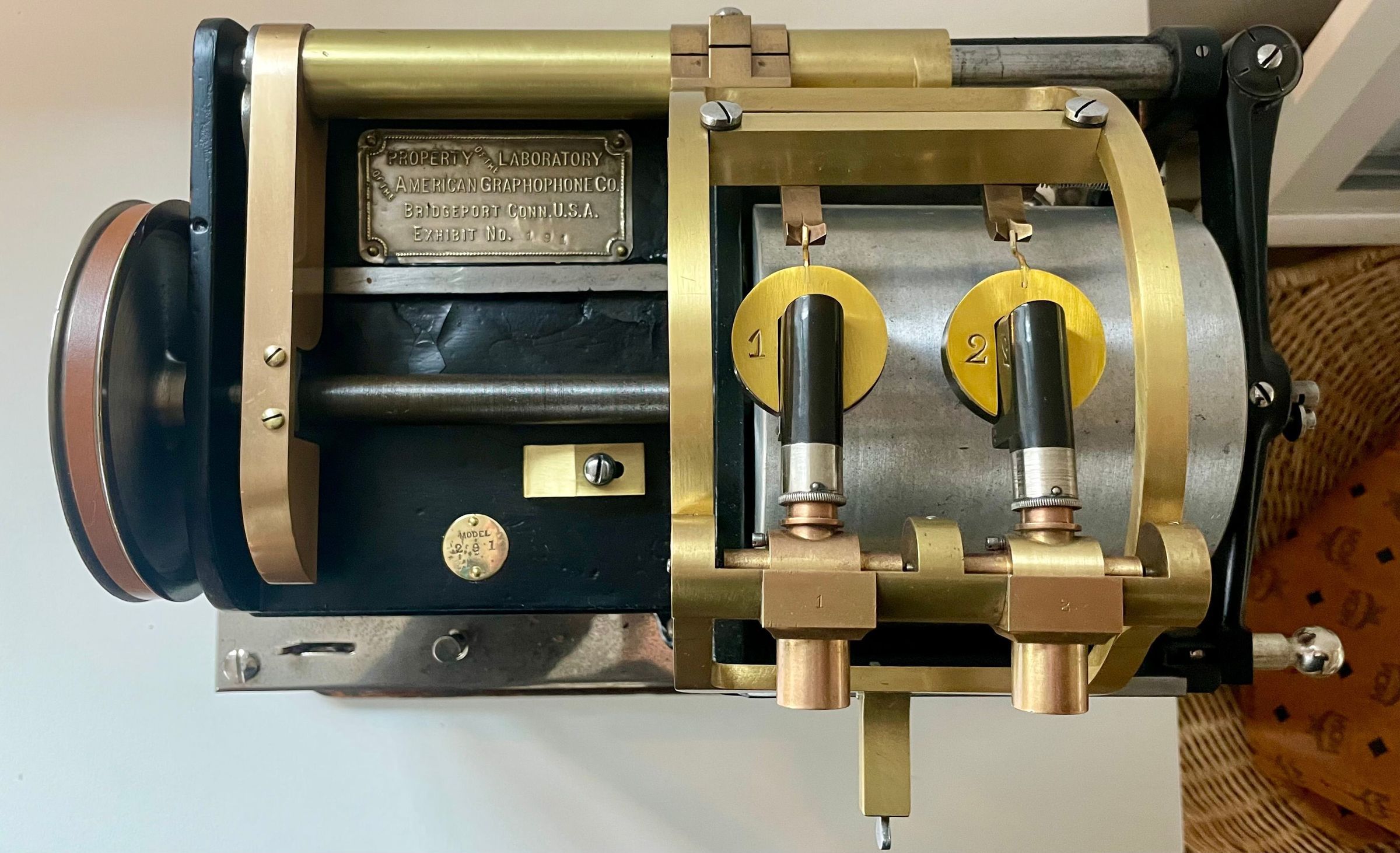
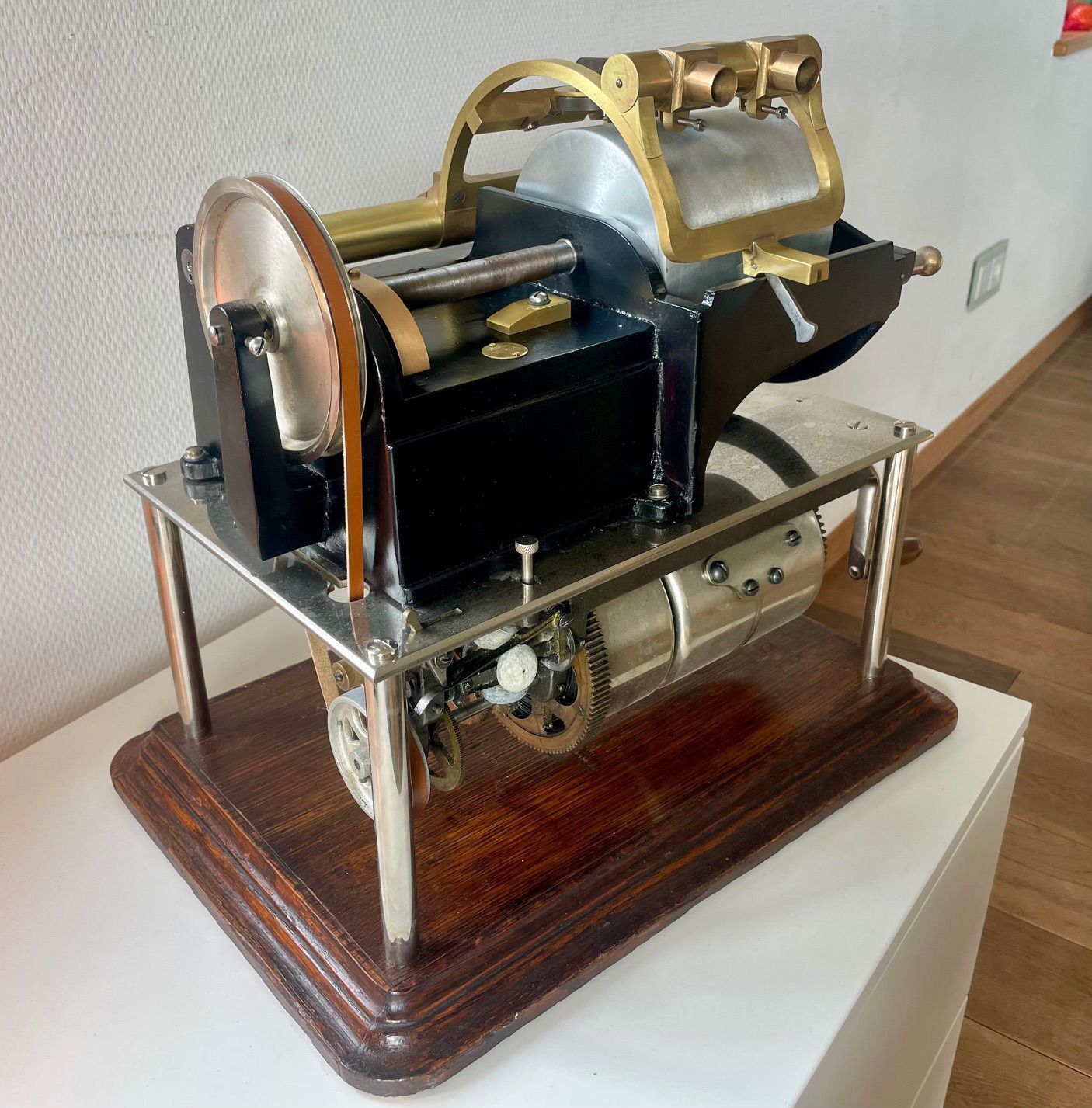
The world’s first functioning two‑track recording and playback device
This sensational laboratory prototype comes directly from the research workshops of the American Graphophone Company and is based on U.S. Patent No. 711,706 by Thomas H. Macdonald (filed 1898, granted 1902).
It is the very prototype in which the technical principles of the patent were first tested in practice — and which directly led to the construction of the monumental Graphophone Multiplex Grand.
From Idea to a Working Multi‑Track System
The patent describes a multi‑track recording process using several parallel recording units, each cutting its own groove into the cylinder and thereby capturing different frequency ranges separately.
The goal: a fuller, more detailed and more spatial sound.
This prototype implements the principle for the first time in technical reality — in a two‑track version.
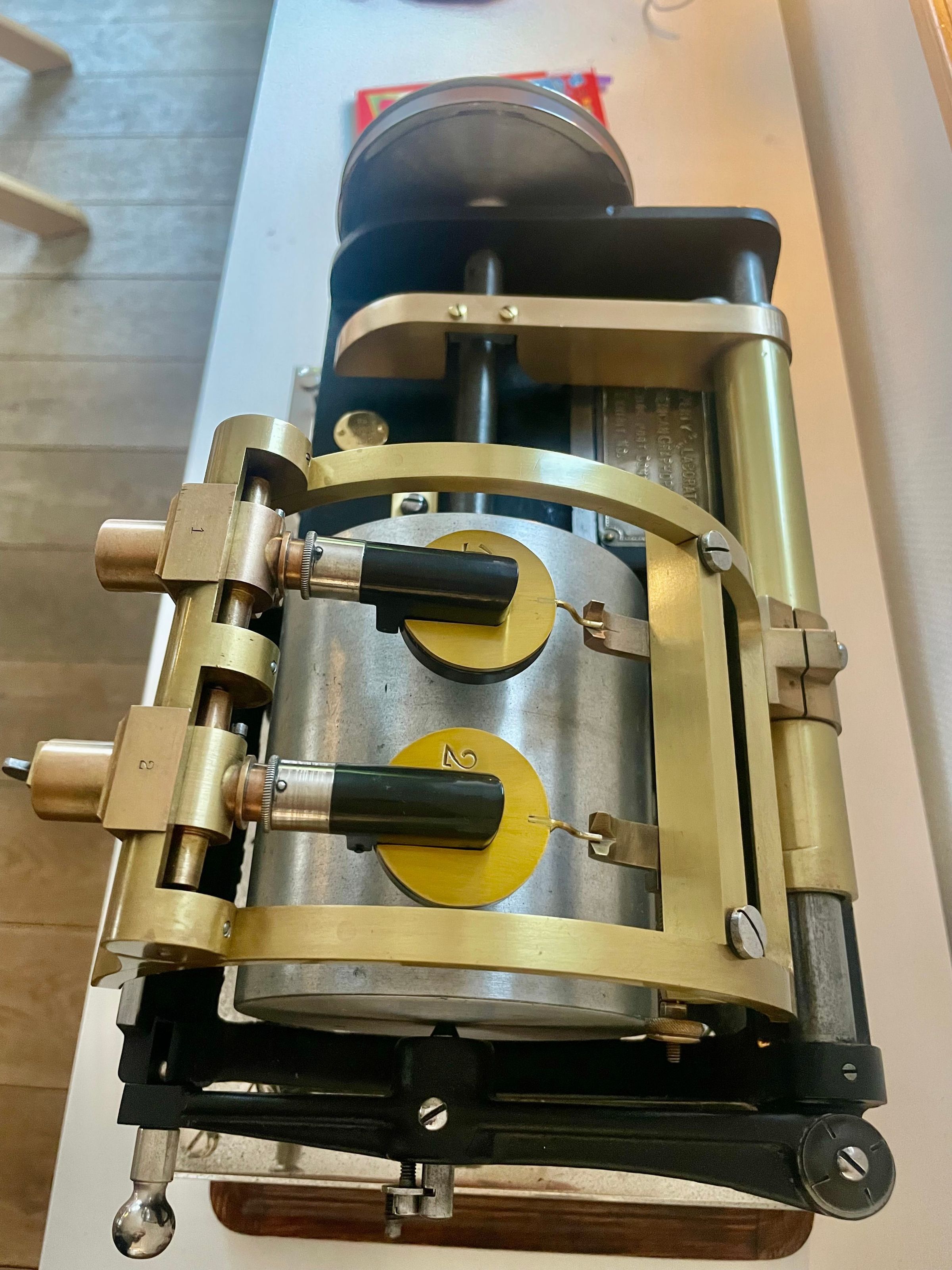
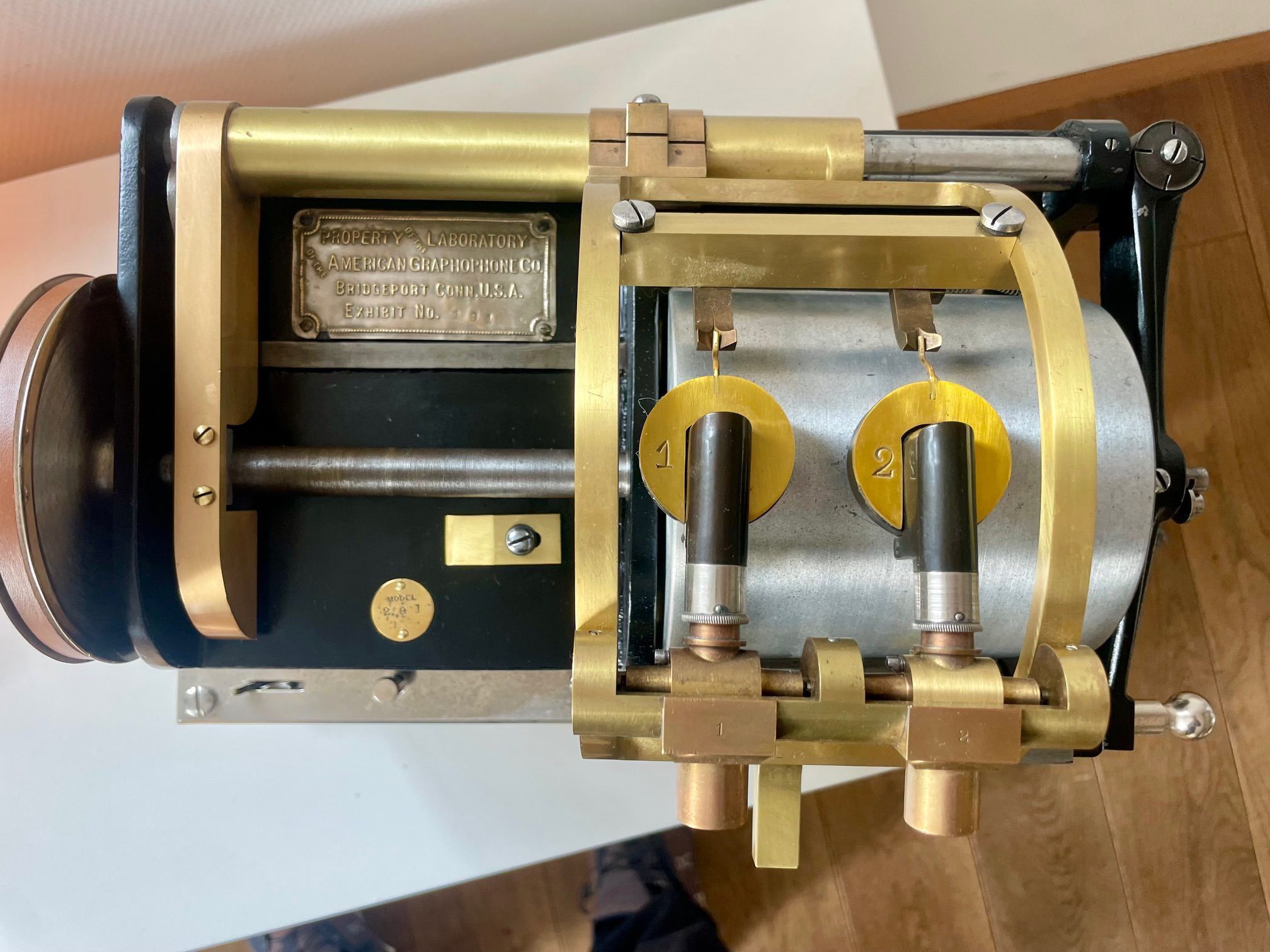
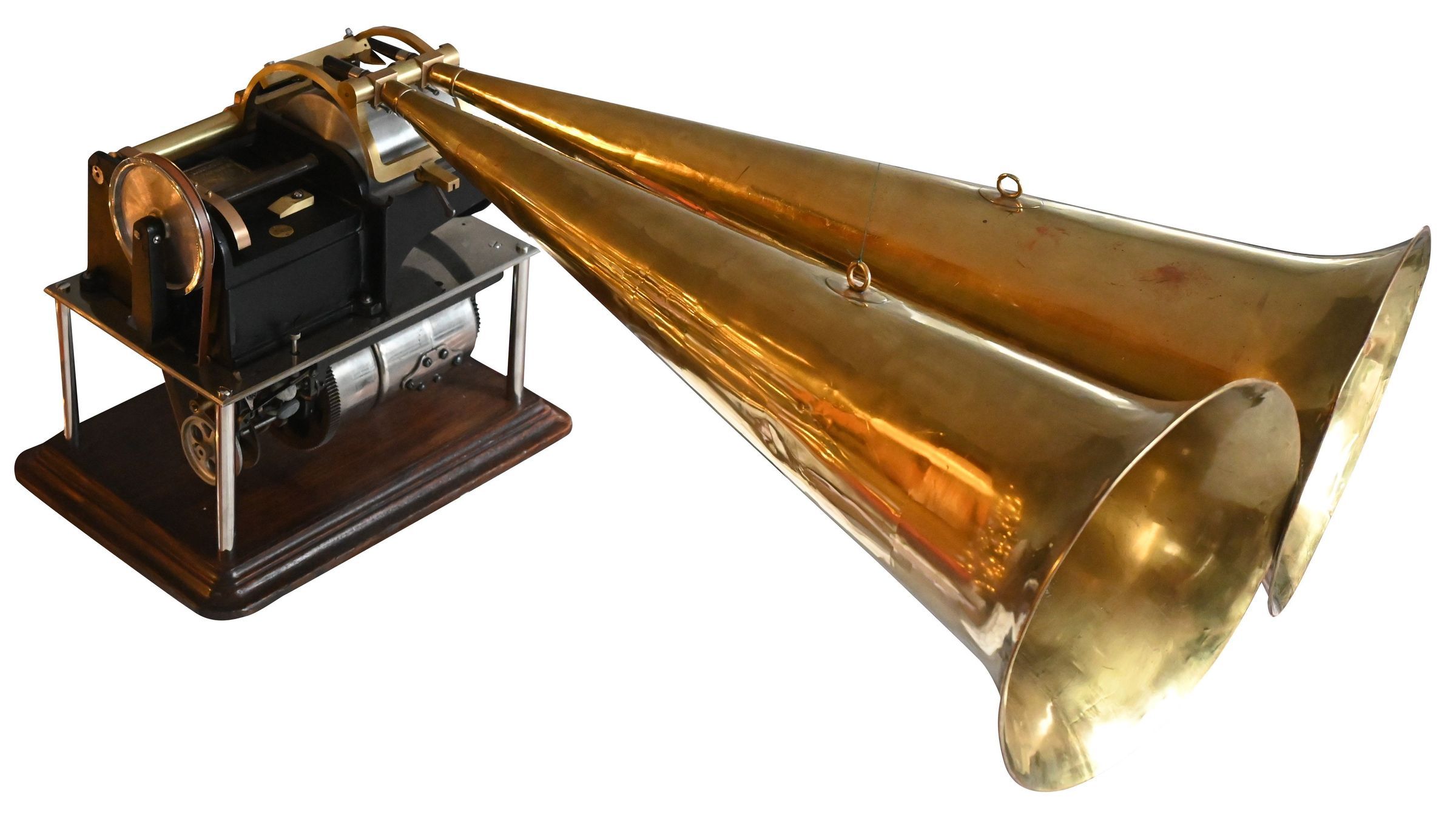
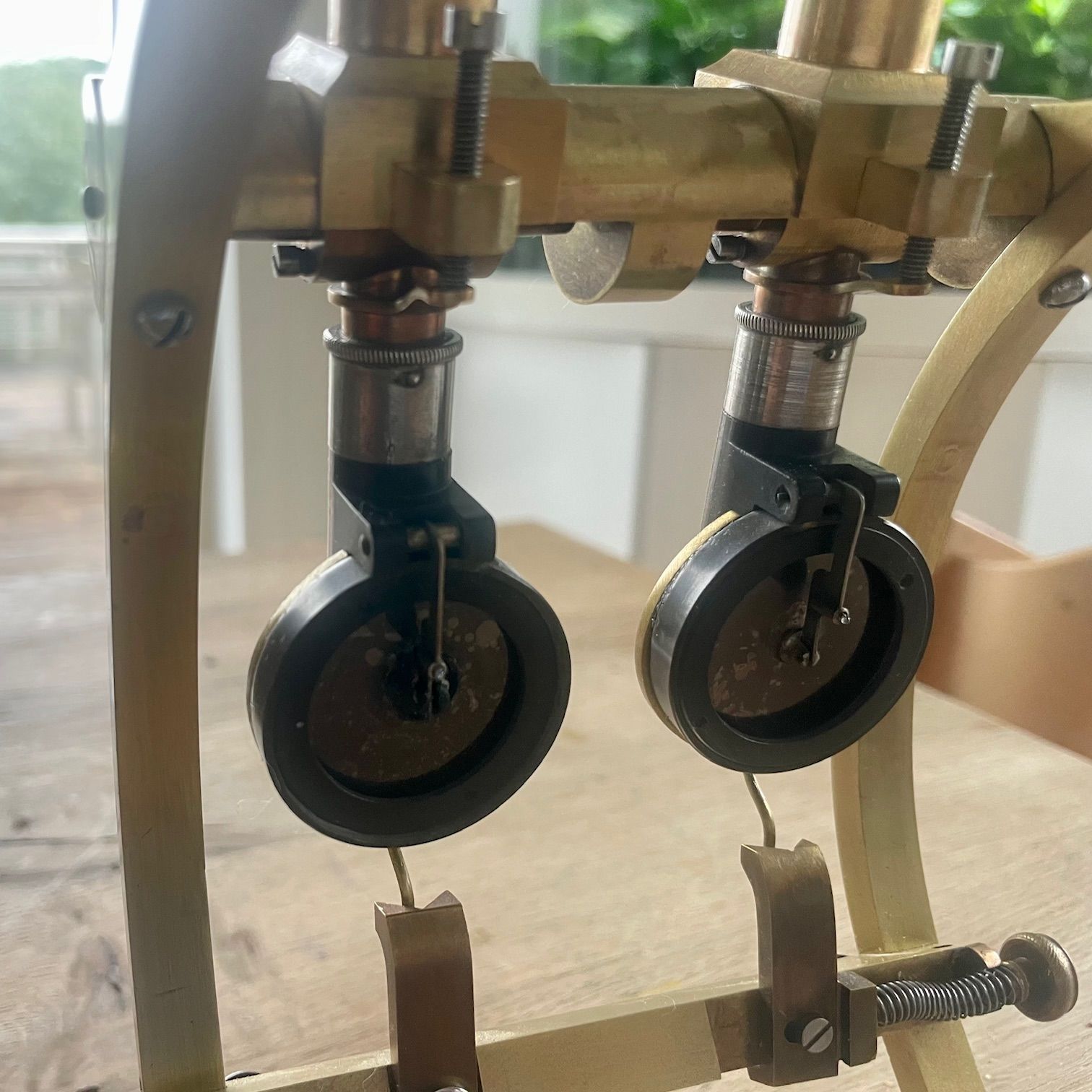
Both tracks are recorded or played back simultaneously, each with its own gutta‑percha reproducer and its own horn.
The grooves run in parallel on the same cylinder, each kept entirely separate.
Technical Features
Two independent sound grooves on a single cylinder, recorded/played back in perfect sync
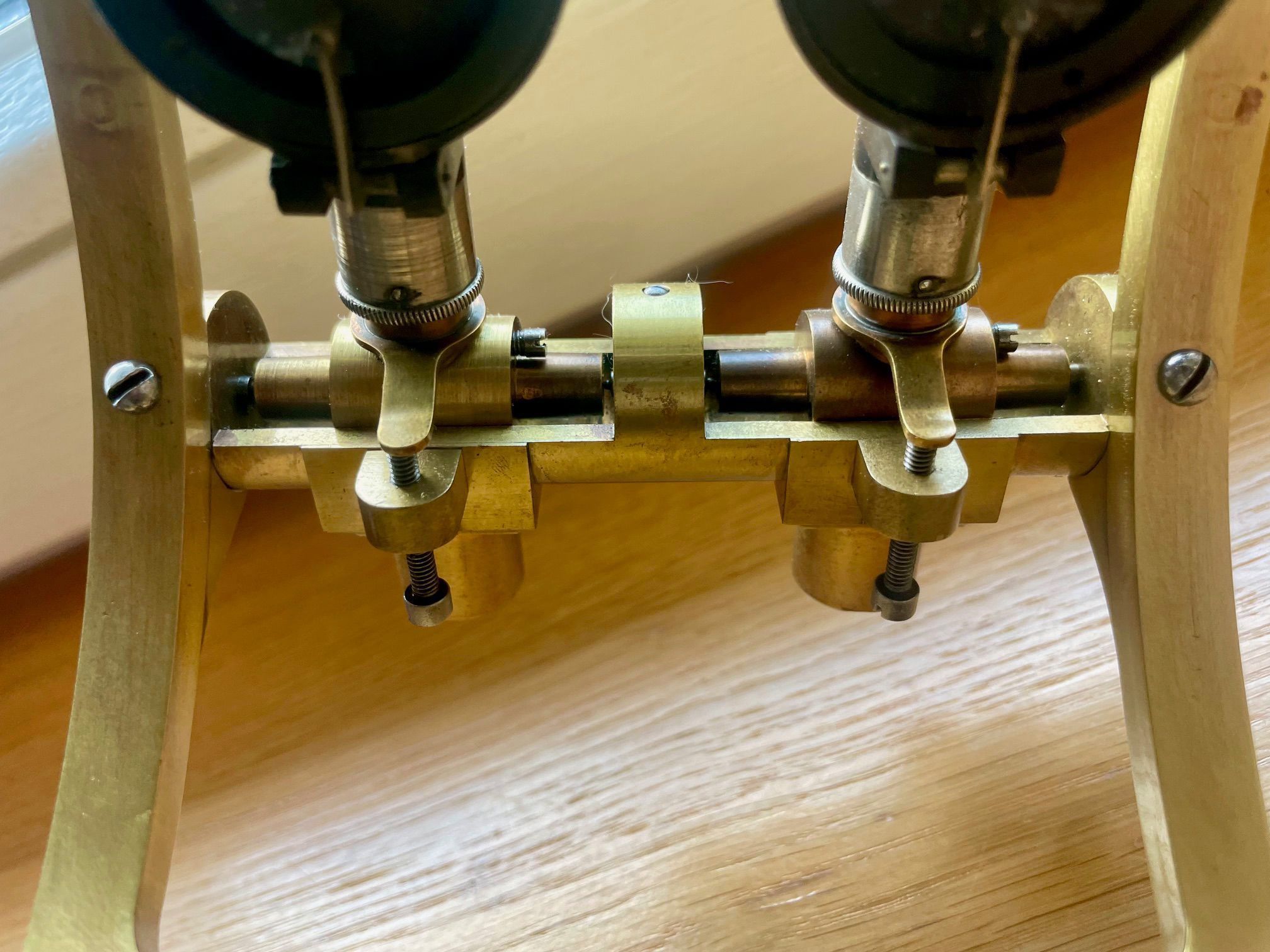
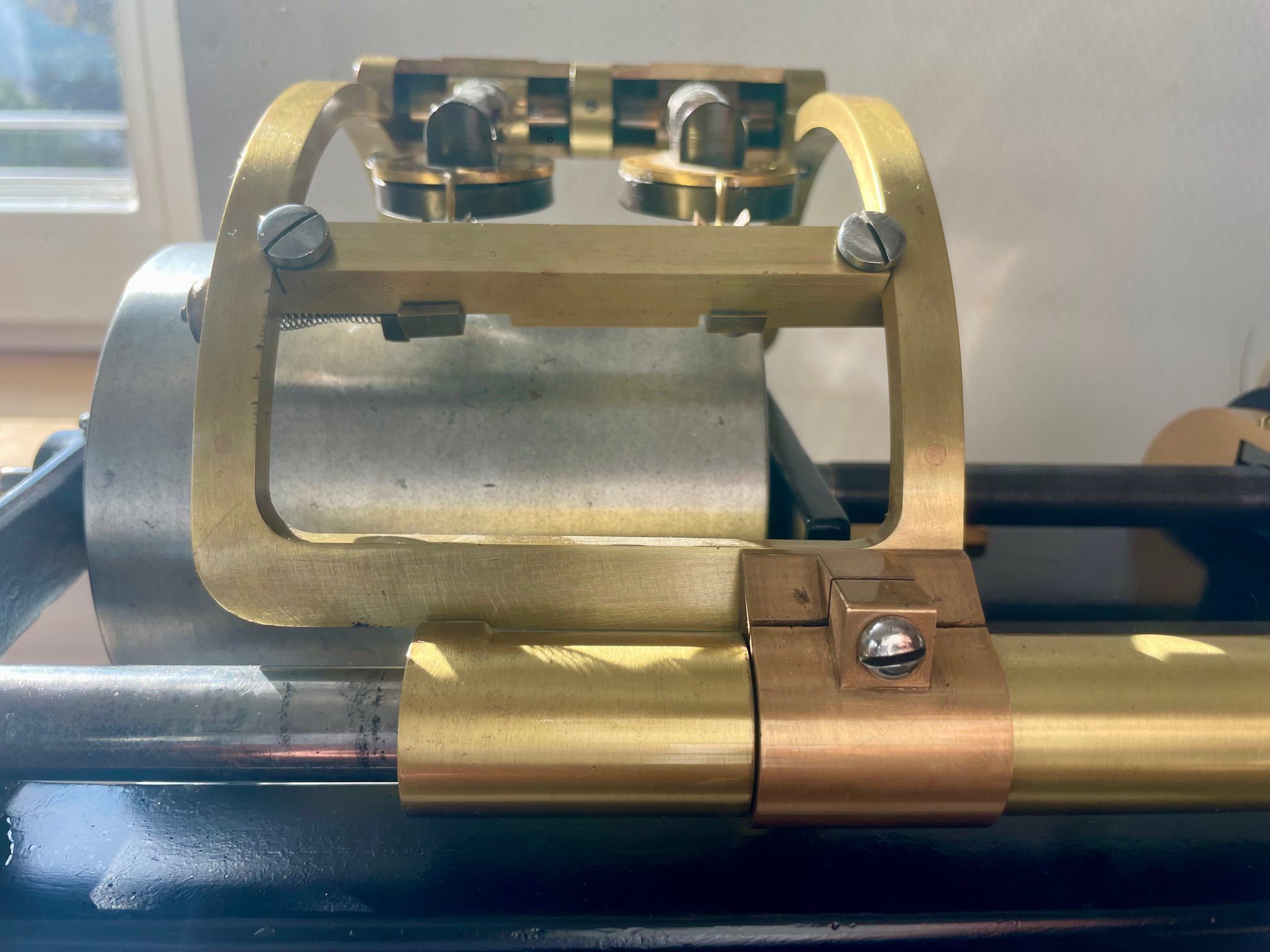
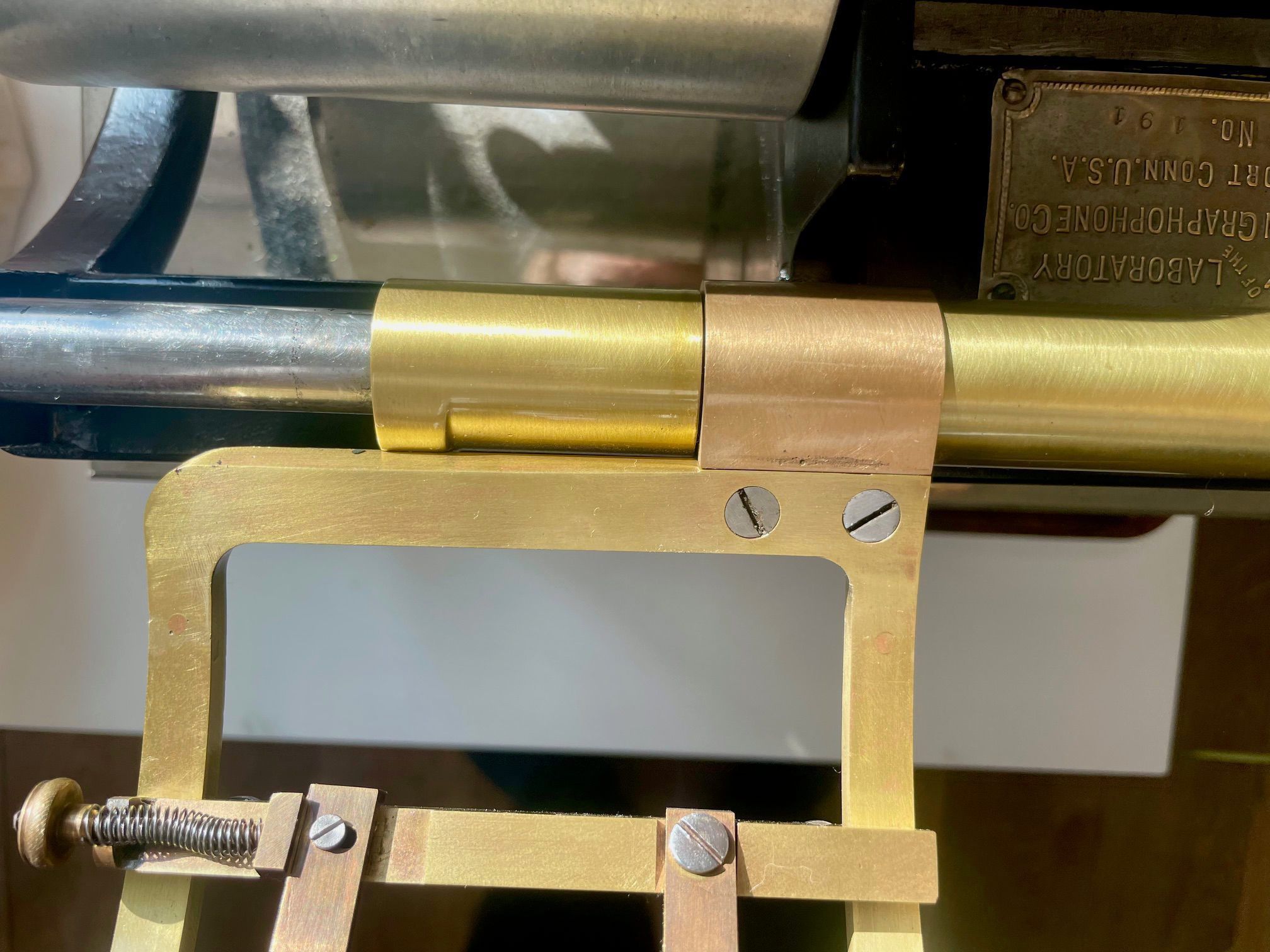
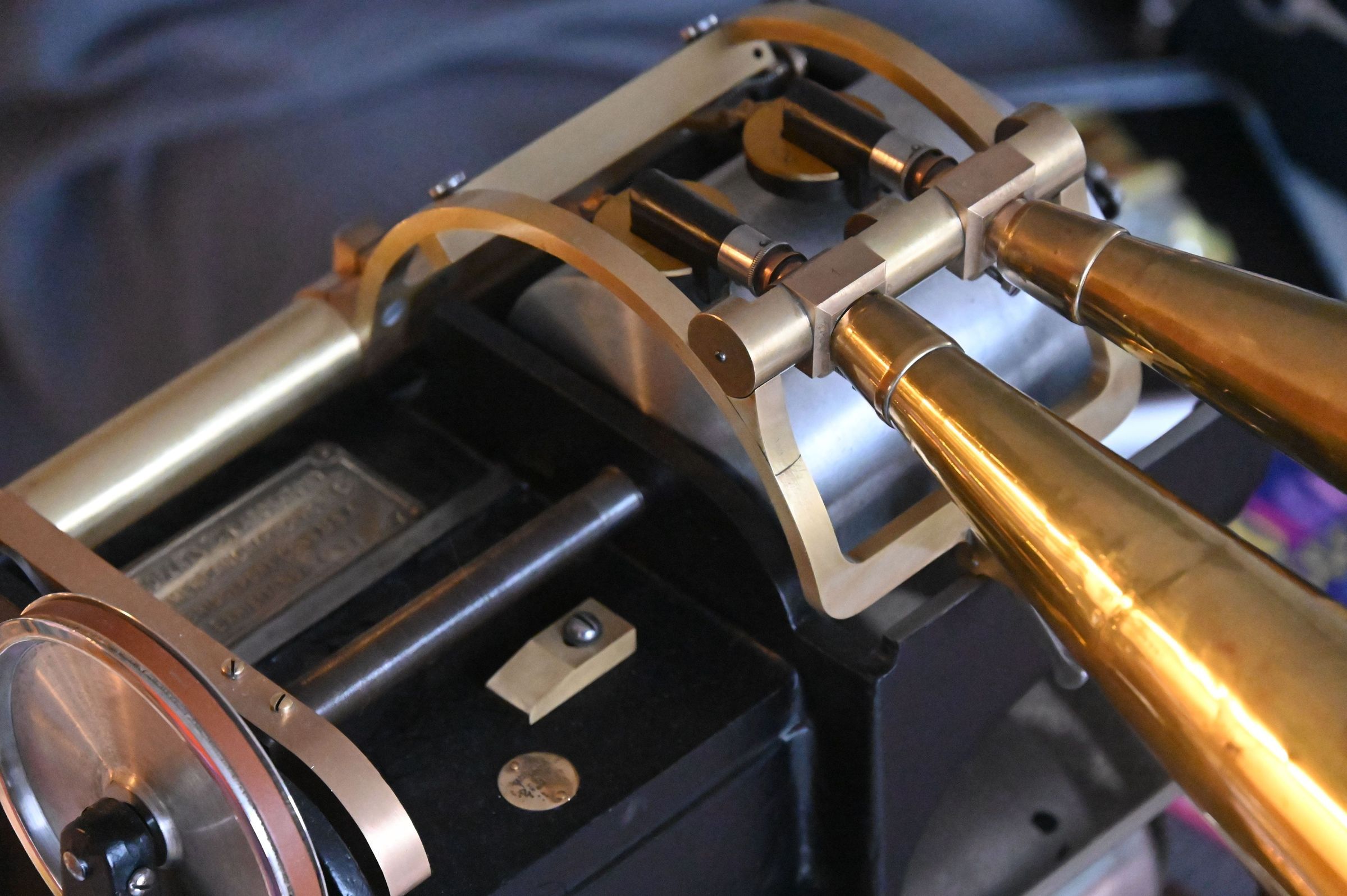
Two gutta‑percha reproducers mounted together on one carriage
Precision carriage for perfectly parallel tracking of both styli
Heavy‑duty drive on a laboratory chassis, belt‑driven — chassis derived from the Graphophone Grand (GG)
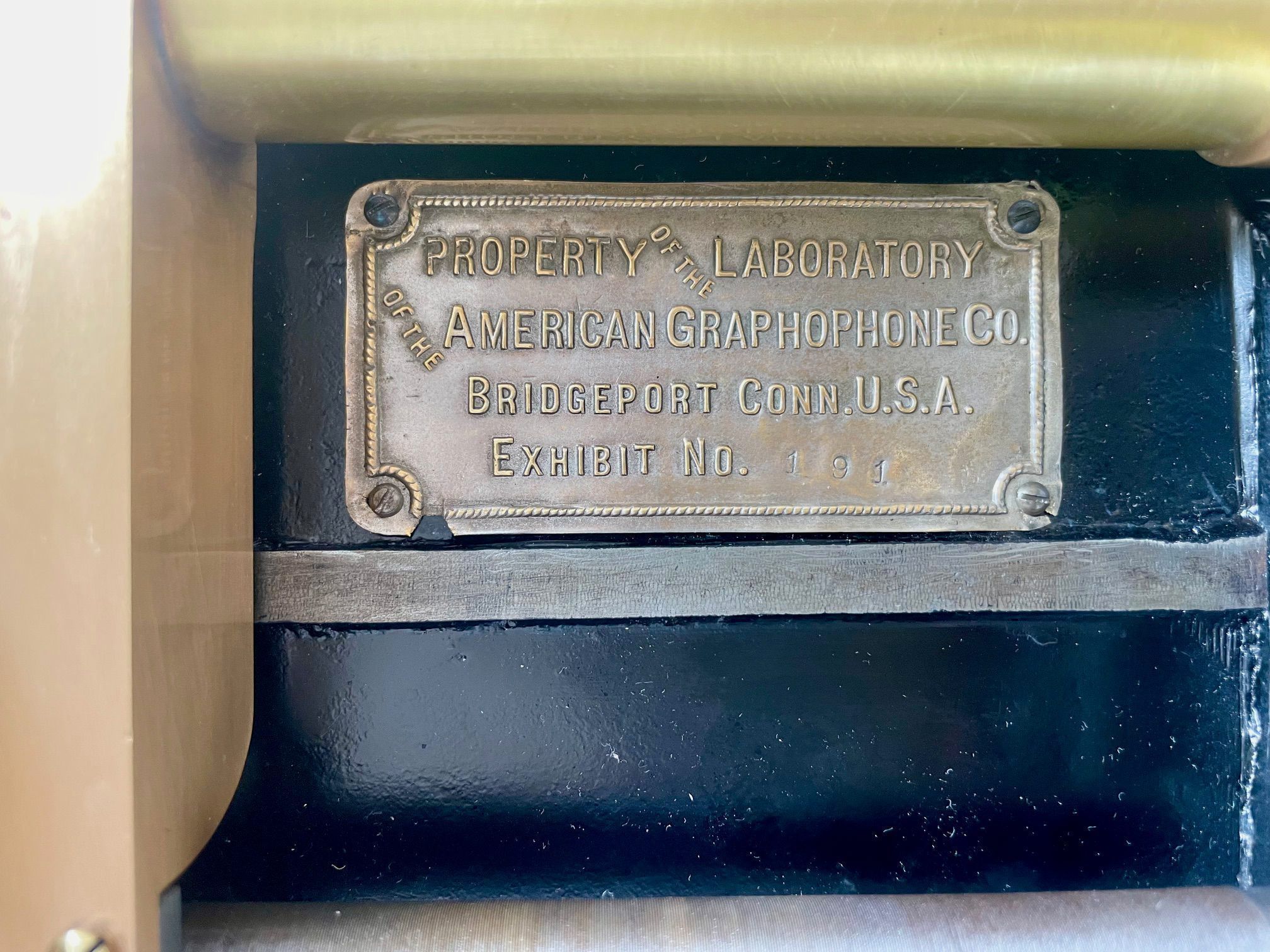
Original laboratory plate: Property of the Laboratory – Exhibit No. 191
Direct Link to the Graphophone Multiplex Grand
The knowledge gained from this two‑track prototype formed the basis for the legendary Graphophone Multiplex Grand (ca. 1900), which could record and play back three sound tracks instead of two.
That monumental exhibition machine — also preserved today in the Edisonium Mariazell — was the direct successor, created to present the multi‑track concept to the public.
Historical Significance
Until recently, it was widely believed that stereo and multi‑channel technology only emerged many decades later.
In fact, Columbia was already experimenting successfully with genuine multi‑track technology as early as 1899 — not just on paper, but in a functioning laboratory device.
Significance in the Edisonium Mariazell
This example comes from the collection of Charley Hummel and was painstakingly restored from a severely damaged state.
It is the only known surviving machine of its kind anywhere in the world.
Together with the Graphophone Multiplex Grand in the Edisonium, it tells the complete story of early multi‑track phonograph technology — from laboratory experiment to its triumphant public debut at the 1900 Paris Exposition.
In the chronology of audio technology, it is nothing less than a world‑class sensation: the oldest known, fully functional multi‑track recording device in existence.