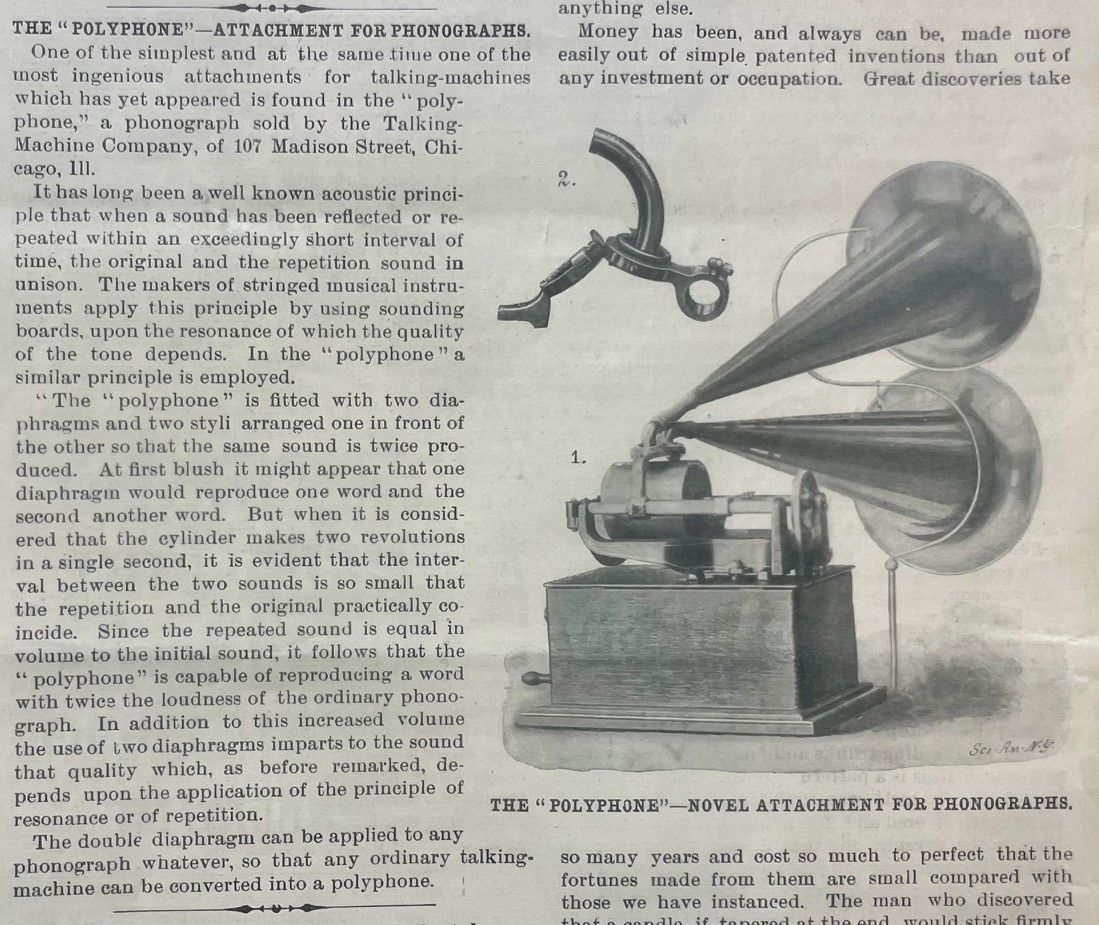
Edison Concert Phonograph with Polyphone Attachment
Entry/Object ID
103
Description
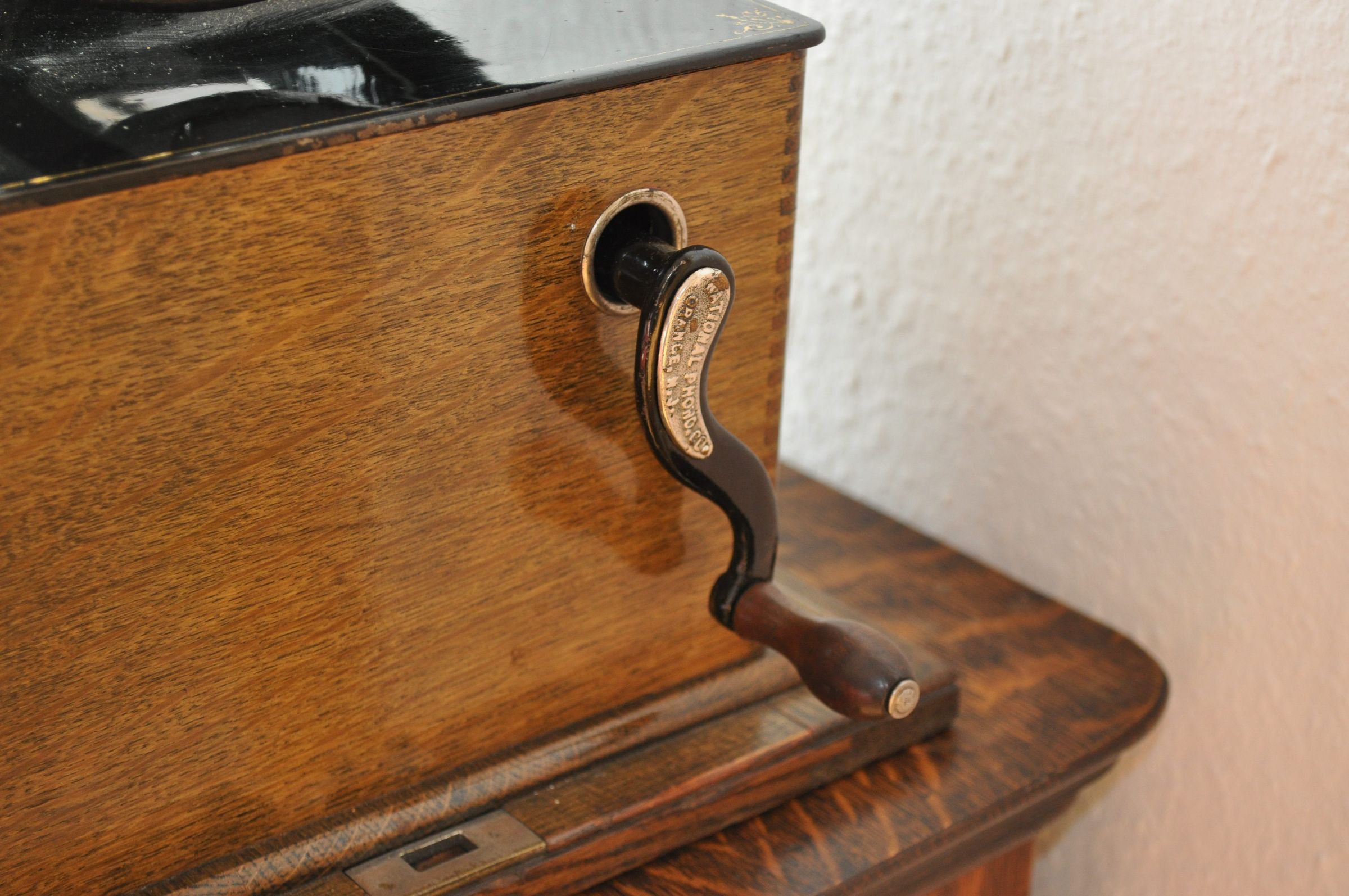
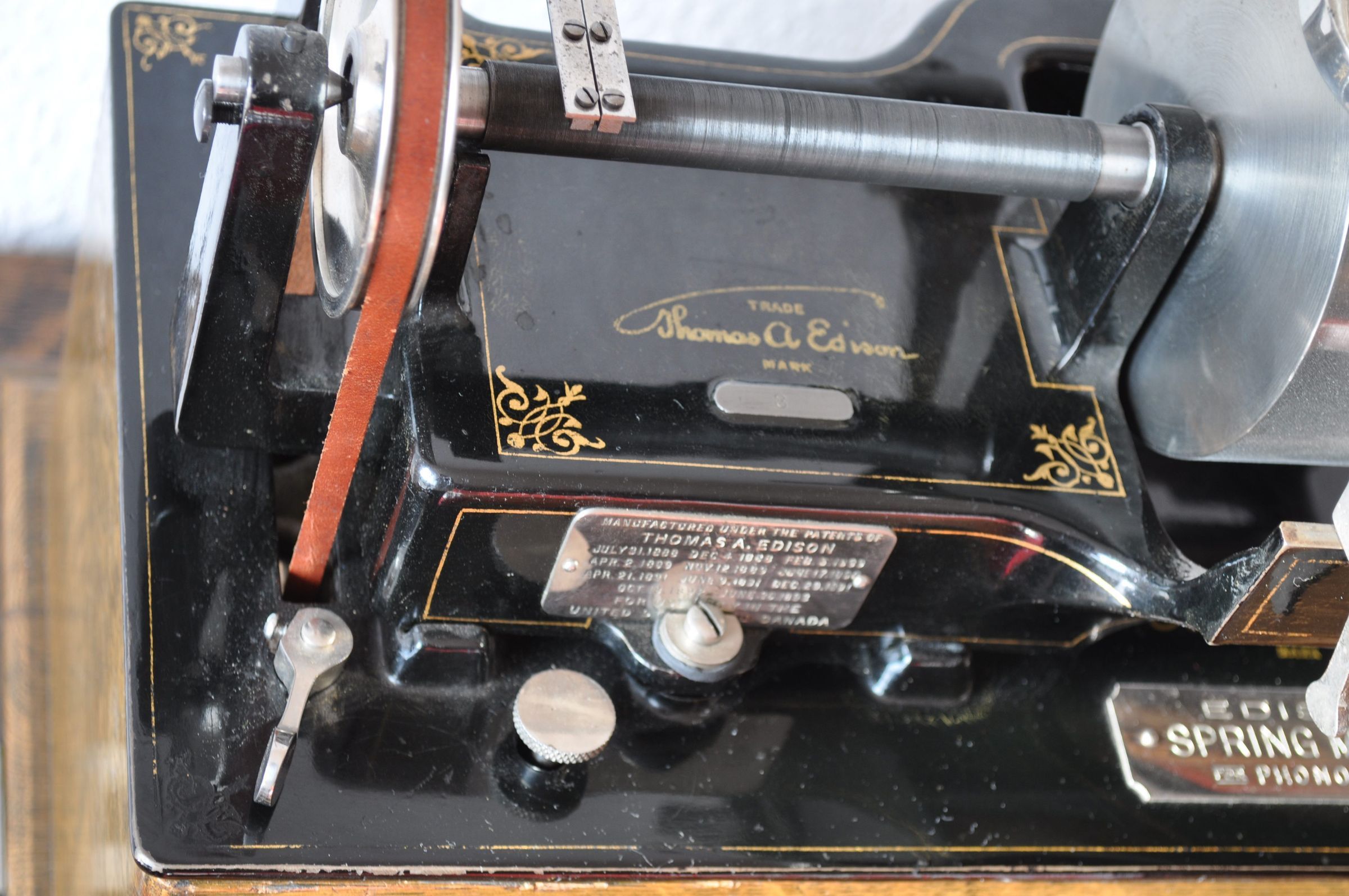
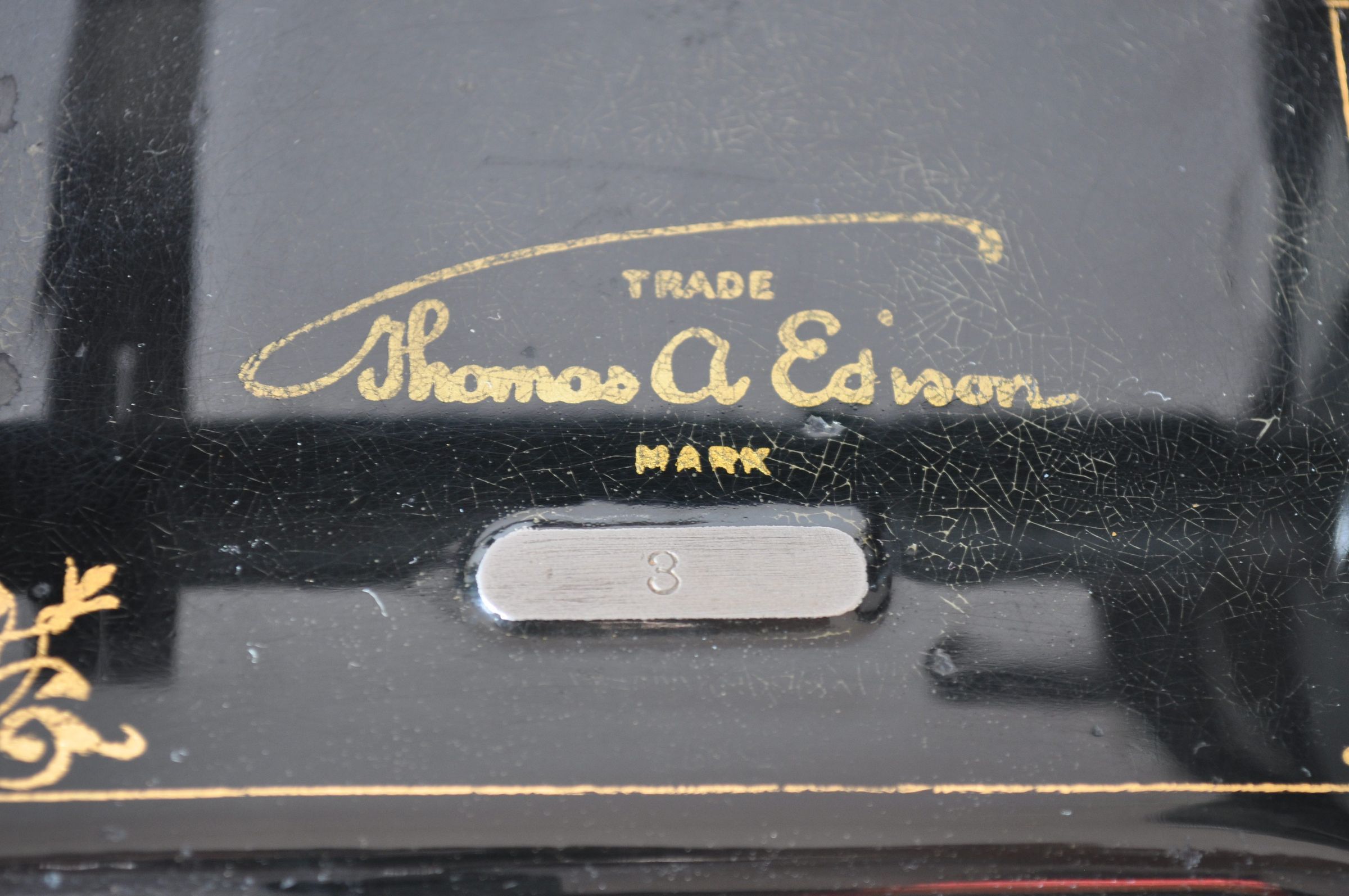
Thomas A. Edison / Talking Machine Co. Chicago, ca. 1899
Serial Number: 3 !
Historical Background
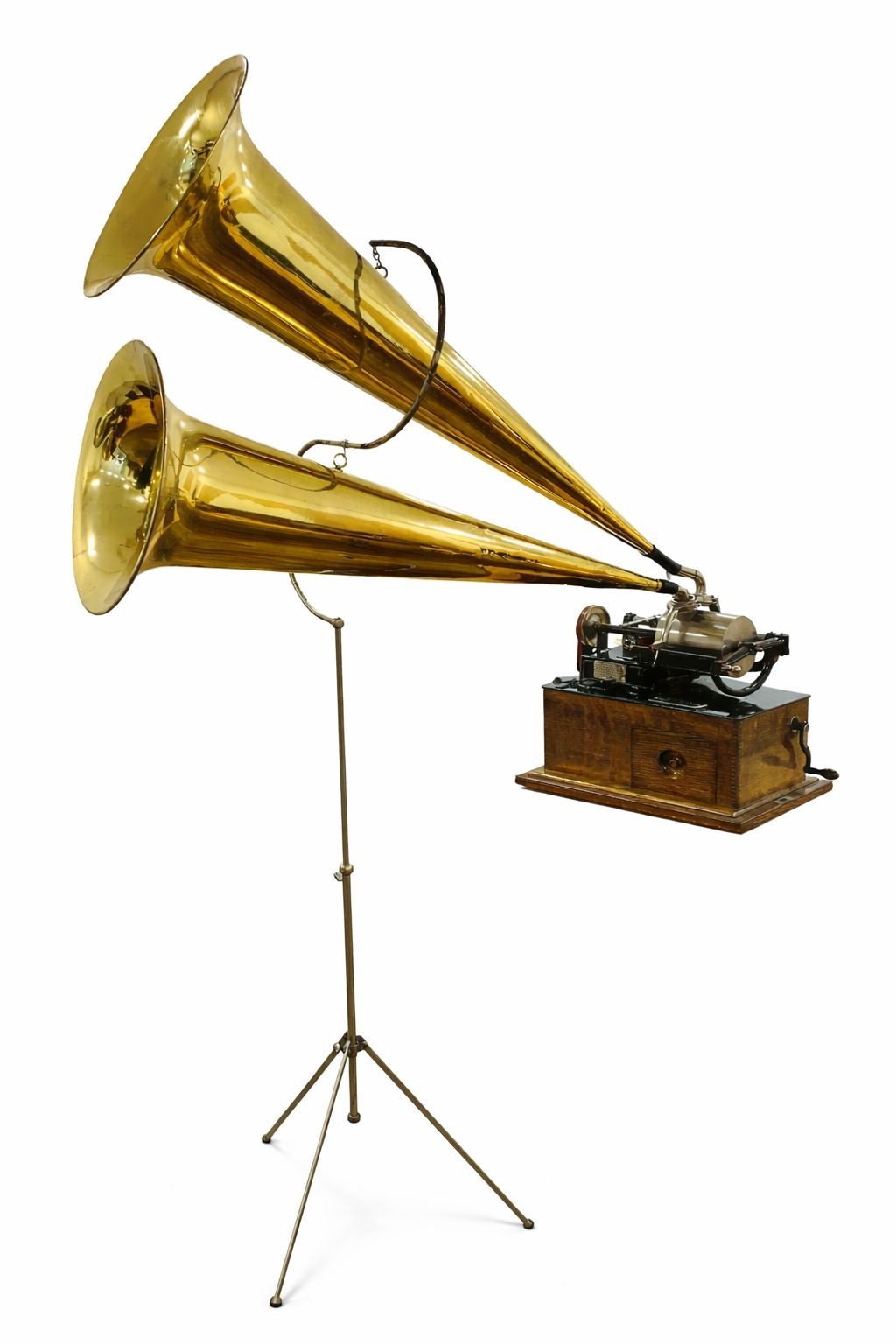
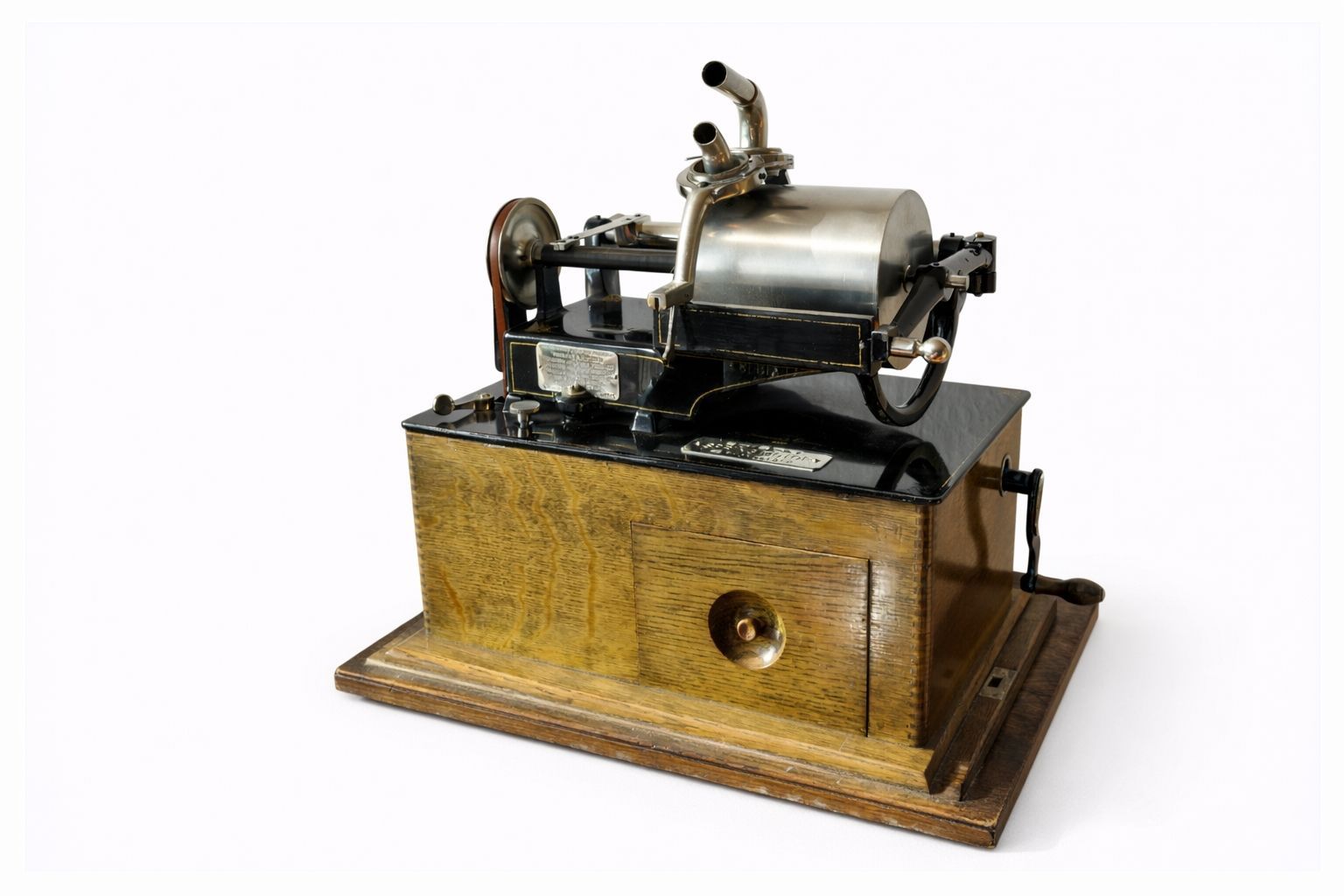
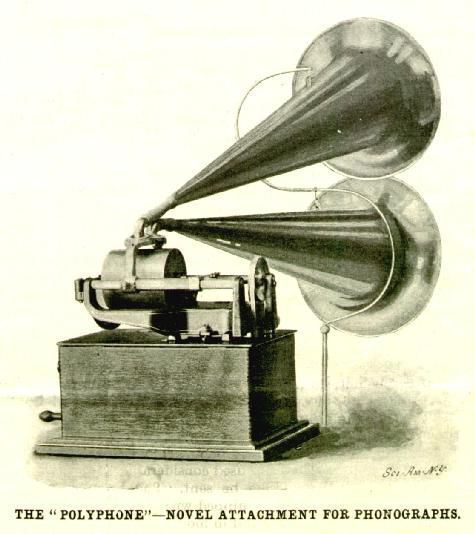
This extraordinary machine is one of the earliest known examples of the Edison Concert Phonograph (built in March 1899) and bears the extremely low serial number 3. It was fitted with the so-called Polyphone attachment – one of the most unusual and spectacular inventions in the early history of the phonograph.
The Polyphone was patented in 1898 by Leon Douglass (who would later become president of the Victor Talking Machine Co.) and marketed in collaboration with phonograph pioneer Henry Babson by the Talking Machine Company of Chicago. Its aim was to drastically increase the volume of phonographs.
Technology and Features
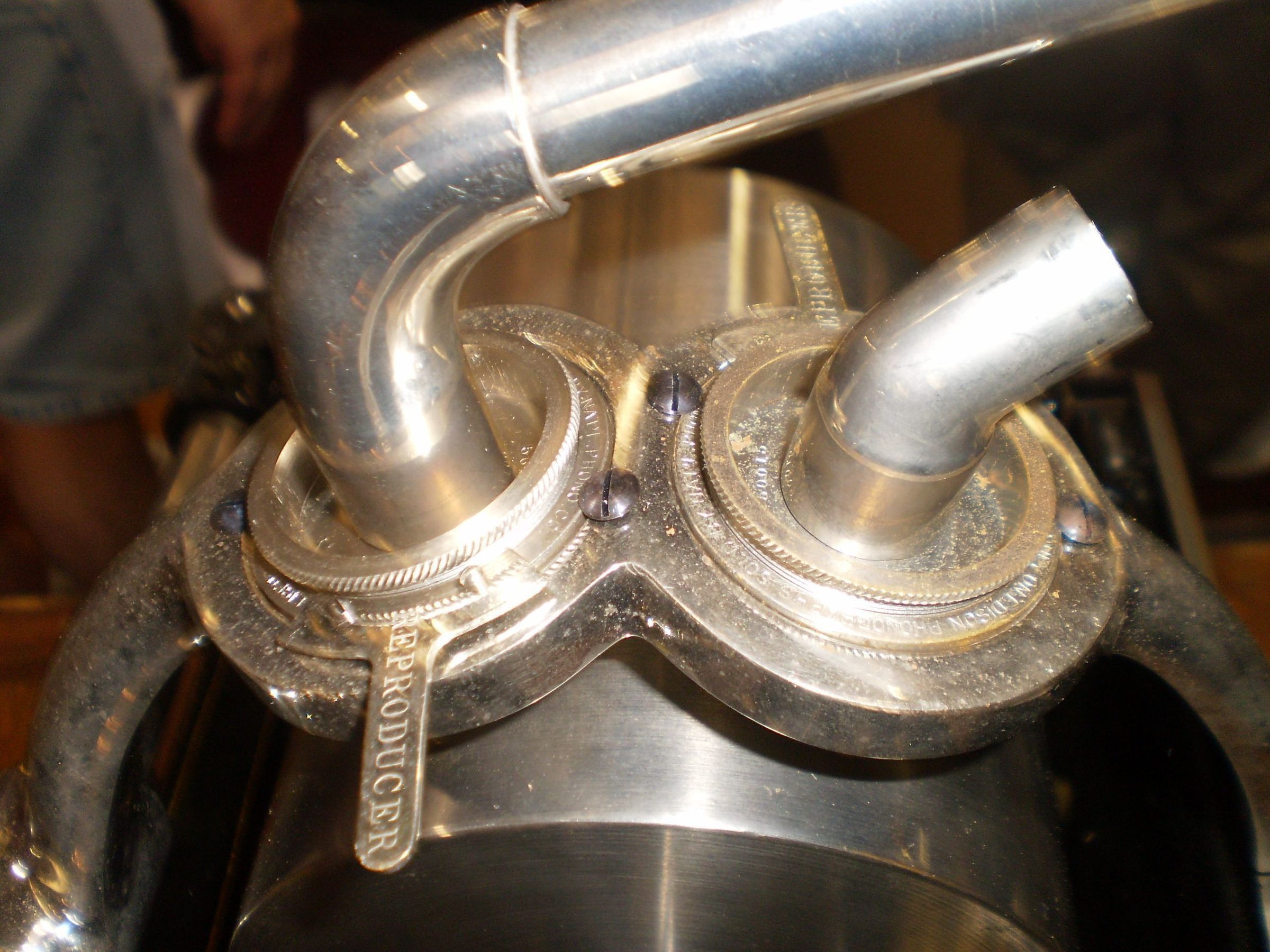
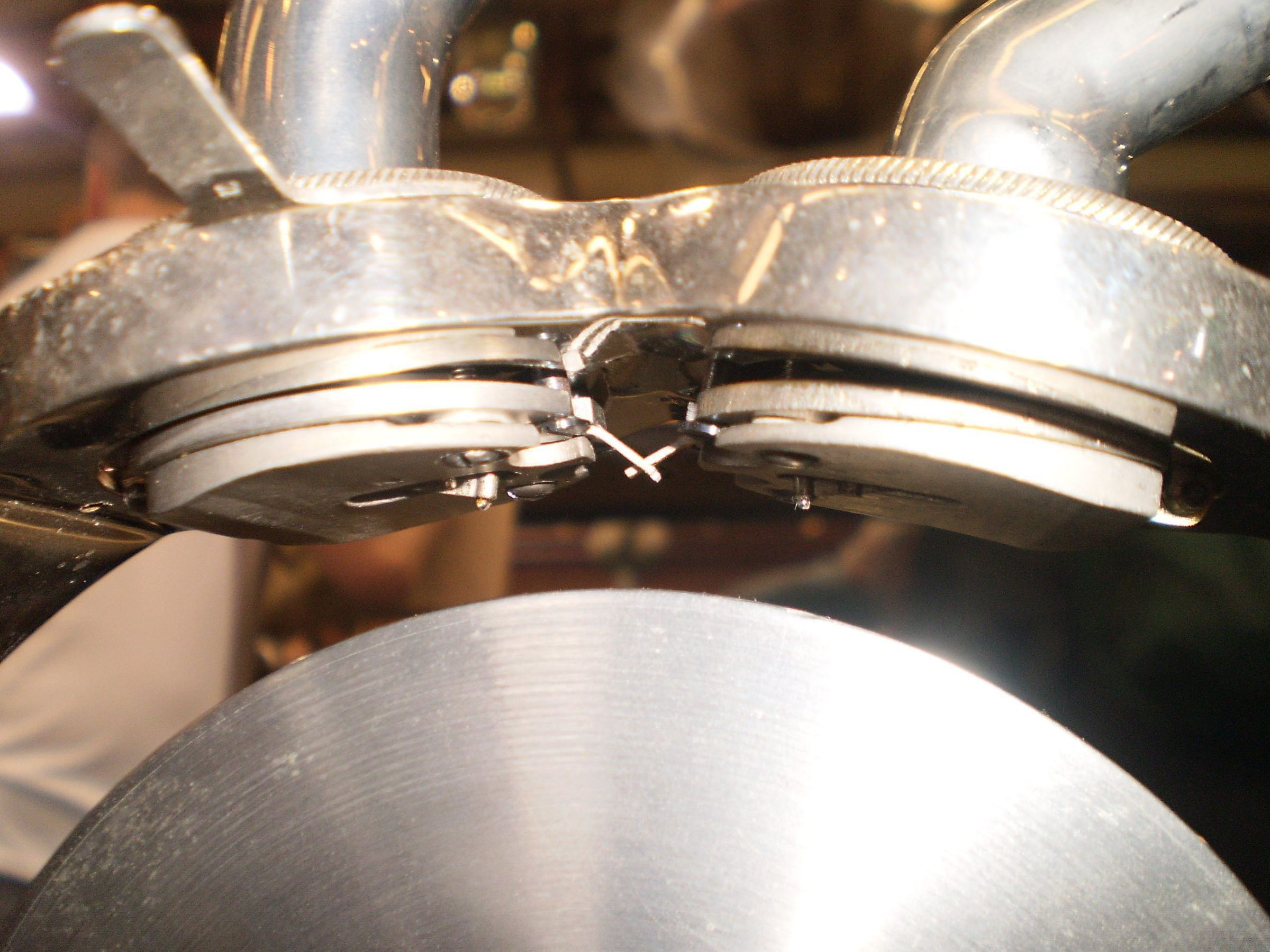
Principle: Two independent reproducers with two large horns tracked the same groove of the cylinder, only a fraction of a second apart, effectively doubling the sound output.
Sound Effect: The slight delay between the styli produced an artificial reverb – a breathtaking effect at the time, even creating an illusion of stereo when standing in front of the horns.
Accessories: Two large 24-inch metal horns mounted on stands.
Price: The Polyphone attachment (including horns and stands) sold for around $15 in 1899 – a significant extra cost.
Significance
Advertising promised “more than twice as loud and many times more musical than any other Talking Machine.” In practice, the sound was indeed remarkable – but only if both styli were perfectly adjusted. If even slightly misaligned, the result was unpleasant and distorted.
With the advent of Gold-Moulded Records in 1902, which were inherently louder, the Polyphone quickly became obsolete. As a result, very few Polyphone combinations have survived.
Rarity
The example displayed at the Edisonium is one of the very few Polyphone Concert Phonographs known worldwide – and, with its early serial number 3, it is of outstanding historical importance. It represents both the very first production weeks of the Edison Concert and one of the boldest technical innovations in the history of the phonograph.