Name/Title
Edison Class M PhonographEntry/Object ID
120Description
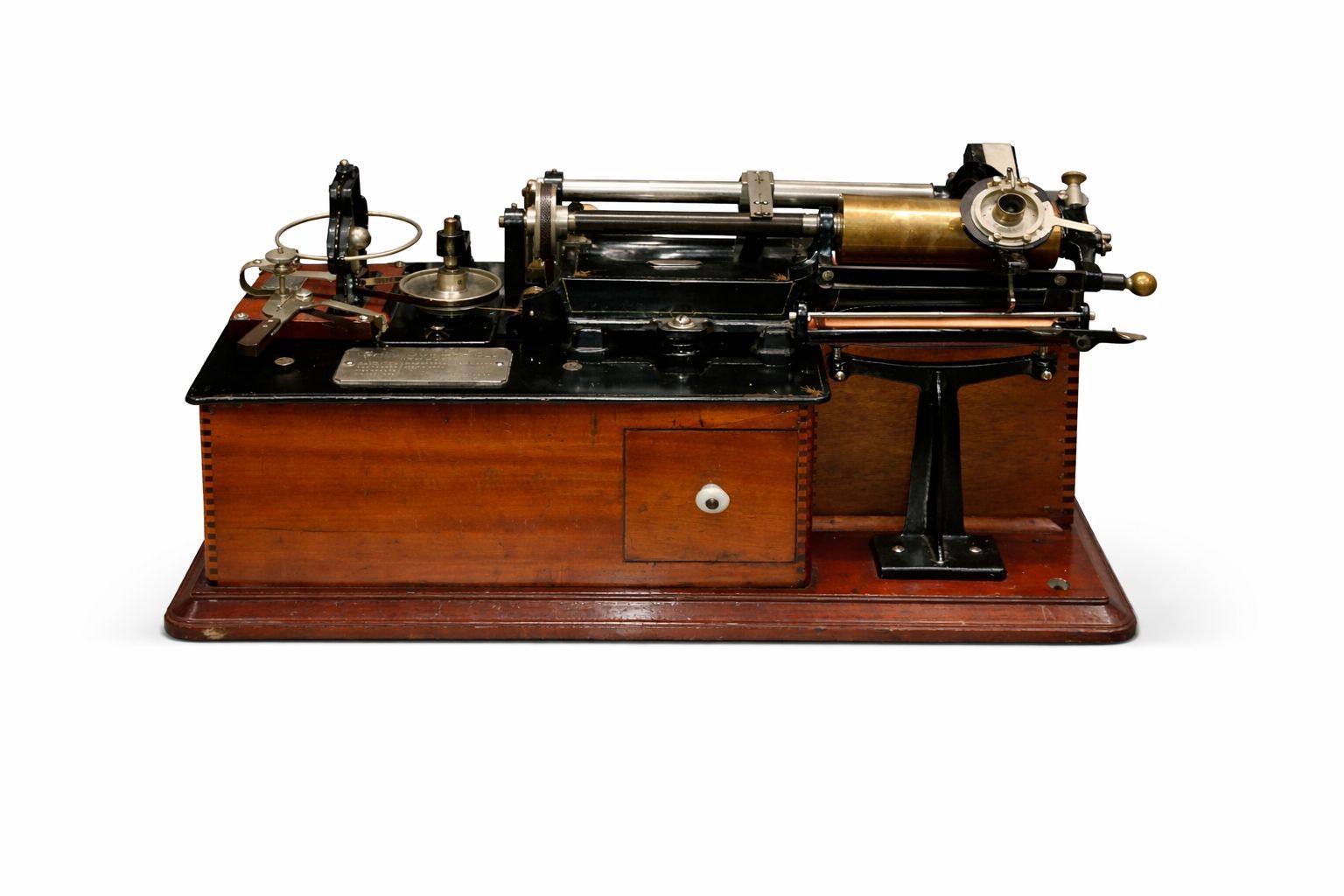
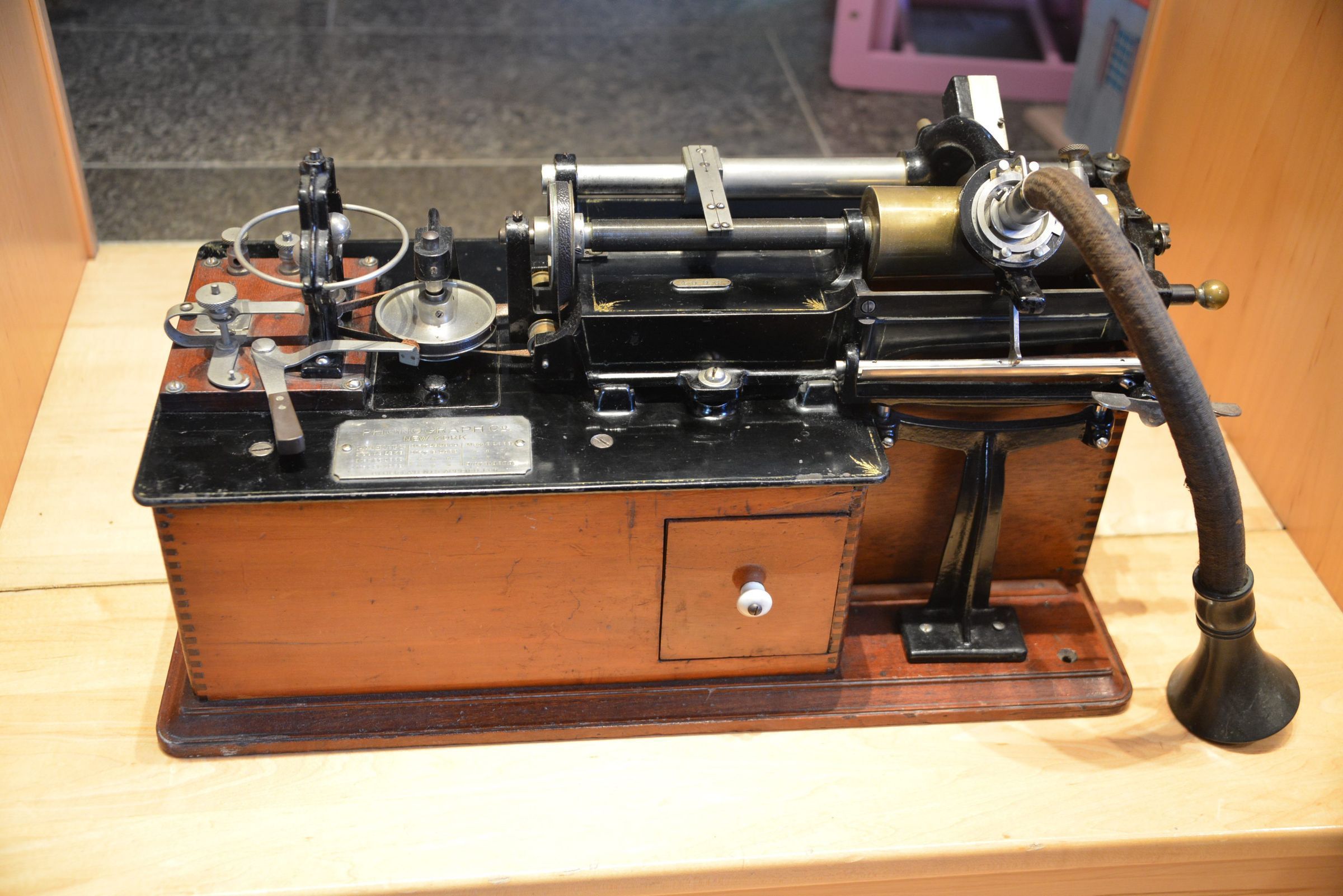
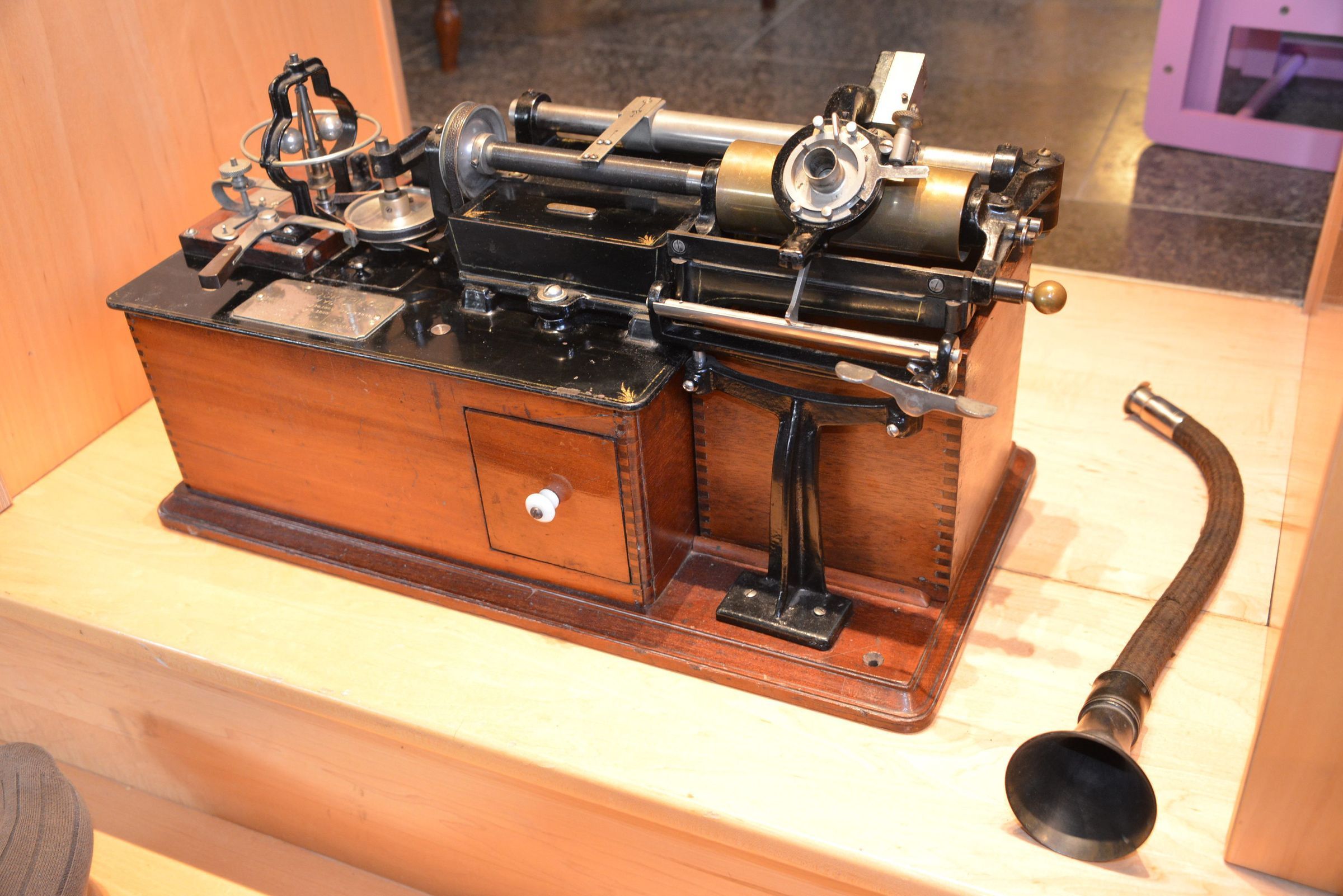
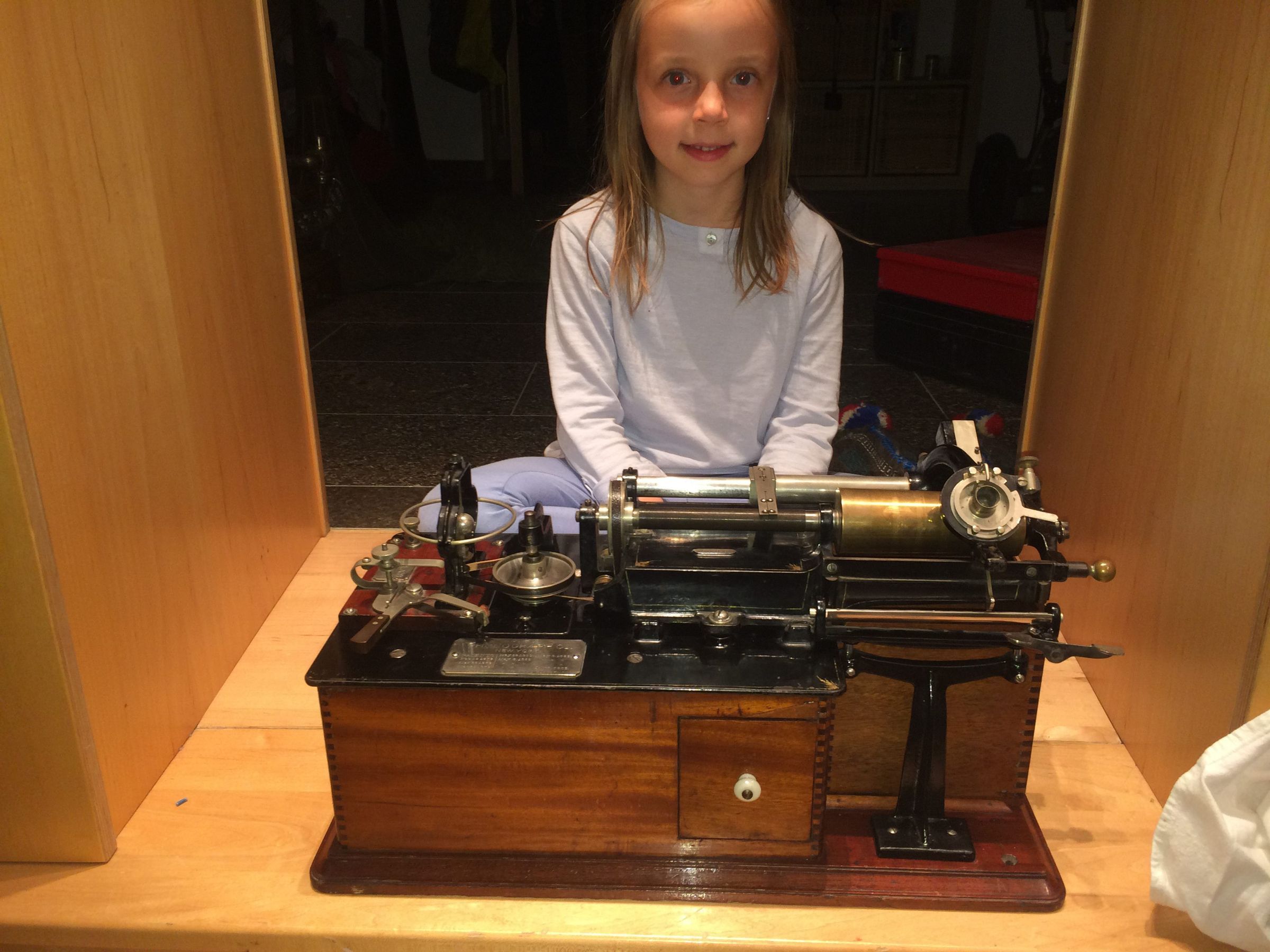
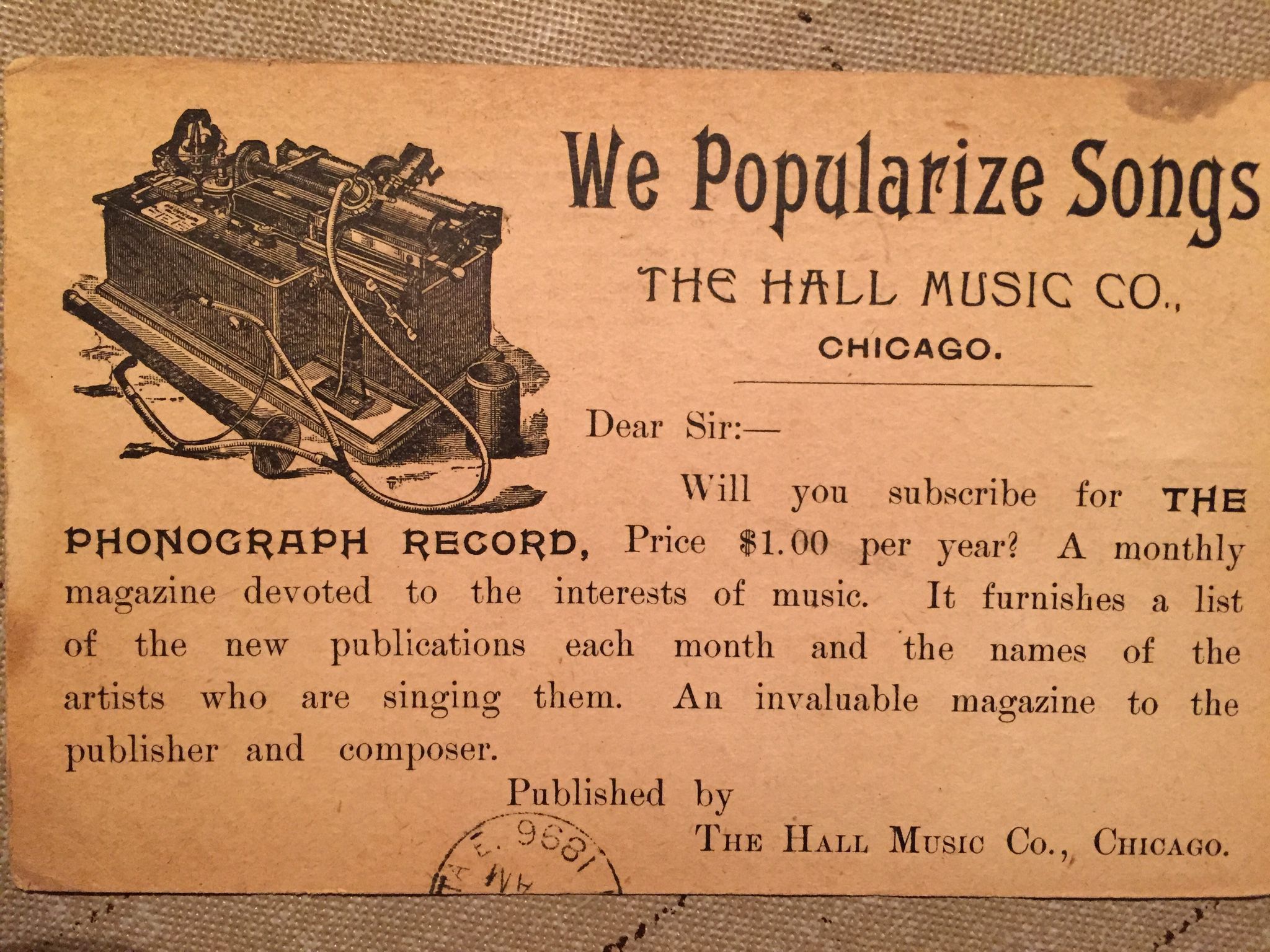
Edison Class M Phonograph
Edison Phonograph Works, Orange, New Jersey, USA – ca. 1888–1890
One of the first commercial sound reproduction devices with electric motor – on display here at the Edisonium
Background and Significance
The Class M was Edison’s first major improvement upon his original tinfoil phonograph of 1877. After nearly a decade of inactivity, Edison returned to his “favorite invention” in June 1888 with a legendary 72-hour work session, culminating in what he called the “perfected phonograph”: the Class M. It was designed primarily for office dictation.
Manufactured from 1889 by the North American Phonograph Company, the Class M was originally intended for lease to businesses. However, demand in the business sector remained low. Instead, the machine quickly found popularity as an entertainment device and was used in public demonstrations and music performances.
Power Supply and Drive Mechanism
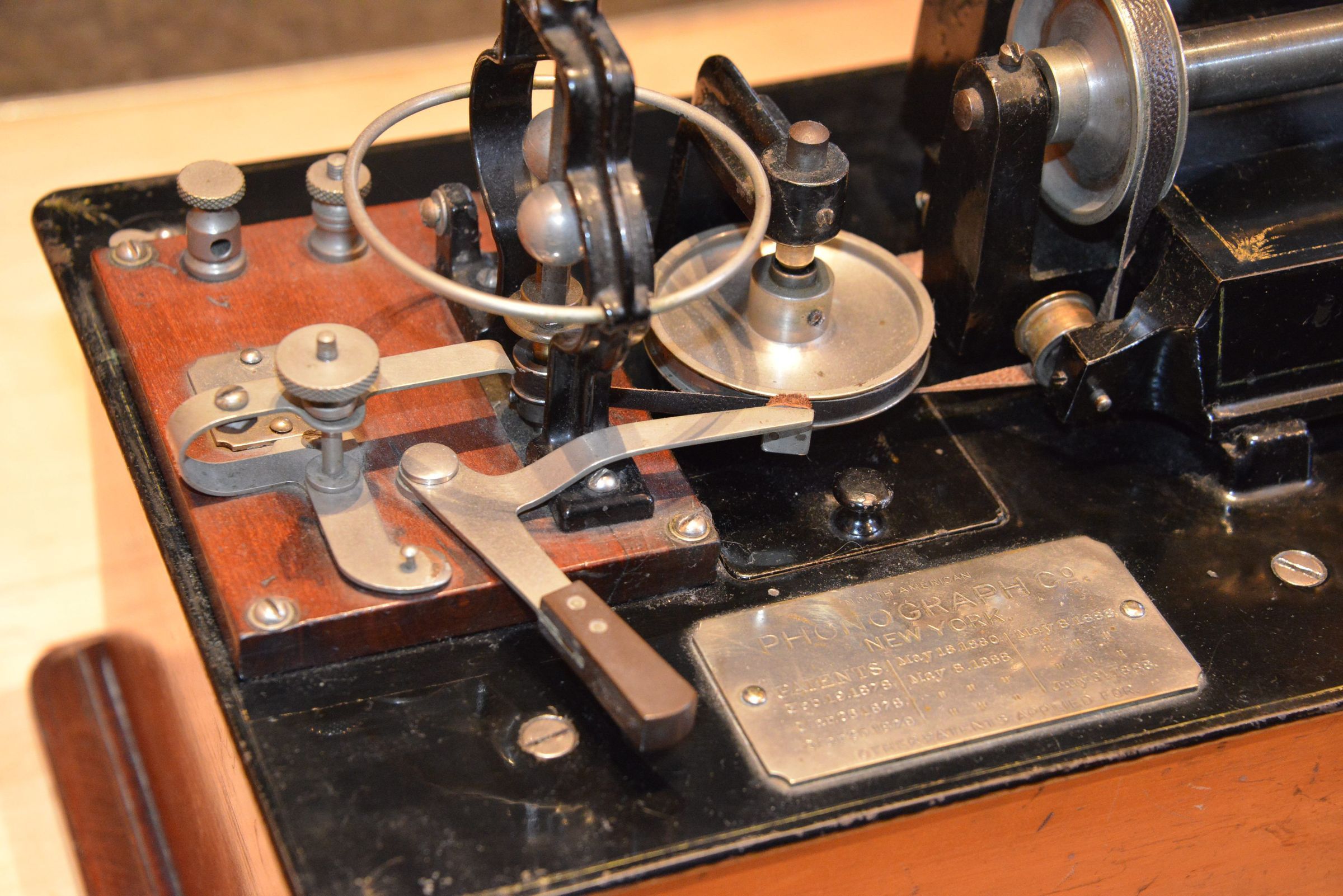
From the outset, the Edison Class M was engineered for electric operation. Early laboratory units used Grenet cells, as famously pictured with Edison himself. For the commercial market, these were replaced by Edison-Lalande cells, delivering 2 volts of direct current at high amperage. These batteries were more stable and reliable for the sensitive electric motor.
The motor powered the rotating cylinder, while a vertically mounted governor—distinctively placed on top of the bedplate—regulated speed. This unusual but highly visible configuration allowed for precise speed control and is a key identifying feature of the Class M.
Construction and Technology
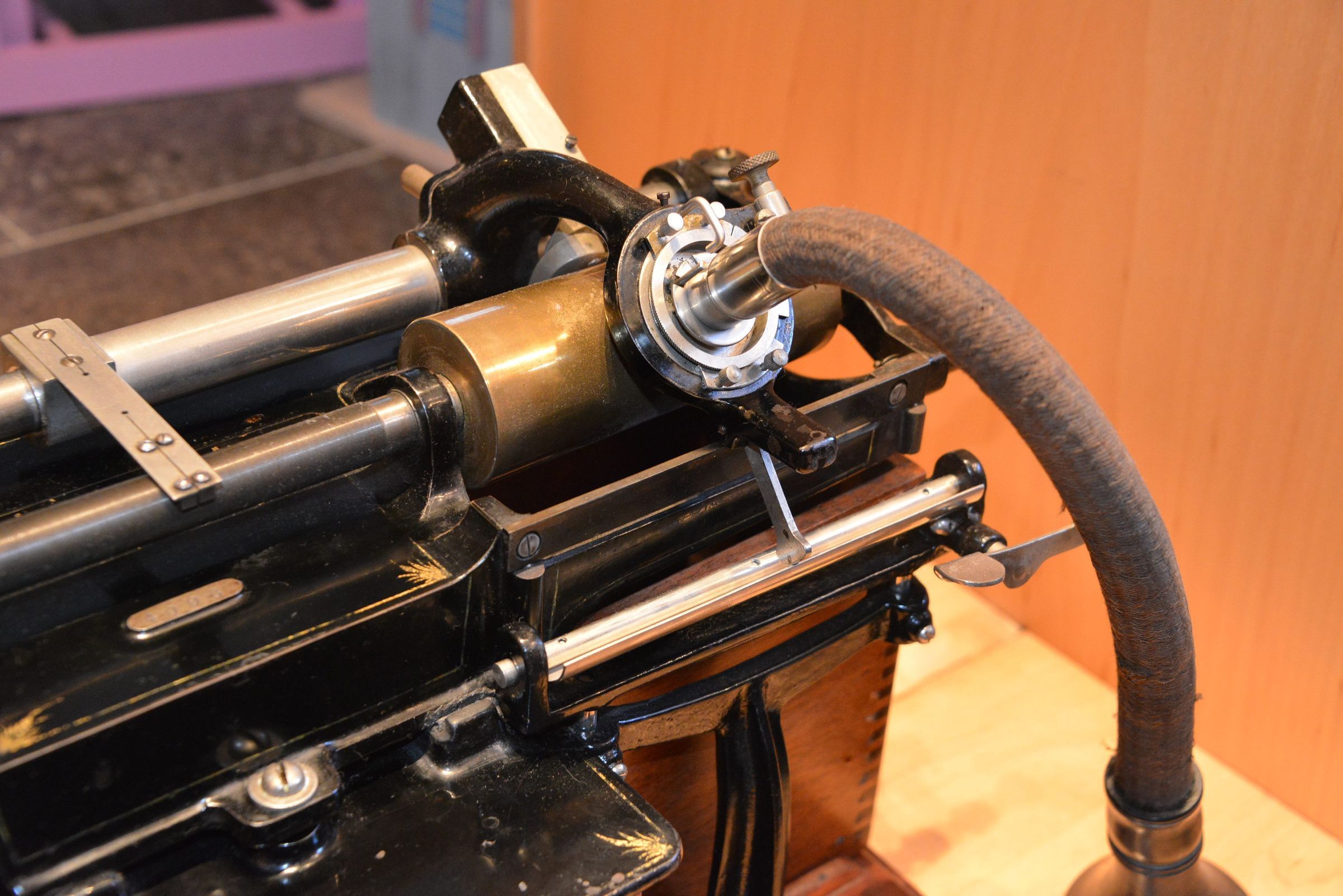
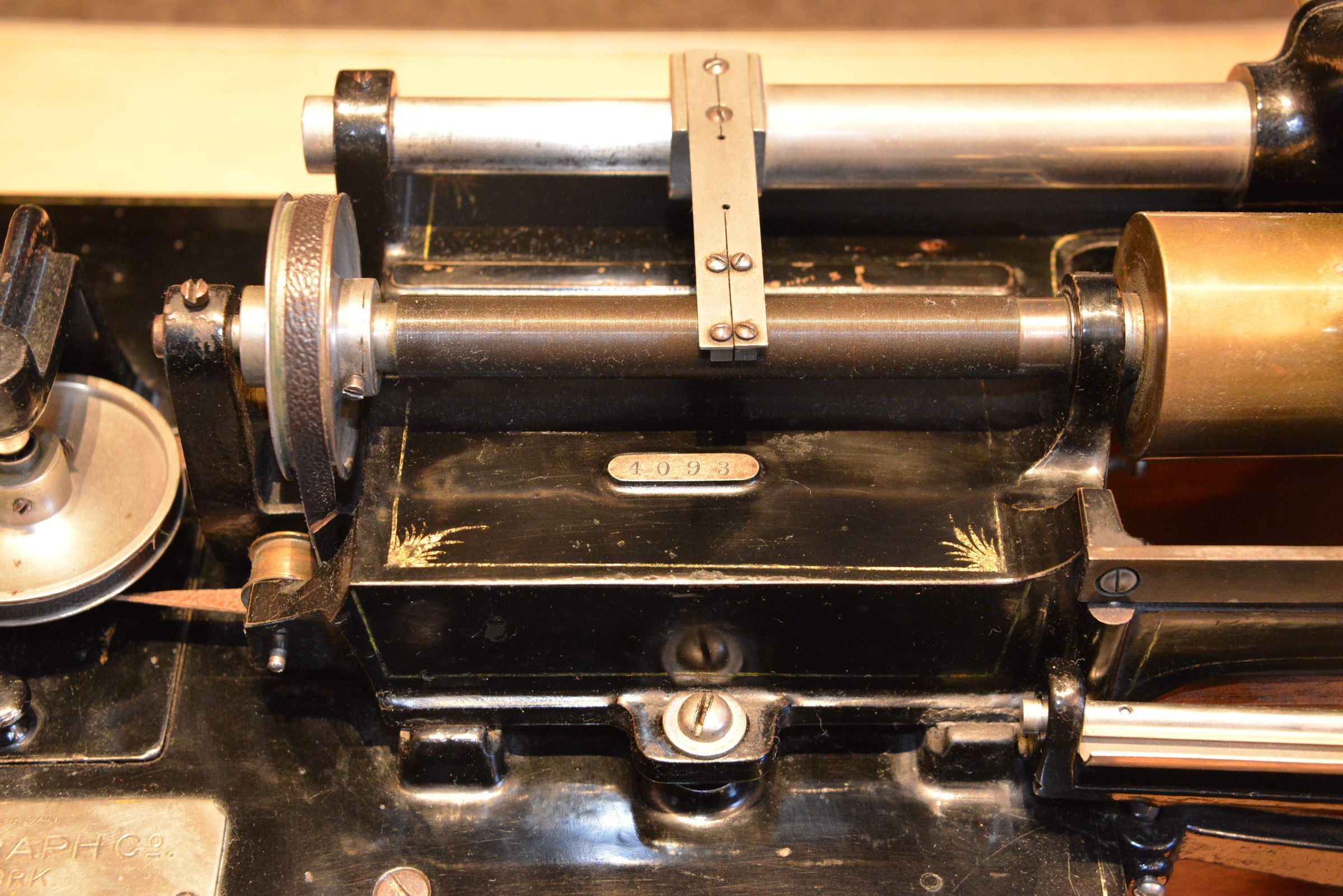
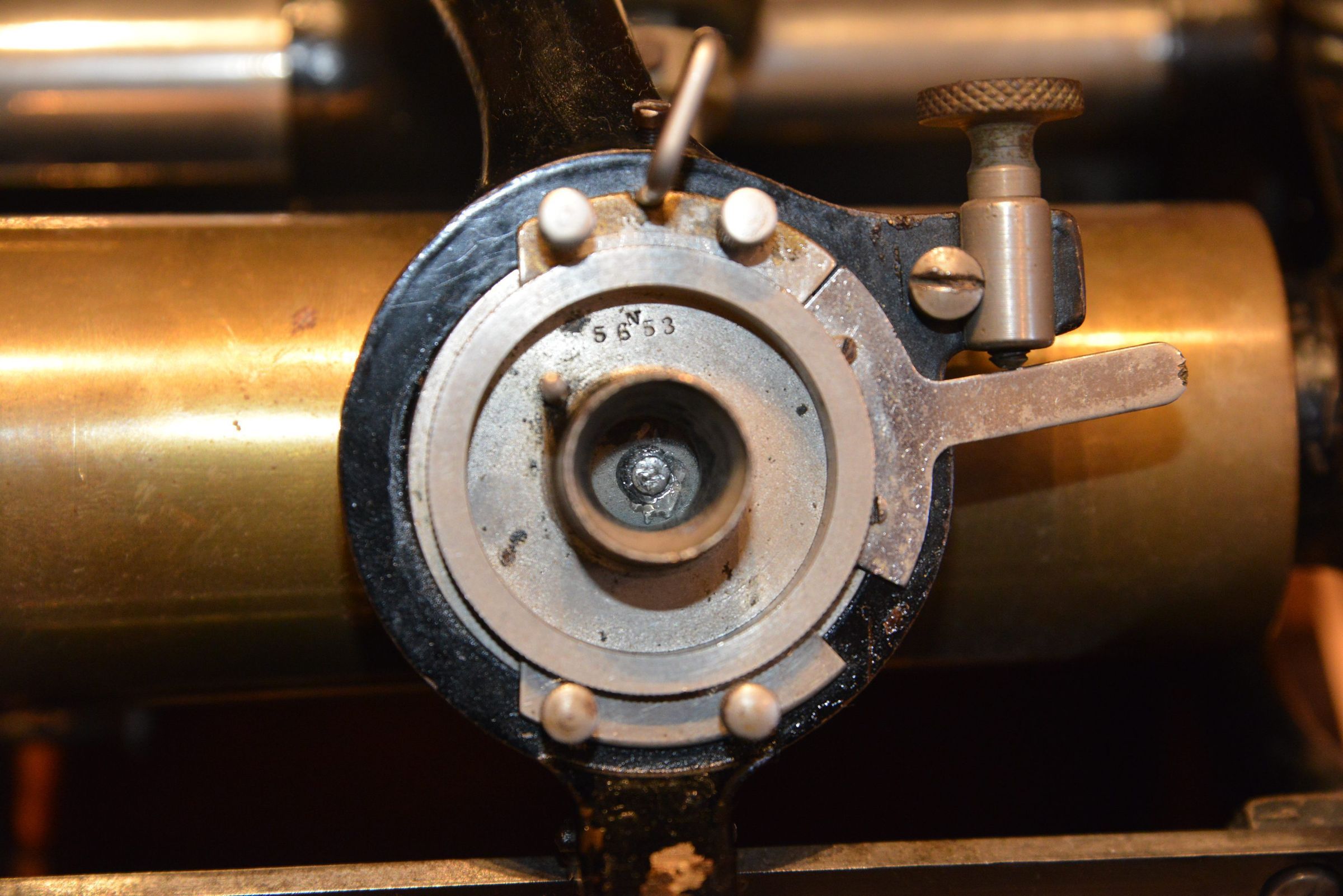
The machine features a solid iron bedplate, a precision screw feed, a heavy brass mandrel, and a robust recording/playback carriage. It played standard-size wax cylinders. Standard equipment included both a recorder and reproducer, and often a built-in shaving mechanism—allowing a single cylinder to be reused up to 30 times.
Retailing at $225, the Class M was prohibitively expensive for most, considering that average monthly wages were around $40. As a result, only relatively few machines were ever sold outright.
Distribution and Rarity
Production of the Class M ceased around 1890. Slightly modified versions continued to be sold into the early 20th century under names like “Victor” and “Conqueror.” Nevertheless, surviving examples are few. Today, the Class M is considered one of the most coveted Edison phonographs, with many preserved in museum and high-end private collections.
The unit exhibited here at the Edisonium is a completely original, unrestored example in working condition, showcasing the full engineering design as it left the factory. It stands as one of the rarest early electric phonographs ever produced—a genuine artifact from the dawn of commercial sound recording.