Name/Title
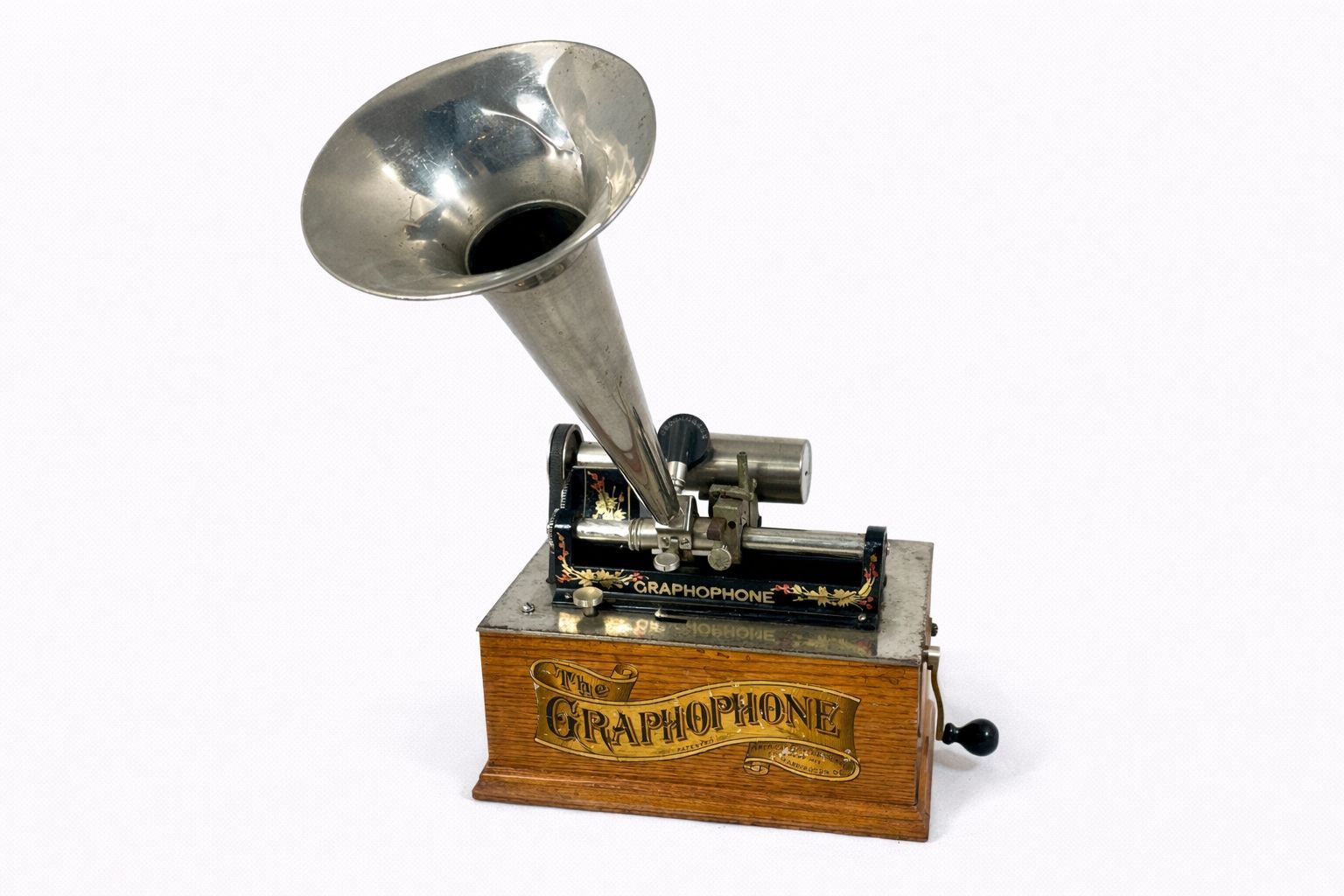
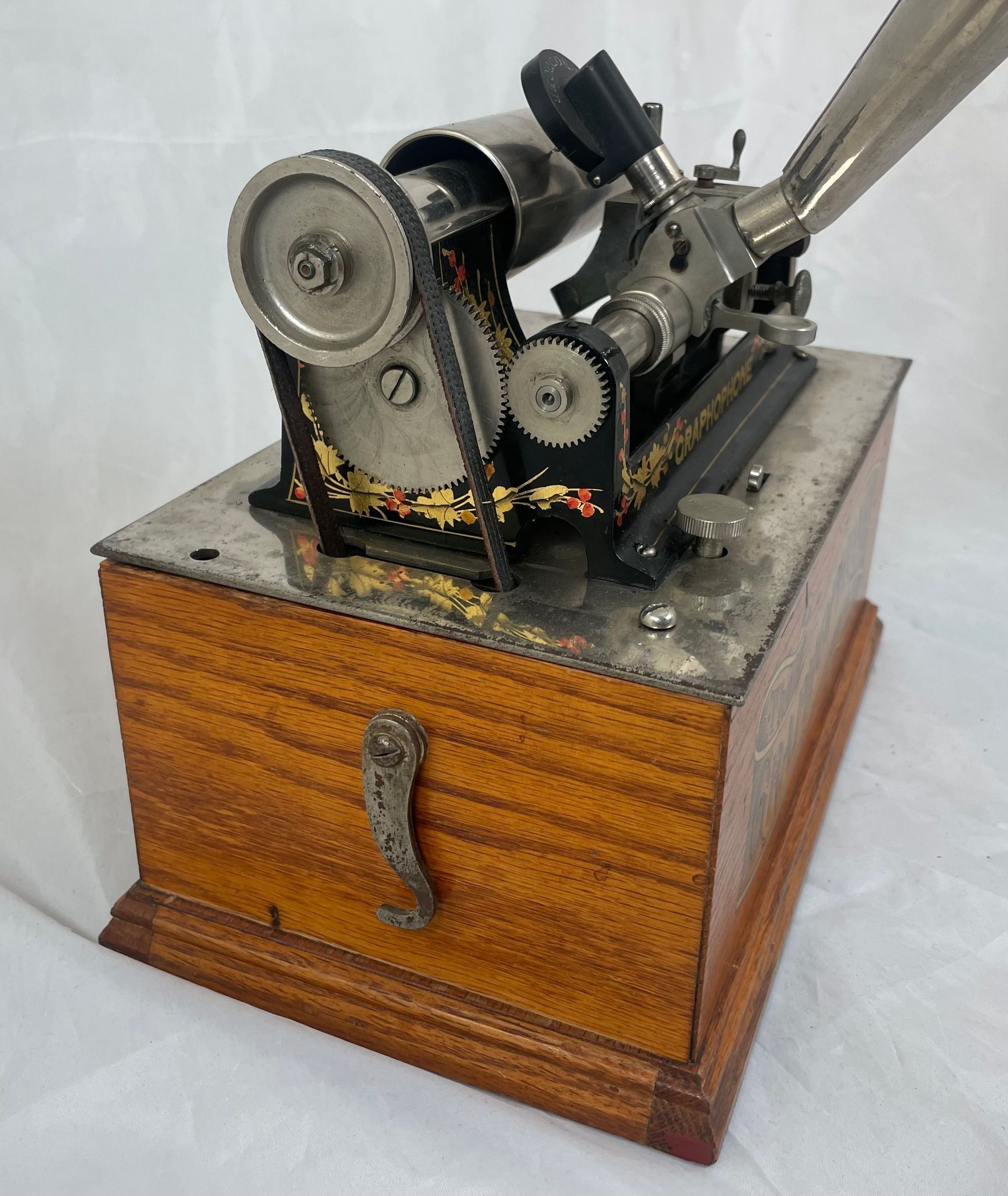
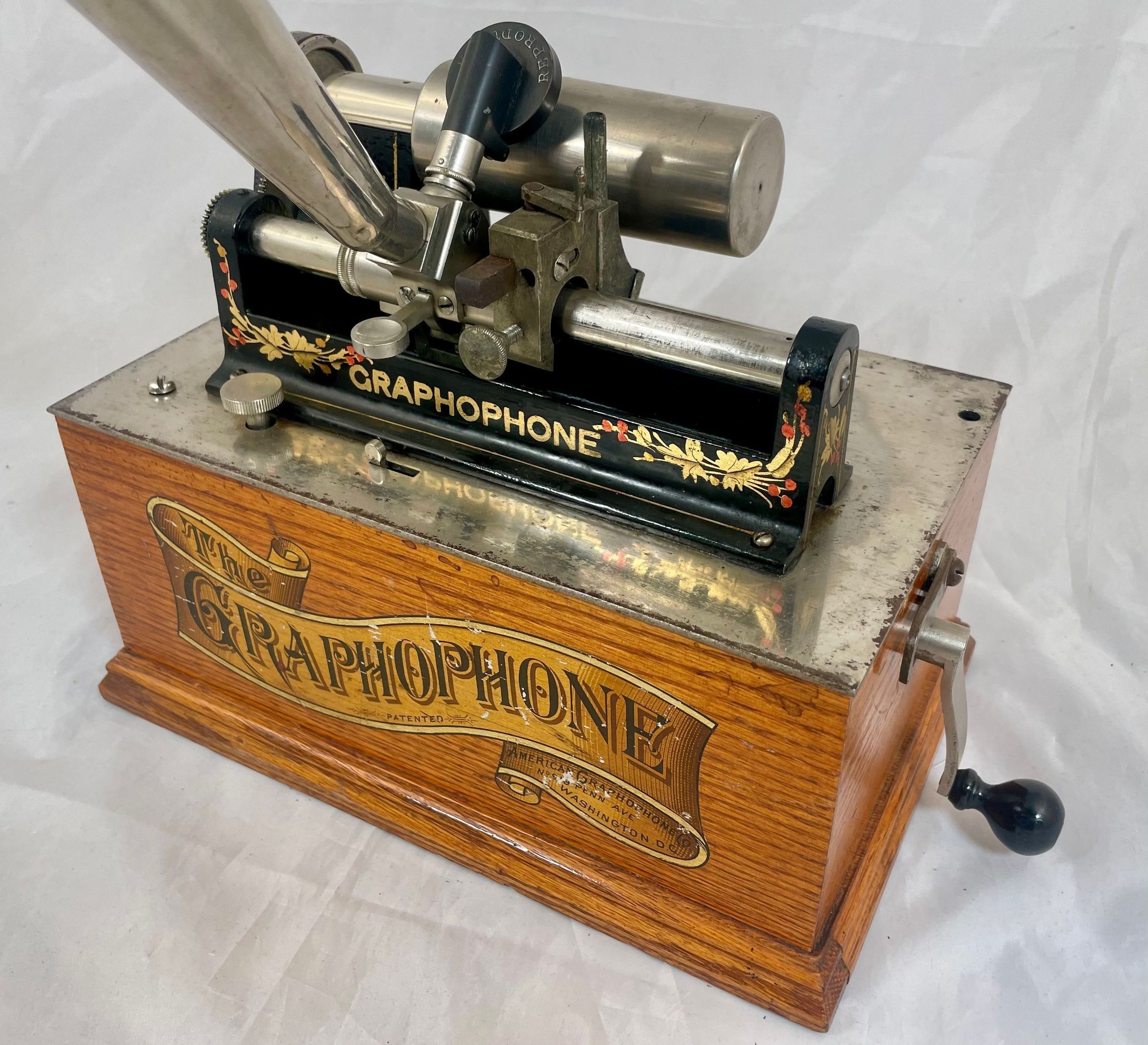
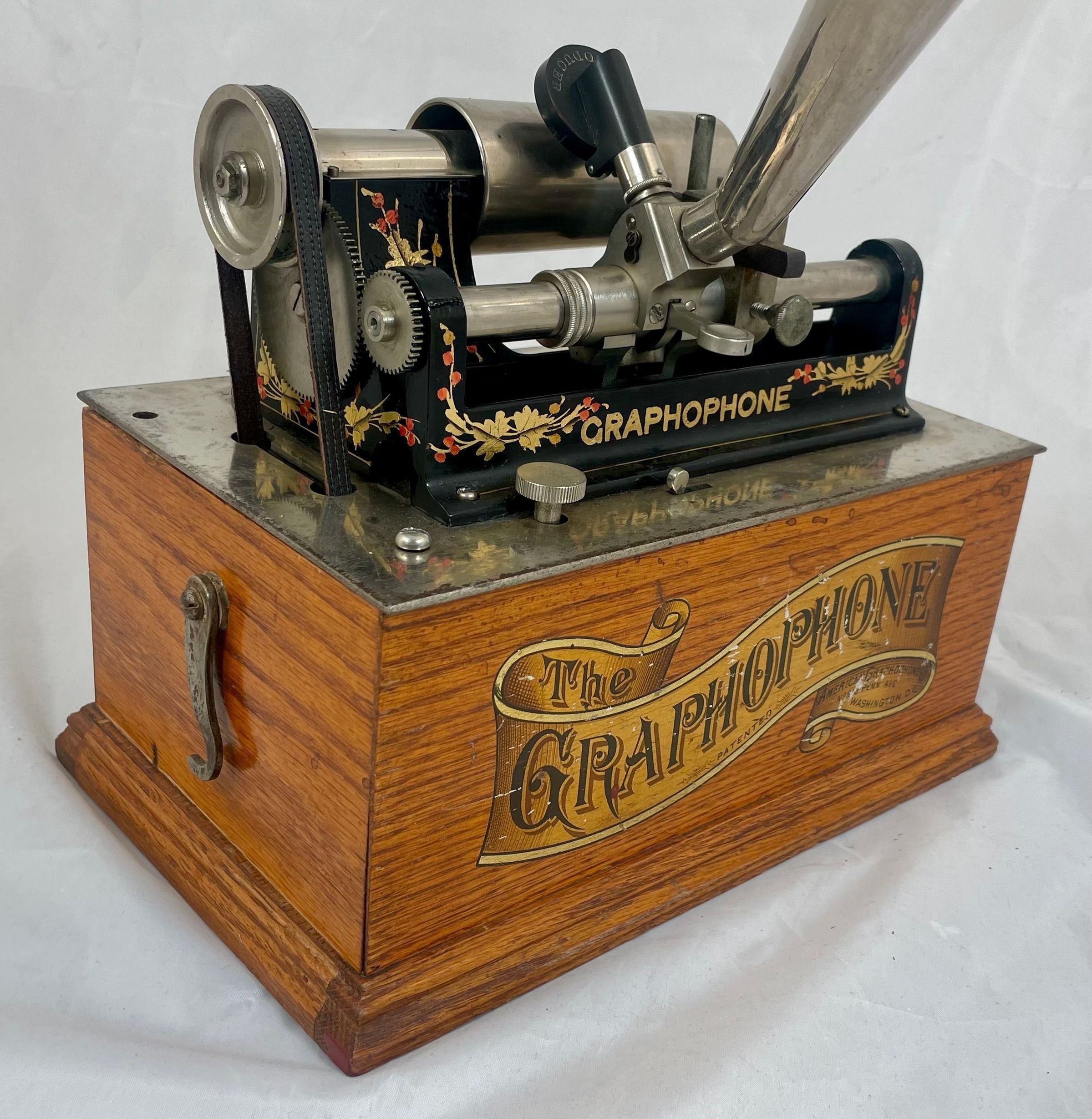
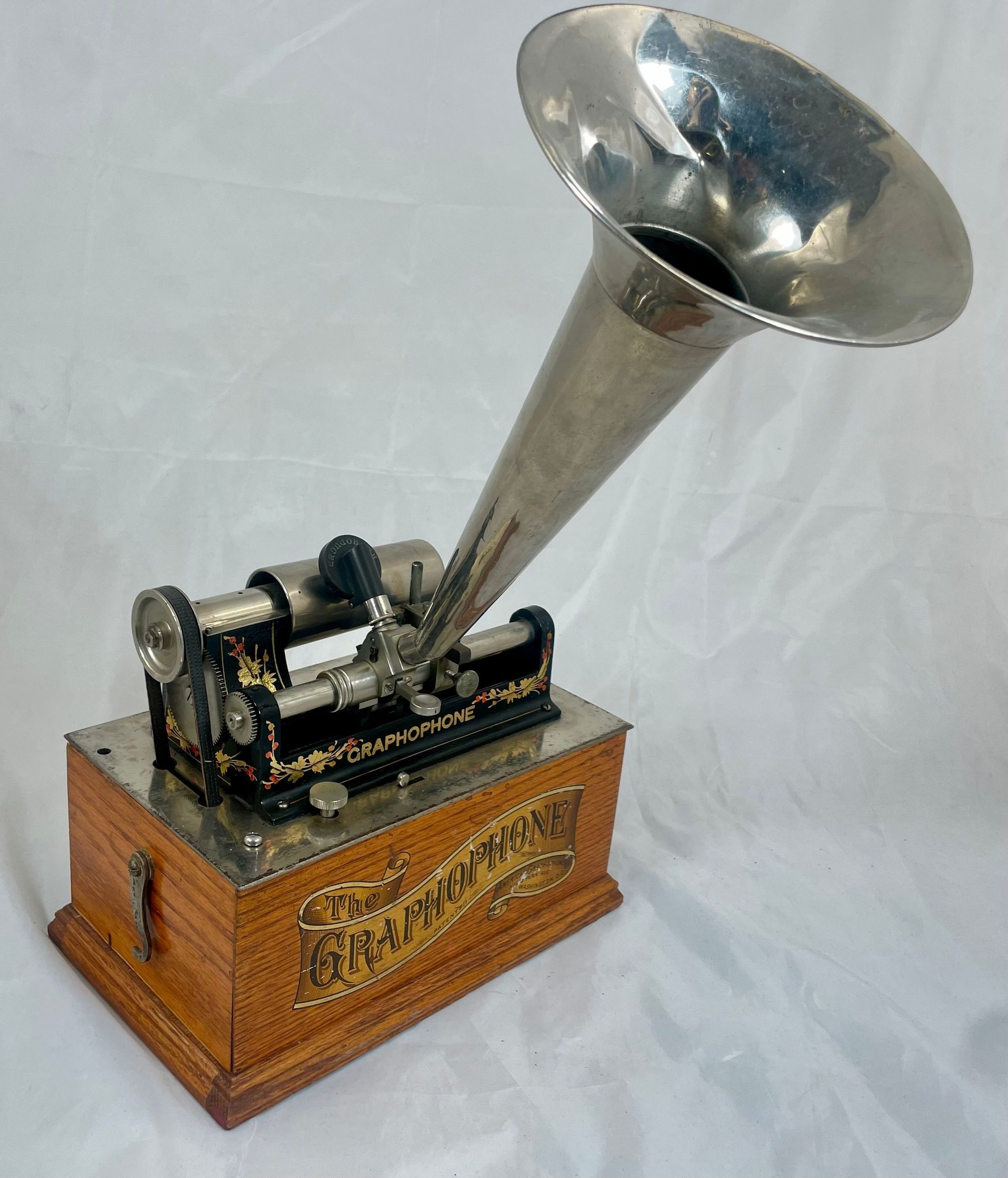
Columbia Graphophone Model A – “Washington” ModelEntry/Object ID
240Description
Columbia Phonograph Company, USA
Model introduced: 1897 | Retail price: 25 US dollars
Serial number: 53,655
Historical Background
The Columbia Graphophone Model A, commonly known as the “Washington” model, ranks among the earliest mass-produced phonographs intended for the private market. Introduced in 1897, it marked a decisive turning point: for the first time, a technically mature Graphophone was deliberately offered at a popular price of 25 US dollars.
This made recorded sound accessible beyond laboratories, offices, and public demonstrations, turning the phonograph into an affordable household device for private users, schools, and small institutions.
What Came Before the Model A?
Before the introduction of the Model A, Columbia already produced several Graphophone types, but these were positioned very differently:
Graphophone Baby / Baby G
One of Columbia’s earliest compact table models of the early 1890s. While it was already aimed at private users, it remained mechanically simpler, quieter, and closer in character to a demonstration or novelty device.
Graphophone Type N
A larger and more technically sophisticated machine, primarily intended for office dictation and institutional use. It was significantly more expensive and not designed as a mass-market product.
Graphophone Type AN
A refined successor to the Type N, featuring mechanical improvements and a more elaborate cabinet. Like the Type N, it was aimed mainly at professional and institutional customers, not at the general consumer market.
These earlier machines were produced in comparatively small numbers, were costly, and addressed specialized users rather than the general public.
The Model A as a Turning Point
The Graphophone Model A differed fundamentally from its predecessors:
designed from the outset for serial production
deliberately targeted at the private consumer market
offered at a clearly defined standard price of 25 dollars
mechanically robust, yet simpler than the large office machines
As a result, the Model A became Columbia’s first truly successful mass-market Graphophone and a blueprint for many later home phonographs.
The “Washington, D.C.” Decal
The example shown here bears the traditional “Washington, D.C.” decal. This decal is not a dating feature, but a reference to the origins of Graphophone technology at the Volta Laboratory.
Columbia had used this designation since the early 1890s on various models, including Baby and early table Graphophones, to emphasize the scientific heritage of the invention. As administration and production gradually shifted to New York, “New York” decals were introduced. Both decal types existed in parallel for a period, making them unsuitable as precise dating tools.
Origins of the Graphophone
Graphophone technology was developed in the 1880s at the Volta Laboratory in Washington, D.C., by:
Alexander Graham Bell
Charles Sumner Tainter
Chichester Bell
Their work led to decisive improvements over Edison’s early phonographs, most notably the adoption of wax cylinders instead of tinfoil and a more refined recording and playback mechanism.
Columbia later acquired the rights to this technology and was the first to transform it into a commercially and industrially successful product line.
Significance
The Columbia Graphophone Model A represents the crucial transition from early, specialized sound-recording devices to the widespread private use of recorded speech and music. It combined the technical maturity of earlier office and demonstration machines with an unprecedented focus on affordability and mass distribution.
As such, the Model A marks the true beginning of the mass market for phonographs and a key step toward the modern media world.