Name/Title
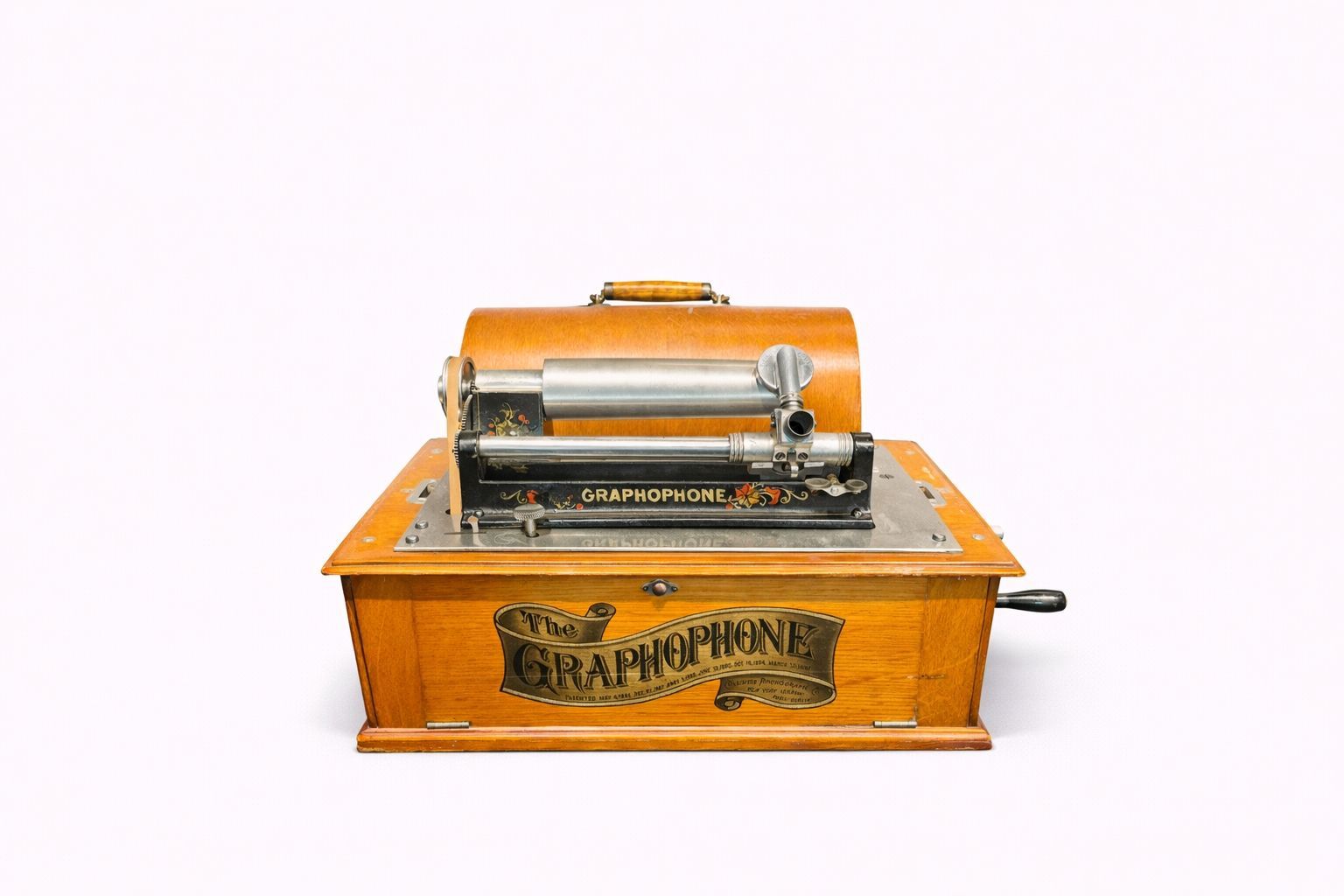
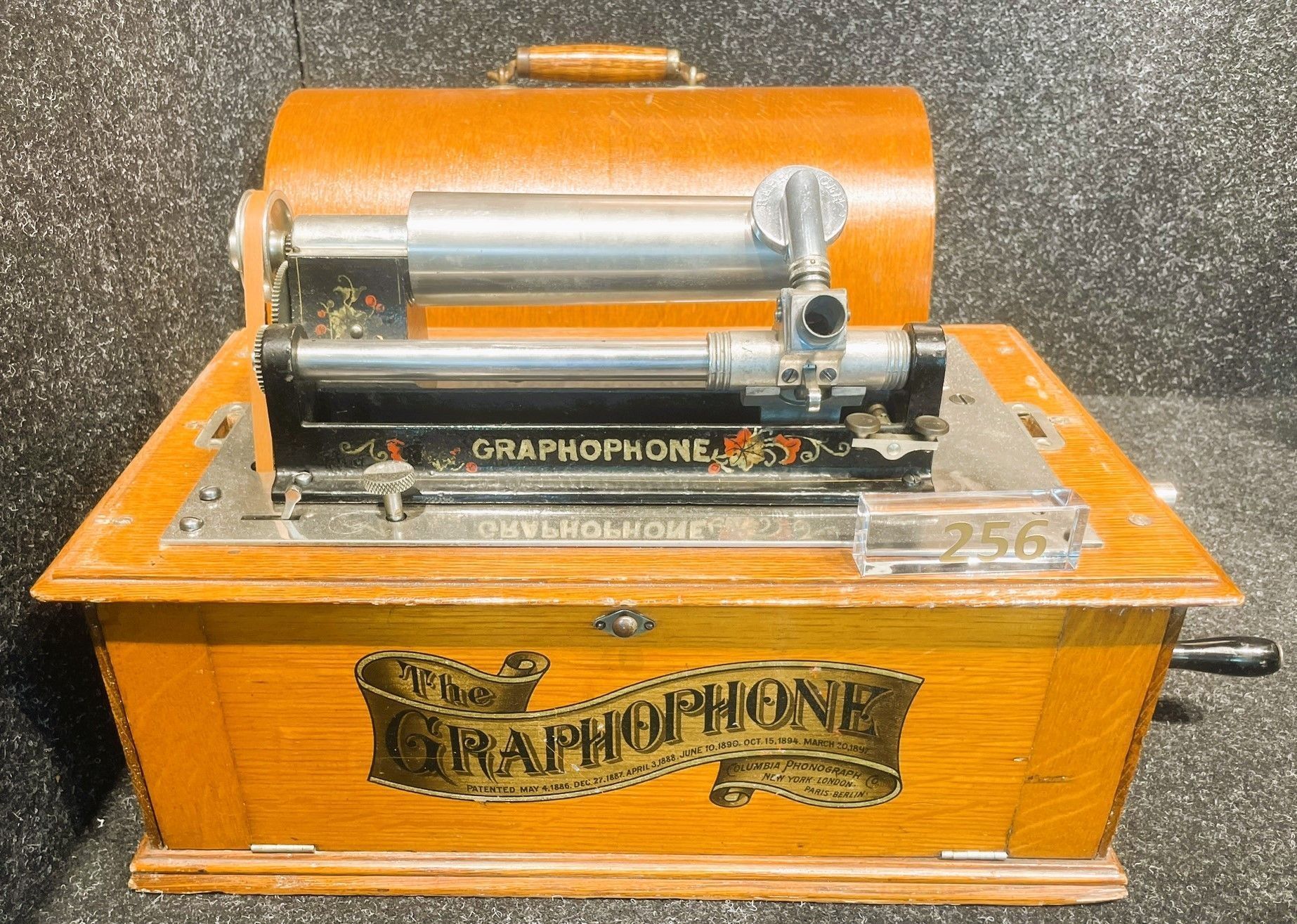
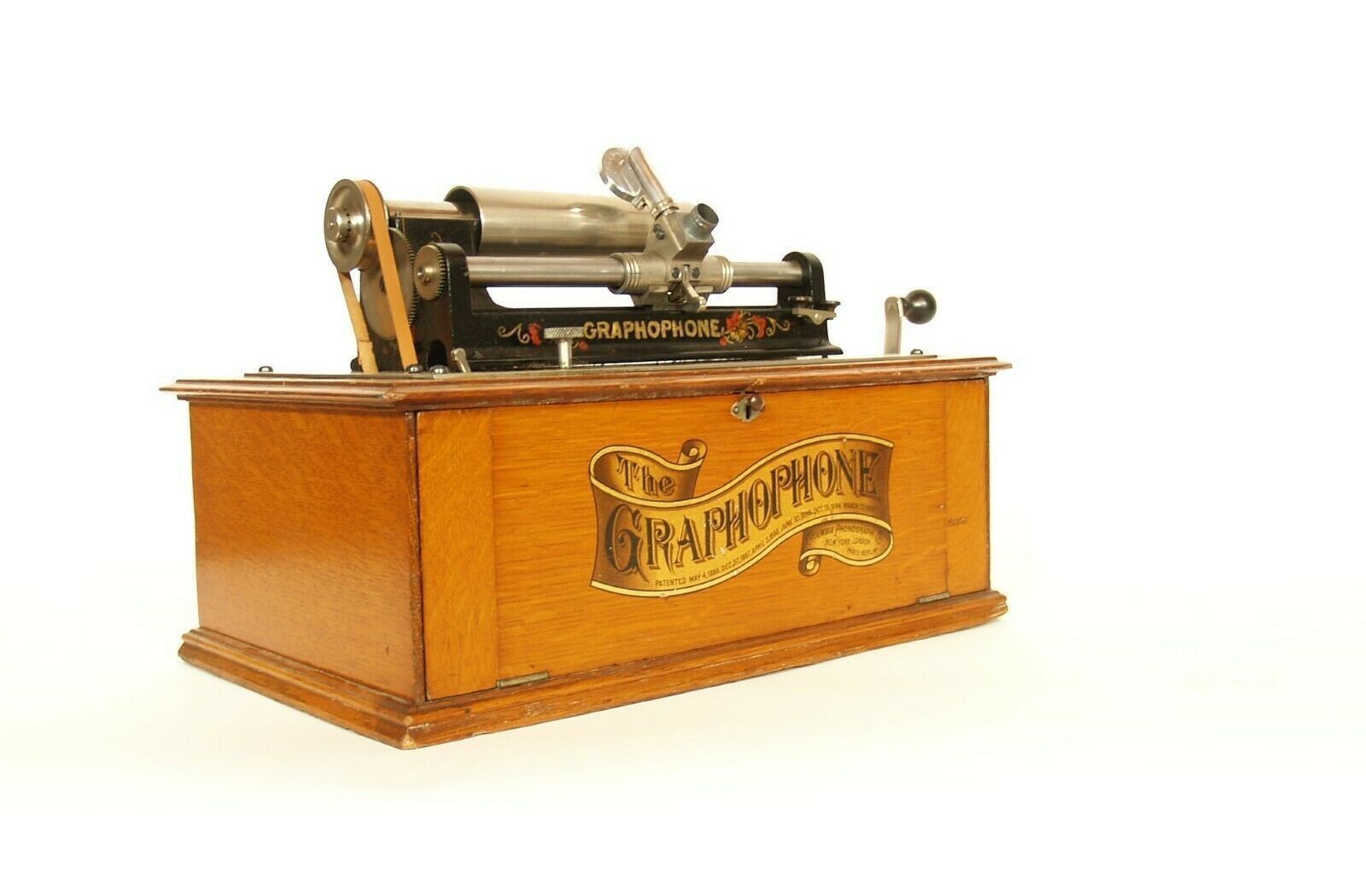
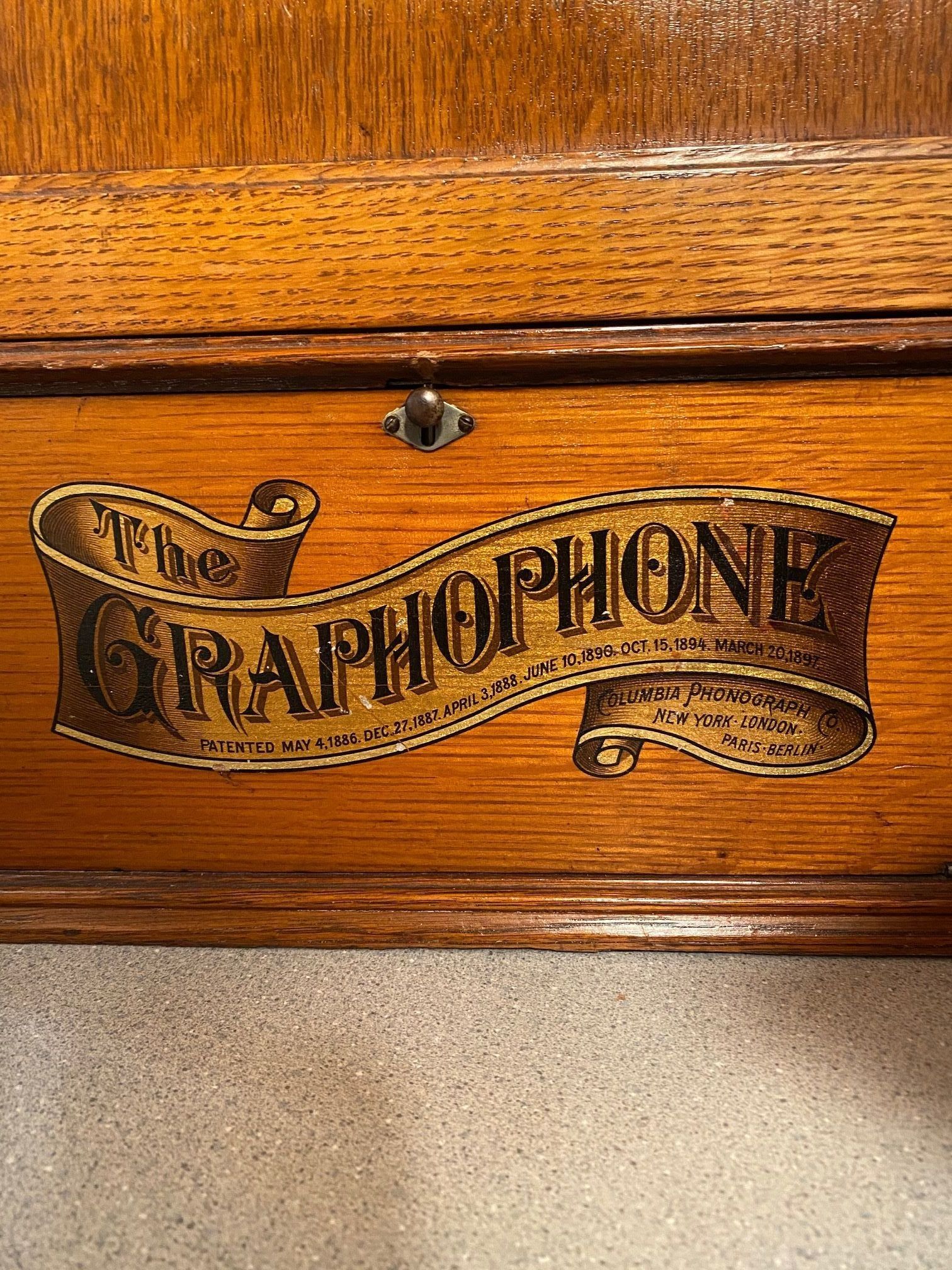
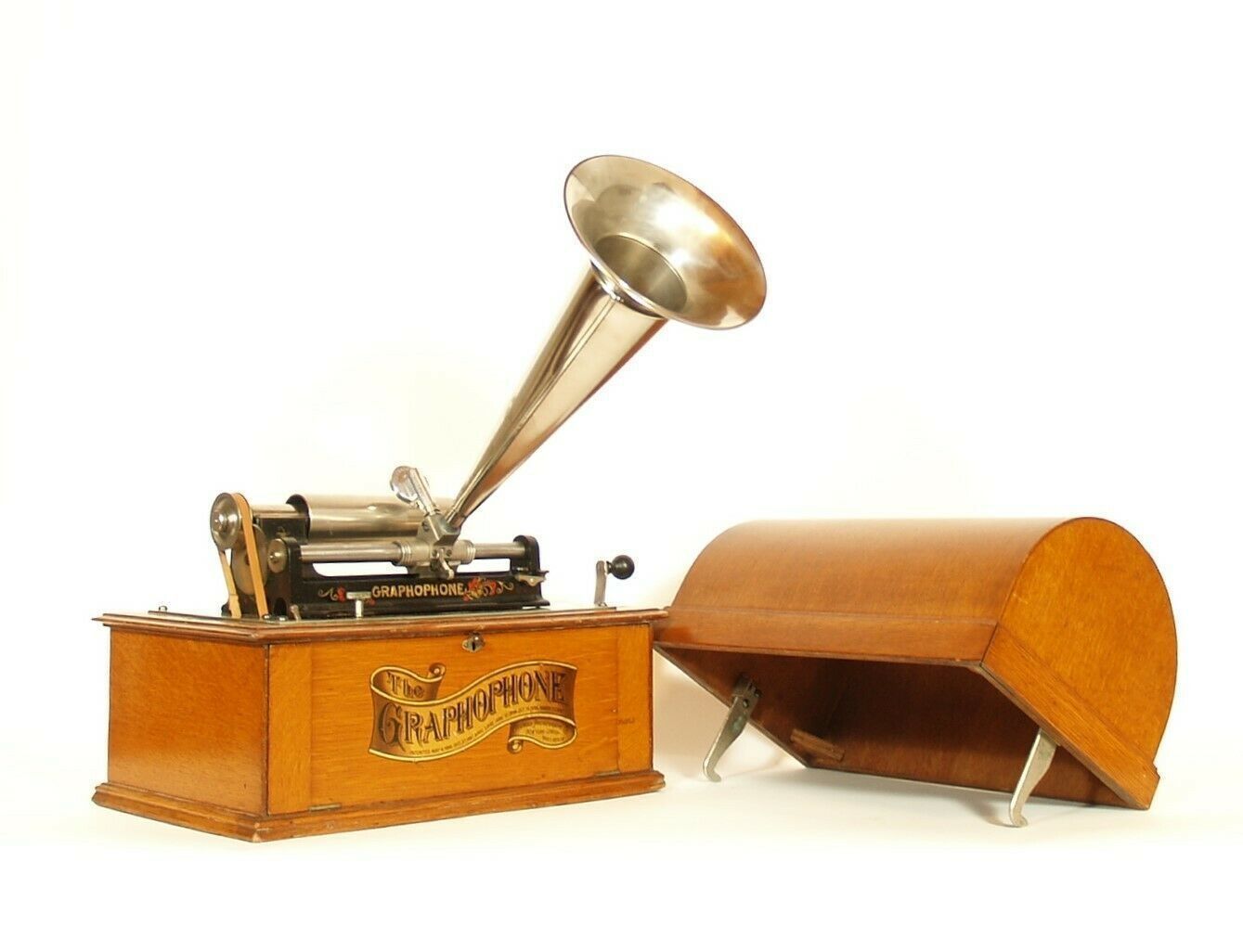
Graphophone Type C – First StyleEntry/Object ID
256Description
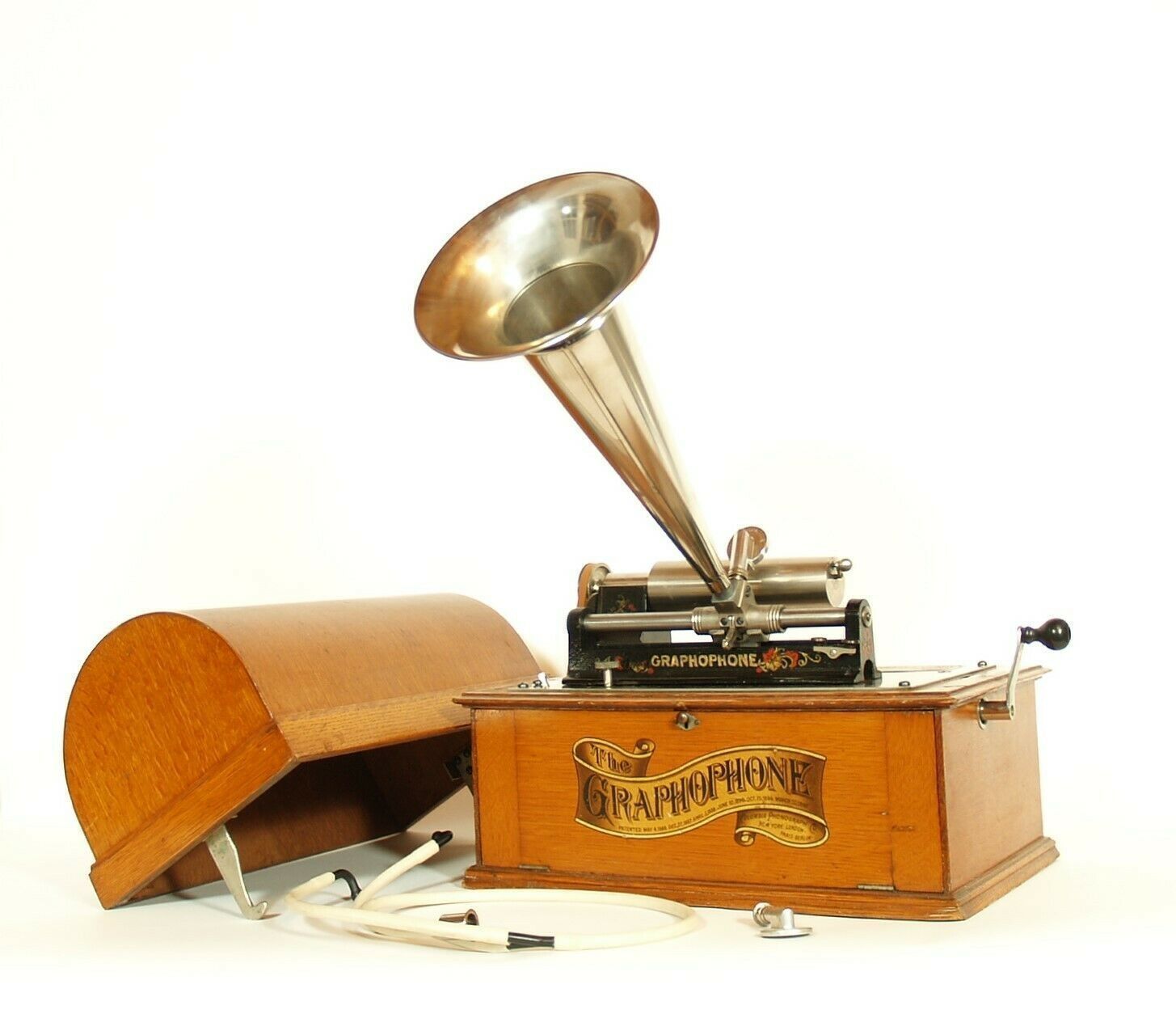
American Graphophone Company, Bridgeport, Connecticut – ca. 1896–1898
Serial No. 503836
Early high-performance machine with extended mandrel and 60-minute runtime
Historical Background
The Graphophone Type C was one of the first high-performance tabletop machines designed for professional use. It marked the transition from early dictation devices to the more versatile home and business sound machines of the Columbia era. Developed in the laboratories of the American Graphophone Company, it became the flagship model for offices, hotels, and recording studios starting around 1896.
Technical Features
This early version ("First Style") is characterized by several distinctive features:
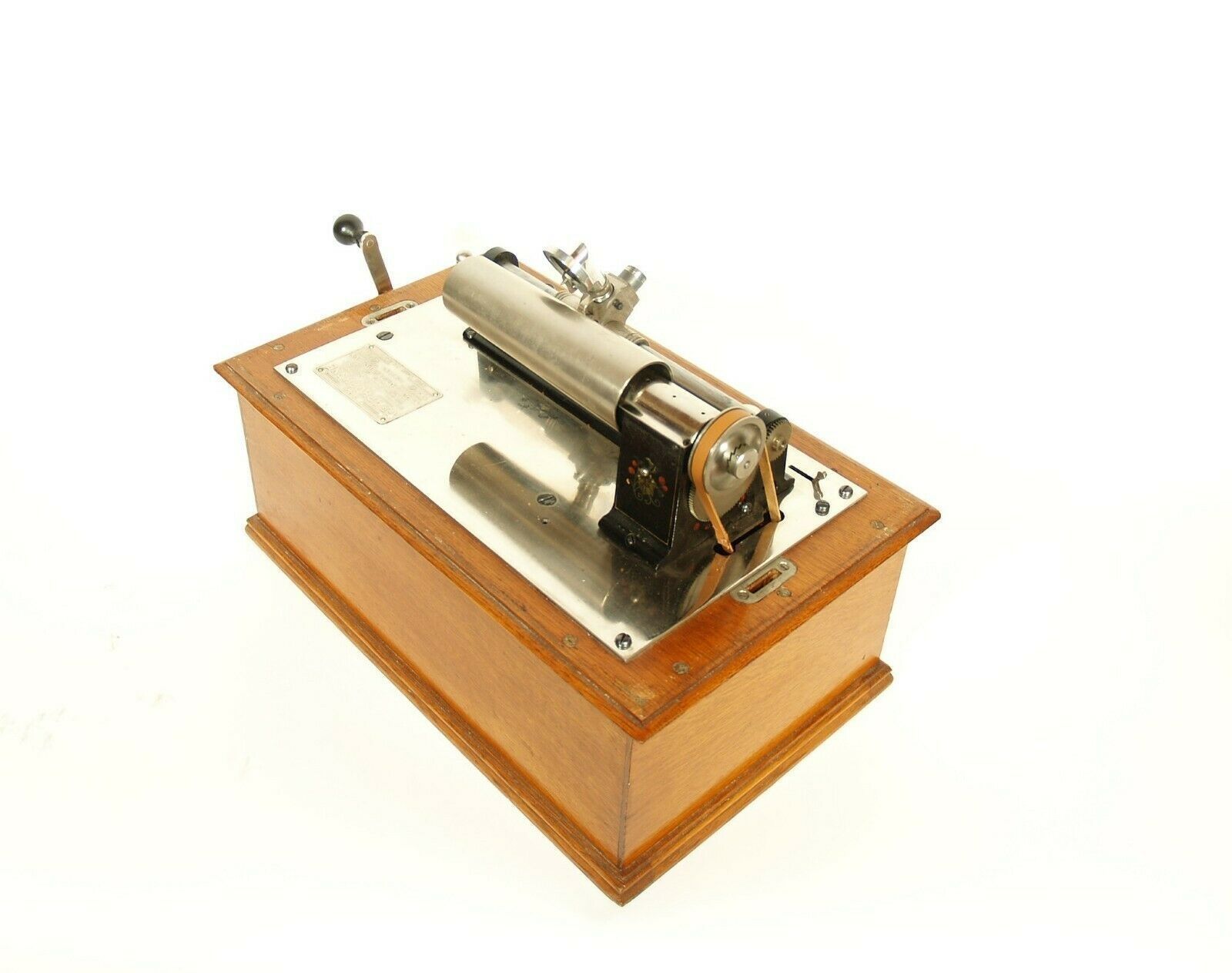
Extended Mandrel: The special “Type C” cylinder could be played on a 6-inch-long mandrel. These extended wax cylinders allowed for significantly longer recording times compared to standard cylinders. Depending on groove density, theoretical playtime could reach up to 4 minutes—notably more than the standard 2-minute cylinders.
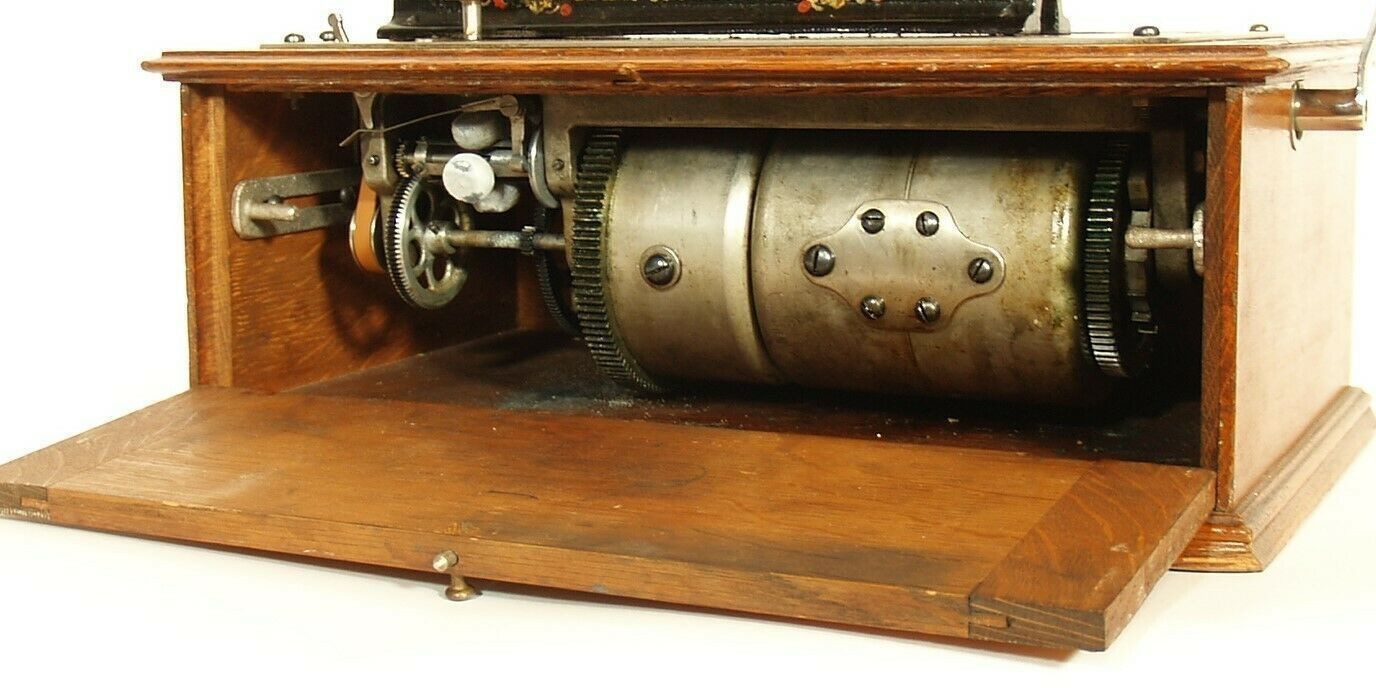
Powerful Spring Motor: The robust 3-spring drive provided exceptionally long runtime per winding (according to contemporary promotional materials, up to 60 minutes). This allowed uninterrupted operation for lectures, language courses, or musical performances.
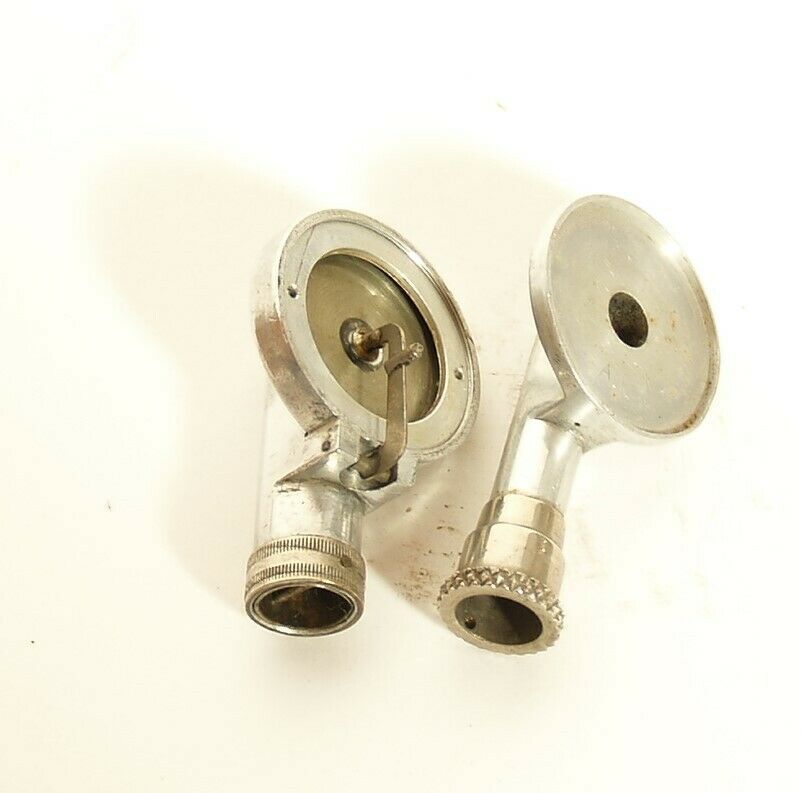
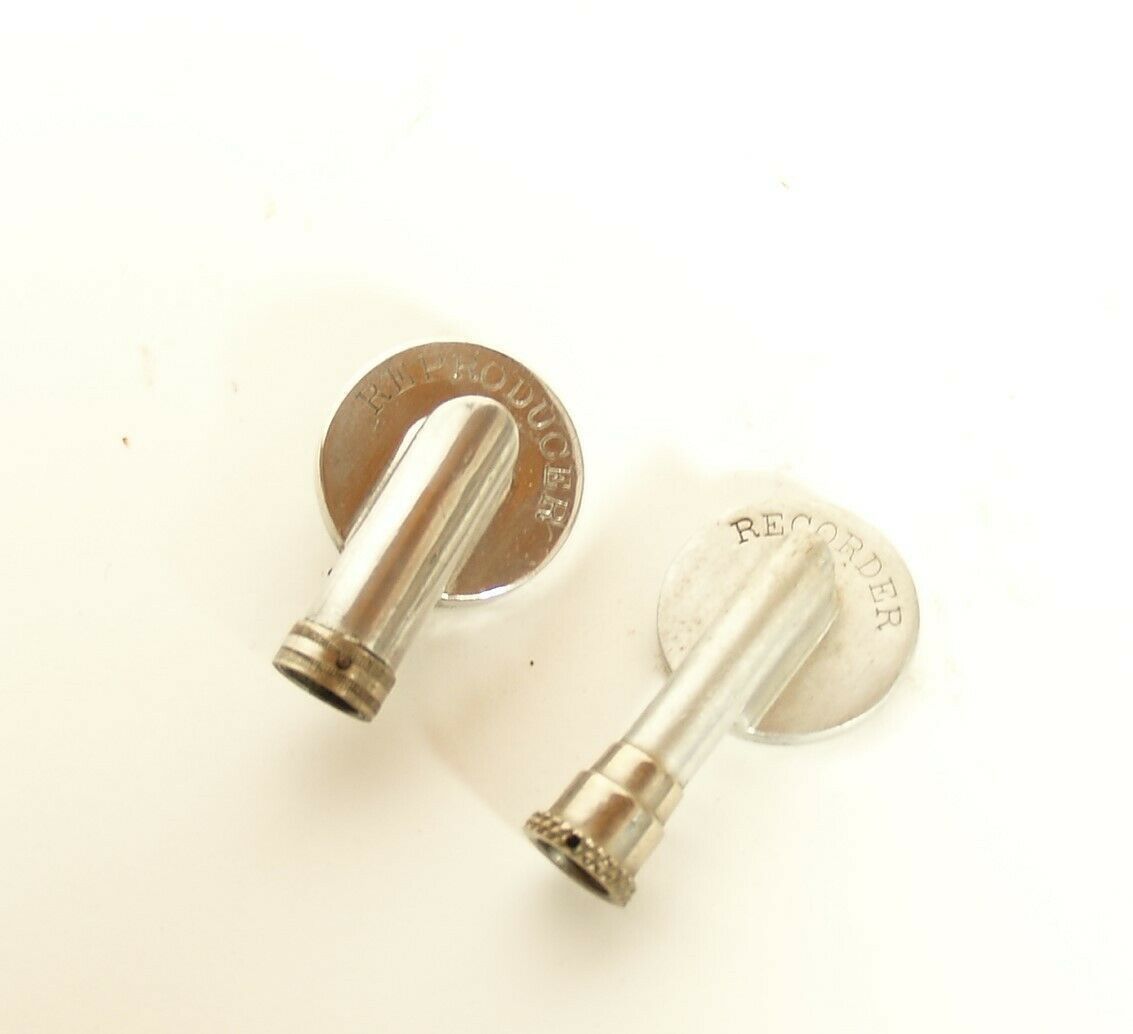
Reproducer & Recorder: Separate soundboxes for recording and playback, with an optional shaving attachment for reusing wax cylinders.
Cabinet: Oak wood housing with the typical Columbia finish and a front access panel for motor maintenance.
Three-Spring Motor: Continuous operation up to one hour.
Rocker Mechanism: With two gutta-percha buttons to pause recordings.
Significance
The Graphophone Type C “First Style” is a remarkable example of the early professional phase of sound recording technology. It combined high capacity with mechanical precision and was used for business correspondence, medical dictation, speech recordings, and studio work.
Although technically ahead of its time, Columbia initially refrained from distributing pre-recorded 6-inch cylinders. Compatible wax cylinders were only introduced around 1905—too late to compete with the increasingly dominant disc record format. The market responded cautiously, and many "universal" models remained unsold.
Columbia marketed the machine specifically for commercial applications—in department stores, apothecaries, and trade exhibitions. The large spring motor, combined with the long mandrel and a selection of 6-inch cylinders, enabled continuous playback without frequent rewinding.
A 1898 catalog listed numerous business clients using the “Universal” in everyday commercial settings. Promotional materials stated:
“Will pay for itself quickly in the hands of an enterprising exhibitor.”
The example on display at Edisonium Mariazell is in outstanding original condition and documents the transition from experimental to production-ready sound technology at the close of the 19th century.