Name/Title
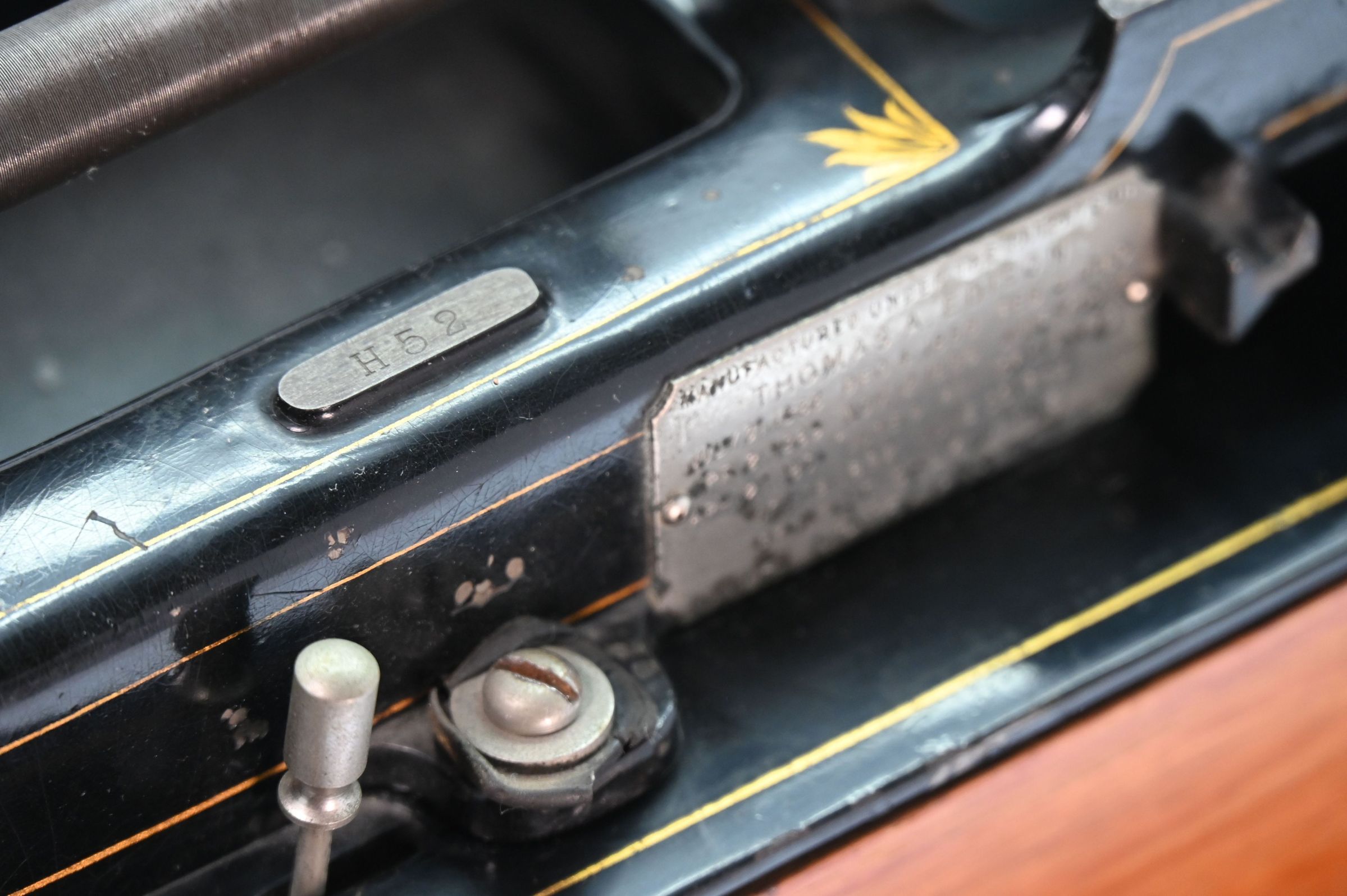
Edison Home Phonograph – Serial No. 52Entry/Object ID
115Description
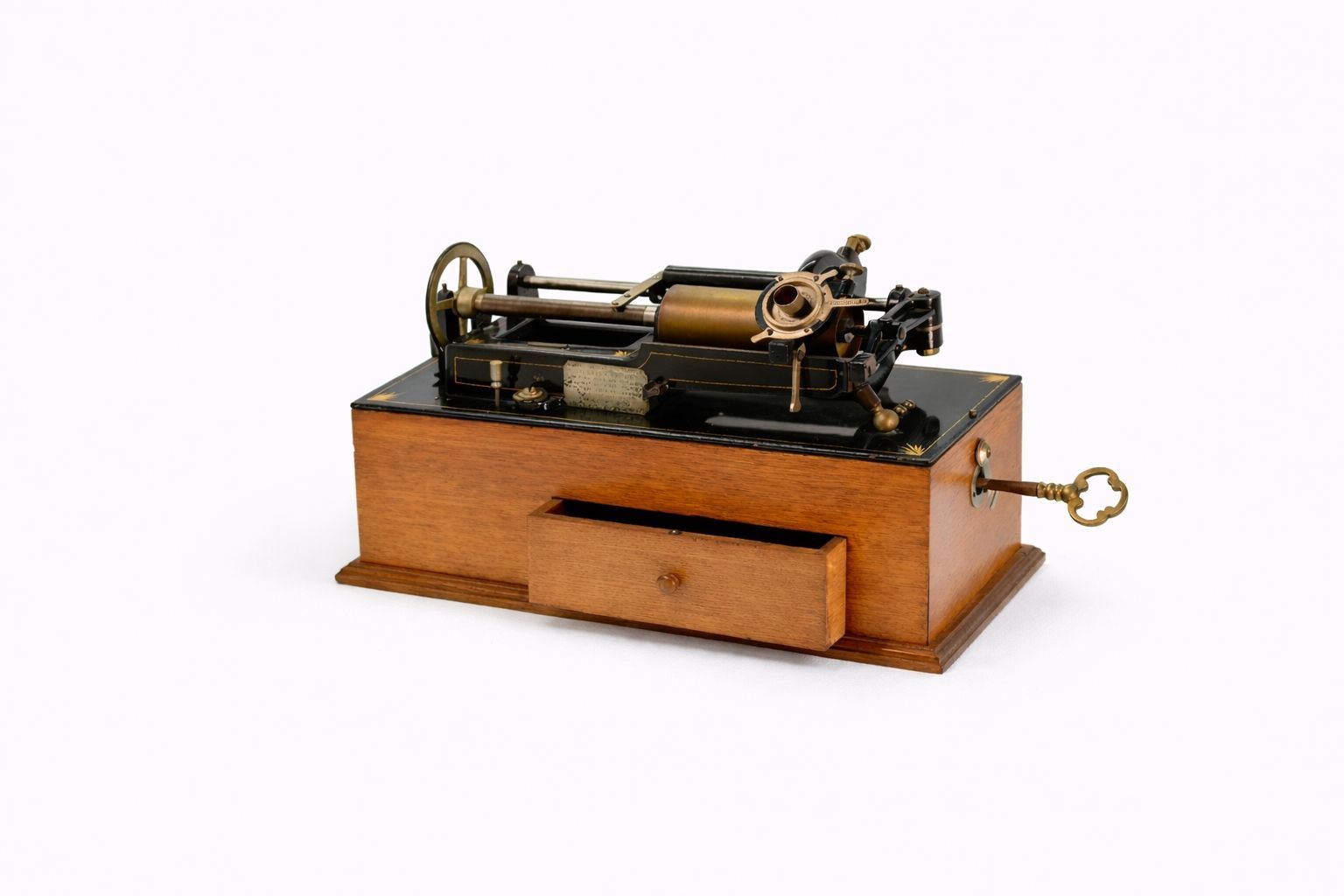
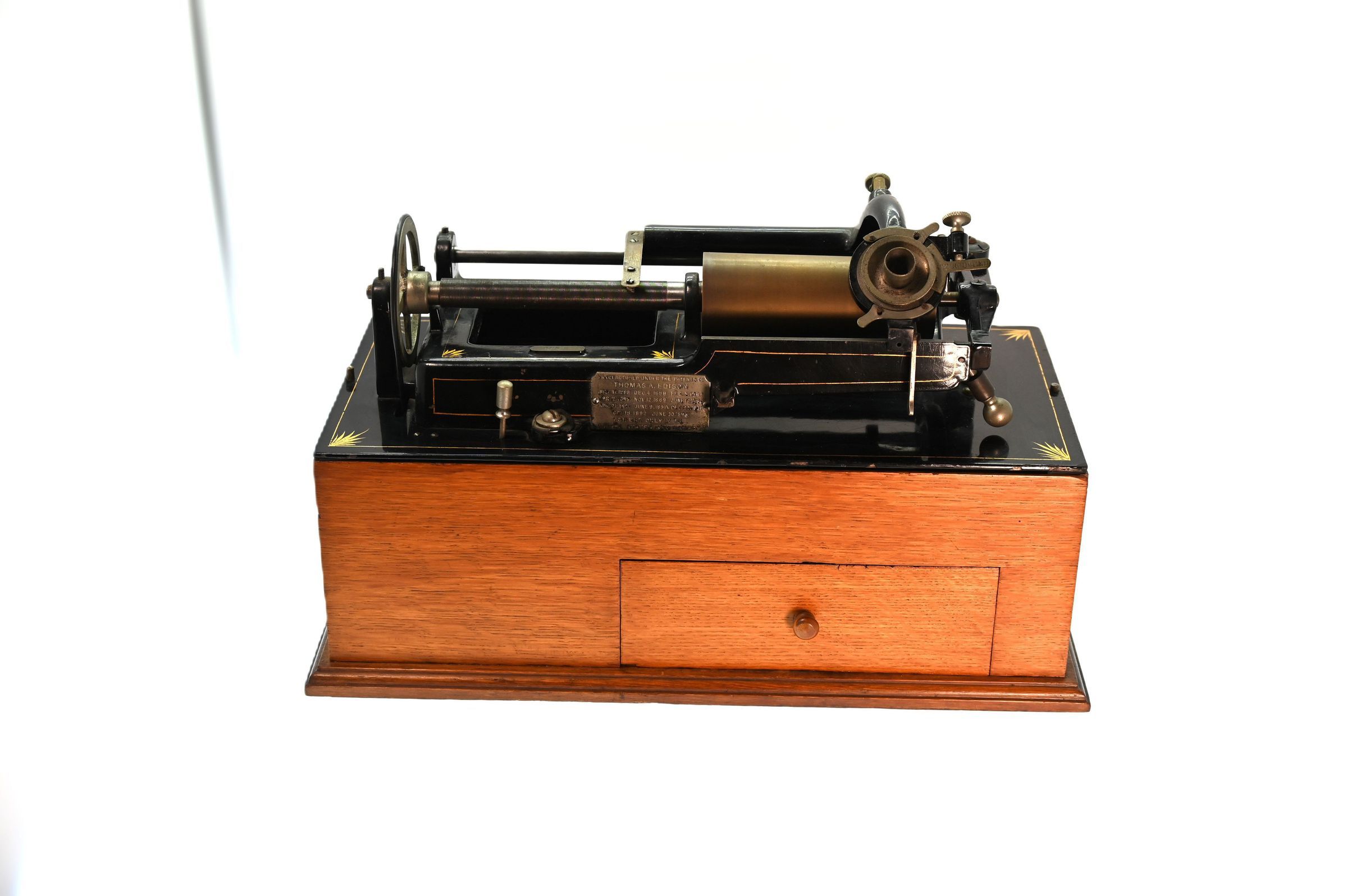
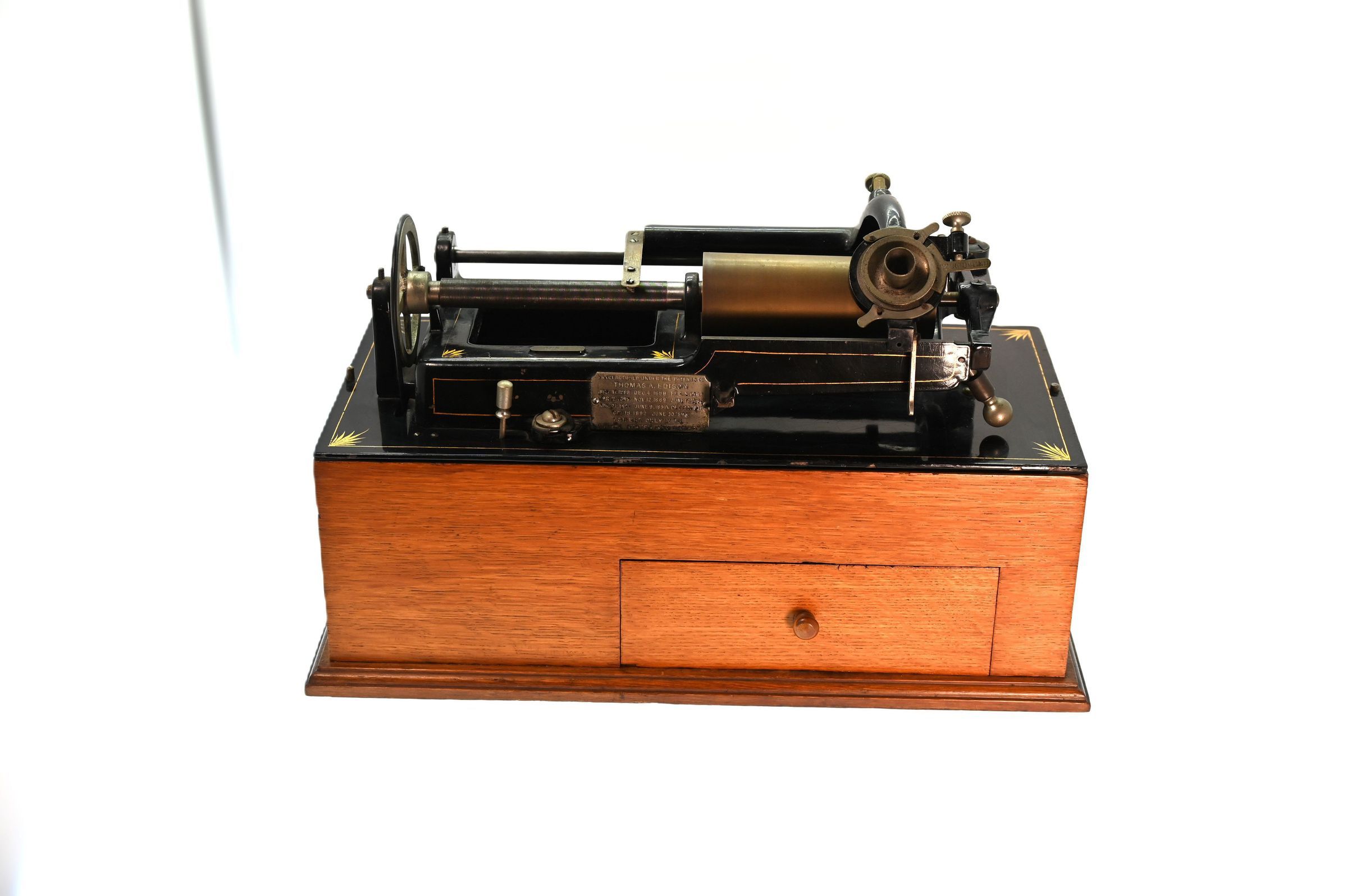
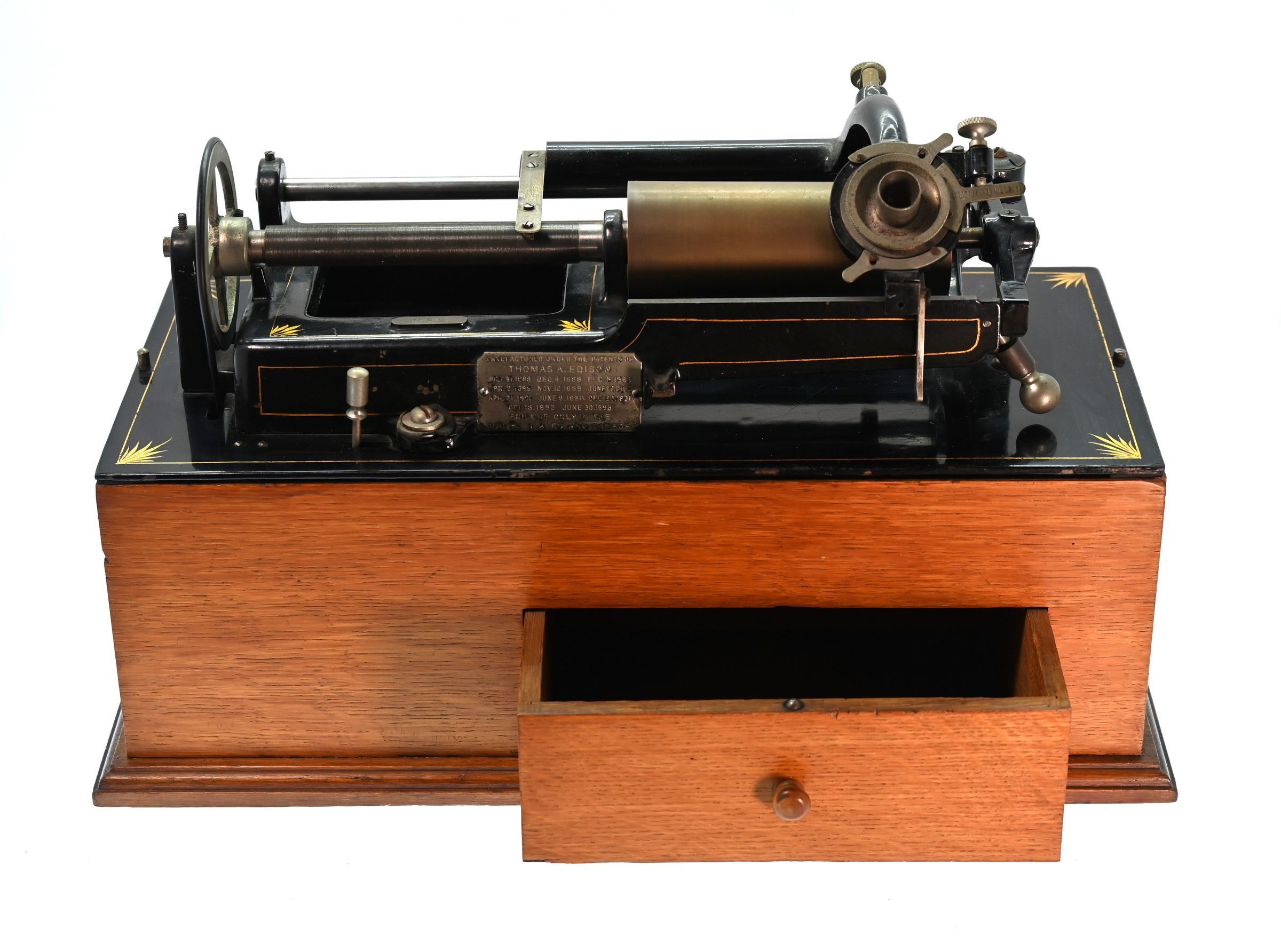
Edison Home Phonograph – Serial No. 52
Edison Phonograph Works, Orange, New Jersey, USA – October 1896
The earliest known Edison Home Phonograph worldwide – displayed at the Edisonium
A World-Class Rarity
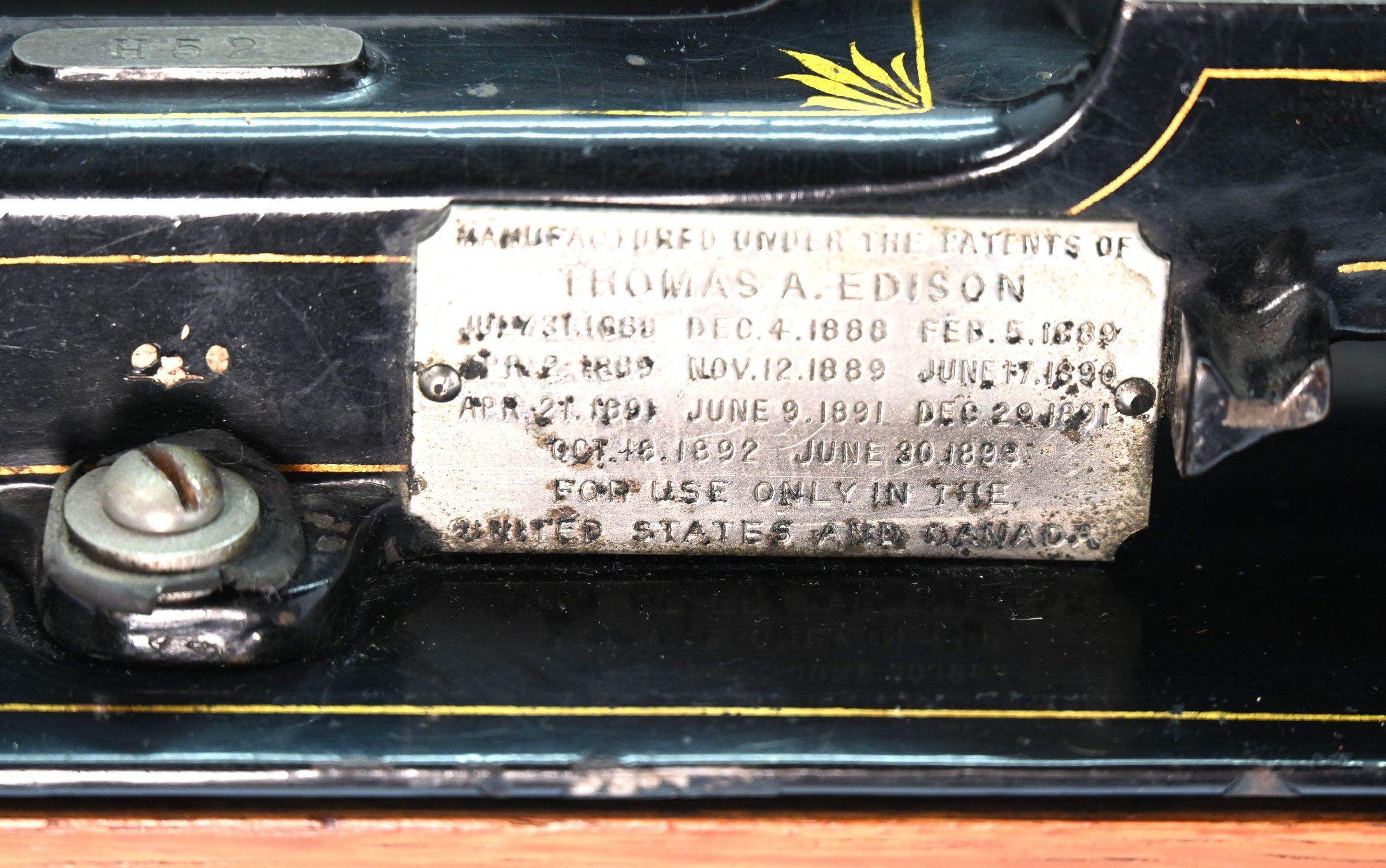
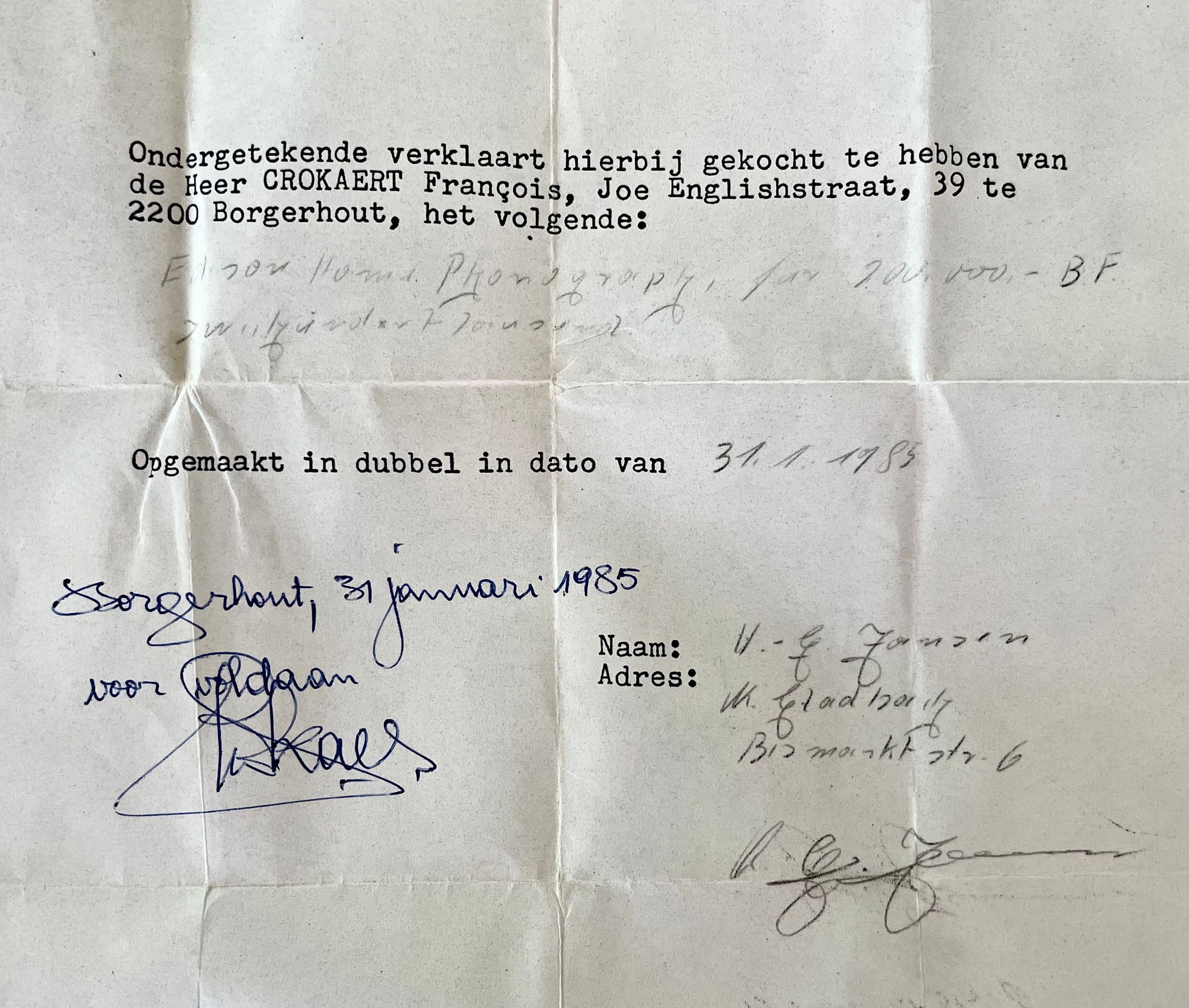
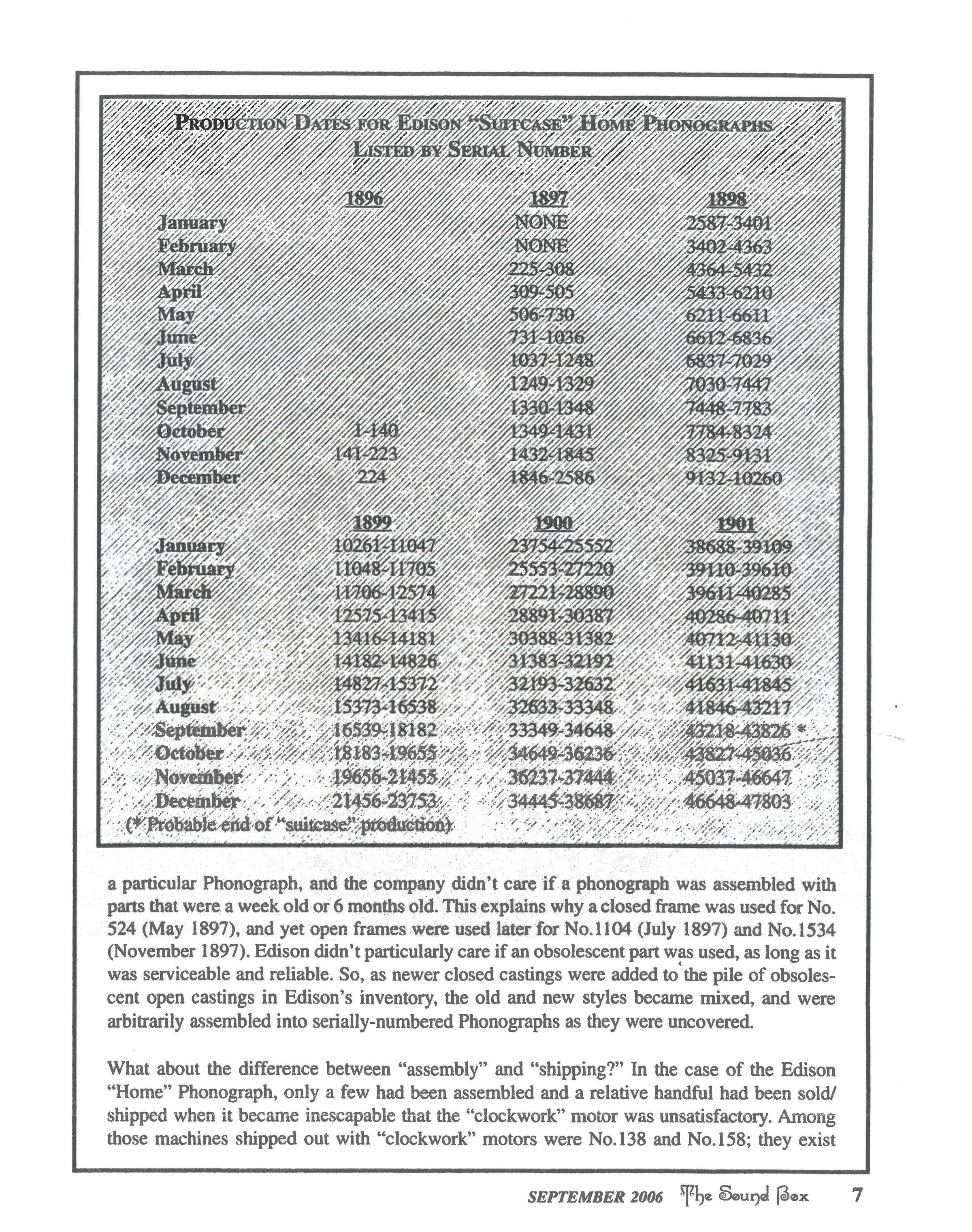
This instrument, bearing the extremely low serial number 52, originates from the very first production week of the Edison Home Phonograph in October 1896.
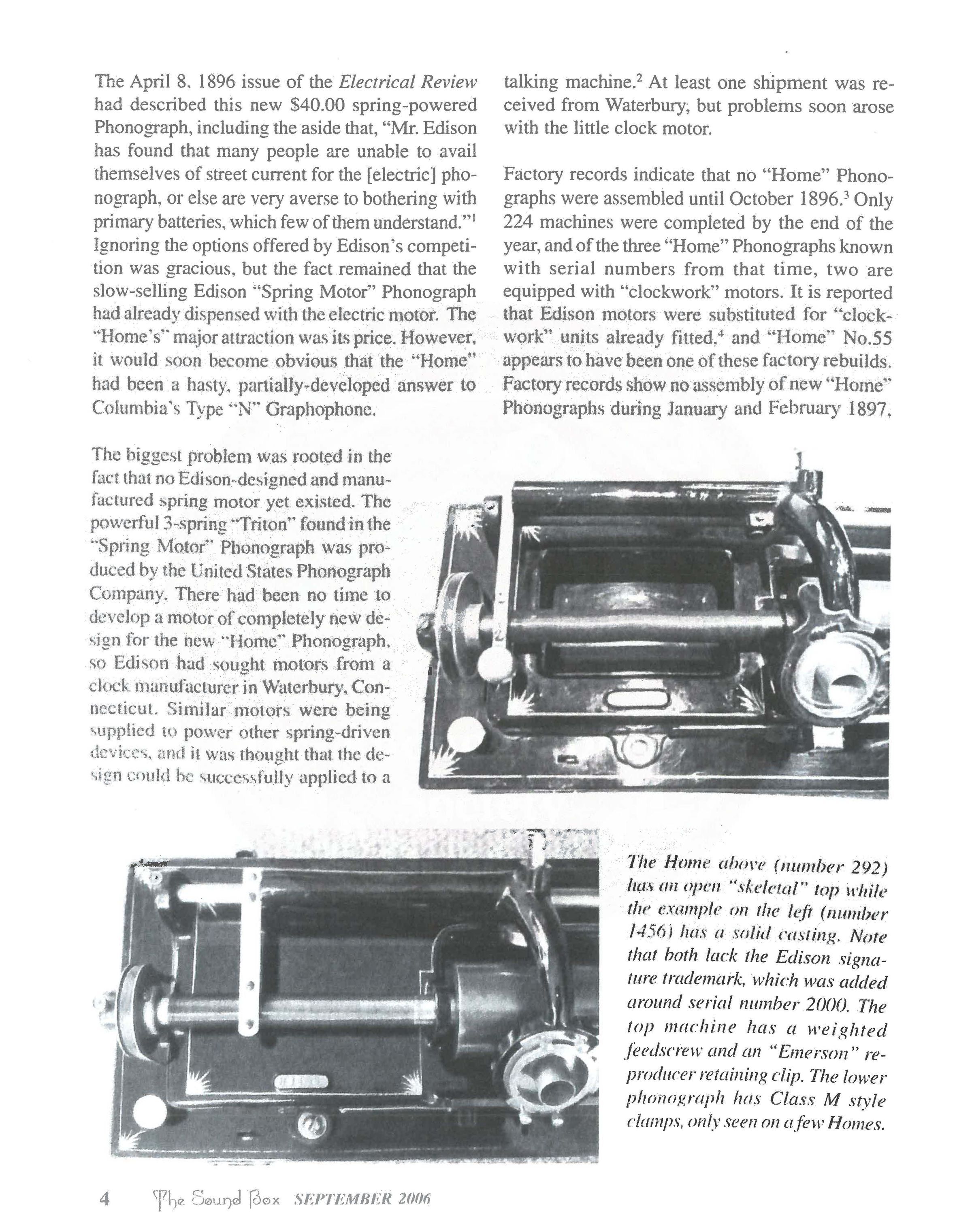
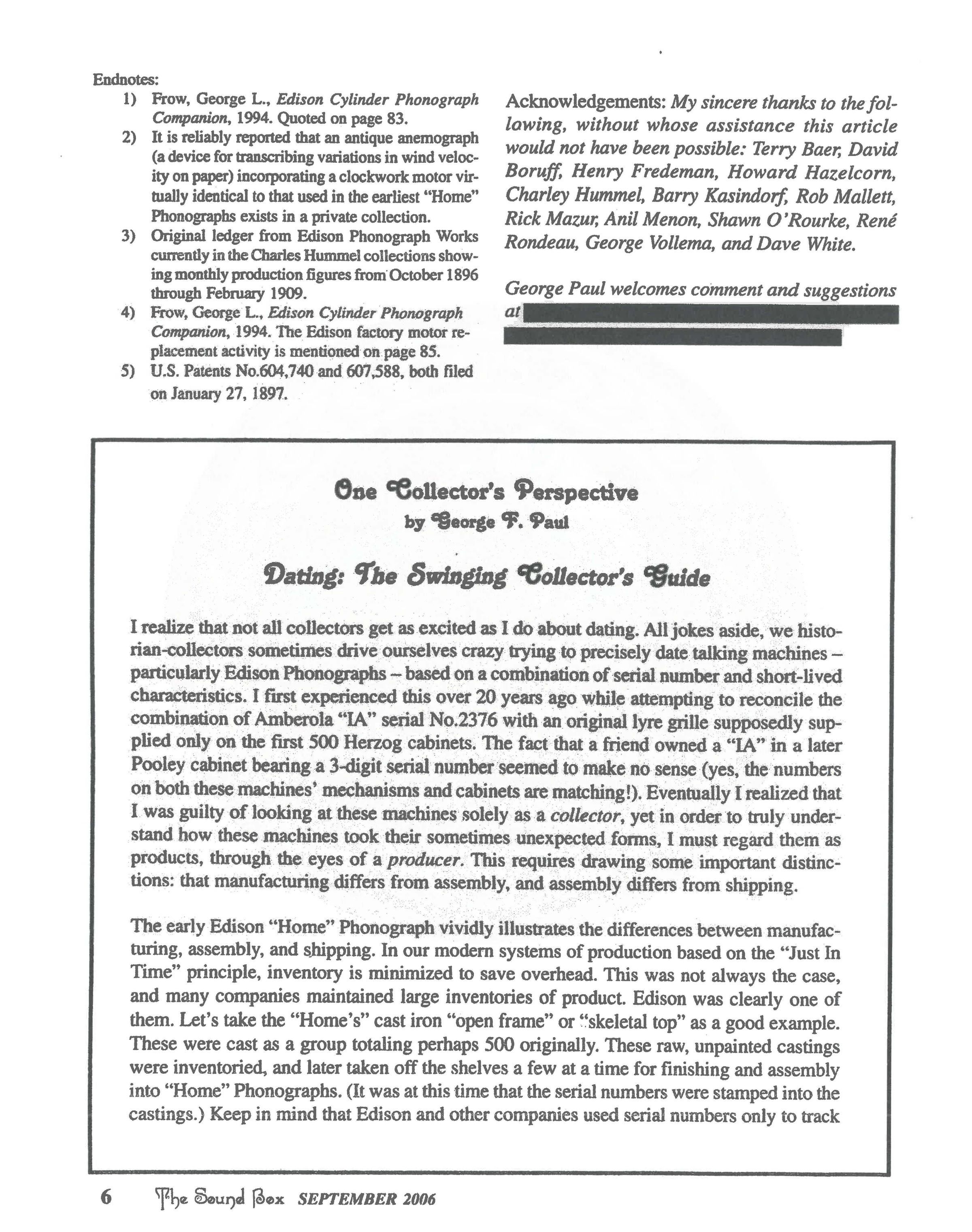
Factory records show that only 140 Homes were built that month, and just 224 in all of 1896.
No. 52 is therefore the earliest known surviving Home Phonograph anywhere in the world.
Early Features – and Weaknesses
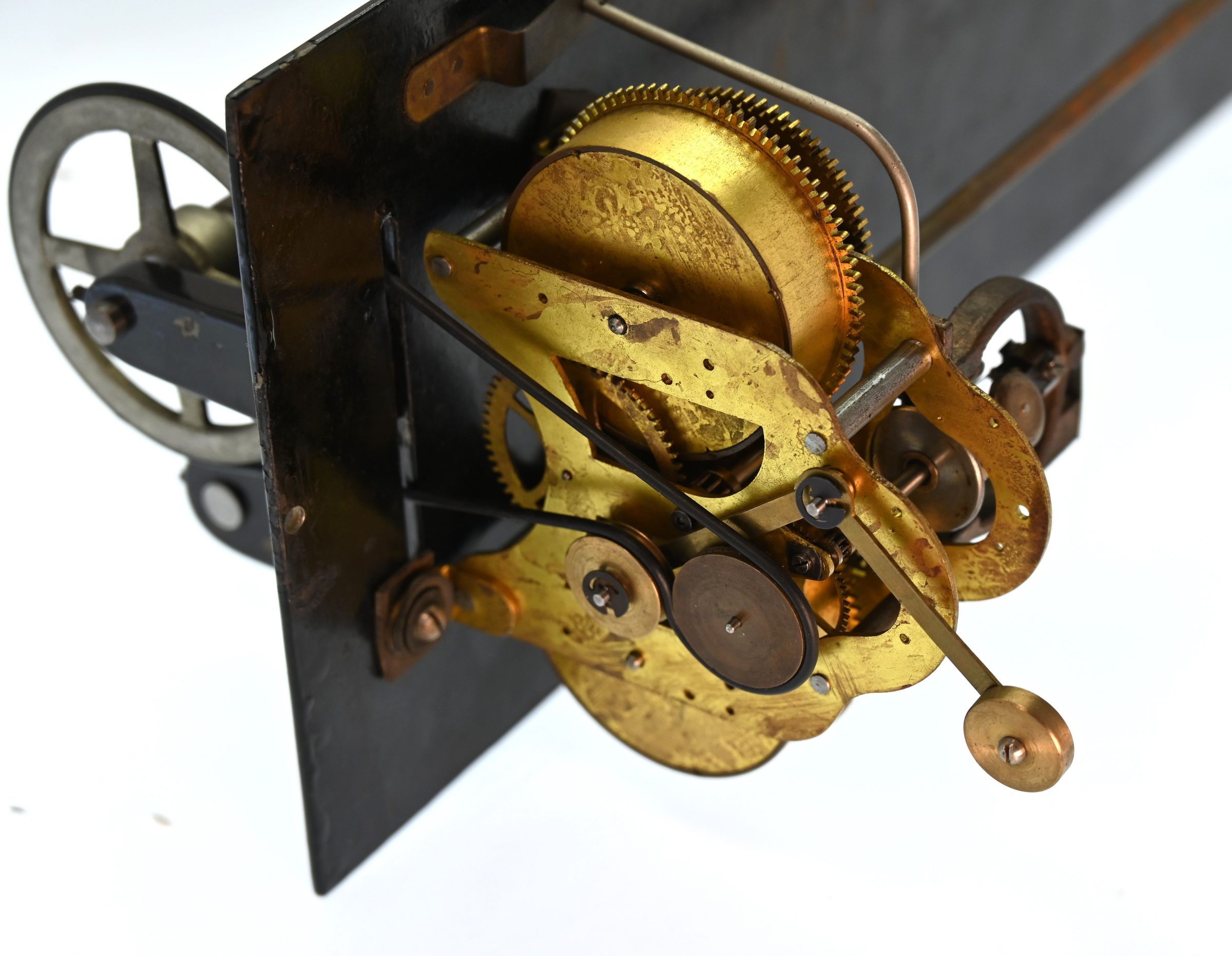
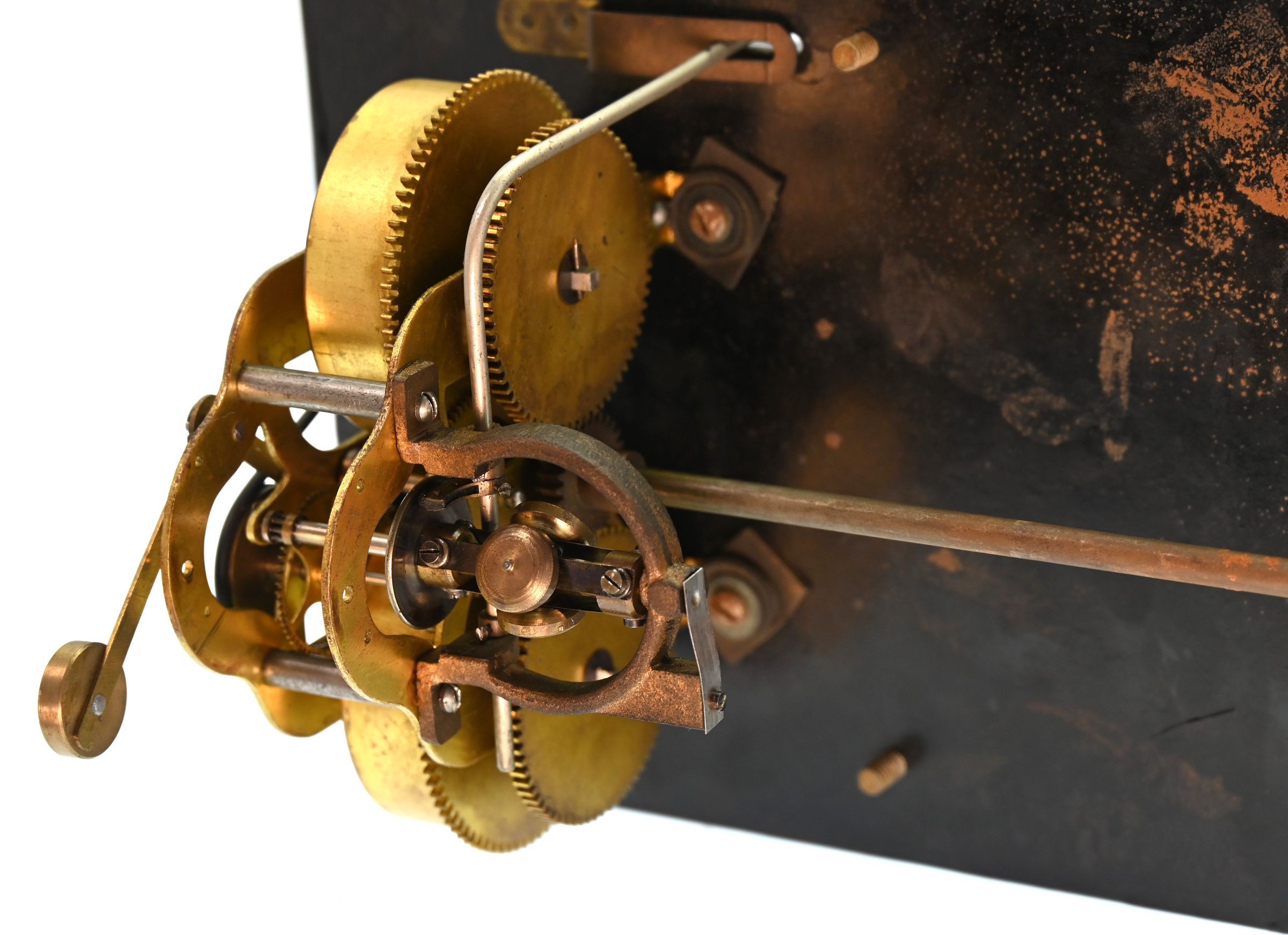
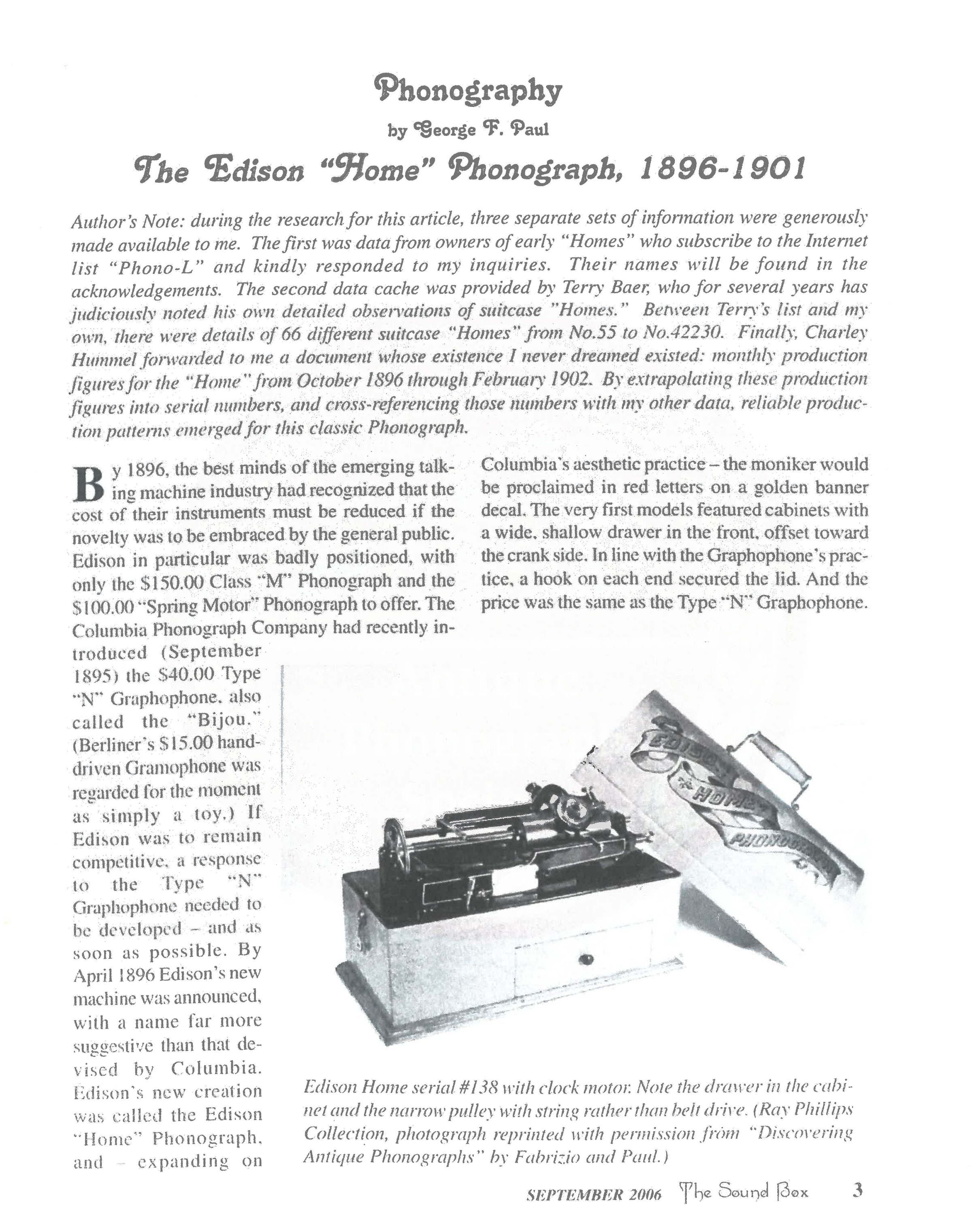
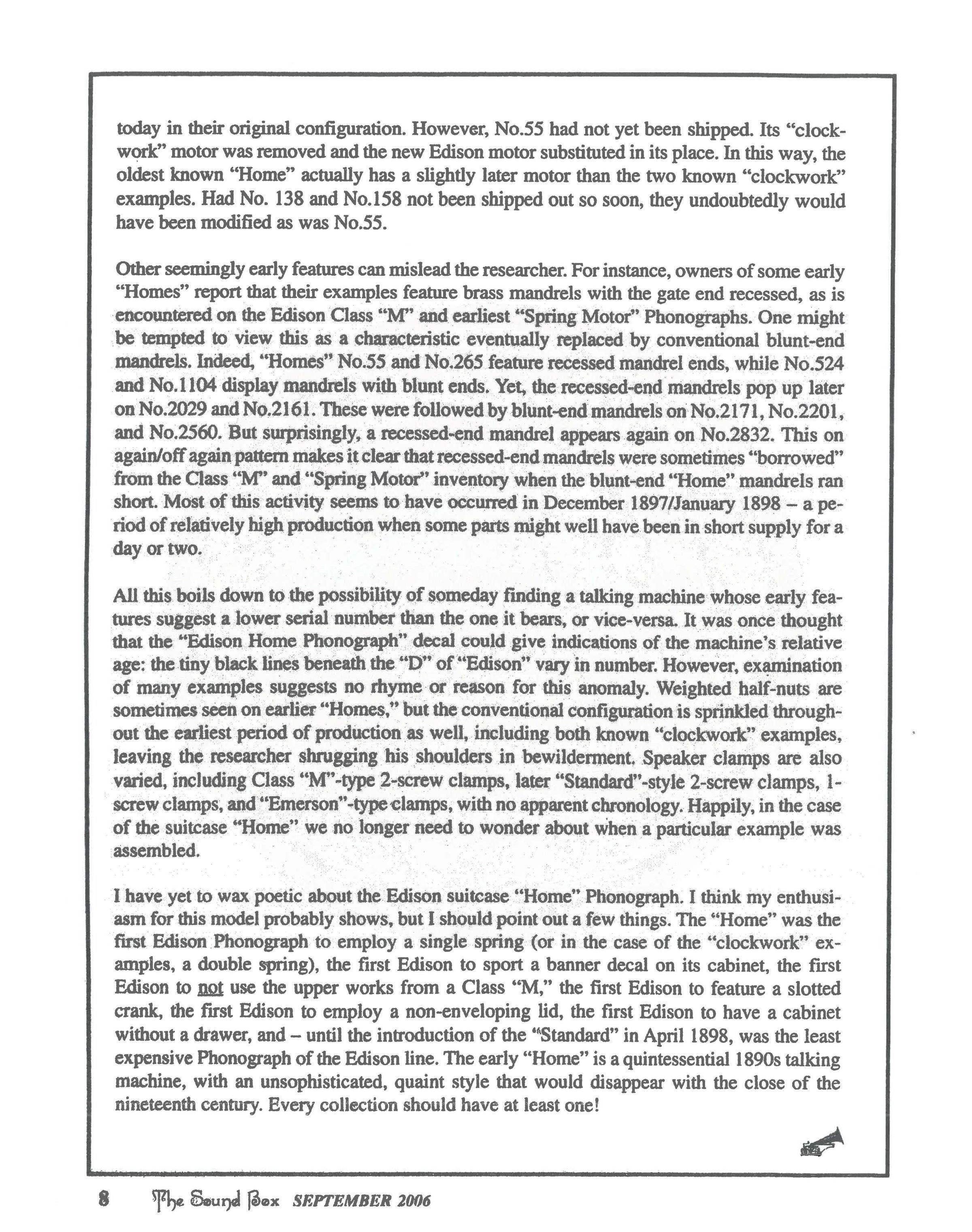
The first Homes were hurriedly developed to compete with Columbia’s Type N Graphophone. Because Edison had not yet designed his own spring motor, the earliest units—including No. 52—were fitted with a Waterbury clockmaker’s motor.
This motor proved too weak for reliable daily use:
it lacked the strength for smooth cylinder playback
the running time was short
and many units required early replacement or factory retrofitting
Other details of the earliest production include:
“Skeletal” top casting with open frame under the feedscrew
hand-stamped serial number in the casting
early brass mandrel and original carriage hardware
completely unrestored, preserved in authentic 1896 condition
Compared to Later Home Models
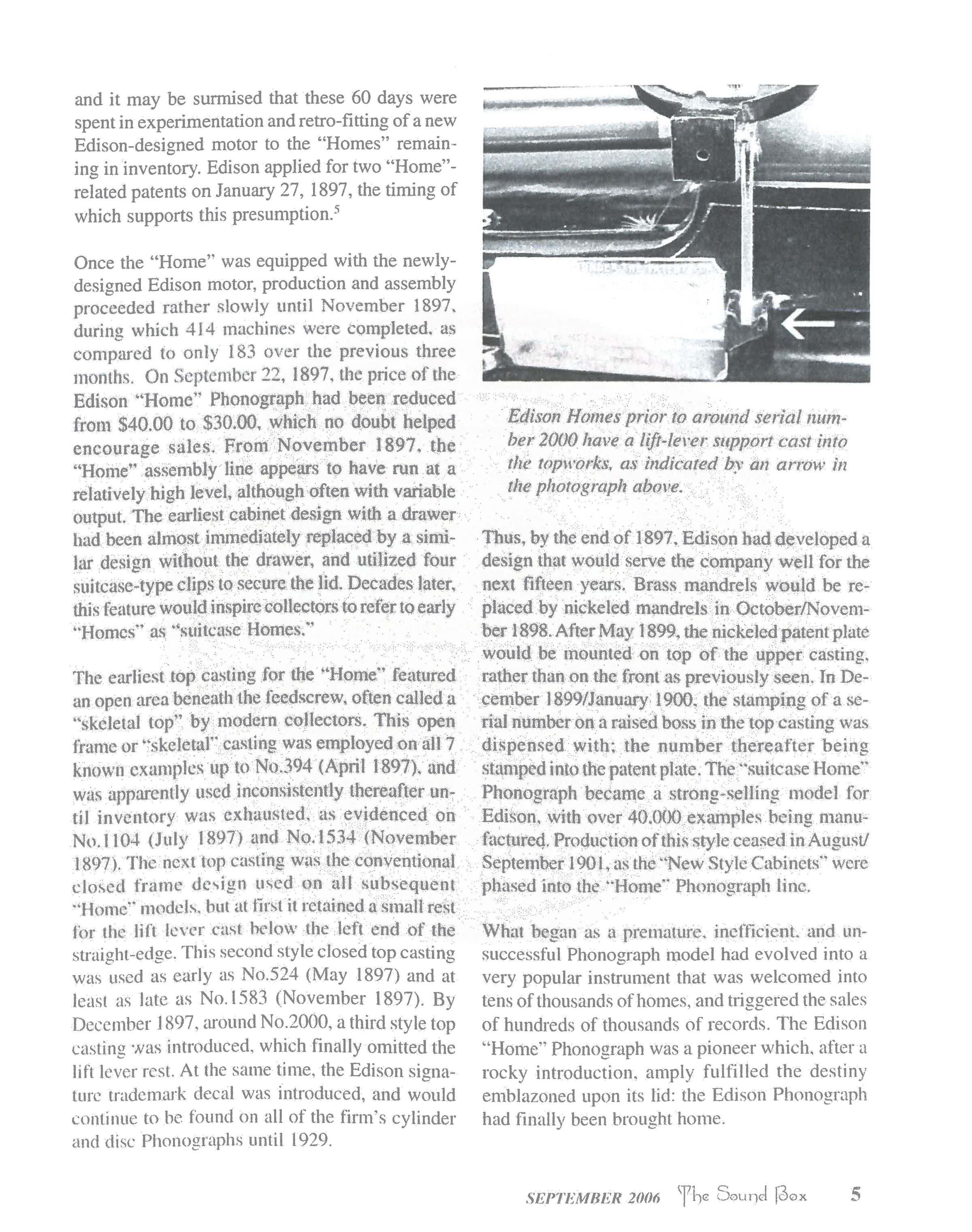
Within a year, Edison redesigned the Home:
his own stronger spring motor replaced the fragile clock drive
the open skeletal frame was abandoned in favor of a closed casting
By 1901, the Home had become a mass-produced bestseller with over 40,000 units made. The earliest batch of 1896, however, remained a fragile and short-lived experiment.
Significance
Only three early clockwork Homes are known worldwide today. Serial No. 52 is the oldest of them all.
It stands as a unique witness to the transition from Edison’s experimental machines to the first affordable phonograph for the middle class. In its fragile motor and simple cabinet lies the story of Edison’s first true attempt to bring recorded sound home.