Name/Title
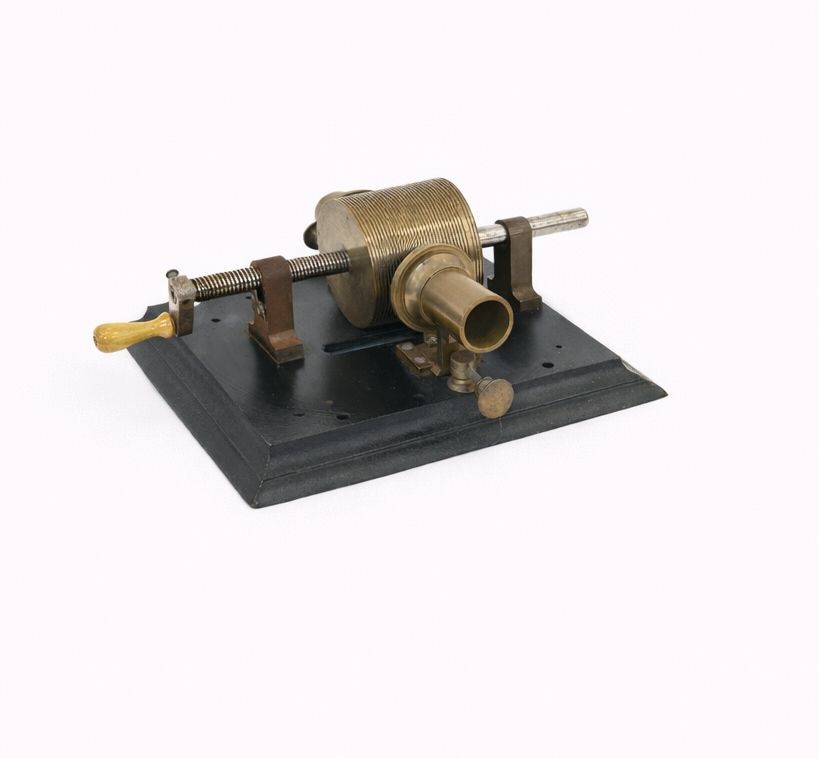
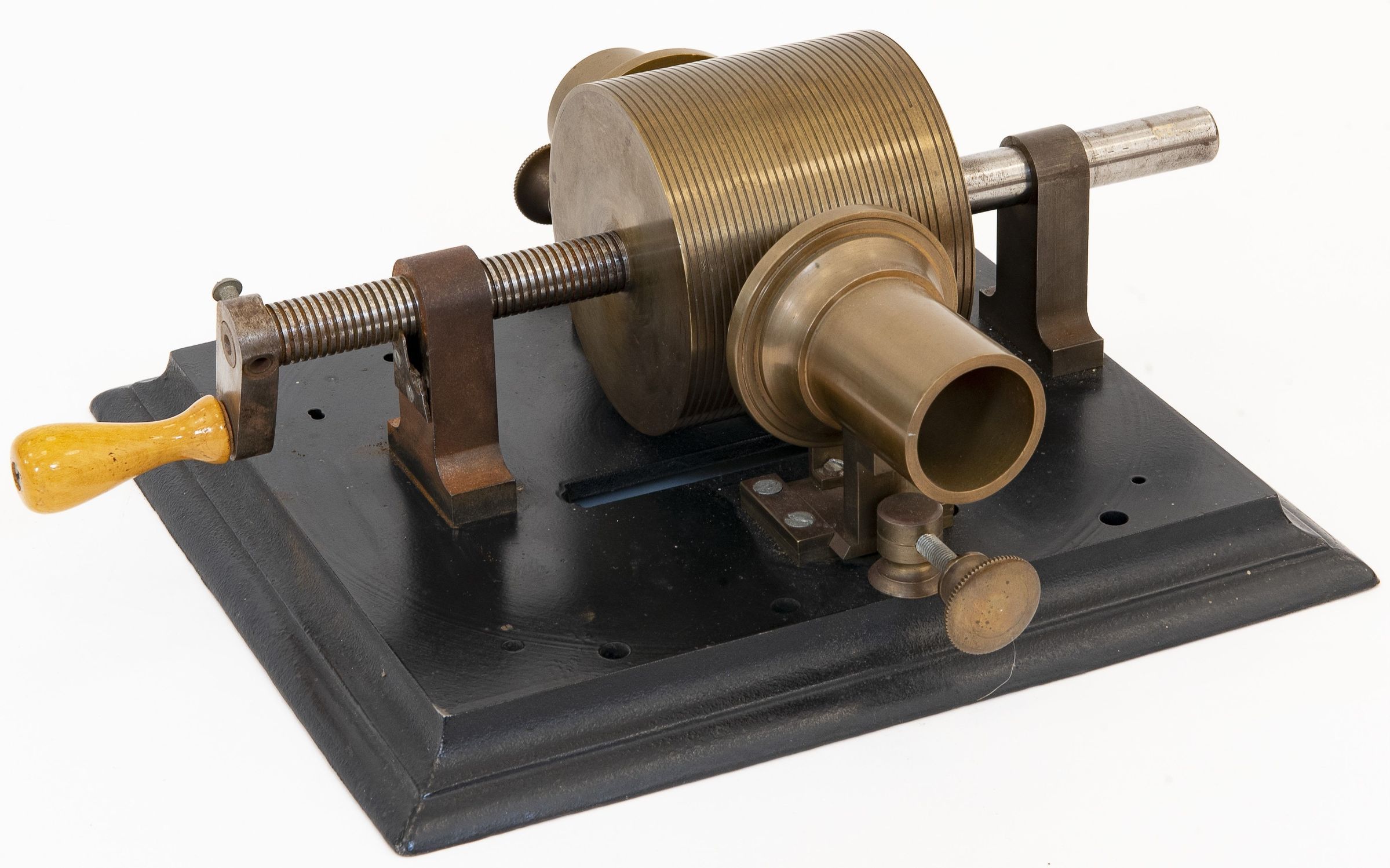
Edison "Kruesi" Tinfoil ReplicaEntry/Object ID
195Description
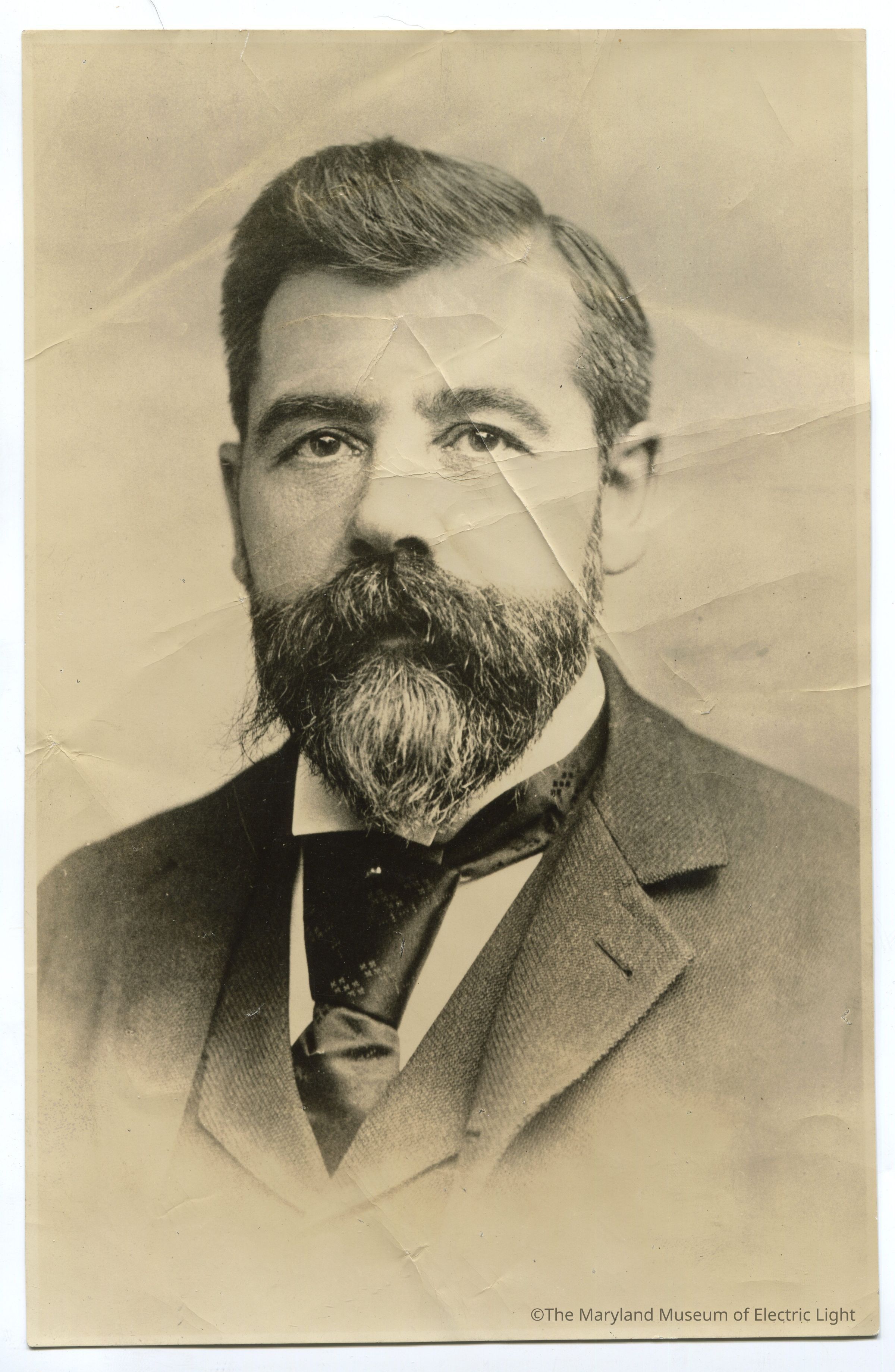
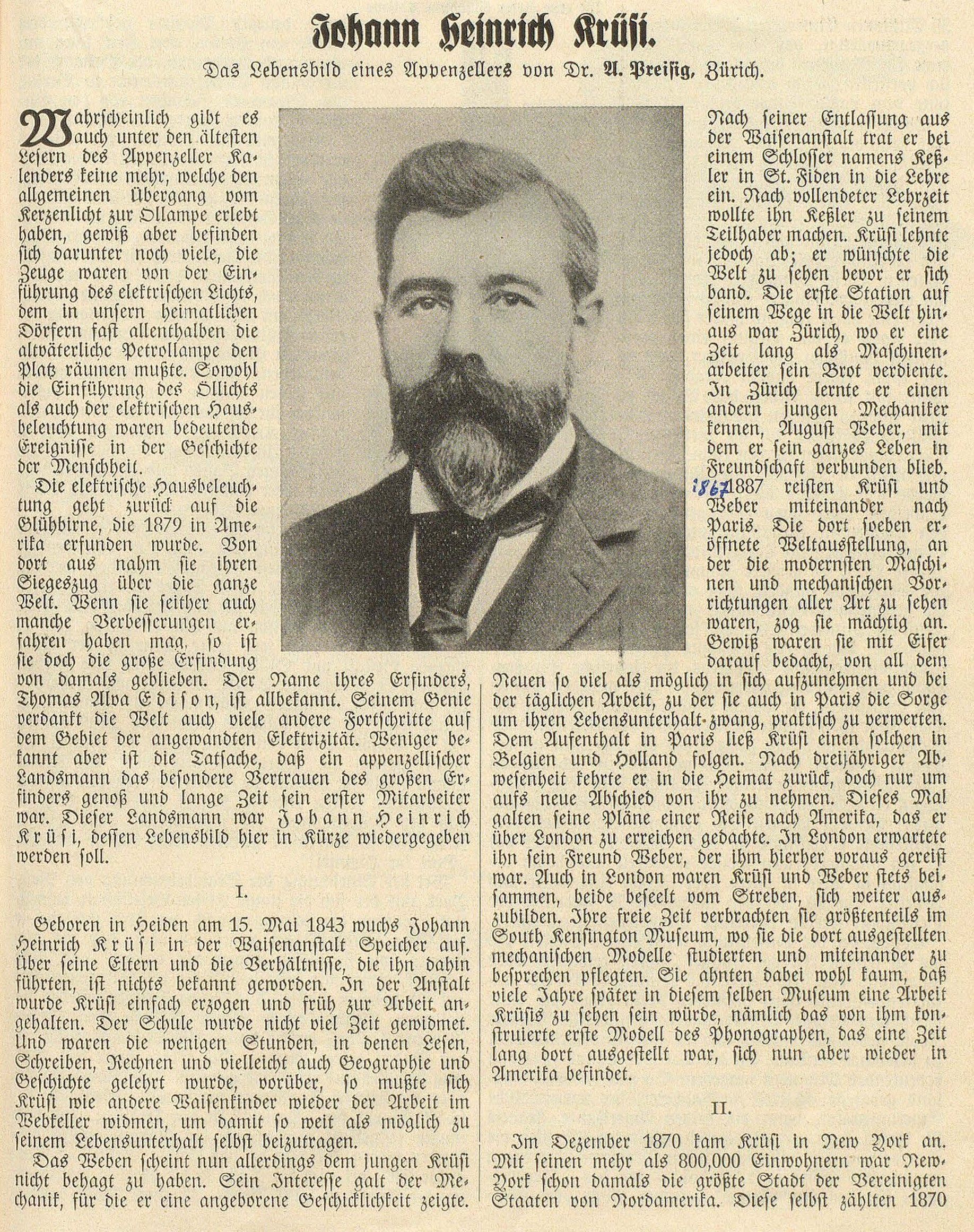
Johann Heinrich Kruesi – The Man Who Brought Edison’s Sketch to Life
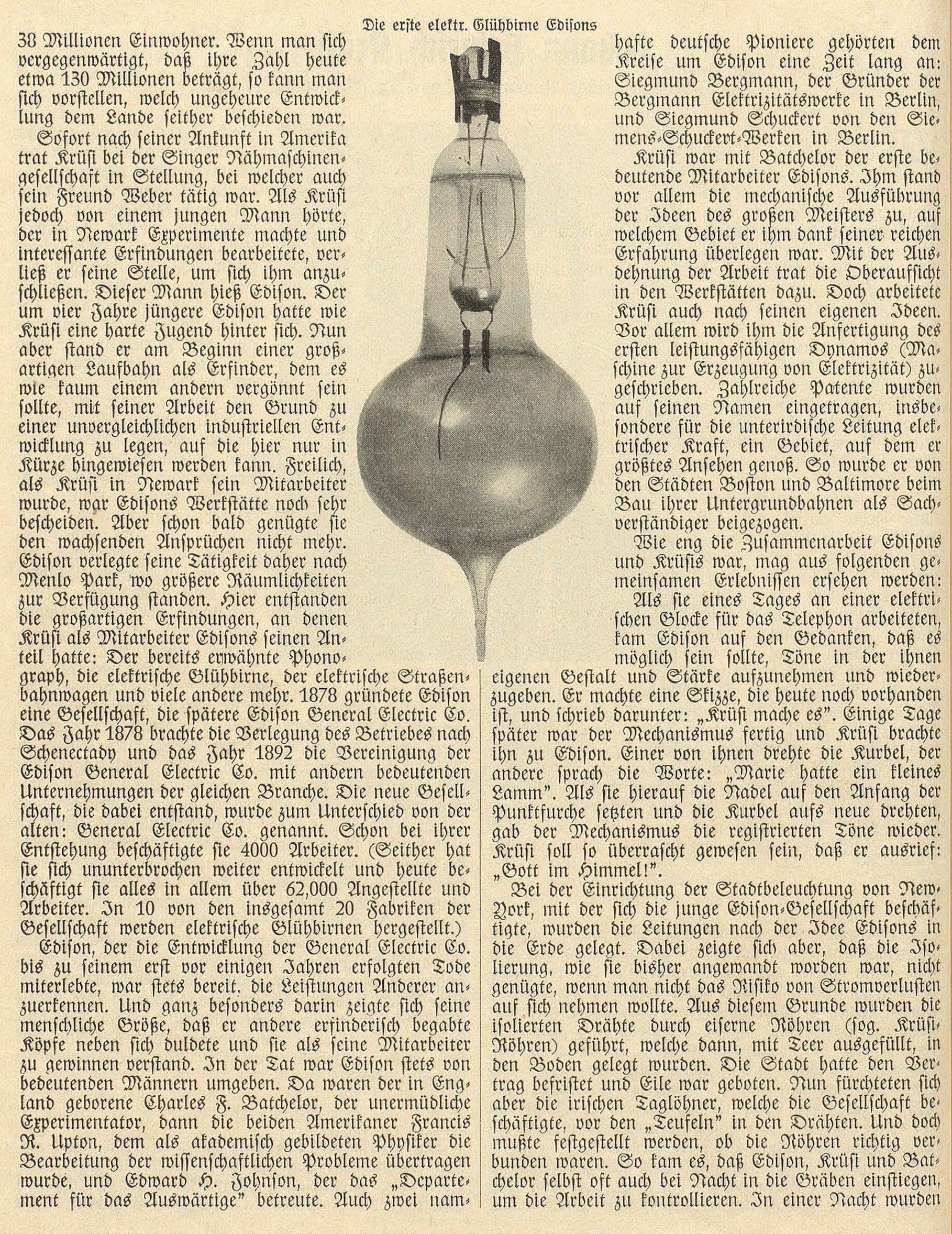
Kruesi, born in 1843 in the Swiss canton of Appenzell, was a highly gifted precision mechanic. After emigrating to the United States, he first worked for Sigmund Bergmann in Newark before joining Thomas Edison in 1871. There, he quickly rose to become Edison’s closest technical collaborator.
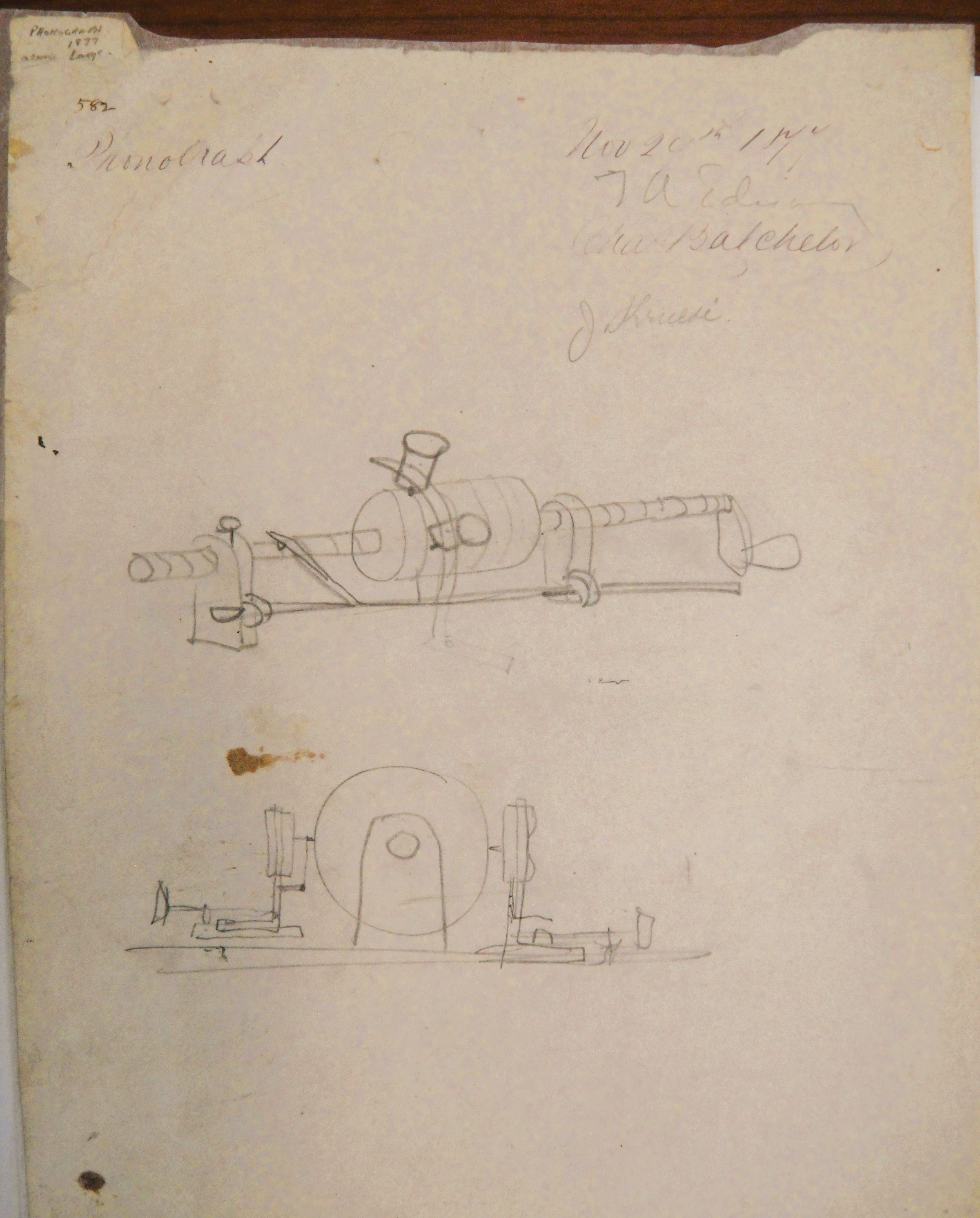
When Edison sketched the idea for a machine that could mechanically record speech in the autumn of 1877, Kruesi transformed this concept into a working device within just a few weeks. On December 6, 1877, Edison demonstrated the prototype for the first time—uttering the now‑famous words:
“Mary had a little lamb – its fleece was white as snow.”
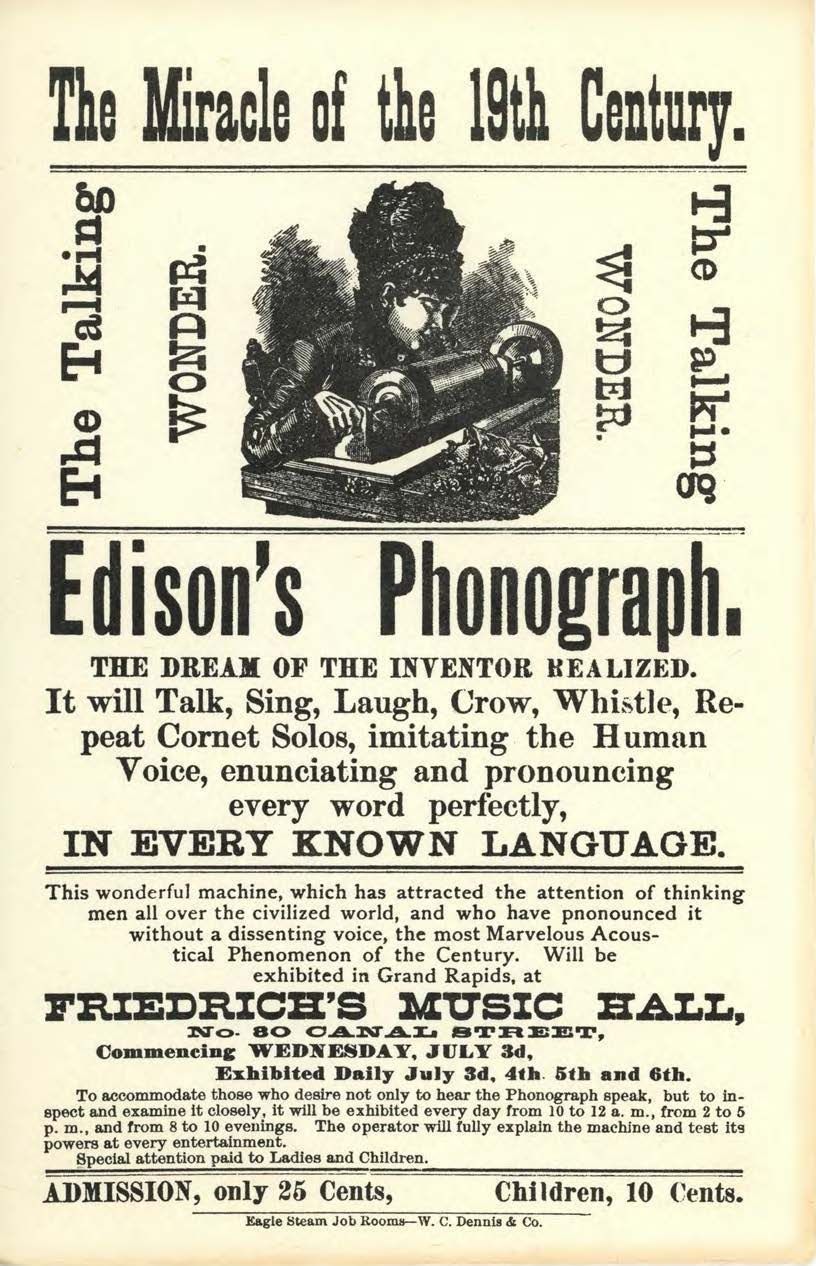
The audience was astonished: for the first time in human history, people heard their own voices played back by a machine.
The Original Machine
The prototype was remarkably simple in construction, yet ingenious:
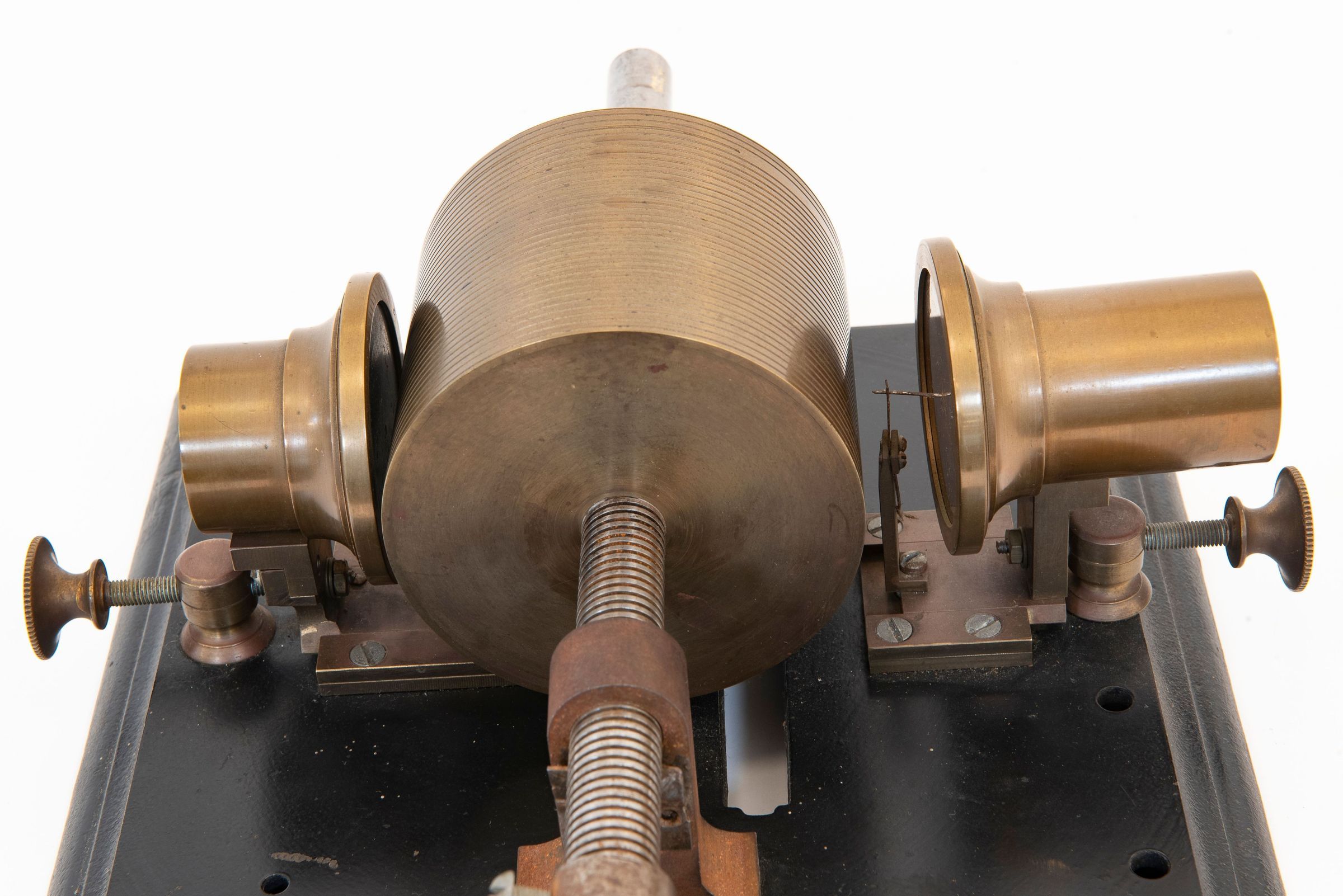
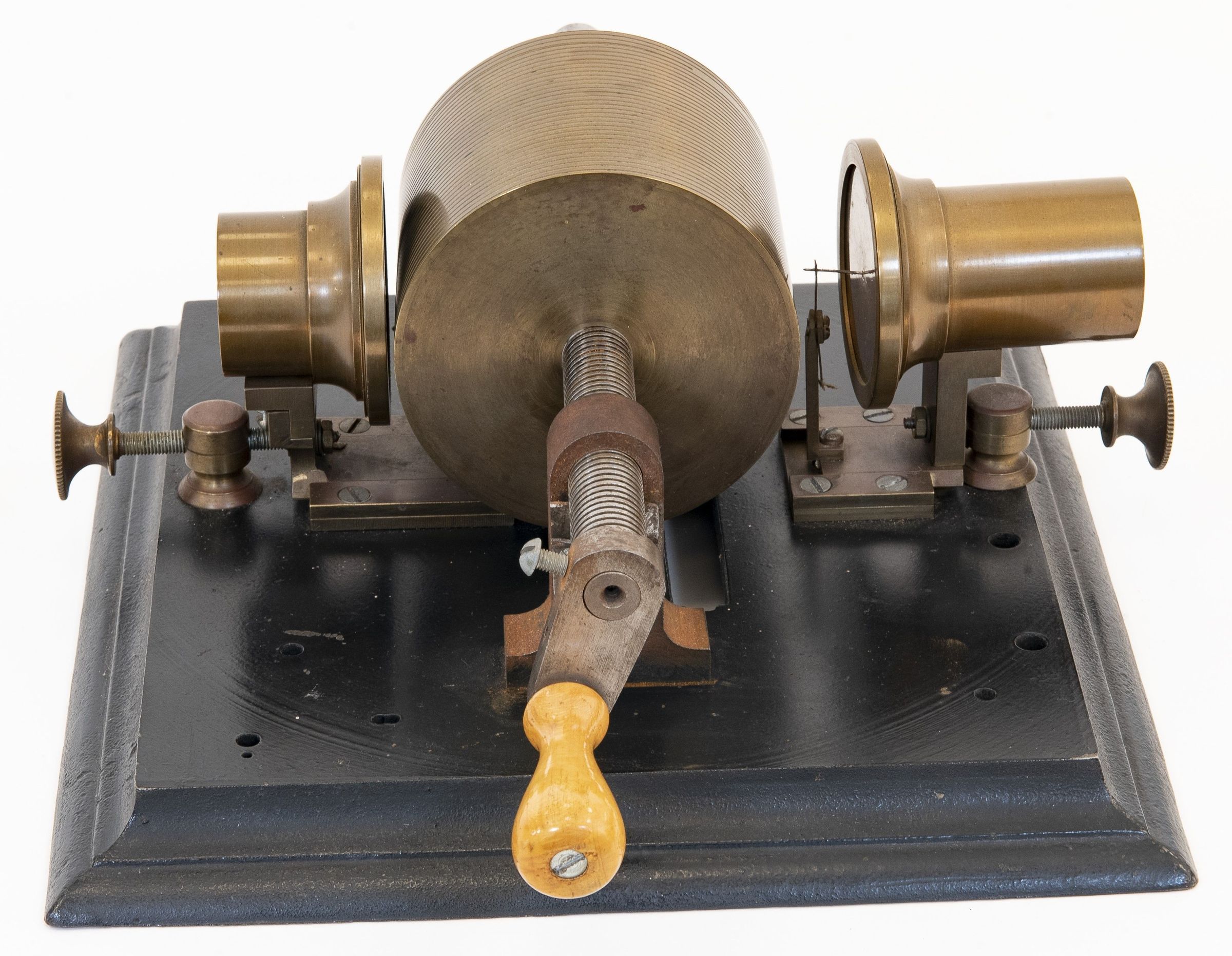
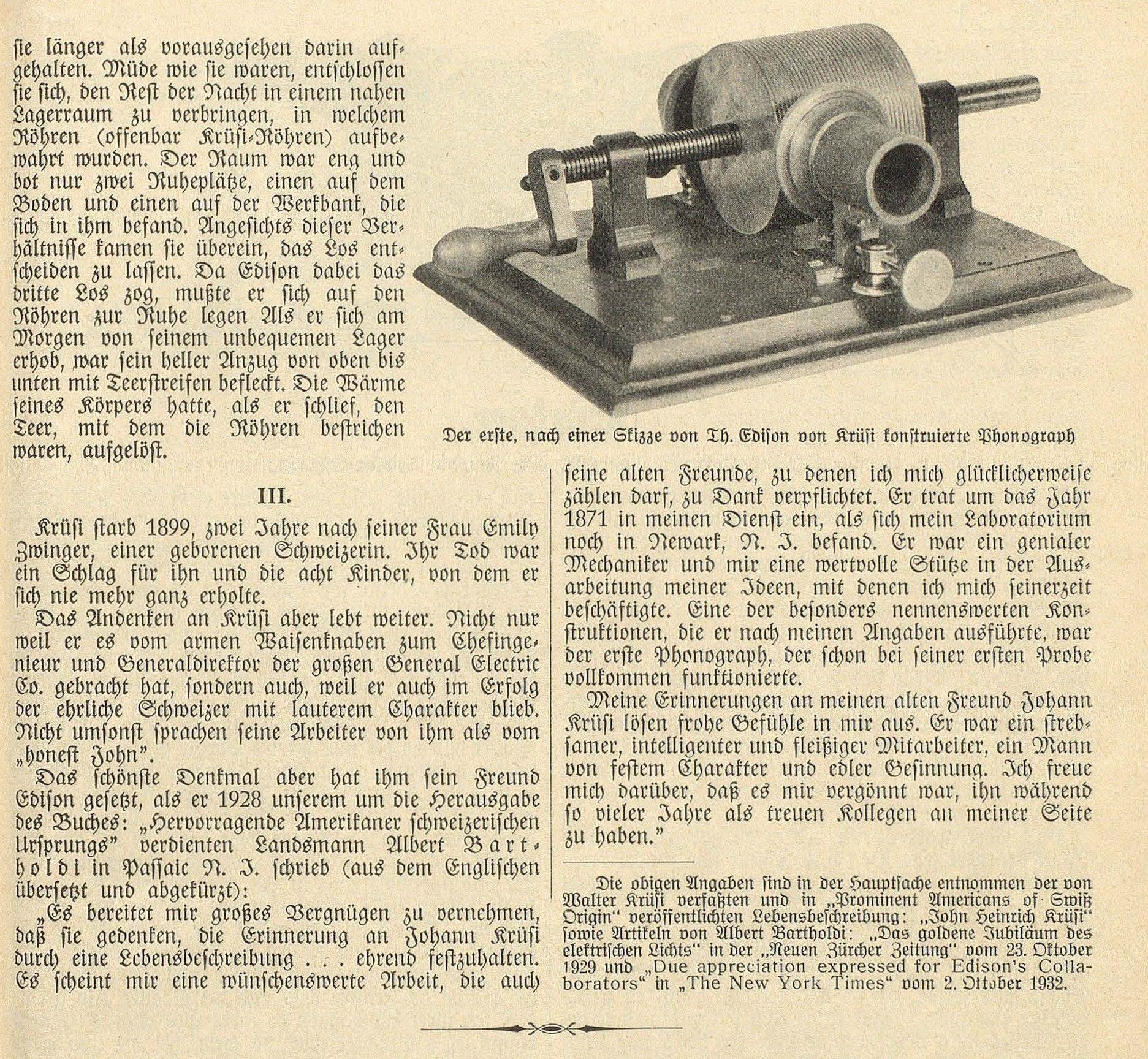
Recording medium: a thin cylinder wrapped with tinfoil
Drive: hand crank with a lead screw to provide steady feed motion
Sound recording: a horn with diaphragm and stylus that transferred sound vibrations into embossed grooves
Playback: the same diaphragm‑stylus assembly traced the grooves, converting them back into audible sound vibrations
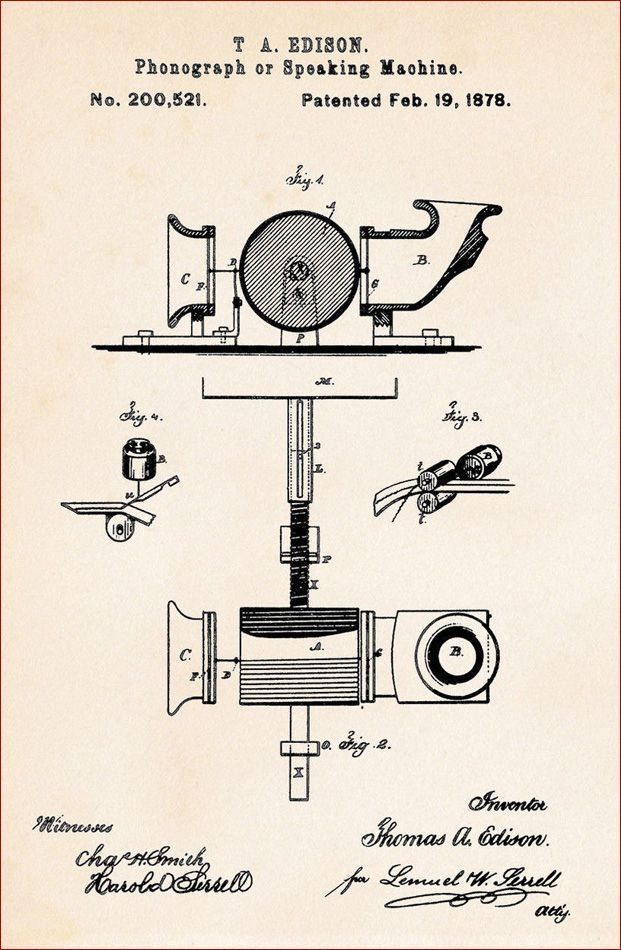
Its working principle was described in U.S. Patent No. 200,521, granted on February 19, 1878, and filed on December 24, 1877. This patent is regarded as the founding document of the entire sound recording industry.
The Replica
As the original is a national treasure carefully preserved at the Edison National Historic Site in West Orange, New Jersey, American master machinist Bill Miller of Romeo, Michigan, produced a strictly limited edition of just 20 exact reproductions.
Features of the replica:
Exact, scale‑accurate reproduction of all dimensions and proportions
Faithful duplication of every original tool mark and manufacturing detail
Fully functional—capable of making and playing tinfoil recordings
Two of the known replicas reside in public collections:
University of California, Davidson Library
Edison‑Ford Winter Estates, Fort Myers, Florida
Historical Significance
The 1877 tinfoil phonograph is far more than a technical device—it is the origin of all sound recording and playback technology. Without it, there would be no phonograph records, no magnetic tape recorders, no cassettes, no CDs, and no MP3s.
This replica is not merely a display piece, but an accurate historical‑scientific model capturing the moment when Edison’s vision became tangible reality—brought to life by the hand of an extraordinary Swiss craftsman.
A pity that the original is not here at the Edisonium.