Name/Title
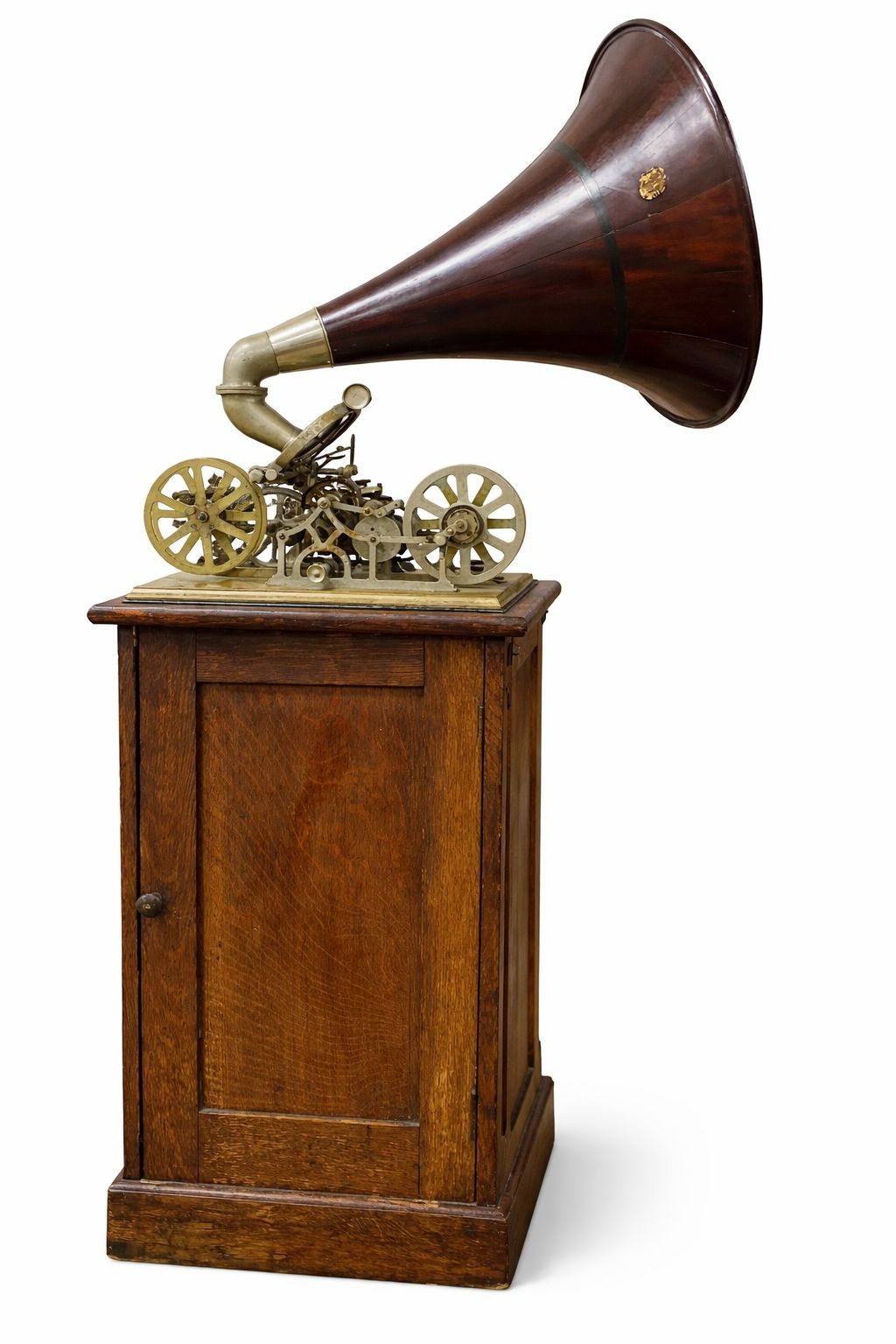
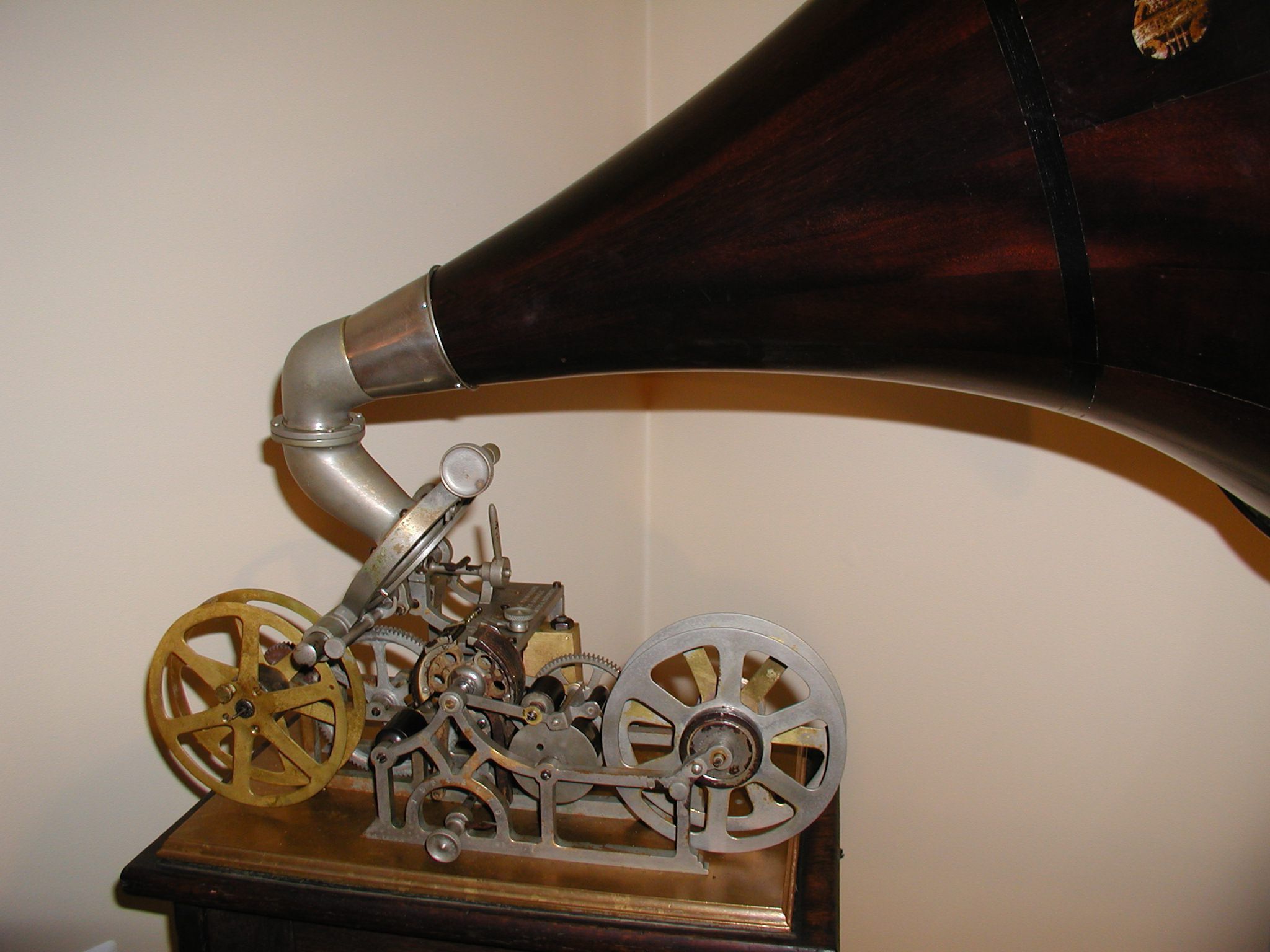
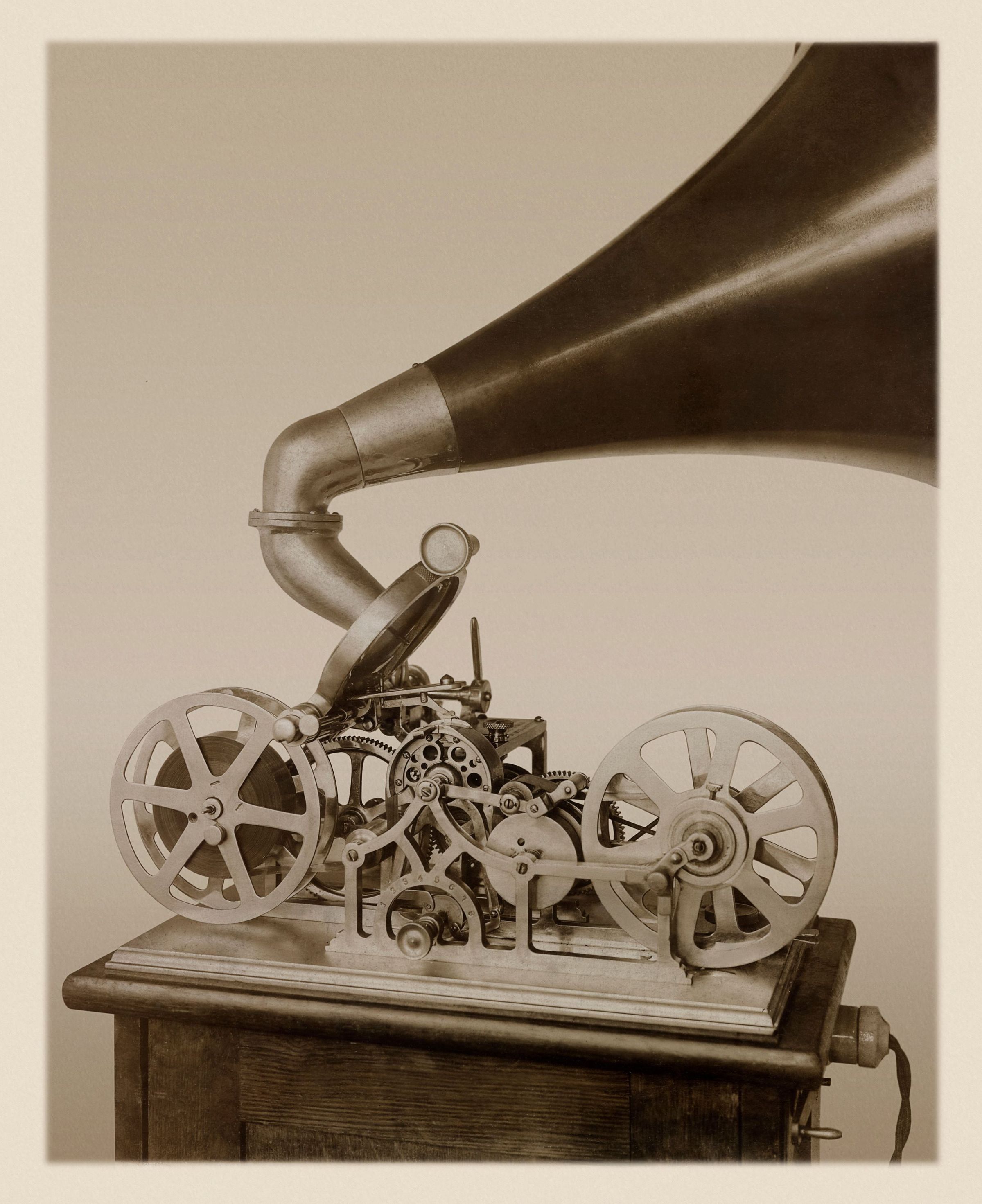
Goodale “Film Record” Phonograph, The World’s First Tape RecorderEntry/Object ID
399Description
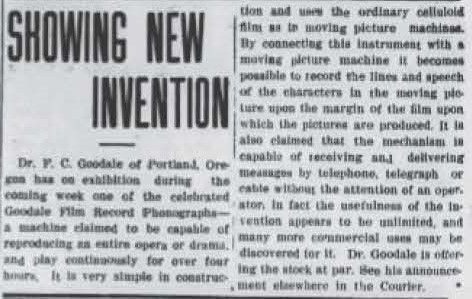
Franklin C. Goodale, Tacoma (Washington, USA) – ca. 1908–1910
The World’s First Tape Recorder – A Visionary Forerunner of Magnetic Tape, Sound Film, and Multitrack Recording
A Revolution on Celluloid
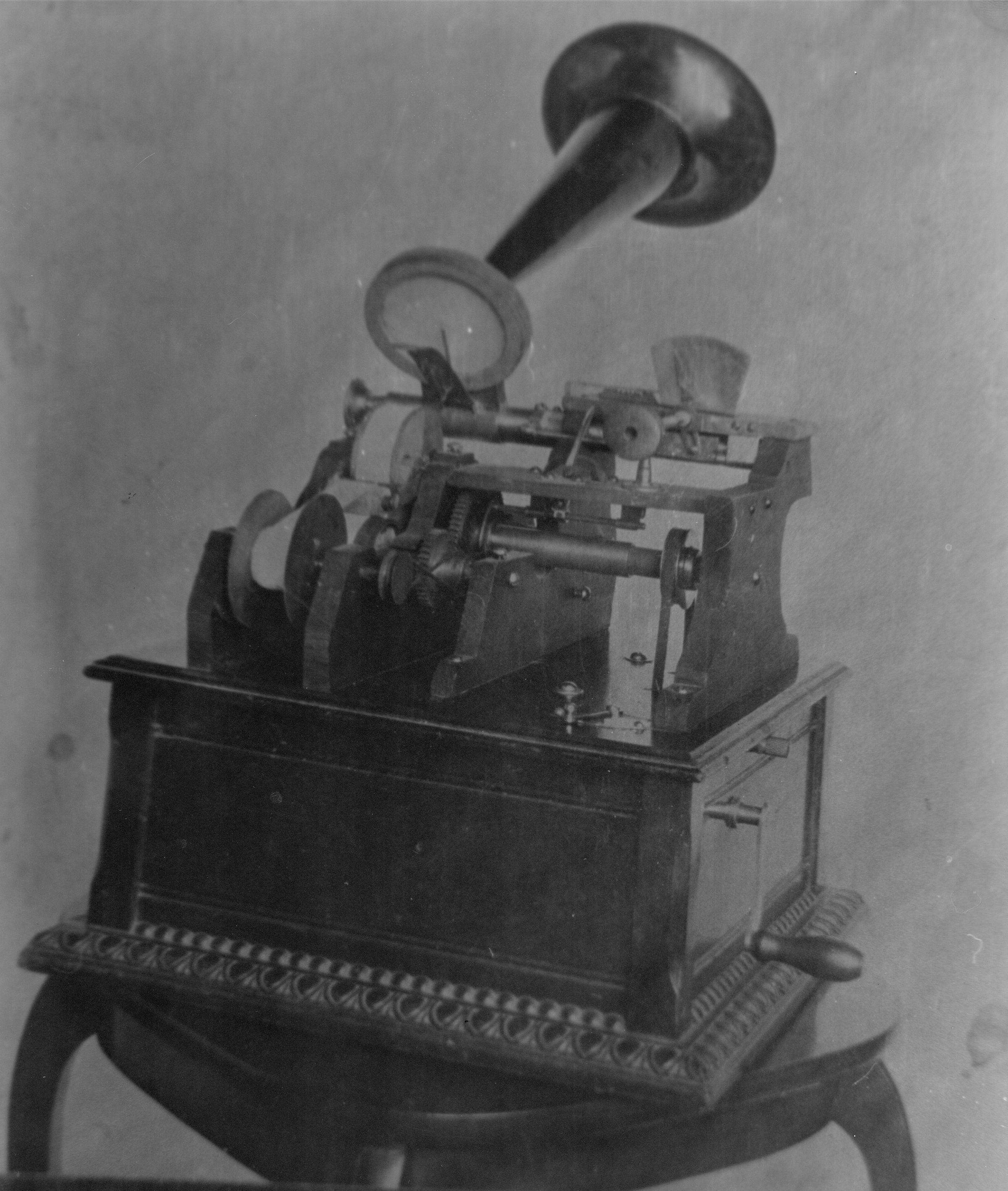
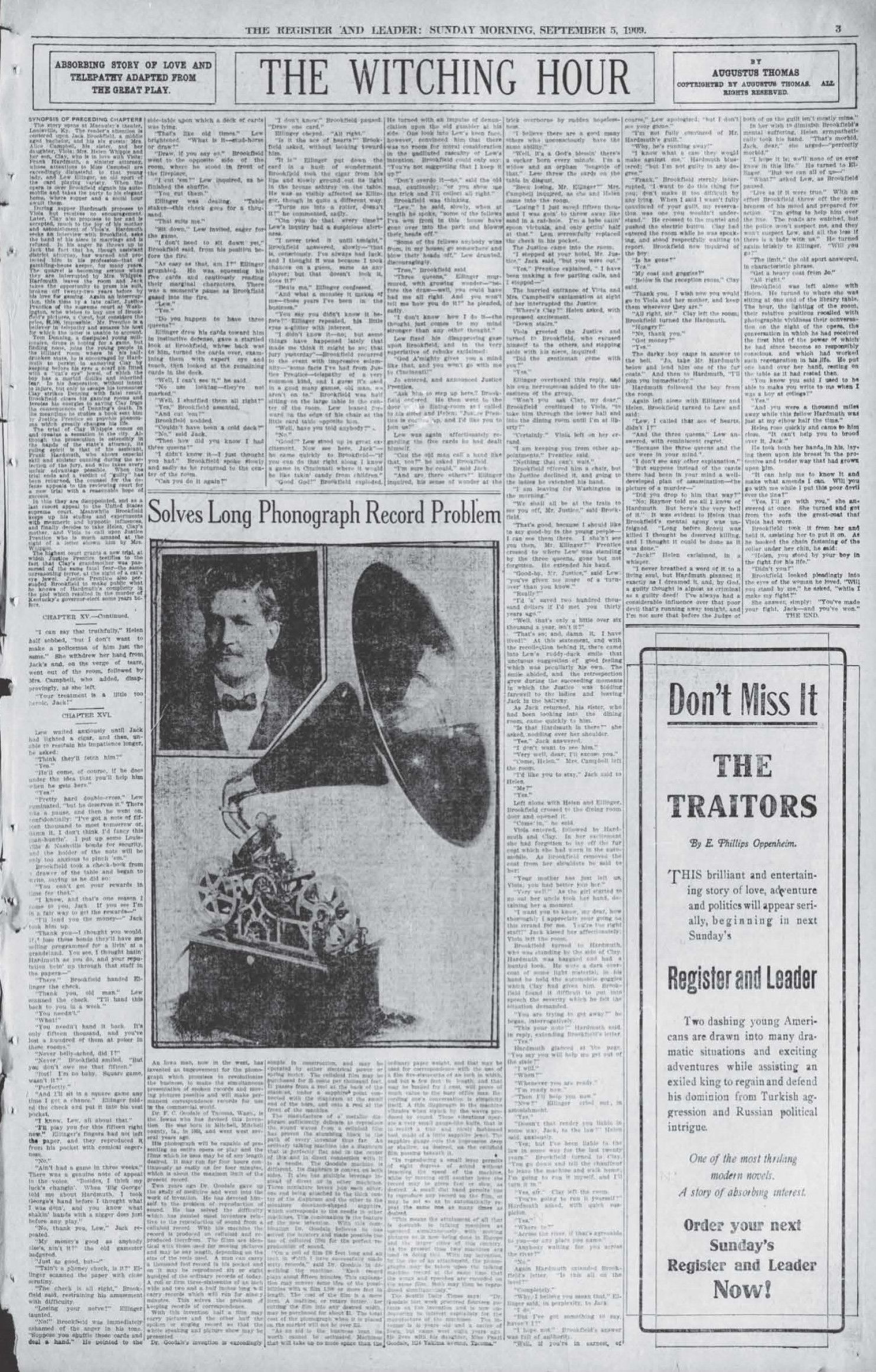
Around 1908, while all phonographs still relied on wax cylinders or shellac discs, American physician and entrepreneur Dr. Franklin Charles Goodale devised an entirely new recording method. His machine recorded sound on a continuous strip of celluloid film—similar to motion picture film, but instead of images, the surface carried a fine, laterally‑cut sound track.
This solved one of the era’s central limitations:
Long recordings were impossible on cylinders or discs, which could only hold a few minutes.
Goodale’s system, in contrast, could theoretically record and play back several hours of uninterrupted sound.
15 Sound Tracks – Decades Ahead of Multitrack Technology
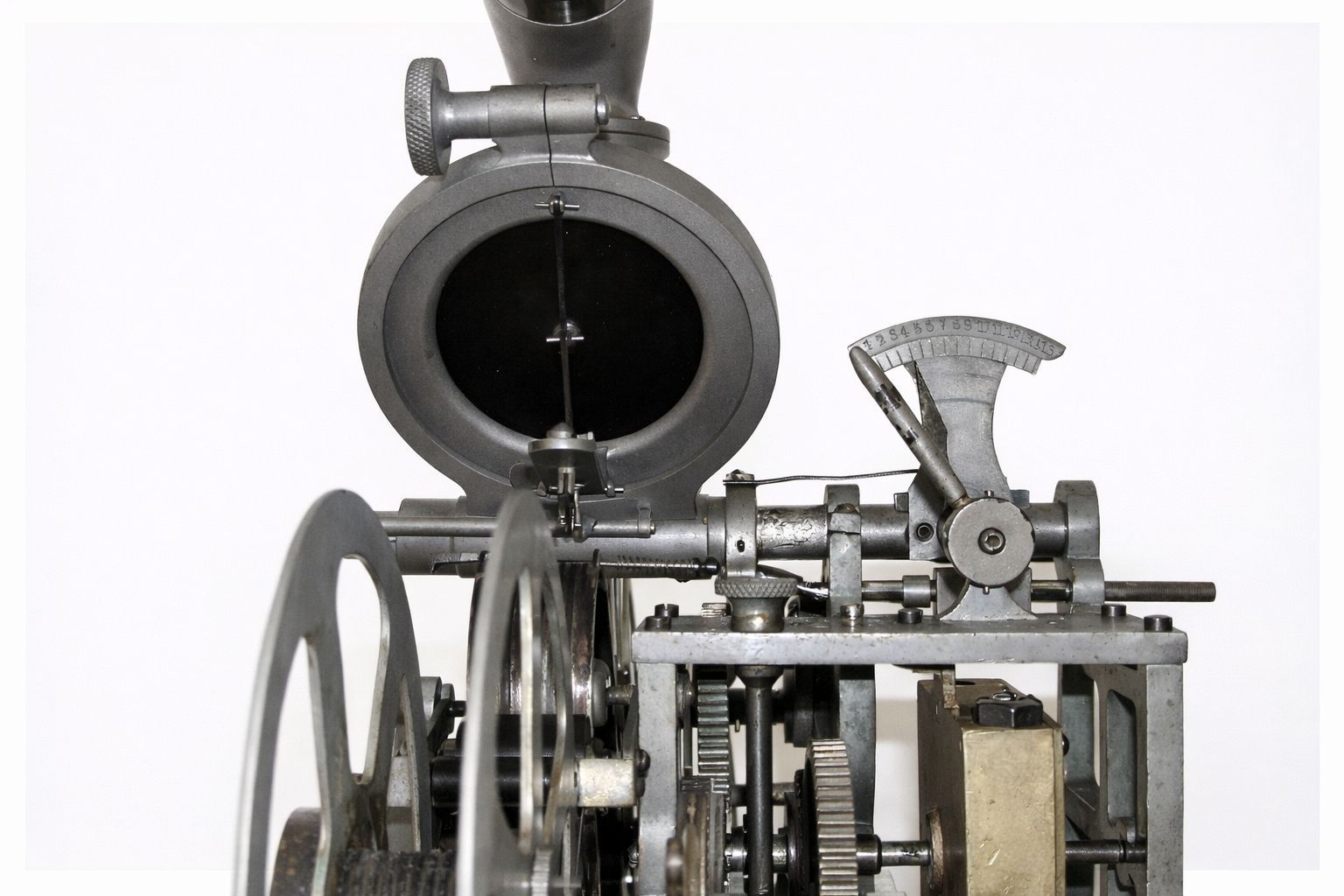
The Film Record system offered up to 15 separate, individually recordable sound tracks side‑by‑side on the same film.
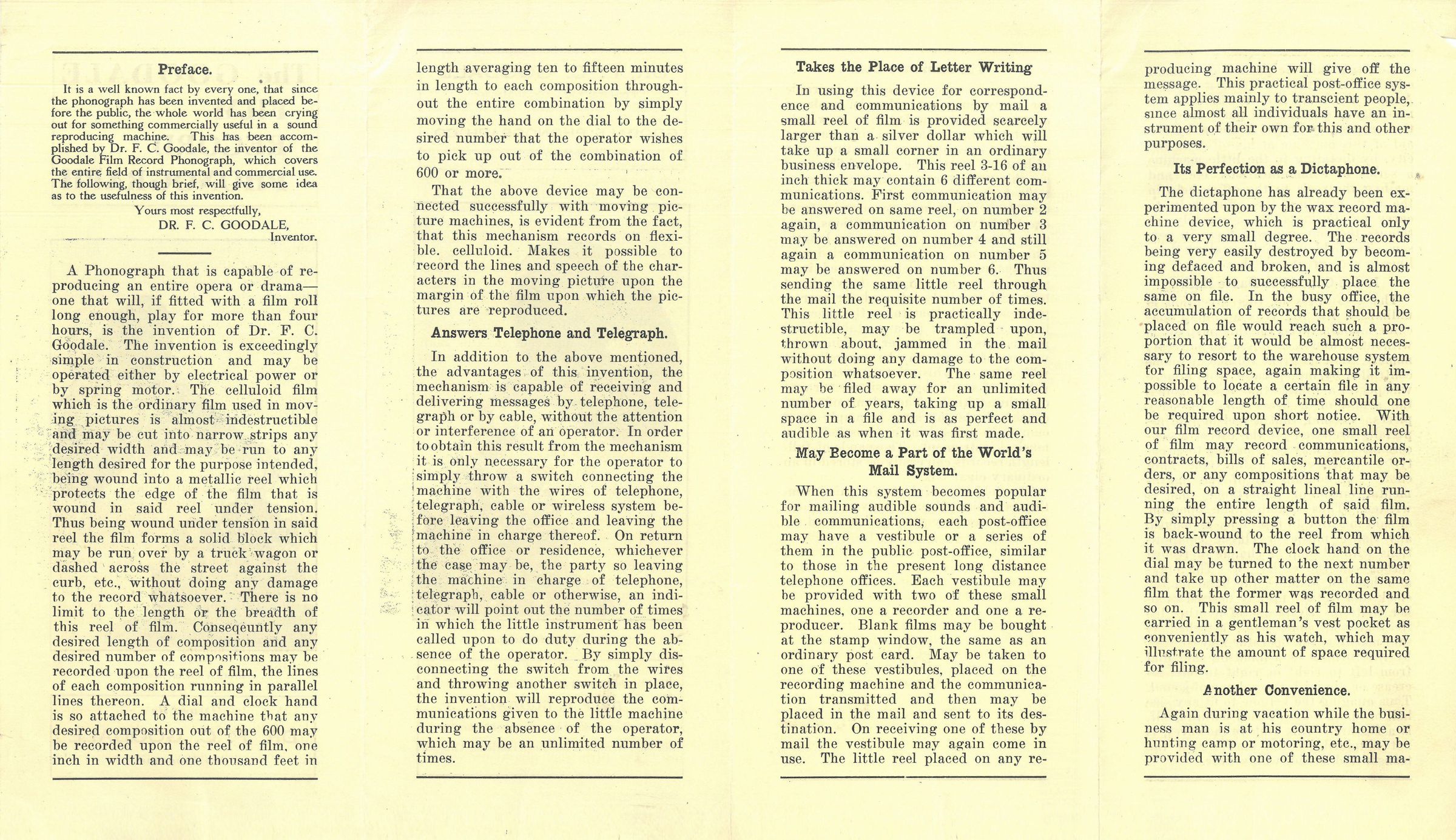
By using a selector switch, the operator could play back specific tracks—for example, different musical works, languages, or announcements.
This made Goodale not only the inventor of the tape recorder, but also a pioneer of multitrack recording—long before magnetic tape recorders or multitrack studios existed.
Technical Features
Medium: Endless celluloid strip, variable in width and length
Track Selection: Up to 15 parallel sound tracks, individually selectable
Drive: Precision spring motor or optional electric motor
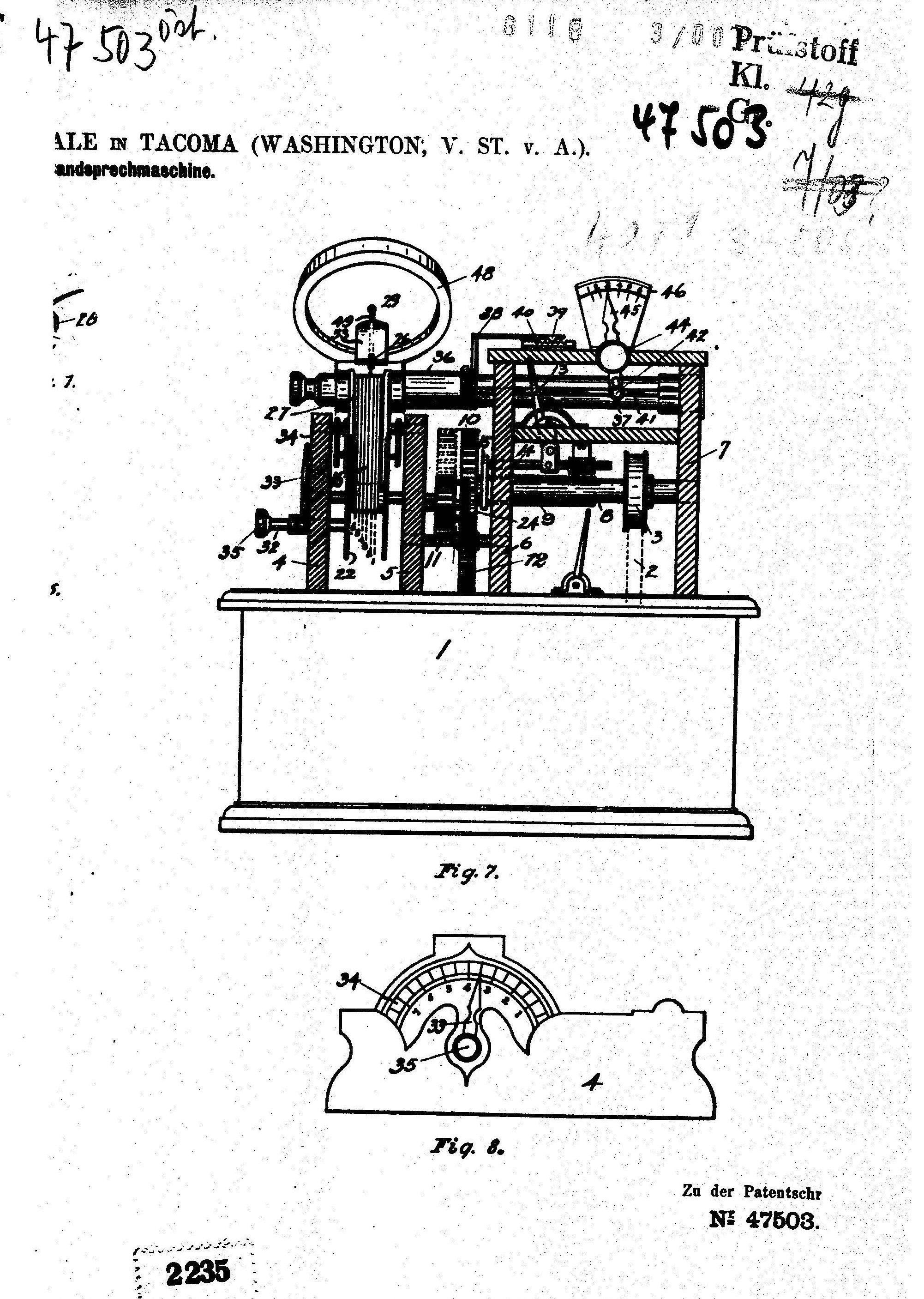
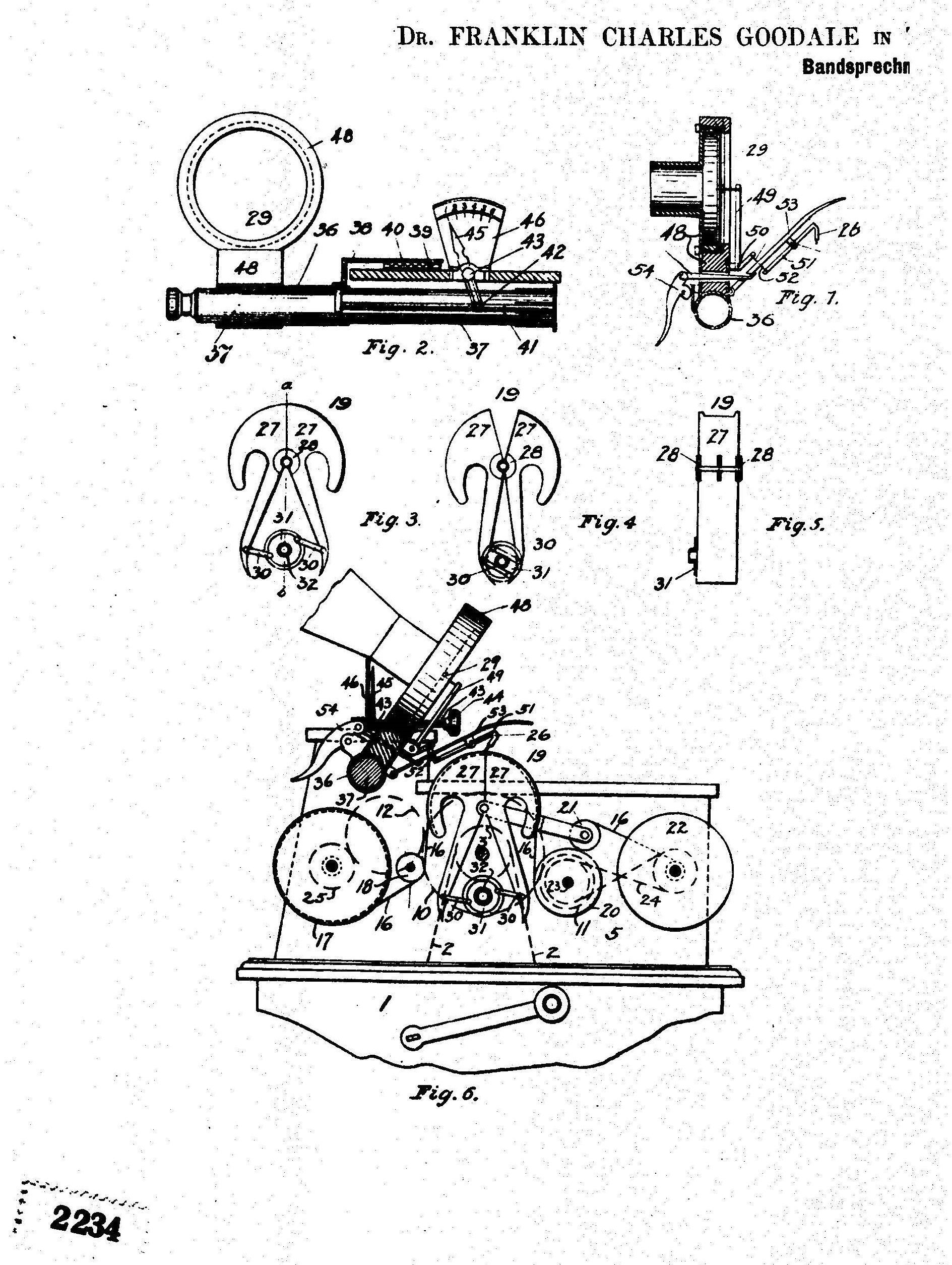
Volume Control: Mechanical adjustment via a tensioning system
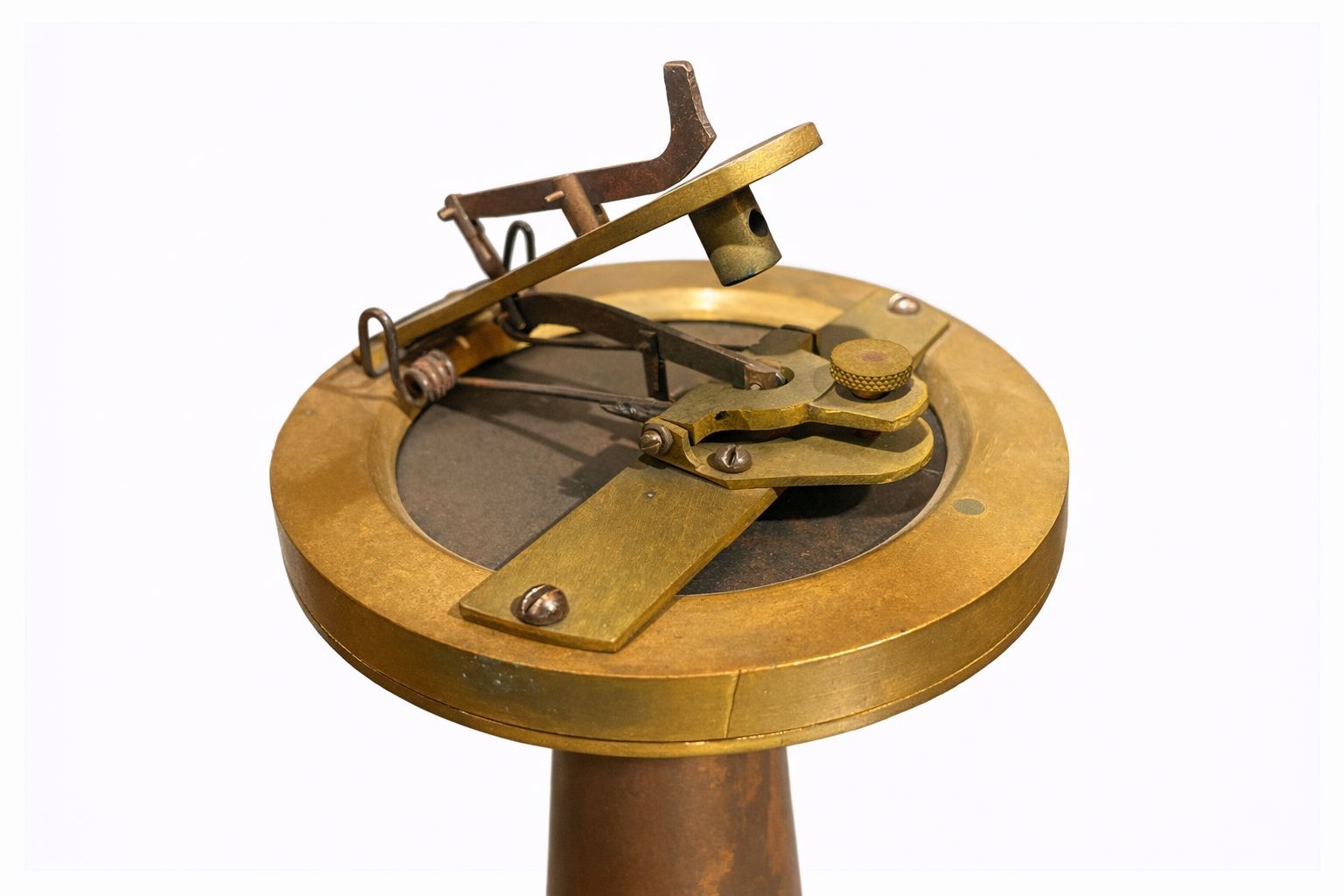
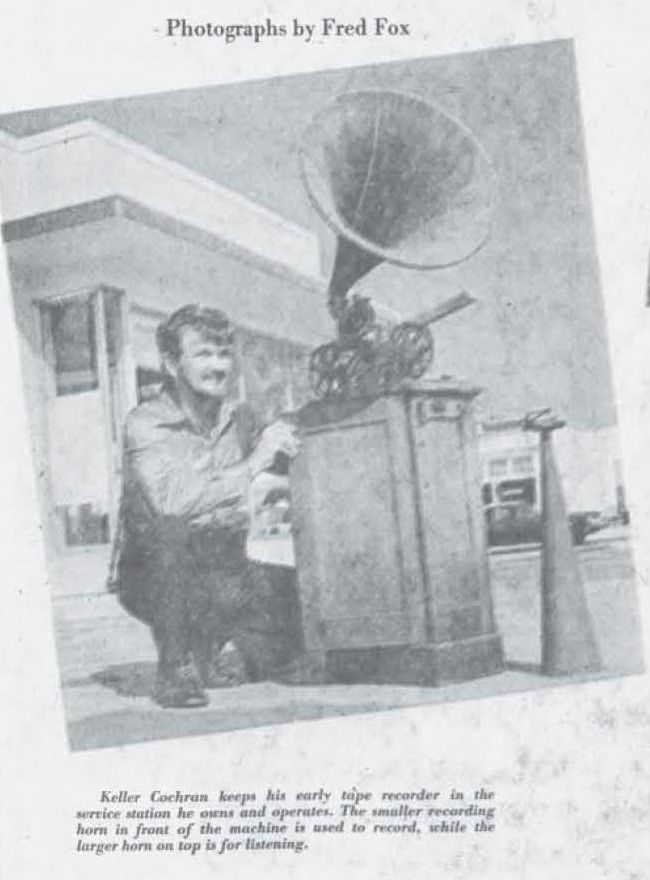
Recording & Playback: Through separate reproducers and horns—both are displayed here in the Edisonium
Versatile Applications
Goodale marketed his apparatus as a general‑purpose machine for:
Music and song in full length, with the ability to record entire concerts
Speech, lectures, and business dictation
Language courses and multilingual announcements
Integration with film projectors for synchronized sound and image—anticipating the talking picture
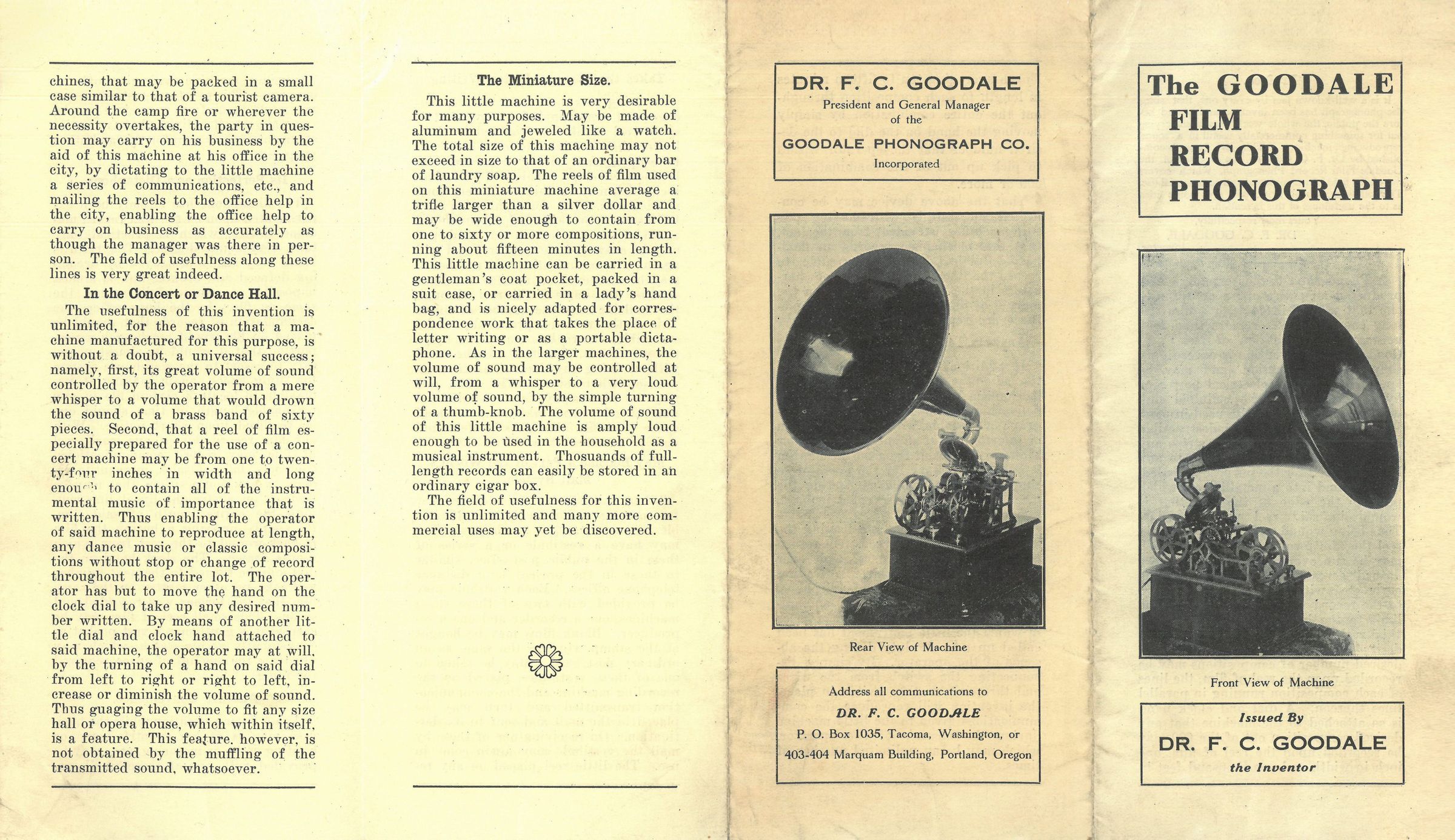
Even the concept of “speaking mail”: small sound films sent by post to be played on identical machines
Entrepreneurial Ambitions
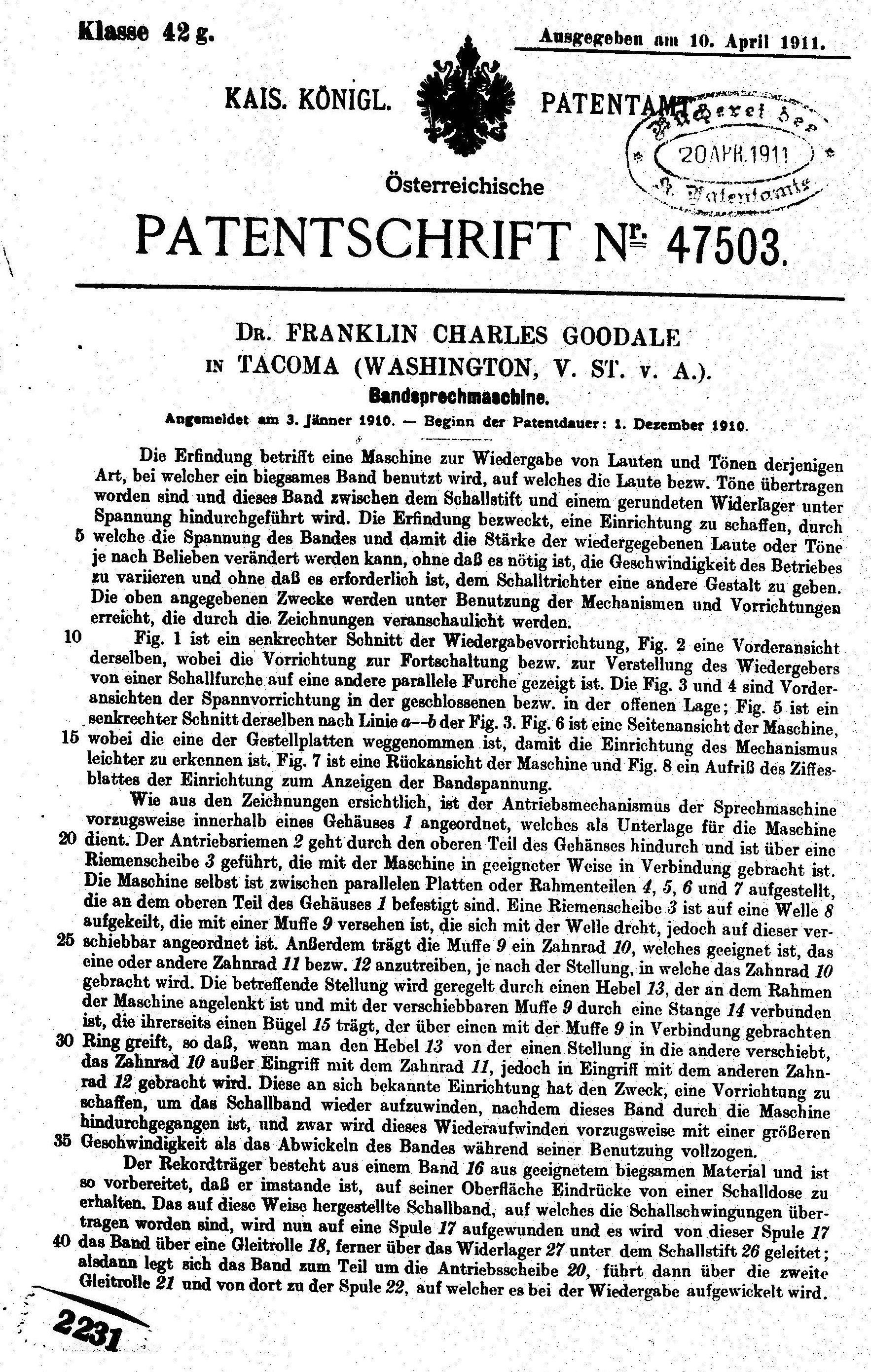
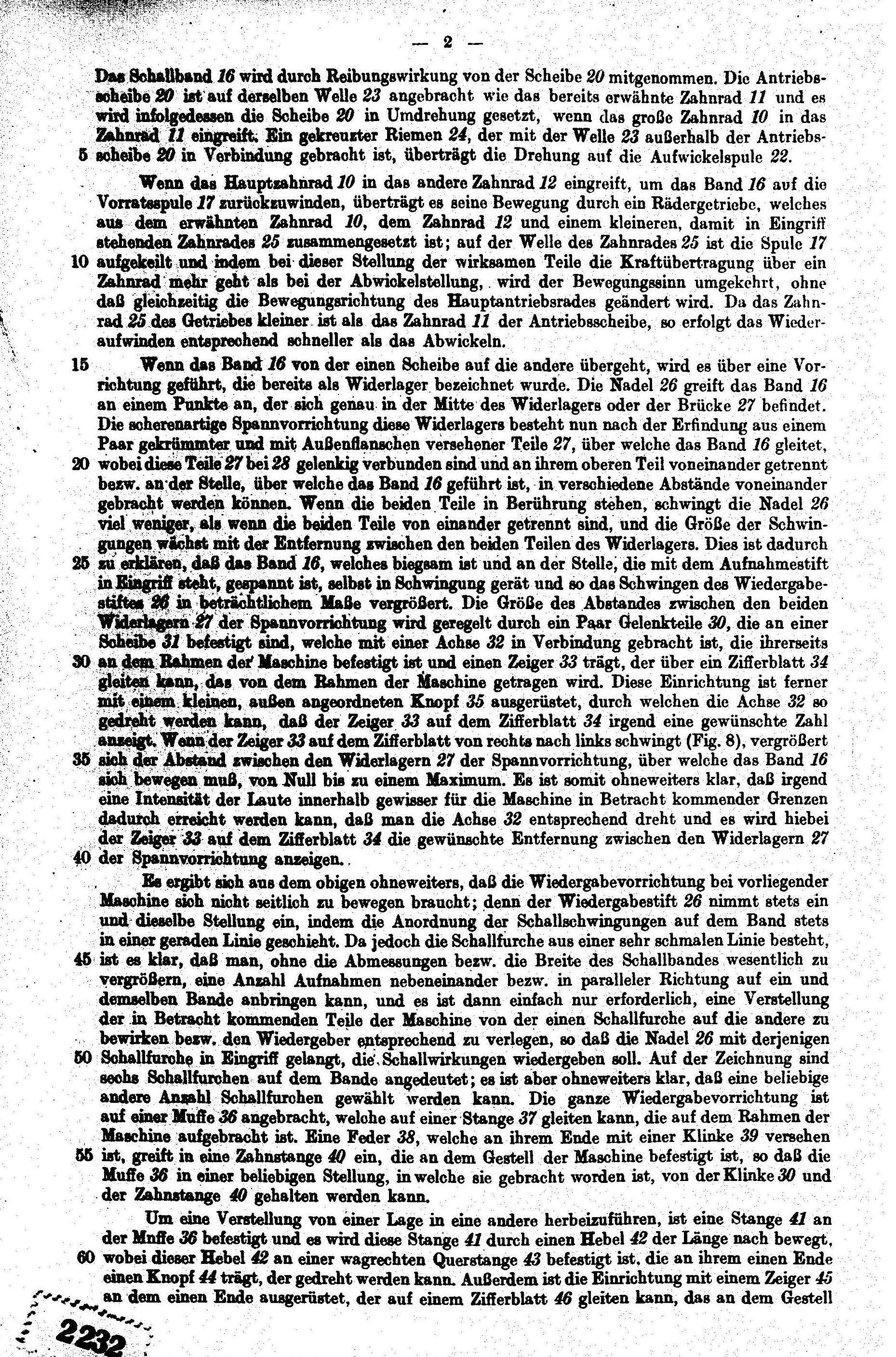
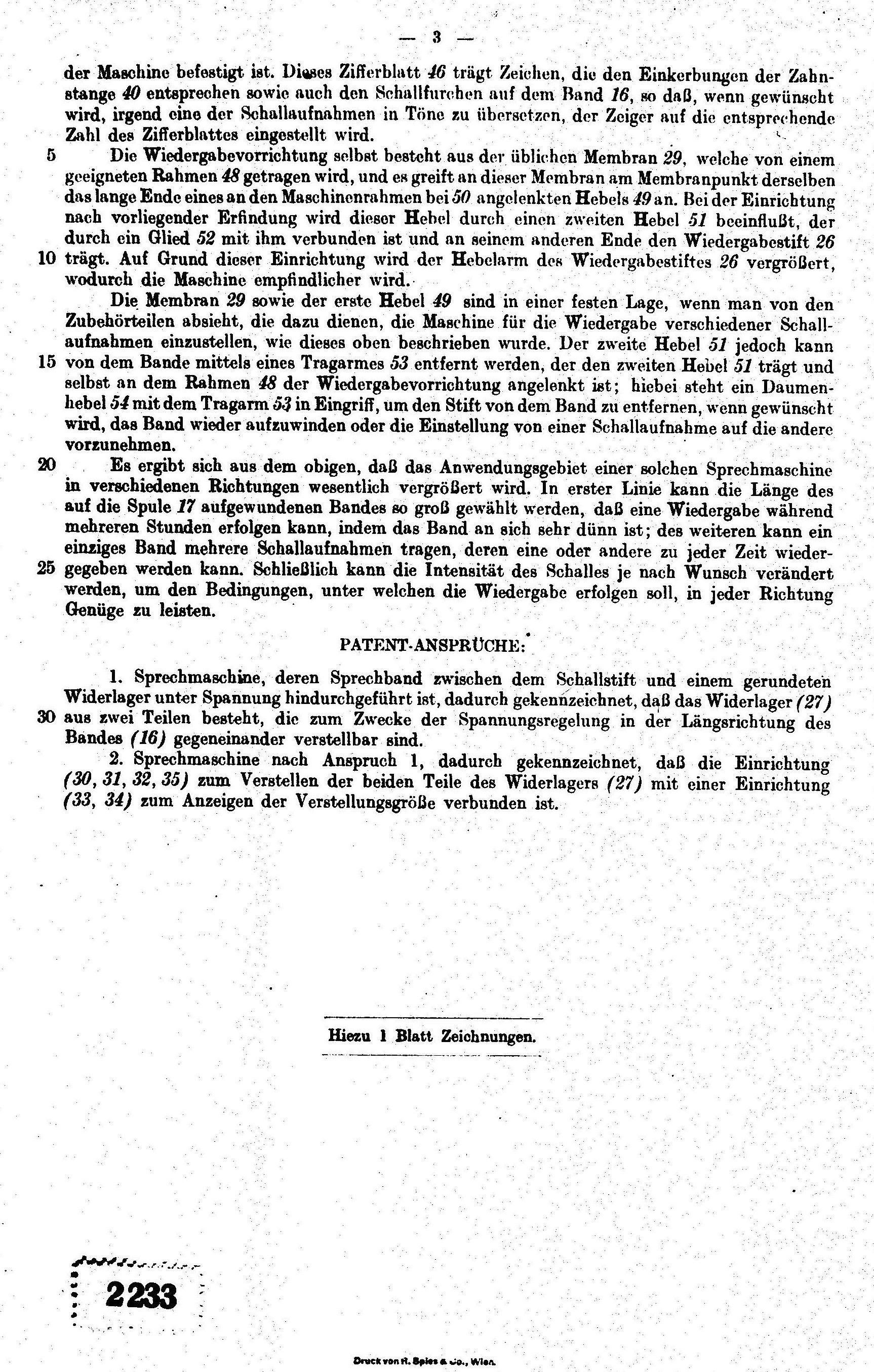
In 1909, Goodale was granted U.S. Patent No. 944,608 and secured protection in nine other countries.
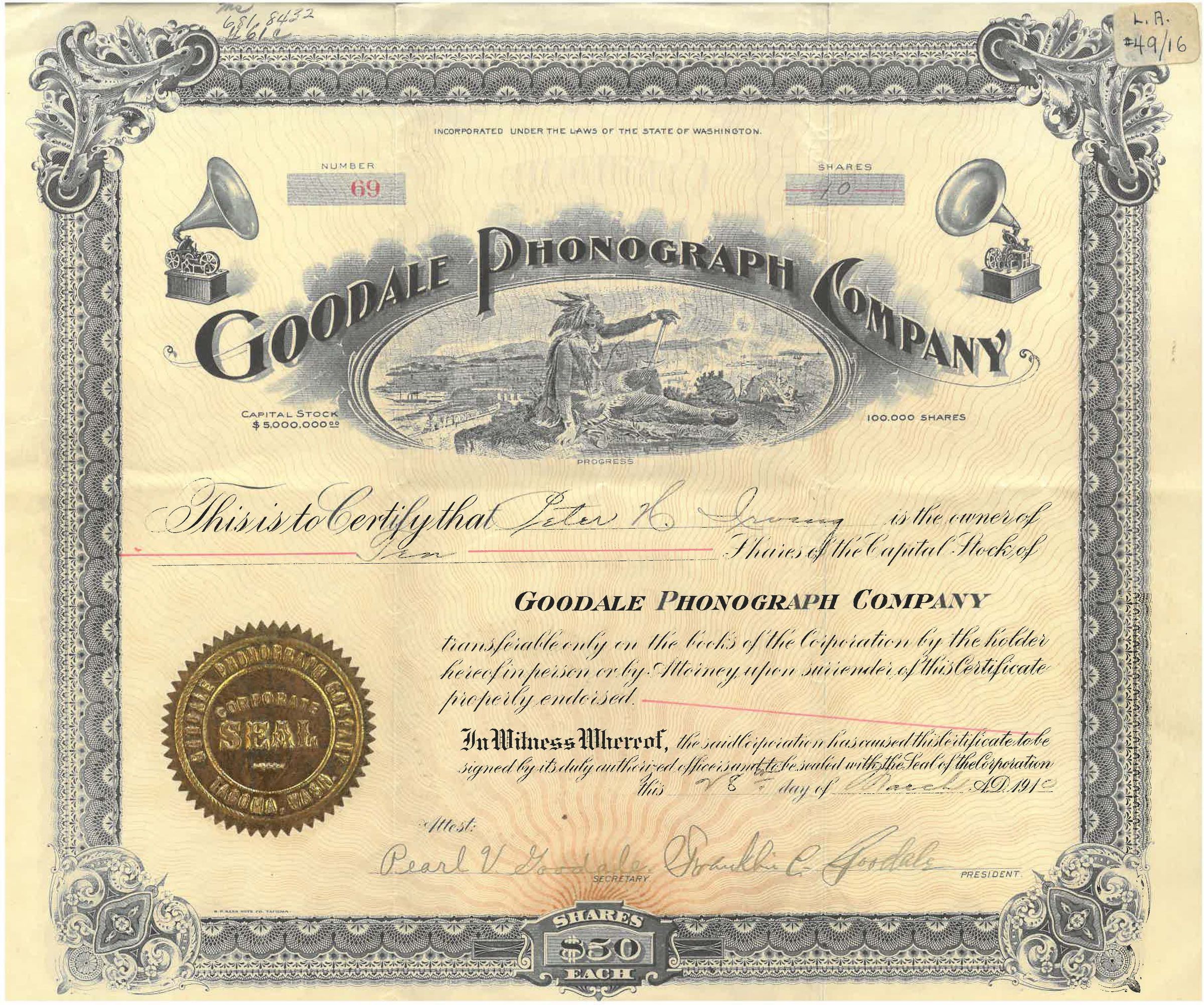
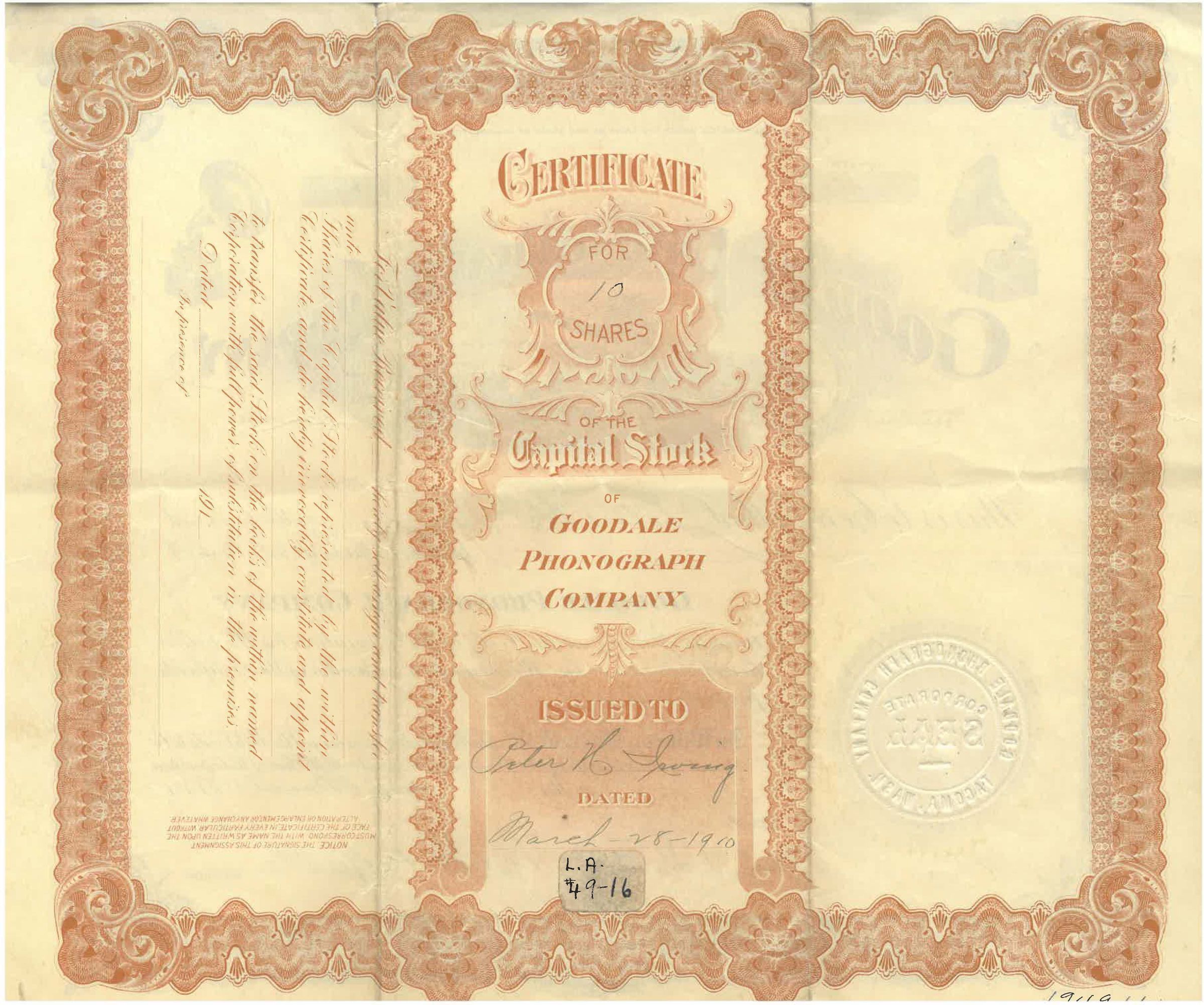
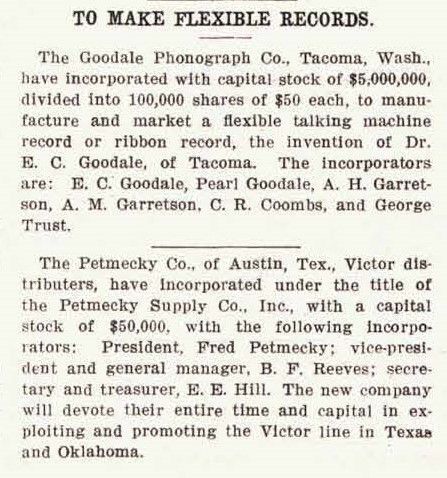
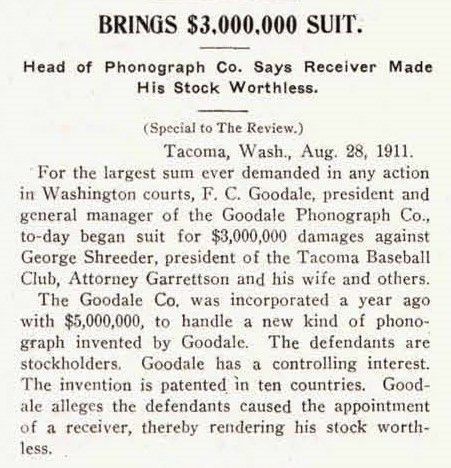
In 1910, he founded the Goodale Phonograph Company with an extraordinary starting capital of five million U.S. dollars—a huge sum for the time—aiming for full‑scale production and worldwide distribution.
However, technical challenges, high manufacturing costs, and mechanical complexity prevented a breakthrough.
Legal disputes forced the company into bankruptcy by 1912, ending production before the system could reach the market.
Uniqueness and Significance
Today, only one known example of Goodale’s visionary project survives—and it is preserved here in the Edisonium Mariazell.
This apparatus is considered:
The world’s first functional tape recorder
The earliest practical use of multitrack recording on a single medium—in contrast to the Graphophone Multiplex Grand
A milestone in the prehistory of magnetic tape, sound film, and multitrack recording
Goodale’s invention proved that the concept of a continuously running tape medium was technically feasible decades before the magnetic tape era began.