Name/Title
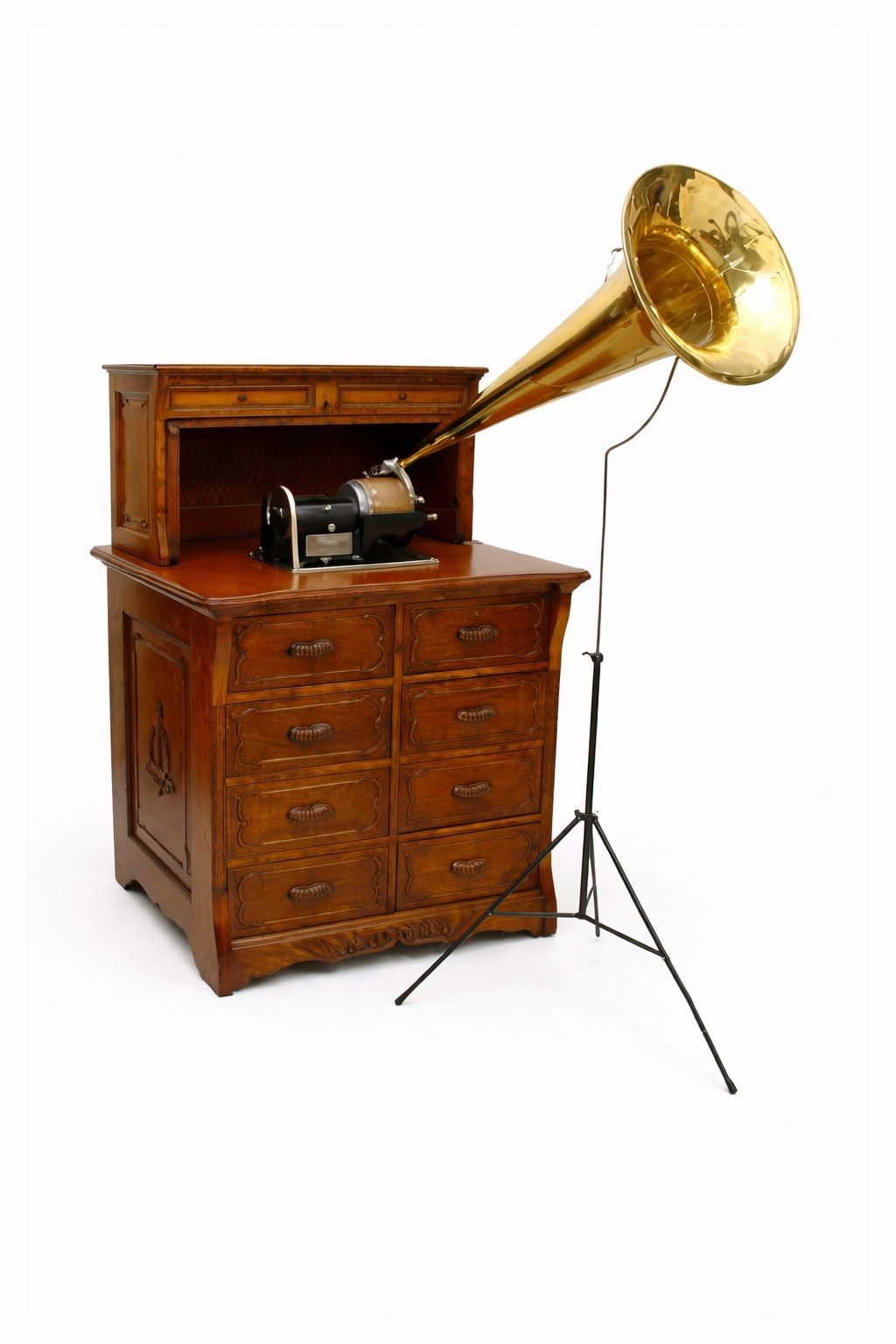
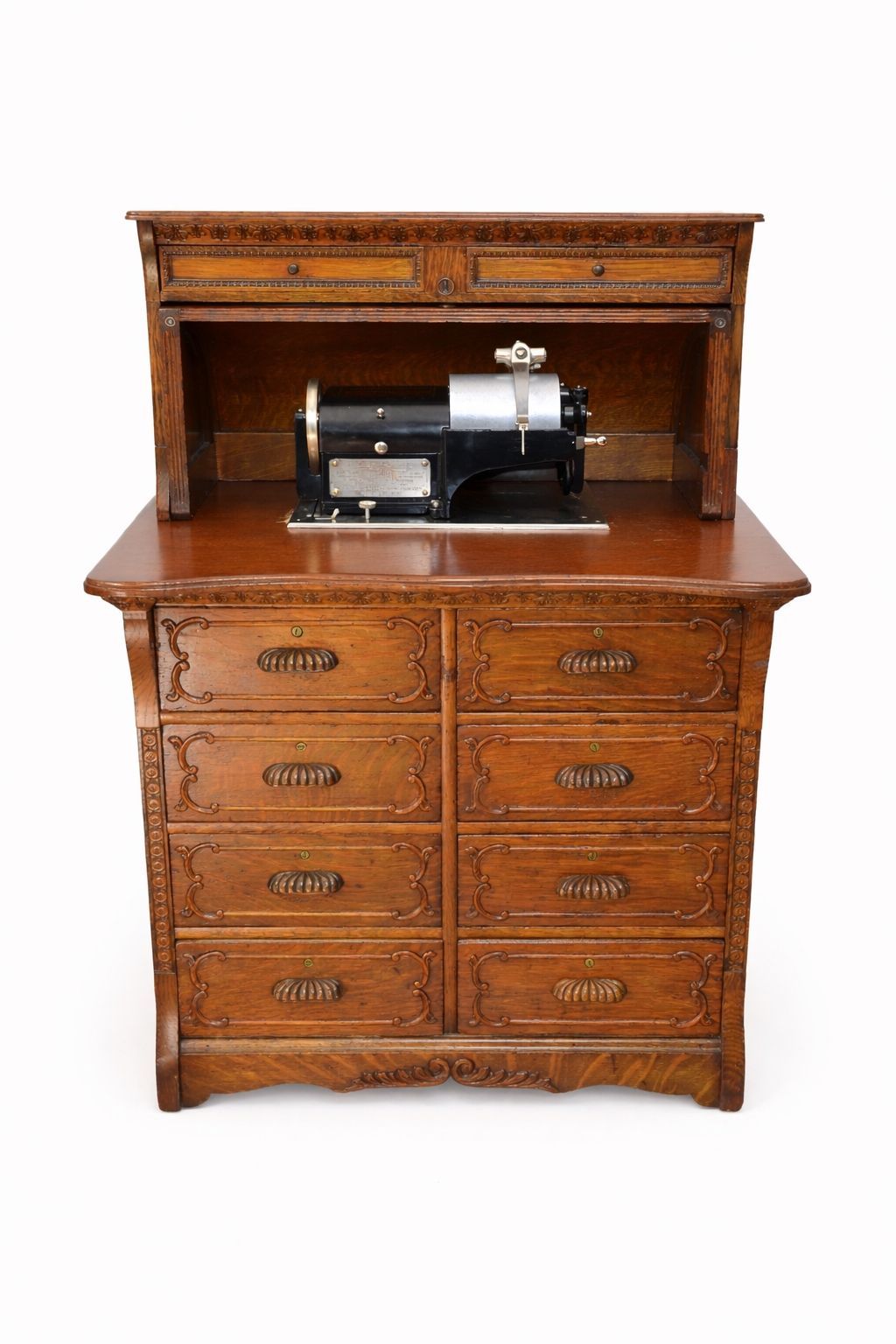
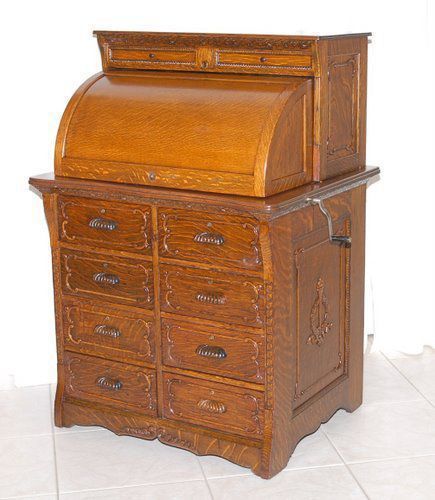
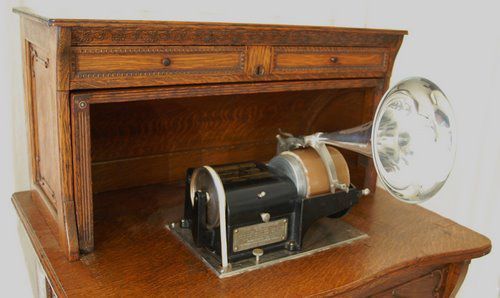
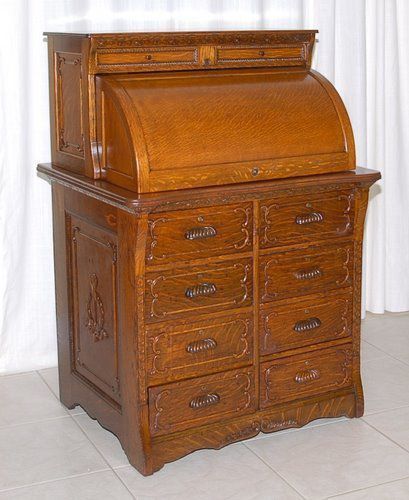
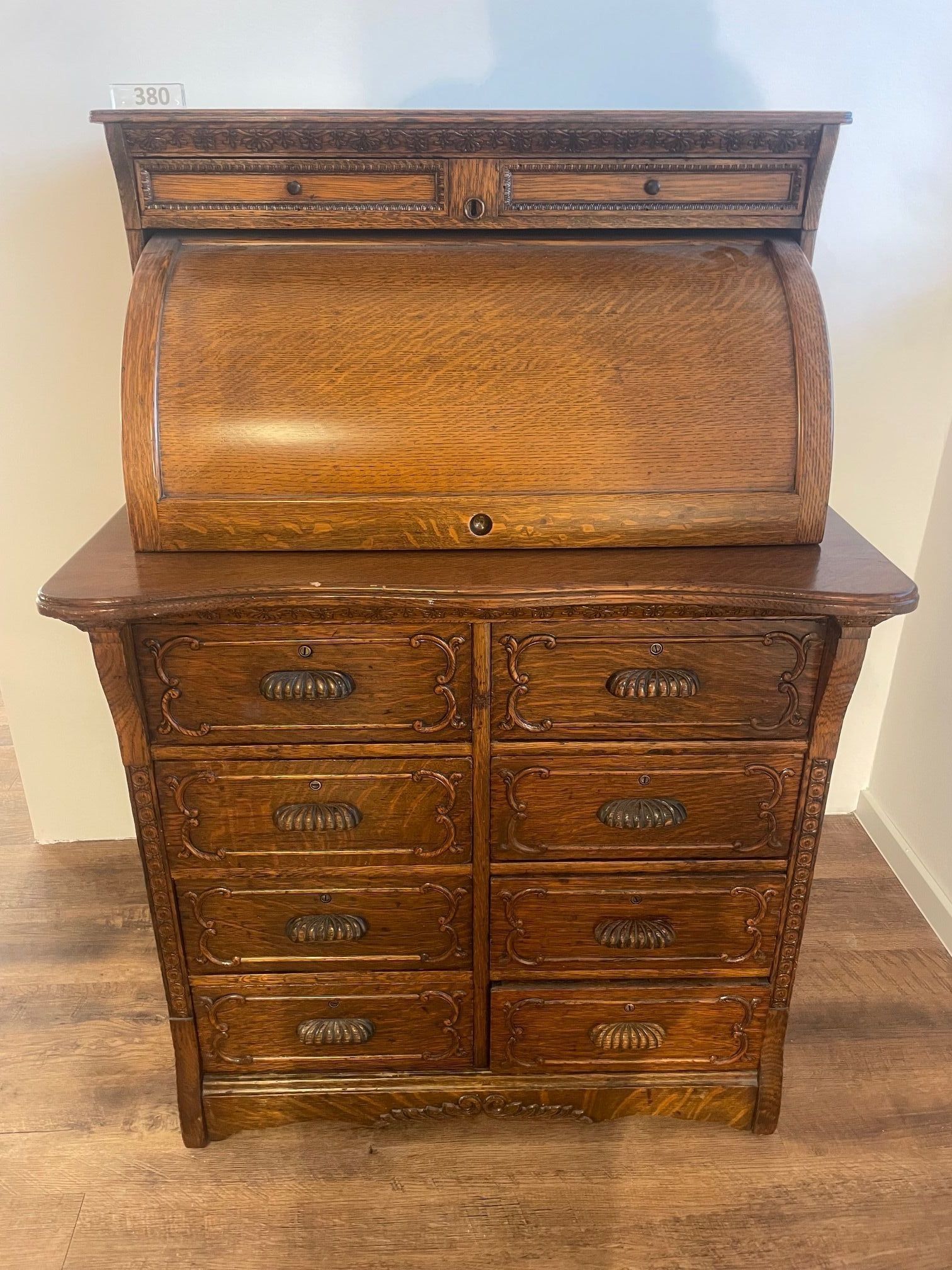
Graphophone Grand Type GG in a Hawthorne & Sheble CabinetEntry/Object ID
380Description
Thomas H. Macdonald
American Graphophone Company (Columbia)
USA, ca. 1898–1901
Historical Context
The Graphophone Type GG, known as the “Graphophone Grand,” was Columbia’s most ambitious cylinder phonograph of the late 1890s. It marked the transition from compact home machines to large, high-performance sound-reproducing instruments offering exceptional volume and sonic detail.
With the GG, Columbia deliberately positioned itself in direct competition with Edison’s Concert Phonographs—yet followed its own technical philosophy, placing an even greater emphasis on sound power, clarity, and mechanical refinement.
The Hawthorne & Sheble Cabinet
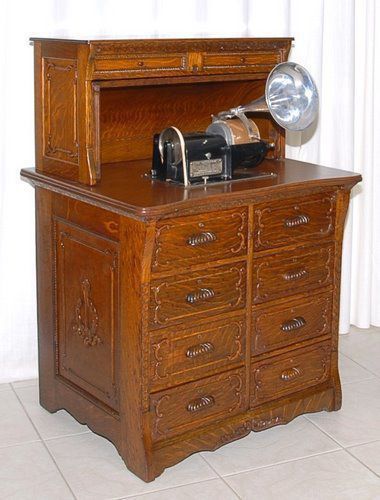
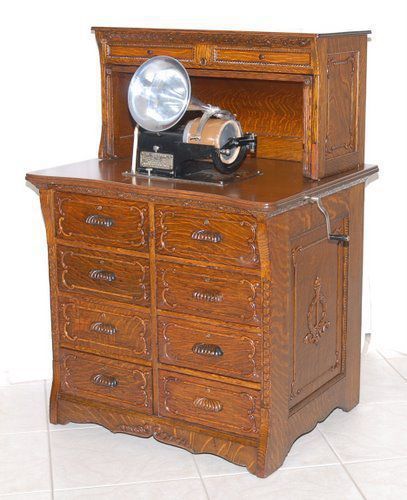
The machine shown here is installed in an original Hawthorne & Sheble cabinet.
Hawthorne & Sheble were among the most important American manufacturers of phonograph furniture and cabinets in the late nineteenth century.
For the Graphophone Grand, existing Hawthorne & Sheble cabinets were specifically adapted to accommodate Columbia’s massive upper works. This practice was typical of a transitional period in which proven cabinet designs were retained while sound-recording technology advanced rapidly.
The cabinet provided:
generous storage for 5-inch Grand cylinders, with five Concert cylinders per drawer
a robust structure capable of supporting the heavy GG mechanism
a refined, furniture-grade appearance suitable for affluent private households
Technical Significance of the Graphophone GG
The Graphophone Grand was exceptional in several respects:
designed for 5-inch “Grand Records” with higher surface speed
resulting in significantly increased volume and improved sound resolution
massive upper works with precise guidance and high mechanical stability
originally equipped with an Eagle-type reproducer, later standardized with the “Heavy Eagle”
Contemporary accounts describe the sound as so powerful that ear tubes were barely usable, making it clear that the GG was intended for playback through large horns and for use in spacious rooms.
Market Position and Production
The Graphophone Grand in a Hawthorne & Sheble cabinet was a true prestige object:
introductory prices reached up to 300 US dollars
later reduced to 150 US dollars
the Hawthorne & Sheble cabinet added an additional 50 US dollars
current research suggests a total production of approximately 1,000 Graphophone GG units
Even in its own time, the GG was regarded as extraordinary—powerful, expensive, and uncompromising.
Significance
The Graphophone Type GG represents:
a peak achievement of Columbia’s acoustic cylinder technology
the transition from domestic entertainment devices to semi-public high-performance machines
the close interplay between sound technology, cabinet making, and social representation
Together with its original Hawthorne & Sheble cabinet, this exhibit vividly demonstrates how sound technology around 1900 was not only heard, but also experienced as furniture, engineering, and a symbol of status.