Name/Title
Multiphone – The World’s First Jukebox (USA, ca. 1903) from C.C. ShigleyEntry/Object ID
144Description
A Historic Milestone with Coin Operation and 24-Selection Playback
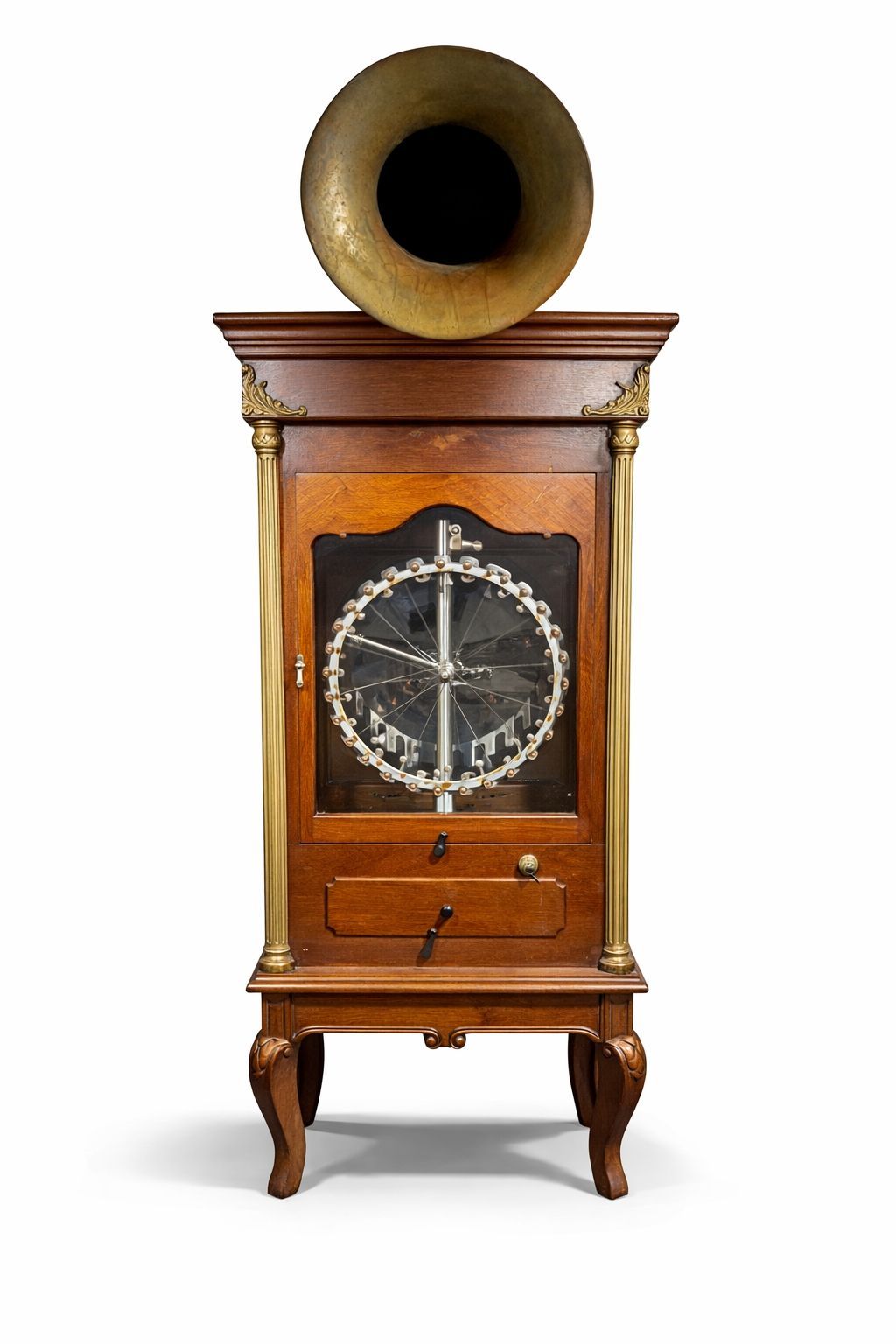
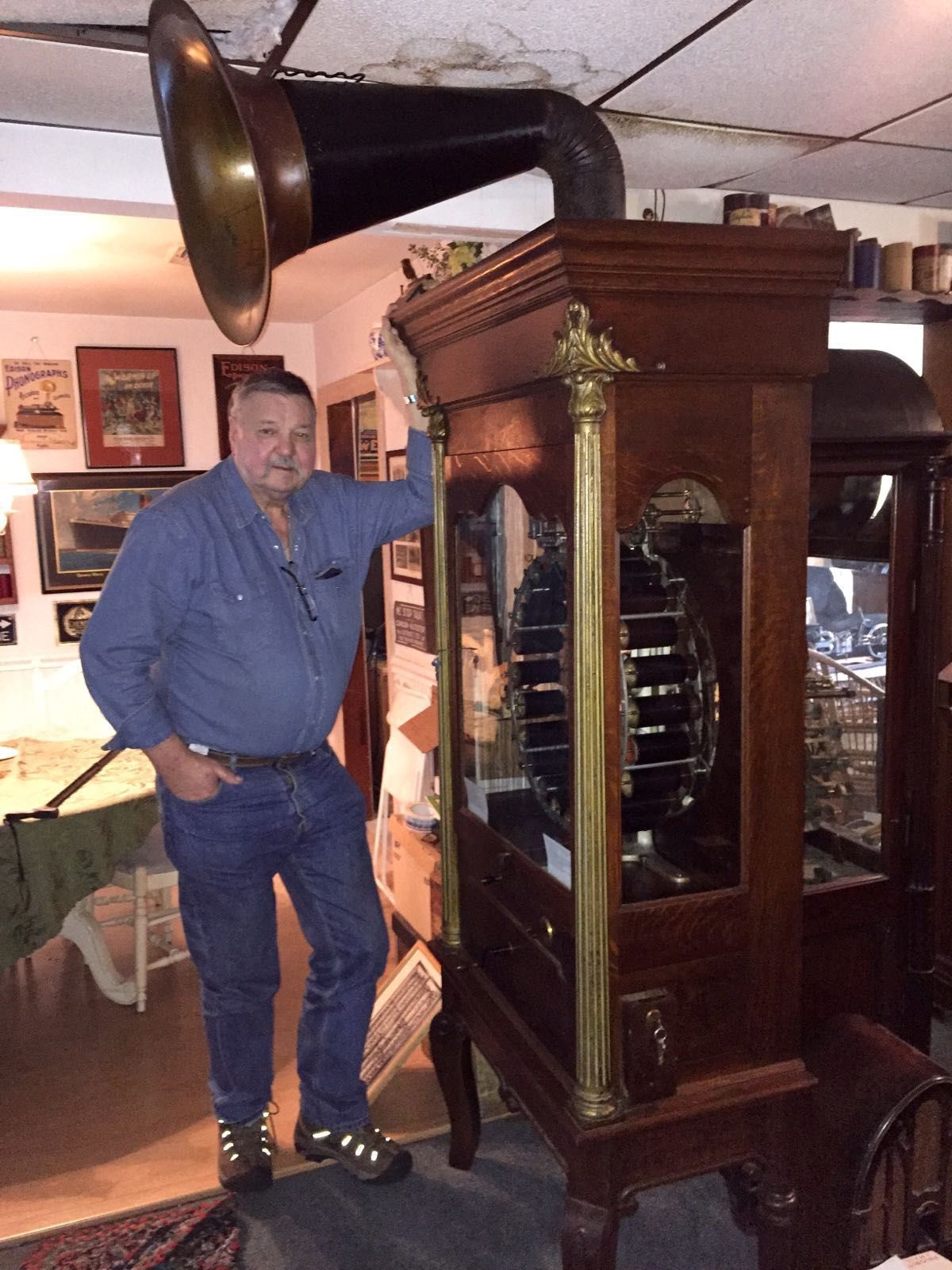
This extraordinary device is considered the first true jukebox in the modern sense. It allowed users to insert a coin and select one of 24 stored cylinder recordings to be played automatically.
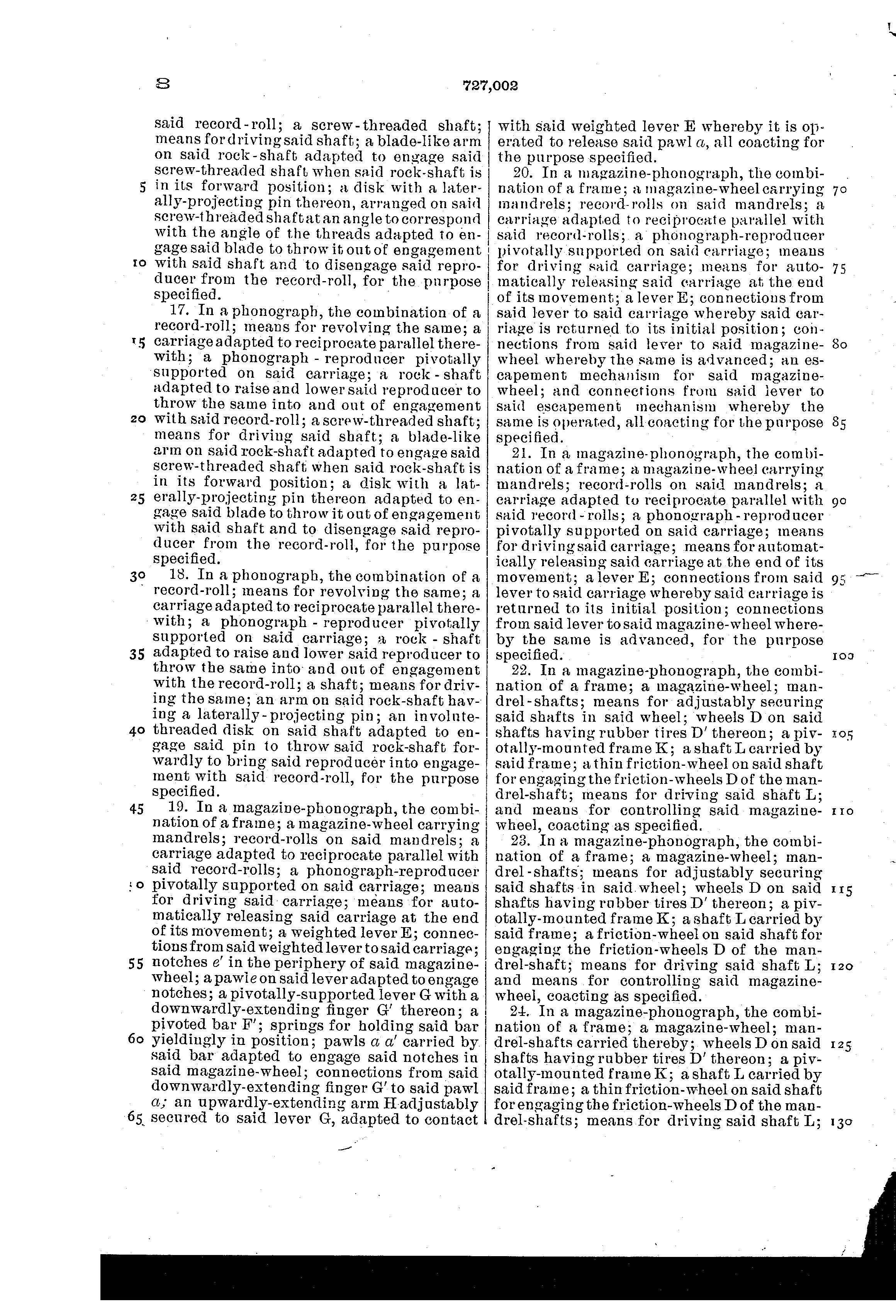
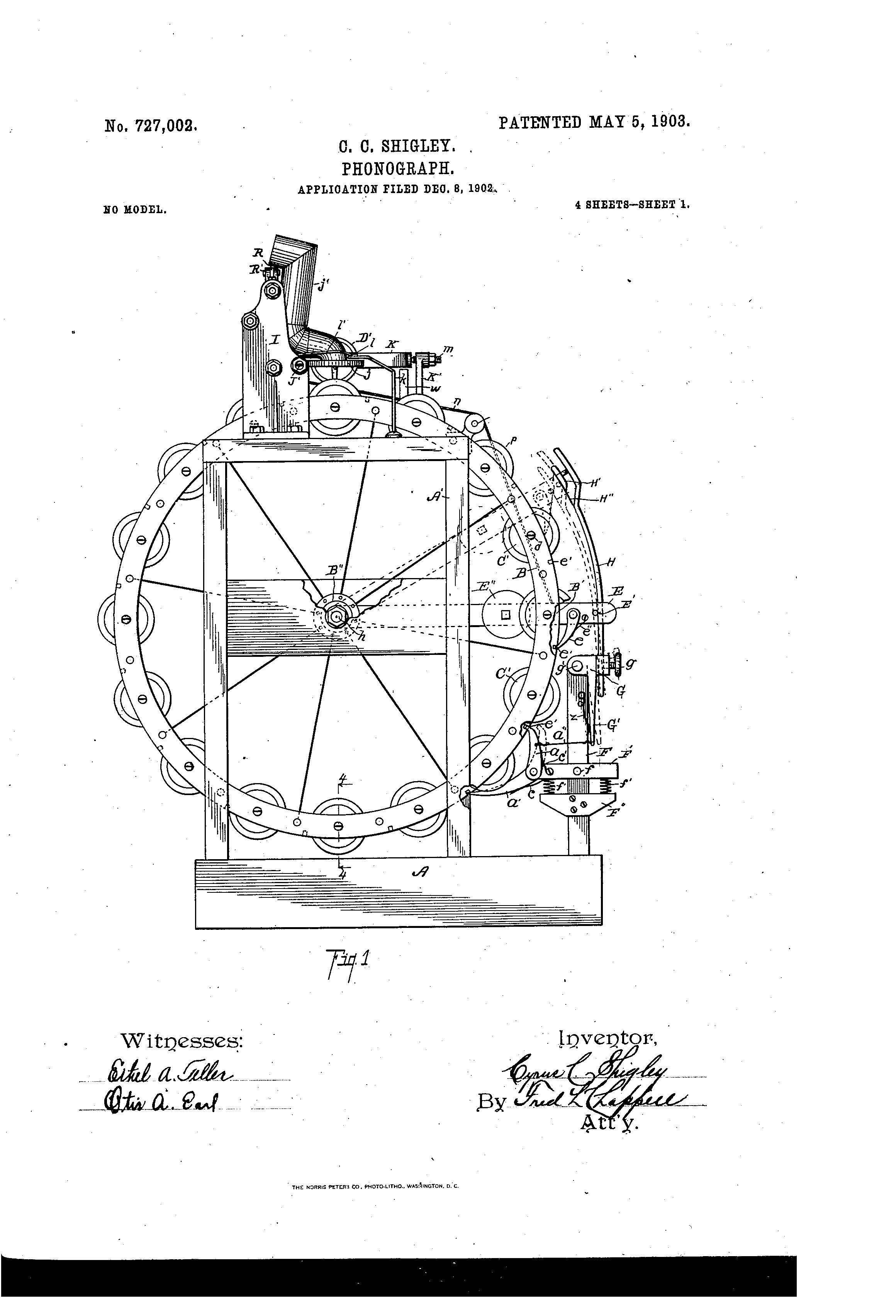
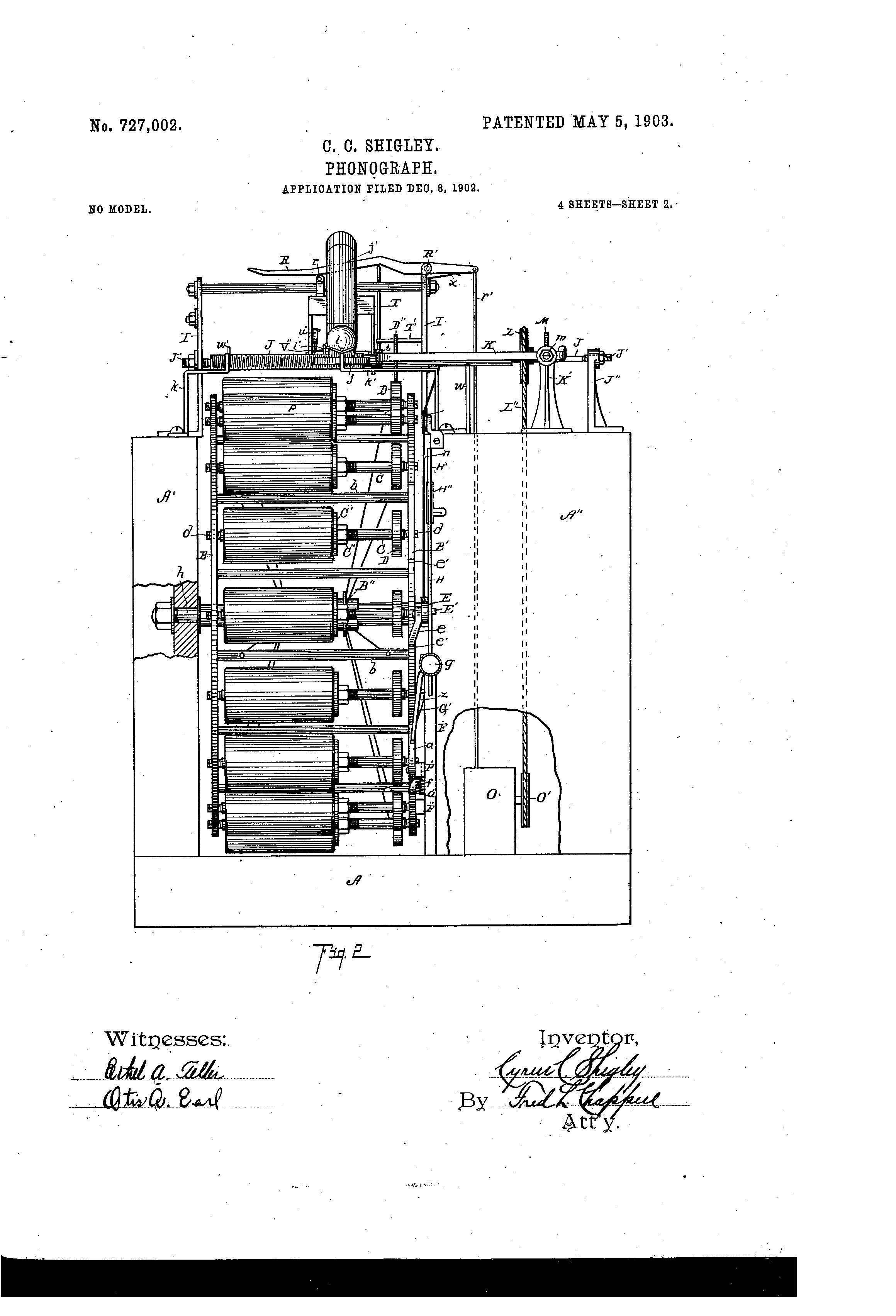
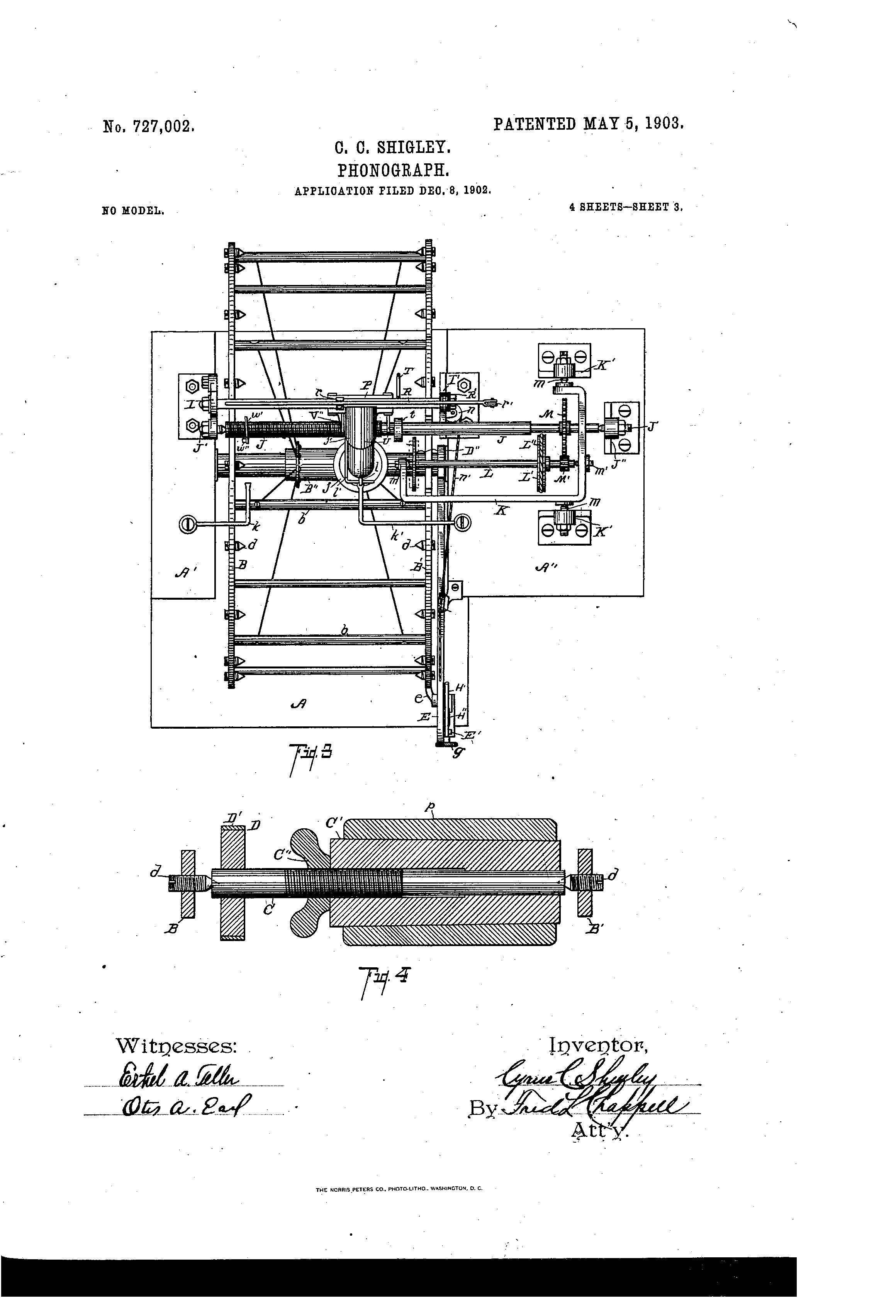
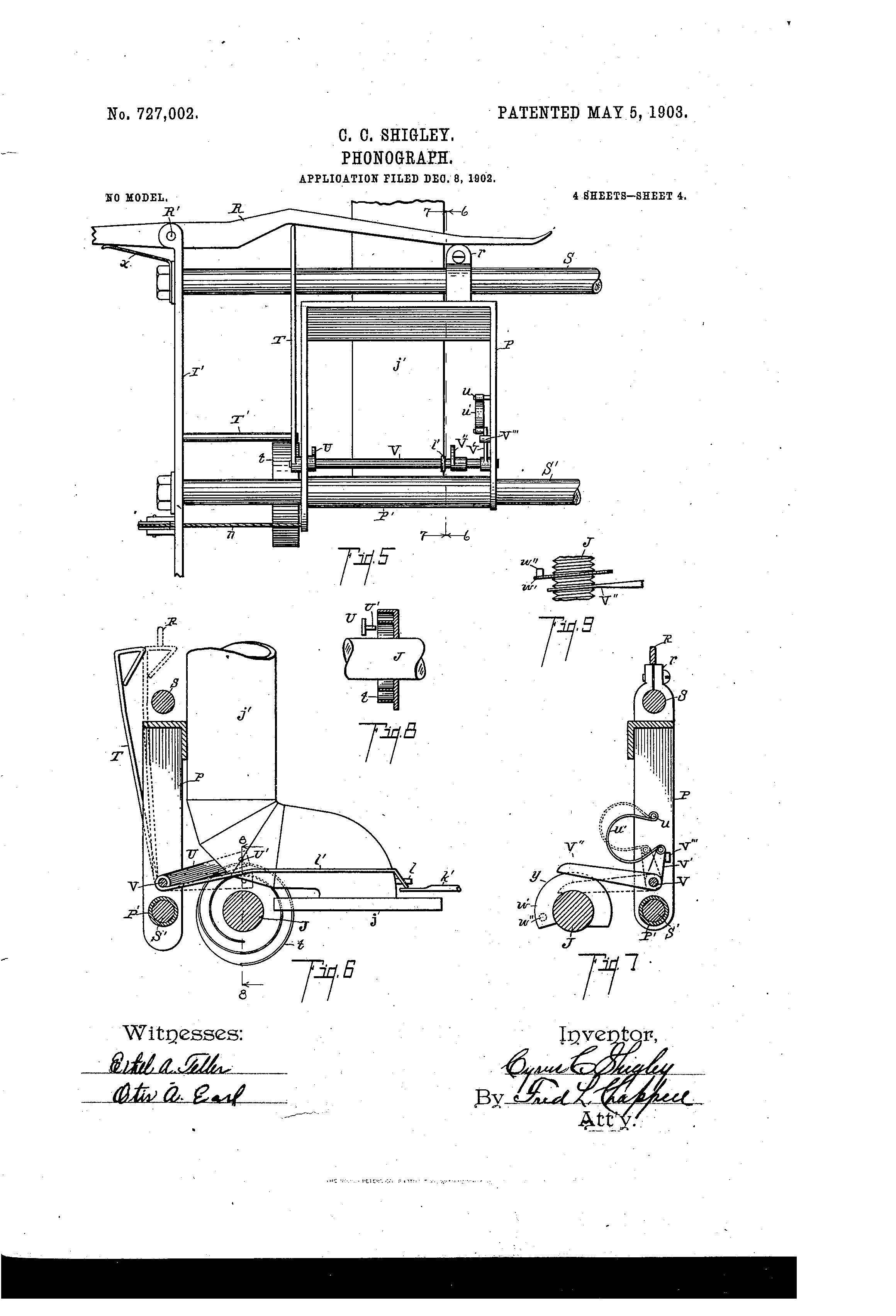
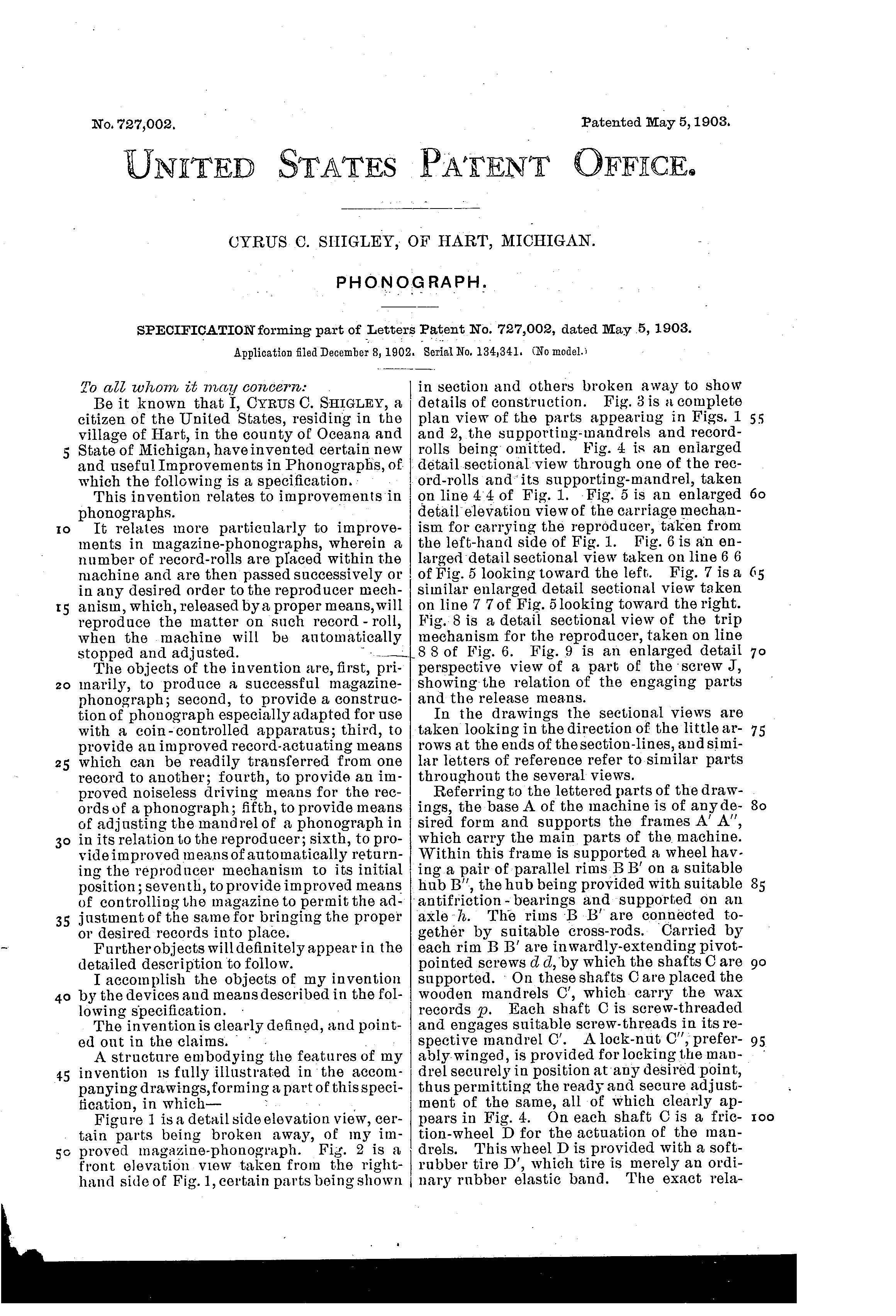
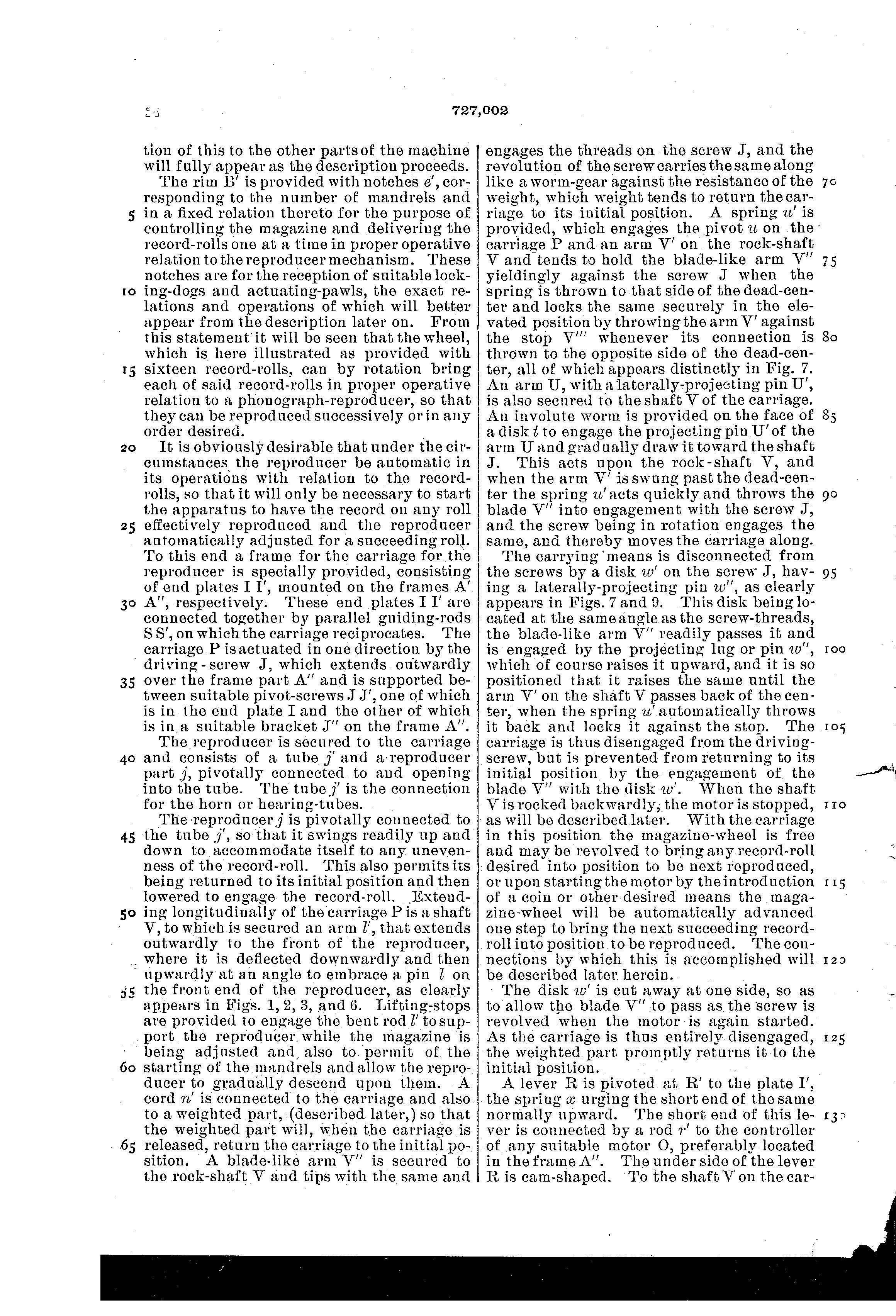
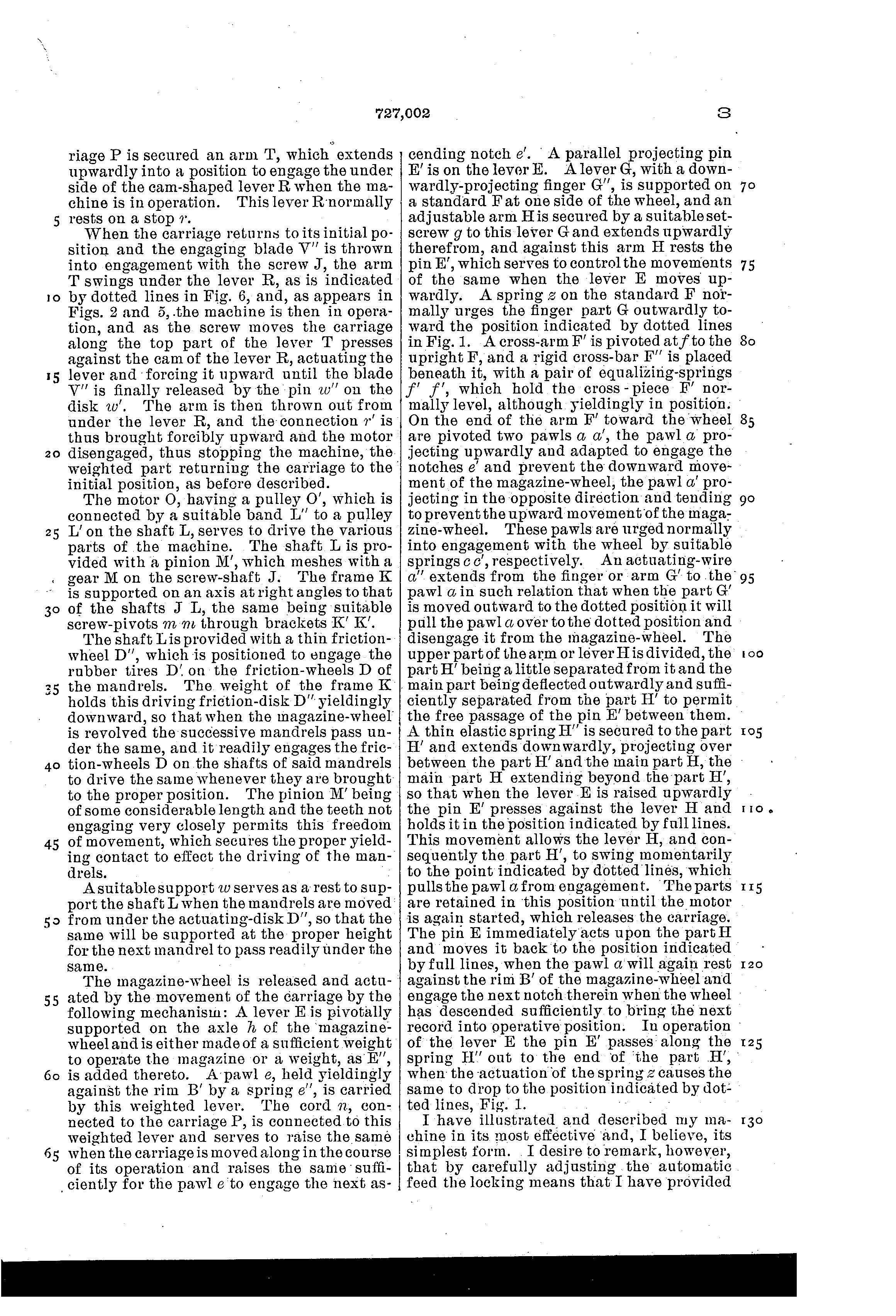
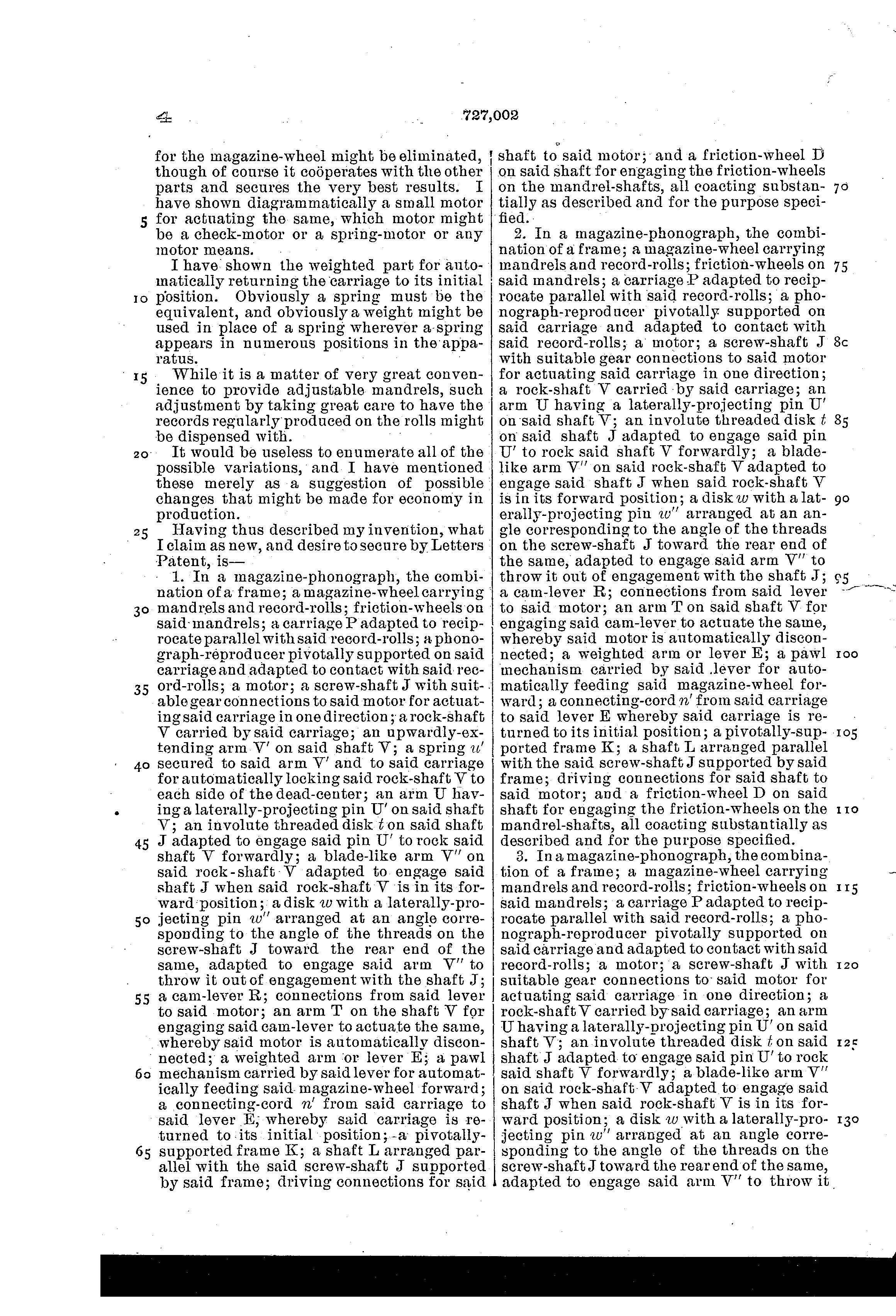
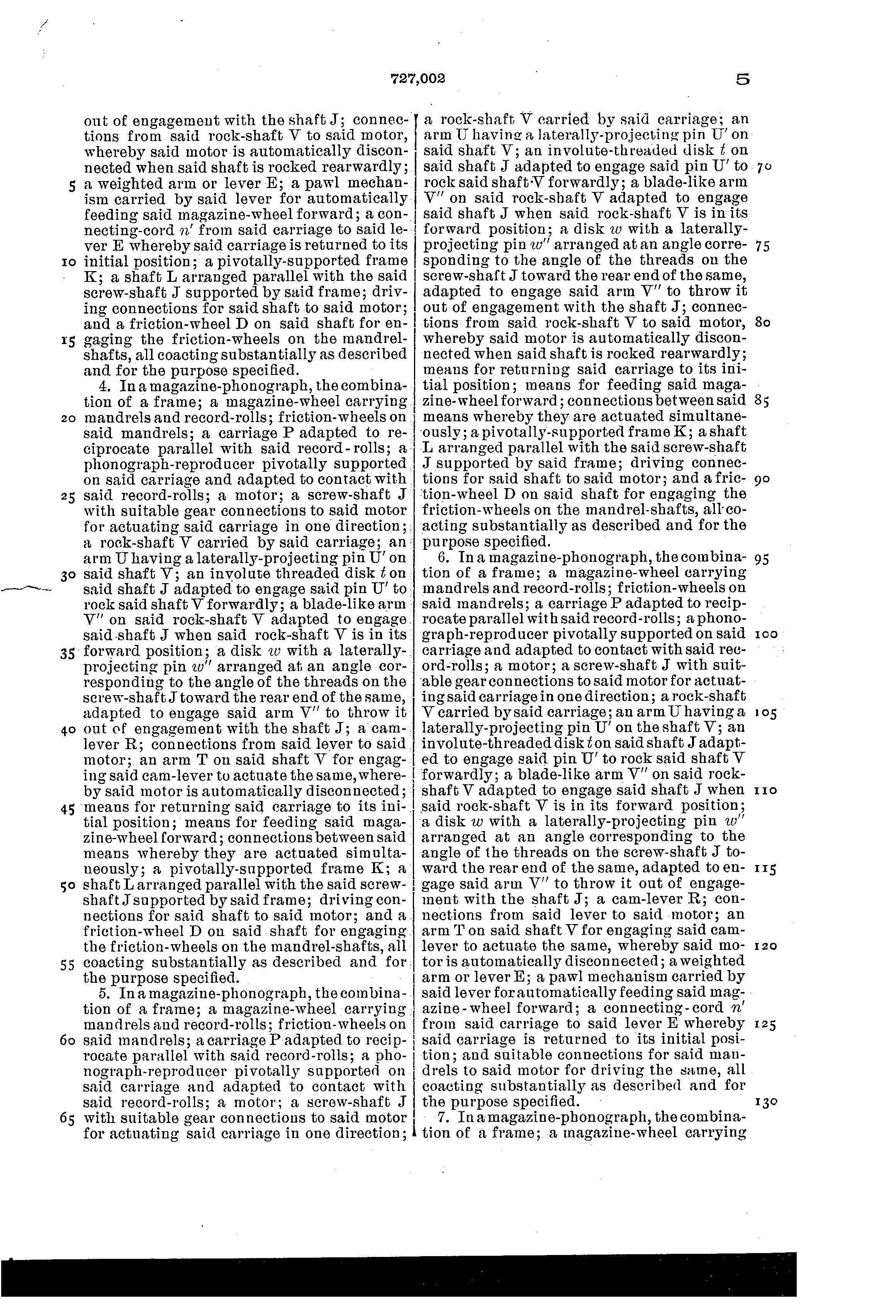
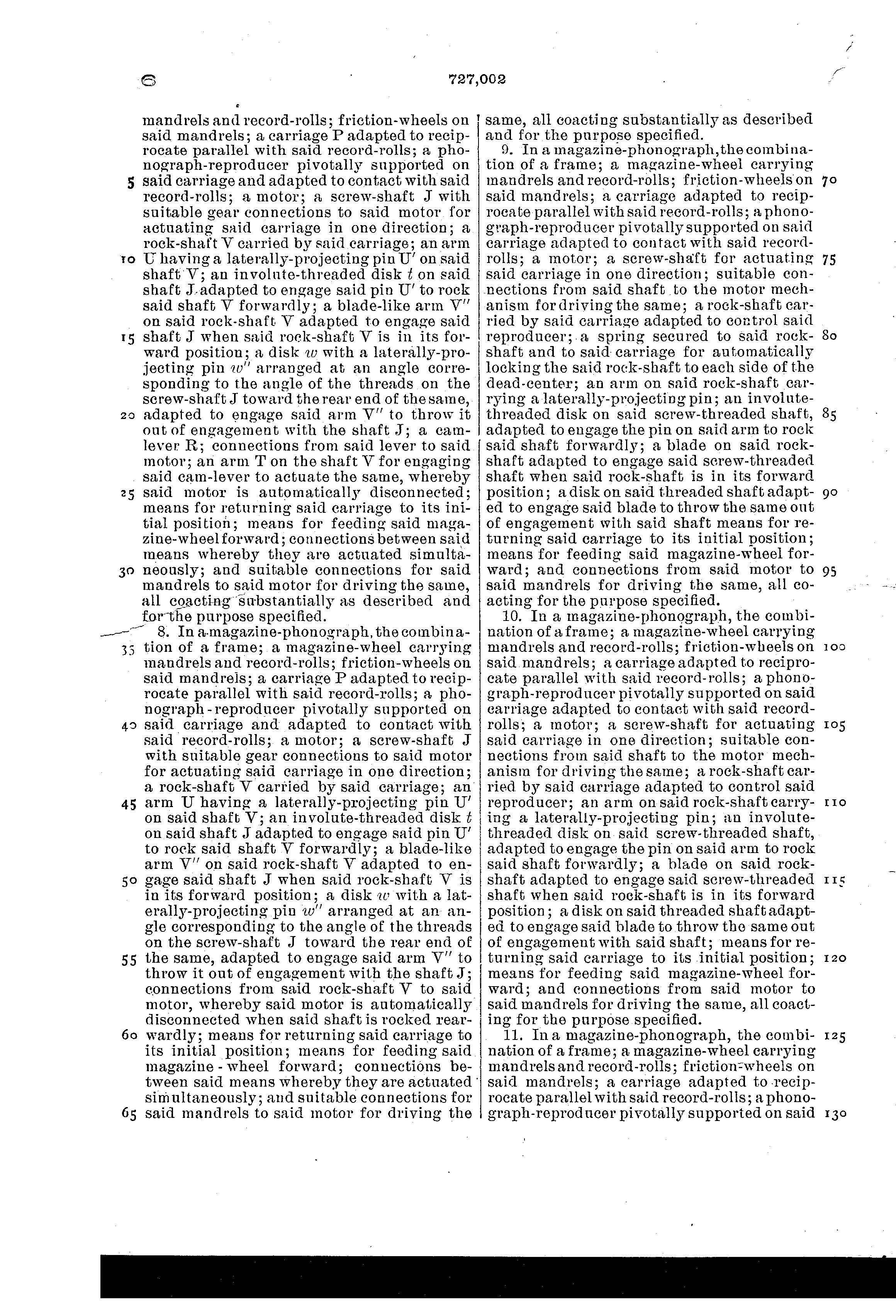
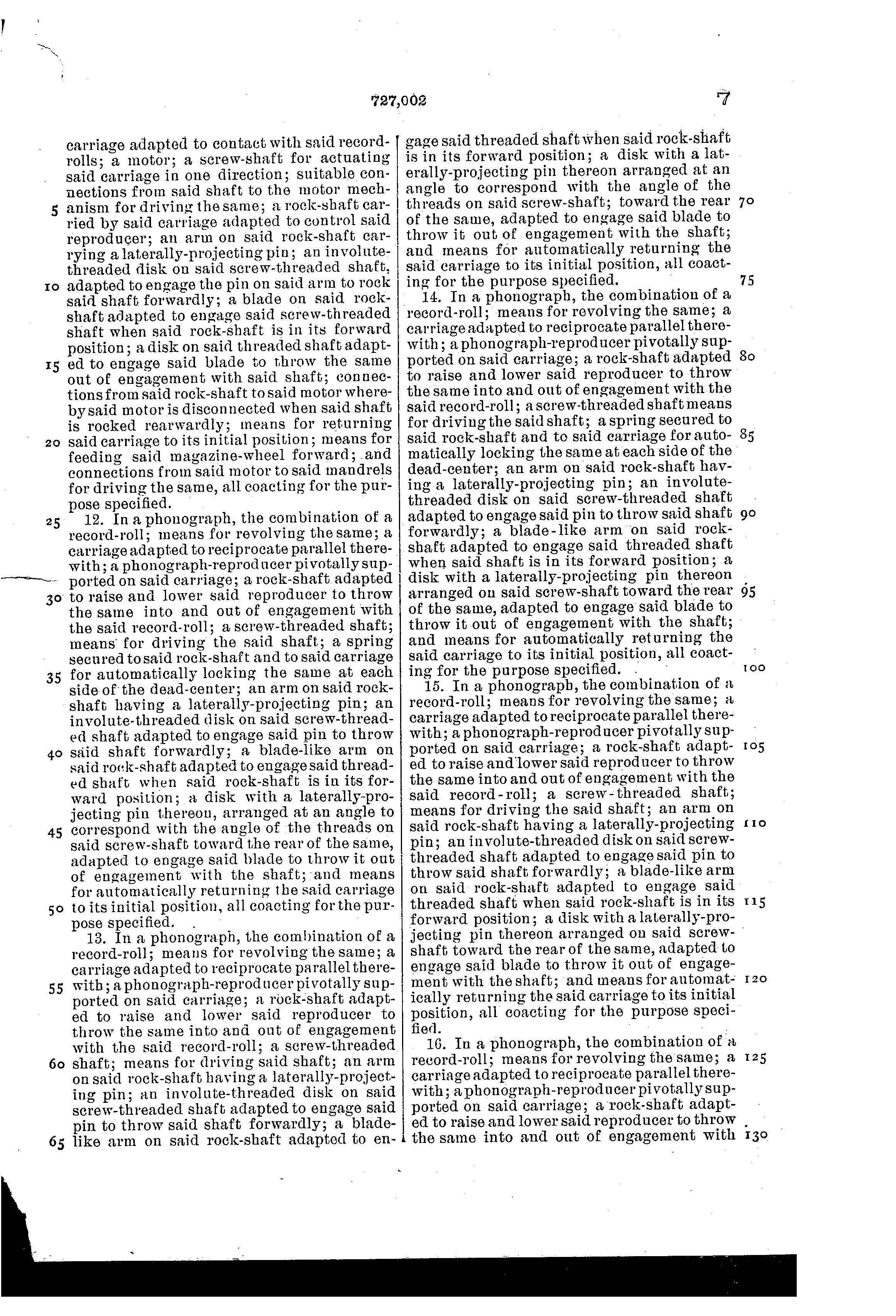
The mechanism was invented by American Cyrus C. Shigley and filed for patent on December 8, 1902. The patent was granted on May 5, 1903, under U.S. Patent No. 727002. It describes in detail:
a coin-actuated mechanism,
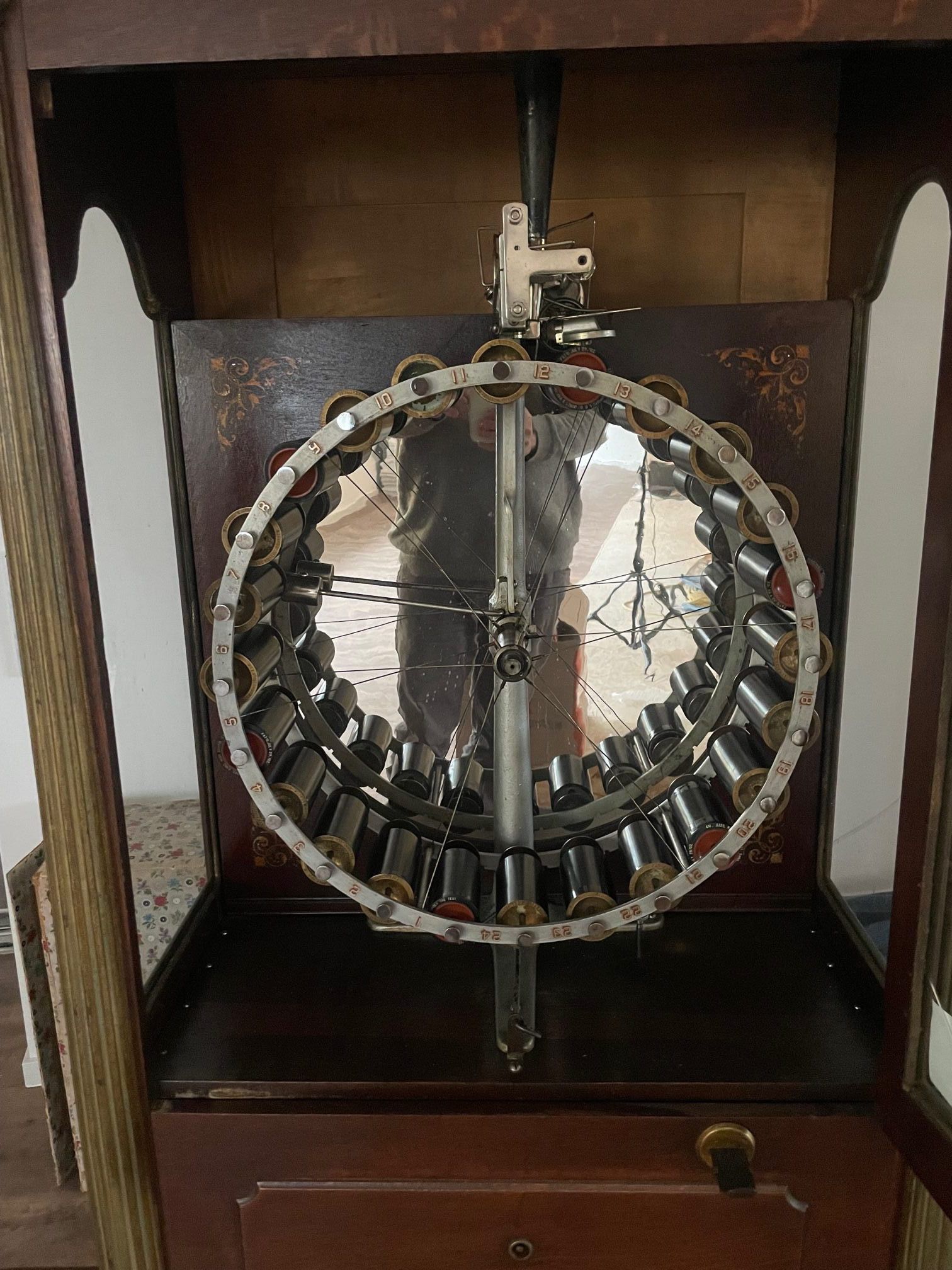
a vertically mounted cylinder carousel with 24 positions,
a title selection system via hand crank,
and the automatic mechanical playback of the selected cylinder.
Technology and Function
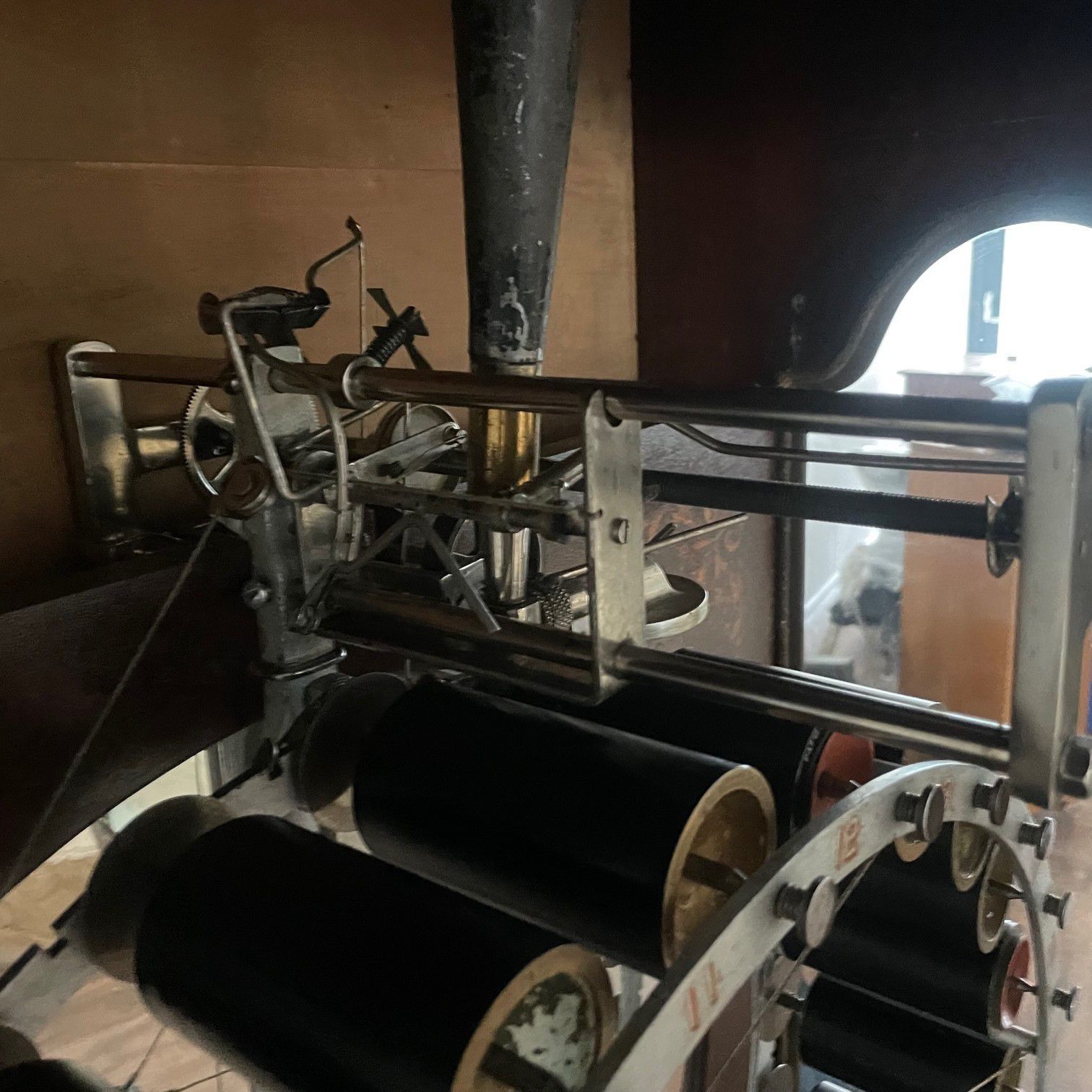
After inserting a coin, the user could rotate a crank to select one of 24 musical titles. The corresponding cylinder would be automatically moved into position and played.
The entire process was purely mechanical, powered by a strong spring motor—with no electricity involved.
The sophisticated technology was based on a multi-linked lever and gear system, enabling precise selection and return of each cylinder. In terms of complexity and user interaction, this system already foreshadowed the logic of modern media devices.
Company Label: Multi-Phonograph Company
The example shown here originates from the first production run of the Multi-Phonograph Company, based in Grand Rapids, Michigan, USA.
The original logo on the front panel bears the names of the two inventors:
C.C. Shigley & S.H. Paxton, Proprietors – Patented May 1903
The company was later renamed the Multiphone Company, as production was expanded and the design refined.
This specific machine still shows many prototype-like details, both in construction and finish—placing it among the earliest known examples ever built.
Patent Quote (US727002 – Cyrus C. Shigley, 1903)
Excerpt from the original document:
“My invention relates to a sound-reproducing apparatus capable of automatically positioning one of a plurality of recorded sound units for playback upon the insertion of a coin. A vertically rotating drum carries multiple cylindrical recording media (cylinders), each mechanically selectable. Once selected, the chosen cylinder is engaged by a system of levers and spring mechanisms into the playback arm, while all other positions are locked.”
This patent was a landmark innovation in the evolution of public sound playback devices with interactive user selection.
Historical Significance
Shigley’s patent is now widely recognized as the birth certificate of the jukebox. It represents a turning point—from passive listening to active, user-controlled music playback in public spaces.
Only three original devices of this type are known to survive worldwide. The one exhibited at the Edisonium Mariazell is among the best preserved examples of this groundbreaking invention. This unique device comes from the collection of renowned phonograph expert Charley Hummel – it was his personal “baby” and one of the true centerpieces of his historic collection.