Name/Title
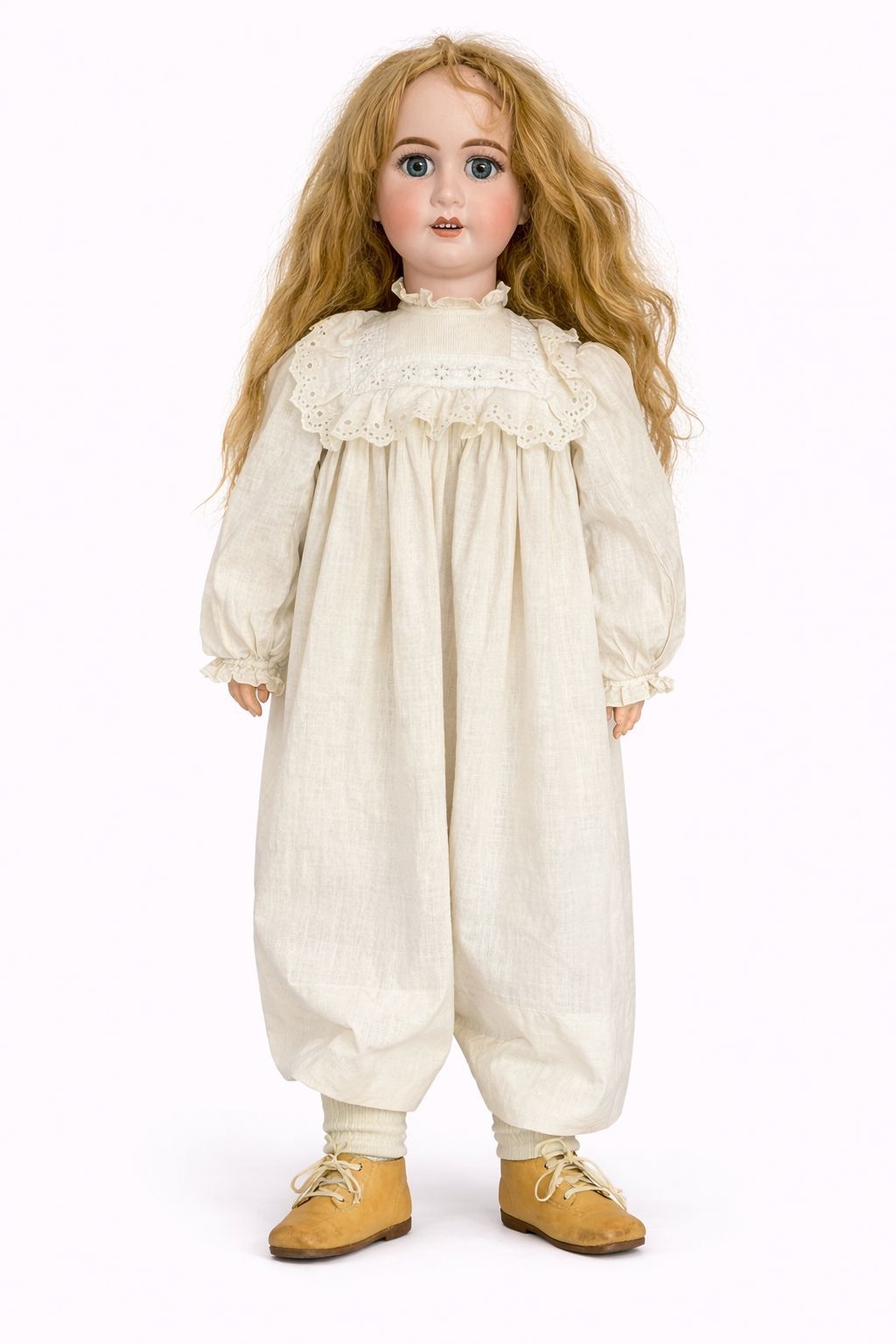
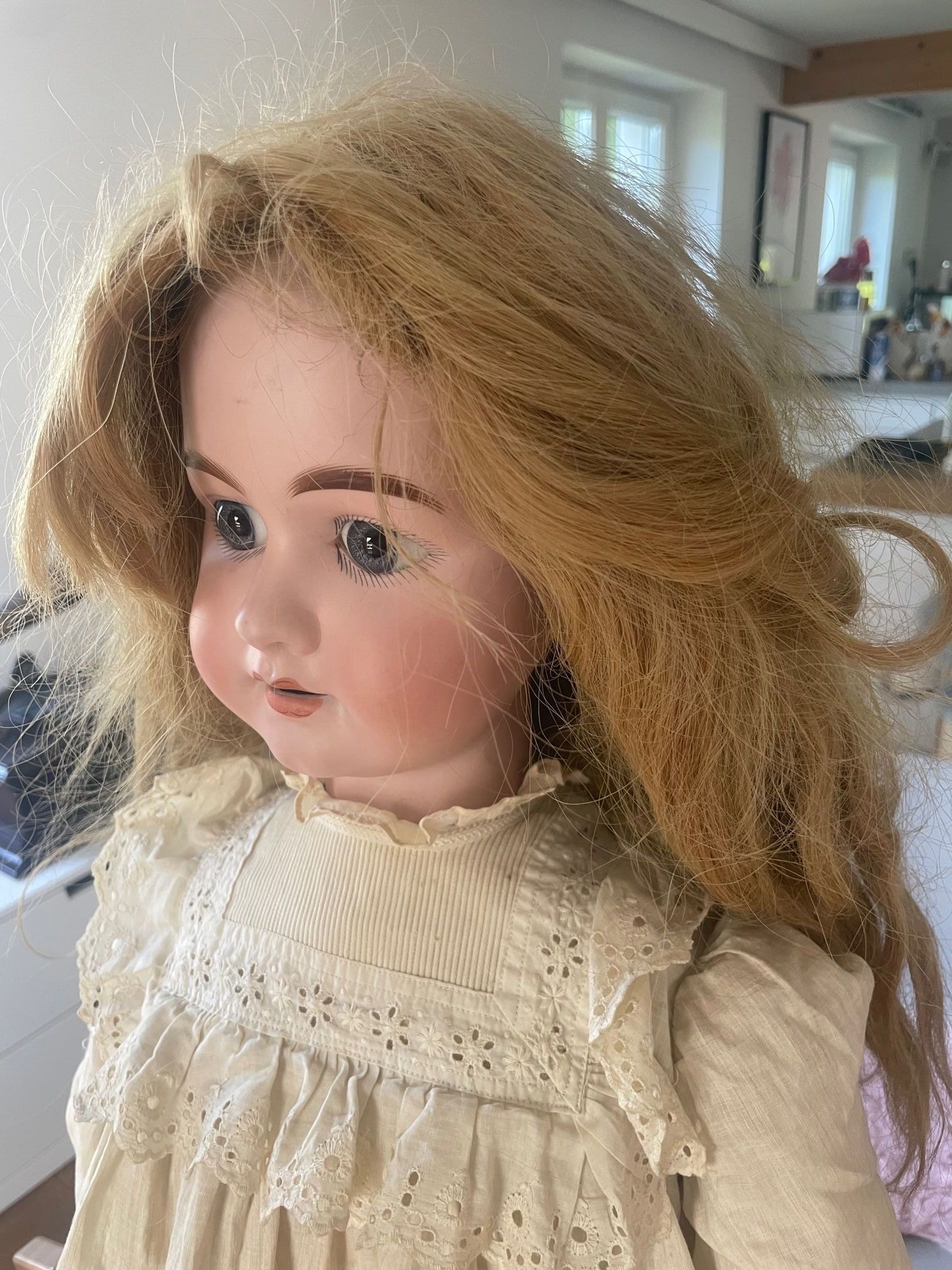
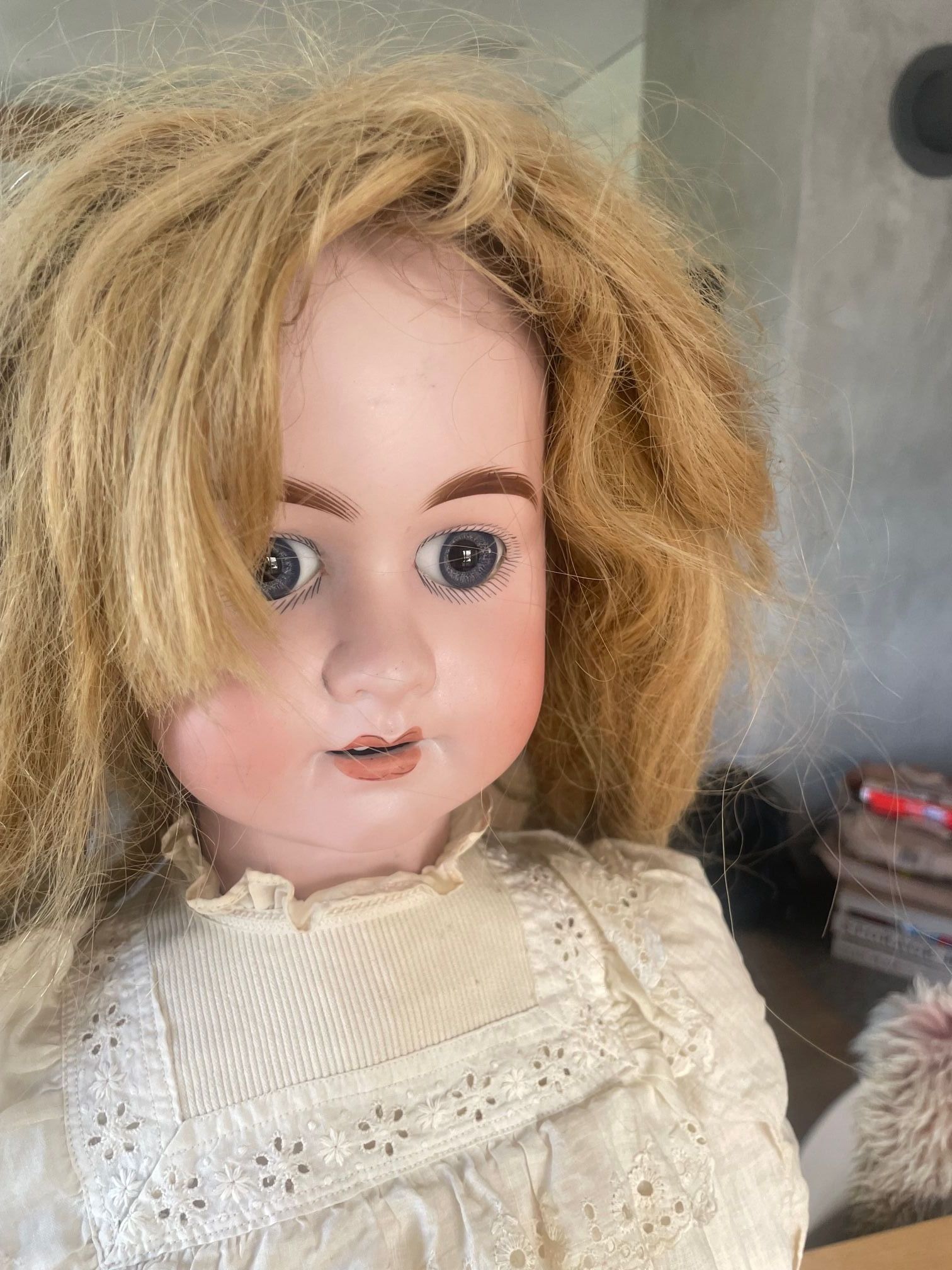
Talking Doll “Arnoldia”, Phonograph doll with sound horn guided through the headEntry/Object ID
137Description
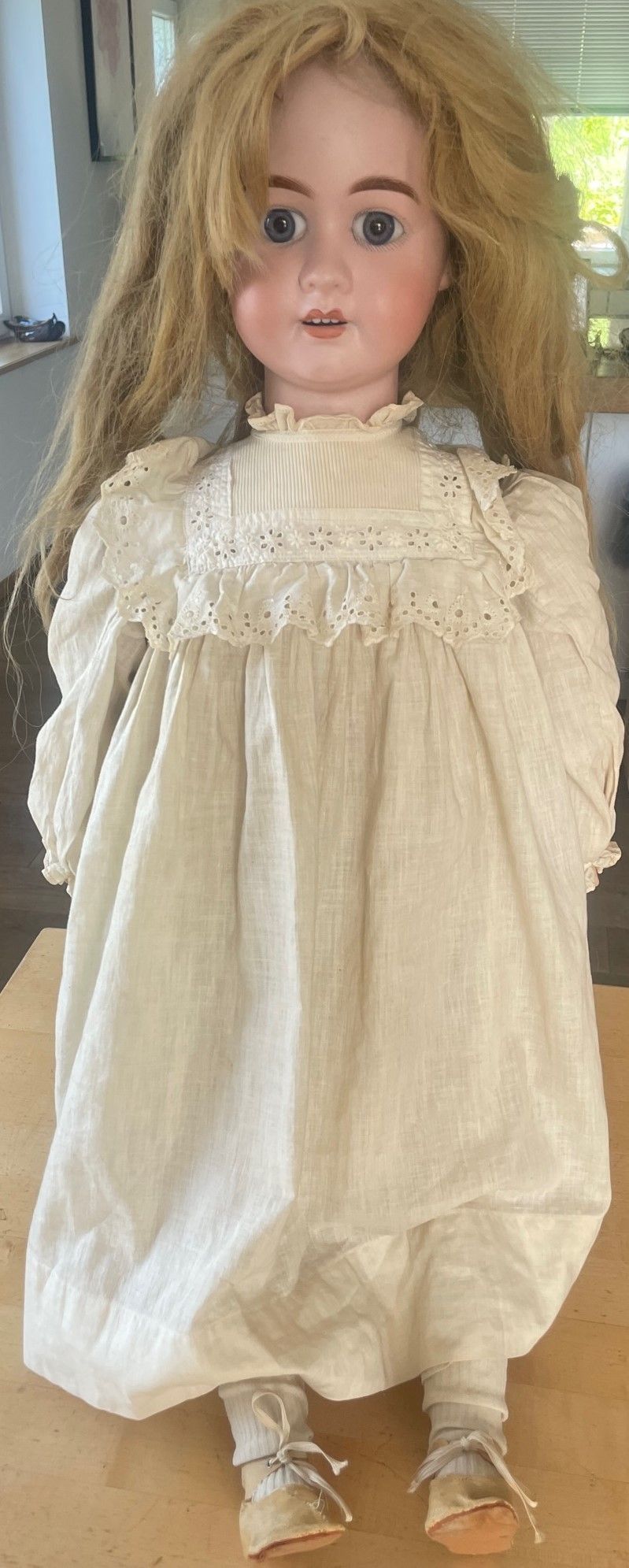
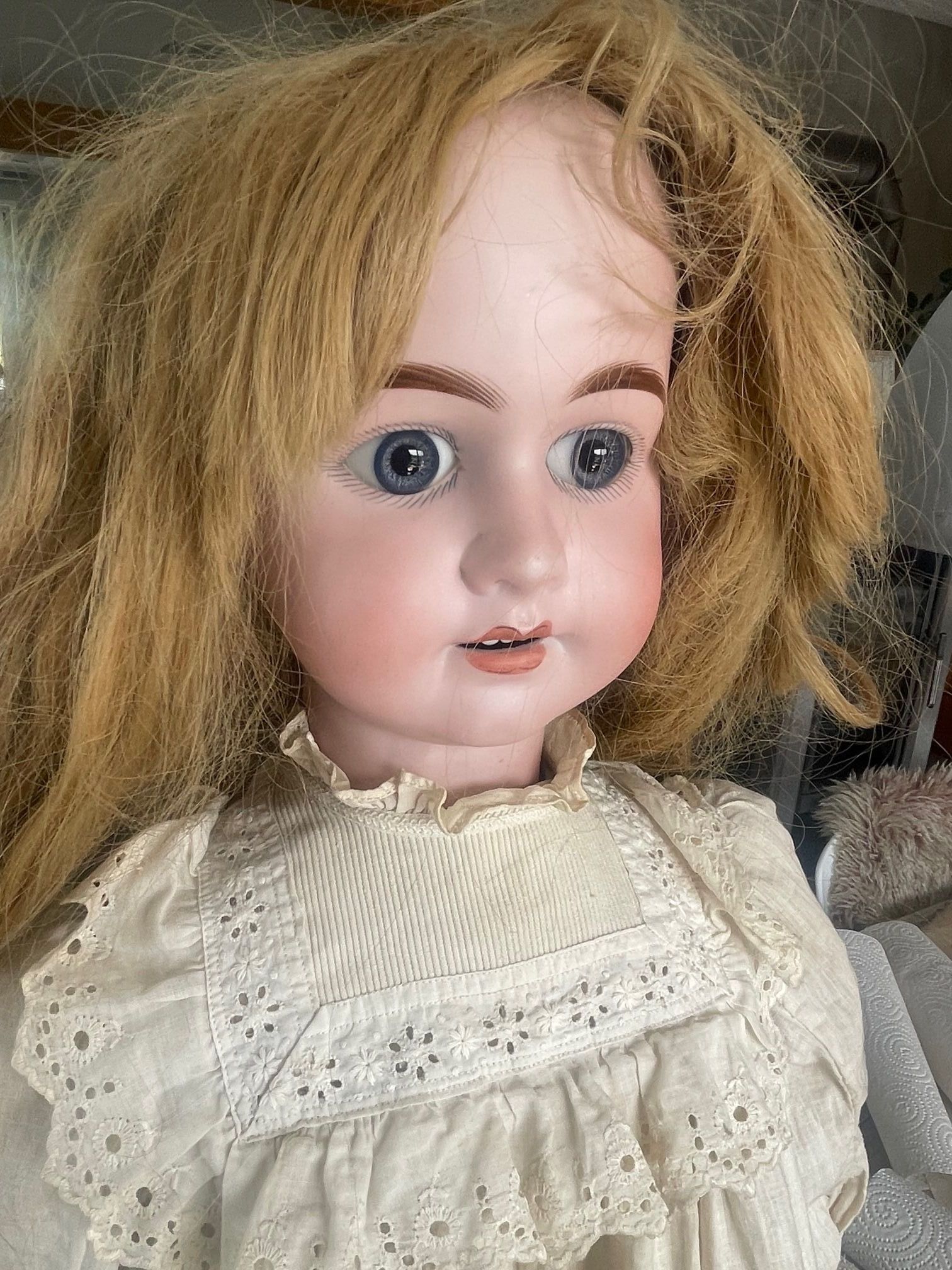
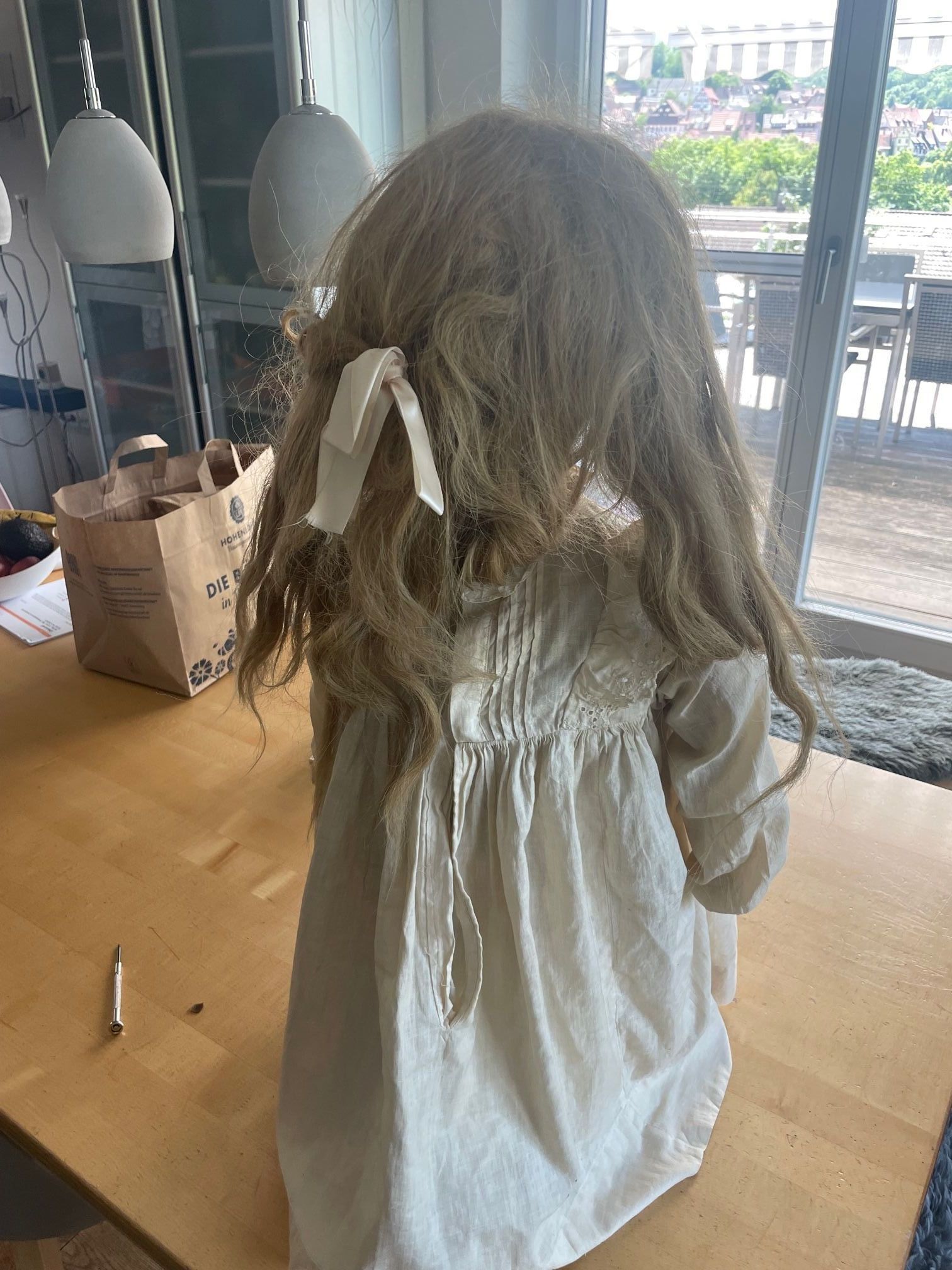
Talking Doll “Arnoldia”, Phonograph doll with sound horn guided through the head
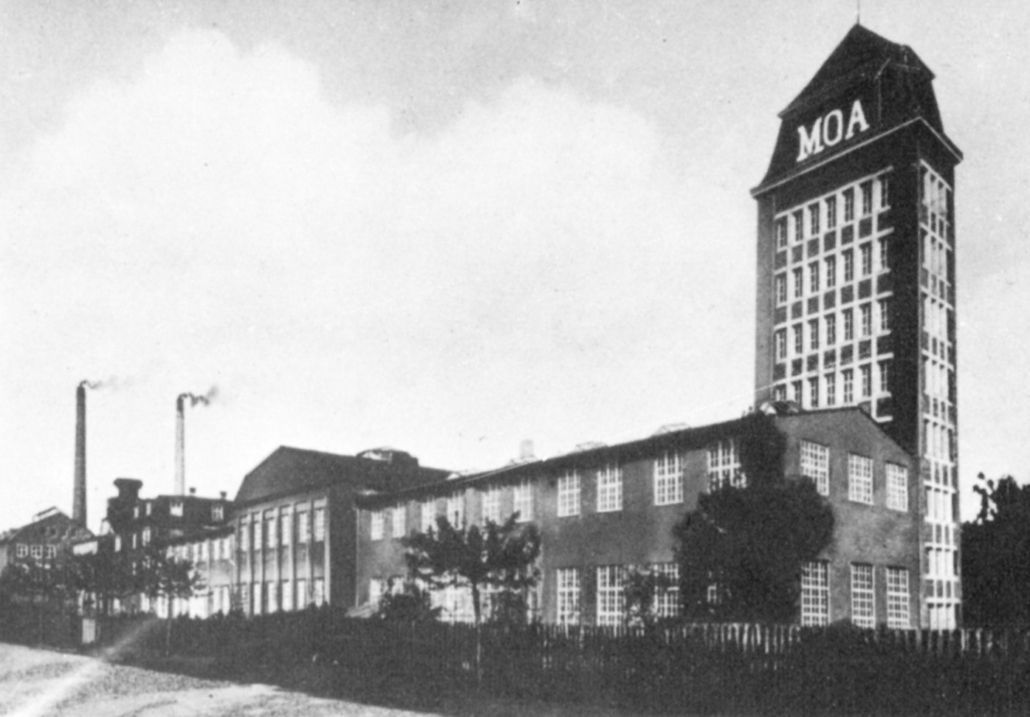
Manufacturer: Max Oscar Arnold, Neustadt near Coburg, Germany
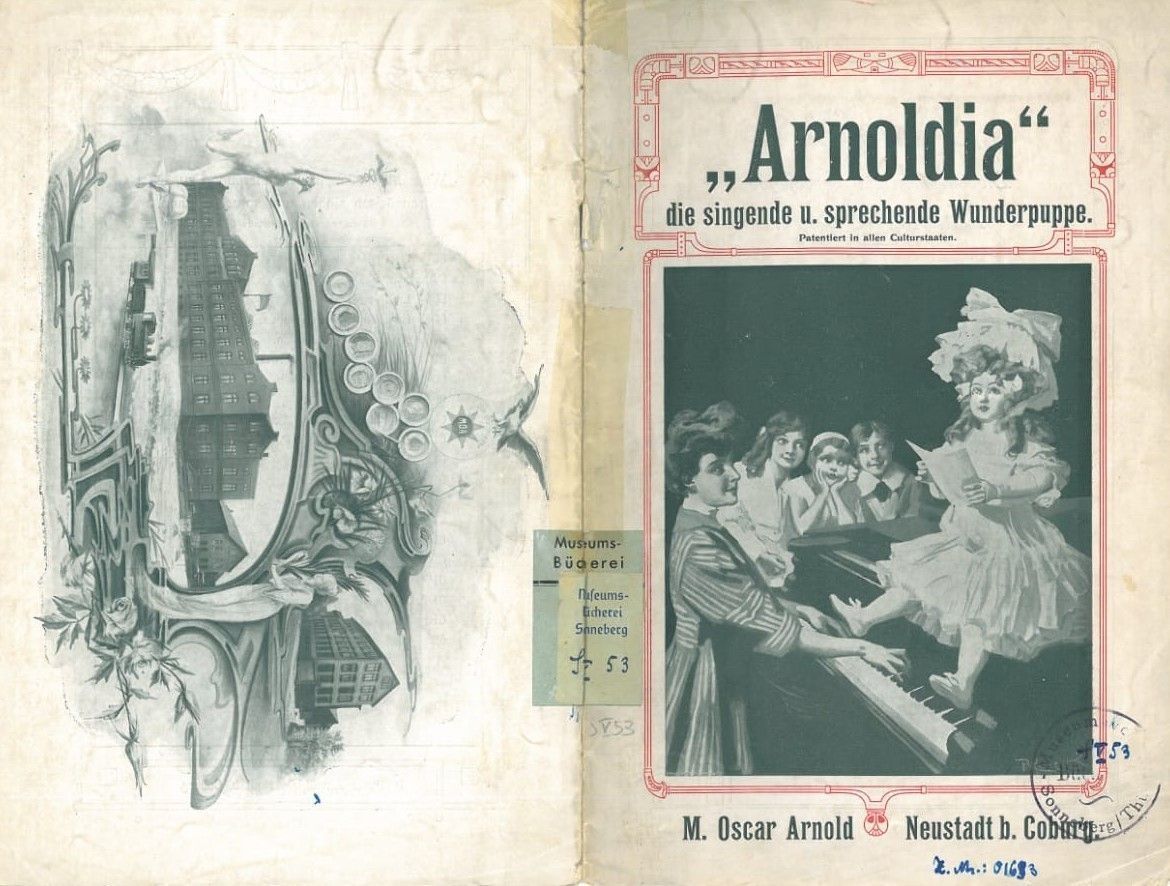
Model: “Arnoldia – the singing and speaking wonder doll”
Date: c. 1906–1909
Height: approx. 65 cm
Historical Background
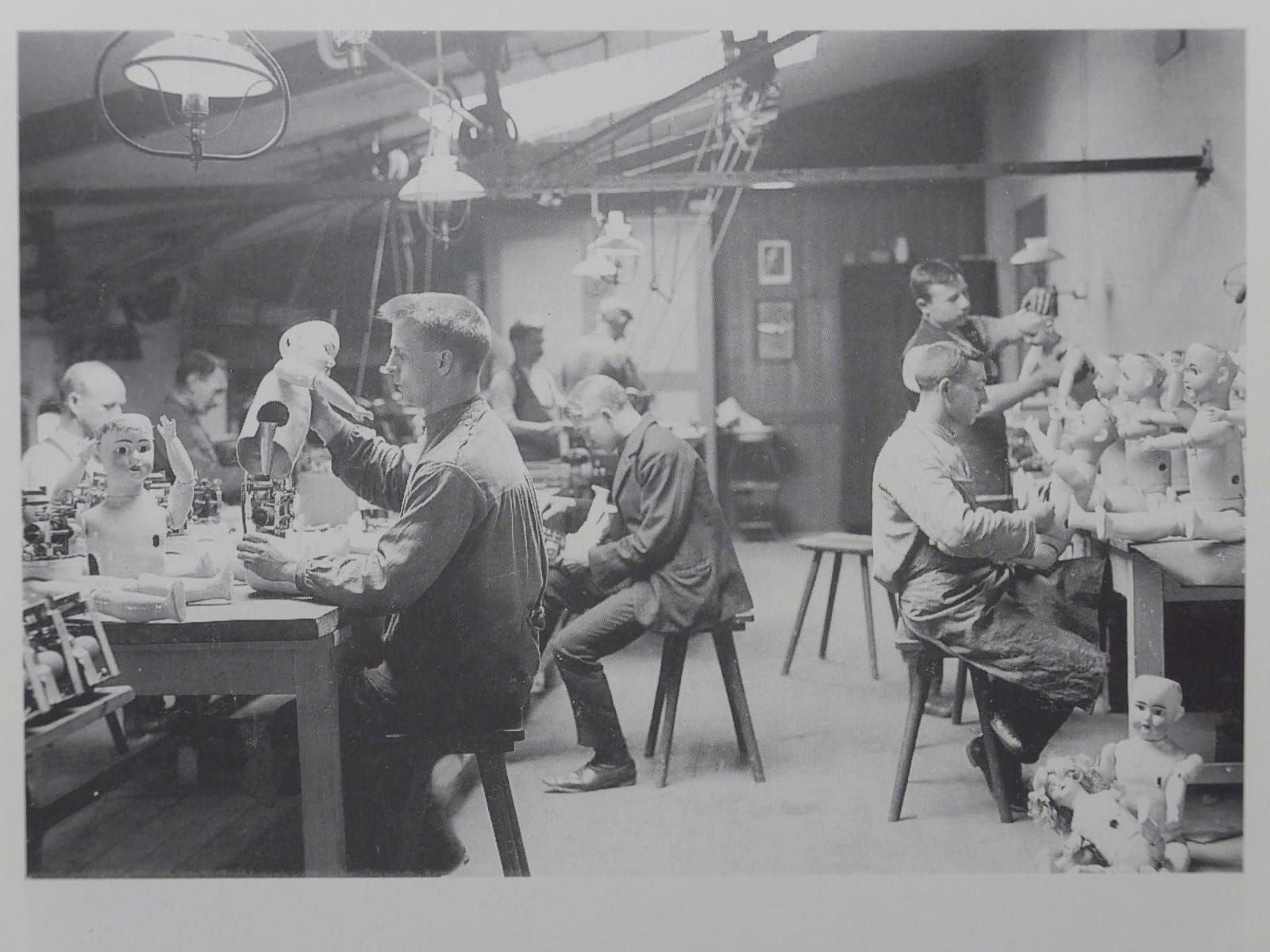
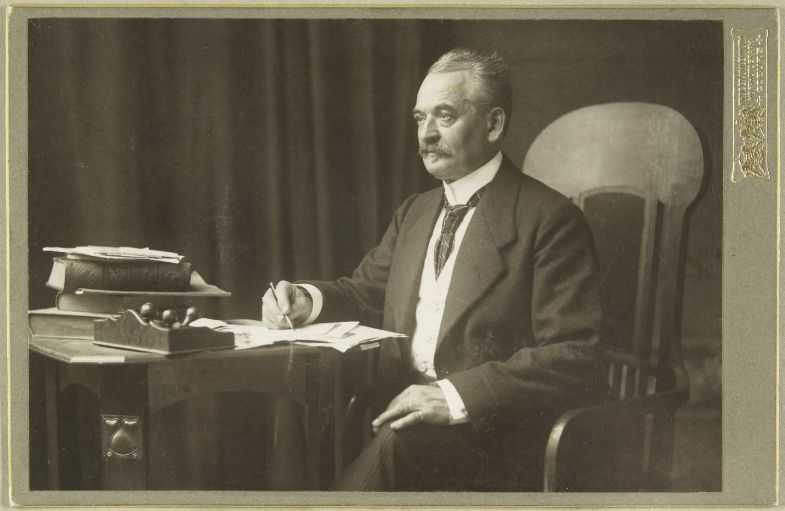
The “Arnoldia” ranks among the earliest and most technically sophisticated talking dolls of the pre–First World War period. It was developed by Max Oscar Arnold (1854–1938), one of the most important German doll manufacturers and technical pioneers from Neustadt near Coburg.
From as early as 1906, Arnold experimented with integrating phonograph mechanisms into doll bodies and registered several utility models and international patents. His aim was to transfer the fascination of sound recording decisively into the realm of high-quality toys.
The Arnoldia dolls are therefore regarded as milestones at the intersection of toy making, precision mechanics, and early media technology.
Contemporary advertising confidently described the Arnoldia as
“the singing and speaking wonder doll.”
Technology and Construction
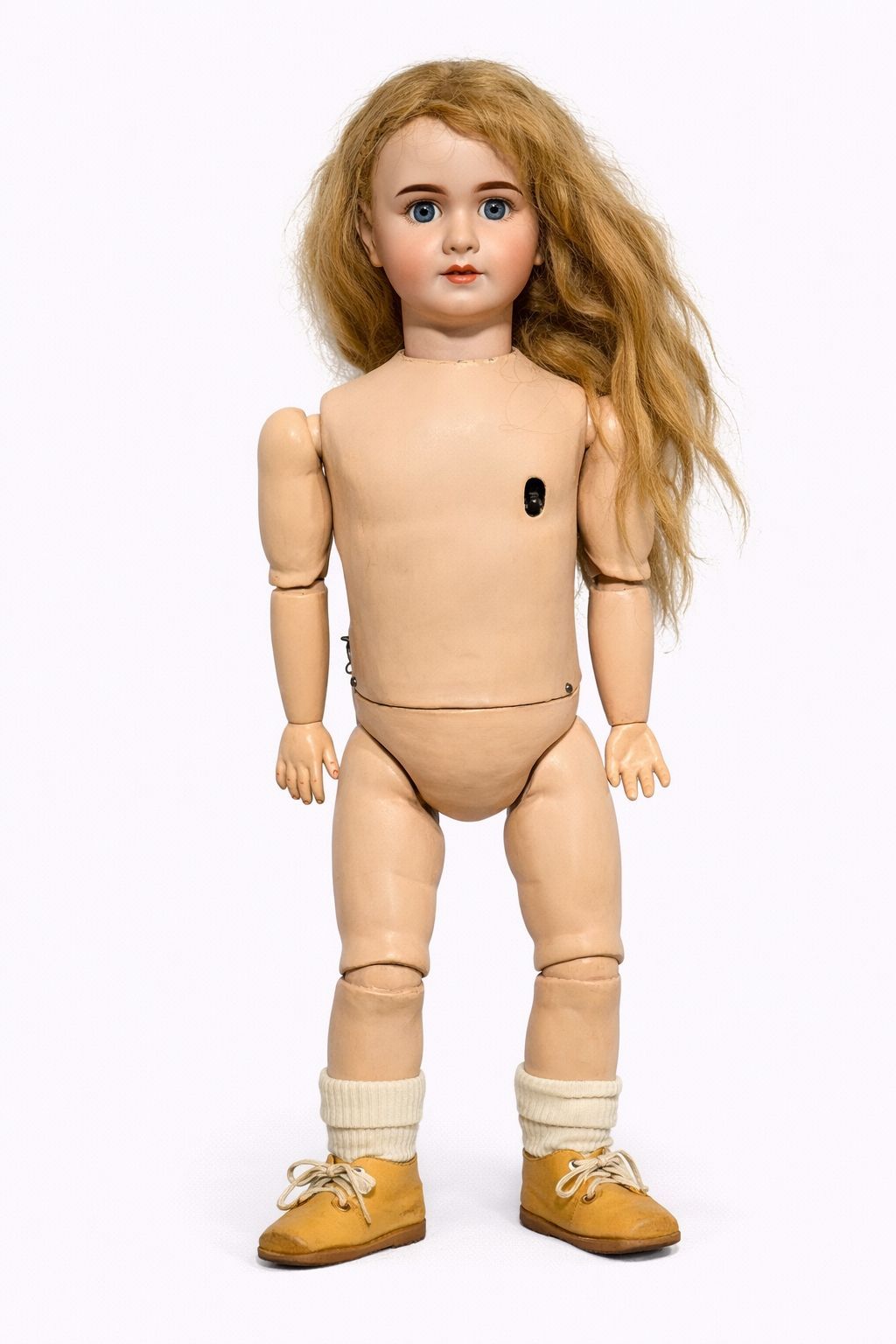
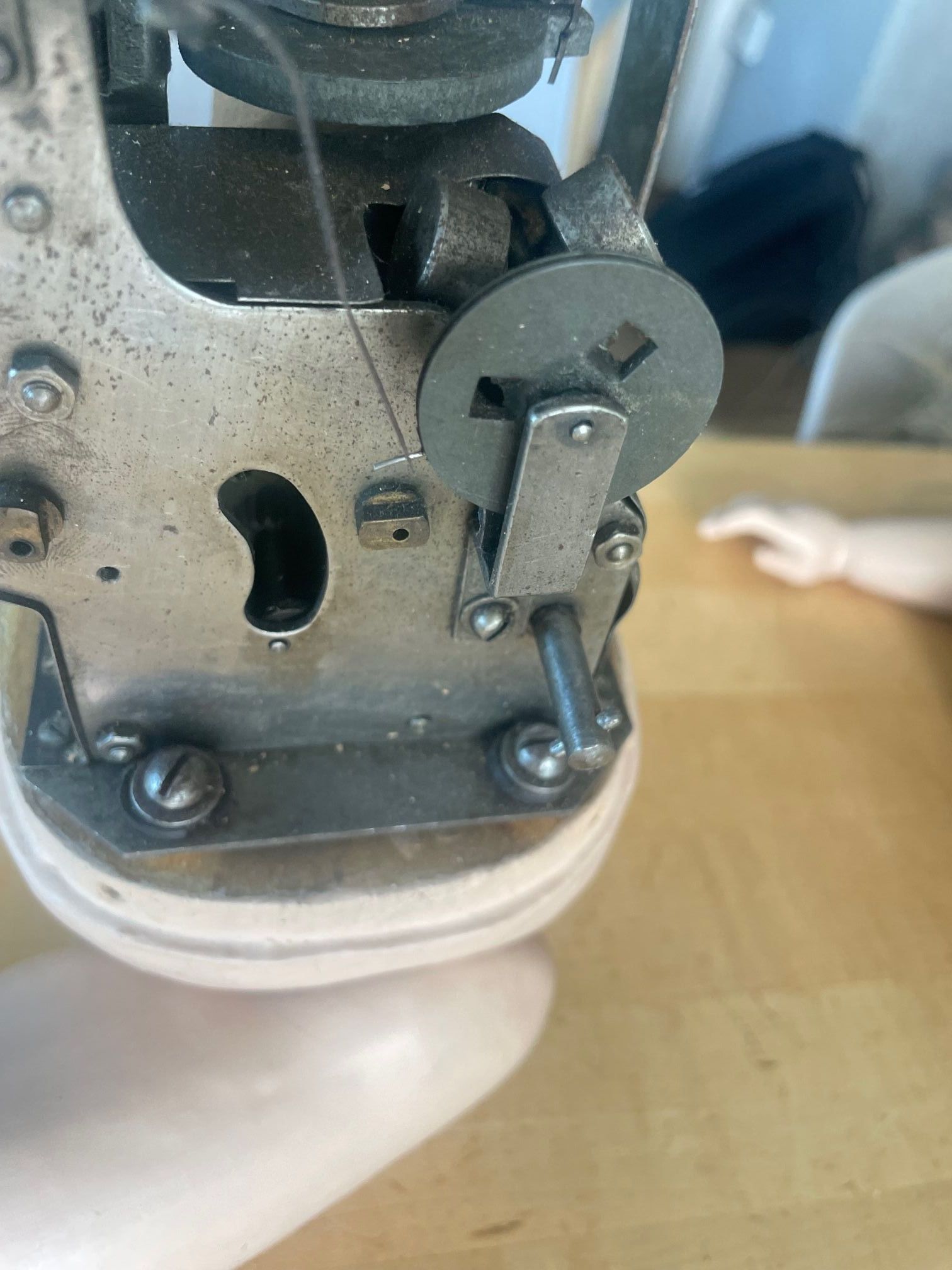
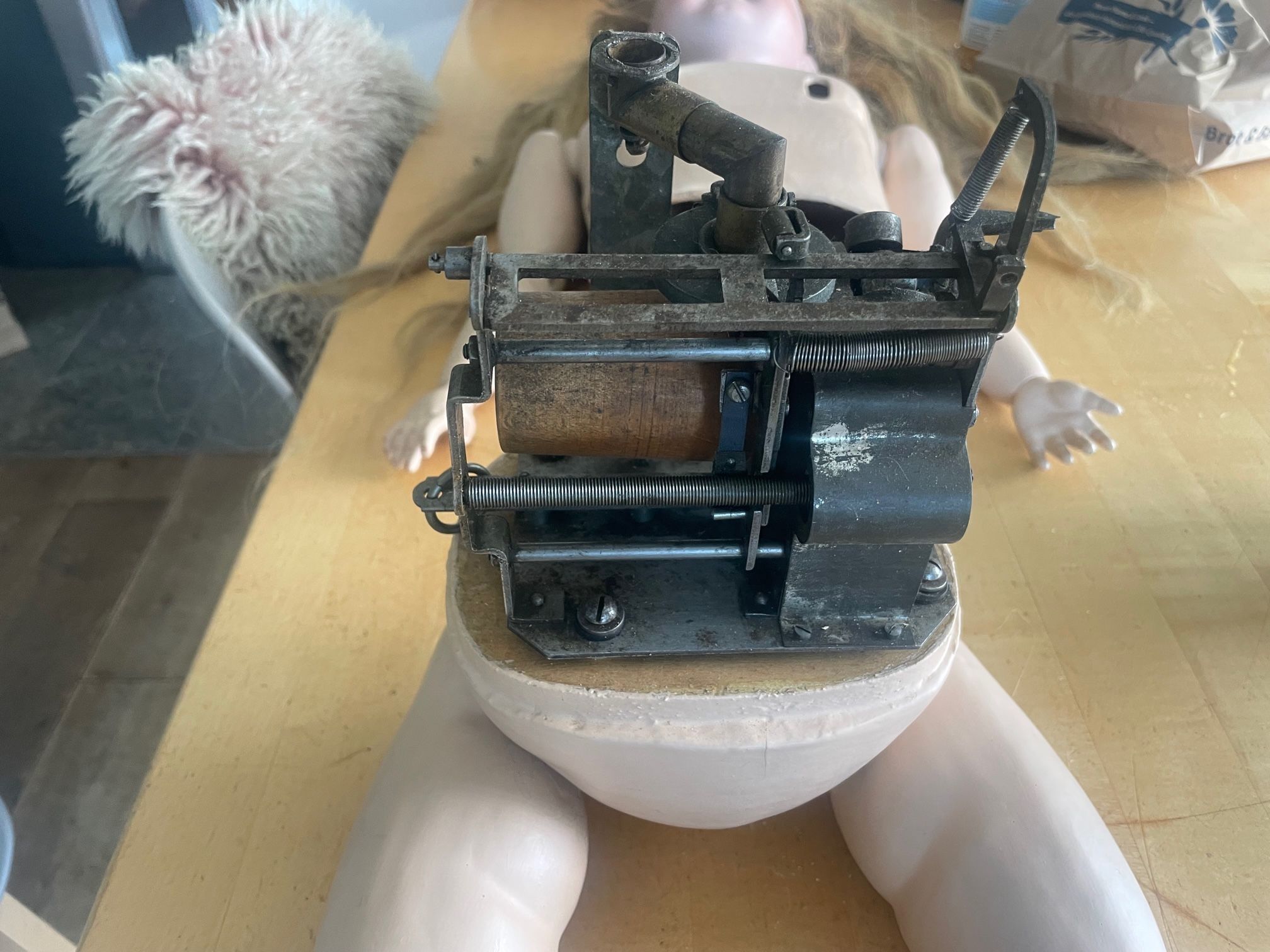
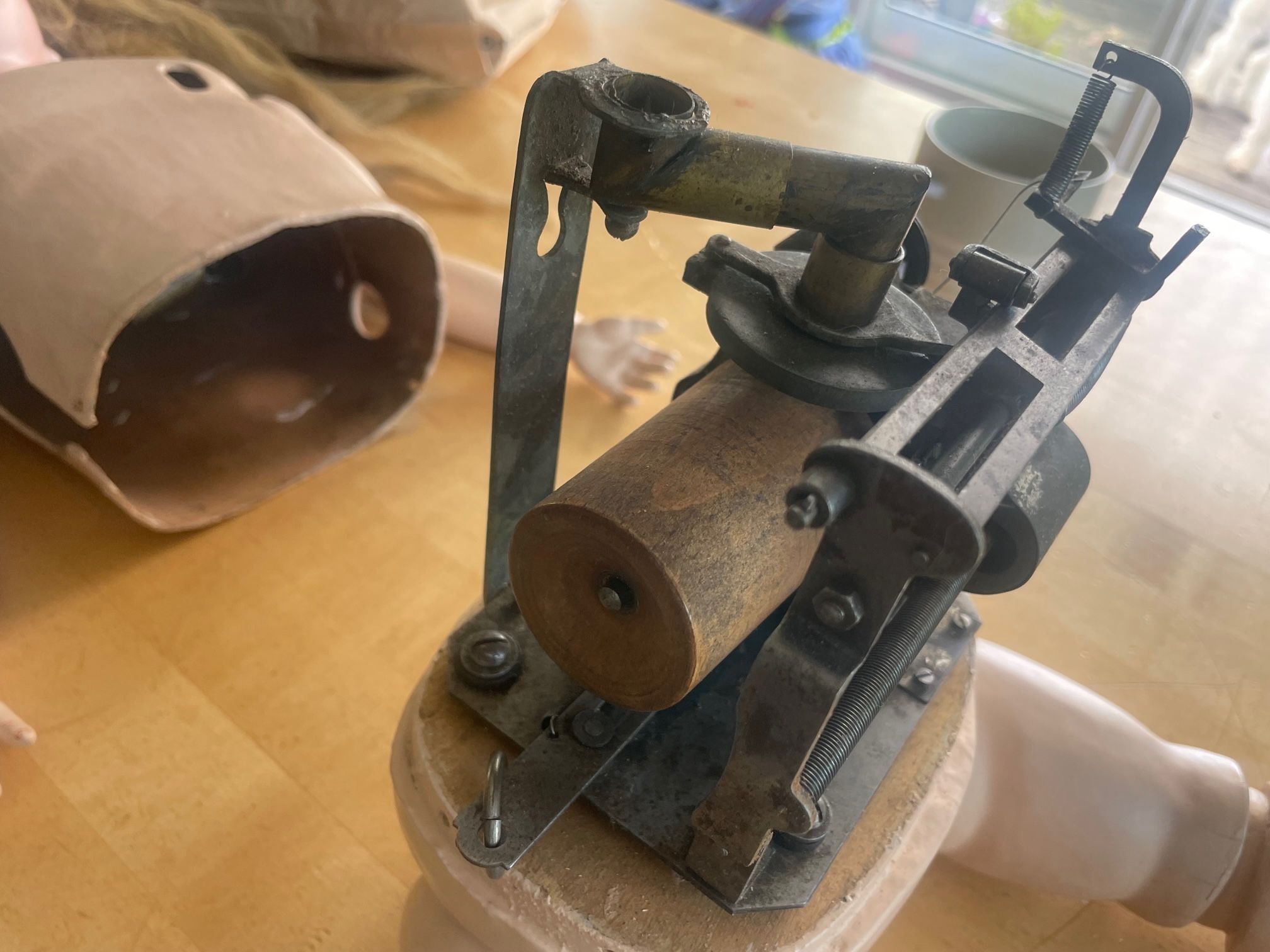
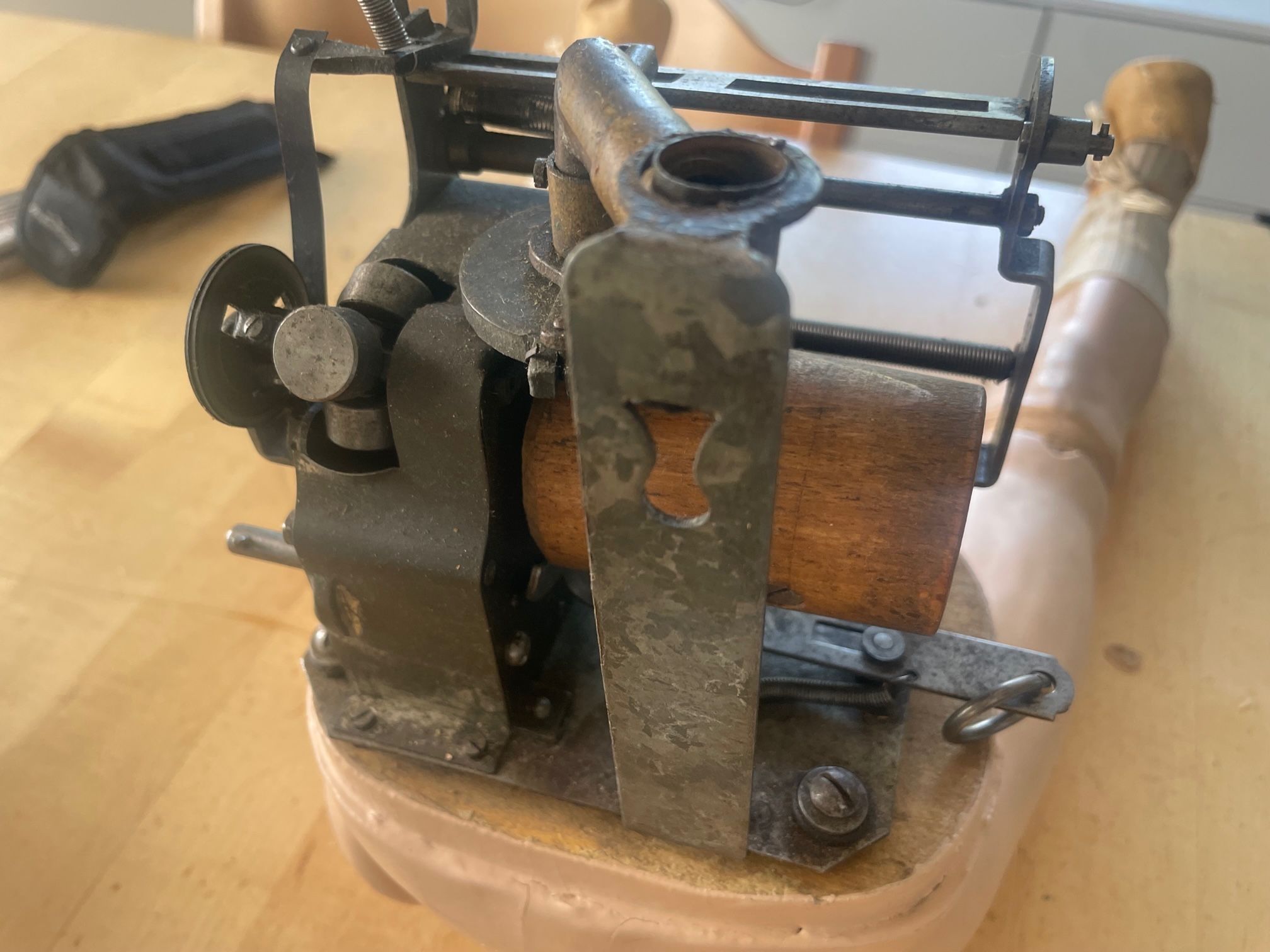
Inside the Arnoldia is a fully functional mechanical cylinder phonograph, specifically designed for installation within a doll’s body. Despite the relatively small size of this version, the mechanism is technically complete, enabling clear speech and singing reproduction.
Drive: integrated spring motor
Sound carrier: wax cylinder (replaceable)
Cylinder standard: approx. 100 TPI, partly compatible with contemporary cylinder phonographs
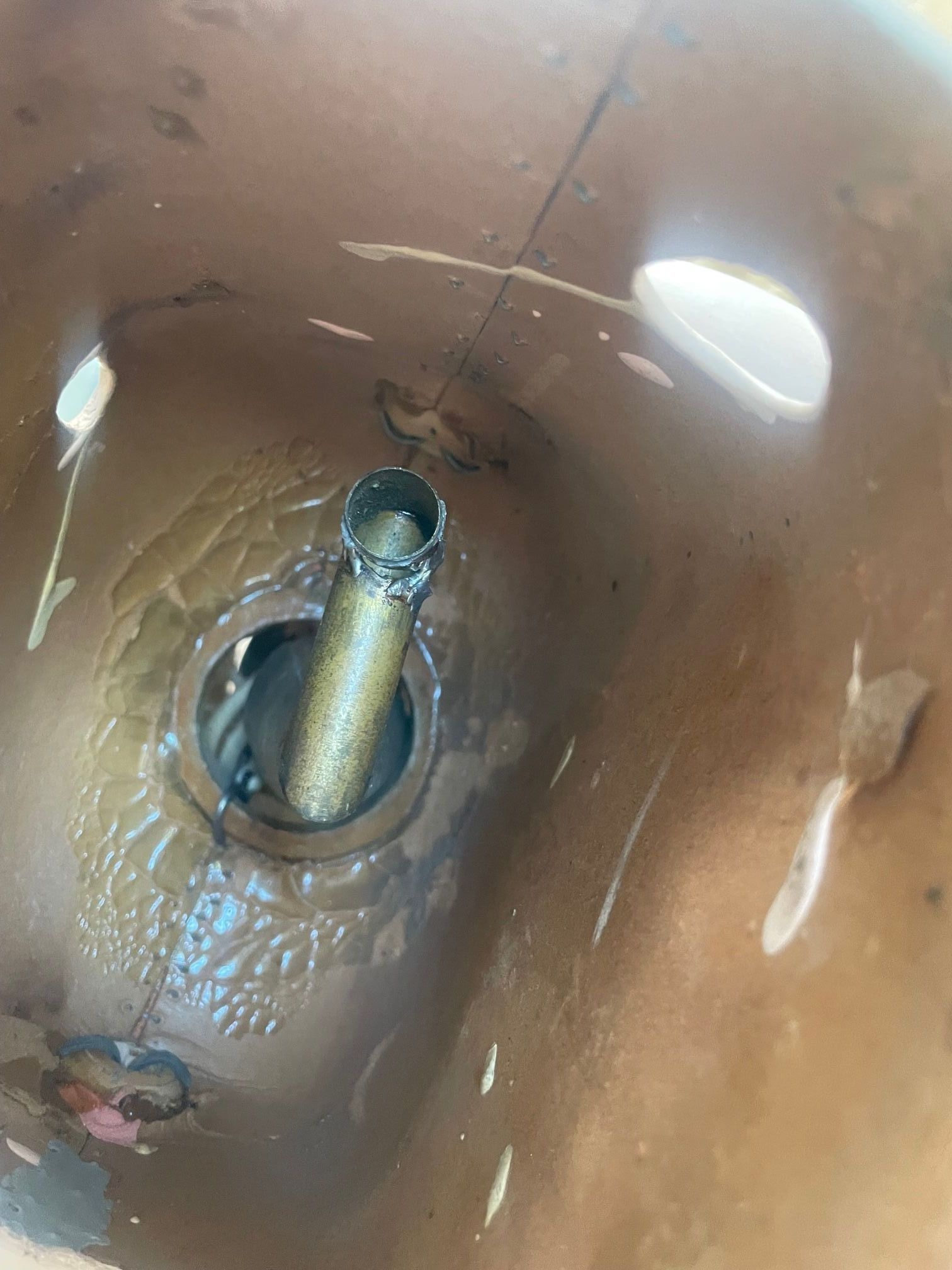
Sound transmission: guided through the doll’s head
In this example, sound is directed upward through an internal tube system into the head, where it emerges. This design gives the doll a particularly anthropomorphic effect, as the voice appears to come directly from the doll’s mouth.
Distinction from Other Arnoldia Versions
In contrast to the Arnoldia with exhibition number 381, in which sound is projected via a front-facing horn in the chest area, this example (no. 137) represents the classic head-sound variant.
Both construction types are documented through patents and contemporary references and were produced in parallel. They demonstrate Arnold’s pursuit of different technical solutions to optimize sound guidance, volume, and illusion.
Operation and Use
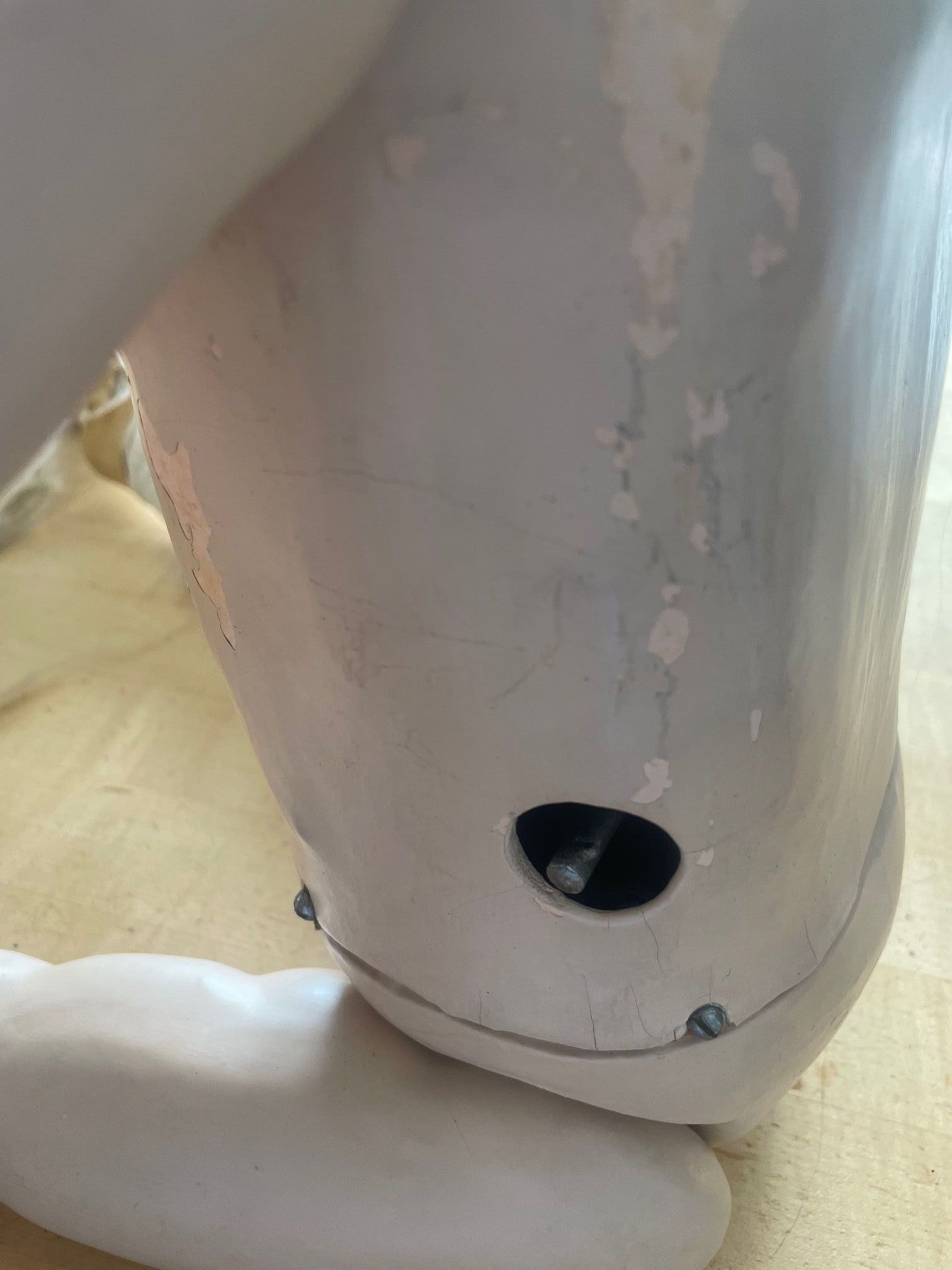
The doll’s body is designed to keep the mechanism accessible and serviceable.
By opening the torso, it was possible to:
change the wax cylinder
carry out maintenance work
The Arnoldia was capable of speaking, singing, and reciting prayers. Cylinders were offered in several languages, including German, English, and French, featuring songs, poems, prayers, and short spoken dialogues.
Classification and Significance
With a height of approximately 65 cm, this Arnoldia belongs to the smaller series-produced versions, yet remains technically complete. Such dolls were luxury objects, priced well above ordinary toys. They were aimed at a wealthy clientele and were often used more as demonstration, display, or gift objects than as everyday playthings.
The Arnoldia uniquely combines:
toy design
precision mechanics
early sound recording technology
It stands as a representative example of the experimental spirit of early phonographic technology, a period in which inventors sought to integrate speech and music into ever new everyday objects.
Collection and Provenance
This example originates from the collection of Charley Hummel (USA), one of the internationally most important collectors of phonographs.
Significance within the Edisonium
The Arnoldia with exhibition number 137 documents the earliest and most illusionistic construction type of the Arnoldia dolls, in which the voice appears to emanate directly from the doll’s head.
Together with Arnoldia no. 381, this object allows visitors at the Edisonium to make a direct comparison between two different construction principles, both originating from the same inventor and based on the same technological foundation—offering a unique insight into the innovative range of early talking dolls.