Label
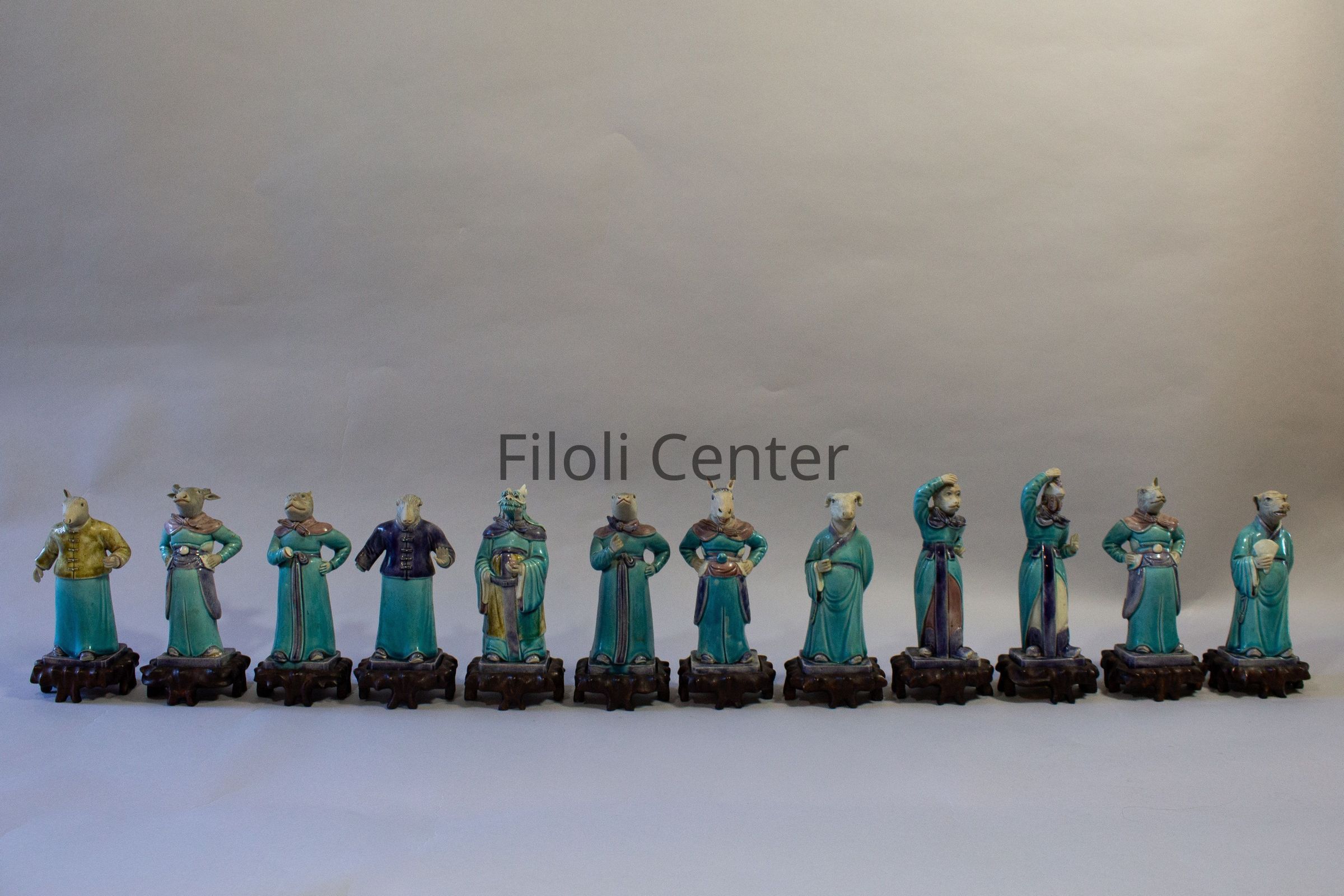
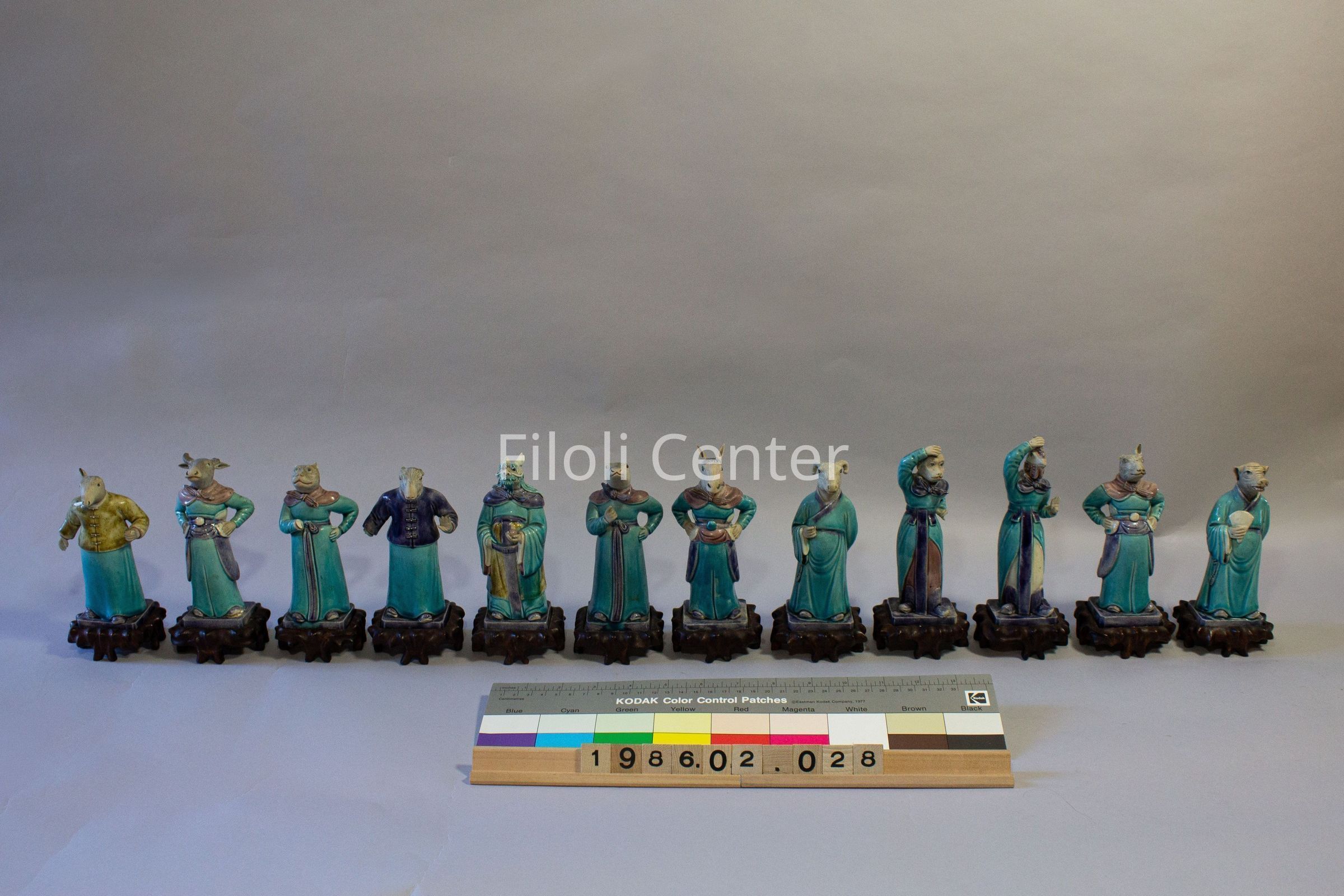
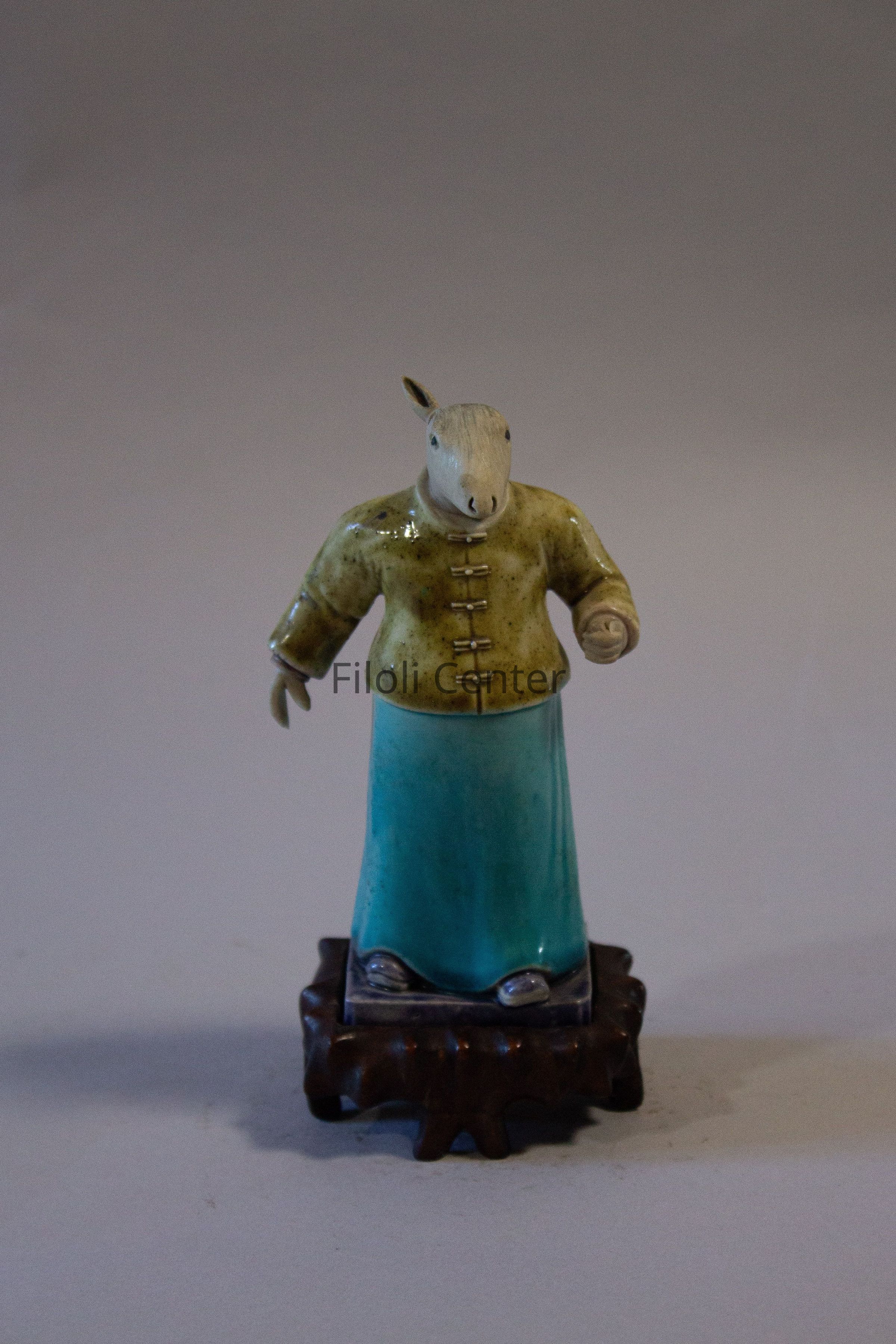
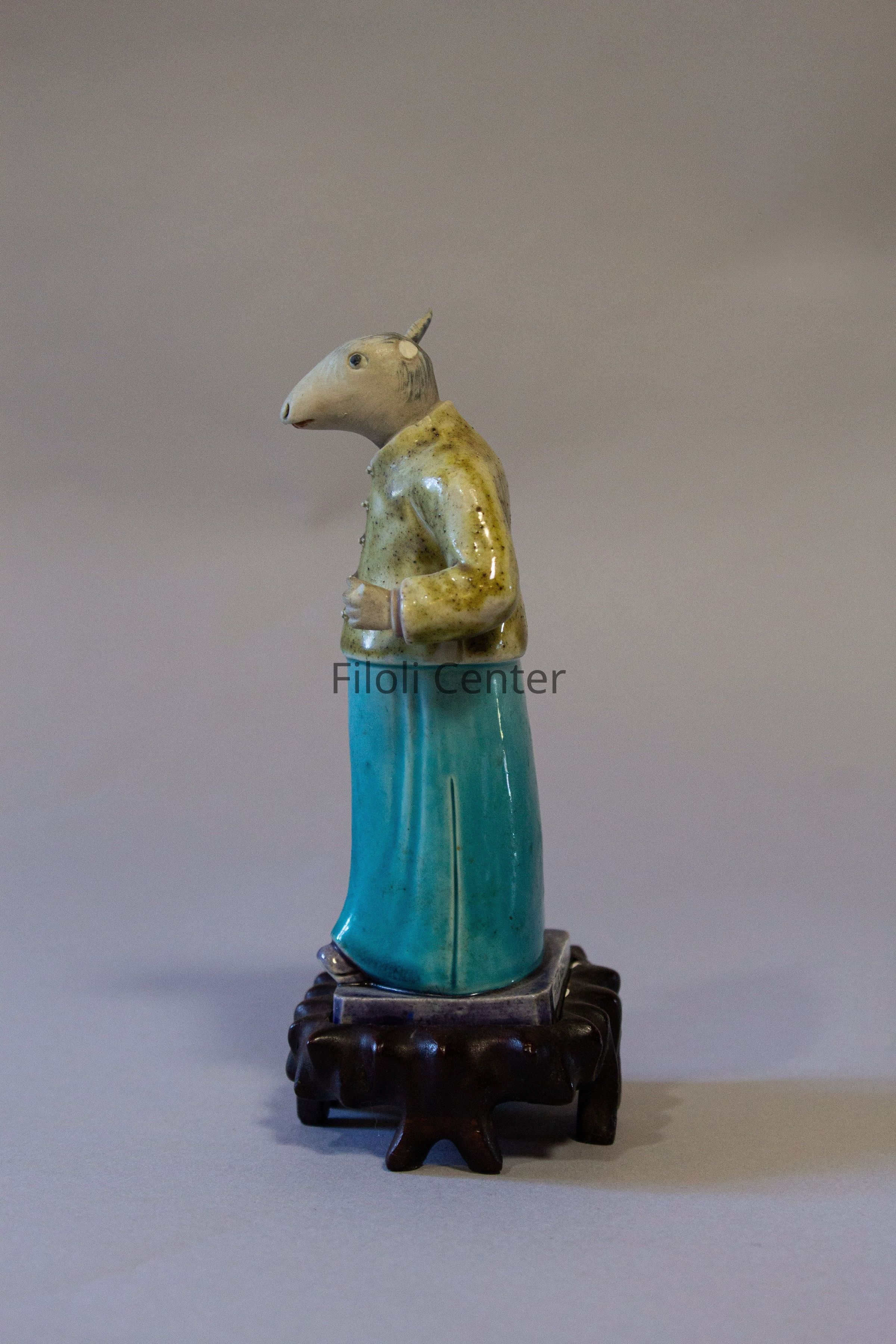
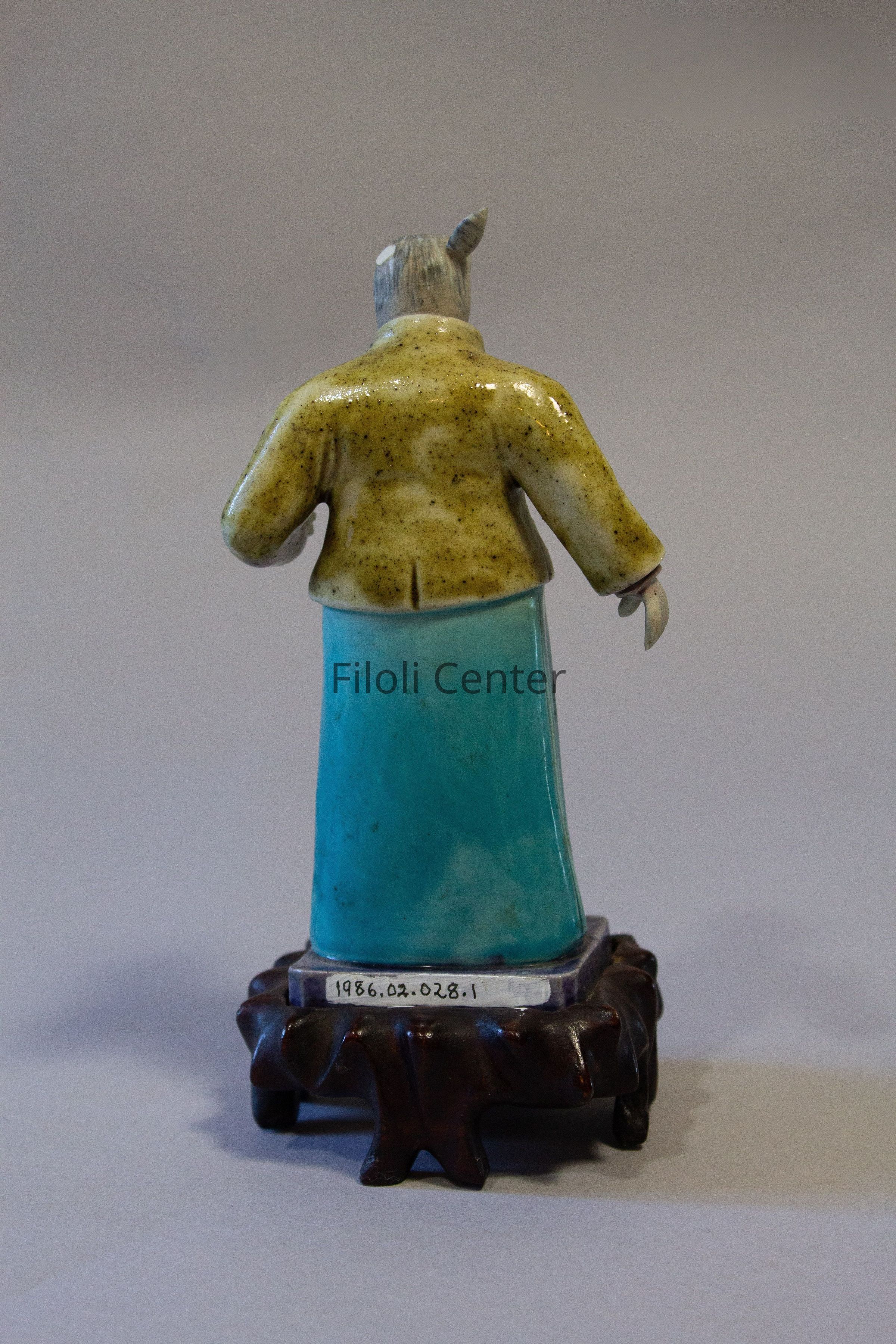
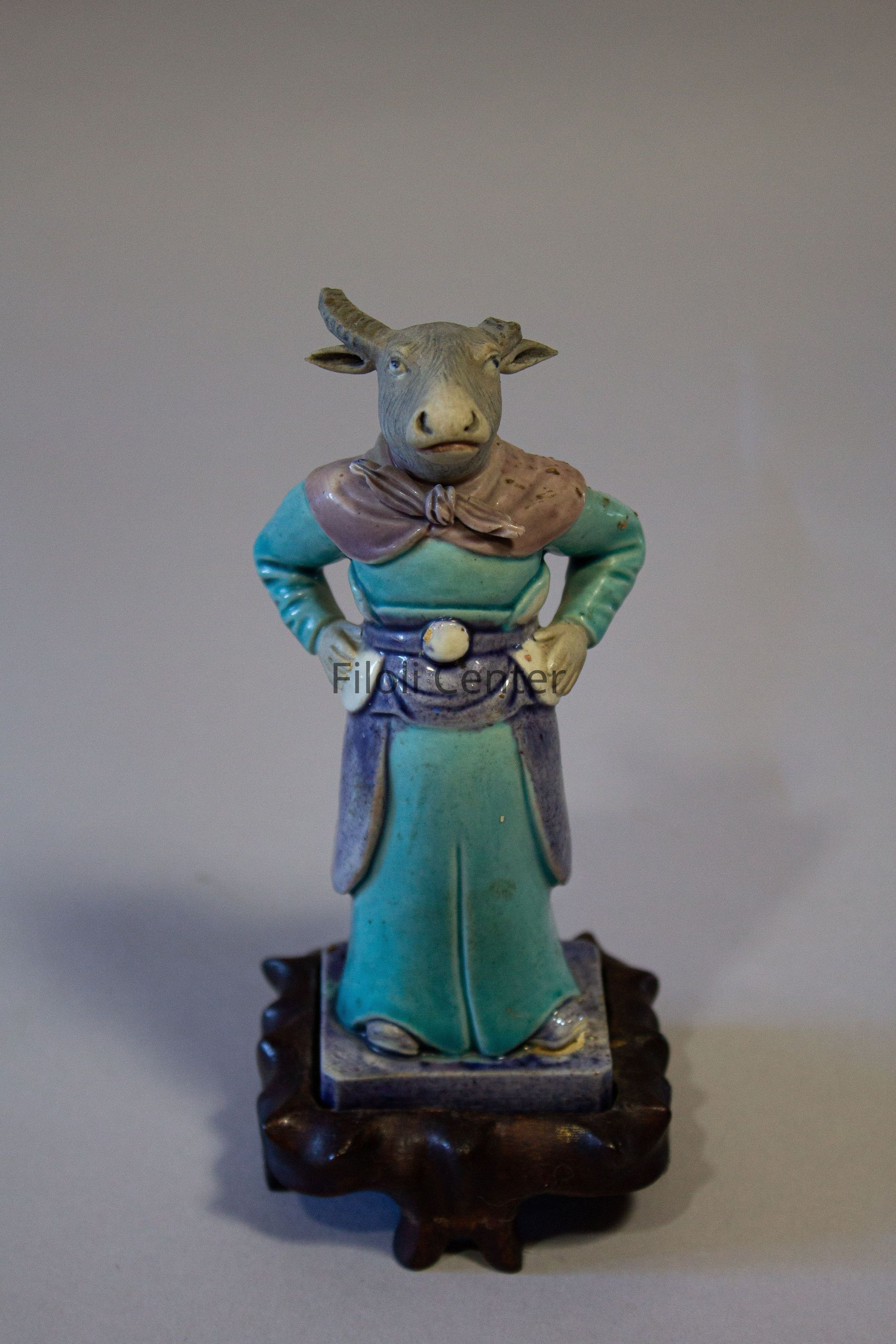
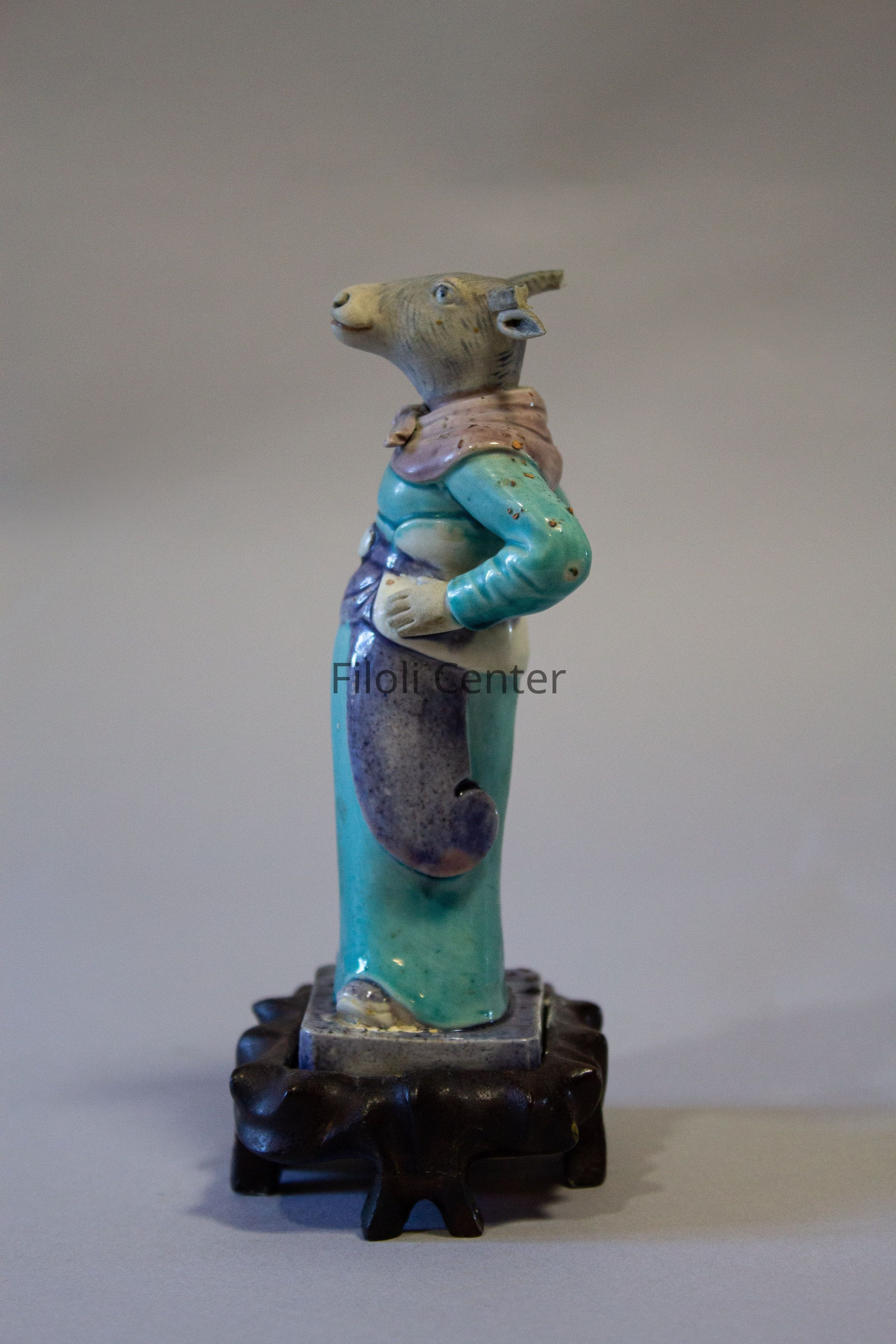
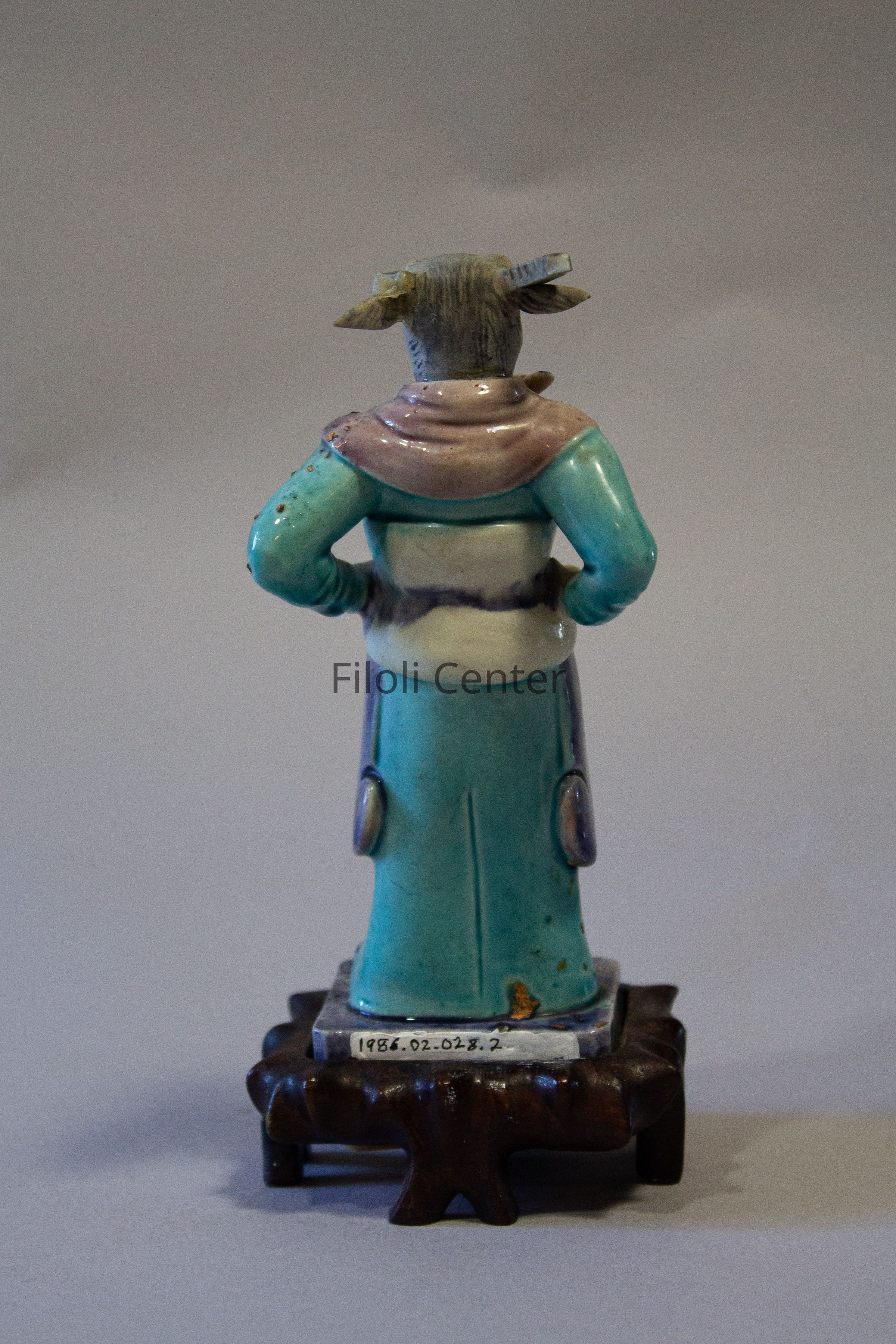
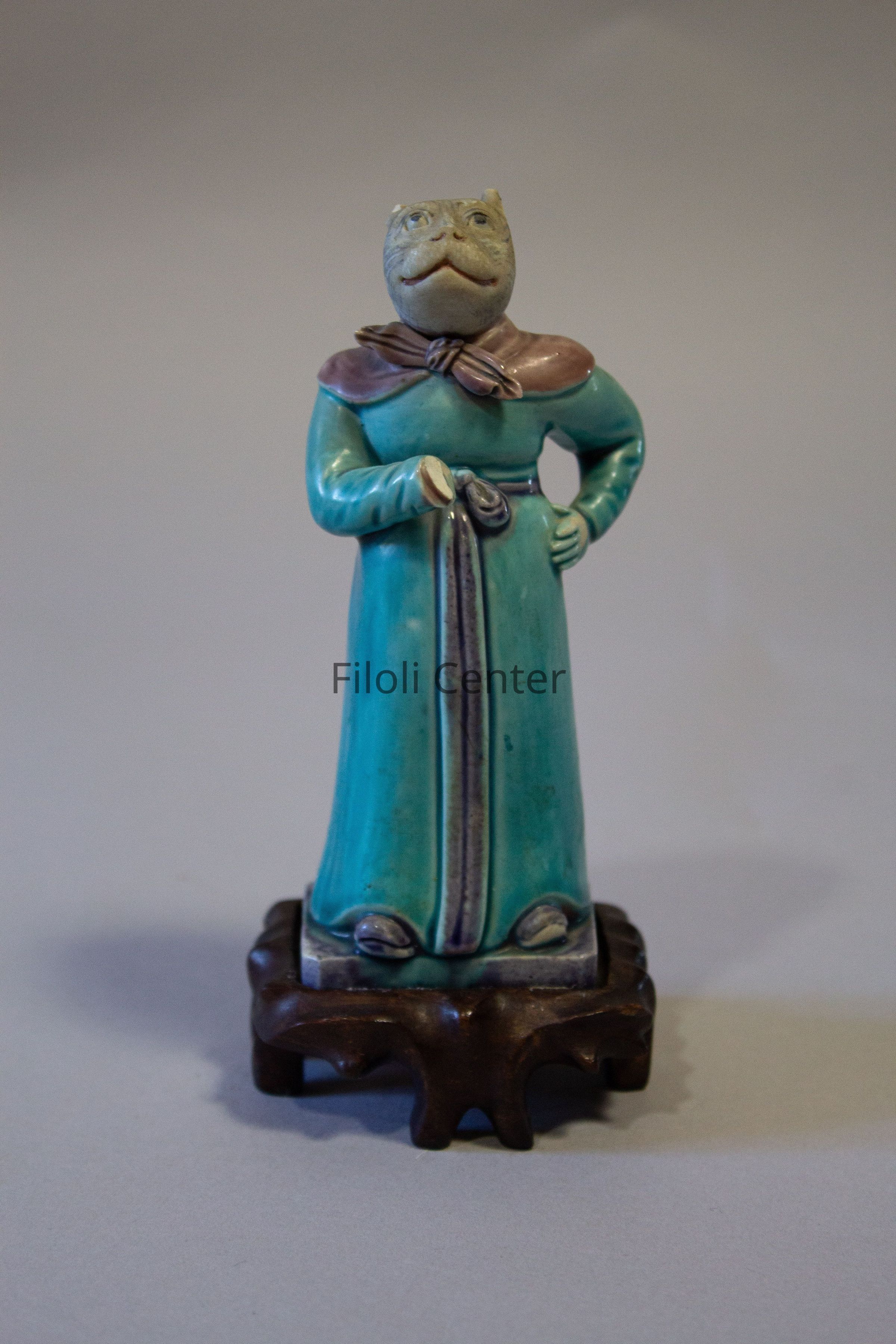
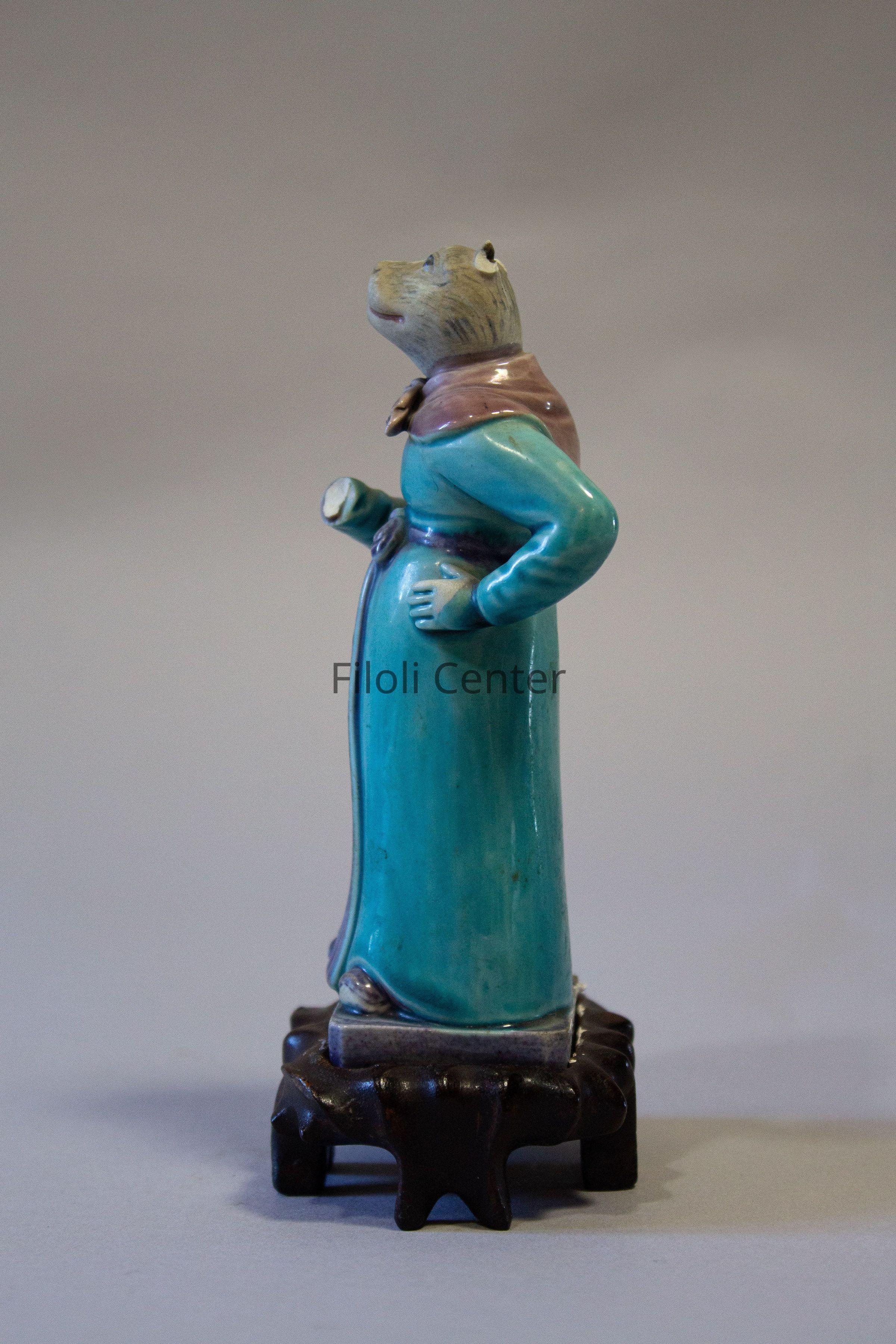
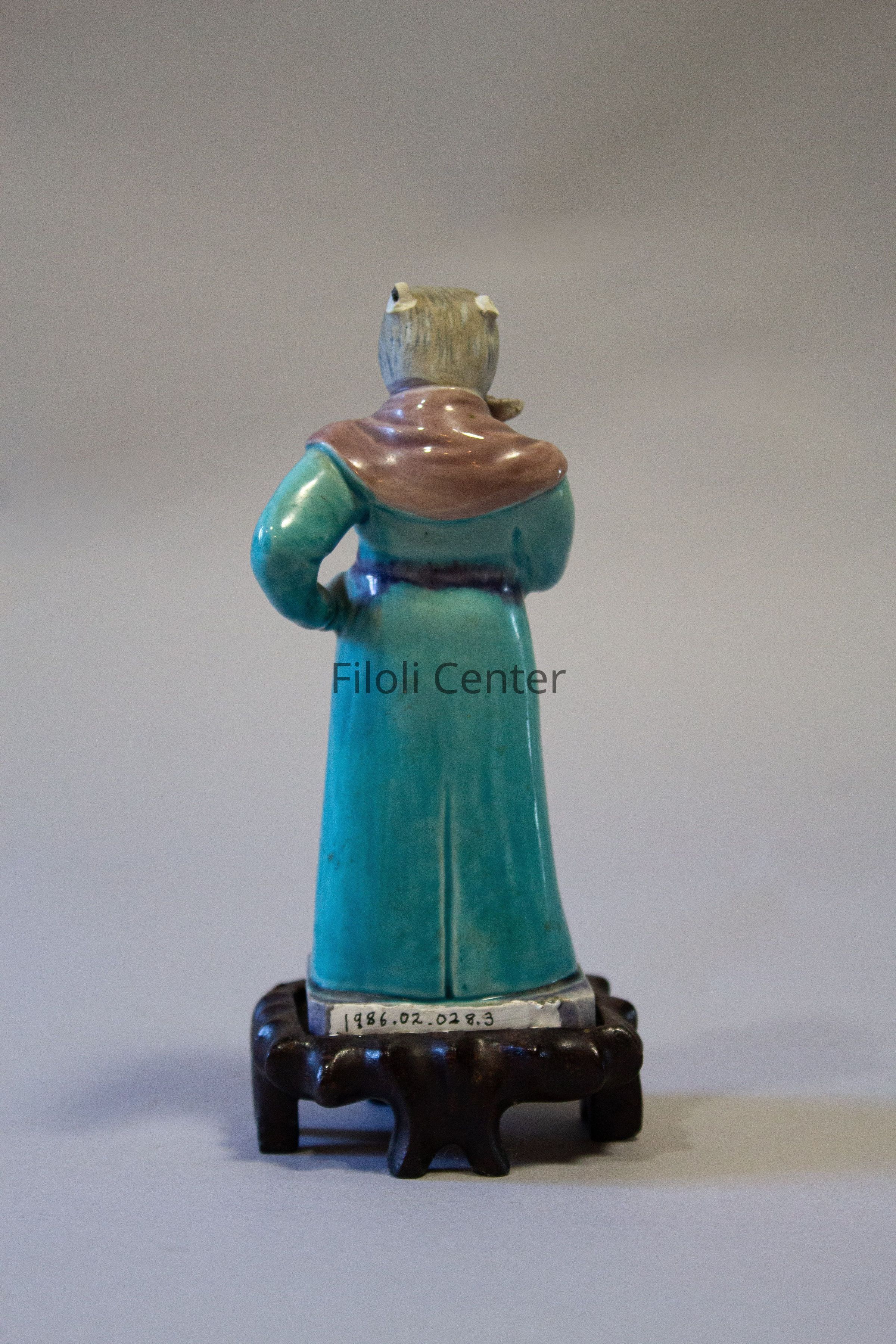
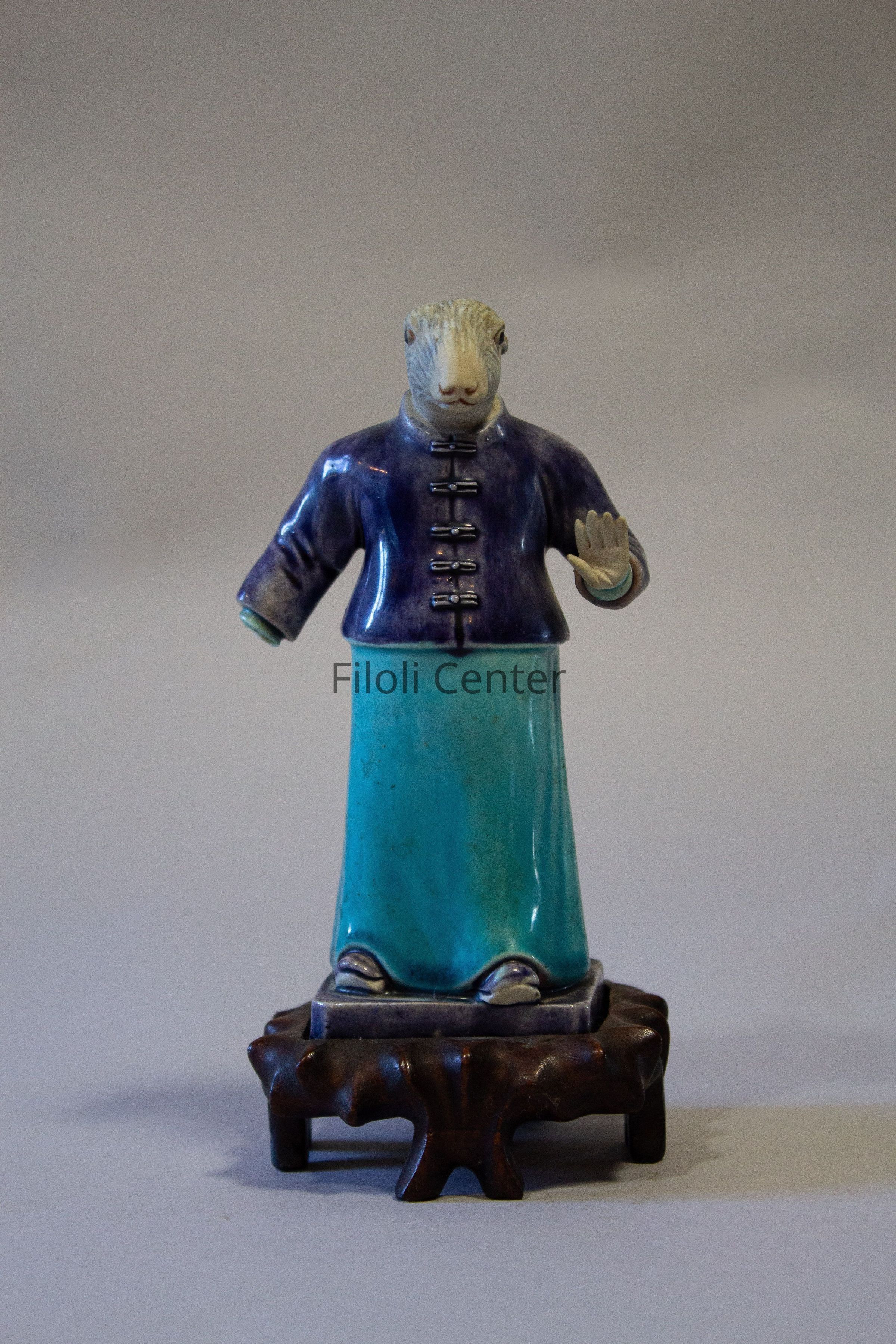
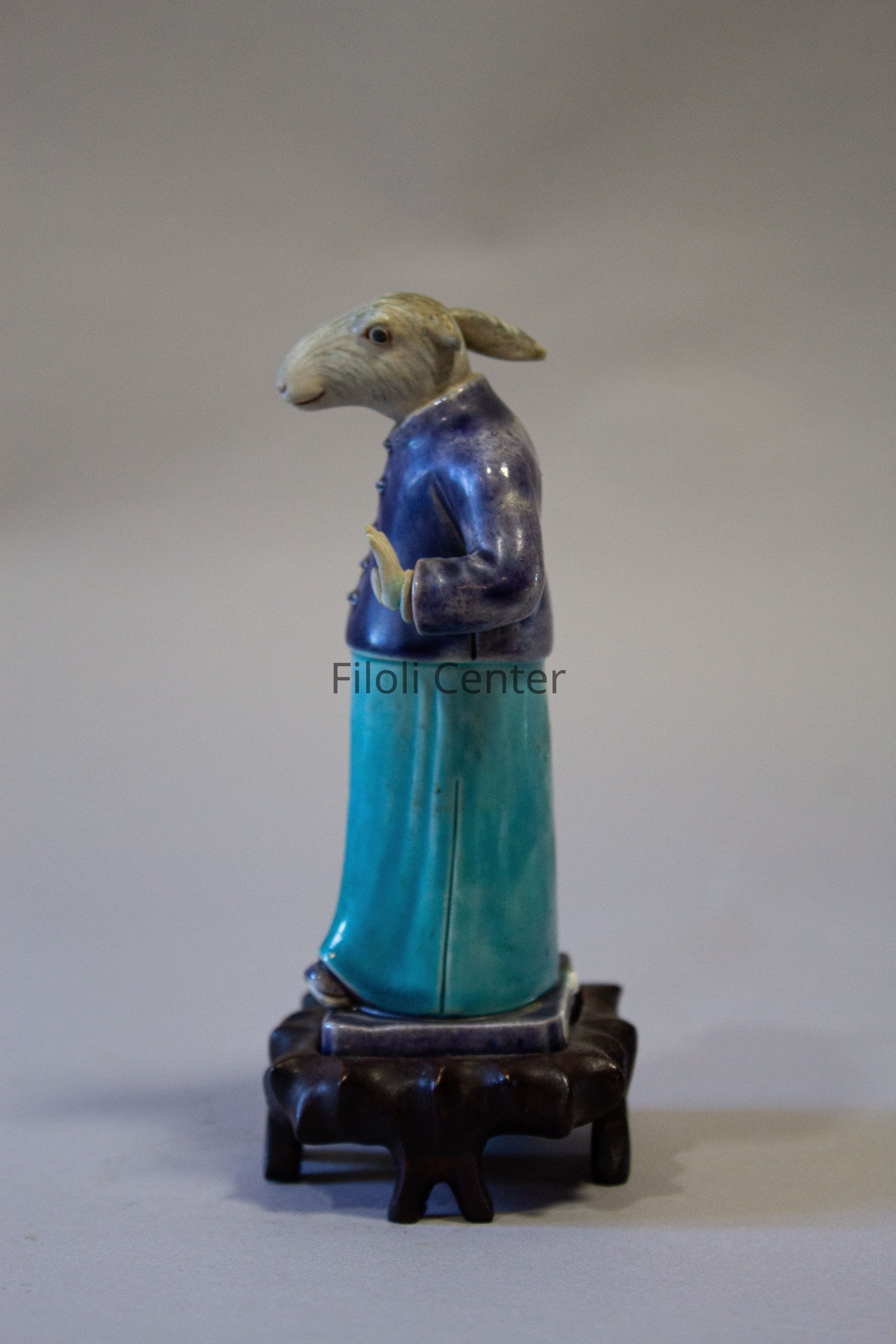
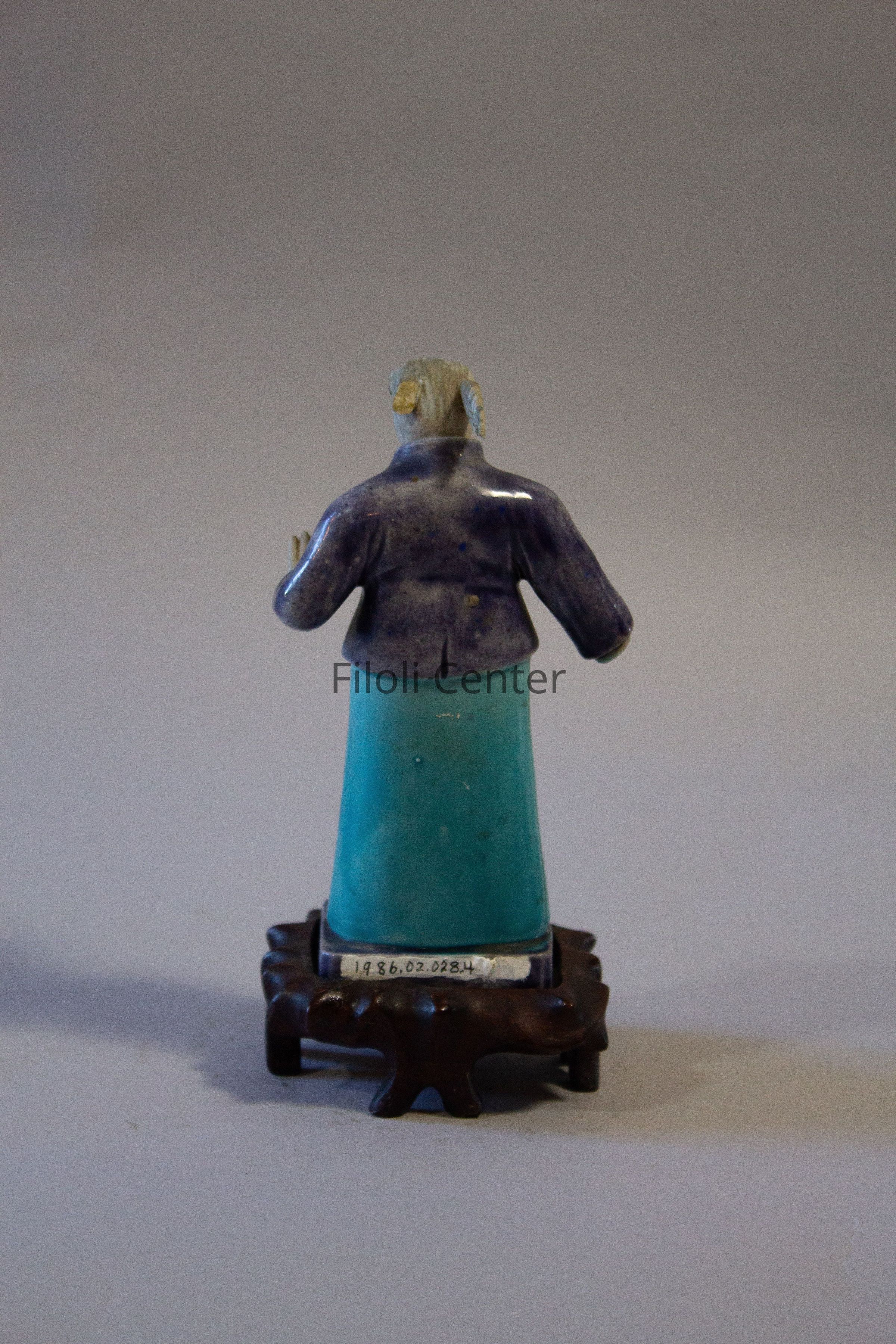
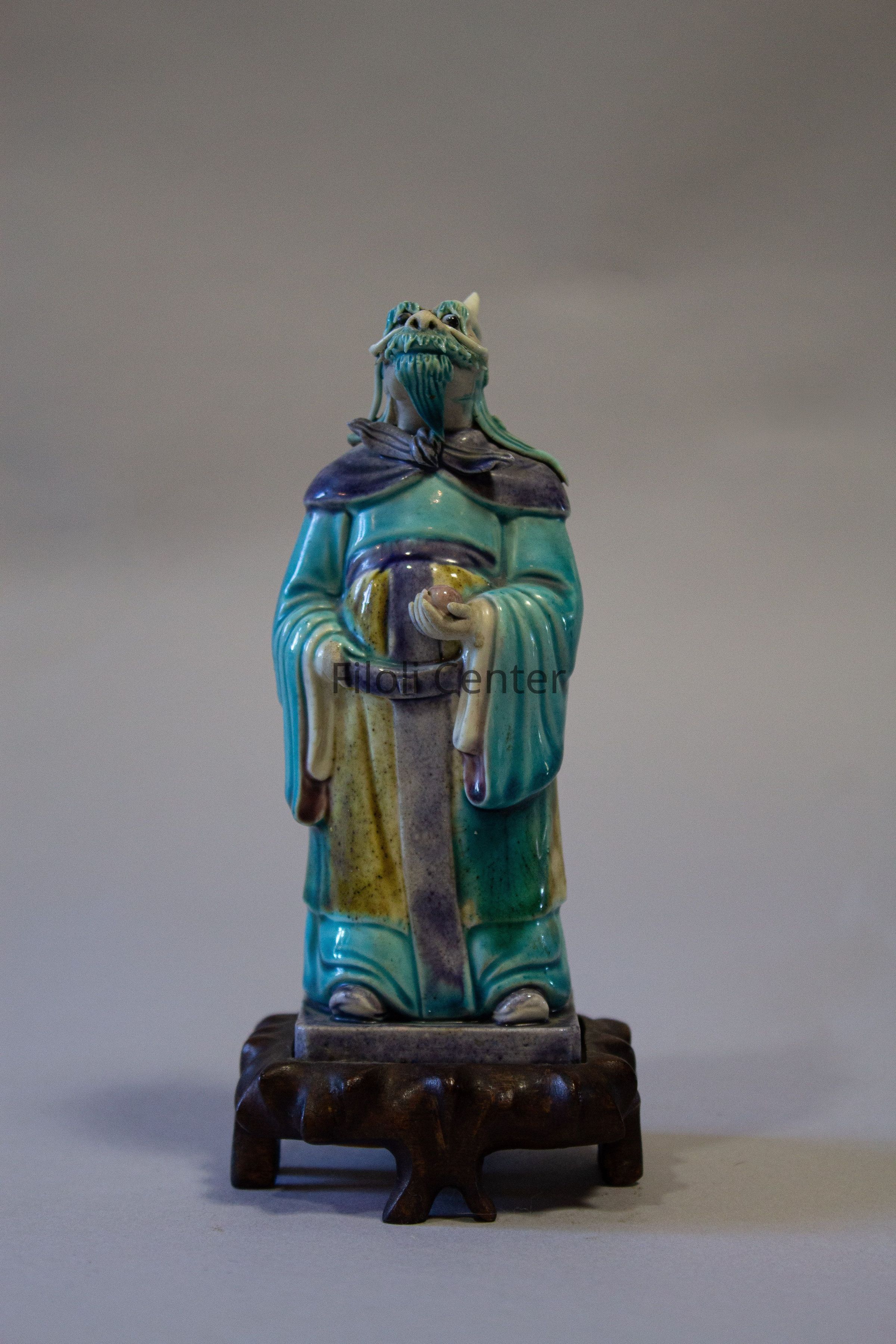
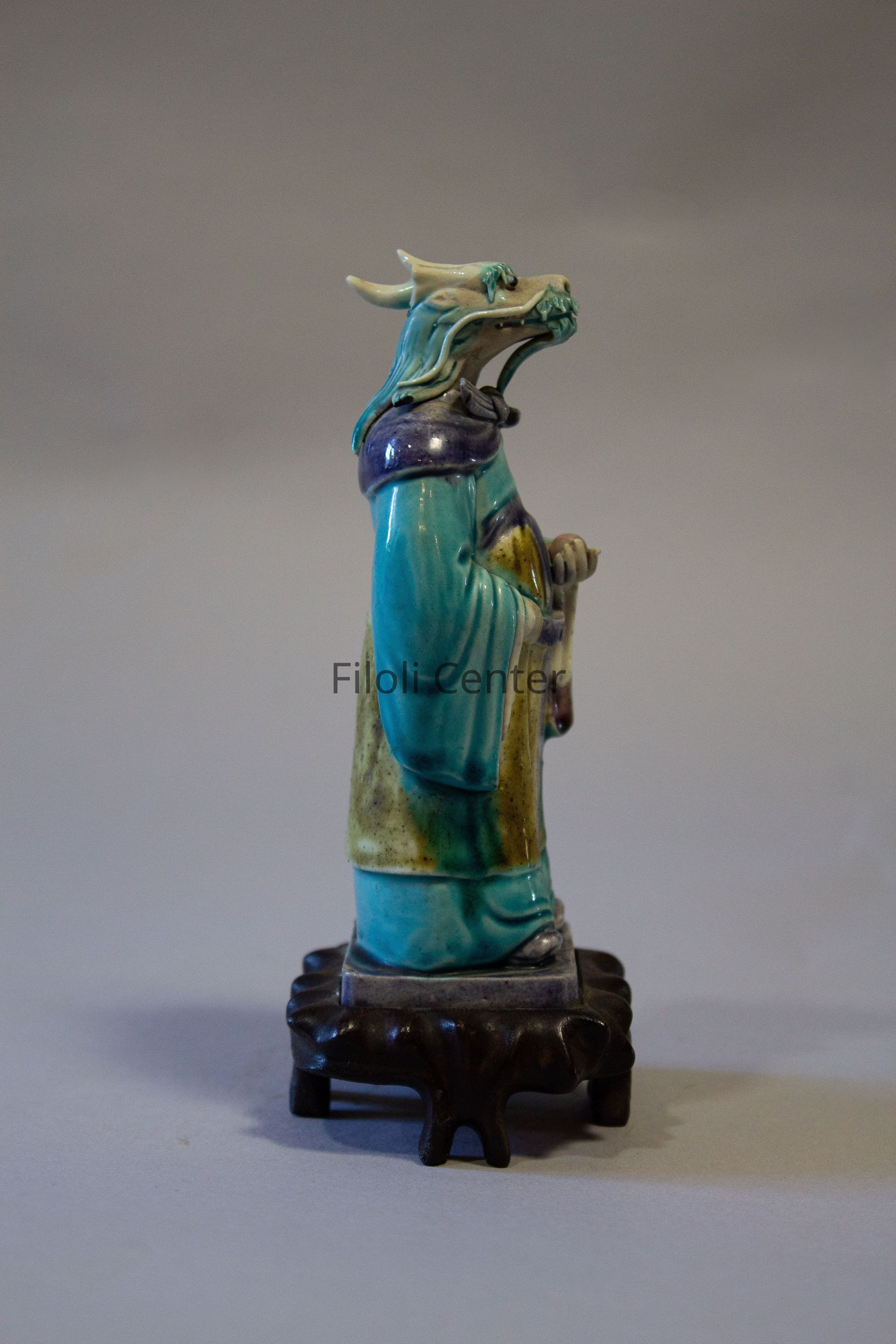
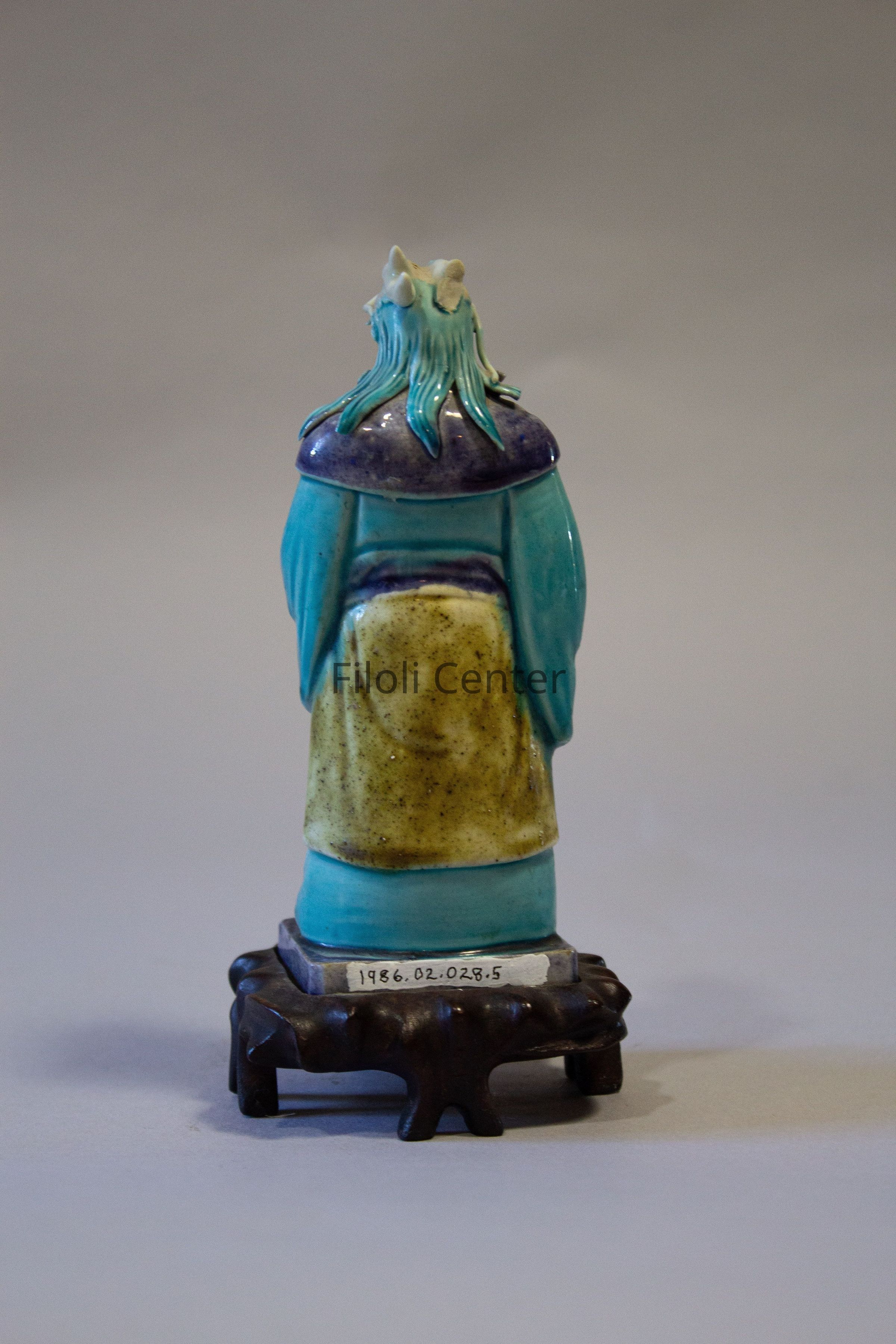
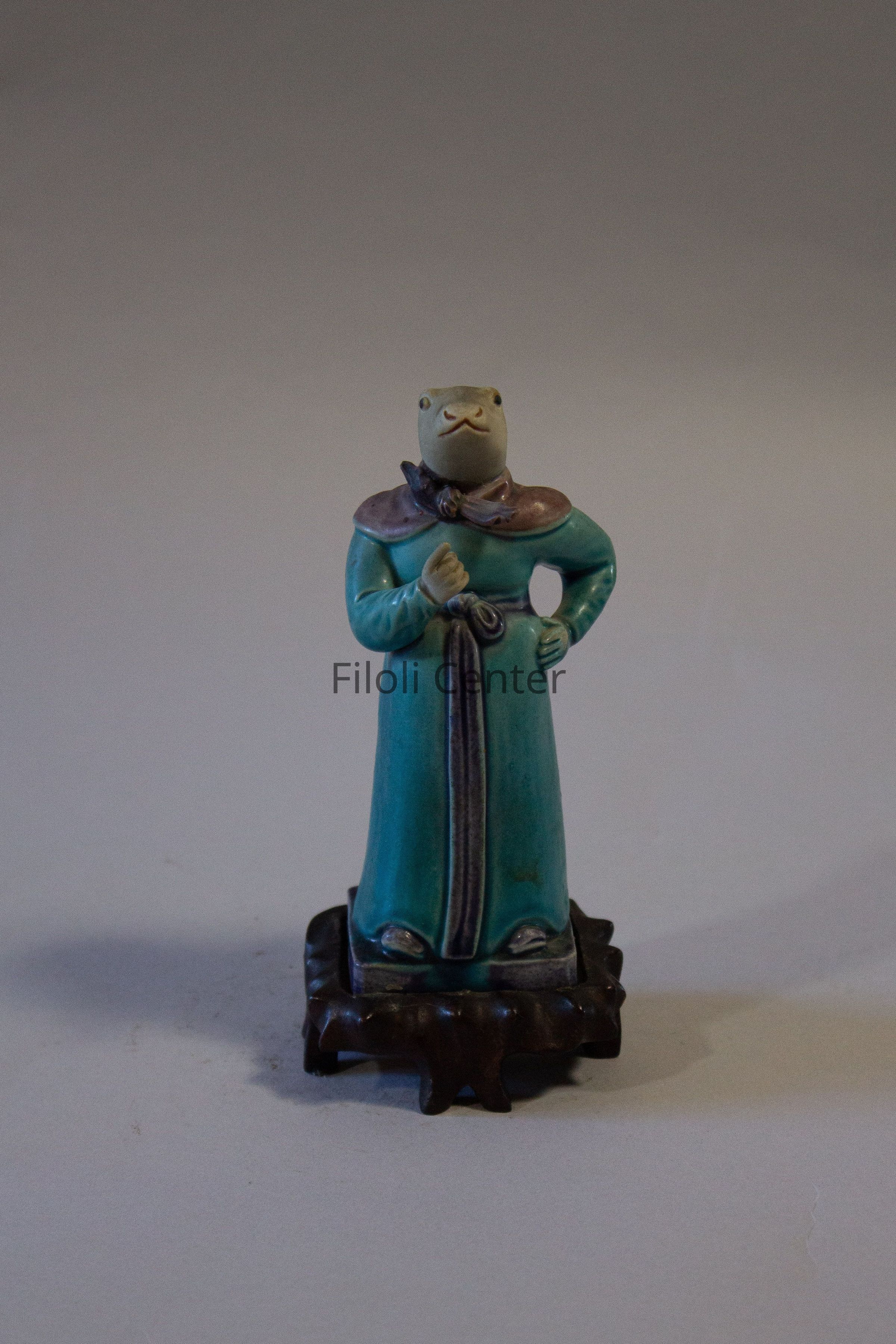
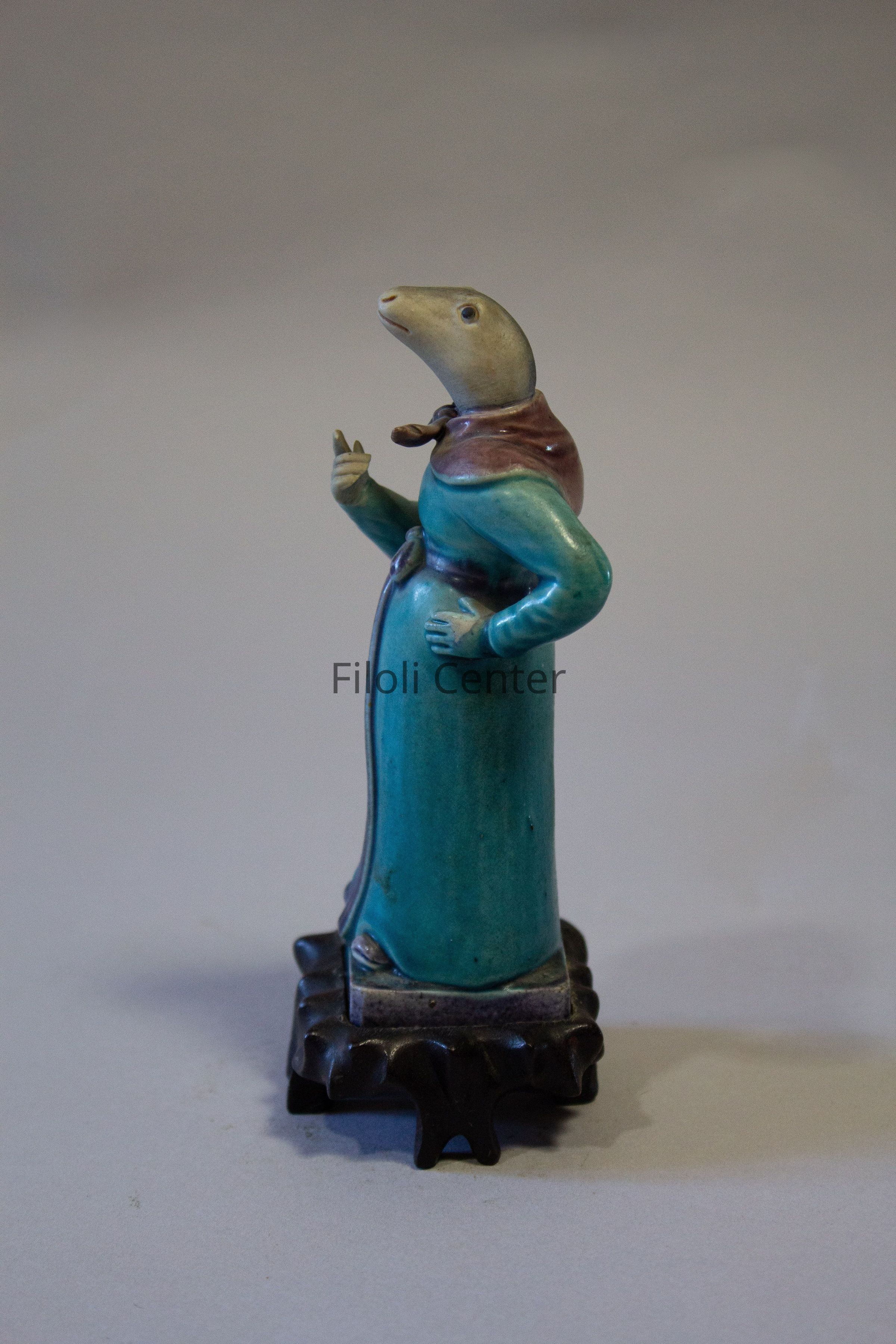
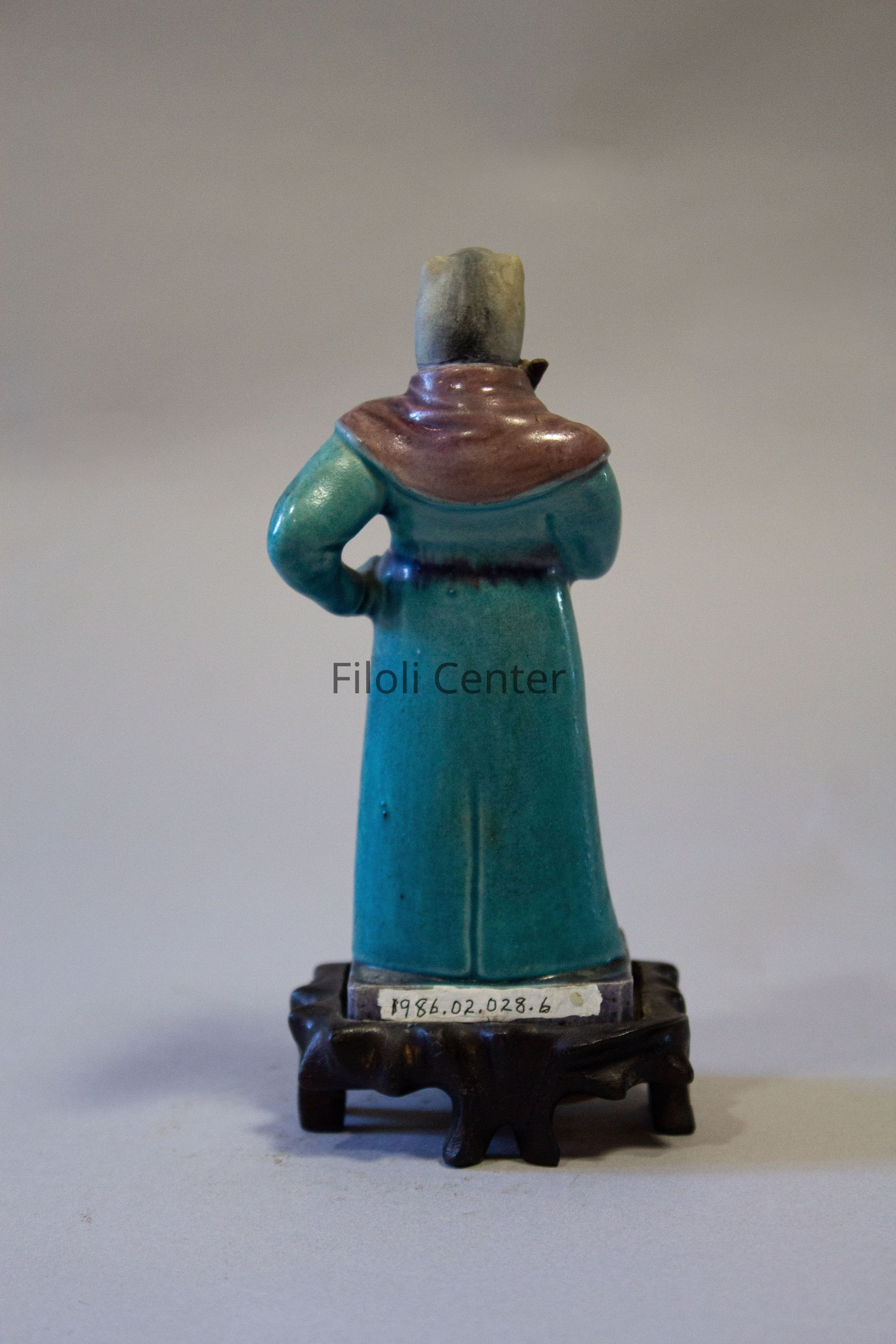
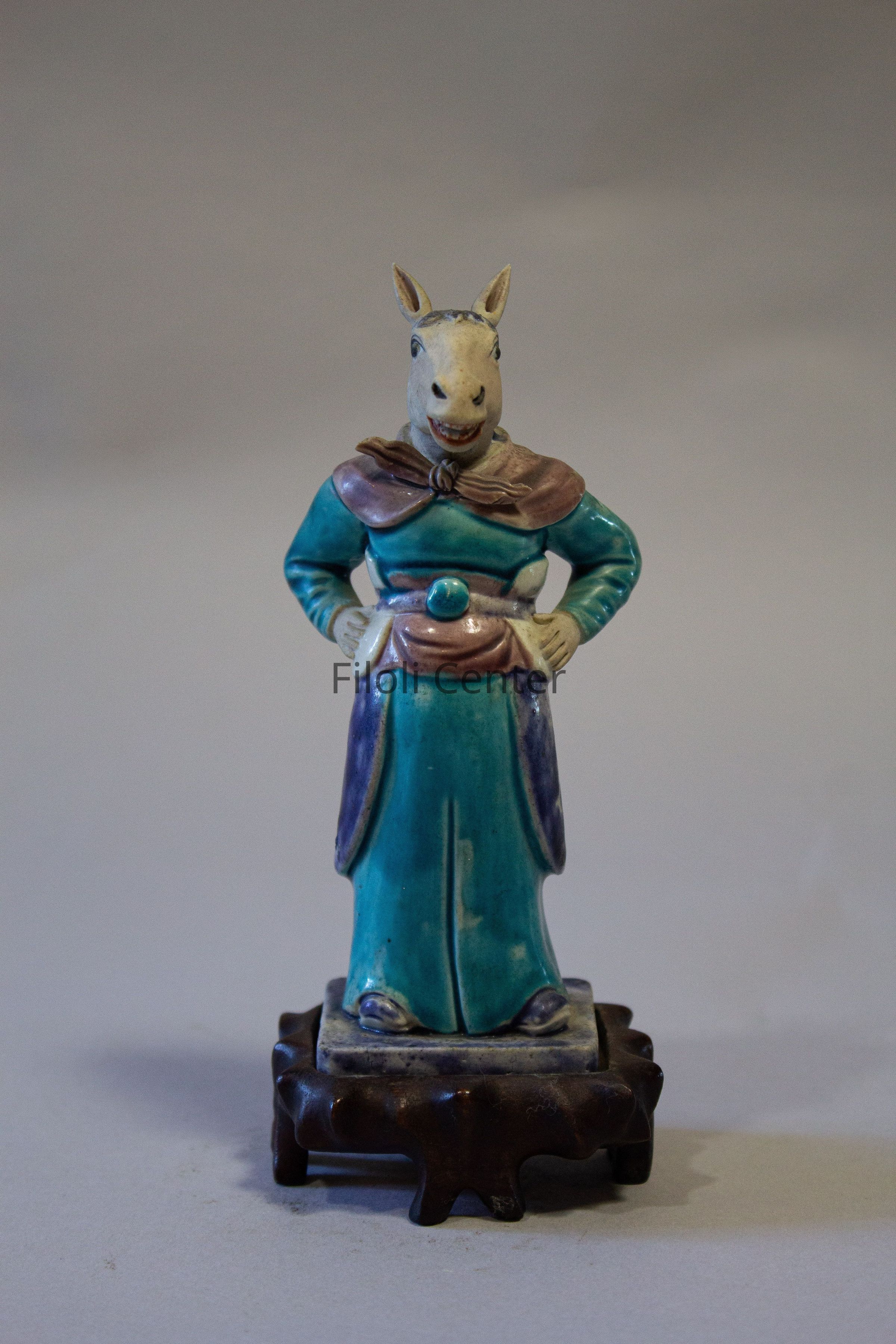
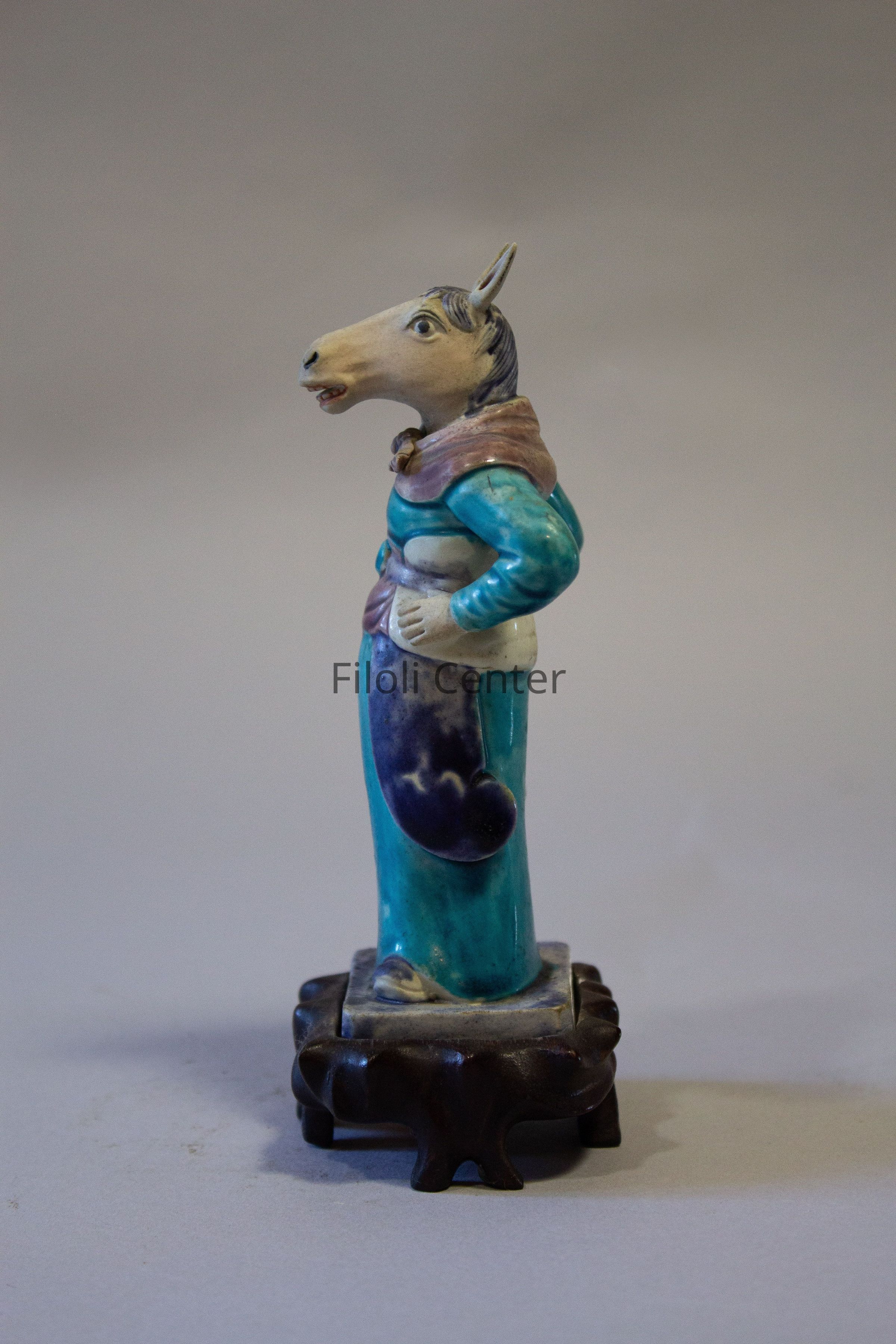
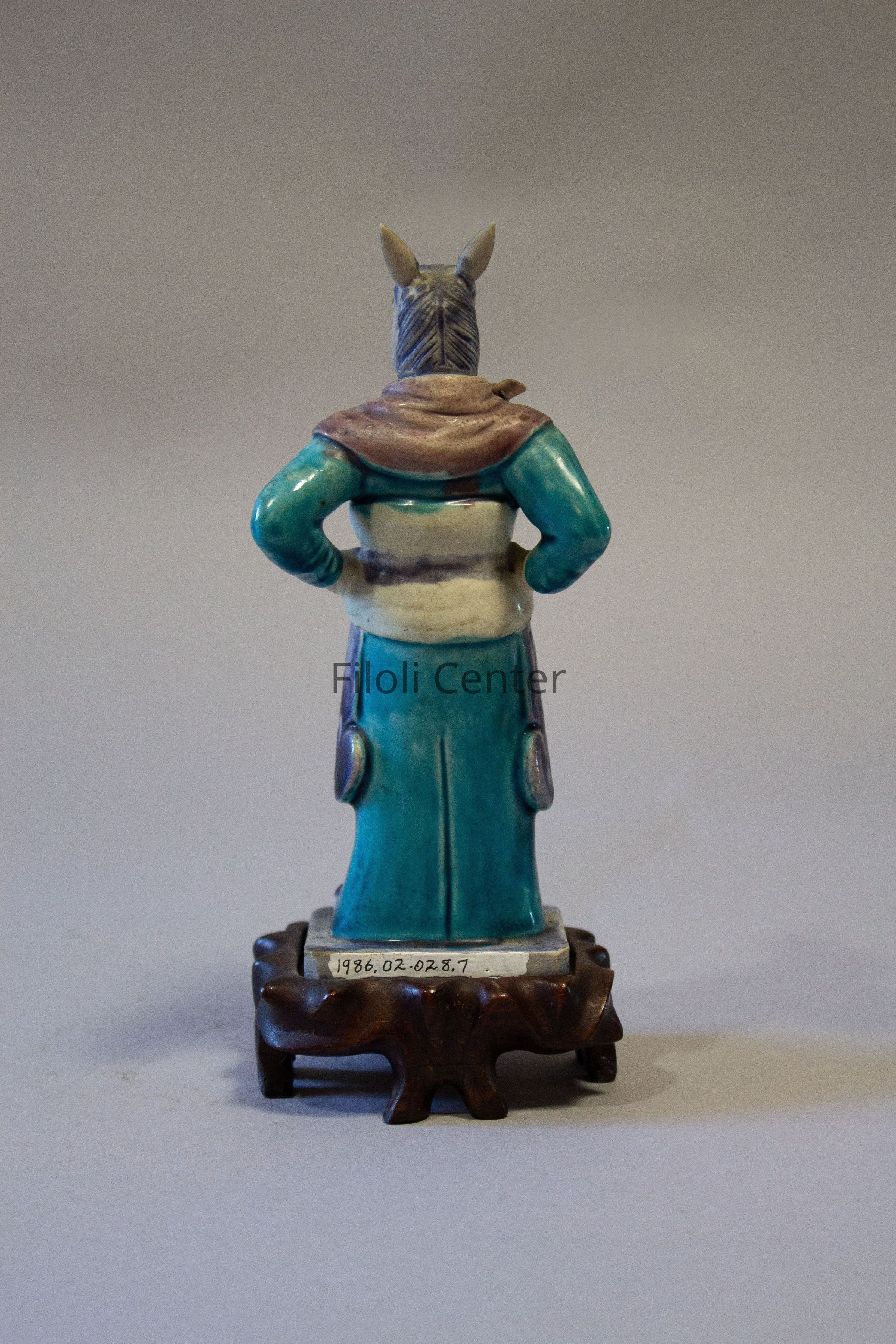
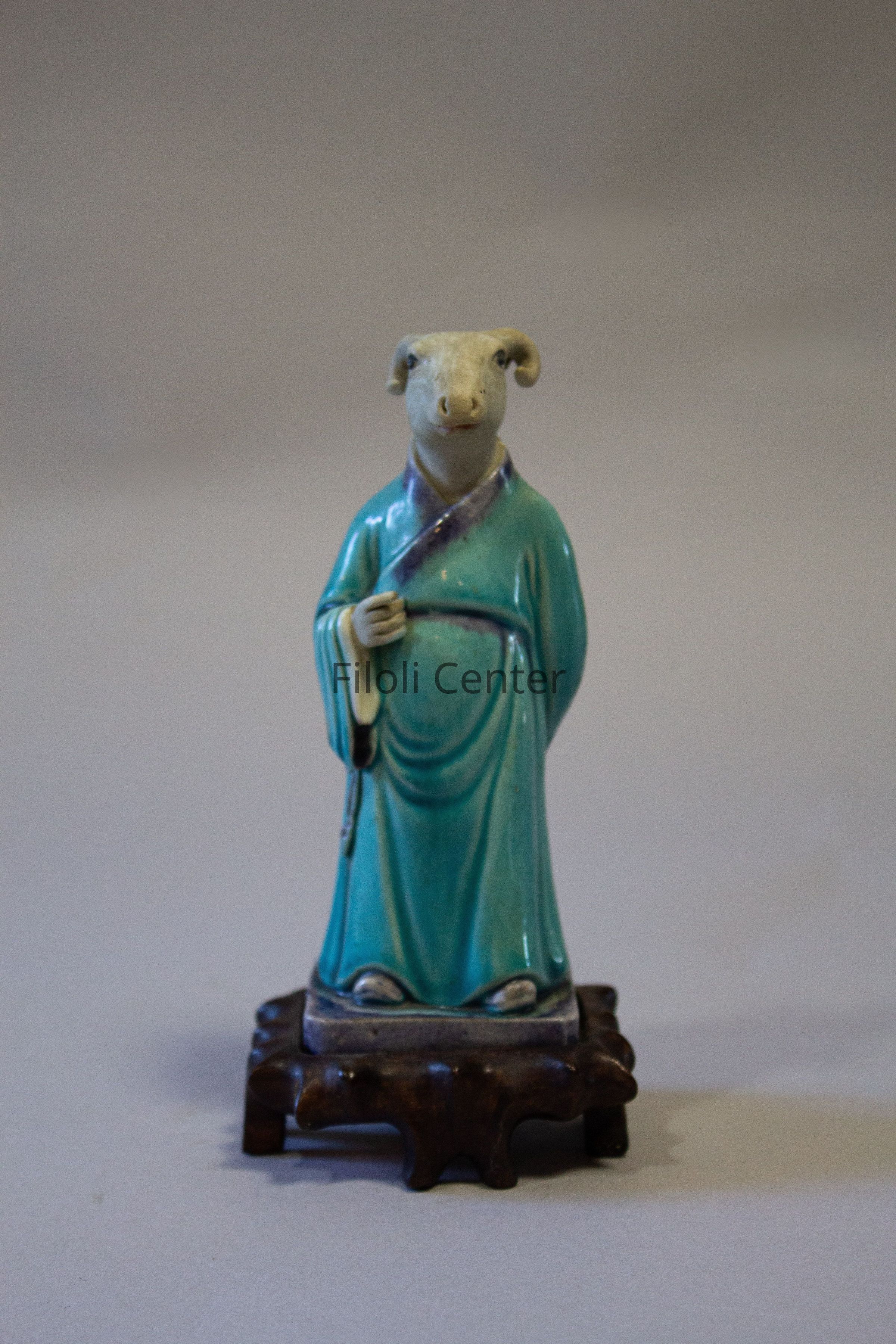
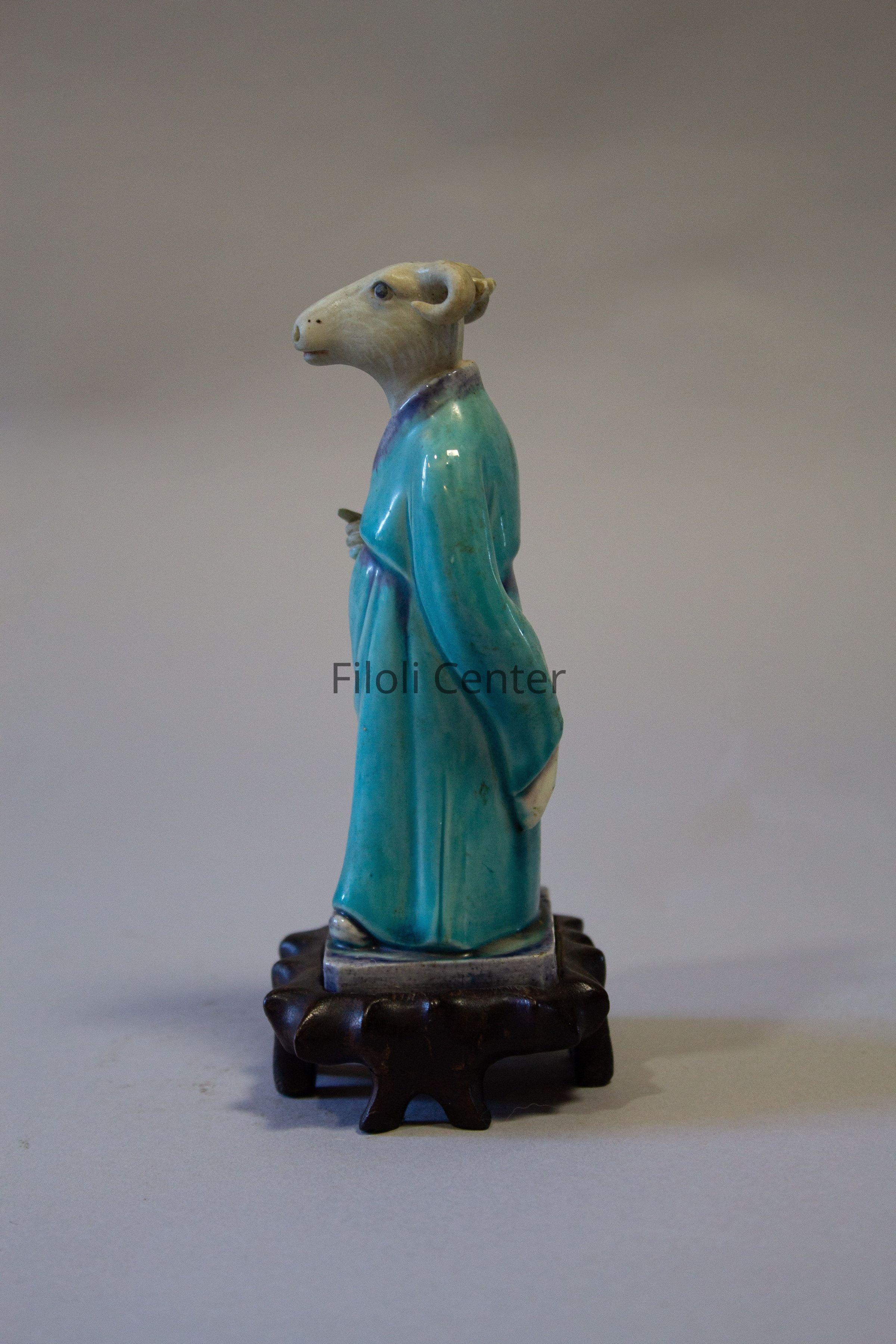
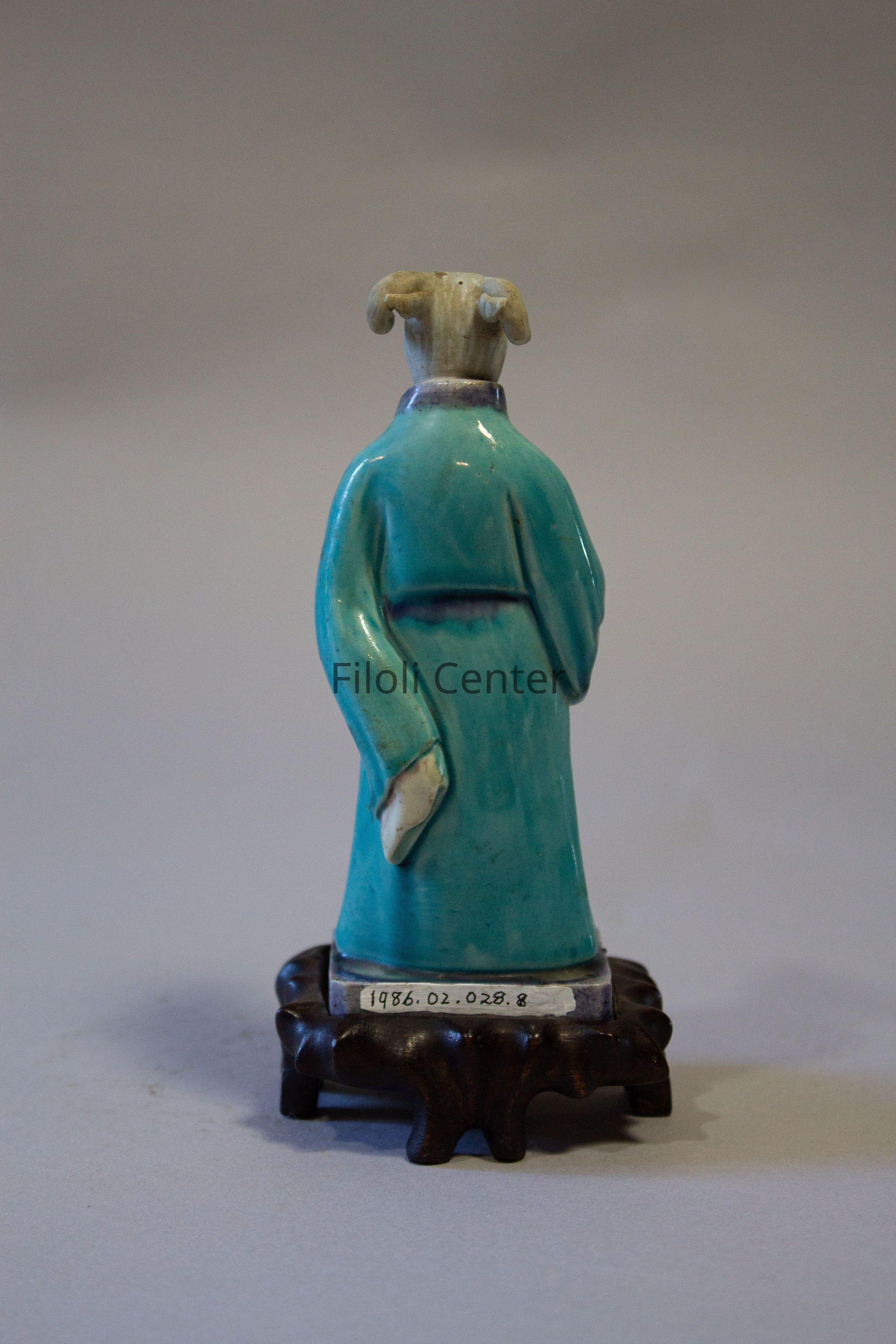
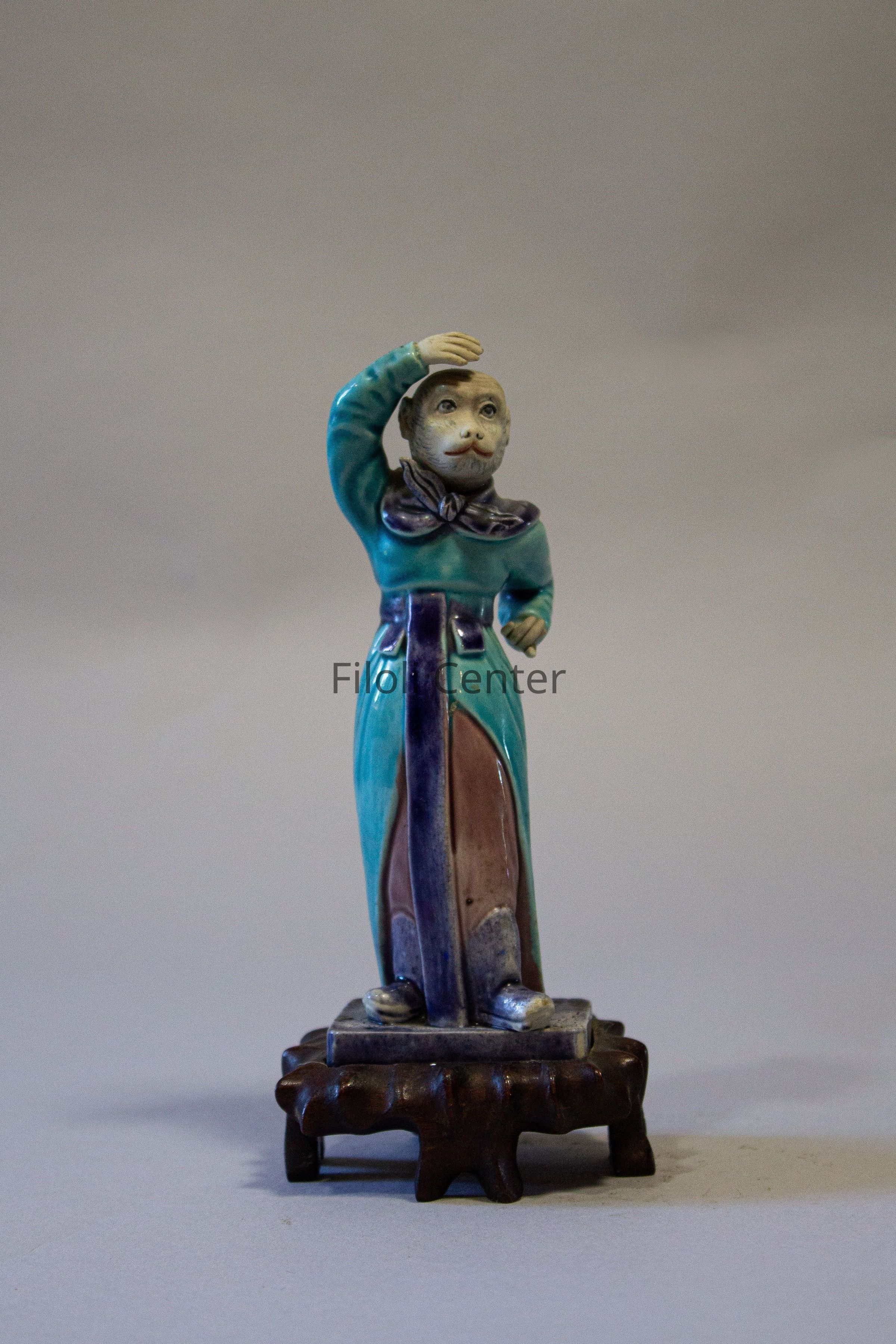
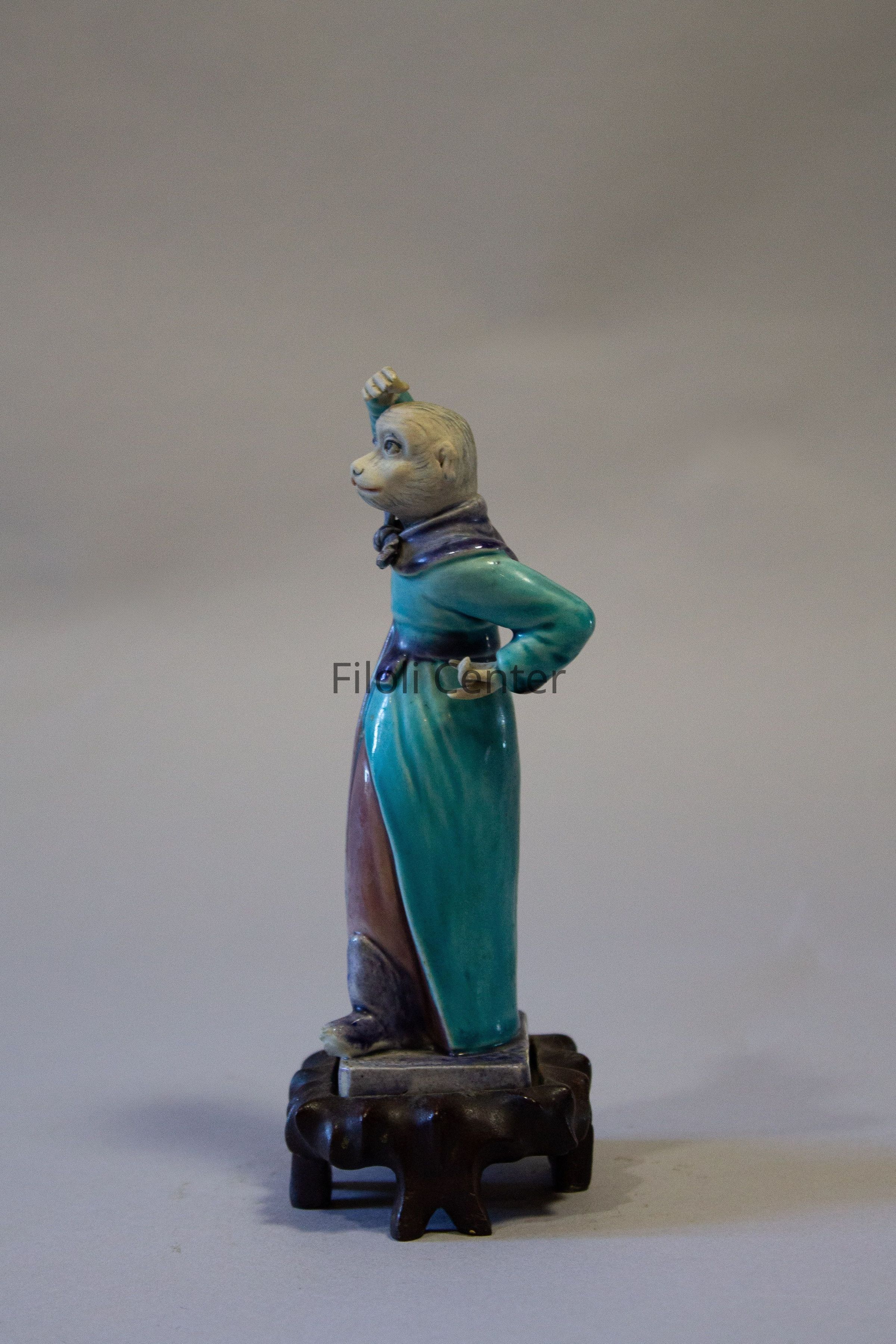
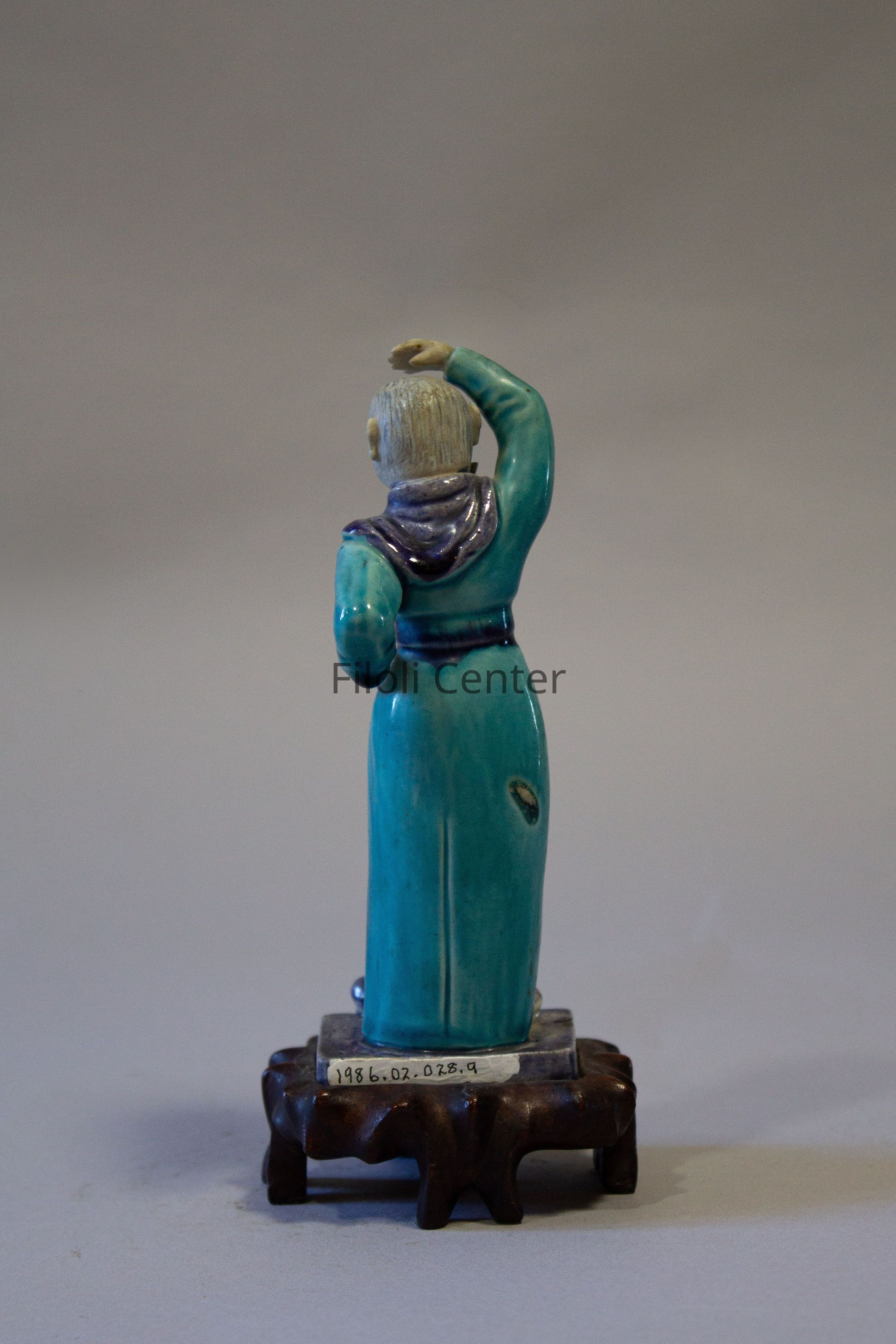
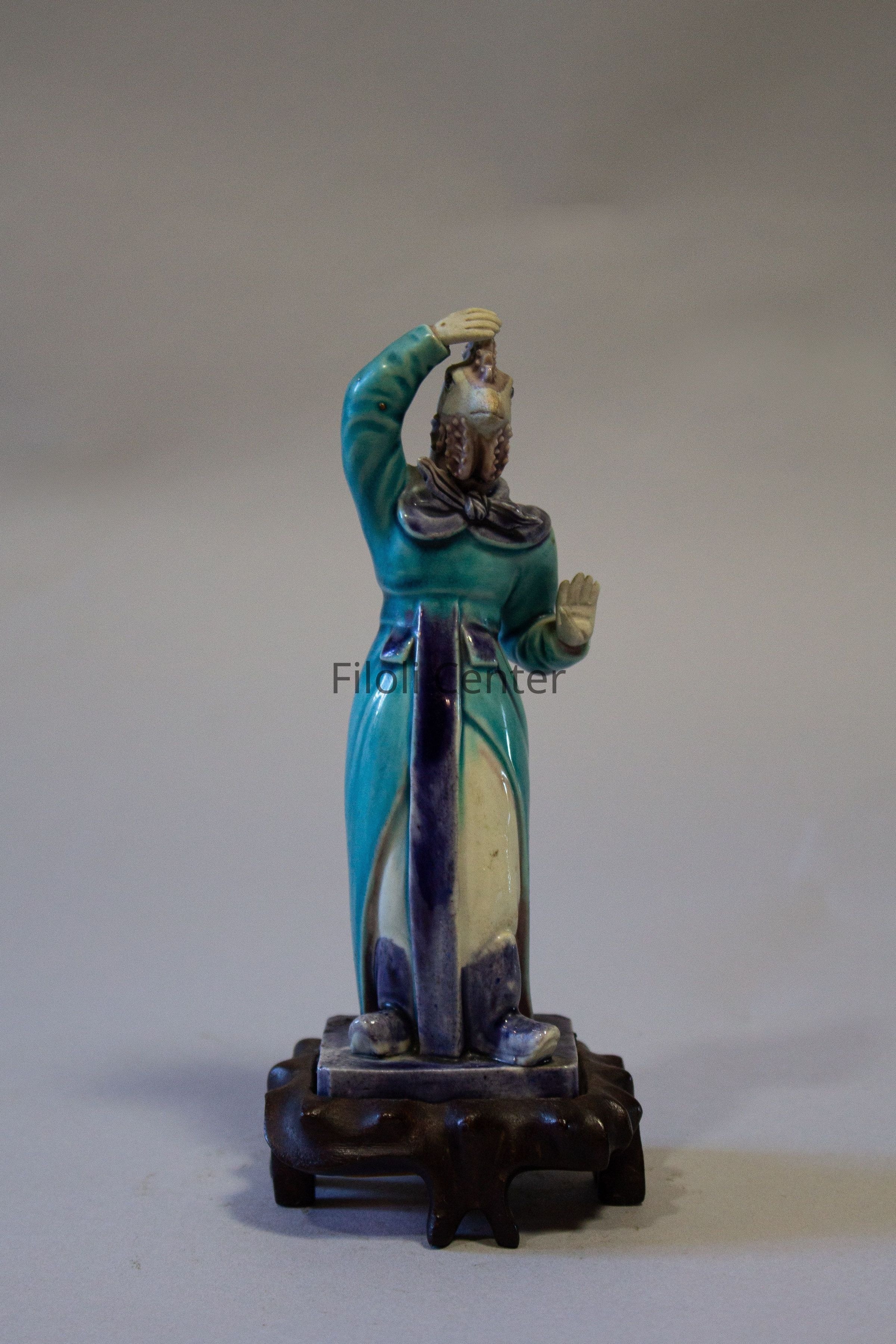
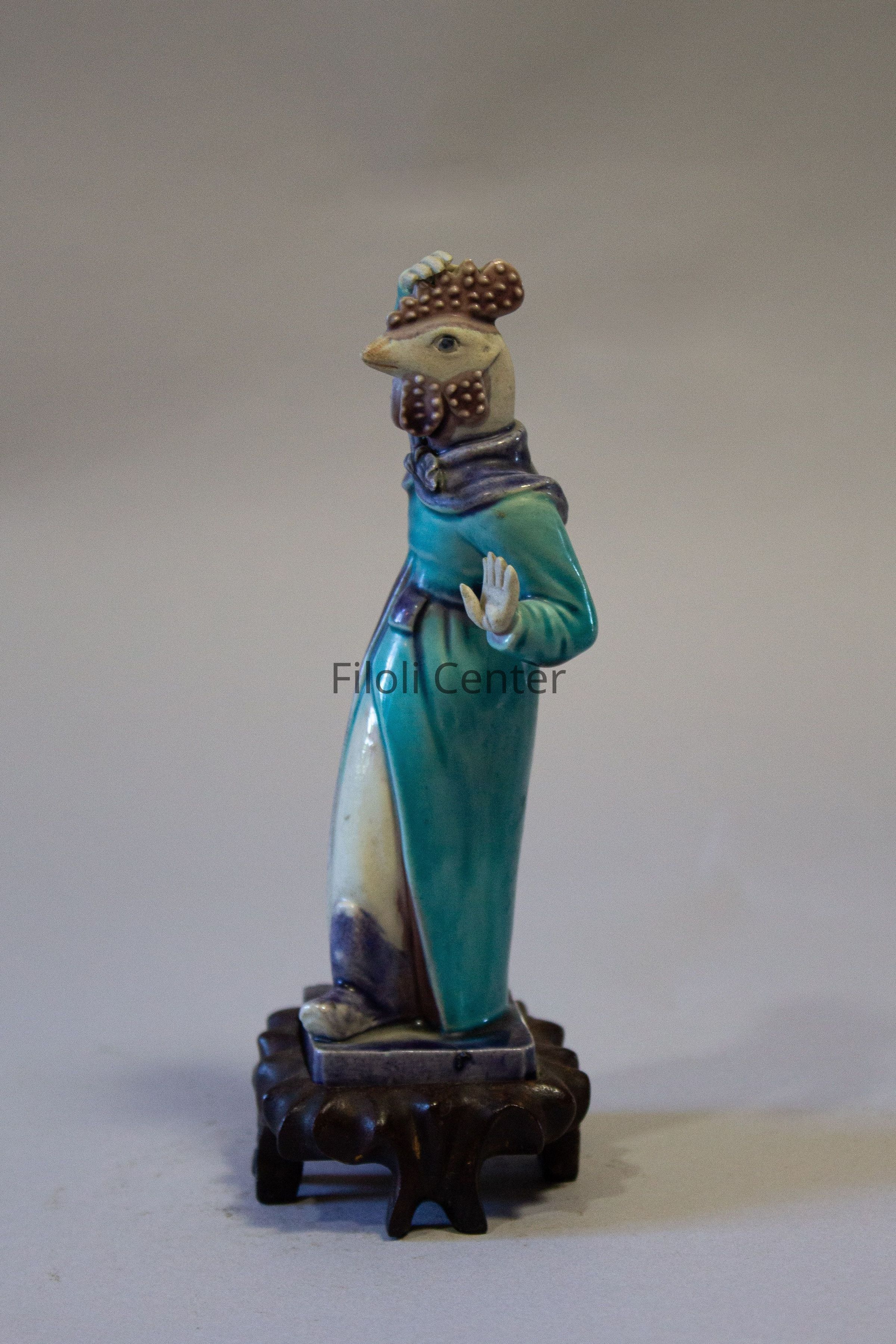
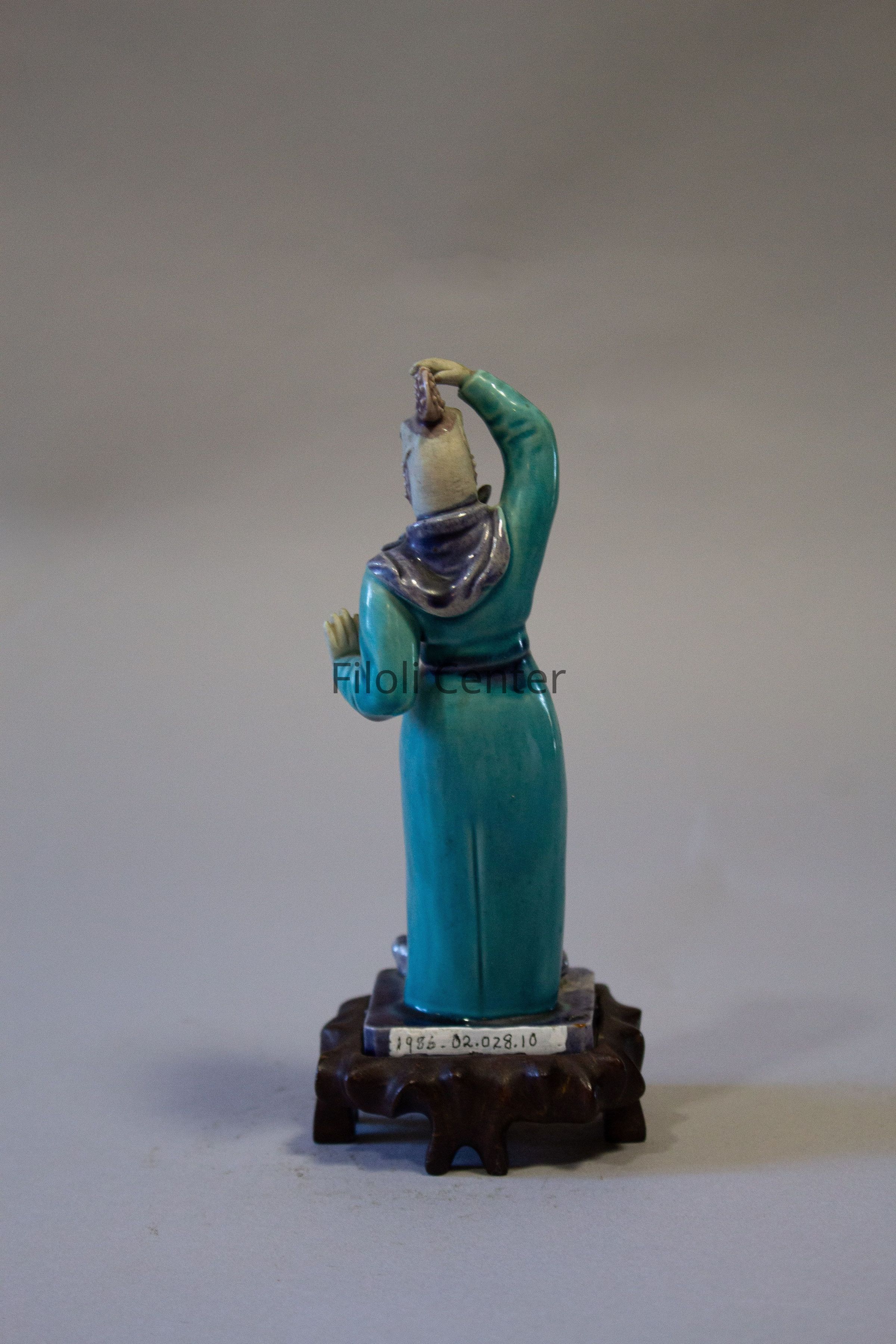
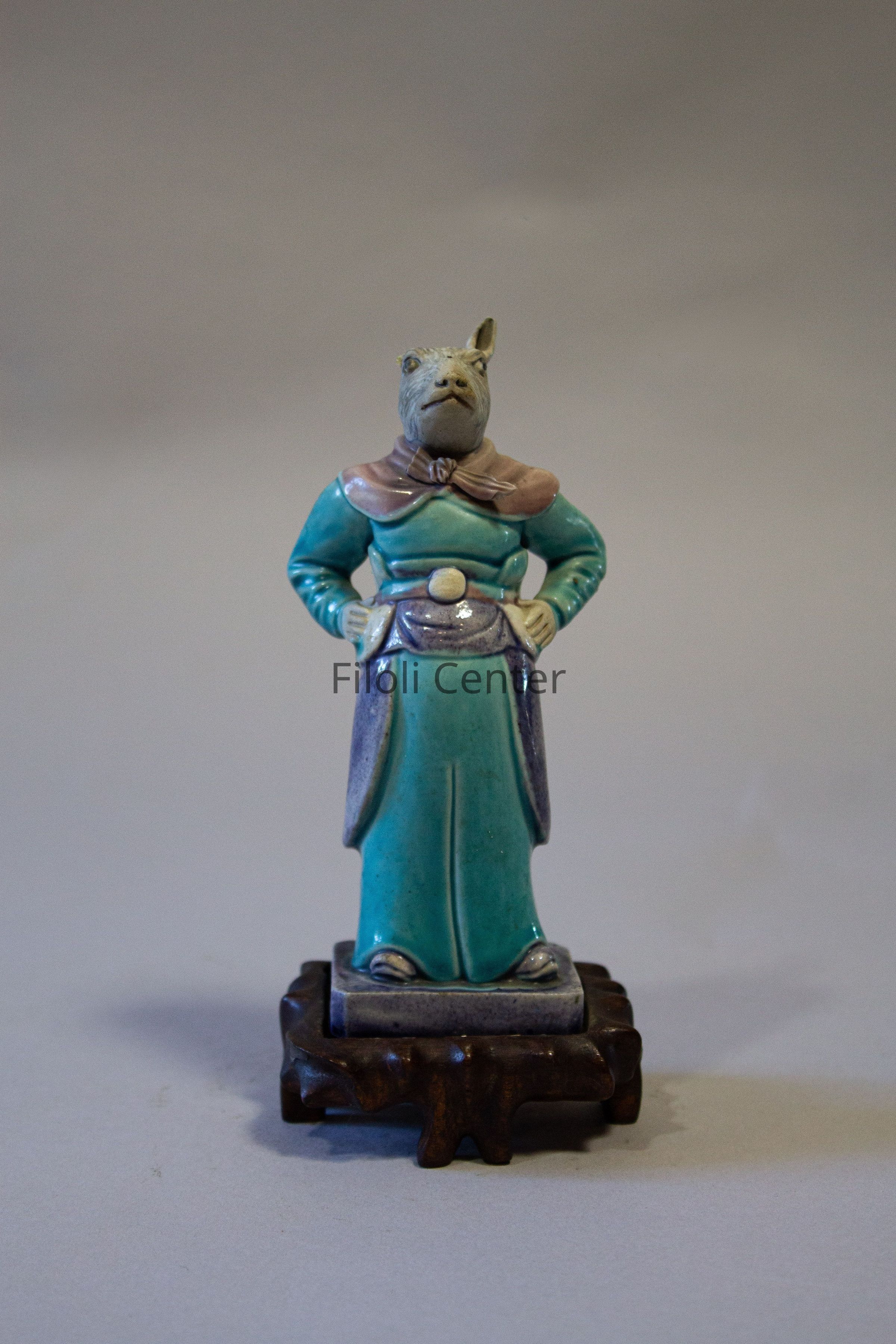
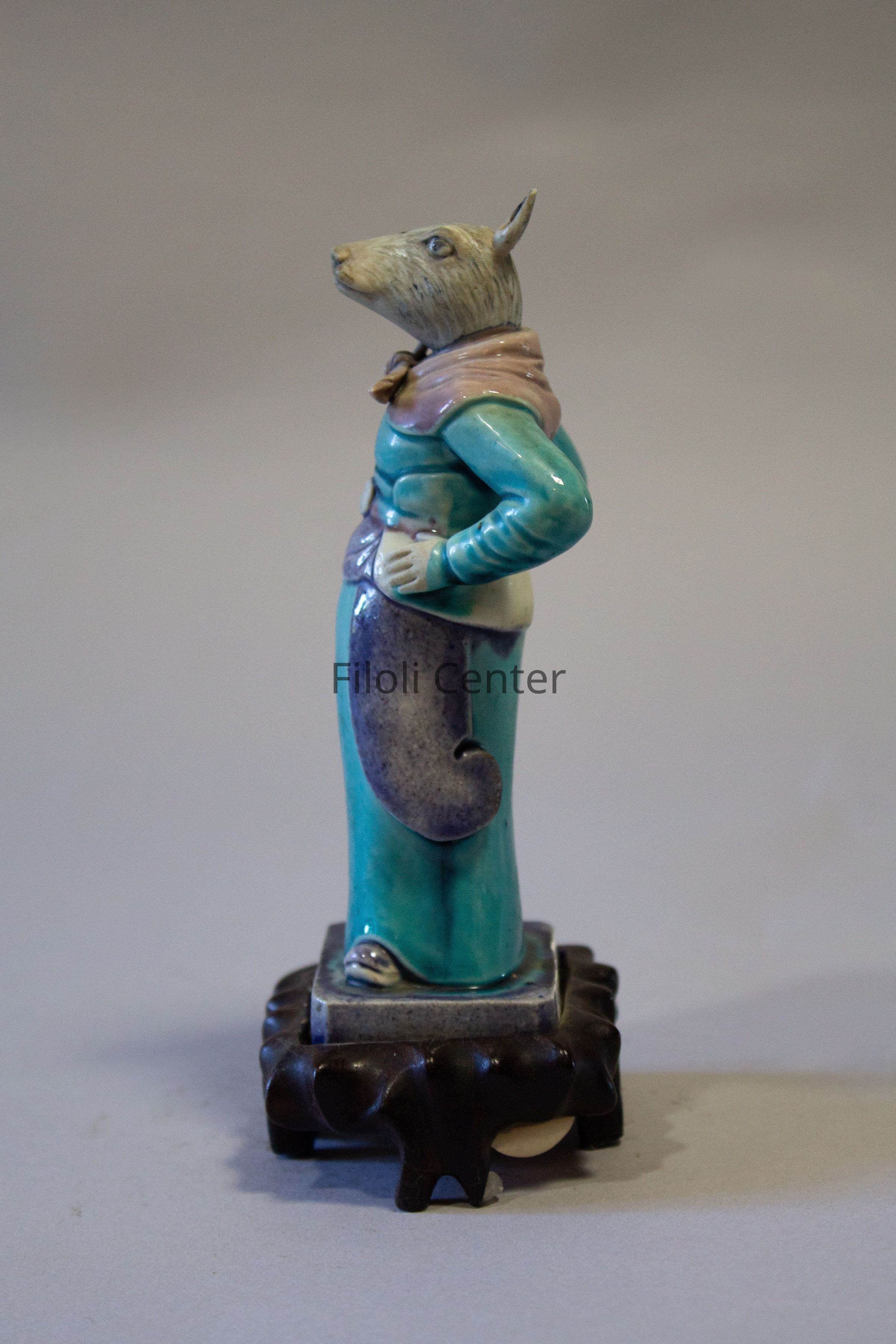
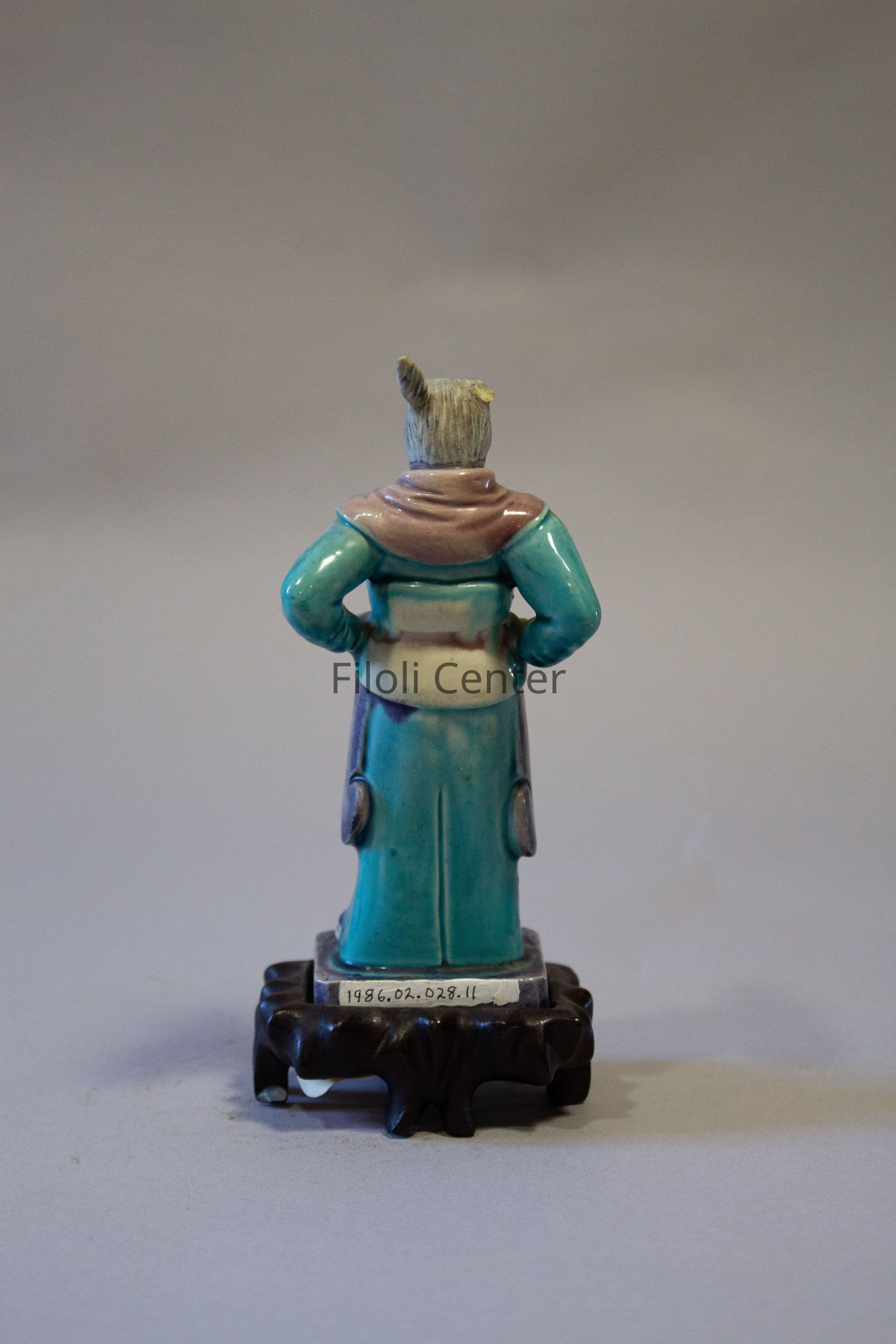
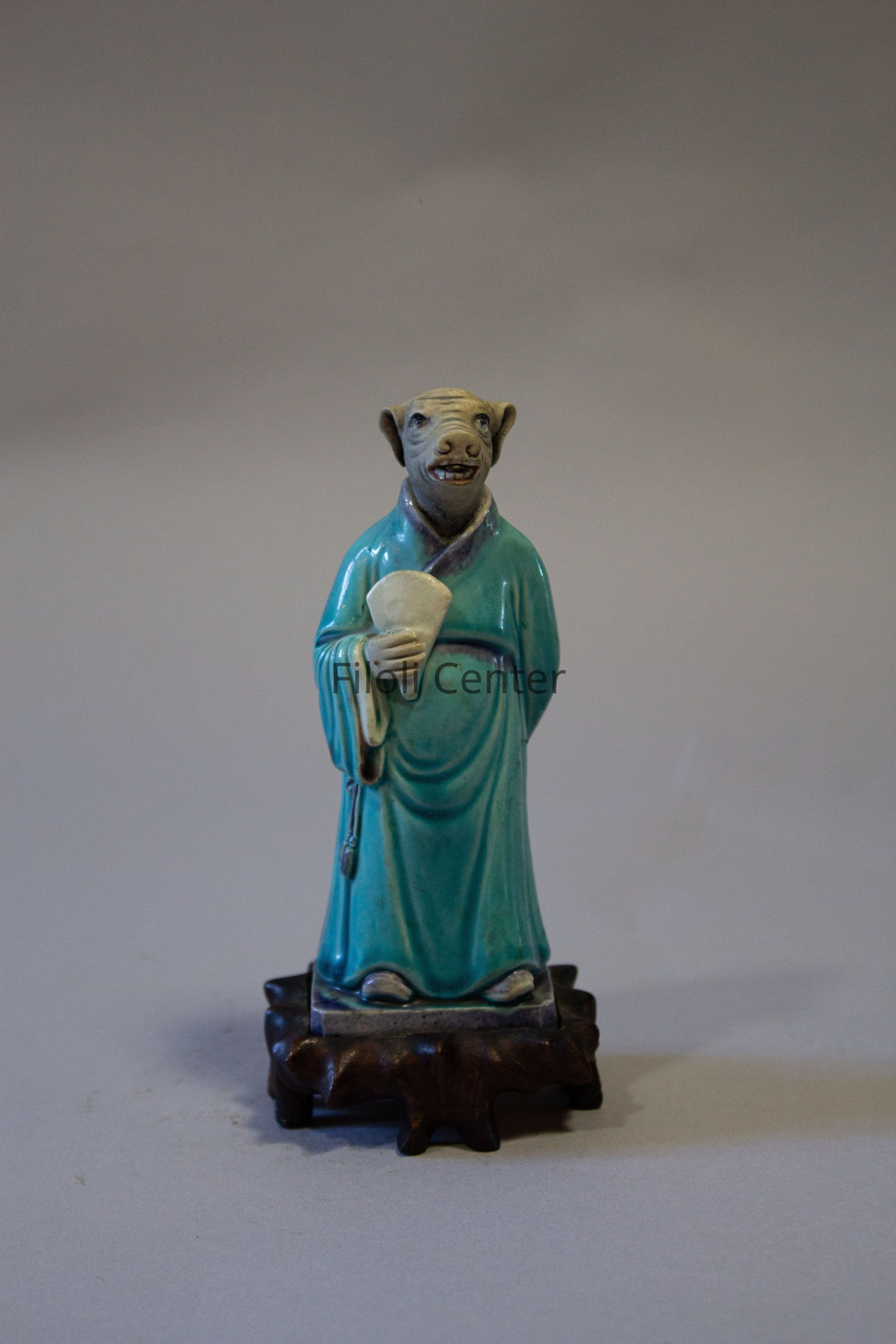
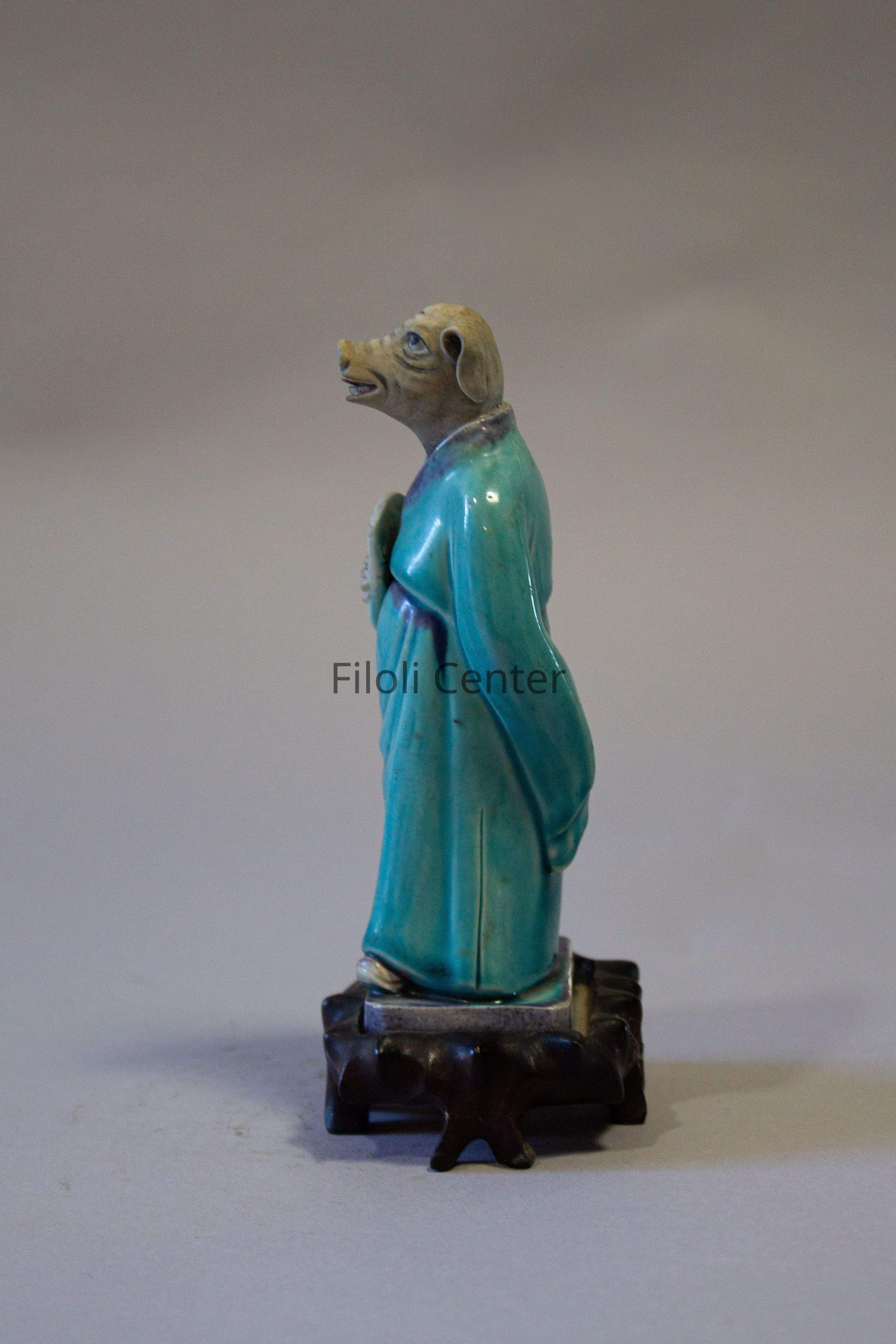
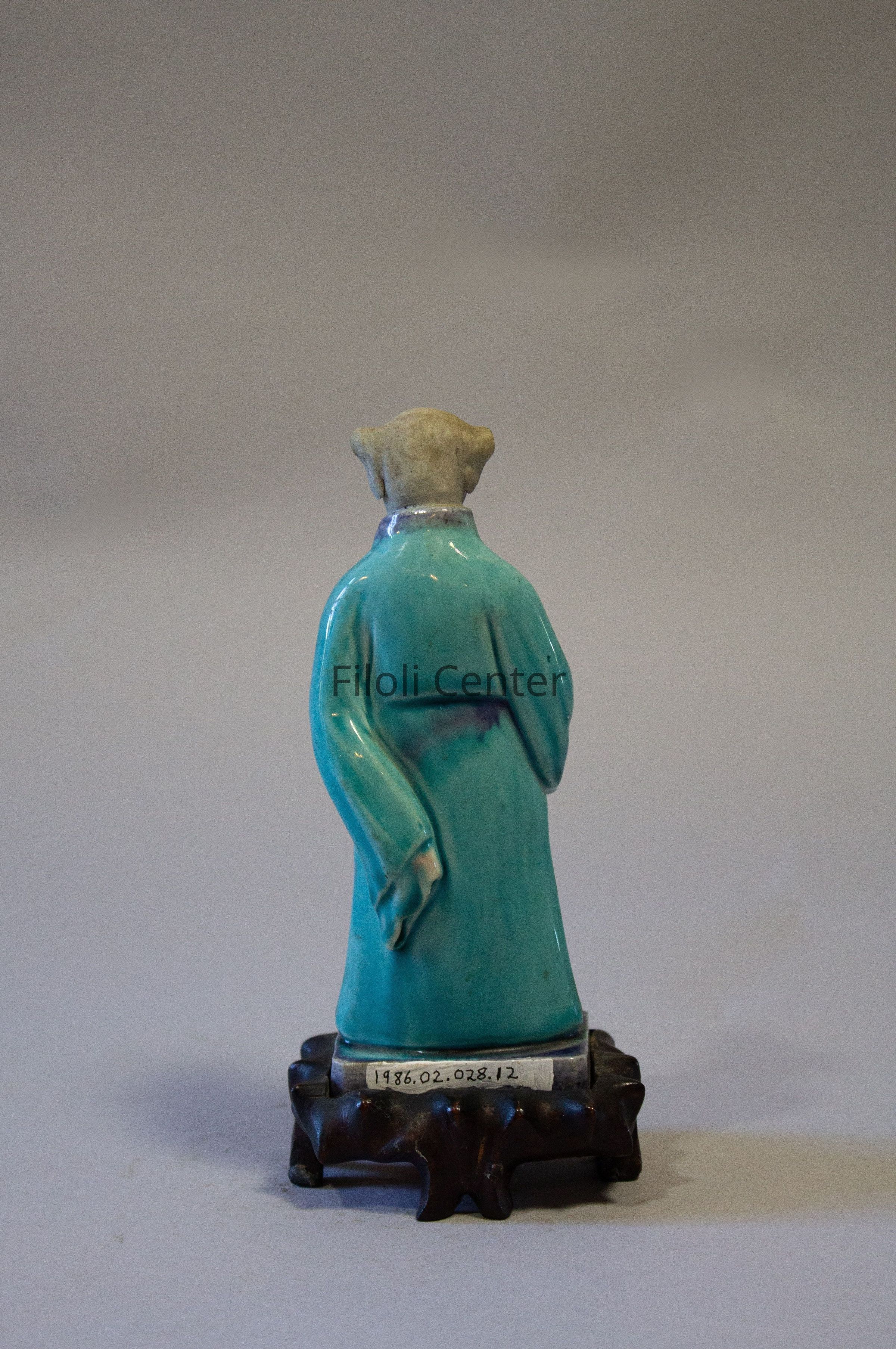
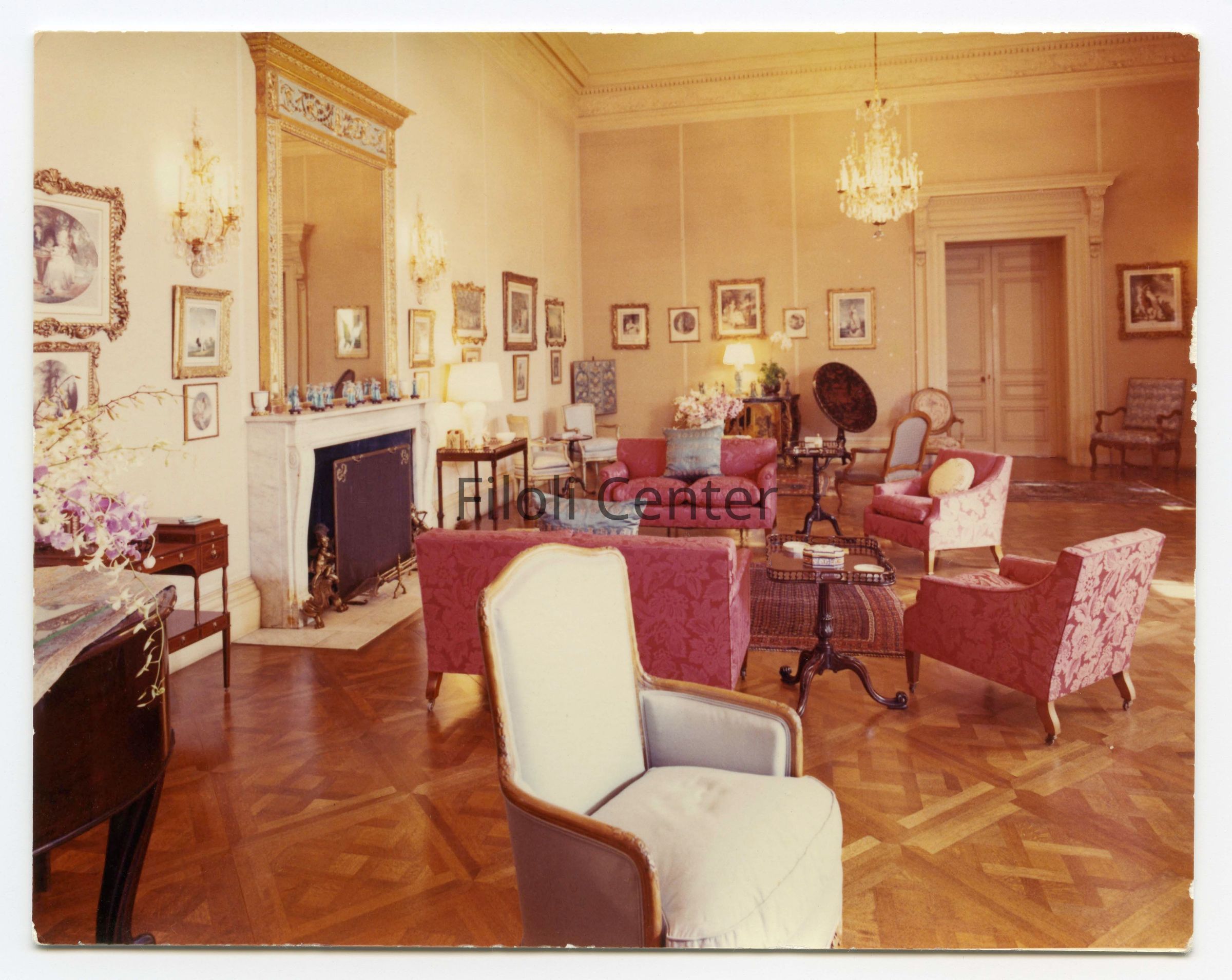
During Lurline Roth’s time at Filoli, this set of Chinese zodiac figurines was displayed in the Drawing Room, where they are occasionally displayed. They are part of a collection of objects that Lurline brought to Filoli after she moved in. Their garb and stance represent the hierarchy of Chinese society, starting with the emperor down to a common soldier. The figurines are glazed using a “sancai” glaze method, characterized by a low-temperature fire that causes oxidation.Label
While Lurline Roth lived at Filoli, this set of Chinese zodiac figurines was displayed on the mantle in the Drawing Room. They are part of a collection of objects that Lurline brought to Filoli after she moved in. They represent the hierarchy of Chinese society, starting with the emperor down to a common soldier, as well as a time of day:
1. Rat (Shu) wealthy man 11 PM - 1AM (Dz)
2. Ox (Nyou) captain 1 AM -2 AM (Chou)
3. Tiger (Hu) general 3 AM - 5 AM (Yan)
4. Rabbit (Tu) wealthy man 5 AM - 7 AM (Mau)
5. Dragon (Lung) emperor 7 AM - 9 AM (Chen)
6. Serpent (She) general 9 AM - 11 AM (Sz)
7. Horse (Ma) captain 11 AM - 1 PM (Wu)
8. Goat (Wang) advisor 1 PM - 3 PM (Wei)
9. Monkey (Hou) soldier 3 PM - 5 PM (Jya)
10. Rooster (Ji) soldier 5 PM - 7 PM (Yu)
11. Dog (Gou) captain 7 PM - 9 PM (Syu)
12. Pig (Ju) advisor 9 PM - 11 PM (Hai)
The figurines are glazed using a “sancai” glaze method, characterized by a low-temperature fire that causes oxidation. Originating in the Tang Dynasty, this glaze method began with three colors (or “san”) and evolved over time to include additional colors. The colors were primarily made by mixing metals into a base, with the vibrant turquoise color being achieved through copper oxidation.