Coat
Overview
Description
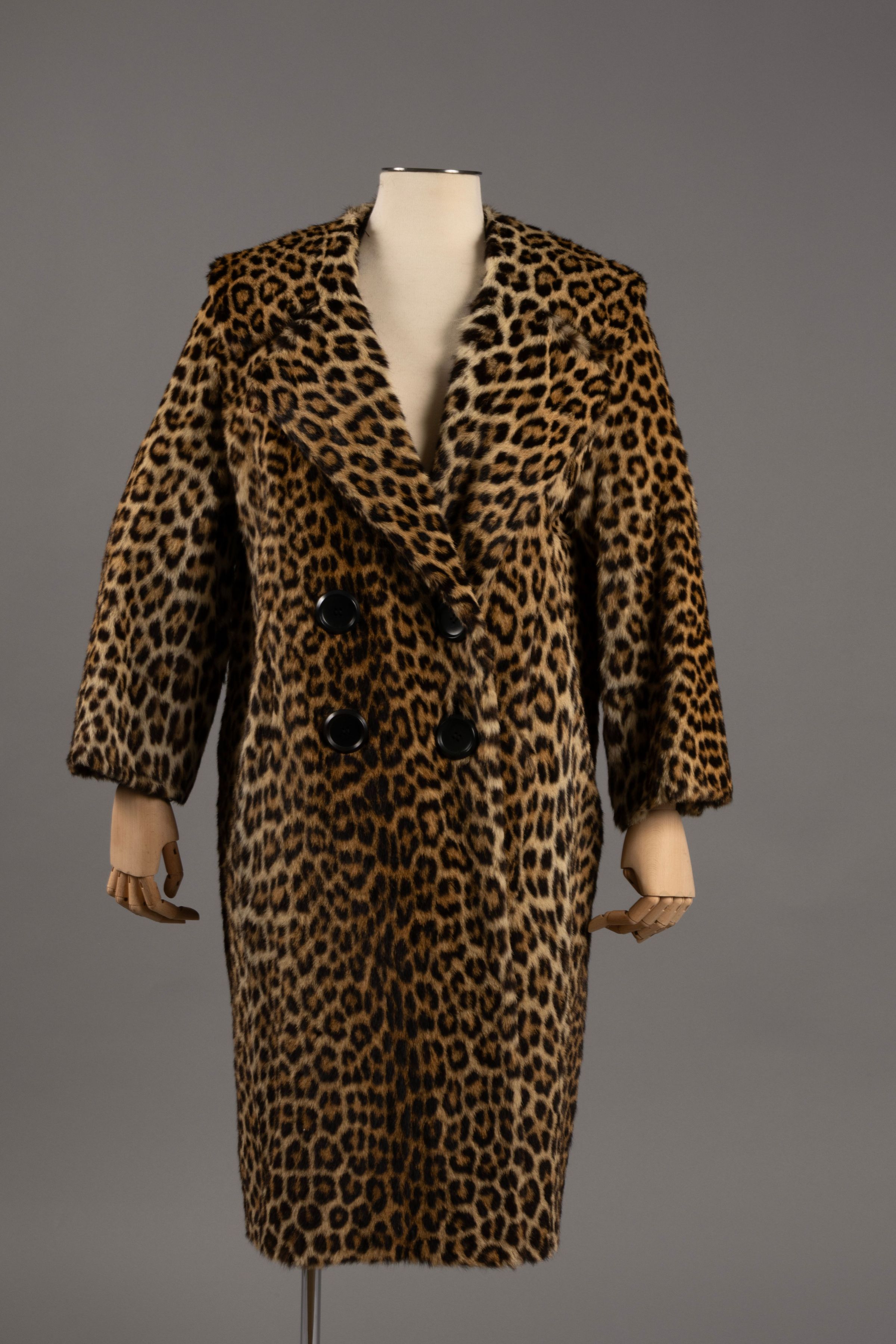
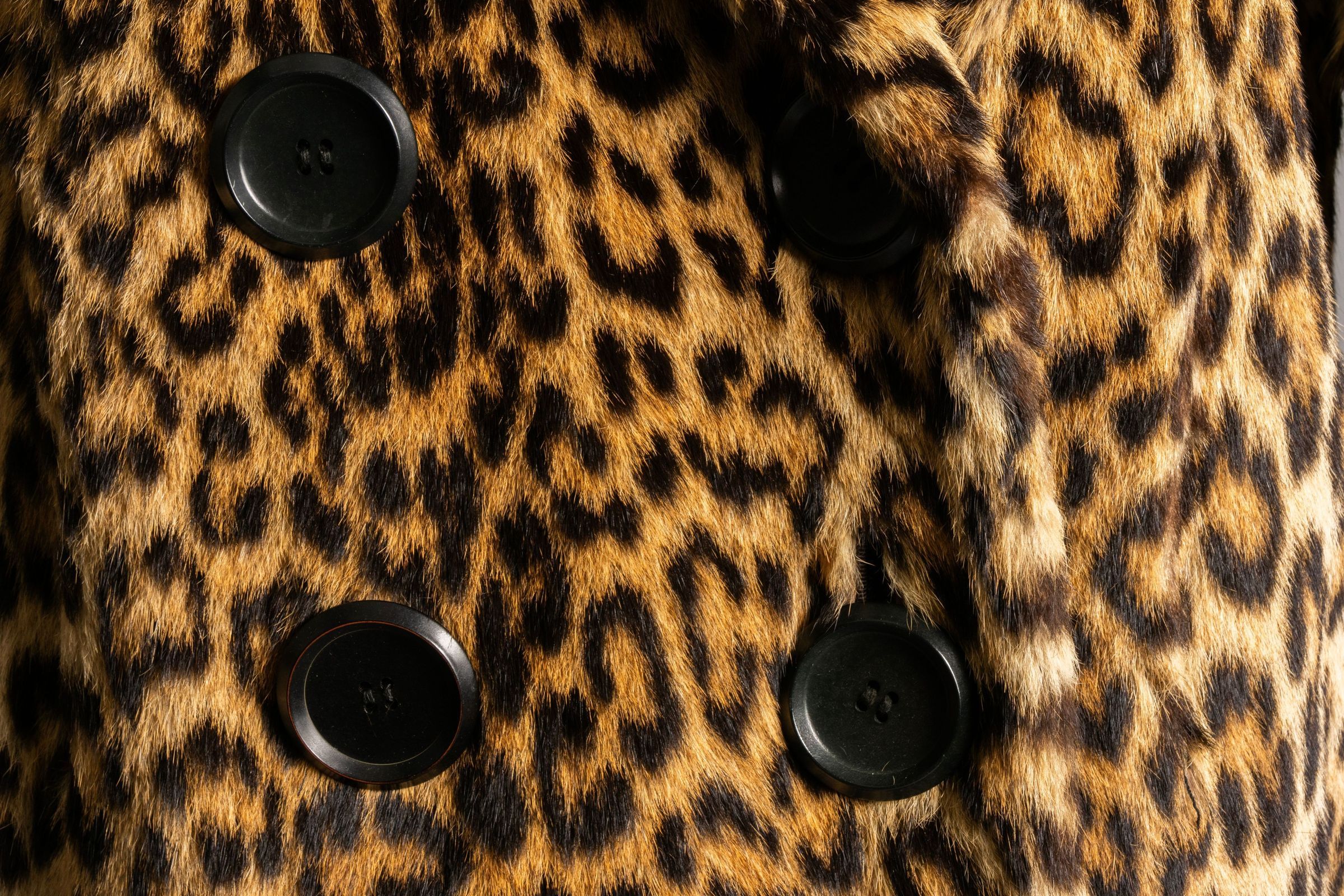
Leopard fur coat, A-line silhouette, double-breasted w black buttons, notched collar.Collection
CostumeAcquisition
Source (if not Accessioned)
Margery MasinterMade/Created
Artist
GartenhausProvenance
Notes
Donated by daughter of original owner. "My mother Lorraine Flocks was a local TV newscaster in Washington DC in the early 1960’s. As host of a weekday news program called "Women's World" on WMAL,she was a beautiful pioneer in this field. She died at age 57 of multiple myeloma in 1973. Her leopard coat was made in 1962 by the furrier Gartenhaus in Washington DC for her 25th wedding anniversary. The coat was copied from a coat made for Jackie Kennedy by Oleg Cassini in 1962. Cassini designed a striking leopard coat, knee-length, with three quarter sleeves and six buttons. My mother’s coat had 4 four buttons, probably because she wasn’t very tall. Fashion-wise, the coat was a great success and the demand for Jackie-style leopard coats soared. Since my mother’s coat was made in 1962, in her exuberant fashion, she wanted a coat just like Jackie’s! A decade after Cassini made the First Lady’s coat, the U.S. government placed leopards on the endangered-species list, making it illegal to import their skins. (see The New Yorker Magazine print edition of the March 28, 2022 issue, with the headline “Saving the Cat’s Pajamas.”)Exhibitions
The Ecology of Fashion