Name/Title
Lee-Enfield Magazine Rifle, Mark I "Long Lee"Entry/Object ID
FL-75-870Description
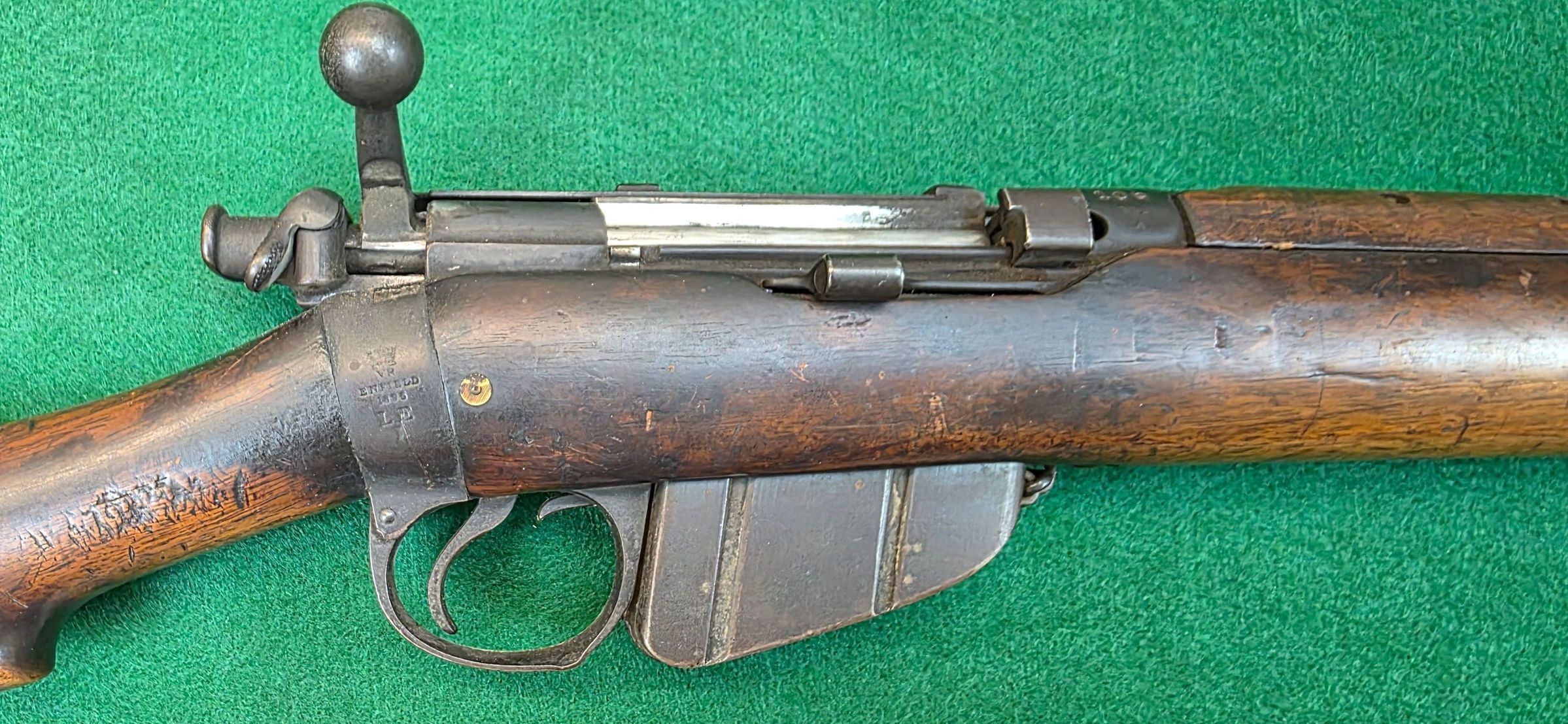
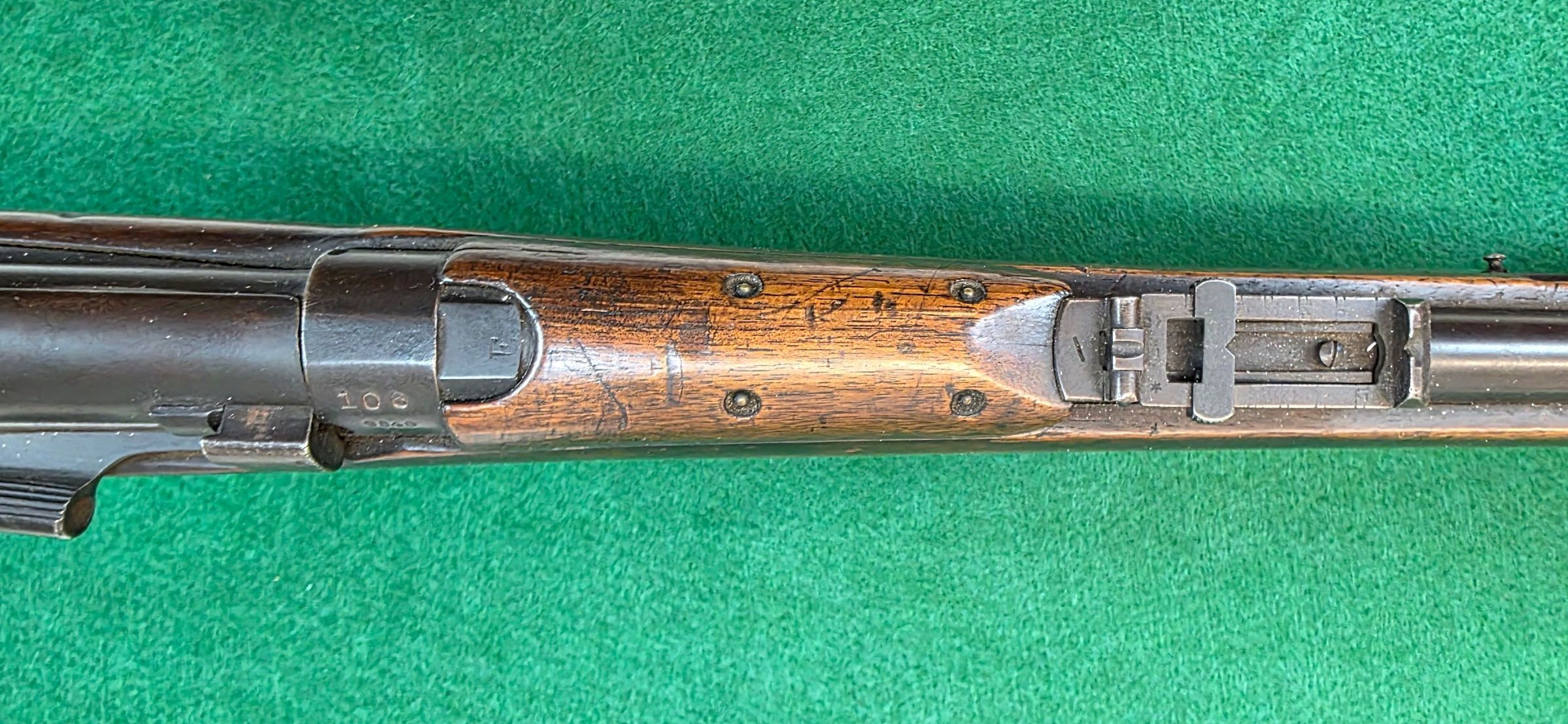
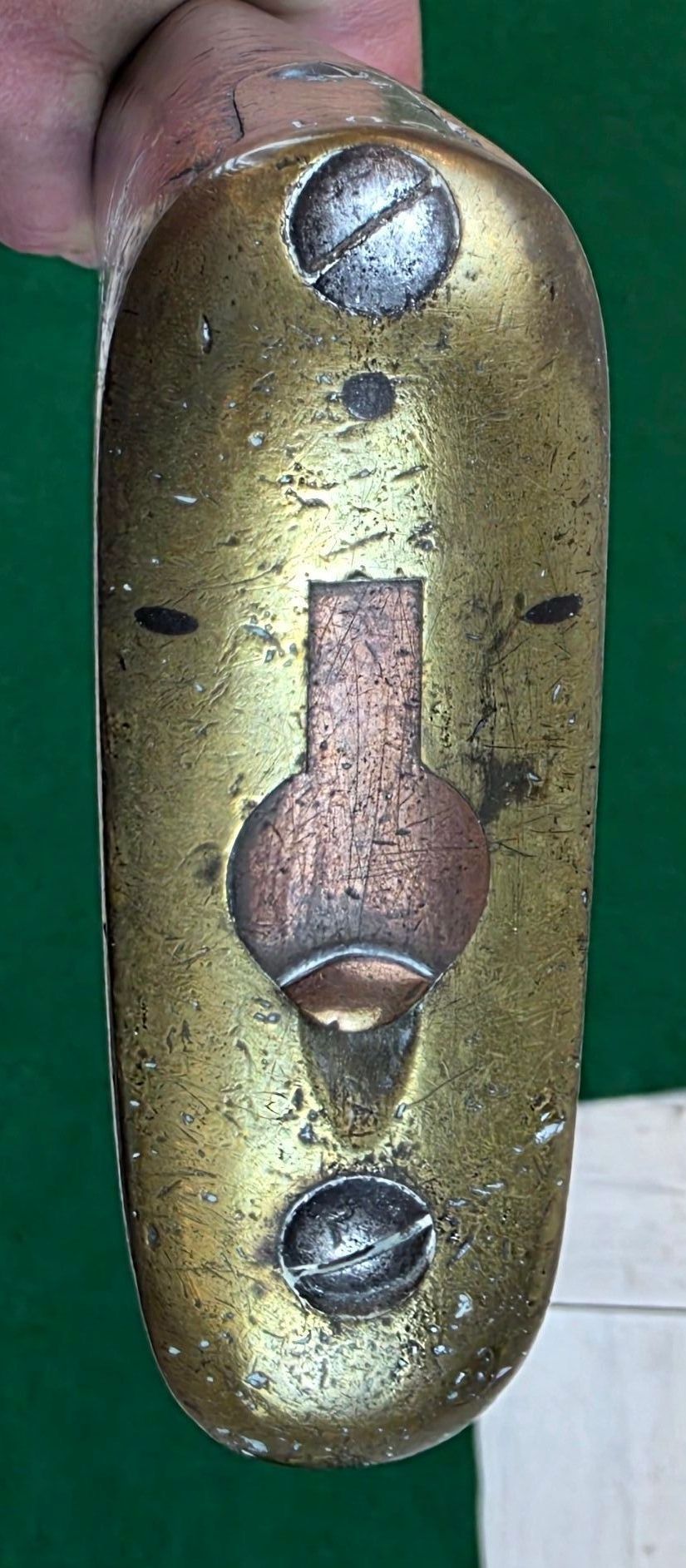
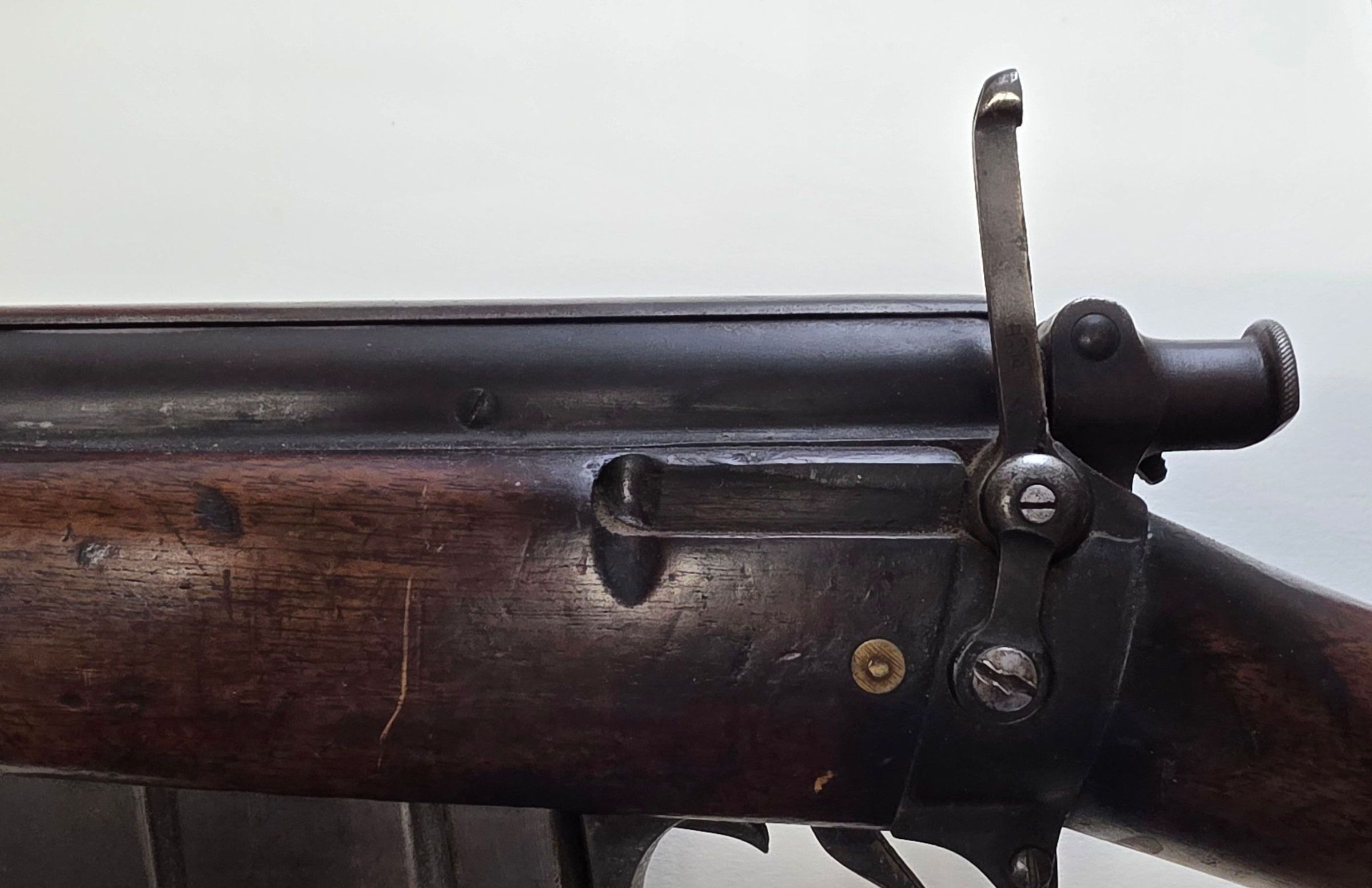
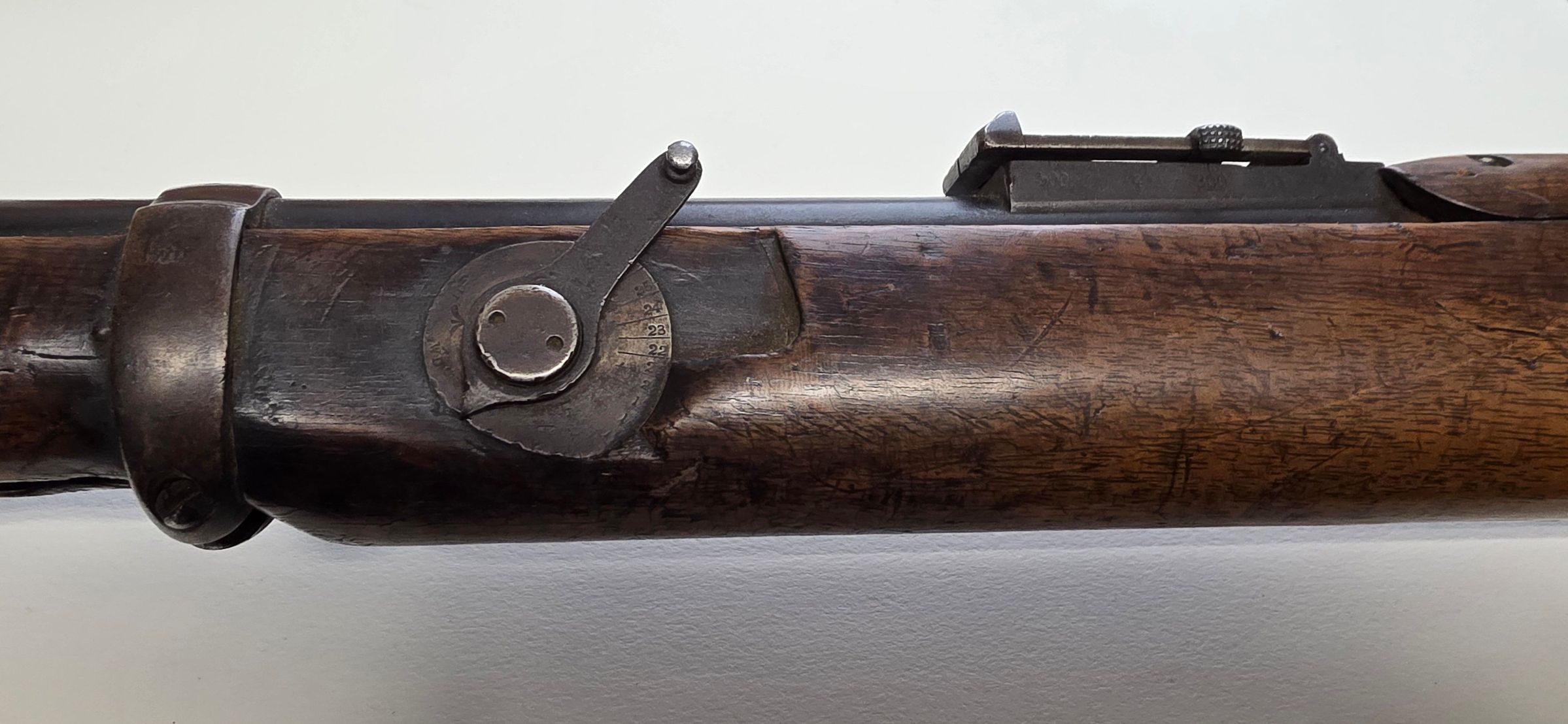
An extraordinarily complete, pristine example of a late-Victorian British full-length military infantry service rifle. The firearm is built on the definitive early Lee-Enfield Mark I pattern action. It features a 30.2-inch barrel, a manual mechanical magazine cut-off plate, an early-pattern clearance channel on the left receiver wall for a sliding bolt dust cover, and a deep, detachable 10-round double-column sheet-steel magazine. The magazine retains its original, early-spec safety retention chain link anchored forward of the trigger guard. Notably, the mechanism utilizes the earliest variant manual pivoting safety catch lever attached directly to the right side of the bolt's cocking piece. The original full-length walnut stock is preserved in its pre-1899 configuration, fully retaining its operational long-range dial volley sight assembly on the left forearm wood (graduated from 20 to 28 hundred yards) and its original under-barrel clearing rod channel running through the fore-end woodwork to the nose cap. The buttstock terminates in a solid brass buttplate with a functional trapdoor compartment. Wood and metal parts showcase an authentic, dark, uniform patina with handling wear consistent with turn-of-the-century campaign service.
FIN: 7082094
RCN: 9387203.0001Firearm Type
RifleContext
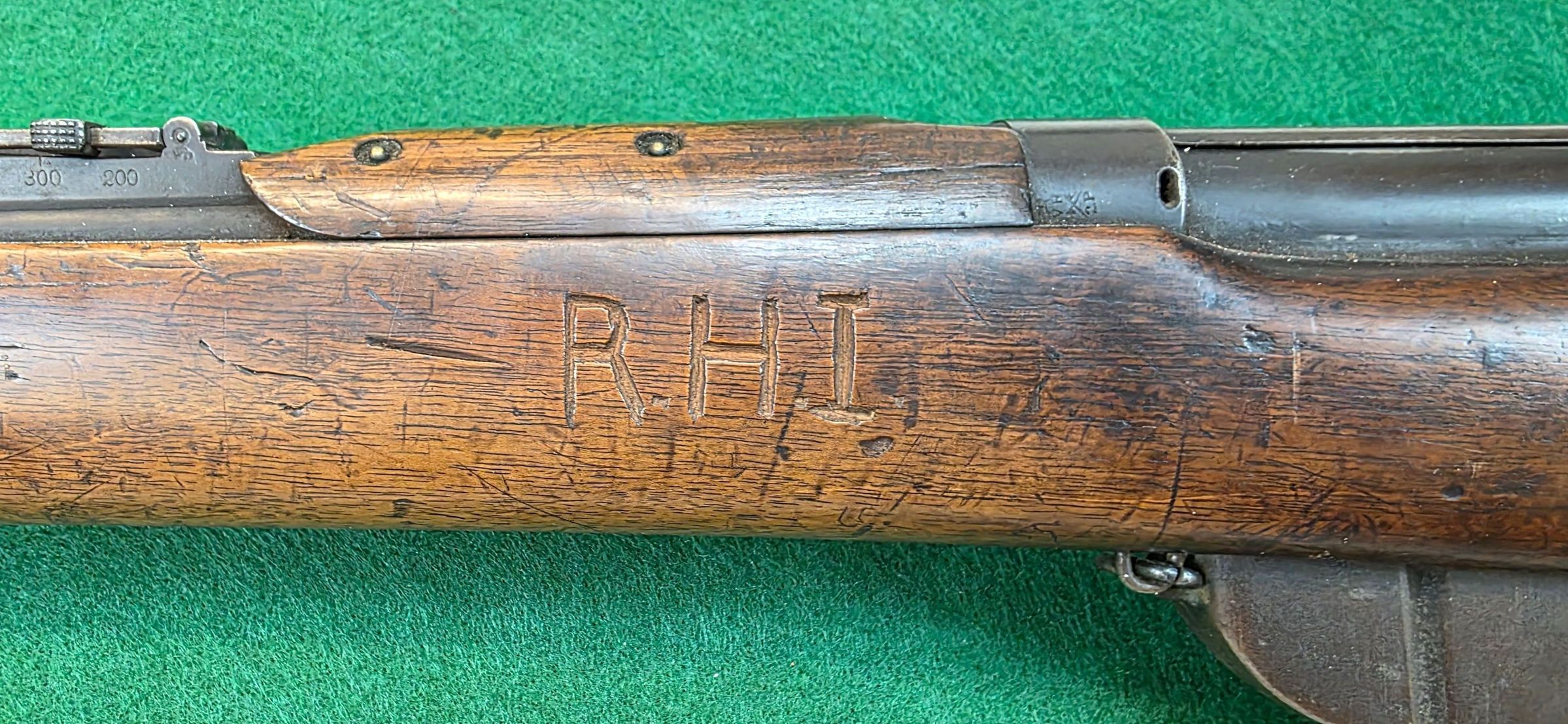
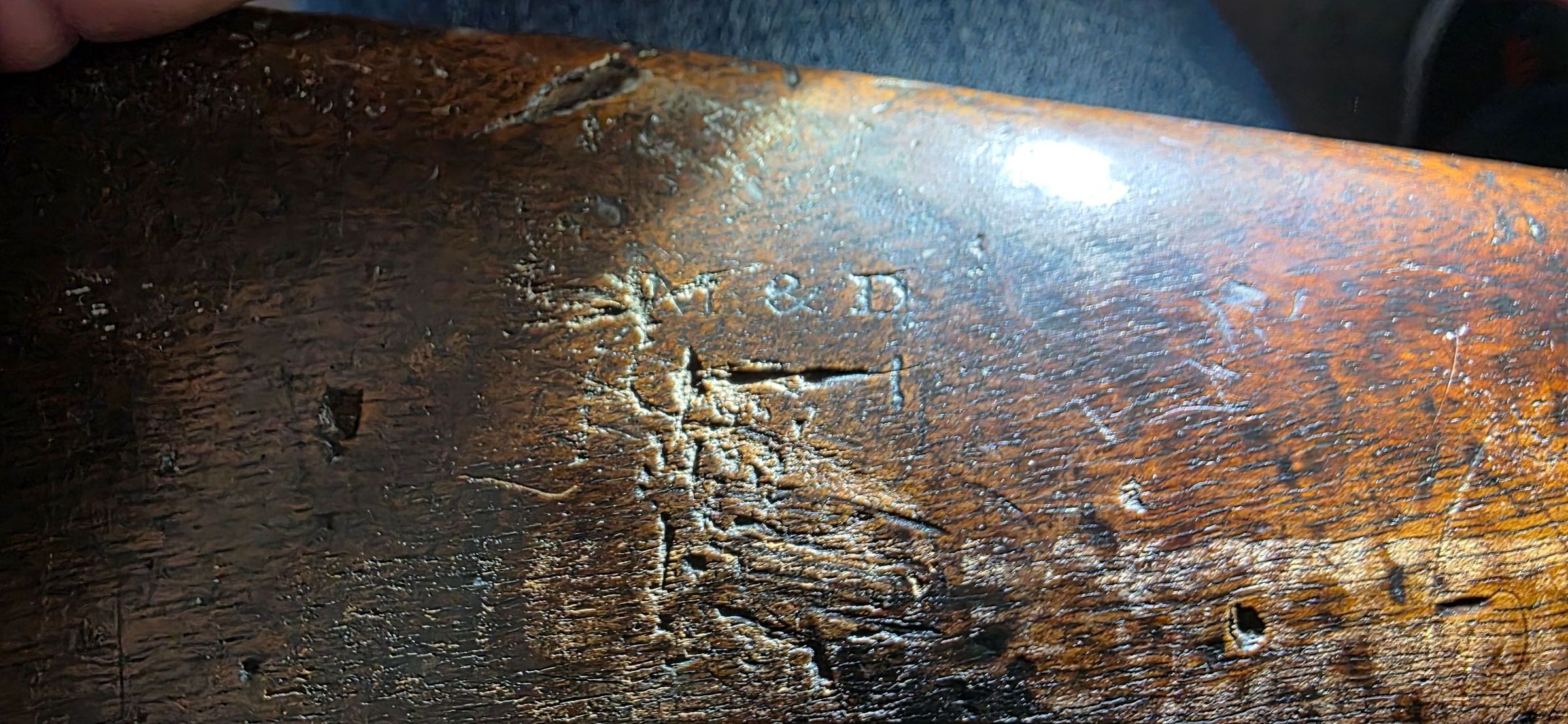
This artifact is an upper-tier specimen of British small arms design, representing the exact configuration of the primary infantry rifle fielded during the opening phases of the Second Boer War (1899–1902).What renders this specific rifle of extraordinary museum-grade importance is its unaltered state of preservation. Following the introduction of the Short Magazine Lee-Enfield (SMLE) in 1903, the vast majority of original 30-inch "Long Lee" rifles were radically modified. Millions were sent to state arsenals to have their obsolete volley sights ground away, their bolt mechanisms replaced with later patterns, and their clearing rod systems removed or plugged. This specimen completely escaped the mass modernization sweeps of the early 1900s. By retaining its full infantry barrel length, its highly fragile side volley sight dial, its 10-round tethered magazine, its obsolete clearing rod channel, and its early cocking-piece safety mechanism, it stands as an absolute time capsule of late-19th-century military doctrine. The carved R. H. I. wood markings meaning is unknown at this time.Acquisition
Source (if not Accessioned)
Town of BattlefordNotes
Accession Date: 01/01/75Firearm Detail
Manufacturer
Royal Small Arms Factory (RSAF) EnfieldCaliber
.303 BritishAction
Bolt ActionCartridge Capacity
10Finish Type
BluingSerial Number
9846Date Made
1896Inscription/Signature/Marks
Type
Receiver Marking, EngravingNotes
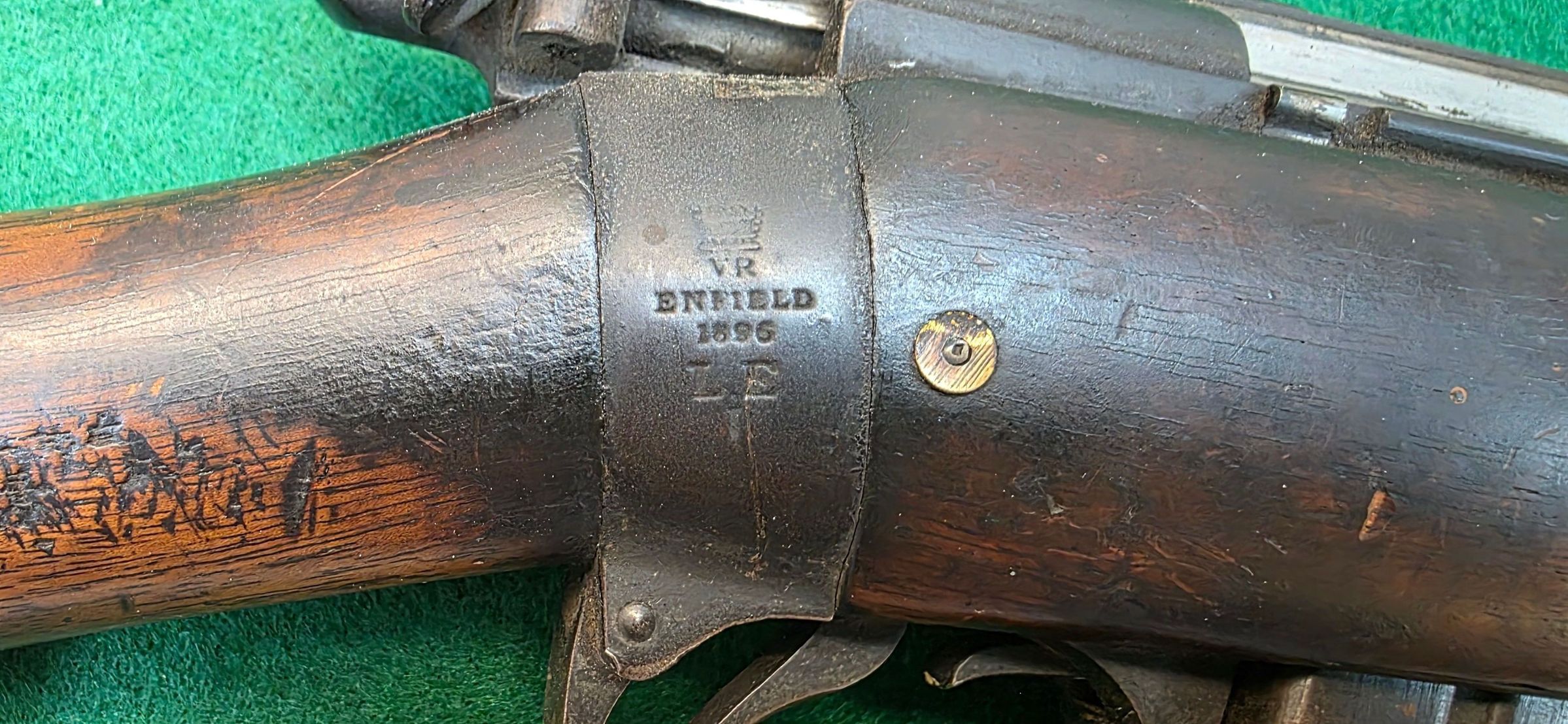
Right Wrist Socket: Deeply stamped with the Late Victorian Royal Cypher (Crown / V.R.), the government arsenal location (ENFIELD), the production year (1896), and the factory model designation L.E. I.
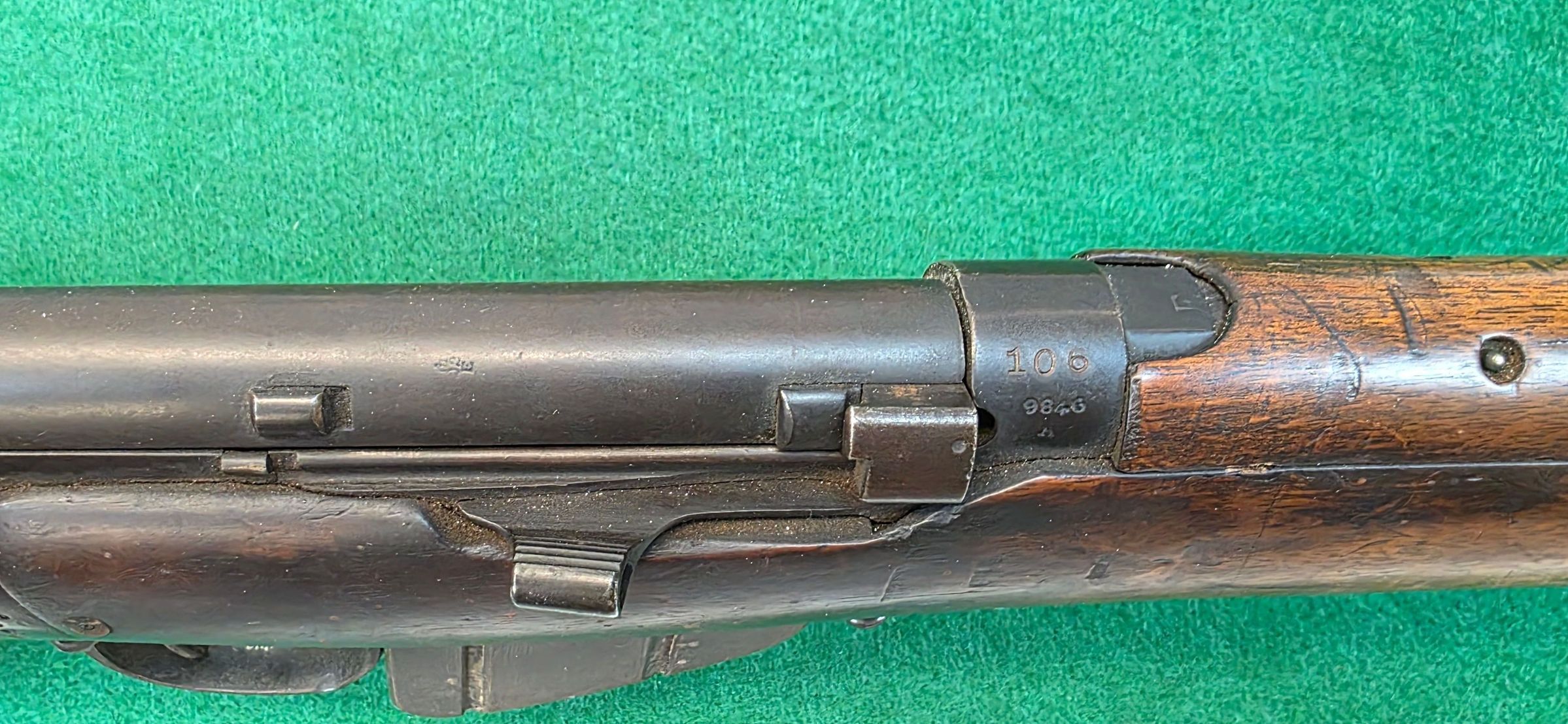
Receiver Ring (Left Side): Displays the factory military serial number 9846. Directly above this, an early, non-military institutional collection number 106 has been stamped into the steel, logging the artifact's historical entry into the museum repository.
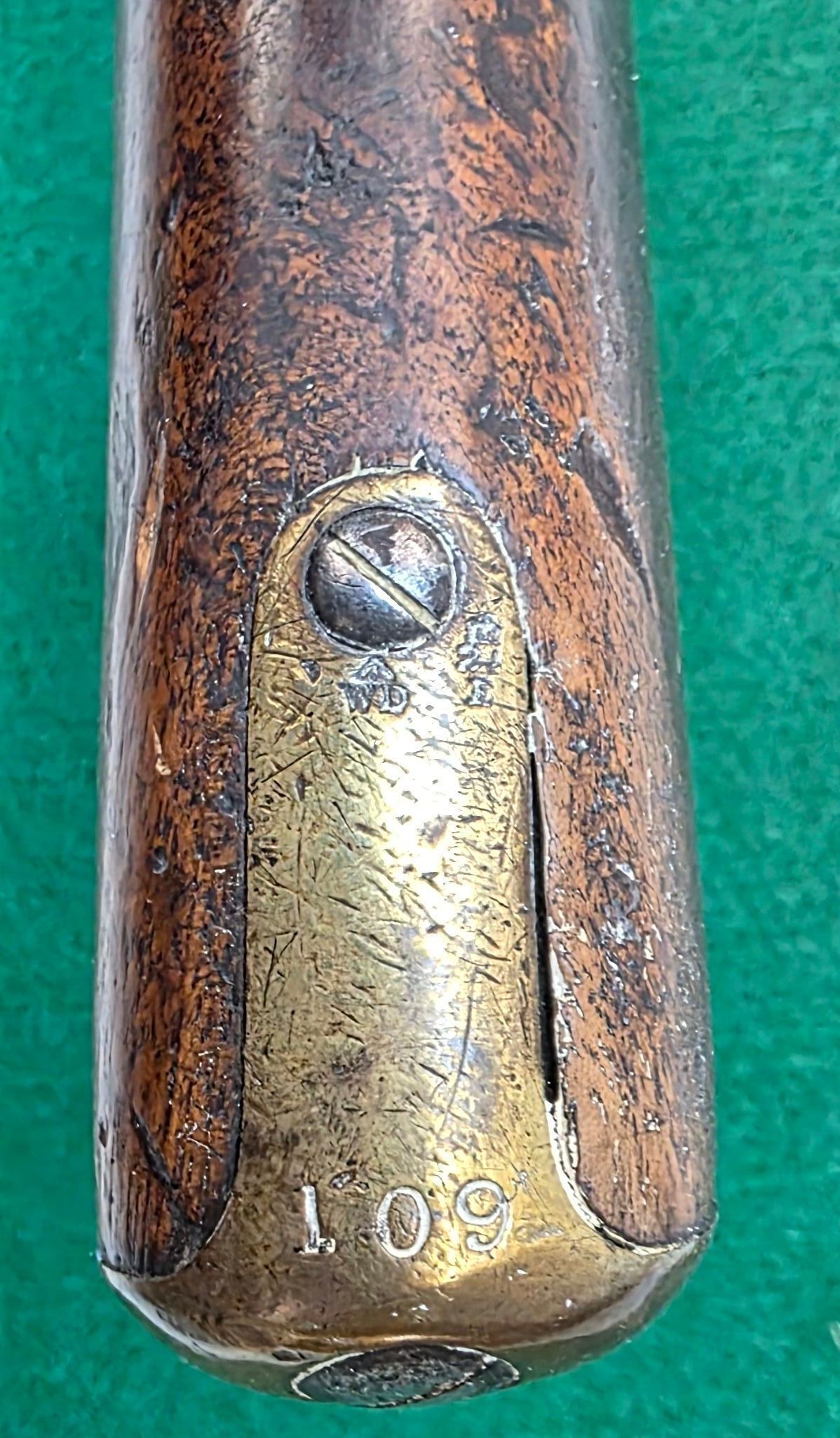
Brass Buttplate Tang (Top): Stamped with the British War Department property mark (Broad Arrow over WD), an Enfield arsenal inspector mark (E / 62), and a deep unit inventory rack number 109.
Fore-end Wood (Right Side): Deeply hand-carved with the historic unit, station, or divisional inventory initials R. H. I.Other Names and Numbers
Other Numbers
Number Type
SerialOther Number
9846Location
Location
Display Cabinet
TF-FR-N12Room
Firearms RoomBuilding
Fred Light MuseumDate
June 29, 2026Create Date
April 22, 2026Updated By
Justin M. MillerUpdate Date
August 28, 2026