Name/Title
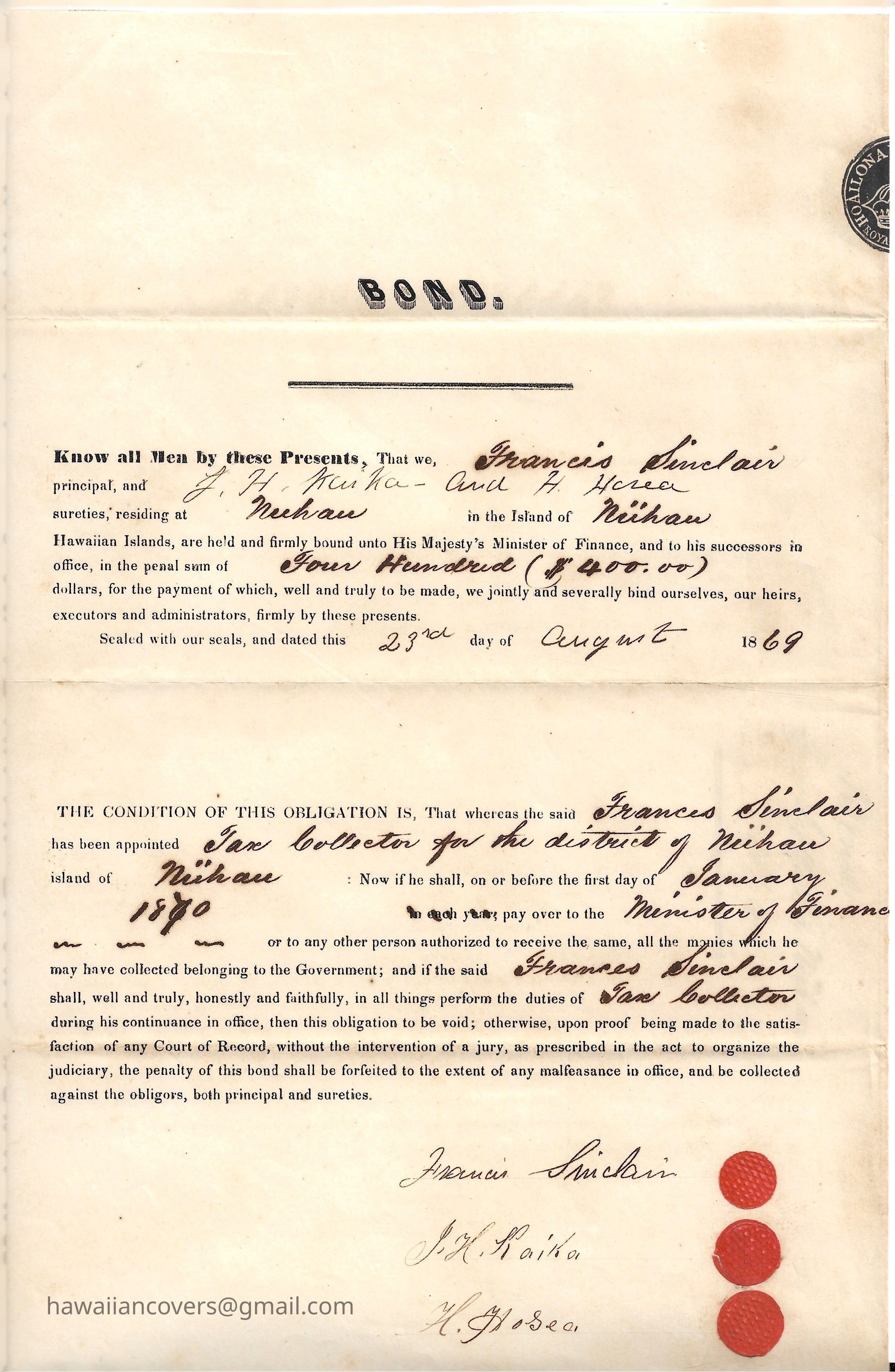
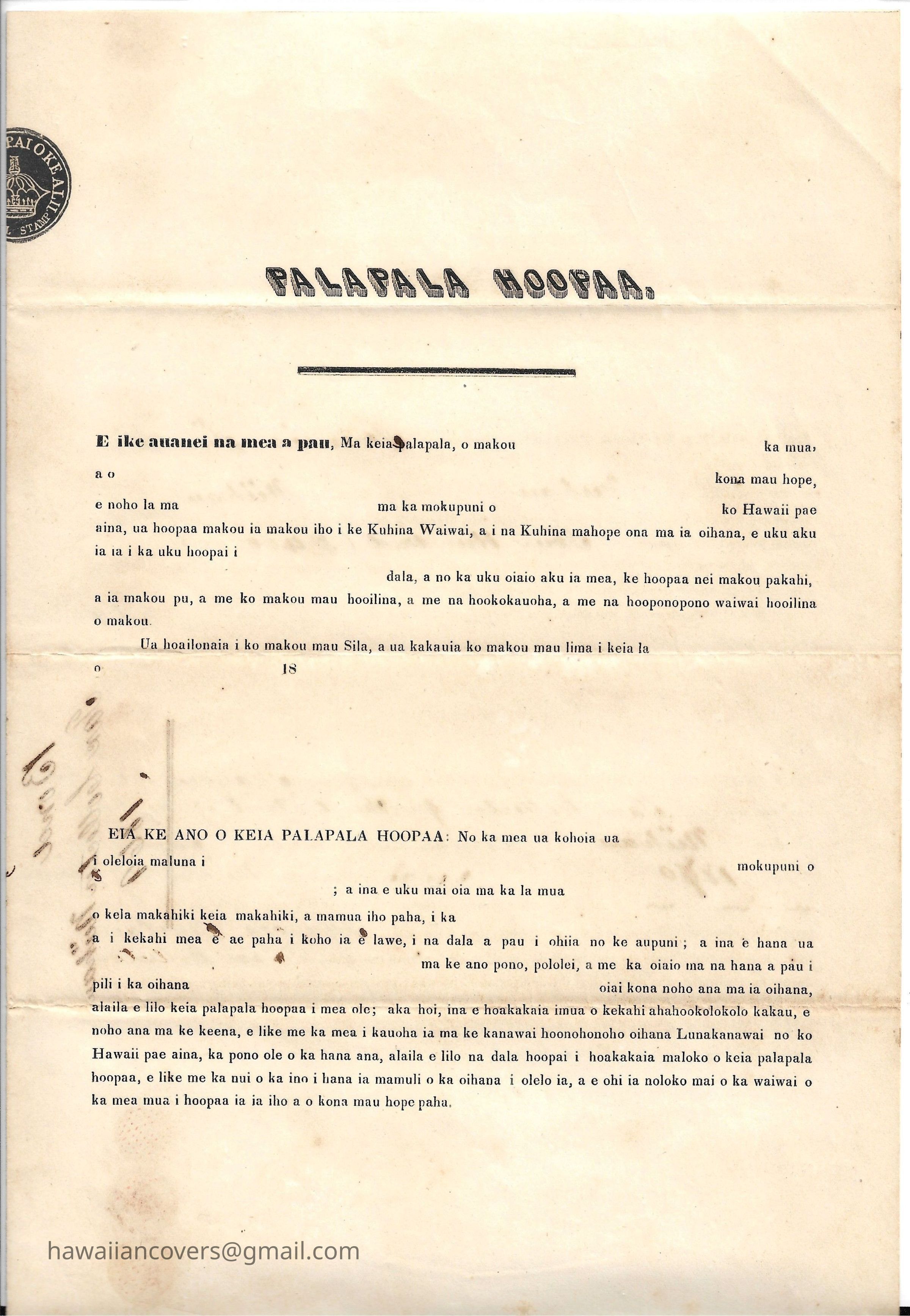
Niihau Bond Document Signed 1869Description
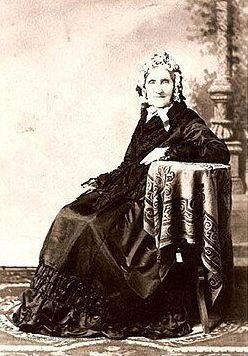
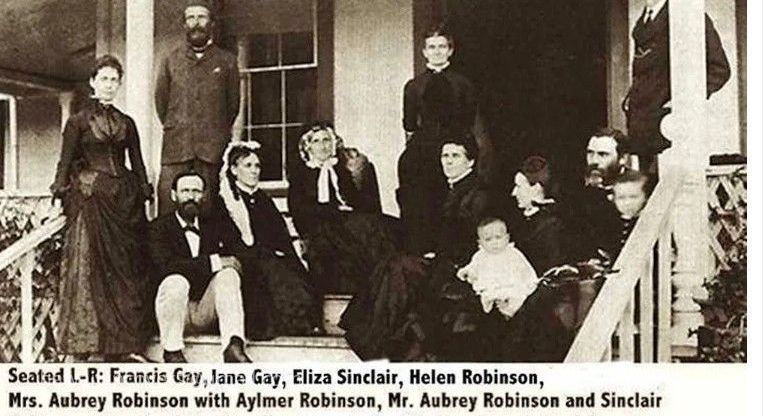
Elizabeth Sinclair purchased Niʻihau in January 1864. The Sinclair family bought the entire island of Niʻihau from King Kamehameha V for $10,000 in gold in 1864.
Because the island was operated as a highly isolated private sheep and cattle ranch from the very beginning, very few day-to-day financial transactions or legal bonds from the first decade of their ownership survive outside of private family archives. A document from 1869 captures the island's history during its first five years under Sinclair management.
When King Kamehameha V sold the island, he explicitly requested that the Sinclairs protect and care for the native residents. Documents featuring Francis Sinclair’s signature alongside Native Hawaiian names like J.H. Kaika and H. Hosea provide rare, primary-source evidence of how the island was actually governed. It shows that despite private ownership, Native Hawaiian residents maintained formal, legal agency requiring their explicit signature and red wax seals to execute high-value contracts under Hawaiian Kingdom law.
Francis Sinclair served as the resident manager of the island for nearly 20 years. He oversaw its ranching operations, finances, and interactions with the native Hawaiian population.
J. H. Kaika and H. Hosea: These individuals were Native Hawaiian (Kānaka Maoli) residents or officials on the island. When the Sinclair family acquired Niʻihau, they honored the King's request to protect and care for the native inhabitants. Official local agreements, property rights, and community bonds required co-signatures from prominent local figures like Kaika and Hosea to be legally recognized under Hawaiian Kingdom law.
In 1869, J. H. Kaika (often recorded in Hawaiian language sources as simply J. Kaika) was a highly prominent Native Hawaiian (Kānaka Maoli) community leader and government official on the island of Niʻihau. As the Luna Helu, Kaika was the primary individual responsible for assessing property, livestock, and certifying high-value transactions. This explains why he was chosen to sign a massive $400 bond; his signature was an official validation of the funds under Kingdom law.
H. Hosea (referred to in local records as Hosea) was an exceptionally prominent Native Hawaiian (Kānaka Maoli) community leader, spiritual leader, and educator on the island. For decades, he managed the local Halekula (schoolhouse), navigating complex shifts between the Kingdom's Department of Public Instruction and early missionary entities. Because of his sharp legal and literacy skills, the local community and the Sinclair family frequently relied on him to oversee, witness, and execute formal contracts.Create Date
October 4, 2026Update Date
October 4, 2026