Name/Title
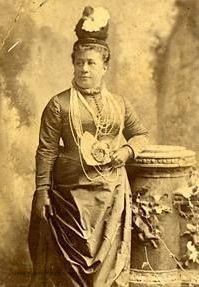
Queen KapiolaniDescription
Kapiʻolani (December 31, 1834 – June 24, 1899) was the queen of the Kingdom of Hawaiʻi as the consort of Mōʻī (king) Kalākaua, who reigned[3] from 1874 until his death in 1891,[4] when she became known as the Dowager Queen Kapiʻolani.
In April 1887, Kalākaua sent a delegation to attend the Golden Jubilee of Queen Victoria in London. It included Kapiʻolani, Princess Liliʻuokalani and Liliʻuokalani's husband John Owen Dominis, as well as Court Chamberlain Colonel Curtis P. Iʻaukea acting as the king's official envoy of the King and Colonel James Harbottle Boyd acting as aide-de-camp to the Queen.[58]
The party landed in San Francisco and traveled across the United States visiting Washington, D.C., Boston and New York City, where they boarded a ship for the United Kingdom. While in the American capital, they were received by President Grover Cleveland and his wife Frances.[59]
Shortly after the Jubilee celebrations, they learned of political unrest in Hawaii. Under the threat of death, Kalākaua was forced to sign the Bayonet Constitution which limited the power of the monarch and increased the influence of Euro-American interests in the government. The royal party canceled their tour of Europe and returned to Hawaii.[62]
In declining health, Kalākaua traveled to California aboard the USS Charleston on November 25, 1890.[63] While traveling, the king suffered a stroke in Santa Barbara and was rushed back to San Francisco. He died two days later on January 20.[64][65] The news of Kalākaua's death did not reach Hawaiʻi until January 29 when the Charleston returned to Honolulu with the king's remains.[64][66] In Kalākaua's will drafted in 1888, he left all his private property to Kapiʻolani. A proposed line of succession in the will also placed Kapiʻolani third-in-line to the throne after Liliʻuokalani and their niece Princess Kaʻiulani with a provision that Kapiʻolani would serve as a regent in the case that Kaʻiulani ascended before reaching the age of majority.[67][68]
After the death of her husband and the accession of her sister-in-law Liliʻuokalani to the throne, Queen Dowager Kapiʻolani retired from public life and seldom attended formal social events. Liliʻuokalani ruled for two years before she was overthrown, on January 17, 1893. After a brief transition under the Provisional Government, the oligarchical Republic of Hawaiʻi was established on July 4, 1894, with Sanford B. Dole as president. During this period, the de facto government, which was composed largely of residents of American and European ancestry, sought to annex the islands to the United States against the wishes of the Native Hawaiians who wanted to remain an independent nation ruled by the monarchy.[69][70] Kapiʻolani lived out the remainder of her life at her private residence Pualeilani in Waikīkī where the Hyatt Regency Waikiki now stands. Prior to her final illness, she signed over her vast landholdings worth over $250,000 to her nephews Prince Kawānanakoa and Prince Kūhiō. Her health began to fail two years before her death, and she suffered three strokes over this period. During her last days, she was in a comatose state and died on June 24, 1899, at age sixty-four.[32Create Date
April 22, 2026Update Date
April 22, 2026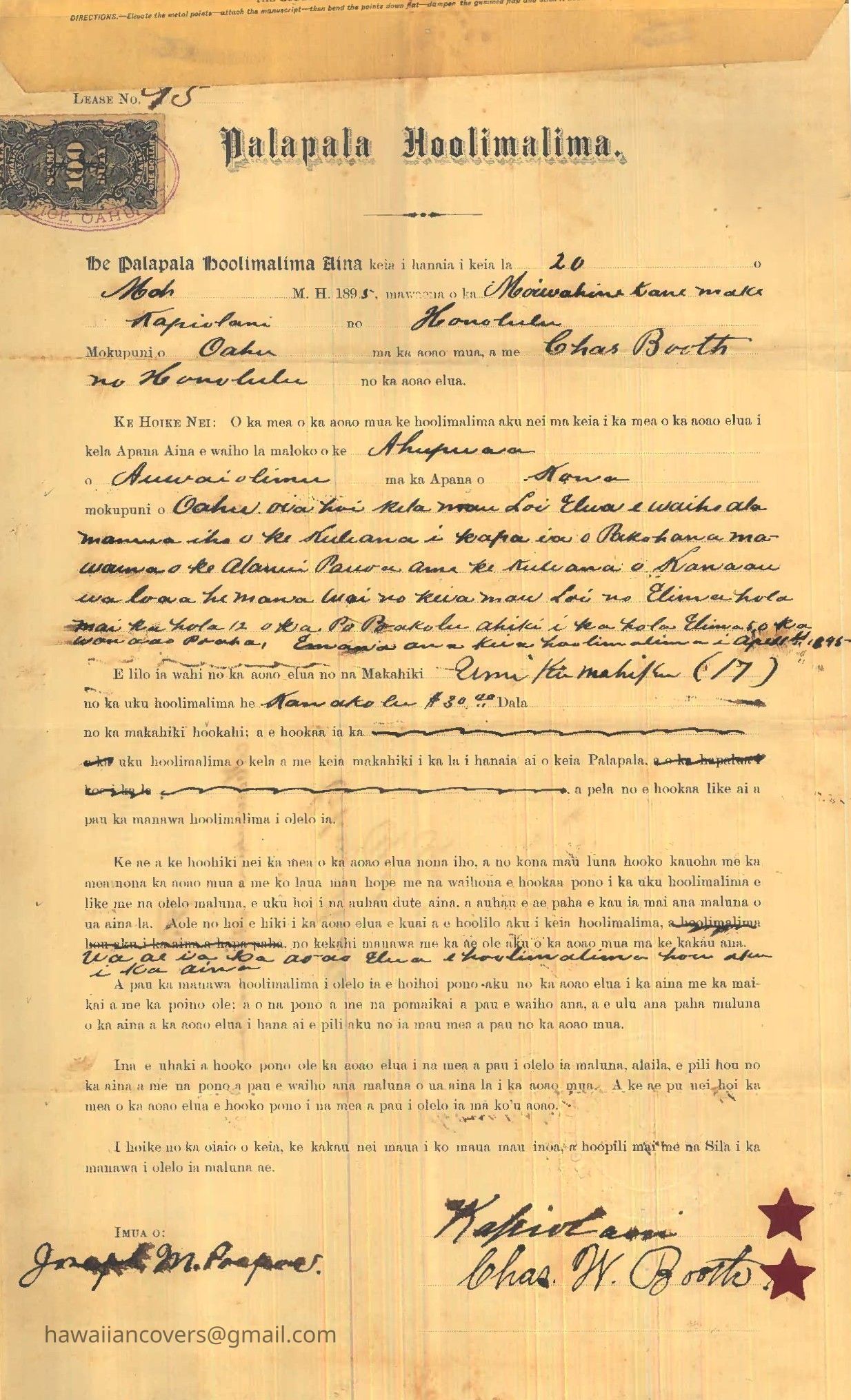
![For reference only: Kapiʻolani was remarried on December 19, 1863, to David Kalākaua in a quiet ceremony conducted by an Anglican minister. Their wedding was heavily criticized since it fell during the time of mourning for King Kamehameha IV.[15][8]
Her second husband was an aspiring high chief and politician who served in the House of Nobles, the Privy Council of State and held many other court and government posts during the reigns of Kamehameha IV, Kamehameha V and Lunalilo.[29][30] Although unsuccessful in his attempt for the throne in 1873, Kalākaua defeated Queen Dowager Emma to succeed Lunalilo as the monarch of Hawaiʻi on February 12, 1874.[31] Kapiʻolani became queen consort of Hawaii upon the accession of her husband to the Hawaiian throne.[32]](https://d8e7jbdw4fu0e.cloudfront.net/10756/9fdc82f0-3e84-11f1-8671-432ec610ba48-viyjVJ2.lg-nt@2x.jpg)