START HERE - Hugh Torance House and Store
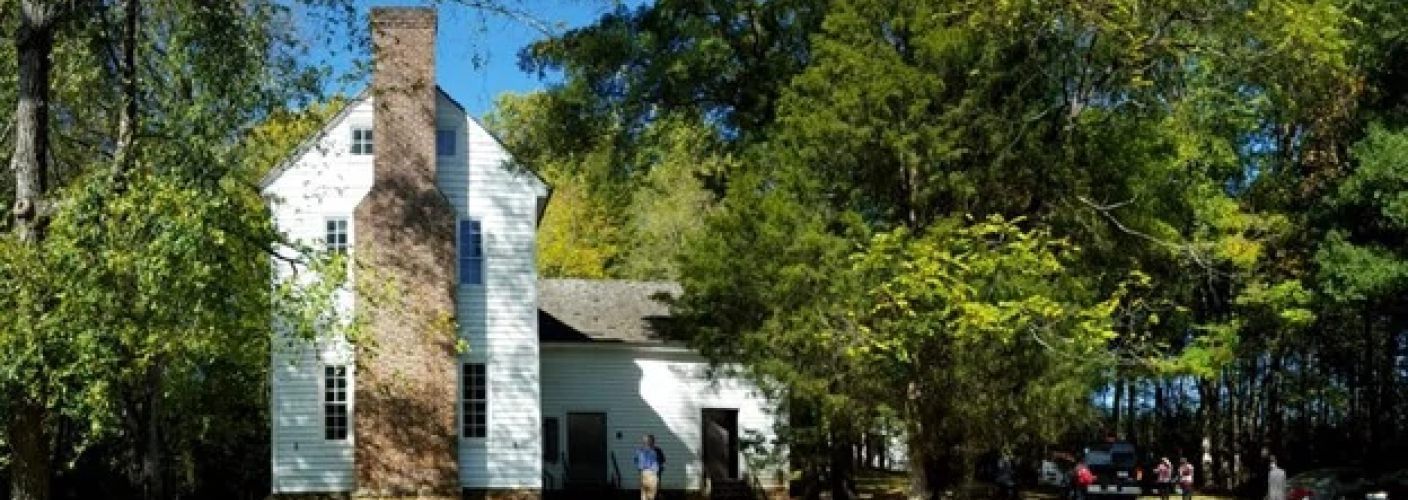
Located in Huntersville, NC, the historic Hugh Torance House and Store is known as North Carolina's oldest standing store and is one of Mecklenburg County’s few surviving 18th-century structures. 

Hugh Torance was born in 1743 in Ireland and emigrated to colonial America through Pennsylvania in 1763 with his brother Albert, making their way south from Pennsylvania and settling in NC, Albert in Salisbury and Hugh in Mecklenburg County. Hugh purchased acreage from John McDowell, which is likely to also have included a 900 square foot log cabin structure that makes up the original portion of the Hugh Torance House and Store. Over the next two decades, Hugh would add two additions to the home which, along with decorative compliments inside the home by his wife Isabella, who upgraded the structure to the Federal-style home we find it in still today. 

Hugh later fought in the American Revolution in North Carolina as part of a light cavalry company under the command of Captain Galbraith Falls, who was slain in the Battle of Ramseur’s Mill in 1780. Torance was asked to return Falls’ sword to his widow Isabella Kerr Falls, and to take care of Isabella following the Captain’s untimely death. Hugh eventually courted and wed Isabella, who had eight children, as was expected of him and gave birth to one son, James Galbraith Torance, in 1784.

Hugh quickly amassed 1,400 acres of land in Mecklenburg county in what is known today as Huntersville, NC and was known as “The Cotton King of Mecklenburg County” for owning one of the most sizably prominent cotton plantations in NC with more than 30 enslaved people. (Read more below about the HEARTS Reunion Project!)

After training with his uncle, Albert, in Salisbury, NC, James opened a dry goods store in one side of the original log cabin portion of the house in 1805, with much of the Store's inventory coming from Philadelphia, PA.

Hugh and Isabella, having previously moved into the property next door that Hugh built for Isabella, both passed away in February of 1816. 

In 1825, having increased his status within Mecklenburg County by marring three times to women of high social status, James sold the Torance Store and expanded his family’s land holdings to more than 3,000 acres, with the enslaved persons holdings to more than 100 - a significant number especially in Mecklenburg County. James died in 1847 and his third wife, Nancy Davidson, oversaw the plantation until the Civil War.

A restoration effort began at the homesite in 1977 when a nonprofit was established through the work of many passionate community members, with renovations complete by 1989. The Hugh Torance House and Store, Inc. (HTHS), a federally recognized 501c3 nonprofit charity is an organization dedicated to preserving the historic site and sharing its history with the community. The nonprofit and the property owners work in tandem with other collaborators to manage preservation and conservation at the historic site, its administration, and its community programming since 2021. The free community programming offered includes weekly guided living history tours, special events, school & other group tours, and private events at the historic site that immerse, educate, and entertain the community while sharing its history.

This Survey and Research Report by the Charlotte Mecklenburg Historic Landmark Commission also allows readers to dive into the establishment of this incredible site as a local historic landmark in 1993.

Before HEARTS involvement in 2022, the site had limited exposure to the public. As the first Affiliate Member of HEARTS, which provided its’ ongoing historic site preservation, research, events, and activities at the incredibly preserved site, the Hugh Torance House and Store is now is a thriving hub of activities open to the community.

The Hugh Torance House and Store’s relationship to Cedar Grove, the 1831 Greek Revival home of James Torrance, son of Hugh and Isabella Torance, and located on the property next door, was one of the first connections that inspired the HEARTS mission. 

This site also collaborates with what represents the “R” in HEARTS, the Reunion Project. The names, ages, and other genealogical records of more than thirty enslaved brought here through marriage and the “widows third” are included in the research submitted by HEARTS from the Hugh Torance House and by Cedar Grove to the University of North Carolina at Charlotte (UNCC) archives and was recently accepted into the Ten Million Names Project.

Located in Huntersville, NC, the historic Hugh Torance House and Store is known as North Carolina's oldest standing store and is one of Mecklenburg County’s few surviving 18th-century structures. Hugh Torance was born in 1743 in Ireland and emigrated to colonial America through Pennsylvania in 1763 with his brother Albert, making their way south from Pennsylvania and settling in NC, Albert in Salisbury and Hugh in Mecklenburg County. Hugh purchased acreage from John McDowell, which is likely to also have included a 900 square foot log cabin structure that makes up the original portion of the Hugh Torance House and Store. Over the next two decades, Hugh would add two additions to the home which, along with decorative compliments inside the home by his wife Isabella, who upgraded the structure to the Federal-style home we find it in still today. Hugh later fought in the American Revolution in North Carolina as part of a light cavalry company under the command of Captain Galbraith Falls, who was slain in the Battle of Ramseur’s Mill in 1780. Torance was asked to return Falls’ sword to his widow Isabella Kerr Falls, and to take care of Isabella following the Captain’s untimely death. Hugh eventually courted and wed Isabella, who had eight children, as was expected of him and gave birth to one son, James Galbraith Torance, in 1784. Hugh quickly amassed 1,400 acres of land in Mecklenburg county in what is known today as Huntersville, NC and was known as “The Cotton King of Mecklenburg County” for owning one of the most sizably prominent cotton plantations in NC with more than 30 enslaved people. (Read more below about the HEARTS Reunion Project!) After training with his uncle, Albert, in Salisbury, NC, James opened a dry goods store in one side of the original log cabin portion of the house in 1805, with much of the Store's inventory coming from Philadelphia, PA. Hugh and Isabella, having previously moved into the property next door that Hugh built for Isabella, both passed away in February of 1816. In 1825, having increased his status within Mecklenburg County by marring three times to women of high social status, James sold the Torance Store and expanded his family’s land holdings to more than 3,000 acres, with the enslaved persons holdings to more than 100 - a significant number especially in Mecklenburg County. James died in 1847 and his third wife, Nancy Davidson, oversaw the plantation until the Civil War. A restoration effort began at the homesite in 1977 when a nonprofit was established through the work of many passionate community members, with renovations complete by 1989. The Hugh Torance House and Store, Inc. (HTHS), a federally recognized 501c3 nonprofit charity is an organization dedicated to preserving the historic site and sharing its history with the community. The nonprofit and the property owners work in tandem with other collaborators to manage preservation and conservation at the historic site, its administration, and its community programming since 2021. The free community programming offered includes weekly guided living history tours, special events, school & other group tours, and private events at the historic site that immerse, educate, and entertain the community while sharing its history. This Survey and Research Report by the Charlotte Mecklenburg Historic Landmark Commission also allows readers to dive into the establishment of this incredible site as a local historic landmark in 1993. Before HEARTS involvement in 2022, the site had limited exposure to the public. As the first Affiliate Member of HEARTS, which provided its’ ongoing historic site preservation, research, events, and activities at the incredibly preserved site, the Hugh Torance House and Store is now is a thriving hub of activities open to the community. The Hugh Torance House and Store’s relationship to Cedar Grove, the 1831 Greek Revival home of James Torrance, son of Hugh and Isabella Torance, and located on the property next door, was one of the first connections that inspired the HEARTS mission. This site also collaborates with what represents the “R” in HEARTS, the Reunion Project. The names, ages, and other genealogical records of more than thirty enslaved brought here through marriage and the “widows third” are included in the research submitted by HEARTS from the Hugh Torance House and by Cedar Grove to the University of North Carolina at Charlotte (UNCC) archives and was recently accepted into the Ten Million Names Project.

Name/Title

START HERE - Hugh Torance House and Store

General Notes

Note

The Hugh Torance House and Store, built at some point between 1780 and the early 1800s, is one of the few houses to survive from the eighteenth century settlement period of Mecklenburg County. Hugh Torance (1743-1816; also spelled Torrance and Torrence) emigrated to the American colonies from Ireland with his brother Albert around 1763. It is believed that the brothers came as indentured servants. Hugh lived in Pennsylvania for several years prior to the outbreak of the American Revolutionary War. After taking an oath of allegiance to the Pennsylvania General Assembly, Hugh joined the revolutionary forces and fought in North Carolina with the "Partisan Chargers," a light cavalry company led by Captain Galbraith Falls who was killed on June 20, 1780, at the Battle of Ramsour's Mill in Lincoln County, North Carolina. Records show that Hugh was a disbursing agent for Falls' militia and probably stayed in the army until 1781