Note Type
Curatorial RemarksNote
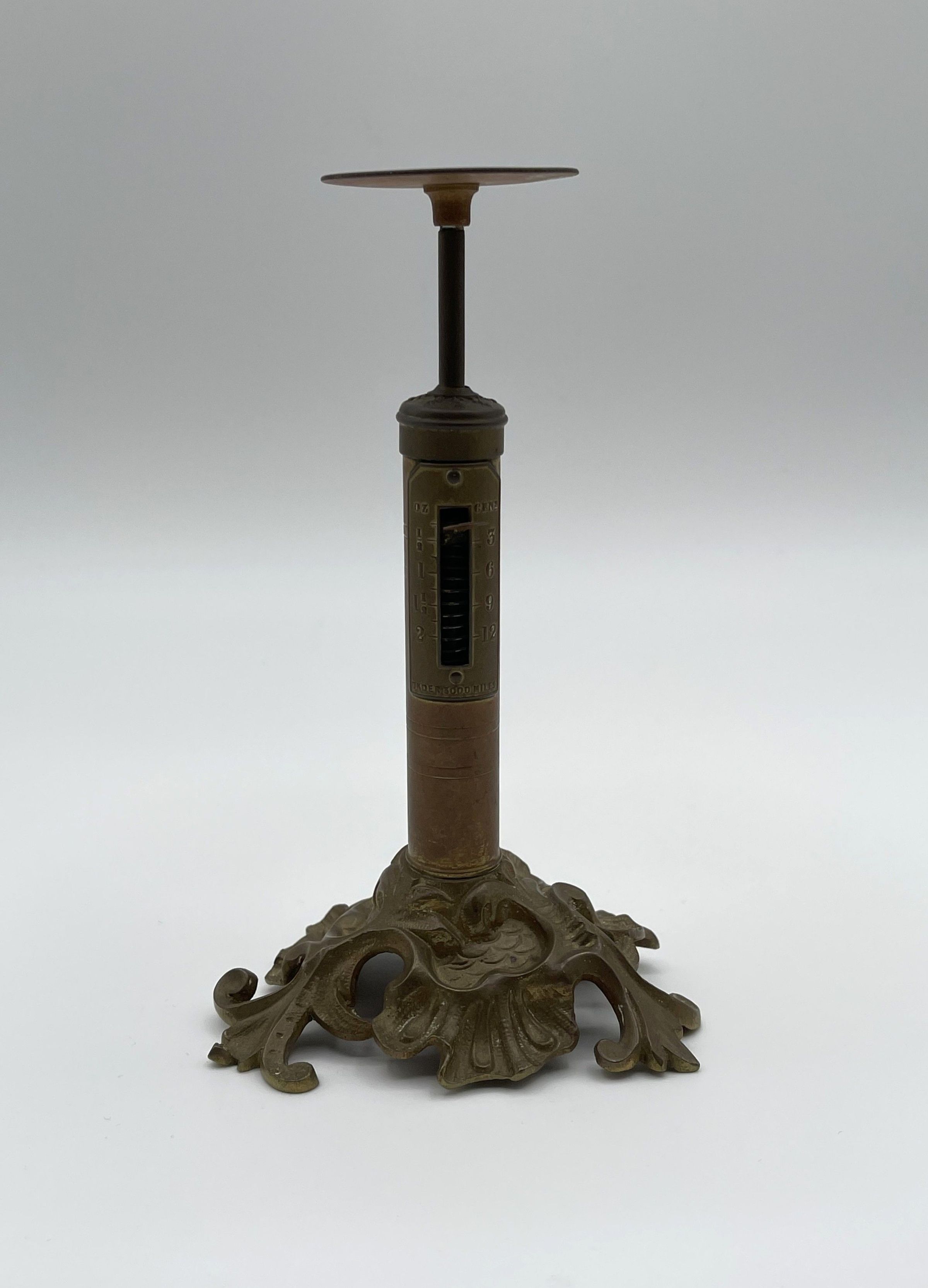
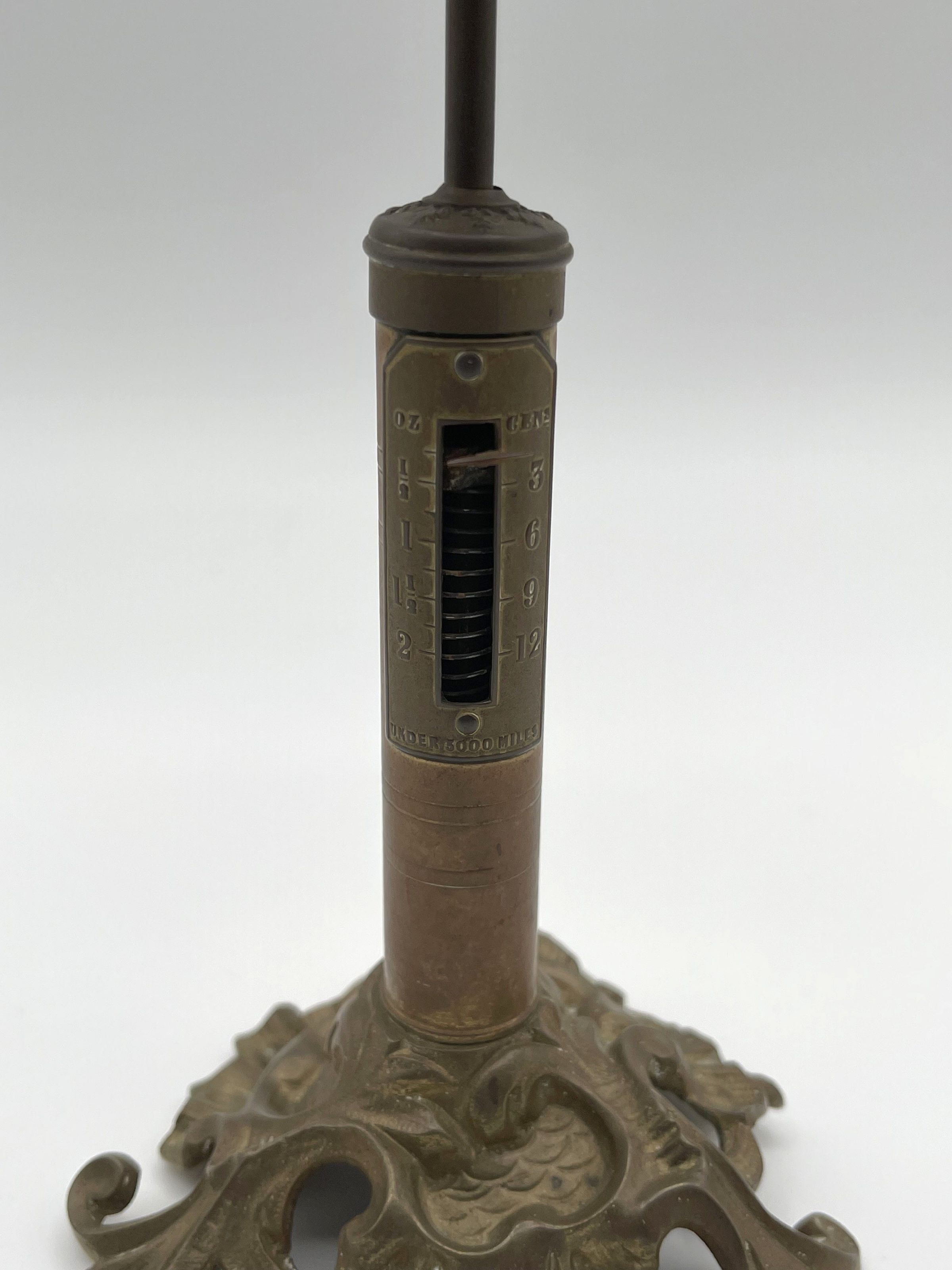
Miscellaneous: In the early 19th century, all mail had to be taken to, and received from, a post office, as drop-boxes are a relatively modern convenience of 1858 and after. Free delivery was first begun in a few cities in 1863, and rural free delivery was not initiated until 1896. At the period of about 1835, postage rates were almost prohibitively high, a single sheet of a letter costing from $.06 for a distance up to 100 miles , to $.25 for a distance of 400 miles. A second sheet doubled the charges, and each additional sheet or enclosure added proportionately to the cost. Private express companies competed, even between Eastrern cities, for the privilege of carrying mail, weakening the financial condition of the government service. Thus, when the "Panic of 1837" brought U.S. economy to something of a stand-still and mail dropped off sharply, reducing both postal service revenues and facilities, the state of the Post Office was critical. By 1843, a pressure group of the press and certain members of Congress demanded the dissolution of the U.S. Post Office as as"'odious monoply.'" Enough interest, however, was created that, in 1845, a "'cheap postage'" reform program was forced through Congress, saving the service. Despite the protests and doubts of postal officials, who thought the reforms impractical, the "'cheap postage'" was a success, and in 1847, the government issued its first postage stamps (in $.05 and $.10 denominations). This facilitated pre-paying mail, and in 1851, the service issued its second series of postage stamps, in $.01, $.03,
$.10, and $.12 denominations, further lowering postal rates, to about the level of 1840 ($.03 for an ordinary letter, by weight.) Thus, the home postage scale would of necessity date from the "'cheap postage'" era, being no earlier than 1845 or 1847, and, in this instance, probably c.1851.Note Type
StorageNoteNote
Home Location: Historic Hudson Valley, Sunnyside, Study