Note Type
Curatorial RemarksNote
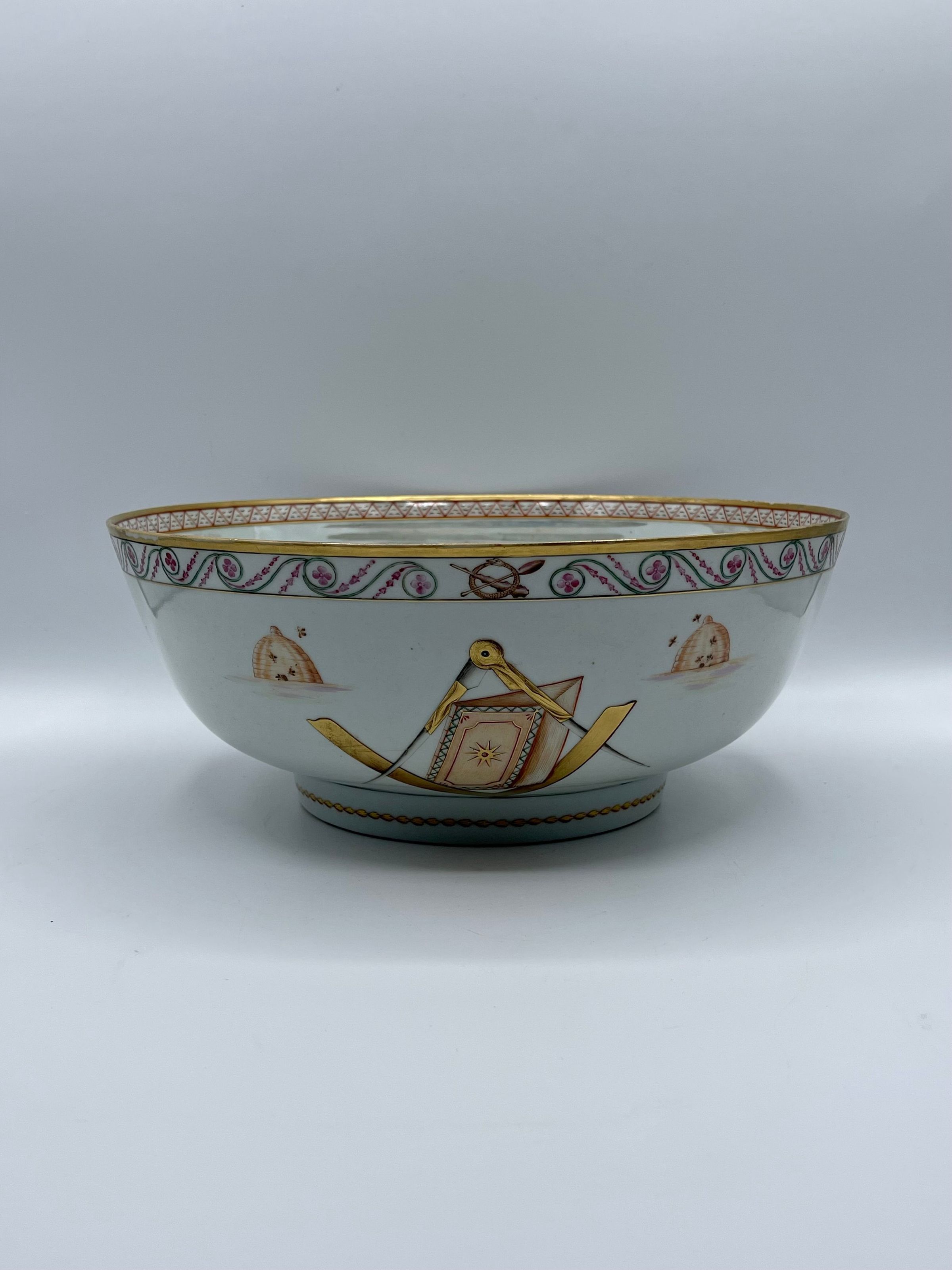
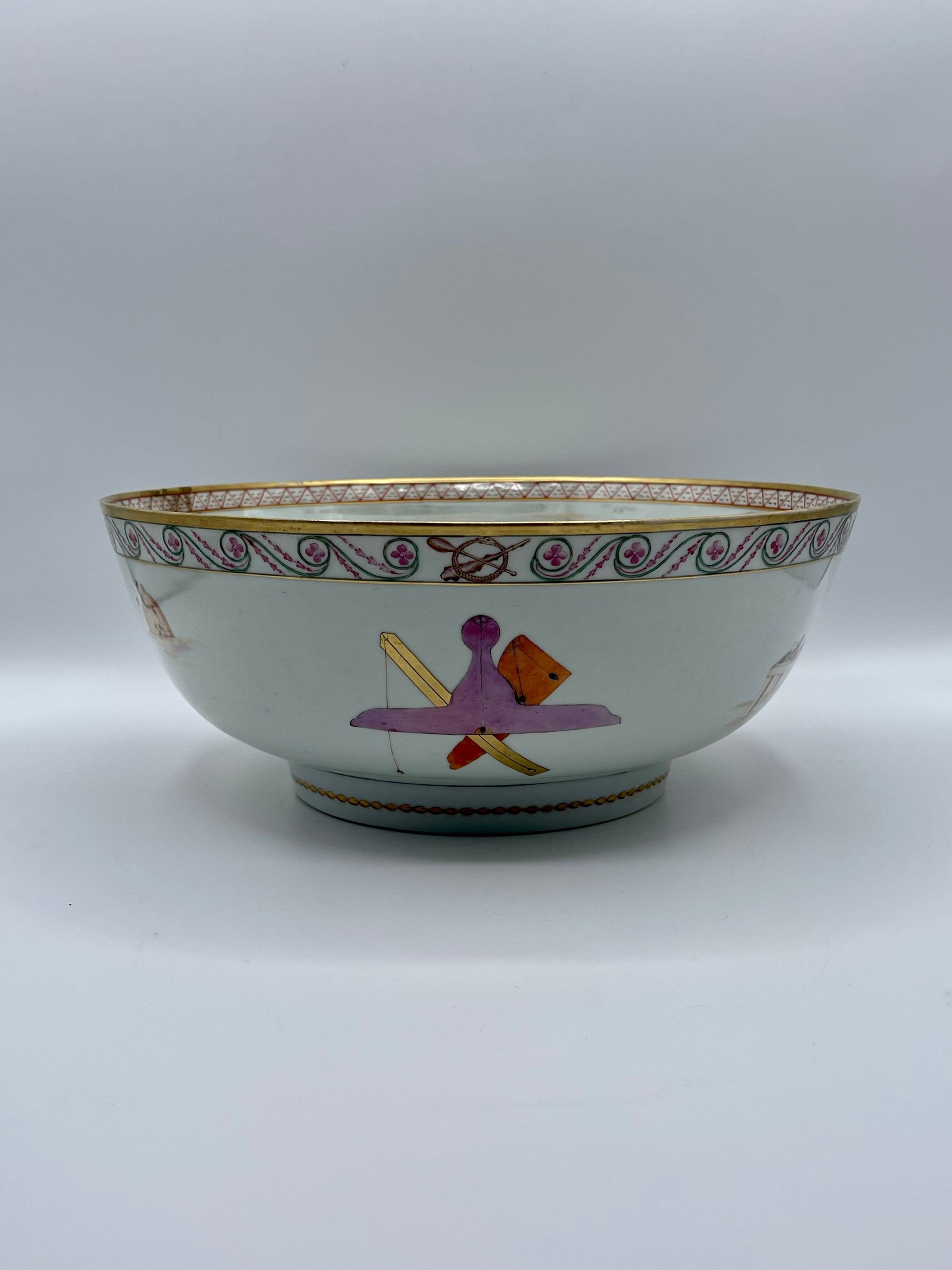
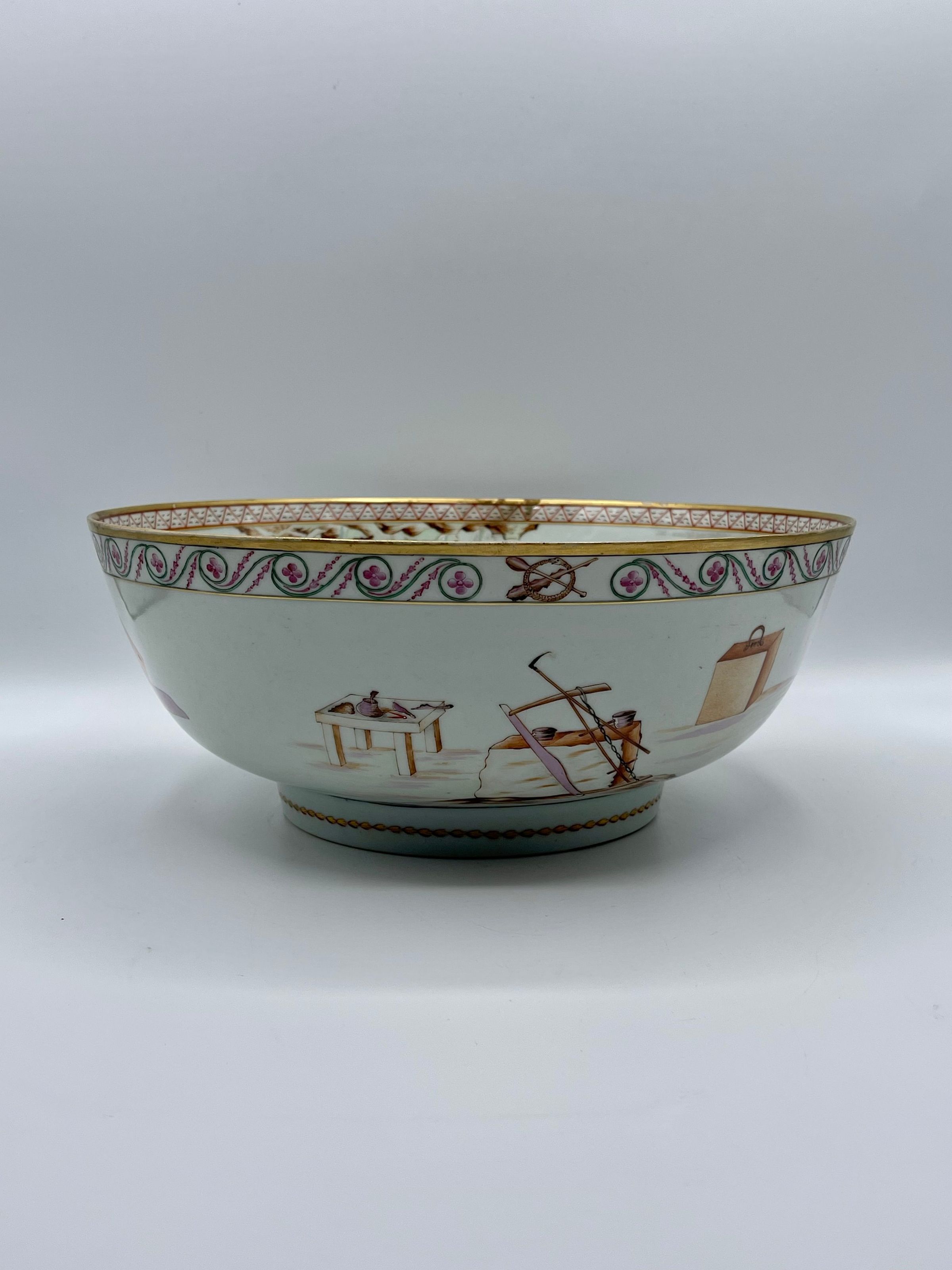
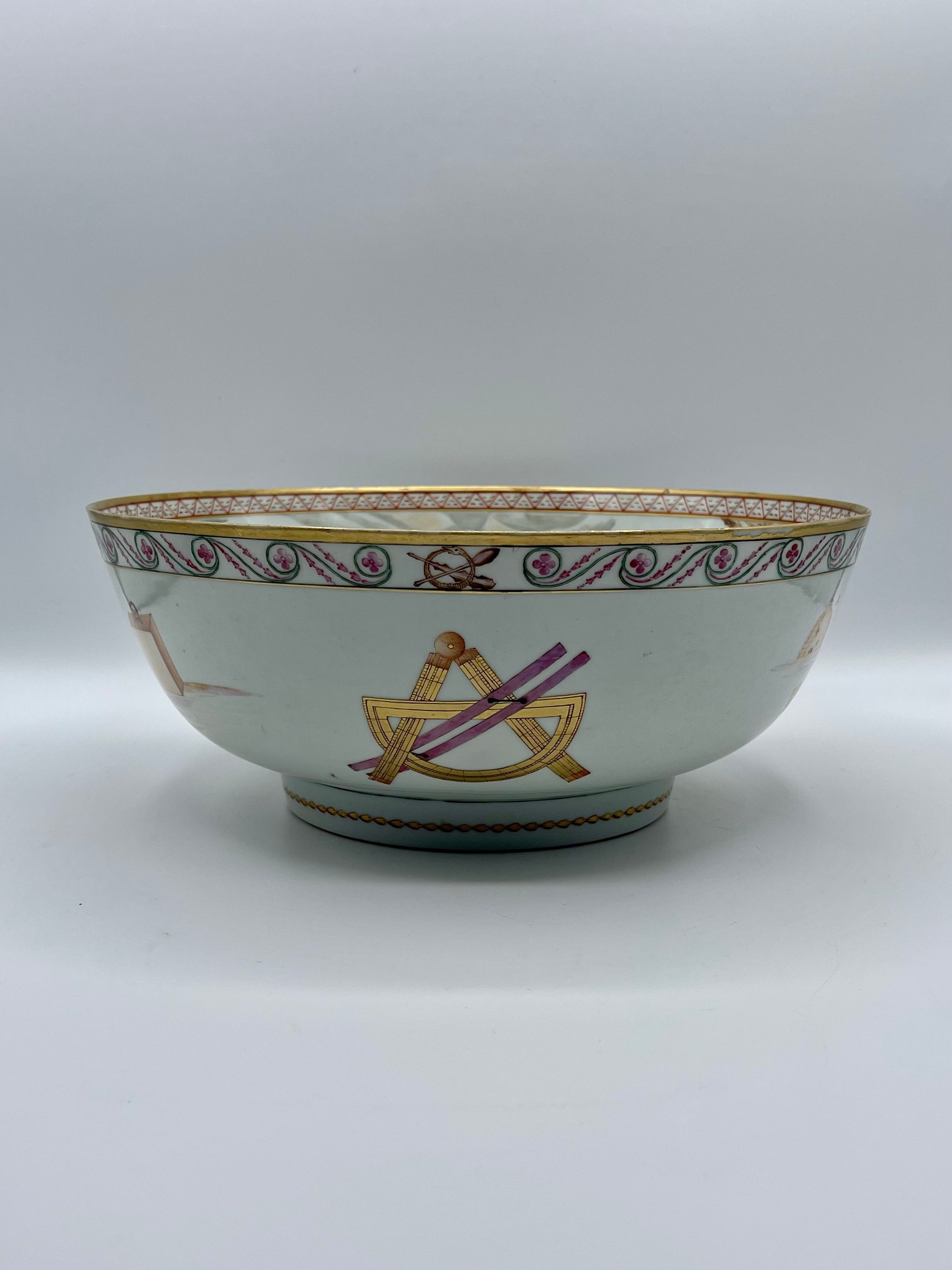
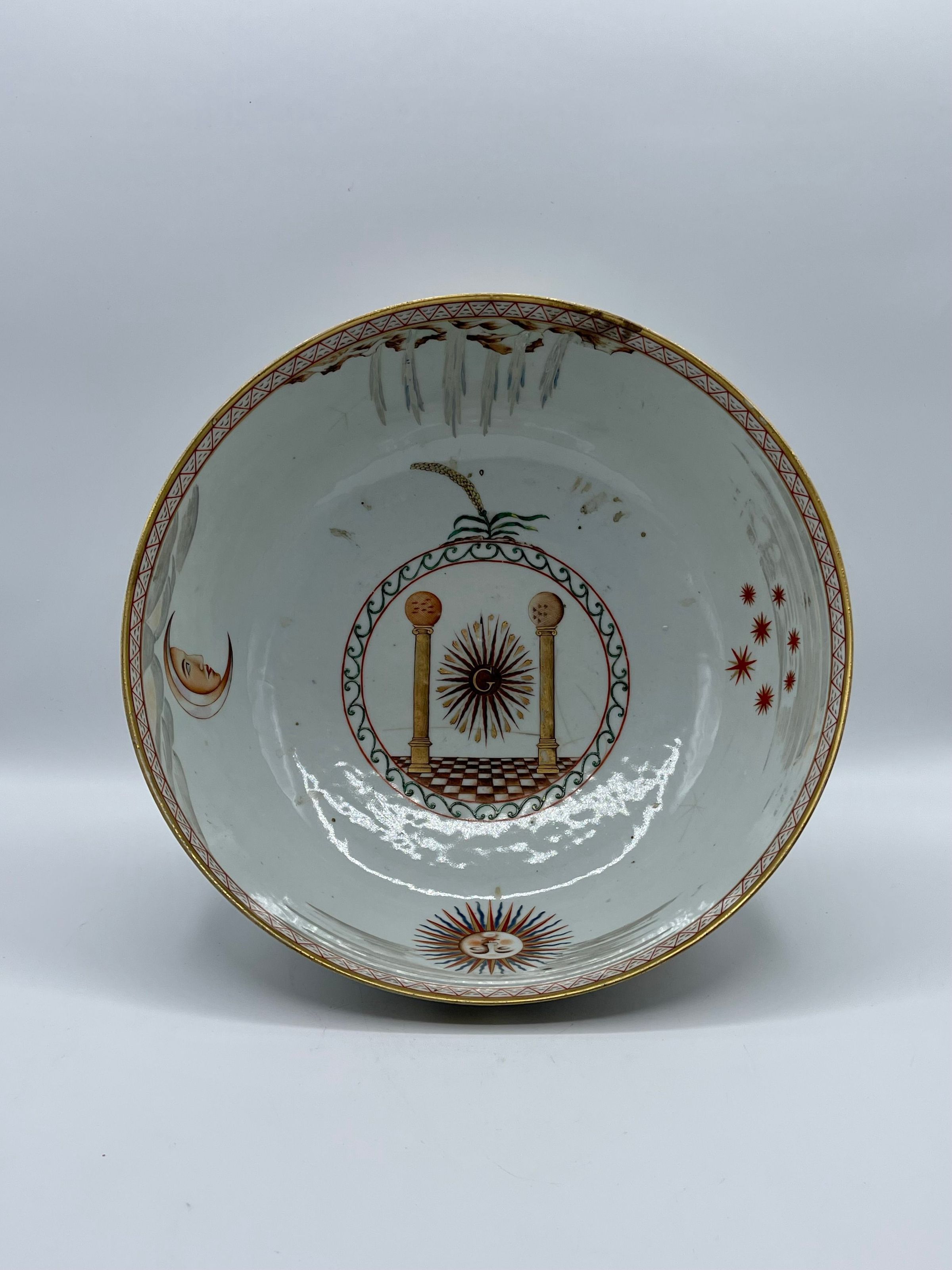
Miscellaneous: In the "Antiques" article (v. Bibliography), Gowans points out the tremendous influence upon American thought, life, architecture, and decorative arts exerted by Freemasonry especially during the period c. 1775-1825. In the decade following the founding in London of the Grand Lodge (1717), the supposed secrets of the organization were published in Philadelphia, and membership in America flourished. Most of the leaders of the Revolution were Masons; and Masonry became in America much equated with patriotism and the establishment of a new and idealistic nation.
Freemasonry, in itself almost a new religion, was an attempt to formulate a way of life, integrated with a canon of taste, that was based partially upon Christian doctrine and partially upon Classical ideals. Contributing symbols to every phase of the arts in America, Masonry and "Masonic imagery seems to permeate American culture almost as Christian symbolismm permeated the art of the Middle Ages." * A few of the meanings of symbols found upon the bowl VC.59.163, are as follows: Compass: "To limit our desires in every station." Square (or rule): "To regulate our conduct by principles of Morality." Trowel: "Spreading the cement of brotherly love." Checkered floor: "Representing the floor of King Solomon's temple, emblematic of good and evil." Ionic column: The "Pillar of Wisdom", or King Solomon. "G": God. etc.
* Quoted from "Antiques" (Mag.) loc.cit.
While the provenance of this object includes Judge Robert R. Livingston, Pierre Van Cortlandt was also a freemason. He is listed as the first Master of Cortlandt Lodge No. 34 of Peekskill, NY, a lodge chartered Dec 21, 1793. On Dec. 10, 1804 he was sent a summons to answer for his non-attendance, according to a document "Craft Masonry in Westchester and Putnam Counties, New York" compiled by Gary L. Heinmiller of the Onondaga & Oswego Masonic Districts Historical Societies (OMDHS) in May 2011. [Jessa J. Krick, 1/29/2014].Note Type
StorageNoteNote
Home Location: Historic Hudson Valley, Van Cortlandt Manor, Parlour