Note Type
Curatorial RemarksNote
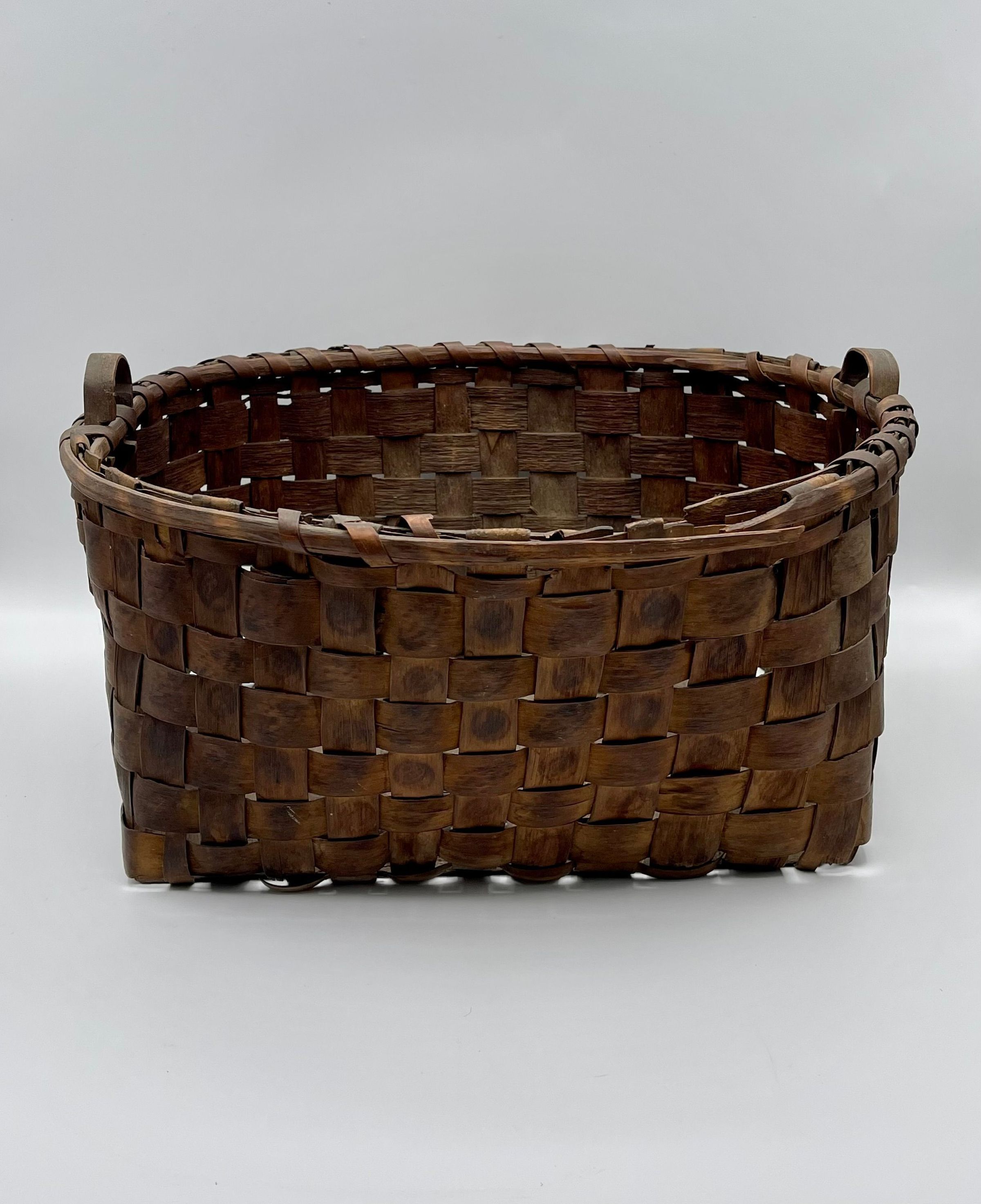
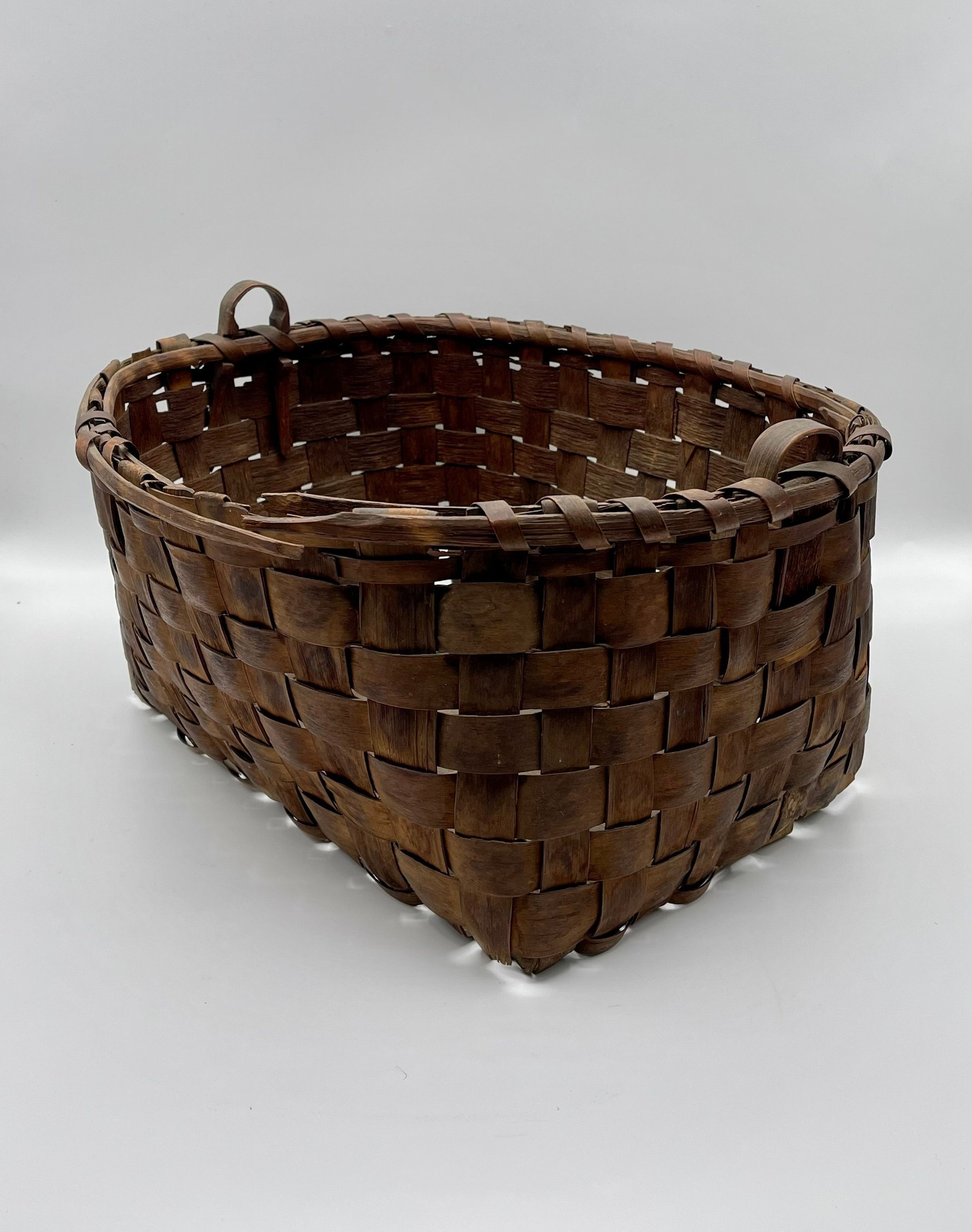
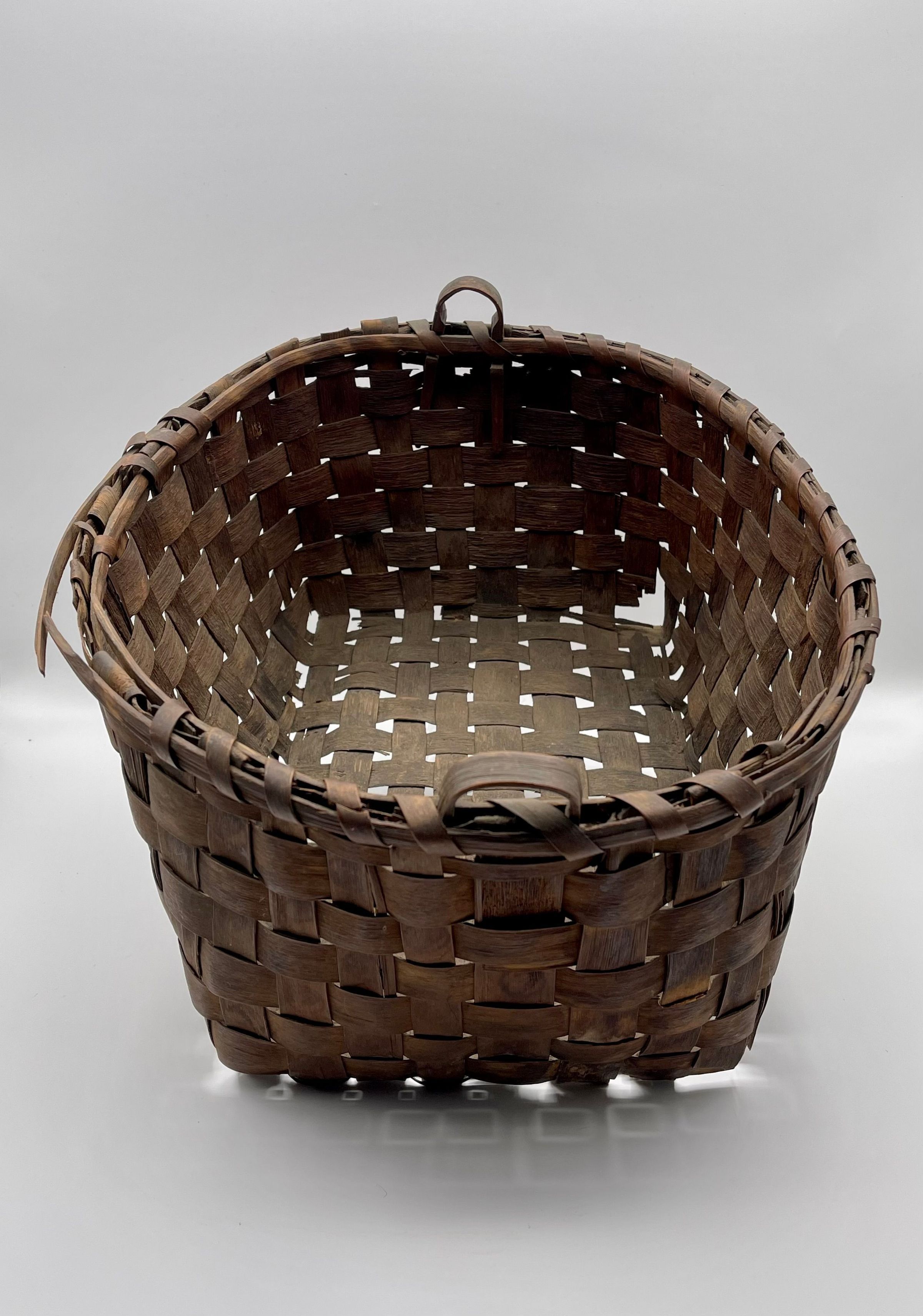
From email correspondence between Margaret Vetare and Ann McMullen of the National Museum of the American Indian in 2002, regarding VC.58.551: "I haven't seen many baskets like this, but it is similar to those made by Native people living in the New Haven, Connecticut area during the mid-to-late nineteenth century. At least one other example like this is said to have been made by a man named Asa who was called 'the last of the Quinnipiacs' and probably was active in the 1800s. Given the way that baskets and basketmakers moved around during that period, the identification isn't that inconsistent with documentation that suggests that this came from New Paltz. One caveat: Iroquois basketmakers also covered every square of the basket with stamping, but usually used two or three colors and very complexly cut stamps. To replicate this basket, keep it simple.
It's hard to tell, but the paints used on this basket appear to be Spanish brown and walnut stain, although the red may be something else. There weren't a lot of reds available cheaply at this time, although vermillion was used by some on very special baskets and ends up looking like bright cherry red. The smeariness of the stamps here results from the pain on the stamp bleeding, which may indicate that it was oil-based rather than water based. Paints mixed with water or an egg-white tempera usually bind to the basket reasonably well and don't smear unless the stamp is moved, whereas an oil paint or stain will bleed like this as the oil (with the pigment in it) soaks into the splints. ...
The splints for this should be black ash, and the rims and handles any kind of maple."
No file folder found. 5/2/00 EHGNote Type
StorageNoteNote
Home Location: Historic Hudson Valley, Van Cortlandt Complex, Ferry House - Keeper's Room/SE