Note
Notes: 2014 URL: http://www.hirotakeshita.com
Biography as posted:
Hiro Takeshita was born in Nagasaki, Japan in 1947. At an early age, he was interested in art, track and American culture. His images of America came from imported shows such as "I Love Lucy," "77 Sunset Strip," and "The Untouchables," and the extravagant movies of the 1950's-60's. He also listened to the sounds of doo wop and folk music. America seemed magical, boisterous, and lush--very appealing images to a boy born in postwar Japan. An auto accident in his early twenties interrupted his dream of running in the Olympics and intensified his dream of pursuing art and moving to America.
In the early 1970's, Hiro moved to Tokyo to study art at Ochanomizu Art School and fashion drawing at The Setsu Mode Seminar School. After that, he apprenticed at the Atelier Dori as a printmater. In Tokyo, Hiro saw an exhibit of 1960's American Pop Art with artists such as Roy Lichtenstein, Andy Warhol, and Jim Dine, Jasper Johns. He liked their concept of using familiar objects as subjects and their use of "supermarket" colors.
In 1977, Hiro moved to America--Los Angeles, California. There he met other like-minded Japanese artists and continued to work on his art. He landed his first group show in Cape Canaveral, Florida that next year. He moved to New York soon after. Here, his oil paintings and pastel drawings quickly took on the frenetic pace and landscape of the city. Hiro's broad strokes and gifted handling of color show the influences of the French Impressionists painters Monet, Manet, Cezanne, but especially Matisse. He became fascinated with Abstract Expressionistic painters. Another influence was the 1960's Pop Art. A reviewer in 1984 defined his work as "Abstract Expressionistic Motion Painting" to describe his ability to capture an object's energy in its environment. His work included street lamps, subway stations, and objects from construction work sites. At that time, Hiro had a studio in New York's infamous meat market district on West 14th Street, hence the inclusion of raw slabs of meat in his repertoire. His work appeared on magazine covers in Japan, in galleries, and in a public collection.
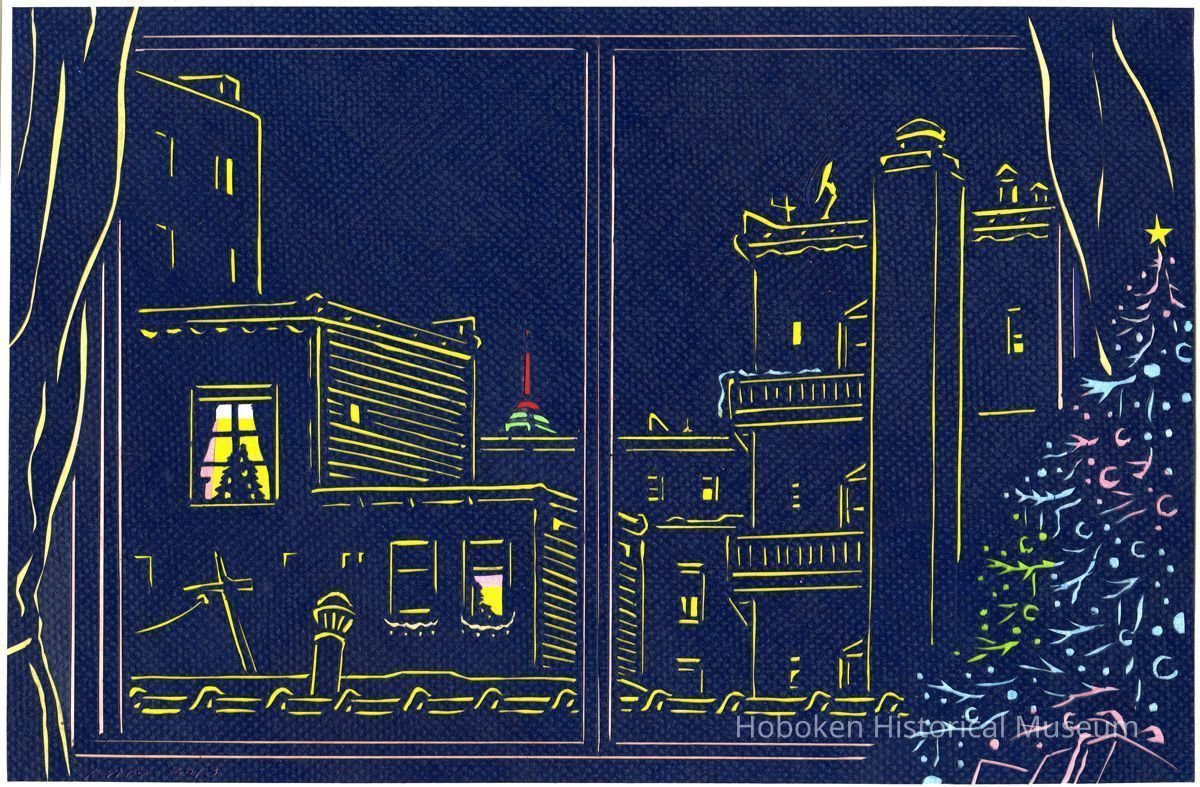
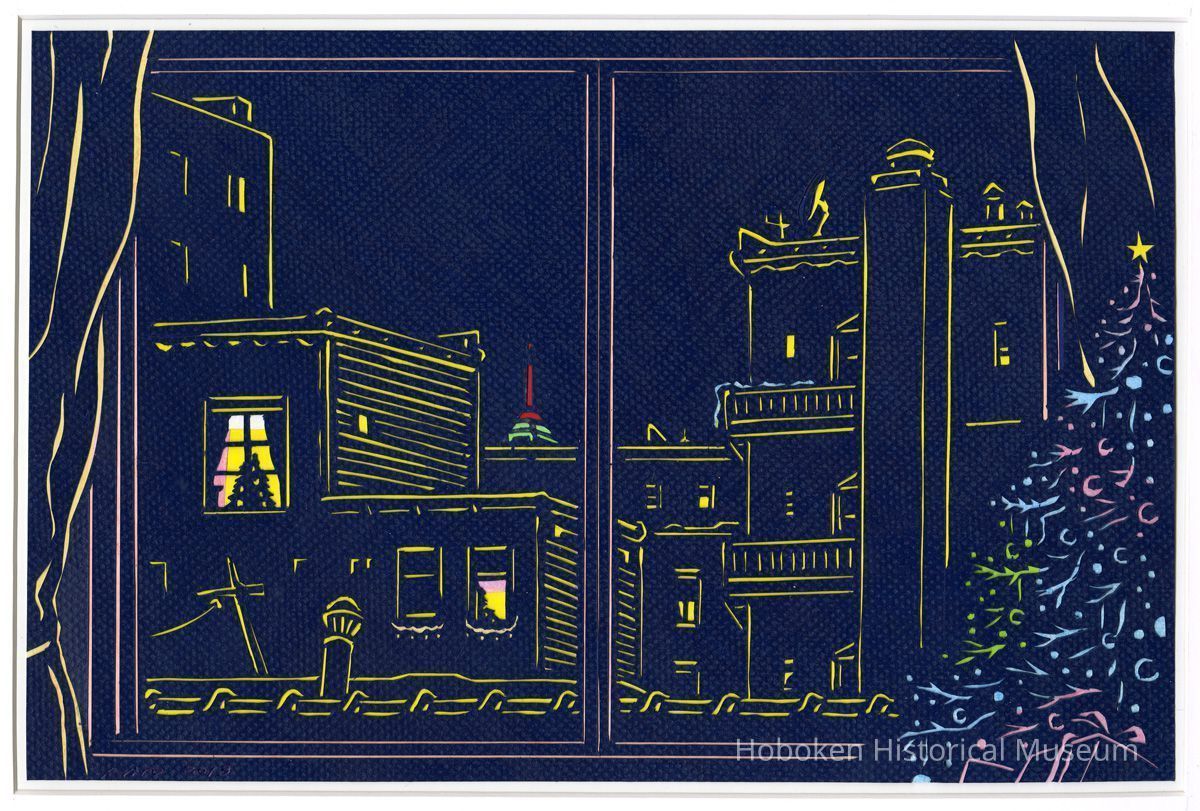
In the last ten years, Hiro has experimented with an innovative approach to "kirigami," a traditional Japanese papercut technique. His subjects are contemporary images and every day objects. His use of colors in this technique--sometimes vividly contrasted and sometimes subdued--is unique and striking.
In 2006, Hiro came full circle and brought his work home to Japan with an exhibit in Nagasaki entitled "Nagasaki: Beautiful City, Lovely People." From January to December 2006 his papercut work appears on the streetcars that wind through the city.
====
====
Status: OK
Status By: dw
Status Date: 2014-09-18