Note
Notes: 2014.013.0131
Motive Power Development on the Pennsylvania Railroad System, 1831-1924.
Text of index on page [80].
====
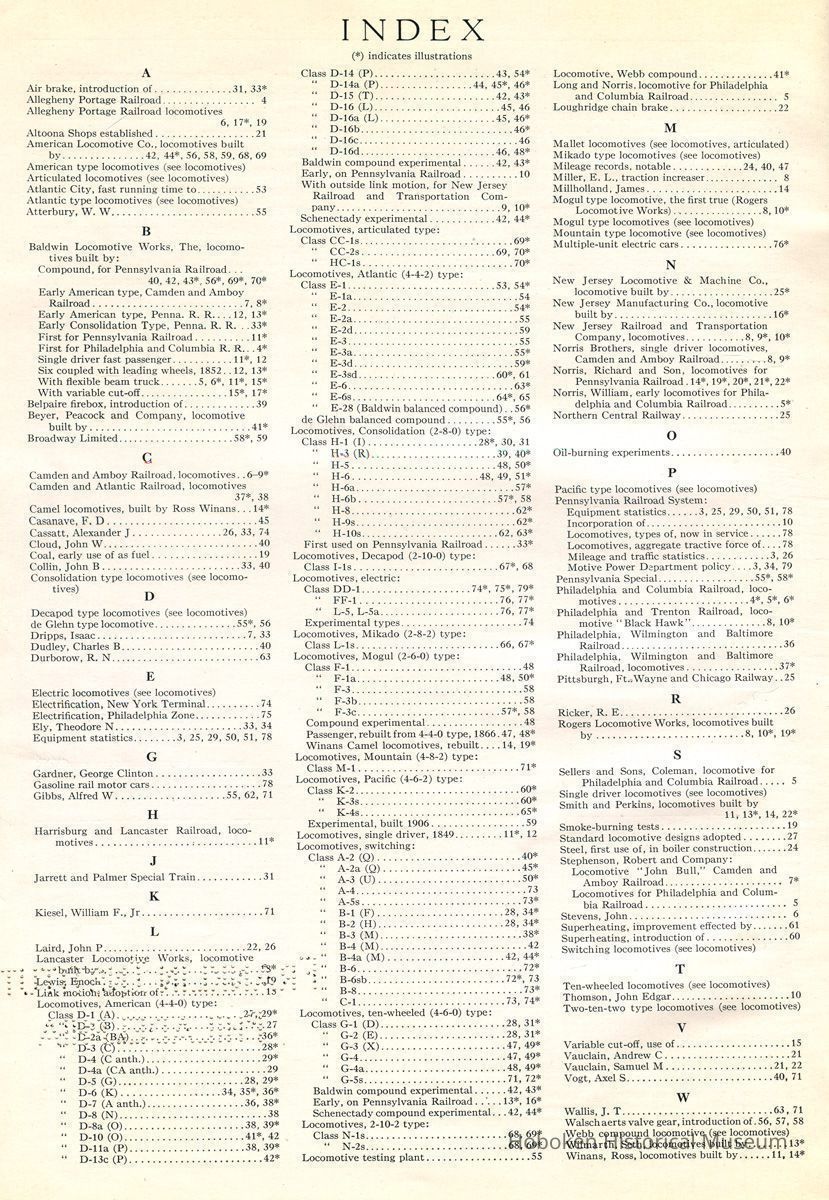
INDEX
(*) indicates illustrations
A
Air brake, introduction of..............31, 33*
Allegheny Portage Railroad................. 4
Allegheny Portage Railroad locomotives 6, 17* 19
Altoona Shops established..................21
American Locomotive Co., locomotives built by...............42, 44*, 56, 58, 59, 68, 69
American type locomotives (see locomotives) Articulated locomotives (see locomotives)
Atlantic City, fast running time to...........53
Atlantic type locomotives (see locomotives) Atterbury, W. W..........................55
B
Baldwin Locomotive Works, The, locomotives built by:
Compound, for Pennsylvania Railroad. . .
40, 42, 43*, 56*, 69*, 70*
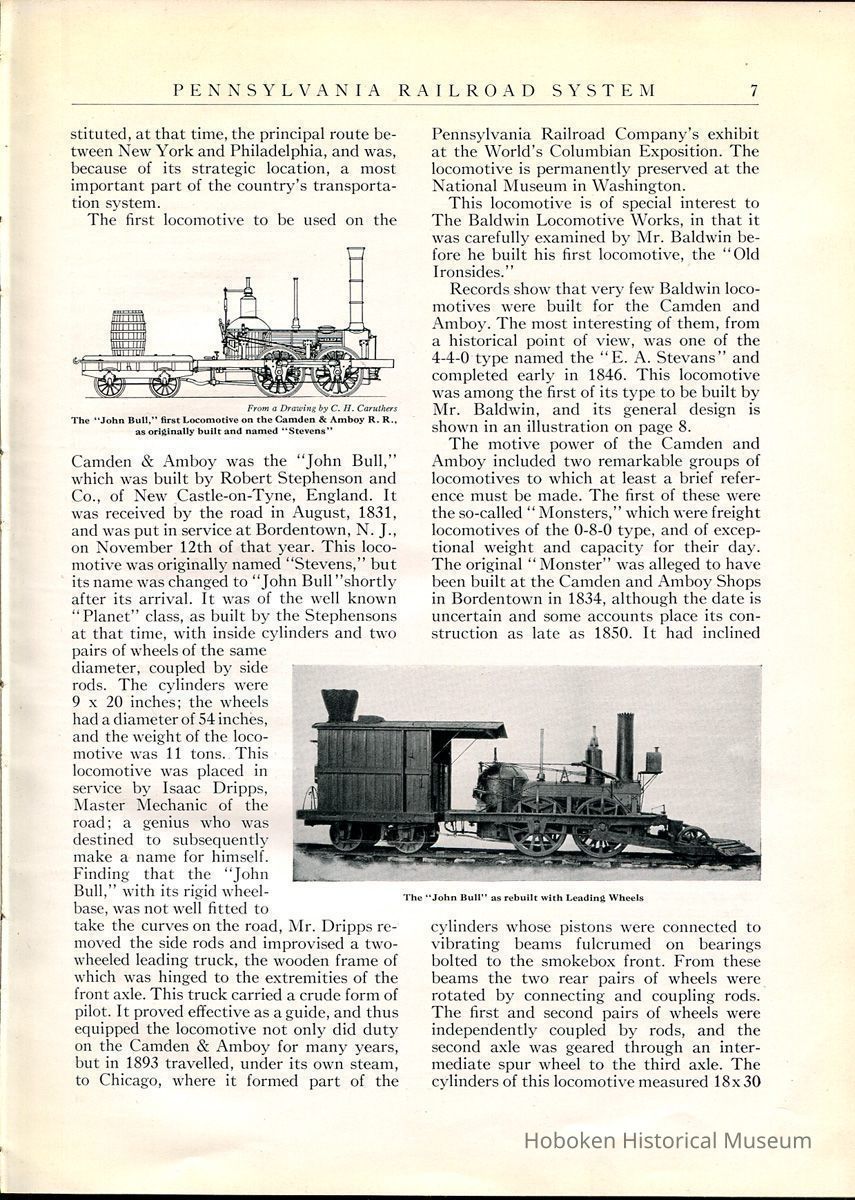
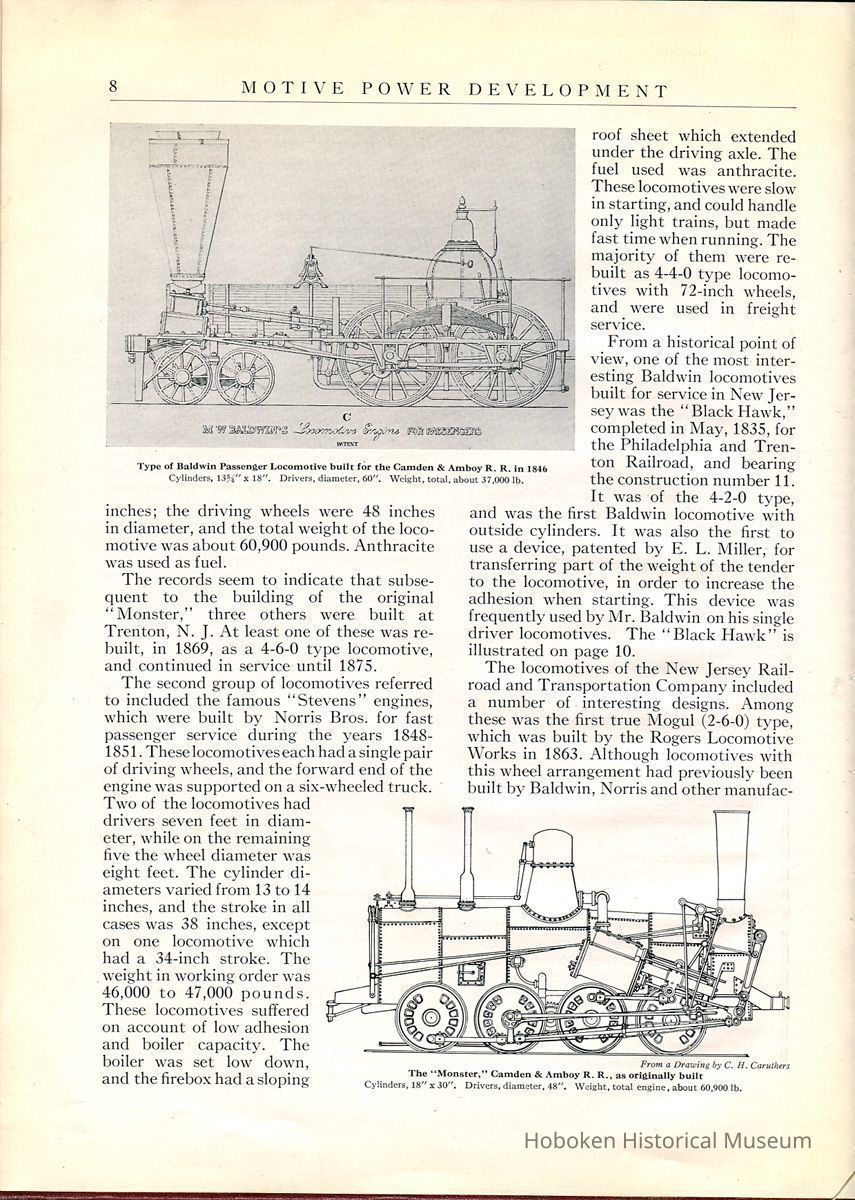
Early American type, Camden and Amboy Railroad...........................7,8*
Early American type, Penna. R. R.. . . 12, 13*
Early Consolidation Type, Penna. R. R. . .33*
First for Pennsylvania Railroad..........11*
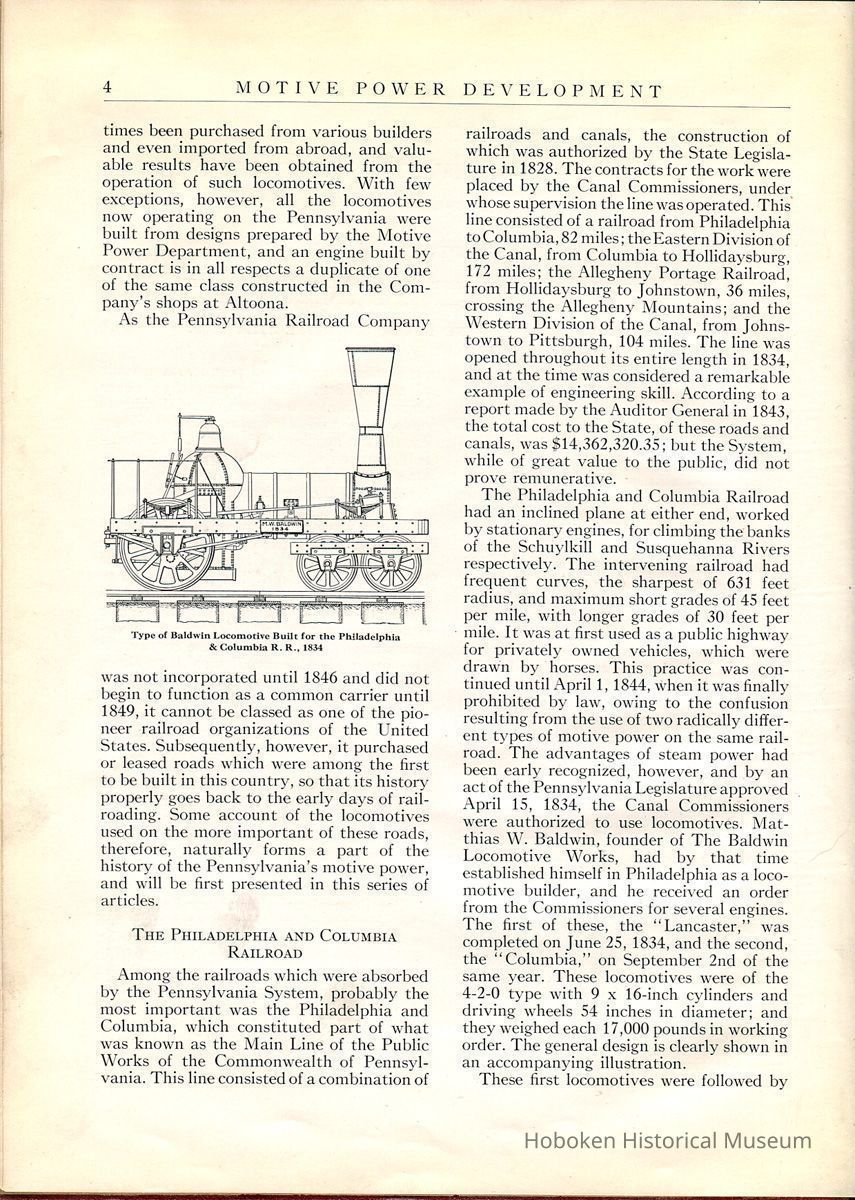
First for Philadelphia and Columbia R. R.. .4*
Single driver fast passenger...........11*, 12
Six coupled with leading wheels, 1852 .. 12, 13*
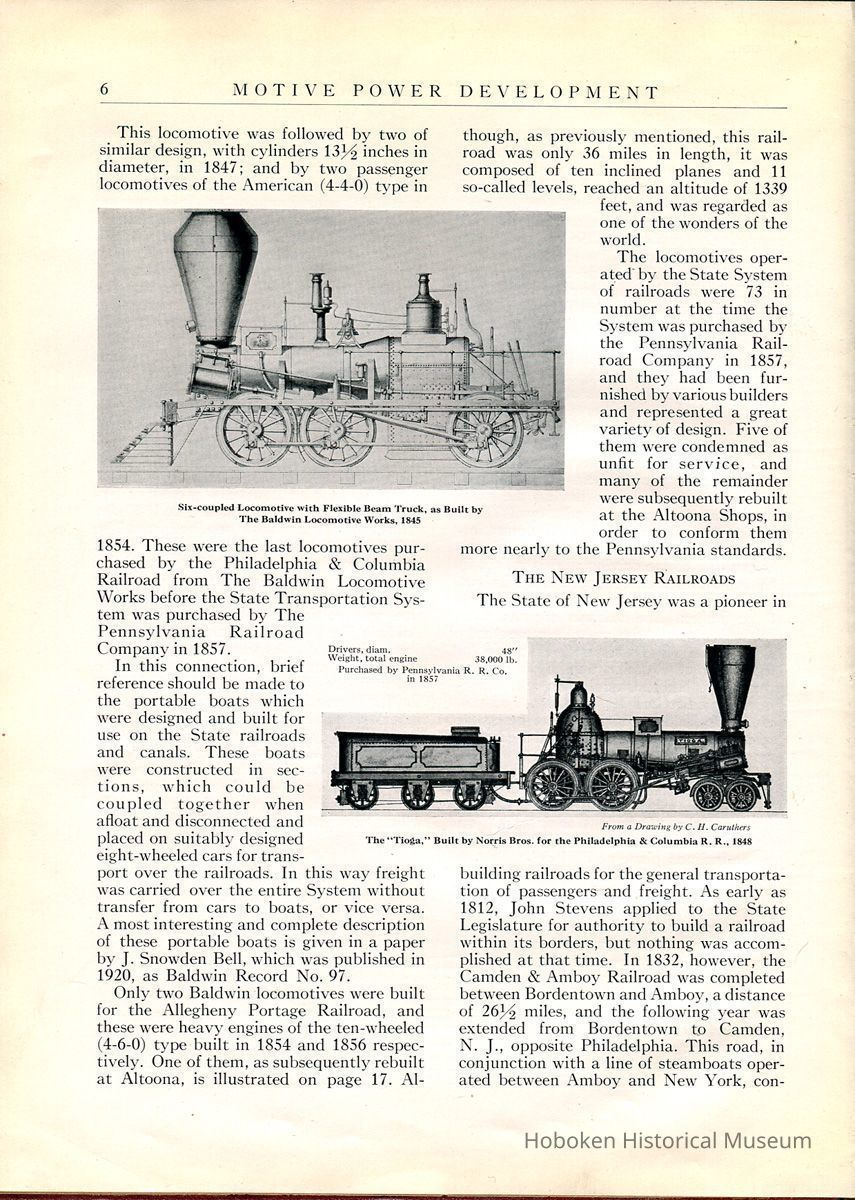
With flexible beam truck.......5, 6*, 11*, 15*
With variable cut-off................15*, 17*
Belpaire firebox, introduction of.............39
Beyer, Peacock and Company, locomotive built by.............................41*
Broadway Limited.....................58*, 59
G
Camden and Amboy Railroad, locomotives. .6-9*
Camden and Atlantic Railroad, locomotives 37*, 38
Camel locomotives, built by Ross Winans... 14*
Casanave, F. D...........................45
Cassatt, Alexander J................26, 33, 74
Cloud, John W............................40
Coal, early use of as fuel...................19
Collin, John B.........................33, 40
Consolidation type locomotives (see locomotives)
Decapod type locomotives (see locomotives)
de Glehn type locomotive...............55*, 56
Dripps, Isaac .....................7, 33
Dudley, Charles B.........................40
Durborow, R. N...........................63
E
Electric locomotives (see locomotives)
Electrification, New York Terminal..........74
Electrification, Philadelphia Zone............75
Ely, Theodore N.......................33, 34
Equipment statistics........3, 25, 29, 50, 51, 78
G
Gardner, George Clinton...................33
Gasoline rail motor cars....................78
Gibbs, Alfred W....................55, 62, 71
H
Harrisburg and Lancaster Railroad, locomotives .................:...........11*
J
Jarrett and Palmer Special Train ......31
K
Kiesel, William F., Jr......................71
L
Laird, John P..........................22, 26
Lancaster Locomotive Works, locomotive 18*
Lewis, Enoch ....... 19
Link motion, adoption of ........ 15
Locomotives, American (4-4-0) type:
Class D-1 (A) .... 27, 29*
" D-2 (B) .... 27
D-2a (BA) ..... 36*
D-3 (C) ..... 28*
" D-4 (C anth.).....................29*
“ D-4a (CA anth.)...................29
“ D-5 (G).......................28,29*
“ D-6 (K)..................34, 35*, 36*
“ D-7 (A anth.)..................36, 38*
“ D-8 (N)...........................38
“ D-8a (O)......................38, 39*
“ D-10 (O)......................41*, 42
“ D-11a (P).....................38,39*
“ D-13c (P)........................42*
----
Class D-14 (P)......................43, 54*
“ D-14a (P).................44, 45*, 46*
“ D-15 (T)......................42, 43*
“ D-16 (L).......................45, 46
“ D-16a (L).....................45, 46*
“ D-16b............................46*
“ D-16c.............................46
“ D-16d.........................46,48*
Baldwin compound experimental 42, 43*
Early, on Pennsylvania Railroad..........10
With outside link motion, for New Jersey Railroad and Transportation Company..............................9, 10*
Schenectady experimental............42, 44*
Locomotives, articulated type:
Class CC-ls............................69*
“ CC-2s........................69,70*
“ HC-ls...........................70*
Locomotives, Atlantic (4-4-2) type:
Class E-l...........................53, 54*
“ E-la..............................54
“ E-2..............................54*
“ E-2a..............................55
“ E-2d..............................59
“ E-3...............................55
“ E-3 a.............................55*
“ E-3d.............................59*
“ E-3sd.........................60*, 61
“ E-6..............................63*
“ E-6s..........................64*, 65
E-28 (Baldwin balanced compound). . 56*
de Glehn balanced compound.........55*, 56
Locomotives, Consolidation (2-8-0) type:
Class H-l (I)....................28*, 30, 31
“ H-3 (R) .....................39,40*
“ H-5..........................48,5 0*
“ H-6.......................48, 49, 51*
“ H-6a.............................57*
“ H-6b.........................57*, 58
“ H-8..............................62*
“ Id-9s.............................62*
“ H-lOs.........................62, 63*
First used on Pennsylvania Railroad 33*
Locomotives, Decapod (2-10-0) type:
Class I-ls..........................67*, 68
Locomotives, electric:
Class DD-1....................74*, 75*, 79*
“ FF-1 .........................76,77*
“ L-5, L-5a......................76,77*
Experimental types......................74
Locomotives, Mikado (2-8-2) type:
Class L-ls..........................66, 67*
Locomotives, Mogul (2-6-0) type:
Class F-l...............................48
“ F-la..........................48,50*
“ F-3...............................58
“ F-3b.................... 58
“ F-3c..........................57*. 58
Compound experimental..................48
Passenger, rebuilt from 4-4-0 type, 1866.47, 48*
Winans Camel locomotives, rebuilt. ... 14, 19*
Locomotives, Mountain (4-8-2) type:
Class M-l.............................71*
Locomotives, Pacific (4-6-2) type:
Class K-2..............................60*
“ K-3s.............................60*
“ K-4s.............................65*
Experimental, built 1906.................59
Locomotives, single driver, 1849.........11*, 12
Locomotives, switching:
Class A-2 (Q)..........................40*
“ A-2a (Q).........................45*
“ A-3 (U)..........................50*
“ A-4...............................73
“ A-5s.............................73*
“ B-l (F).......................28,34*
“ B-2 (H).......................28,34*
“ B-3 (M)..........................38*
“ B-4 (M)...........................42
“ B-4a (M).....................42,44*
“ B-6........ 72*
1“ B-6sb.........................72*, 73
B-8..............................73*
“ C-l...........................73,74*
Locomotives, ten-wheeled (4-6-0) type:
Class G-l (D).......................28, 31*
“ G-2 (E).......................28,31*
“ G-3 (X).......................47,49*
“ G-4...........................47,49*
“ G-4a..........................48,49*
“ G-5s..........................71,72*
Baldwin compound experimental 42, 43*
Early, on Pennsylvania Railroad..... 13*, 16*
Schenectady compound experimental... 42, 44*
Locomotives, 2-10-2 type:
Class N-1s..........................68, 69*
“ N-2s..........................68, 69*
Locomotive testing plant...................55
----
Locomotive, Webb compound..............41*
Long and Norris, locomotive for Philadelphia and Columbia Railroad................. 5
Loughridge chain brake....................22
M
Mallet locomotives (see locomotives, articulated) Mikado type locomotives (see locomotives)
Mileage records, notable.............24, 40, 47
Miller, E. L., traction increaser.............. 8
Millholland, James........................14
Mogul type locomotive, the first true (Rogers Locomotive Works) ................8, 10*
Mogul type locomotives (see locomotives)
Mountain type locomotive (see locomotives)
Multiple-unit electric cars.................76*
N
New Jersey Locomotive & Machine Co., locomotive built by...................25*
New Jersey Manufacturing Co., locomotive built by.............................16*
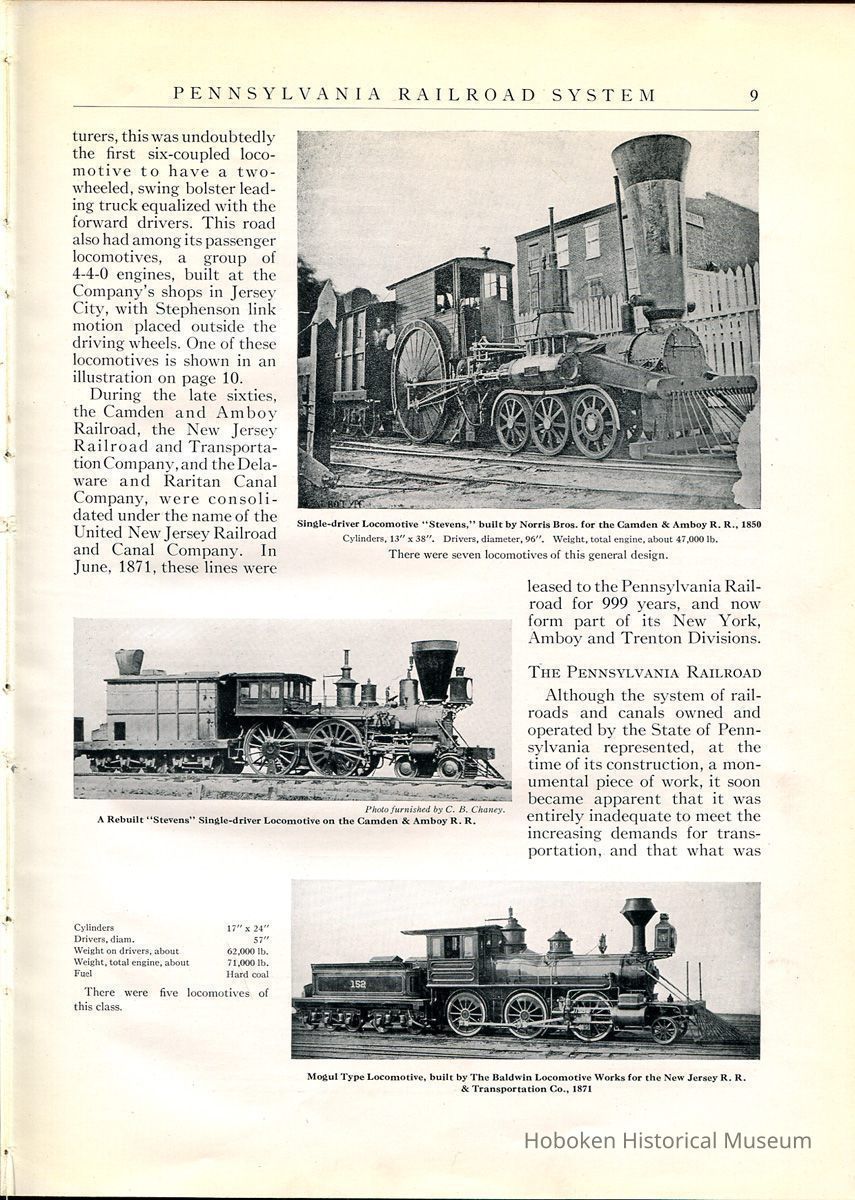
New Jersey Railroad and Transportation Company, locomotives...........8, 9*, 10*
Norris Brothers, single driver locomotives, Camden and Amboy Railroad ...8, 9*
Norris, Richard and Son, locomotives for Pennsylvania Railroad 14*, 19*, 20*, 21*, 22*
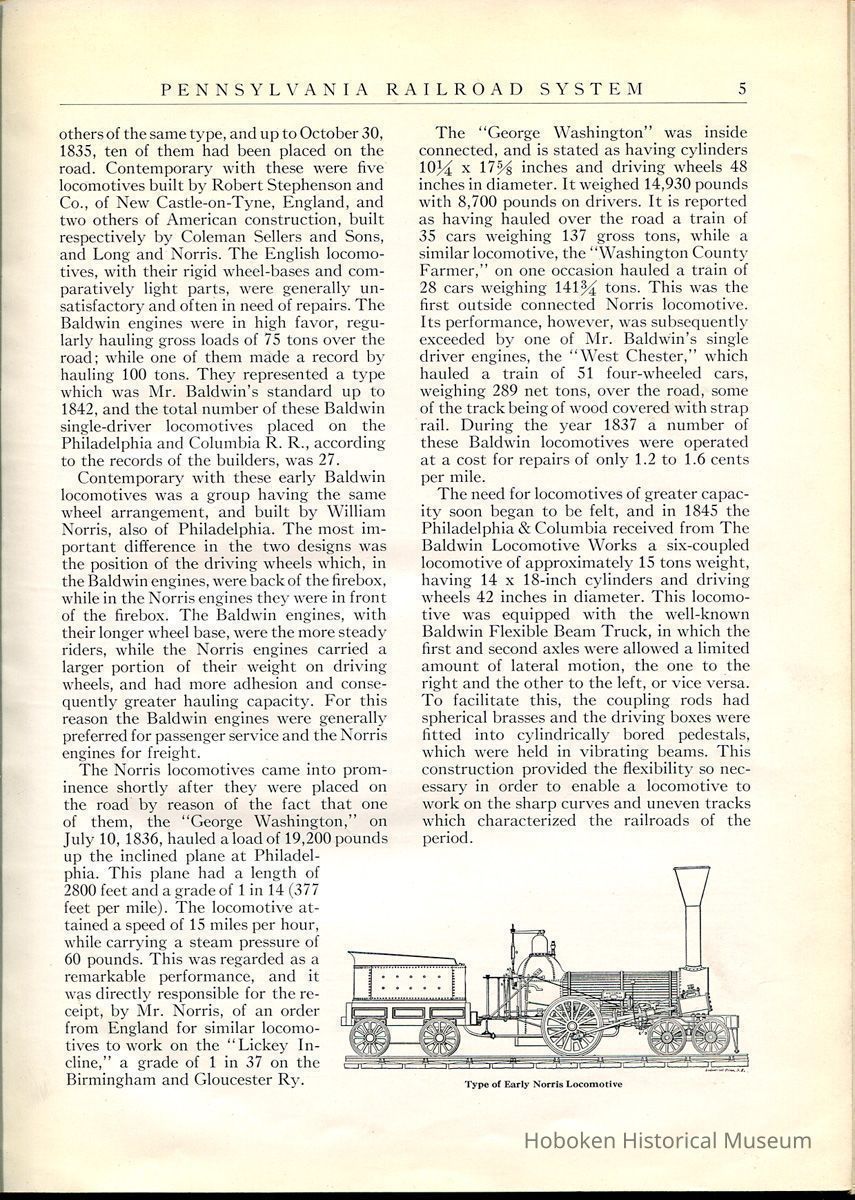
Norris, William, early locomotives for Philadelphia and Columbia Railroad..........5*
Northern Central Railway..................25
O
Oil-burning experiments....................40
P
Pacific type locomotives (see locomotives) Pennsylvania Railroad System:
Equipment statistics 3, 25, 29, 50, 51, 78
Incorporation of.........................10
Locomotives, types of, now in service 78
Locomotives, aggregate tractive force of... .78
Mileage and traffic statistics............3, 26
Motive Power Department policy. . . .3, 34, 79
Pennsylvania Special..................55*, 58*
Philadelphia and Columbia Railroad, locomotives ........................4*, 5*, 6*
Philadelphia and Trenton Railroad, locomotive “Black Hawk”..............8, 10*
Philadelphia, Wilmington and Baltimore Railroad..............................36
Philadelphia, Wilmington and Baltimore Railroad, locomotives.................37*
Pittsburgh, Ft..Wayne and Chicago Railway. .25
R
Ricker, R. E..............................26
Rogers Locomotive Works, locomotives built by...........................8, 10*, 19*
S
Sellers and Sons, Coleman, locomotive for Philadelphia and Columbia Railroad..... 5
Single driver locomotives (see locomotives)
Smith and Perkins, locomotives built by 11, 13*, 14, 22*
Smoke-burning tests.......................19
Standard locomotive designs adopted........27
Steel, first use of, in boiler construction.......24
Stephenson, Robert and Company:
Locomotive “John Bull,” Camden and Amboy Railroad...................... 7*
Locomotives for Philadelphia and Columbia Railroad.......................... 5
Stevens, John............................. 6
Superheating, improvement effected by.......61
Superheating, introduction of...............60
Switching locomotives (see locomotives)
T
Ten-wheeled locomotives (see locomotives)
Thomson, John Edgar......................10
Two-ten-two type locomotives (see locomotives)
Y
Variable cut-off, use of.....................15
Vauclain, Andrew C.......................21
Vauclain, Samuel M....................21, 22
Vogt, Axel S...........................40, 71
w
Wallis, J. T............................63, 71
Walschaerts valve gear, introduction of. 56, 57, 58
Webb compound locomotive (see locomotives)
Wilmarth, Seth, locomotives built by........13*
Winans, Ross, locomotives built by 11, 14*
====
====
Status: OK
Status By: dw
Status Date: 2014-11-13