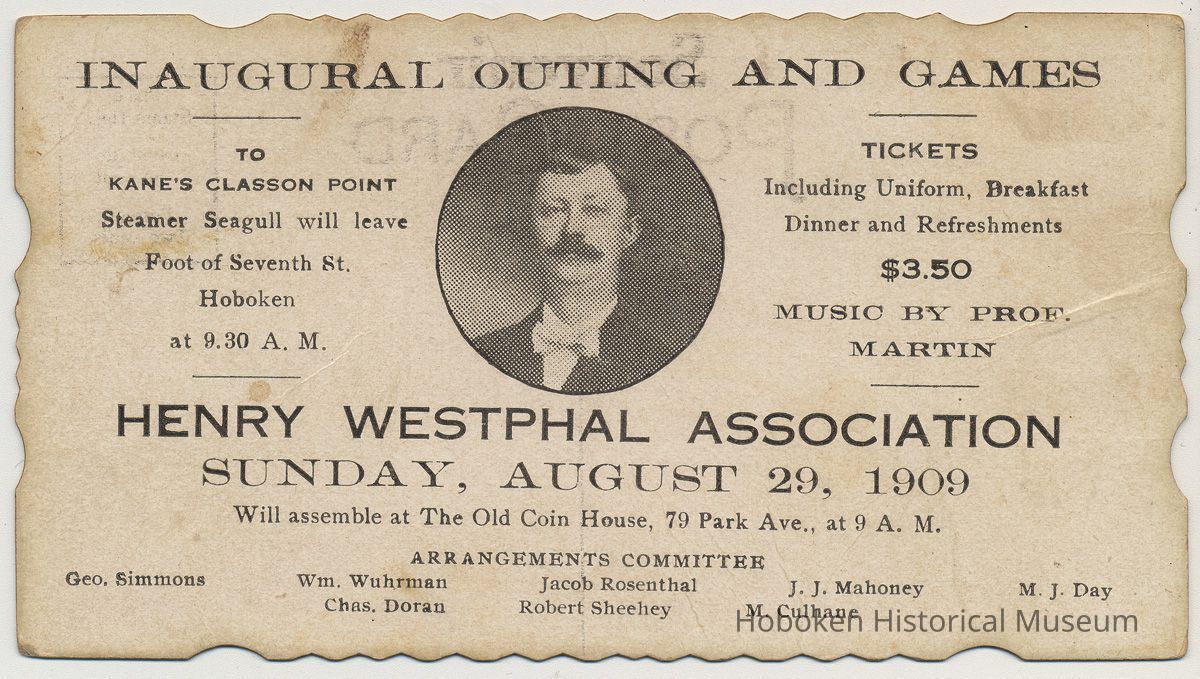
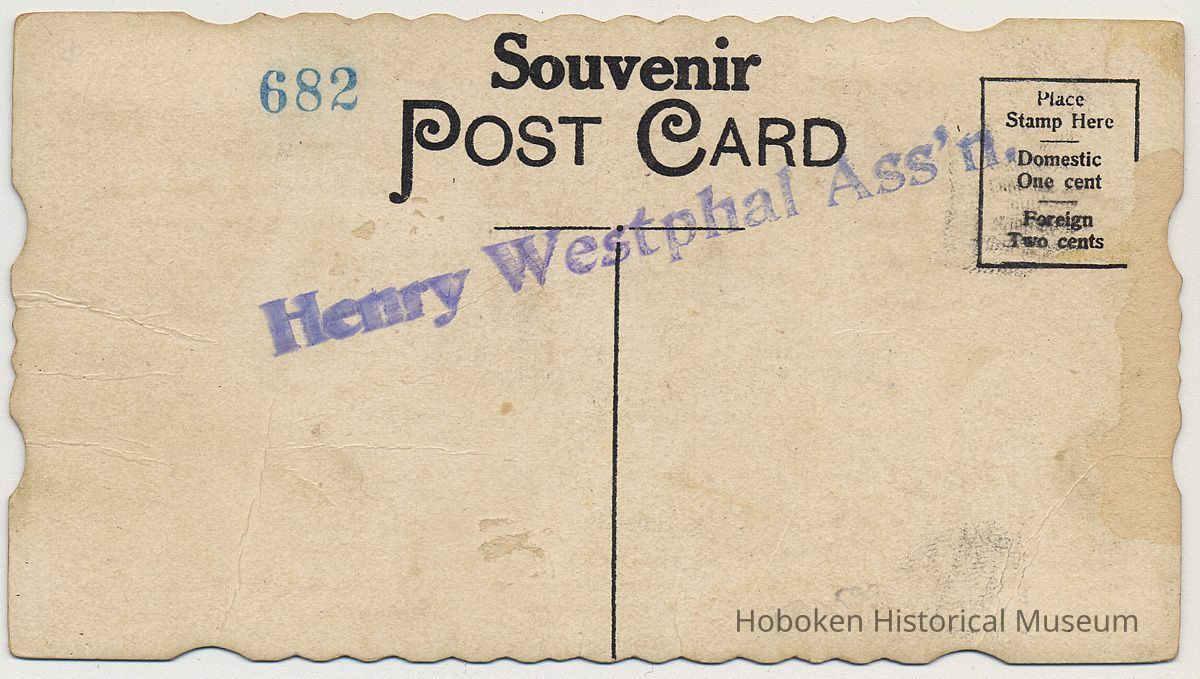
Note
Notes: 2007: From National Postal Museum FAQ
What Did it Cost to Mail a Postcard in the Past?
Postal cards were introduced in 1873 and could be mailed at a 1 cent rate (less than the first-class letter rate). Before July 1, 1898, post cards could only be mailed if the first-class letter rate was paid; they were first authorized for use at a rate lower than the letter rate on July 1, 1898. Thereafter, they have taken the same rate and functioned at the same level as postal cards except during the period from April 1, 1925, through June 30, 1928, when the post card rate was 2 cents, the postal card rate 1 cent. (U.S. Domestic Postal Rates, 1872-1993, by Henry W. Beecher and Anthony S. Wawrukiewicz, p. 12)
From November 2, 1917, to June 30, 1919, the rate for post cards and postal cards was 2 cents.
As working definitions, a "postcard" is considered to be a privately prepared card, generally with a picture or image on one side and sold by a stationer, while a "postal card" is one issued by, and sold over the counter of a post office.
There was a third category of card known as a "private mailing card", which was a commercial card prepared for a special occasion, or for a special reason. They actually had the legend "Private Mailing Card" imprinted upon them. The domestic postage rate for these cards was the same as the other card rates, except for the period April 15, 1925, to about June, 1928, when the rate was increased to 2-cents, while the postal card and post card rates remained at 1-cent.
Status: OK
Status By: dw
Status Date: 2007-08-15