Transcription
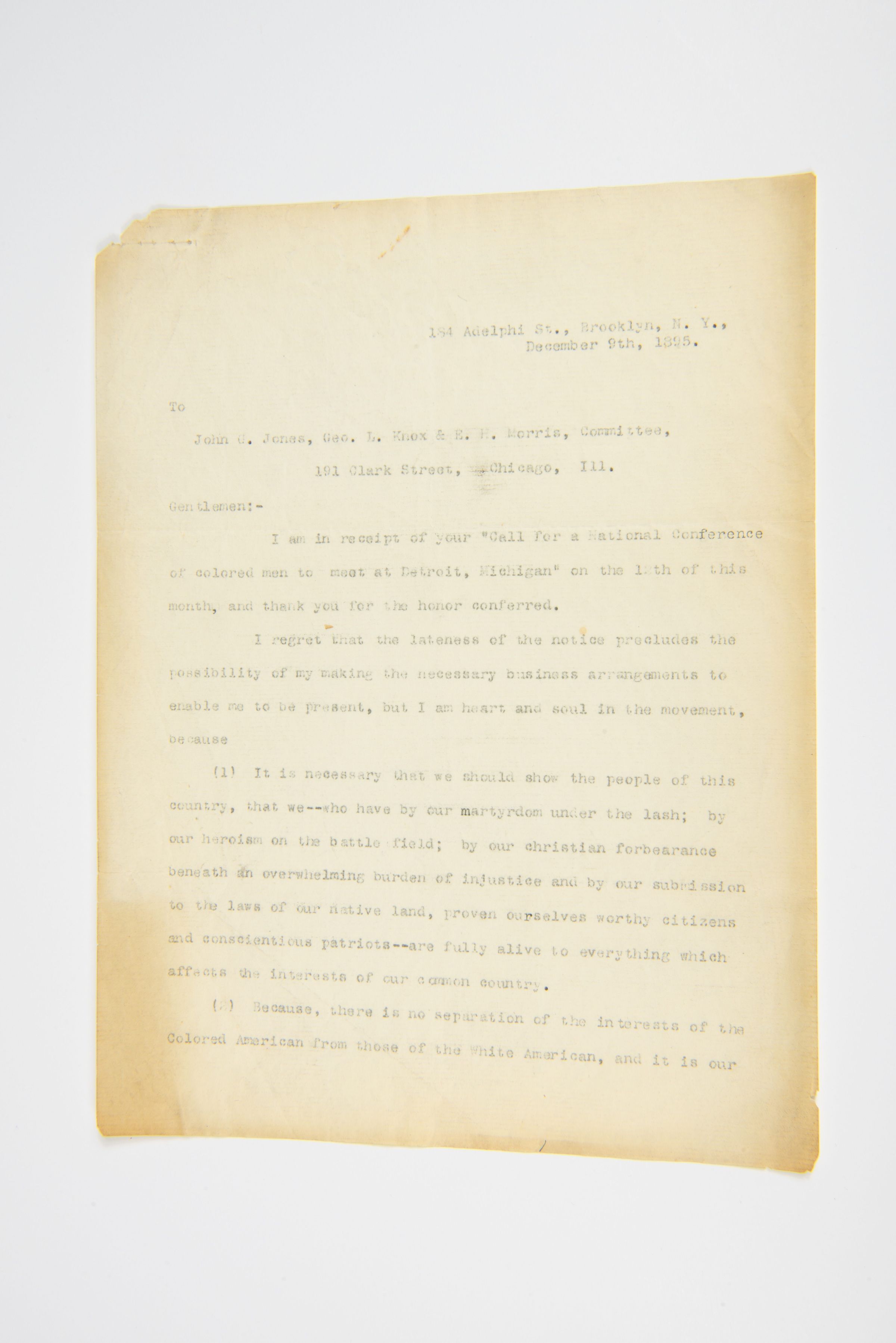
184 Adelphi St., Brooklyn, N.Y.,
December 9th, 1895.
To
John C. Jones, Geo. L. Knox & E. H. Morris, Committee,
191 Clark Street, - Chicago, Ill.
Gentlemen: -
I am in receipt of your "Call For a National Conference of colored men to meet at Detroit, Michigan" on the 12th of this month, and thank you for the honor conferred.
I regret that the lateness of the notice precludes the possibility of my making the necessary business arrangements to enable me to be present, but I am heart and soul in the movement, because
(1) It is necessary that we should show the people of this country, that we -- who have by our martyrdom under the lash; by our heroism on the battle field; by our christian forbearance beneath an overwhelming burden of injustice and by our submission to the laws of our native land, proven ourselves worthy citizens and conscientious patriots -- are fully alive to everything which affects the interests of our common country.
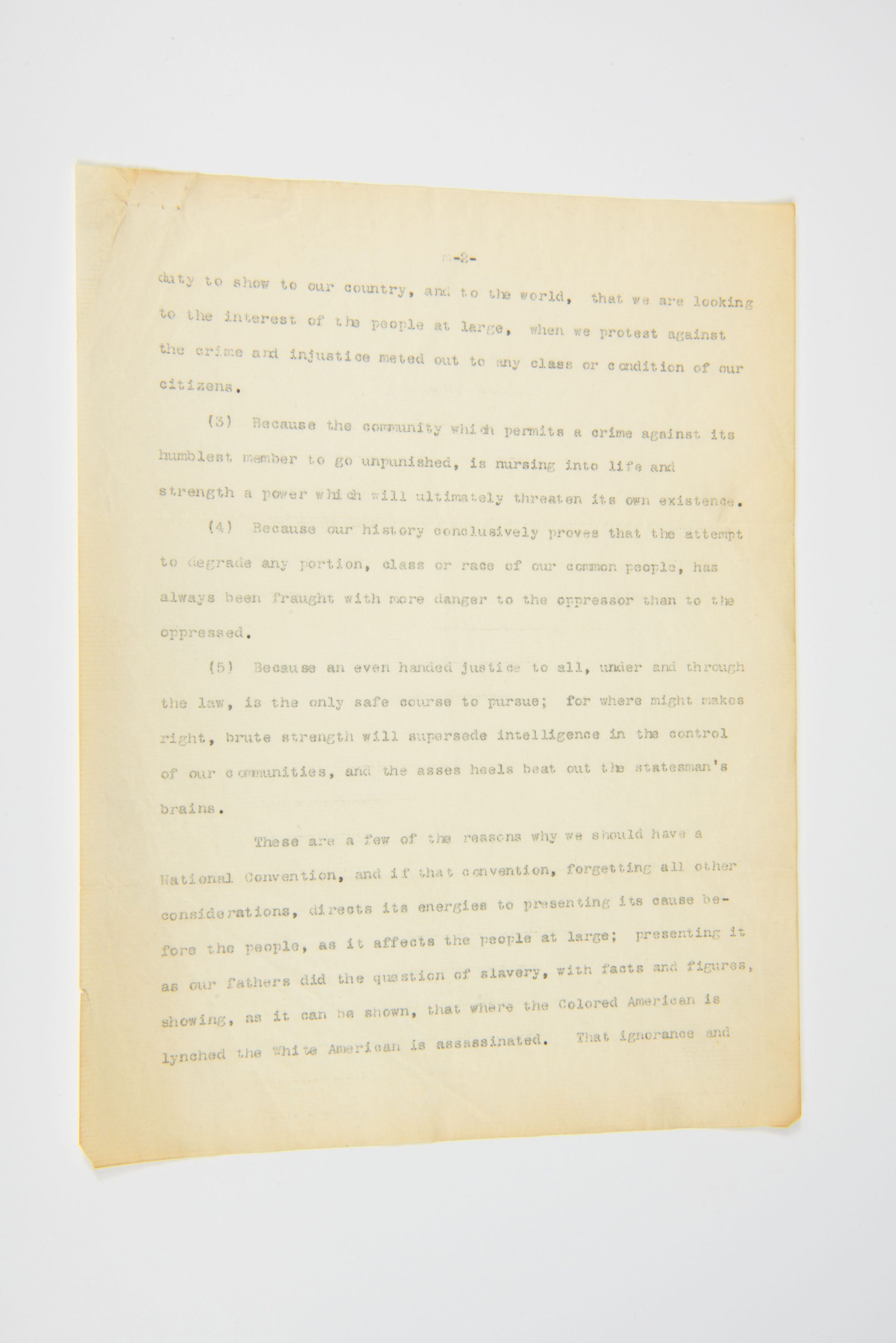
(2) Because, there is no separation of the interests of the Colored American from those of the White American, and it is our duty to show to our country, and to the world, that we are looking to the interest of the people at large, when we protest against the crime and injustice meted out to any class or condition of our citizens.
(3) Because the community which permits a crime against its humblest member to go unpunished, is nursing into life and strength a power which will ultimately threaten its own existence.
(4) Because our history conclusively proves that the attempt to degrade any portion, class or race of our common people, has always been fraught with more danger to the oppressor than to the oppressed.
(5) Because an even-handed justice to all, under and through the law, is the only safe course to pursue; for where might makes right, brute strength will supersede intelligence in the control of our communities, and the asses heels beat out the statesman’s brains.
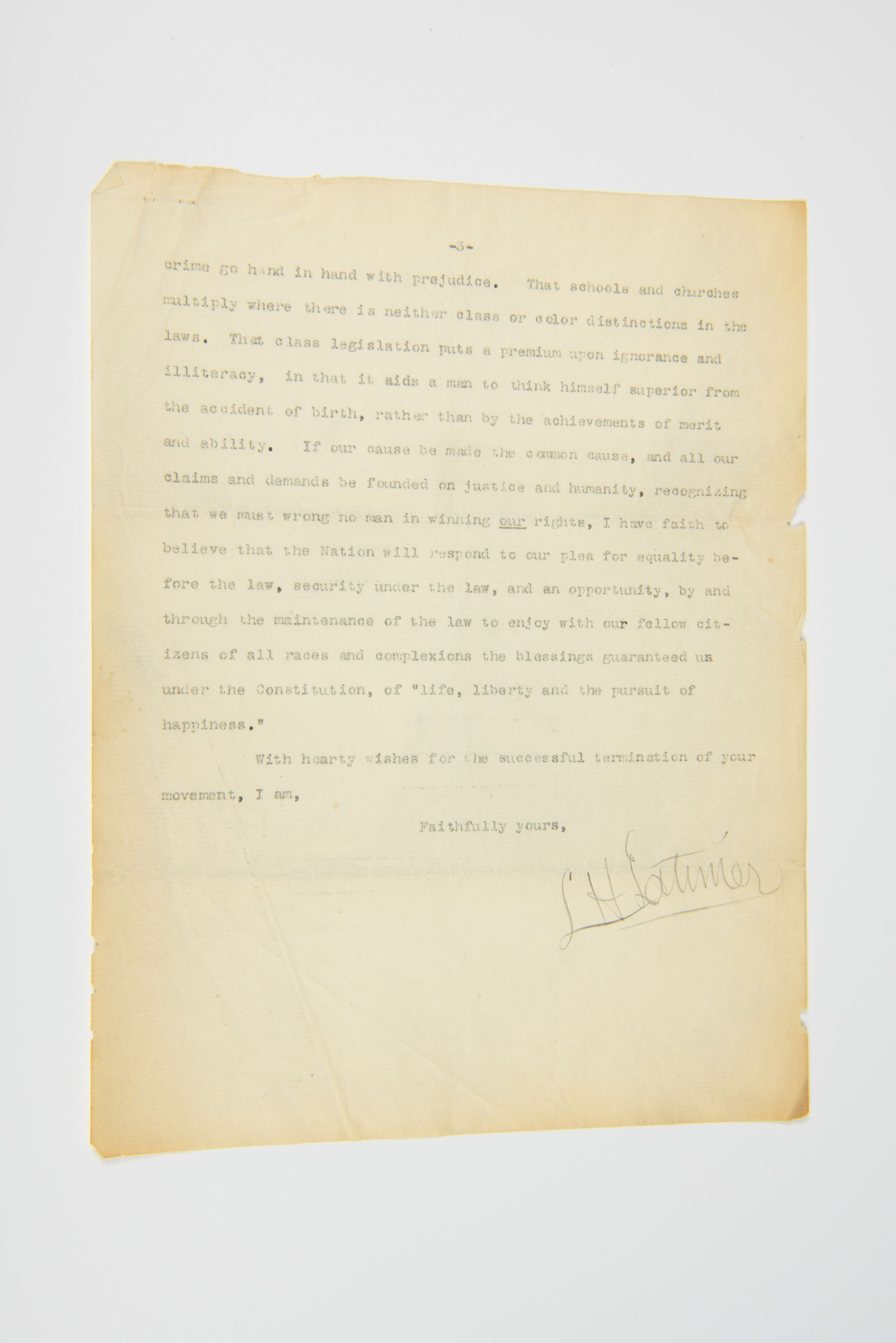
These are a few of the reasons why we should have a National Convention, and if that convention, forgetting all other considerations, directs its energies to presenting its cause before the people, as it affects the people at large; presenting it as our fathers did the question of slavery, with facts and figures, showing, as it can be shown, that where the Colored American is lynched the White American is assassinated. That ignorance and crime go hand in hand with prejudice. That schools and churches multiply where there is neither class or color distinctions in the laws. That class legislation puts a premium upon ignorance and illiteracy, in that it aids a man to think himself superior from the accident of birth, rather than by the achievements of merit and ability. If our cause be made the common cause, and all our claims and demands be founded on justice and humanity, recognizing that we must wrong no man in winning our rights, I have faith to believe that the Nation will respond to our plea for equality before the law, security under the law, and opportunity, by and through the maintenance of the law to enjoy with our fellow citizens of all races and complexions the blessings guaranteed us under the Constitution, of "life, liberty and the pursuit of happiness."
With hearty wishes for the successful termination of your movement, I am,
Faithfully yours,
L. LatimerTranscriber
Aisha Abdul Rahman