Transcription
Monday, January 8
"Dr. Colonel Man"
George and Rebecca Latimer were slaves in Virginia. They had not only loved each other but under the consent of their master and mistress had married and were doing well until there was the prospect of a child.
Then Rebecca realized that the coming baby would be like its father and mother, and she determined that her child would not be born into slavery.
Tuesday, January 9
She would not be the mother of a slave. With this idea in mind, she forced her husband to make an effort to attain their freedom.
George Latimer was the son of his master by a brown mother and was so fair that he easily passed as a white man.
Rebecca was brown enough to be unmistakably colored, so she introduced him to make an effort to escape as her master, and with this in view, they left Norfolk, Virginia to seek freedom.
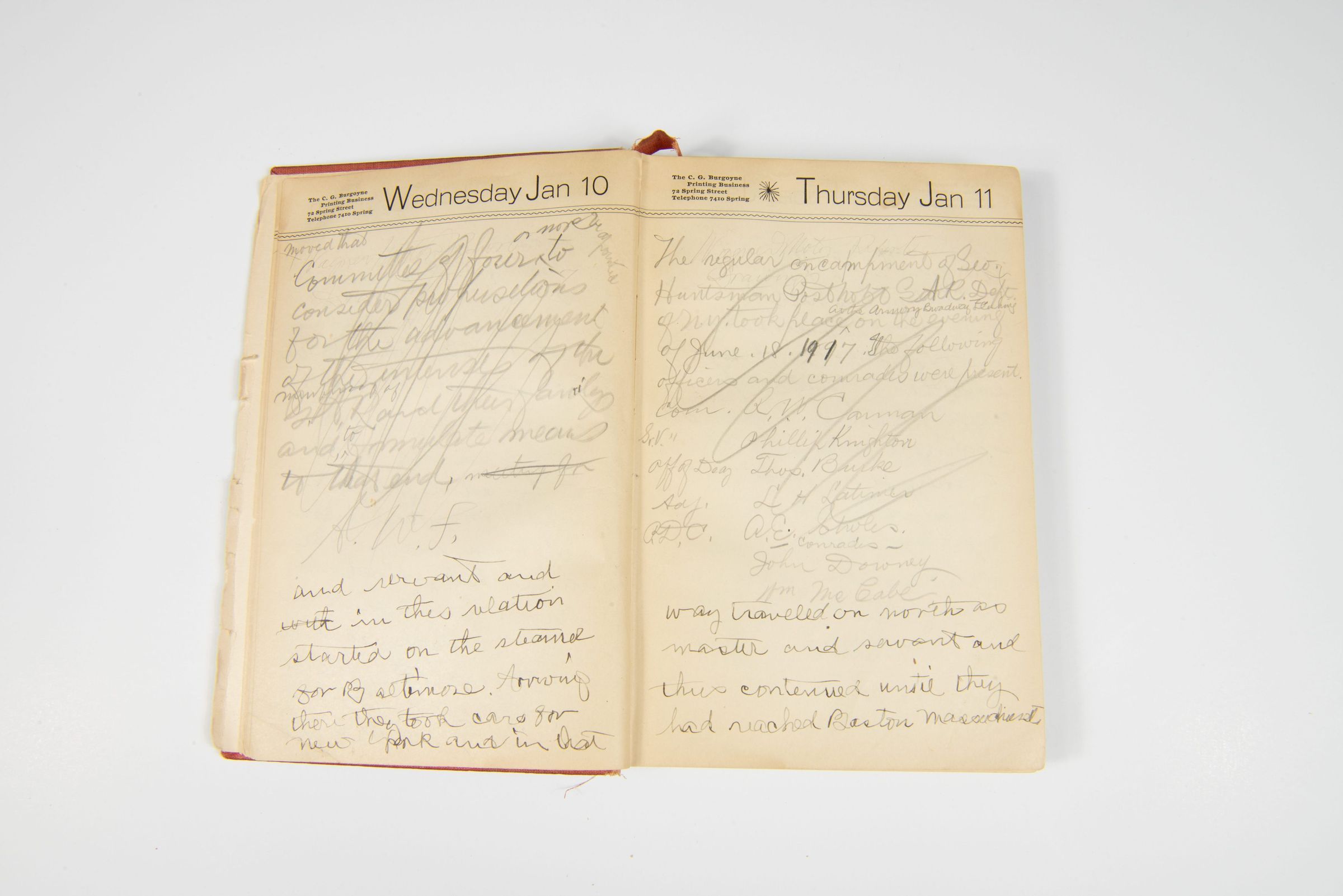
Wednesday, January 10
Community efforts continued for the freedom of fugitives, providing assistance through underground networks. Many were determined to find a way to secure their future in Boston.
In the same day’s actions, a great number of fugitives from the South arrived in New York but had to continue moving to avoid capture.
Thursday, January 11
The regular encampment of Sur. Huntington Post No. 440, Dept. of New York G.A.R., met on June 1, 1917.
Several comrades were present.
Captain C. J. Cameron, Adj. C. F. Kinsley, Lieut. J. Hefferman, PFC. A. Green and others.
A motion was carried that documentation of comrades’ presence be recorded and honored.
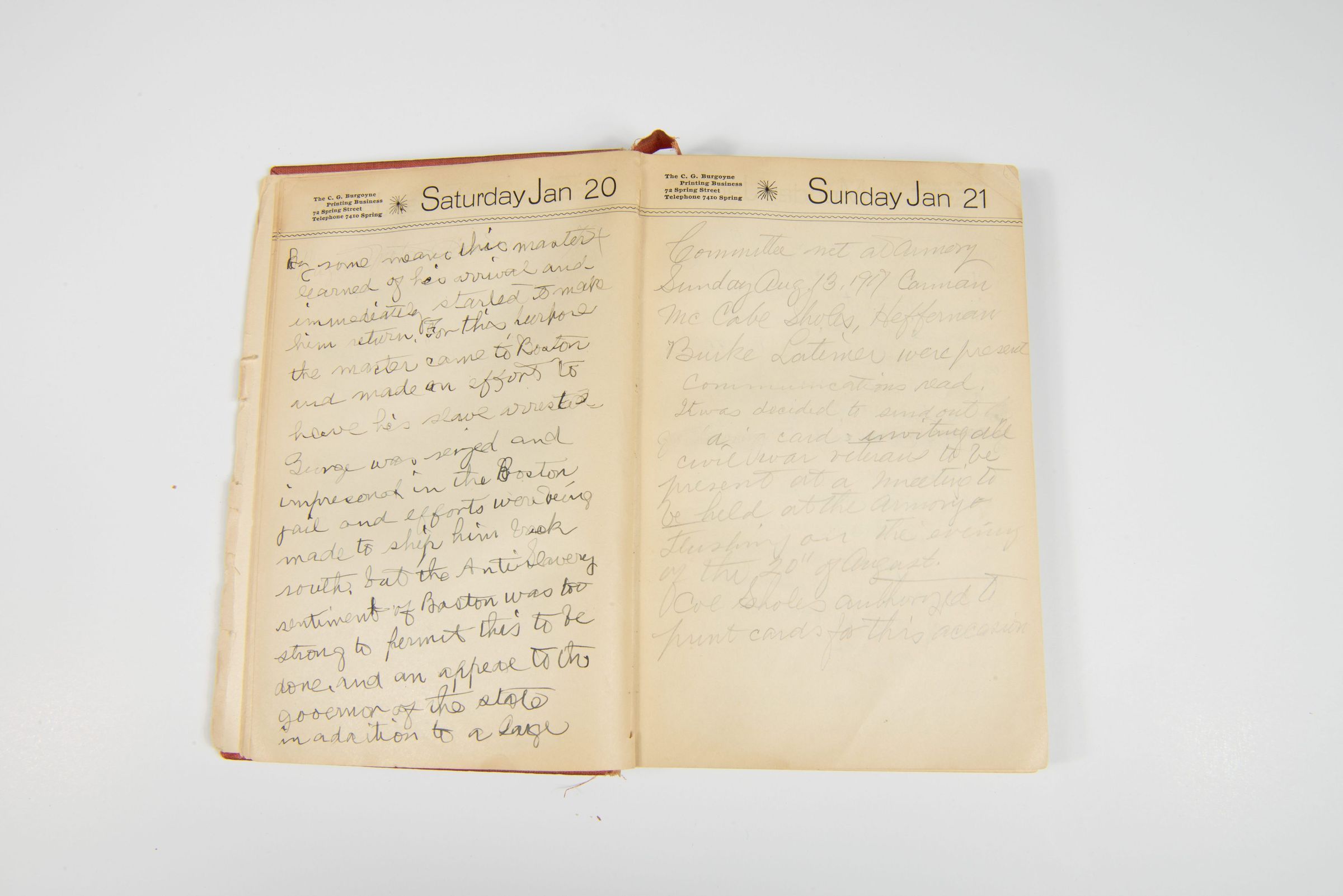
Saturday, January 20
Somewhere this master learned of their whereabouts and tried to reclaim them.
An effort was made to have them arrested, but the sentiment in Boston was too strong to permit this to succeed.
An appeal to the governor of the state resulted in a legal decision in favor of the Latimers.
Sunday, January 21
Jeannette met at ordinary Sunday, August 18, 1917.
Comrades Mic, Ole Sylks, Hefferman, Burke Latimer were present.
Comrades discussed a planned distribution of literature for an upcoming event.
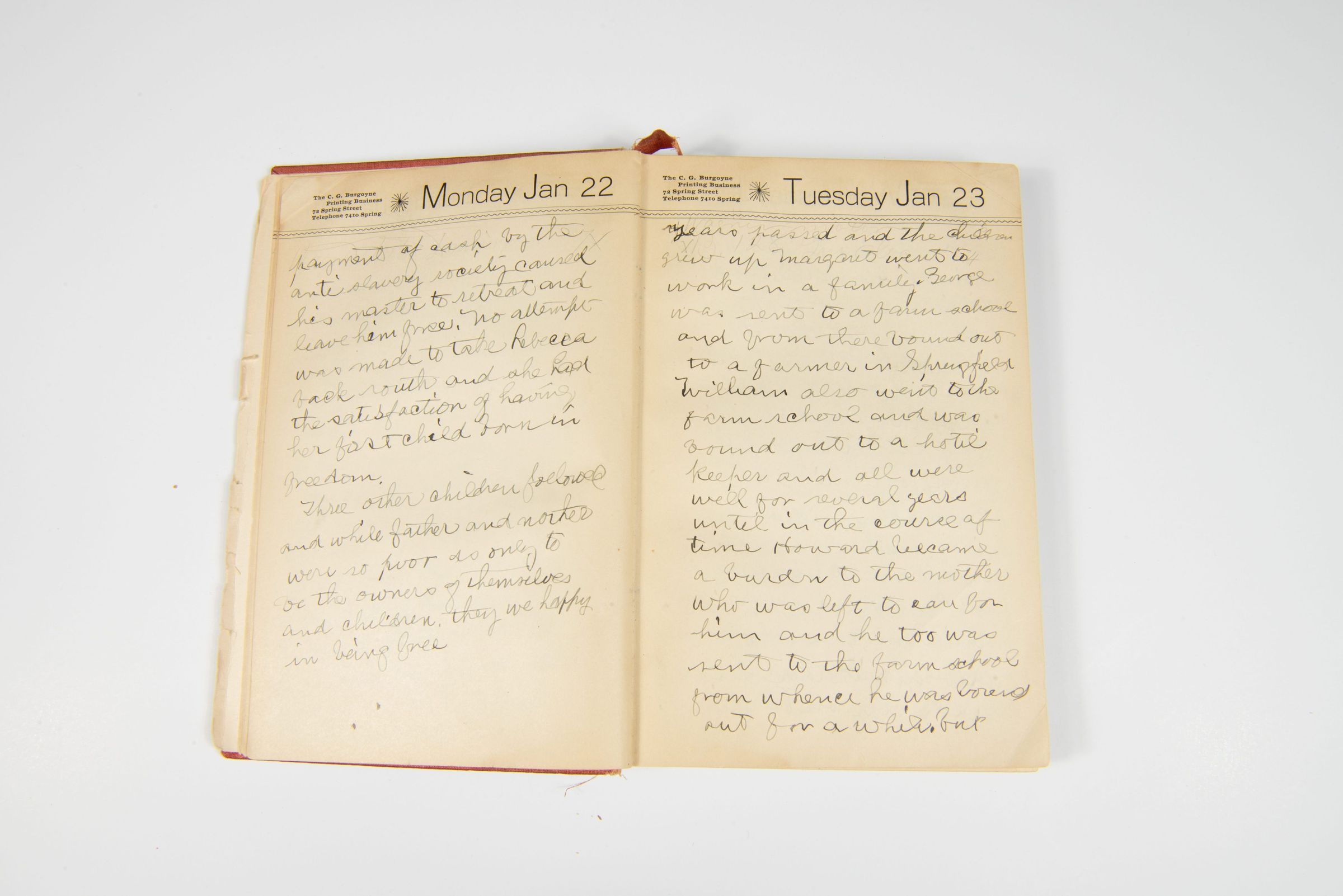
Monday, January 22
Happiness is one of the greatest protections against despair, and should be nurtured in the hearts of those seeking freedom.
To take life as a reality and not as a hopeless condition—this is essential for those who must fight for justice.
Tuesday, January 23
Years passed and the child grew up.
Margaret wrote, which was a great boon to the abolitionist movement.
Her words helped awaken the conscience of many who did not understand the realities of bondage.
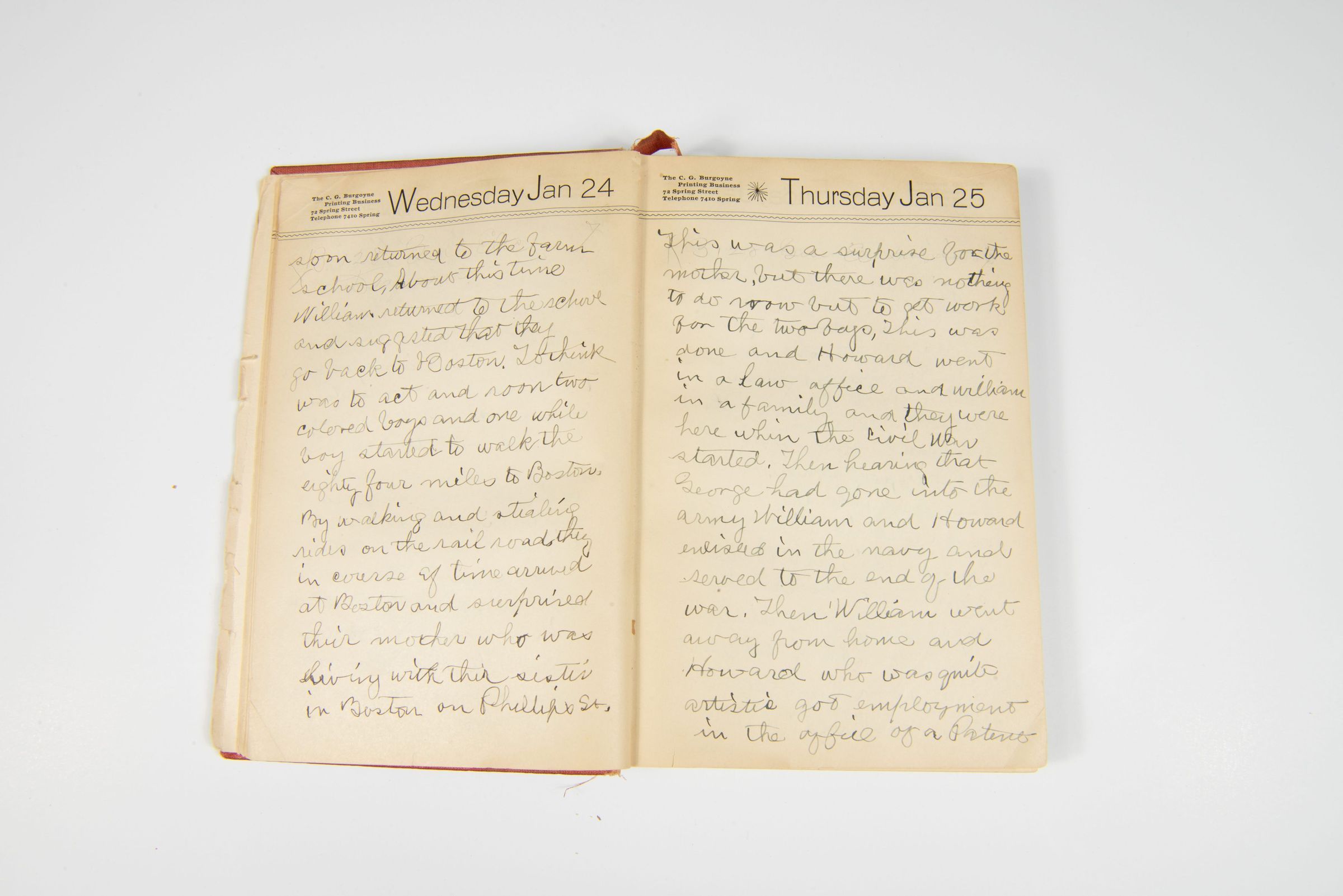
Wednesday, January 24
As the journey continued, they made their way to Boston.
There they found refuge among those who had dedicated themselves to aiding the oppressed.
The Latimers were granted sanctuary and allowed to remain under the protection of abolitionist groups.
Thursday, January 25
Life was a surprise for Rebecca, who had long feared what might happen to her child.
But now there was hope, as the fight for abolition gained more support.
The work of advocates and allies ensured that their story was not forgotten.
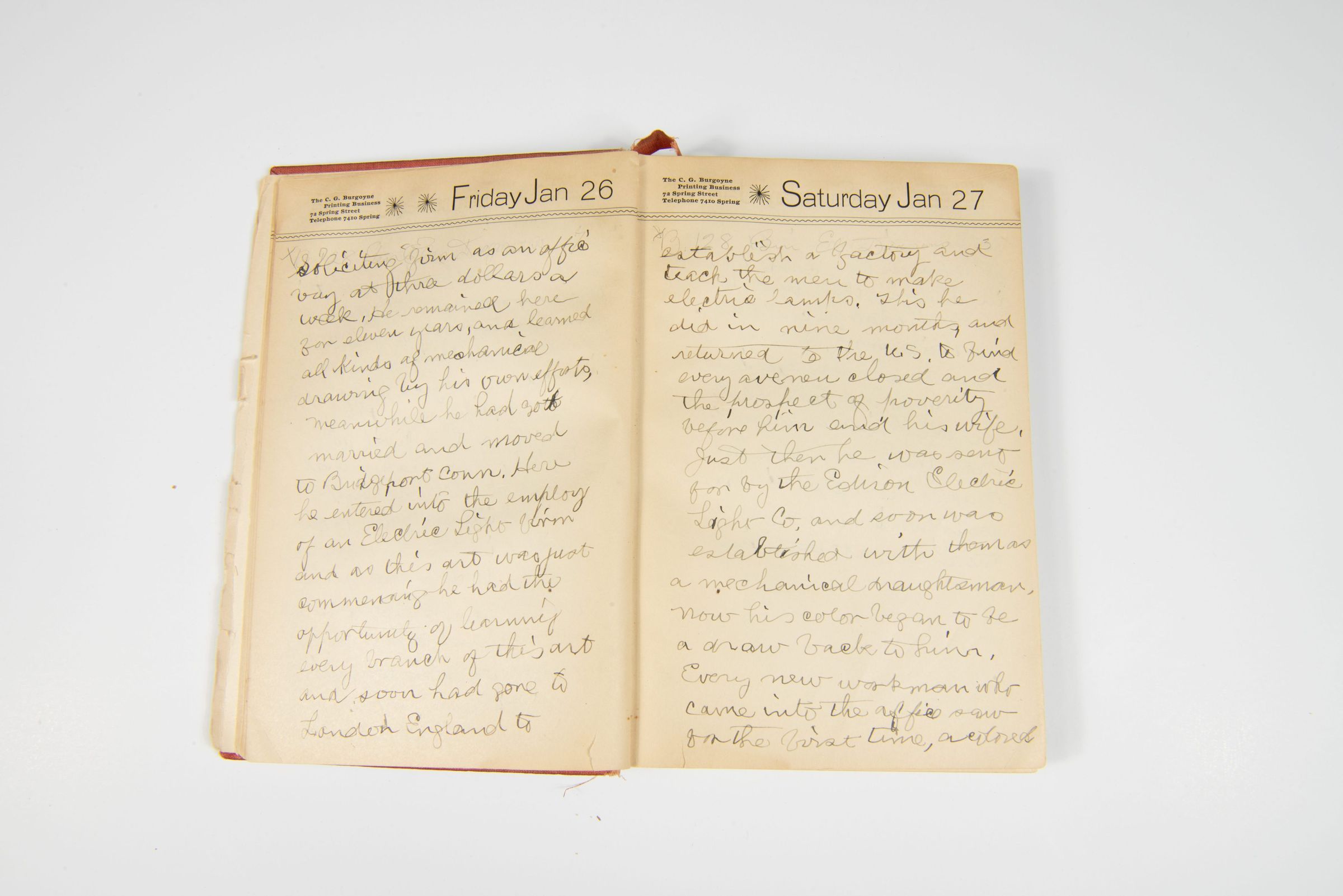
Friday, January 26
Sketching Jim as an officer at home, declared to be someone who knew all kinds of engineering improvements.
His ideas would lead to innovations that would benefit many.
He traveled to pursue opportunities in education and engineering.
Saturday, January 27
Later, as a teacher, he dedicated himself to educating others on their rights and freedoms.
He taught men to find dignity in labor and self-reliance.
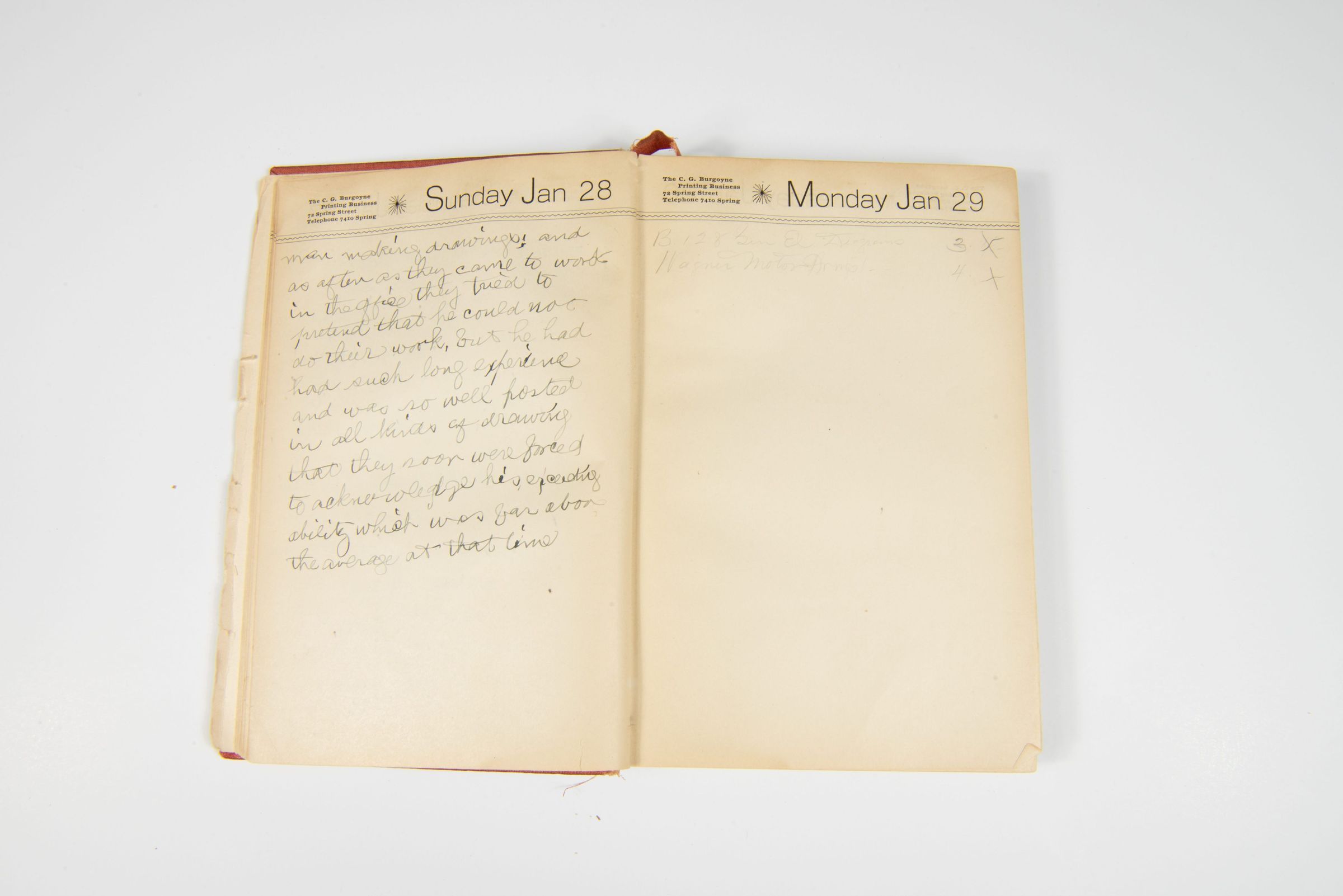
Sunday, January 28
Men making drawings, and as others came to work in trade, they were encouraged to learn skills that would allow them to provide for their families.
It was through perseverance that they were able to build a future free from oppression.
Monday, January 29
(Blank Page with Notes in Margin: “Names Mentioned” and calculations.)