Natural Curiosities from the Cabinet of Albertus Seba
Entry/Object ID
Q2022.23.13
Description
Replica prints from the collection of Albertus Seba
Made/Created
Date made
1734 - 1765
Place
City
Amsterdam, Netherlands
Country
Netherlands
Region
Western Europe
Continent
Europe
Notes
Dates for the originals
Lexicon
Nomenclature 4.0
Nomenclature Secondary Object Term
Replica
Nomenclature Primary Object Term
Print
Nomenclature Primary Object Term
Reproduction
Nomenclature Sub-Class
Graphic Documents
Nomenclature Sub-Class
Other Documents
Nomenclature Class
Documentary Objects
Nomenclature Category
Category 08: Communication Objects
Interpretative Labels
Label
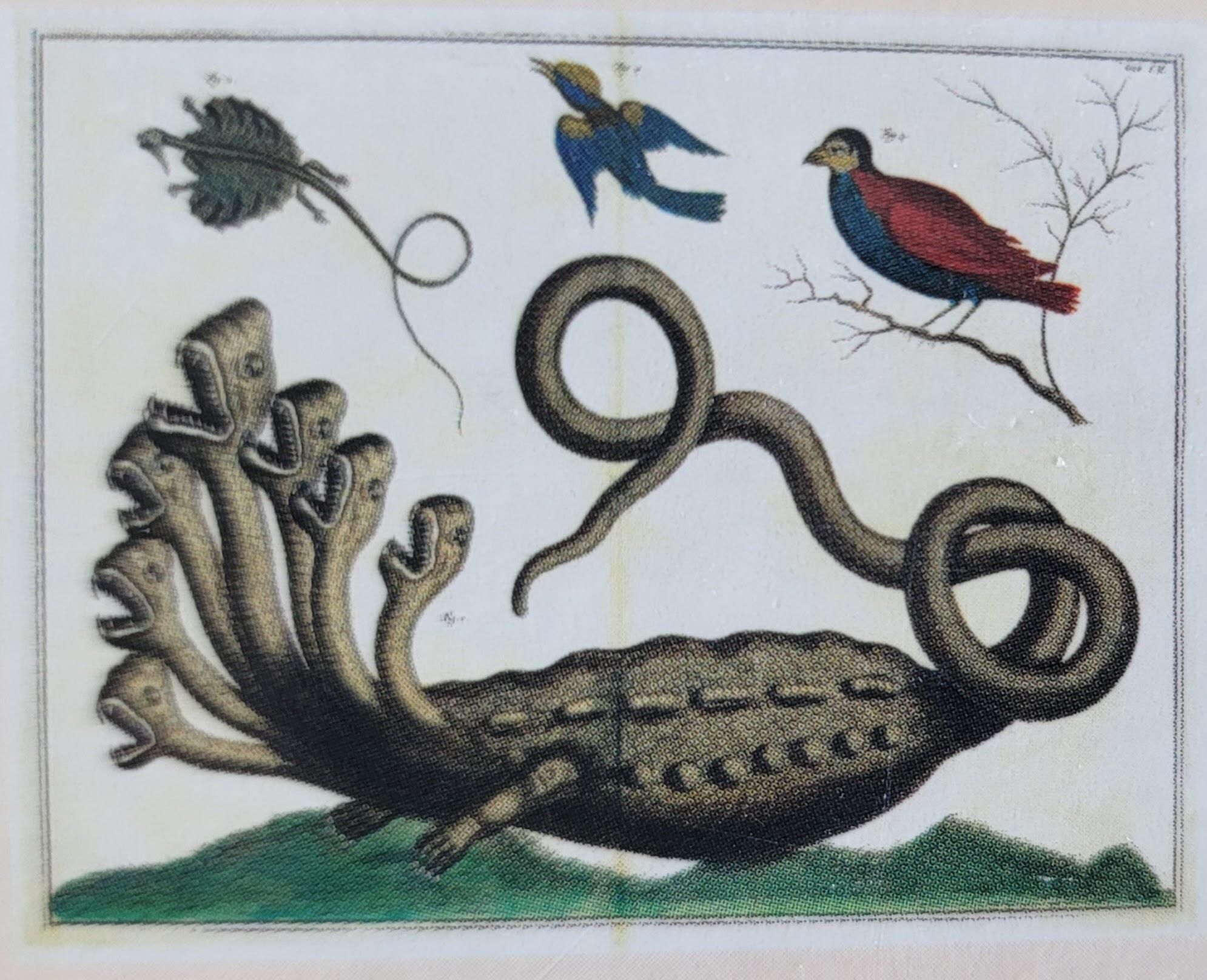
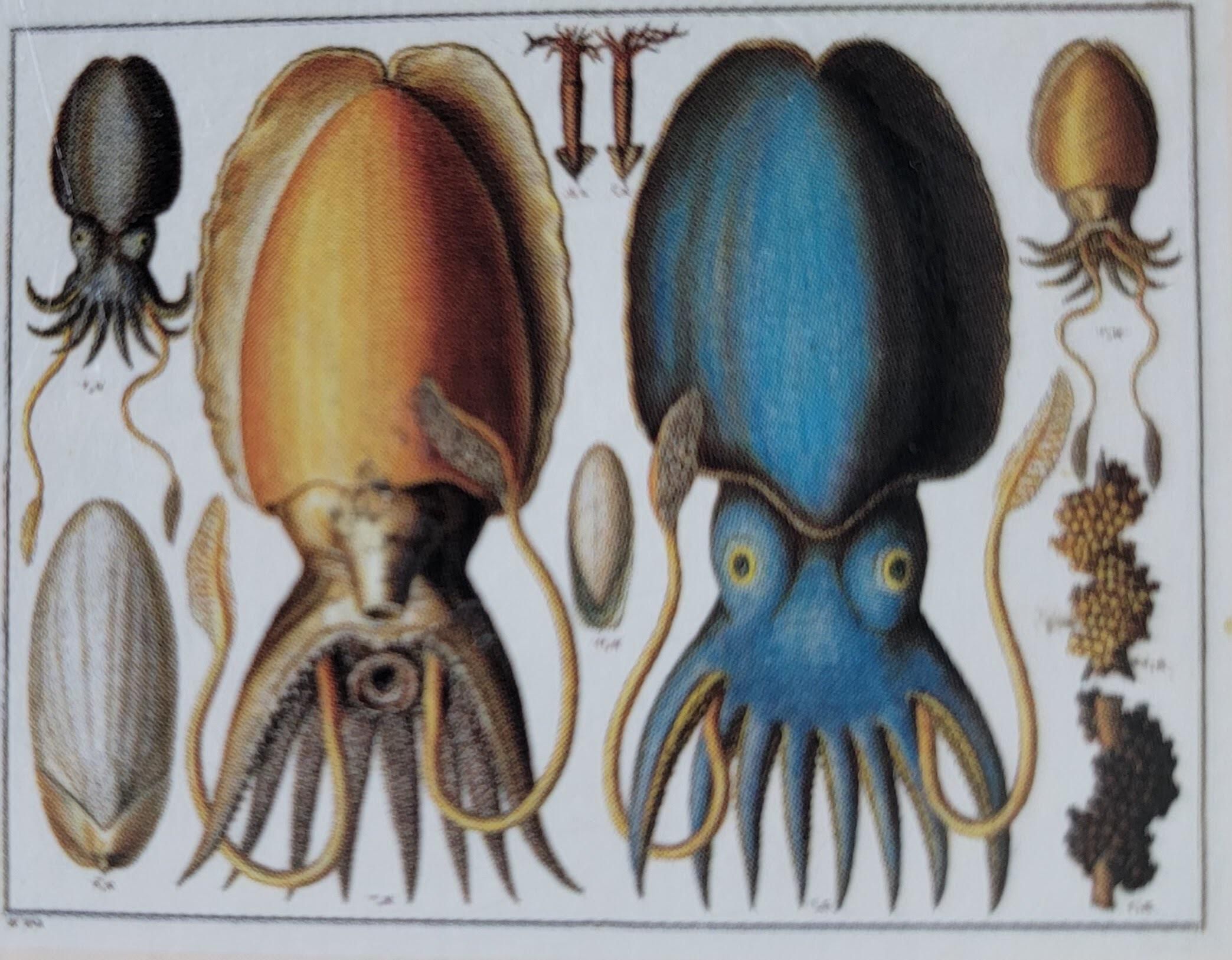
Albertus Seba's "Cabinet of Natural Curiosities” is one of the 18th century's greatest natural history achievements. Though it was common for men of his profession to collect natural specimens for research purposes, Amsterdam-based pharmacist Albertus Seba (1665-1736) had a passion that led him far beyond the call of duty. His amazing, unprecedented collection of animals, plants and insects from all around the world as well as fantastic beasts such as a seven-headed hydra gained international fame during his lifetime. Seba was proud indeed of his collection of natural specimens. In 1731, Seba commissioned artists to make meticulous drawings of these diverse objects from his collection. He went on to publish these drawings, supplemented by a commentary, in a four-volumed set entitled Loccupletissimi Rerum Thesauri Accurata Descriptio. The large and magnificent work, incorporating an impressive total of 446 copperplate engravings, was published between 1734 and 1765, hence in part posthumously. The beautiful illustrations transport the creatures from the scientific world of mere specimens into extremely aesthetic and vivid scenes, where plants and animals intermingle.