Name/Title
BCE 0100 – CE 0200 Elymais. Group Lot of 6 AE Drachms. Various kings (c. 100 BCE – 200 CE). Stylized busts / Aramaic legends and symbolic motifs. Avg. VF.Description
BCE 0100 – CE 0200 Elymais. Group Lot of 6 AE Drachms. Various kings (c. 100 BCE – 200 CE). Stylized busts / Aramaic legends and symbolic motifs. Avg. VF.
Elymais — Various Kings
Bronze Drachms (Group of 6)
Reign Range: circa 100 BCE – 200 CE
Material: Bronze | Shape: Round | Diameter: ~13–17 mm (varied)
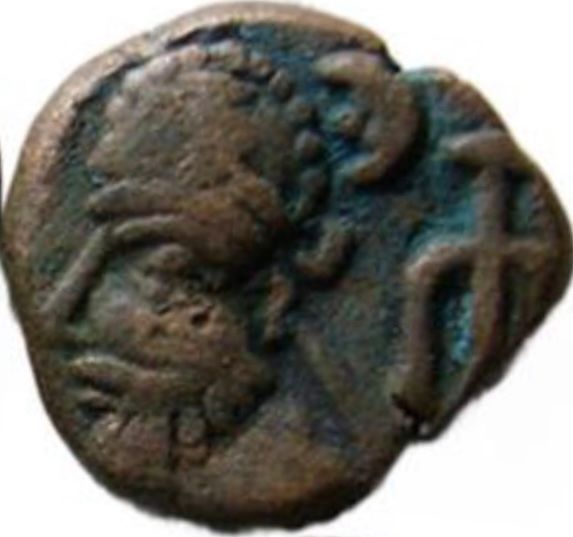
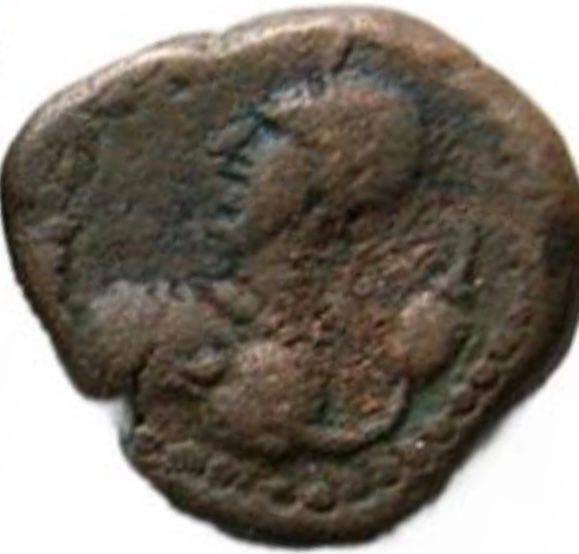
Obverse: Stylized busts of Elymaean kings wearing tiaras or diadems, facing left or right.
Reverse: Aramaic inscriptions and symbolic motifs such as anchors, altars, or linear designs, often enclosed in dotted borders.
⸻
The Kingdom of Elymais was a semi-autonomous state in ancient southwestern Iran, centered in the region of Khūzestān. Though officially under the suzerainty of the Parthian Empire, the Elymaean kings frequently asserted their independence by issuing local coinage bearing their own names and portraits.
This group of six bronze drachms spans over a century of rule and features various unnamed or partially identified kings, such as Orodes II, Kamnaskires-Orodes hybrids, and possibly later autonomous rulers. The coins exhibit strong Parthian stylistic influence, especially in the elongated, often abstract facial features and the royal headdress types. However, the quality of engraving and flan preparation is rough and utilitarian — a hallmark of Elymaean issues that prioritizes political legitimacy over artistic refinement.
The reverses frequently carry Aramaic script, the regional administrative language, and utilize symbolic forms such as anchors (Hellenistic naval heritage), altars (Zoroastrian influence), or minimalist vertical strokes possibly indicating numerical regnal data or royal titles.
These coins represent a resilient cultural and political identity at the frontier of empire. Though their style lacks the sophistication of contemporary Roman or Seleucid issues, they provide key evidence for localized sovereignty, regional religion, and cross-cultural interaction between Iranian, Hellenistic, and Semitic traditions.Create Date
May 20, 2026Update Date
May 25, 2026