Name/Title
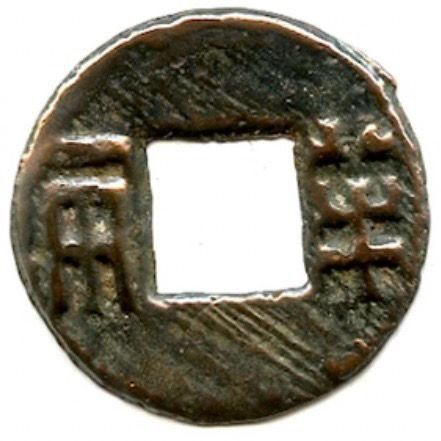
BCE 0175 - 0140 Ban-Liang w/rim and rain-lines right, c.175-140 BC, Han, China (G/F 13.88)Description
Western Han Ban Liang Cash Coin with “Rain Lines,” c. 175–140 BCE
China, Western Han Dynasty (206 BCE–9 CE)
c. 175–140 BCE
Cast bronze Ban Liang coin
Gratzer/Fishman 13.88
Description
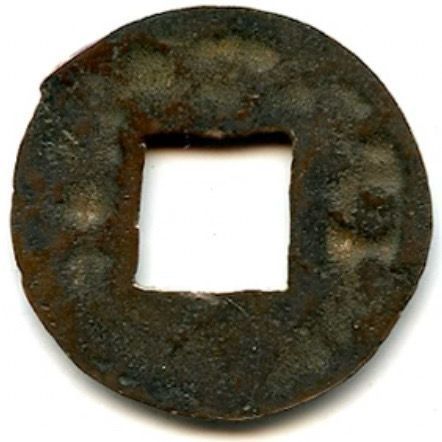
Cast bronze Ban Liang (半兩) coin of the Western Han dynasty, dating to approximately 175–140 BCE. The obverse bears the two-character inscription 半兩 (Ban Liang), with 半 (ban, “half”) at right and 兩 (liang) at left, surrounding a large square central hole. The reverse is uninscribed.
The inscription Ban Liang, literally “half liang,” originated as a statement of the coin’s weight. Ban Liang coinage developed in the pre-imperial state of Qin and became an imperial standard following Qin’s unification of China in 221 BCE. The succeeding Han dynasty continued to issue Ban Liang coins, although their actual weight and physical form changed substantially over time.
By the period represented by this specimen, Ban Liang functioned as a traditional denomination rather than an accurate statement of the coin’s actual weight. Western Han Ban Liang issues of the second century BCE occur in numerous varieties distinguished by differences in calligraphy, rims and additional marks in the fields.
This specimen is attributed to Gratzer/Fishman 13.88, a distinctive variety characterized by an outer rim and groups of diagonal lines conventionally described by numismatists as “rain lines.” On this variety the lines run toward the right; G/F 13.89 describes a corresponding variety with left-running lines. The term “rain lines” describes their visual appearance and should not be taken to imply a securely established symbolic meaning.
Ban Liang coinage occupies an important place in the development of Chinese money. The combination of a round cast bronze body and square central hole established a physical format that, with numerous variations in inscription and denomination, would remain characteristic of Chinese cash coinage for approximately two millennia.
The Western Han dynasty was established by Liu Bang, later Emperor Gaozu, following the collapse of the short-lived Qin empire. During the second century BCE the Han state progressively reorganized and centralized its monetary system. Ban Liang coinage was eventually replaced by the Wu Zhu denomination in 118 BCE, inaugurating another exceptionally long-lived Chinese monetary type.
Obverse: 半兩 (Ban Liang, “half liang”), read right to left around a square central hole. Outer rim and distinctive diagonal “rain lines” in the field, running toward the right.
Reverse: Uninscribed; large square central hole and irregular cast surface.
Condition: Complete and identifiable example with both inscription characters substantially preserved and the diagnostic diagonal “rain lines” clearly visible. Uneven dark brown, blackish and reddish-brown patination with areas of surface encrustation and casting irregularity. Outer circumference somewhat irregular but substantially complete. No active bronze disease apparent from the photographs.
Reference: Gratzer/Fishman 13.88.Create Date
August 13, 2026Update Date
August 13, 2026