Name/Title
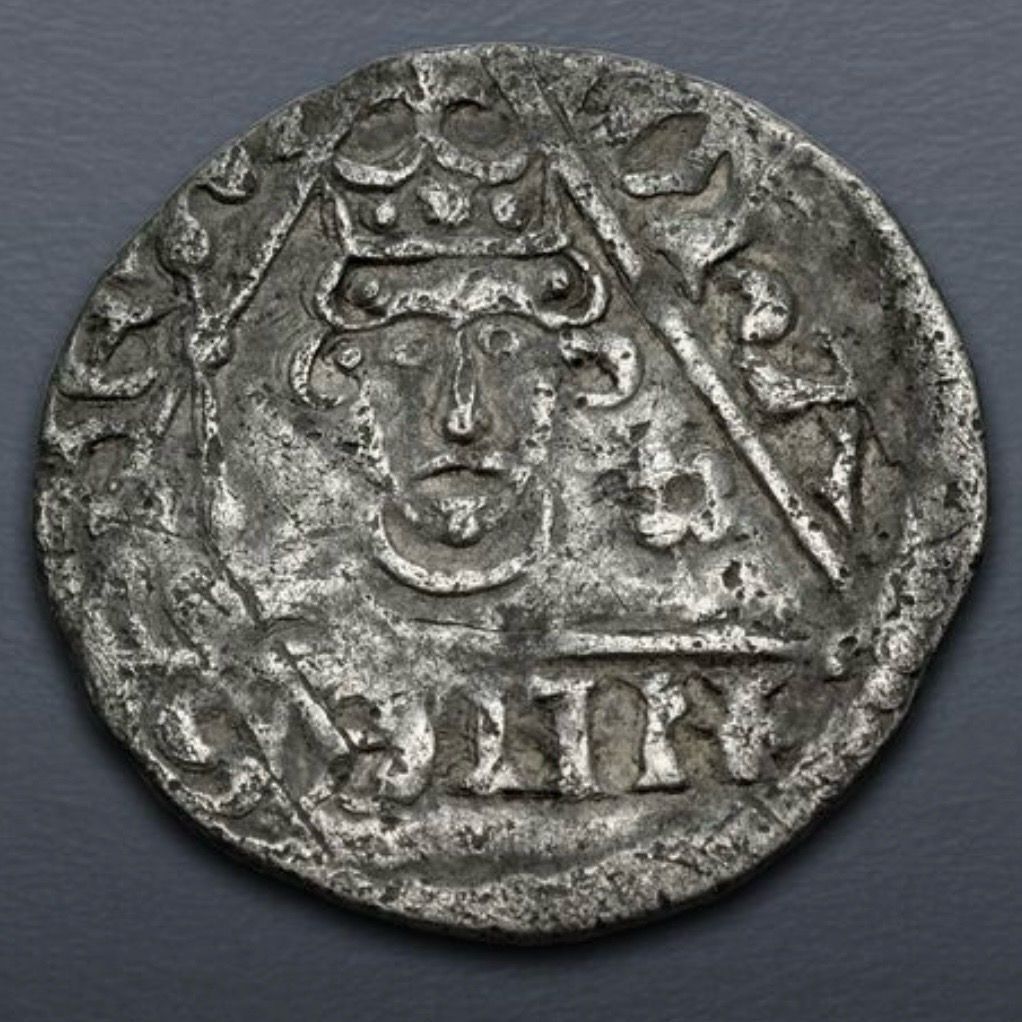
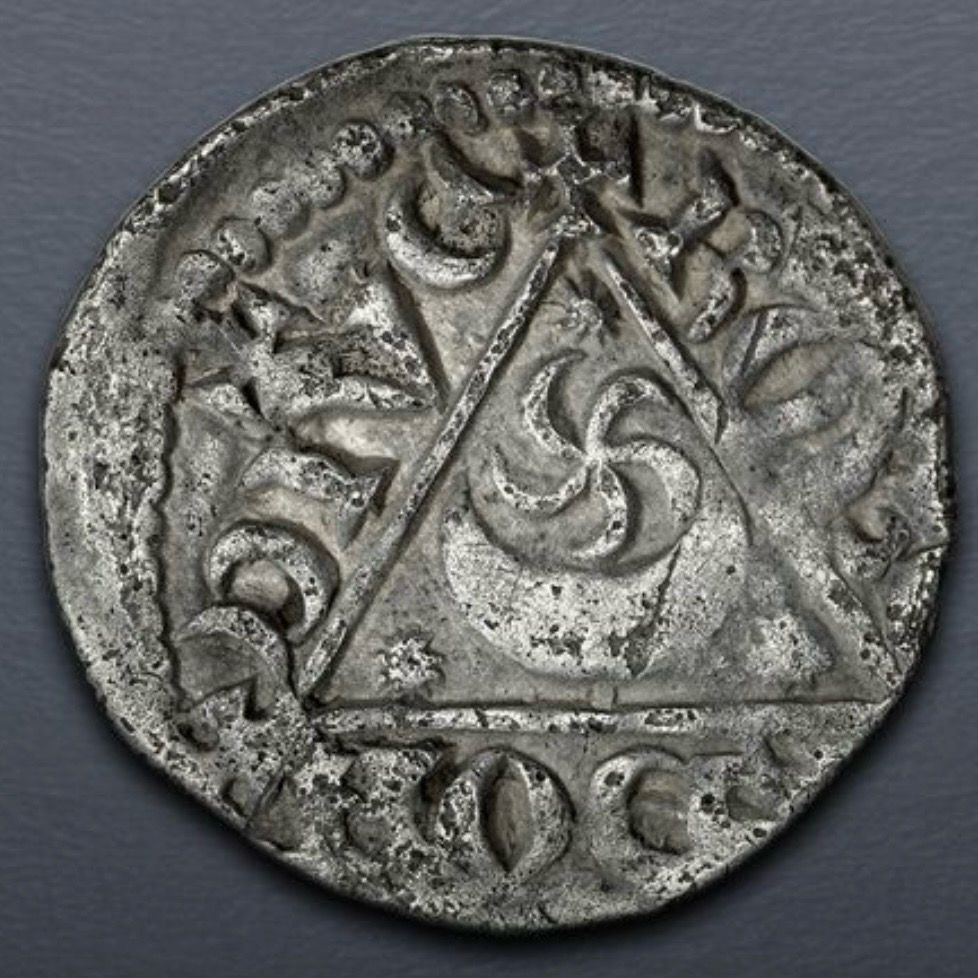
CE 1208/9 - 1211/2 John I (as King of Ireland) - PennyDescription
John (1166–1216), King of England and Lord of Ireland, was the youngest son of Henry II and Eleanor of Aquitaine. Before inheriting the English throne in 1199, John had already been created Lord of Ireland (1177), a title granted to him by his father when he was still a child. Sent to Ireland in 1185 to assert English authority, his first expedition was largely unsuccessful—his arrogance and poor relations with both the Anglo-Norman settlers and the Irish lords undermined his mission. Nonetheless, he retained the lordship and became deeply associated with Ireland’s governance.
After becoming King of England in 1199, John’s authority extended over England, parts of France, and Ireland. In Ireland, he granted extensive lands to his supporters, using the lordship to reward loyalty and expand English influence. His reign there was marked by efforts to tighten control over both Anglo-Norman barons and native Irish chiefs, though with mixed success. Coins minted during his rule as Lord of Ireland, such as the silver penny struck at Dublin between 1208/9 and c. 1211/2, symbolized his sovereignty and the integration of Ireland into the wider Angevin realm. These were among the earliest English royal coins produced in Ireland.
John’s wider reign was troubled by military defeats in France, heavy taxation, conflict with the papacy, and baronial rebellion, culminating in the sealing of Magna Carta (1215) and the outbreak of the First Barons’ War. He died in 1216, leaving the throne to his nine-year-old son, Henry III.
In Irish history, John’s rule is remembered as the beginning of more direct English intervention, laying foundations for centuries of contested authority and colonial entanglement.Create Date
July 30, 2025Update Date
May 25, 2026