Name/Title
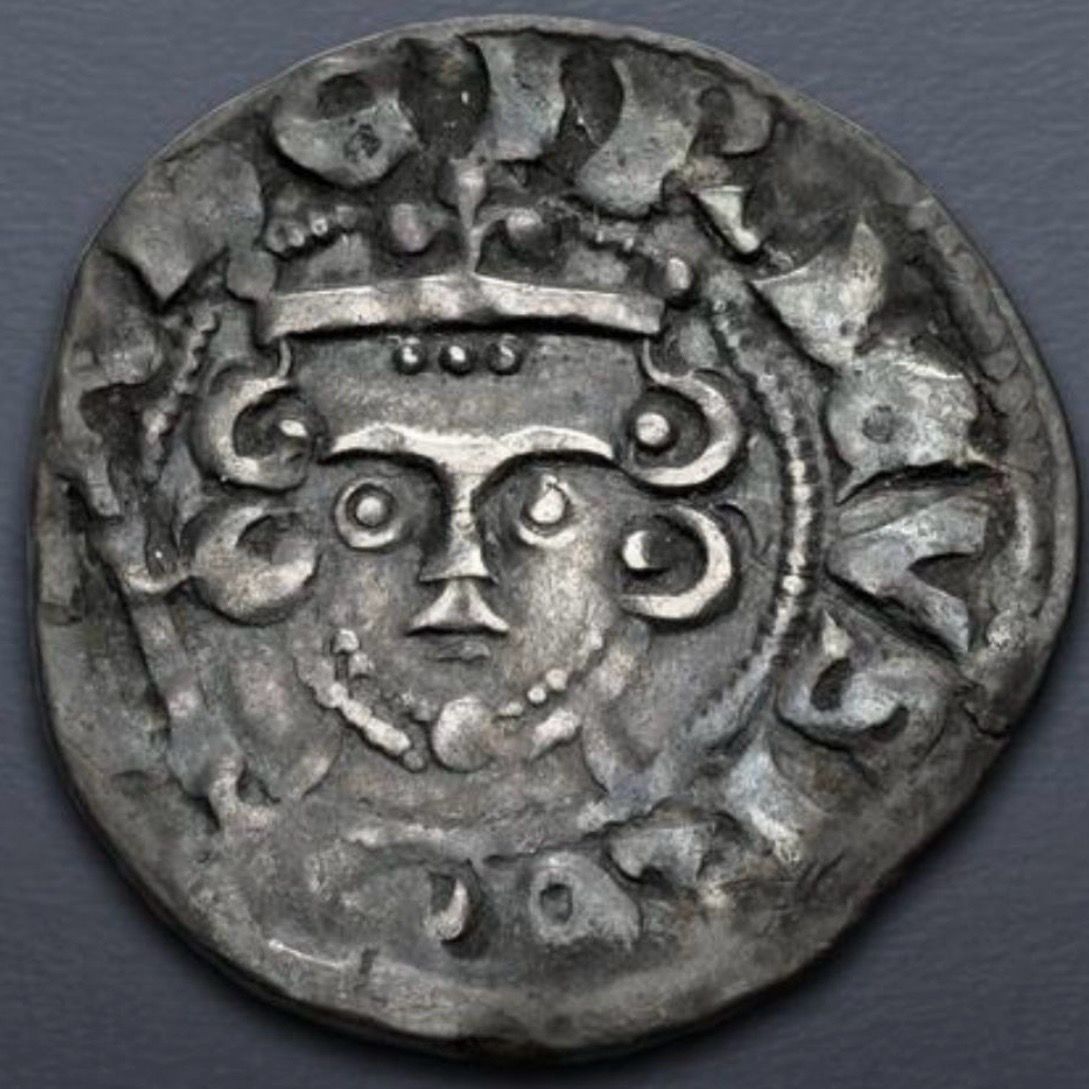
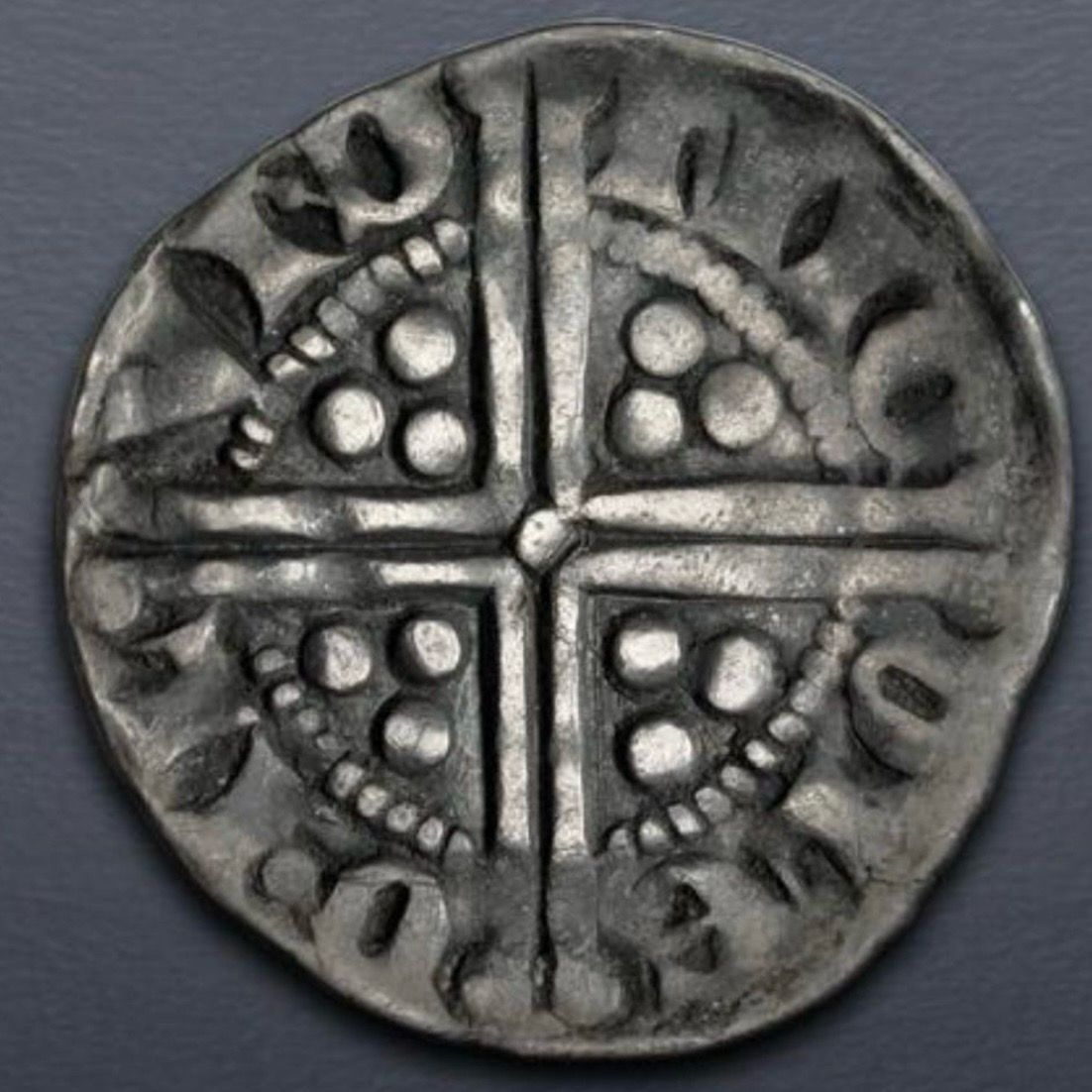
CE 1216 - 1272 Henry III - PennyDescription
1250-1272 Henry III. 1216-1272. AR Penny (18mm, 1.39 g, 4h). Long Cross coinage, class 5a3. London mint; Nicole, moneyer. Struc. VF.
Henry III of England (1207–1272) reigned from 1216 to 1272, one of the longest reigns in English history. He was the son of King John and Isabella of Angoulême, ascending the throne at just nine years old after his father’s death. Because of his youth, England was initially governed by a regency led by William Marshal, Earl of Pembroke, who helped stabilize the realm during the First Barons’ War.
As he matured, Henry sought to reassert royal authority, but his reign was characterized by constant struggles with the English barons over taxation and governance. His lavish spending, reliance on foreign advisers, and attempts to regain lost French territories created resentment among the nobility. Henry was also deeply pious, devoted to the church, and invested heavily in religious architecture—most famously the rebuilding of Westminster Abbey in the Gothic style.
Conflict came to a head with the Second Barons’ War (1264–1267), led by Simon de Montfort, who briefly seized power and established what is sometimes considered the first English parliament with commoner representation. Though Henry’s forces eventually defeated de Montfort, the struggle revealed the limits of royal power and the growing demand for broader political participation.
Henry III died in 1272, succeeded by his son Edward I. His reign is remembered as one of both turbulence and transition, laying groundwork for the constitutional developments that would shape England’s monarchy and parliament in the centuries to come.Create Date
July 30, 2025Update Date
May 25, 2026