Name/Title
CE 1860 - 1869 Man’en 2 Shu Nishukin Japan, Edo (Tokyo)Description
Man’en 2 Shu (二朱) — Nishukin
Japan, Edo (Tokyo), 1860–1869
Late Edo–early Meiji period
Gold-silver alloy (22.9% gold, 77.1% silver)
Approx. 0.75 g; 11.8 × 6.8 mm
JNDA 09-44; Craig 18a; Hartill 8.51
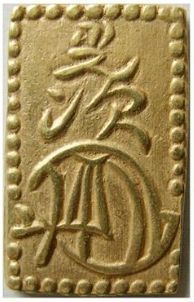
This small rectangular coin is a 2 shu (nishu), equivalent to one-eighth of a ryō, issued beginning in the Man’en era during the final years of the Tokugawa shogunate. The denomination side bears the paulownia (kiri) crest above 二朱, meaning “two shu.” The opposite side bears 光次 (Mitsutsugu), the hereditary signature associated with Gotō Shōzaburō, whose family supervised the production of shogunal gold coinage.
Despite its golden appearance, the coin contains only about 22.9% gold, with approximately 77.1% silver. Its declining gold content reflects the monetary pressures facing Japan during the final years of the Tokugawa monetary system.
Issued from 1860 through 1869, the type spans an extraordinary period in Japanese history: the opening of Japan to foreign commerce, the collapse of the Tokugawa shogunate in 1867–1868, and the beginning of the Meiji era. The traditional ryō-based monetary system was subsequently replaced by the modern yen.Create Date
July 30, 2025Update Date
September 6, 2026