Name/Title
CE 0496 - 0523 — Vandal Kingdom, Thrasamund — Bronze Nummus with Victory, CarthageDescription
Vandal Kingdom of North Africa
Thrasamund (r. 496–523 CE)
Nummus (AE4)
Carthage, c. 496–523 CE
Bronze
9 mm; 0.77 g
MEC I 19–20; cf. BMC Vandals 32–36
This small bronze coin was struck at Carthage during the reign of Thrasamund, king of the Vandals and Alans from 496 to 523. It belongs to a series of very small bronze denominations produced for everyday transactions in Vandal-controlled North Africa.
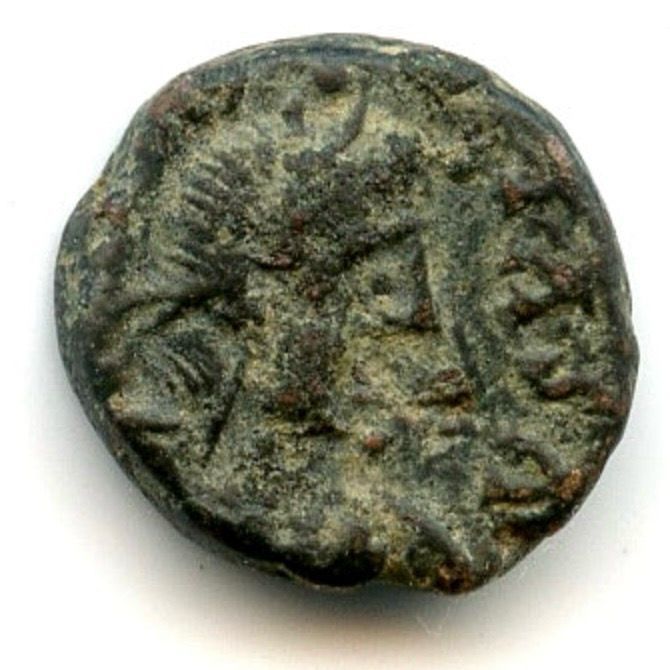
The obverse depicts a pearl-diademed, draped and cuirassed male bust facing right. The surrounding inscription has become largely illegible or schematic. This was characteristic of some small Vandal bronze issues, which retained the visual conventions of late Roman imperial coinage while reducing or corrupting the accompanying legends.
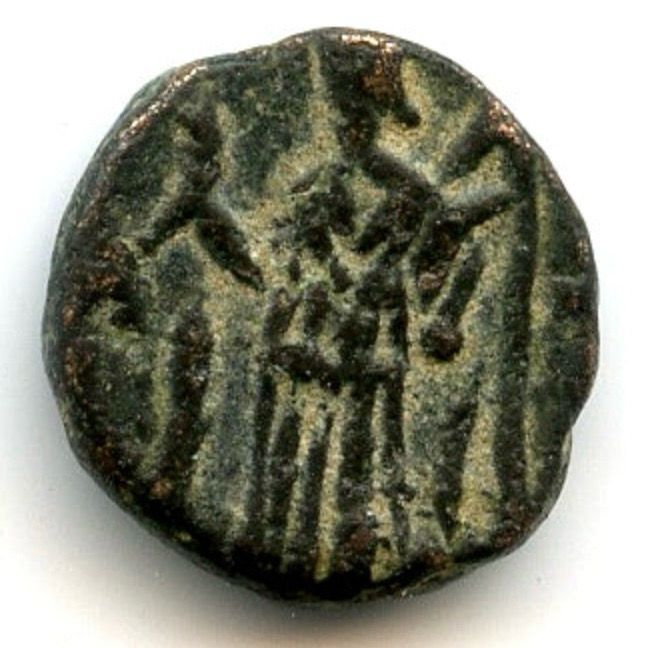
The reverse depicts Victory advancing left and holding a wreath. Victory was one of the most persistent personifications on Roman coinage, and the Vandals continued to employ the image after establishing an independent kingdom in former Roman territory. Published Thrasamund nummi with this design are classified as MEC I 19–20 and BMC Vandals 32–36.
The coin therefore illustrates considerable continuity between late Roman and Vandal monetary culture. The Vandals did not replace the existing monetary vocabulary with an entirely new visual system. Their coinage retained Roman denominations, imperial-style portraits, Latin inscriptions, Christian symbols, and familiar personifications while adapting them to the political circumstances of Vandal Africa. Archaeological and numismatic research identifies Victory nummi in Thrasamund’s name as particularly well represented among Vandal bronze finds.
Thrasamund was the fourth major ruler of the Vandal kingdom established in North Africa after the Vandal capture of Carthage in 439. By his reign, Vandal rule in Africa had existed for more than half a century. The kingdom retained much of the administrative and economic infrastructure of Roman North Africa while operating as an independent post-Roman state. Thrasamund ruled until 523 and was succeeded by Hilderic; the kingdom itself survived until the Byzantine reconquest under Justinian in 533–534.
At only 9 mm in diameter and 0.77 g, this coin is exceptionally small compared with earlier Roman bronze denominations. Its size reflects the proliferation of tiny bronze nummi in the monetary economy of the fifth and sixth centuries.Create Date
September 16, 2026Update Date
September 16, 2026