Name/Title
Vesiculovaginal fistula setDescription
Having a vesiculovaginal fistula was one of the most devastating conditions one could imagine. Labor often lasted for many hours causing pressure in the peritoneum which resulted in tissue ischemia and a fistula to develop between the vagina and the bladder. The new mother had to deal with uncontrolled urination so as a result she was isolated from others.
It wasn't until J. Marion Sims discovered a surgical treatment so that these women could rejoin society. However that new technique came with a controversy that remains discussed today and active in the history of medicine. Sims refined and practiced his technique on slaves.
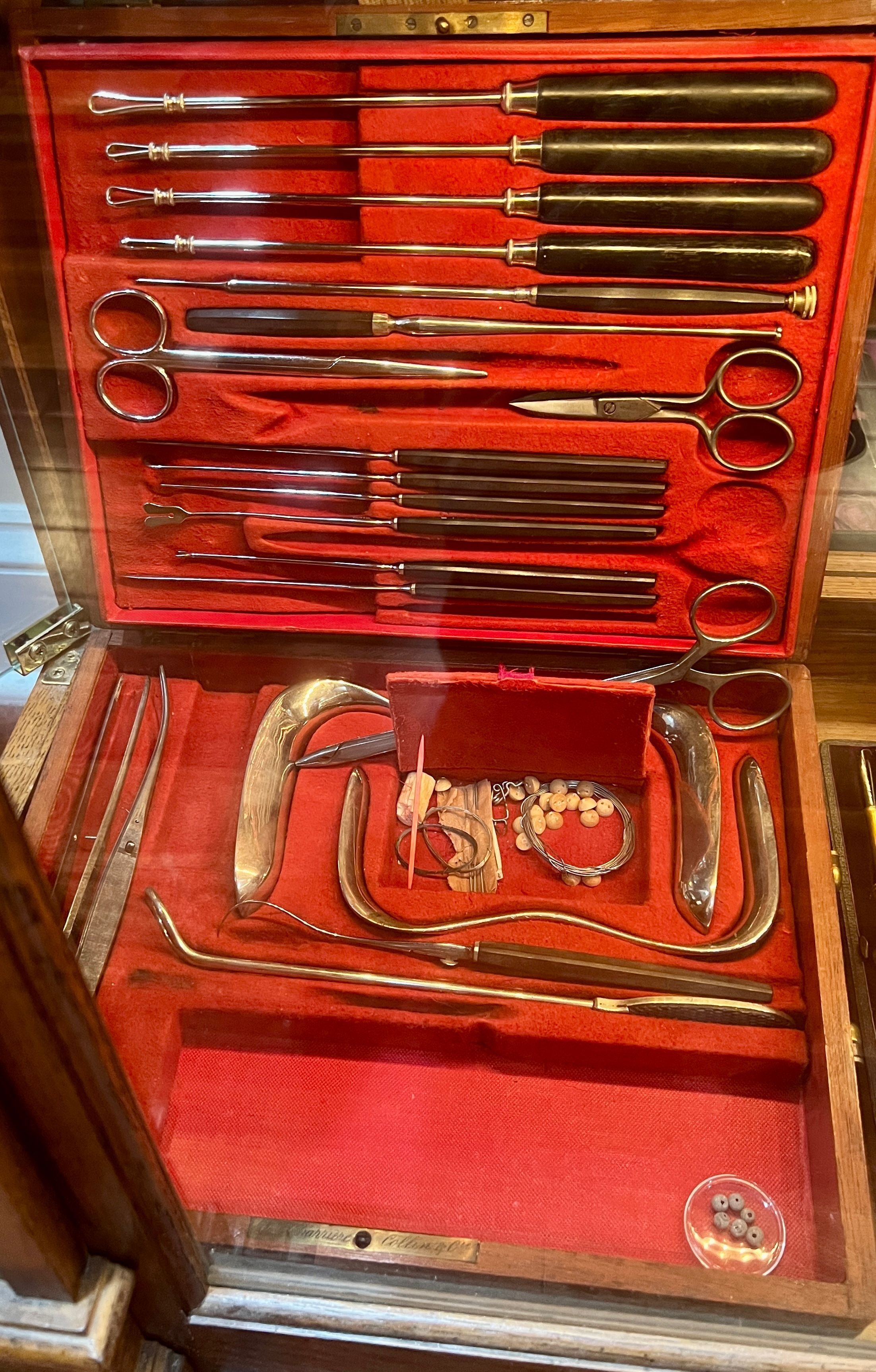
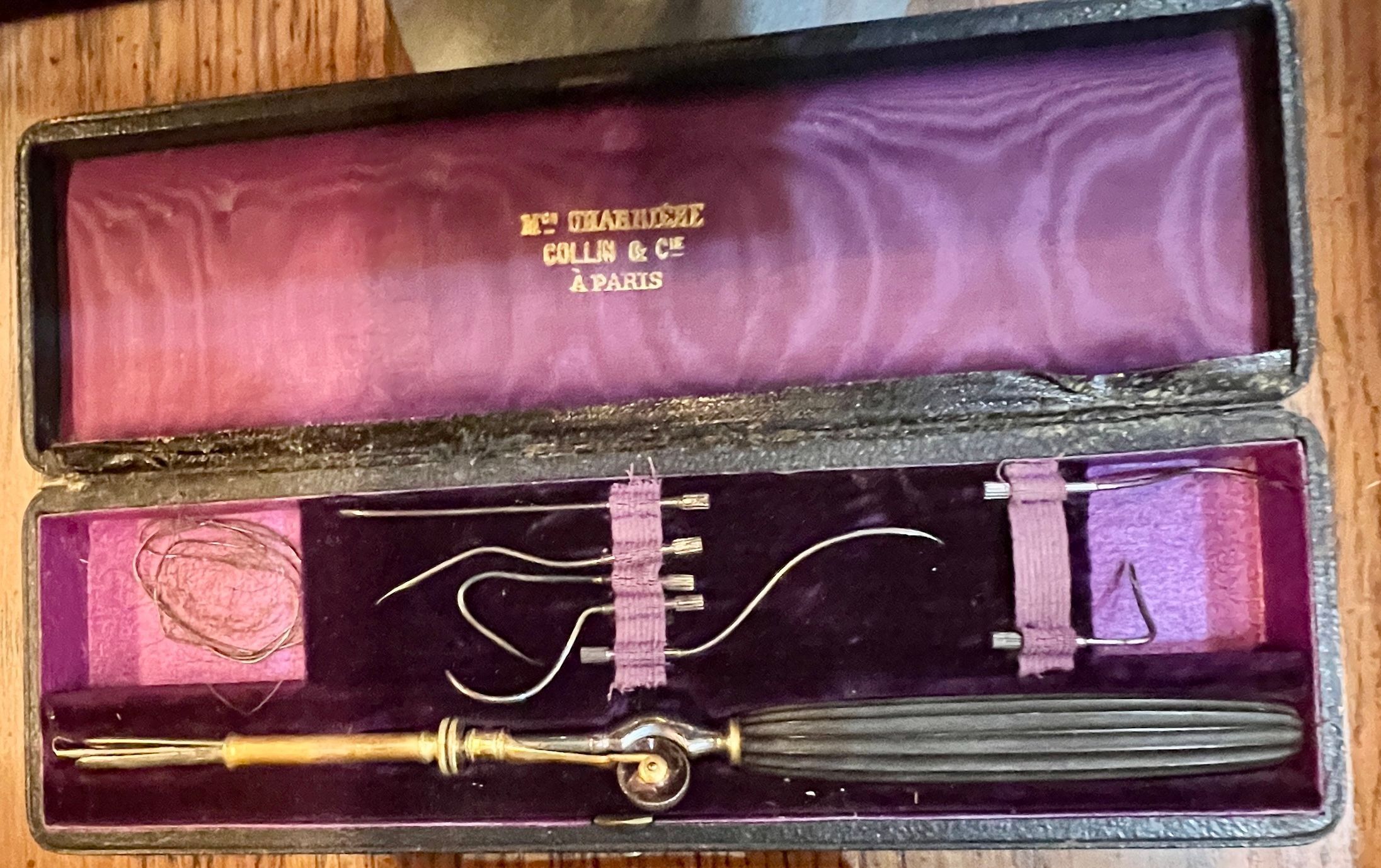
This is a very rare compete 19th century cased vesicovaginal surgical set by Charriere. It contains a vaginal speculum that is named after Sims and below is a staphylorraphy instrument used for suturing those fistulas that is a part of the cased set.
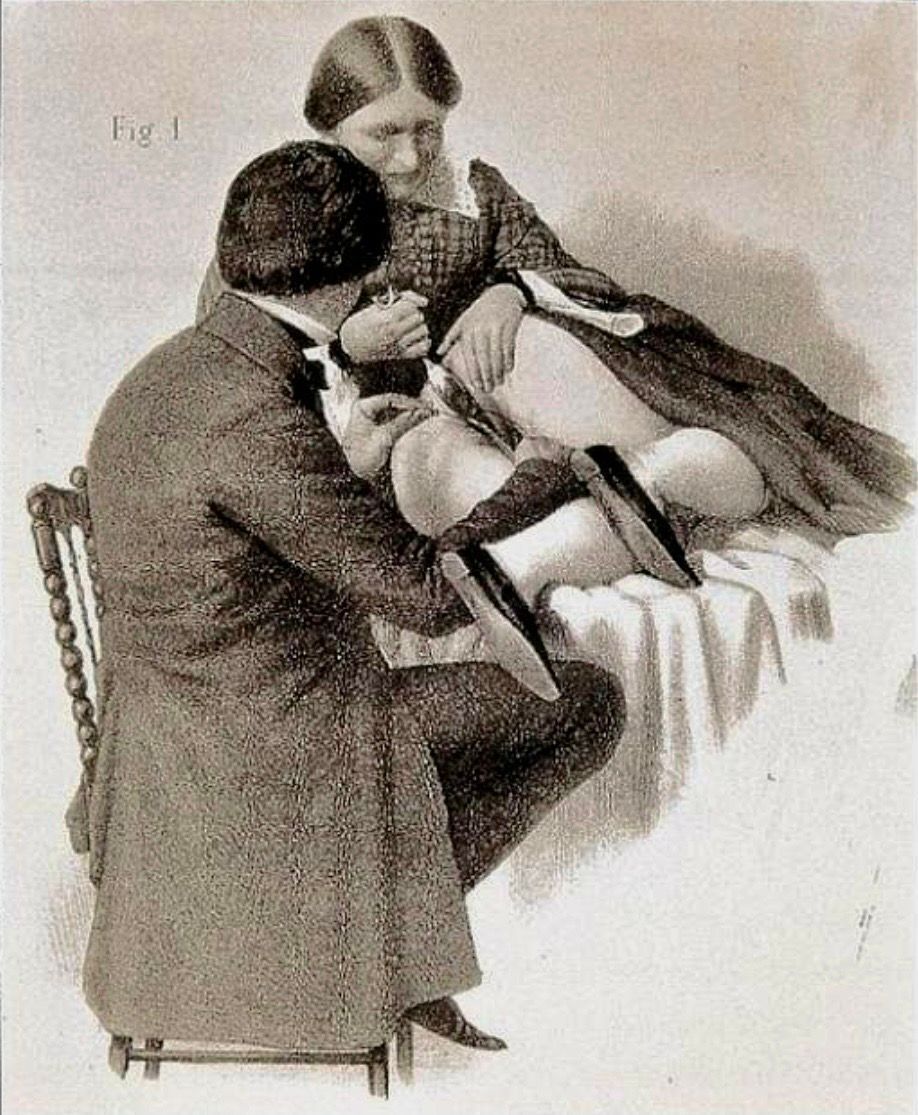
The image of the Sims speculum in use is from "The surgery, surgical pathology, and surgical anatomy of the female pelvic organs" by Henry Savage (1882)
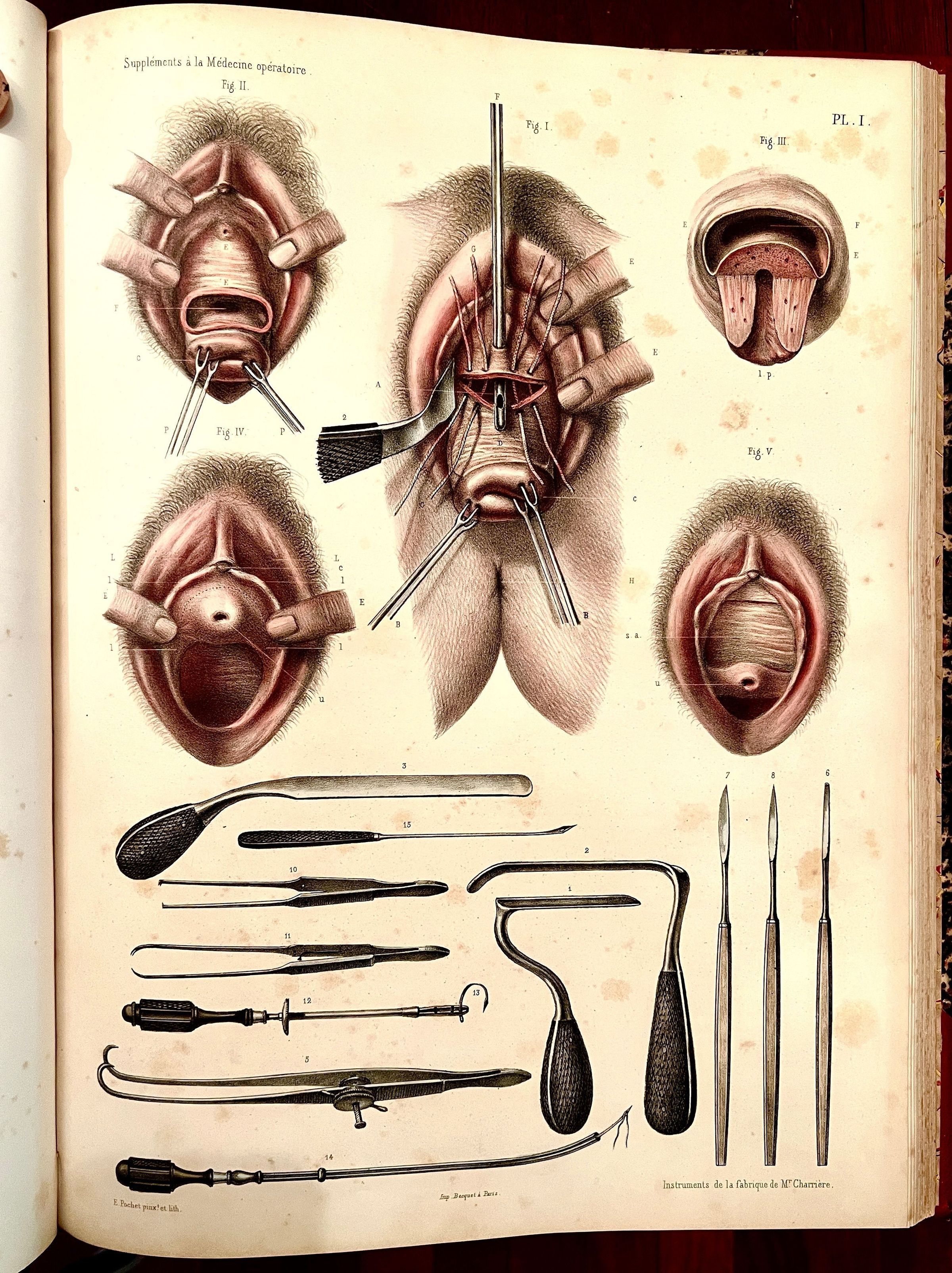
An illustration of a 19th century repair of a V/V fistula is from “Traité complet d’anatomie de l’homme" 2nd ed. (1866–1871) by J.M. Bourgery, Claude Bernard, and N.H. Jacob.Create Date
August 12, 2026Update Date
August 23, 2026