Name/Title
AesculapiusDescription
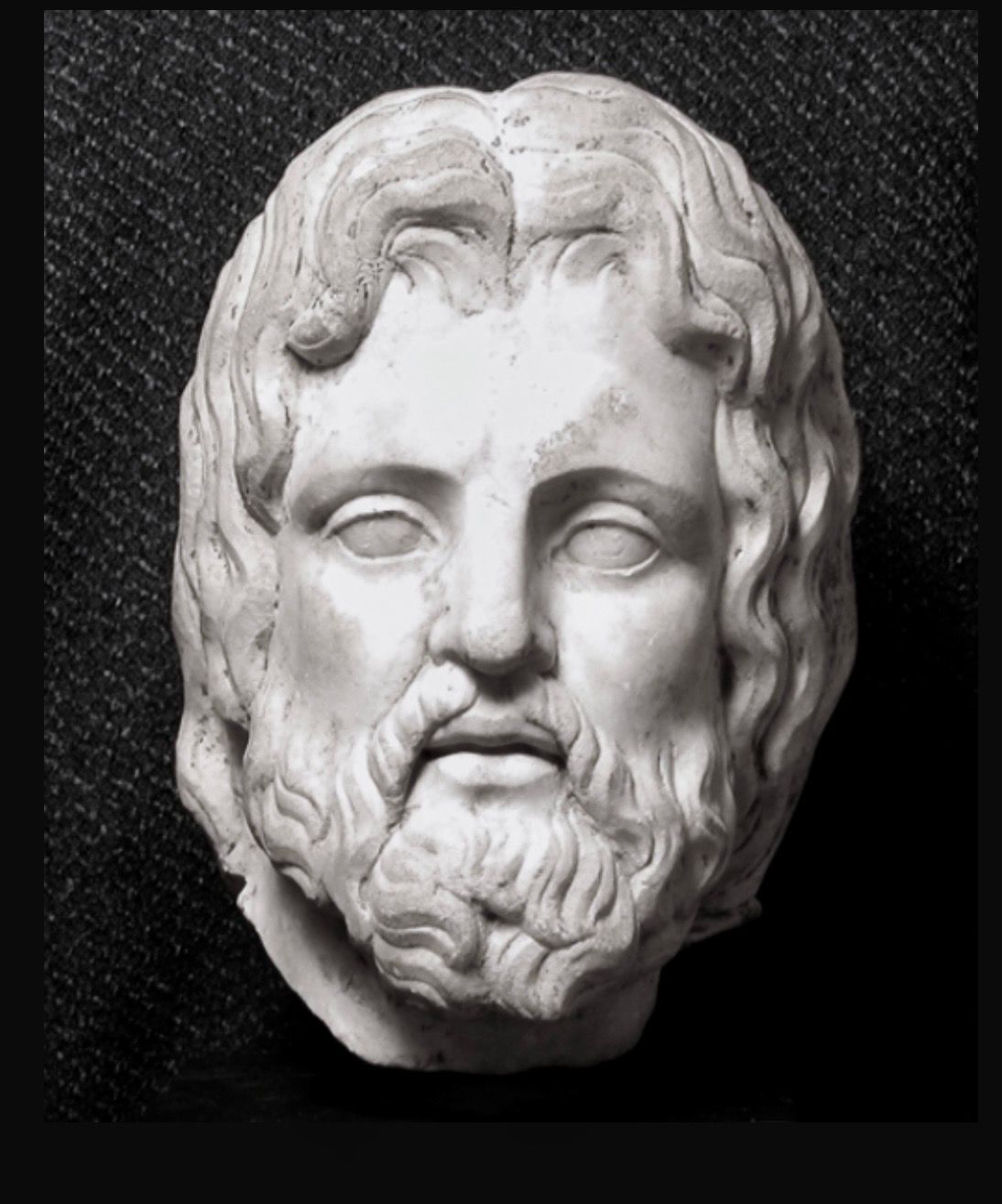
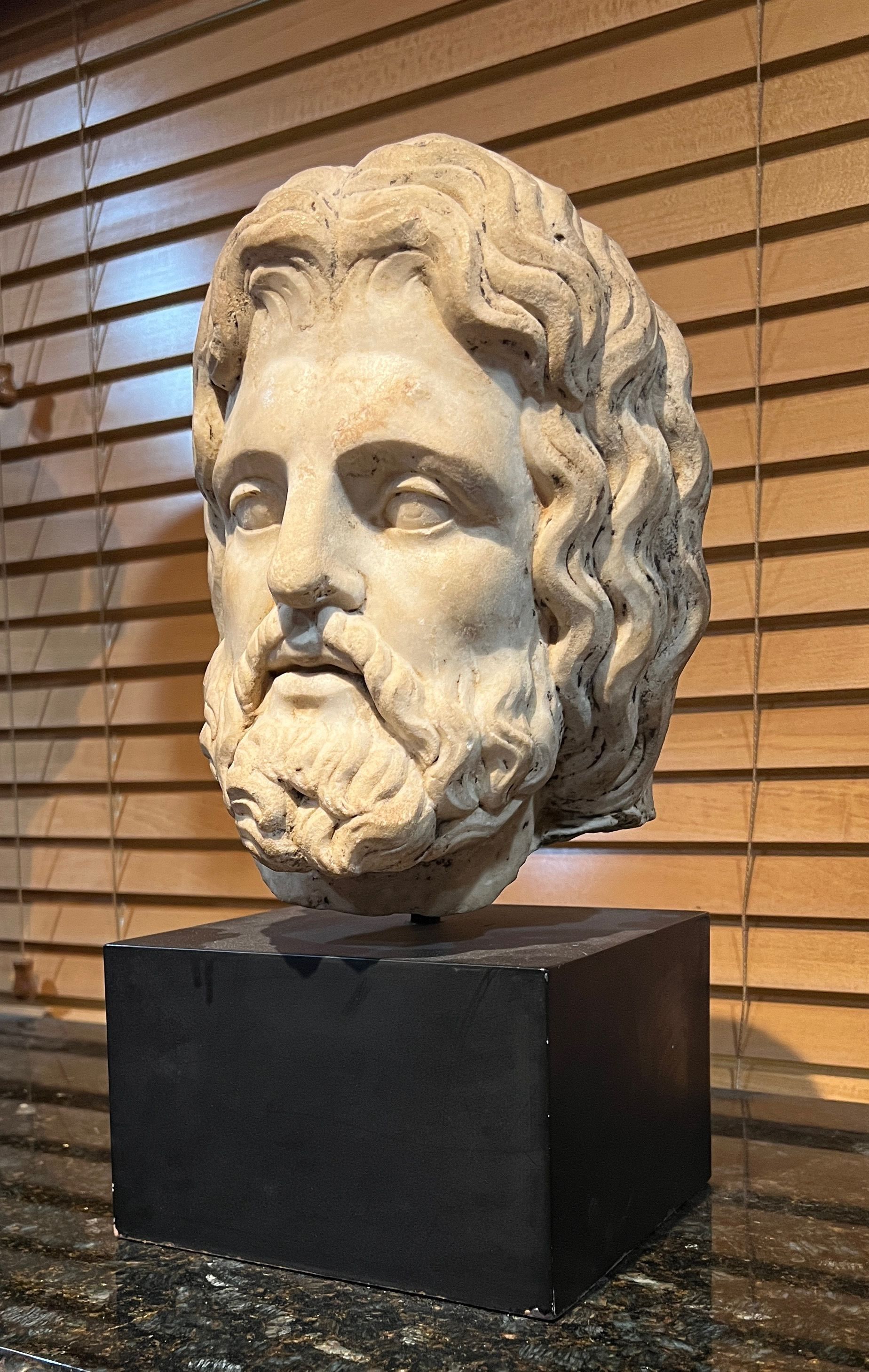
2nd century Roman bust of Aesculapius.
Asklepios (Greek spelling) was first mentioned in Greek literature in Homer’s Iliad as the father of two physicians, Machaon and Podalirius, both of whom served in the siege of Troy in about 1180 B.C. As the stories of his great medical prowess grew, Asklepios’ legend took on religious connotations. He was eventually thought of as a halfgod since his father was the Greek god Apollo and his mother was Coronis, princess of Thessaly. The Romans subsequently adopted Aesculapius as their god of medicine. For nearly one thousand years (500 B.C.-500 A.D.), those seeking medical treatment traveled to any of about two hundred Greek Temples of Asklepios to take part in a healing ritual called incubation. The temples, or Asclepieia, were sprawling complexes comprised of a central structure devoted to worship and healing surrounded by baths, gymnasiums, and perhaps a theater.Artwork Details
Medium
MarbleSubject
Roman God of MedicineDimensions
Height
10 inWidth
8 inDepth
8 inCondition
Overall Condition
Very GoodDate Examined
Jun 27, 2026Provenance
Notes
Royal Athena GalleriesCreate Date
June 27, 2026Update Date
September 5, 2026