Name/Title
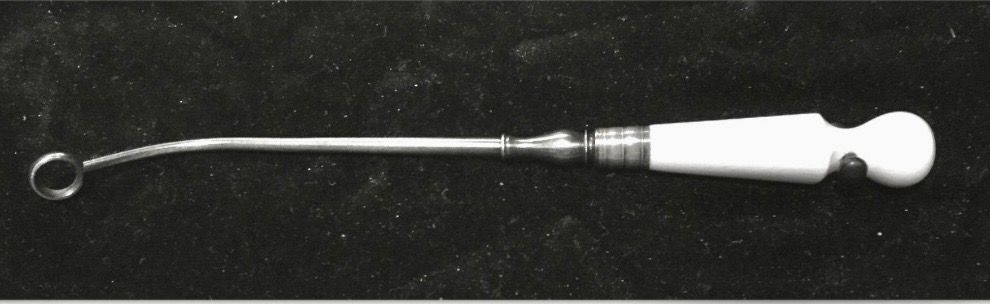
Hunter polyp extractorDescription
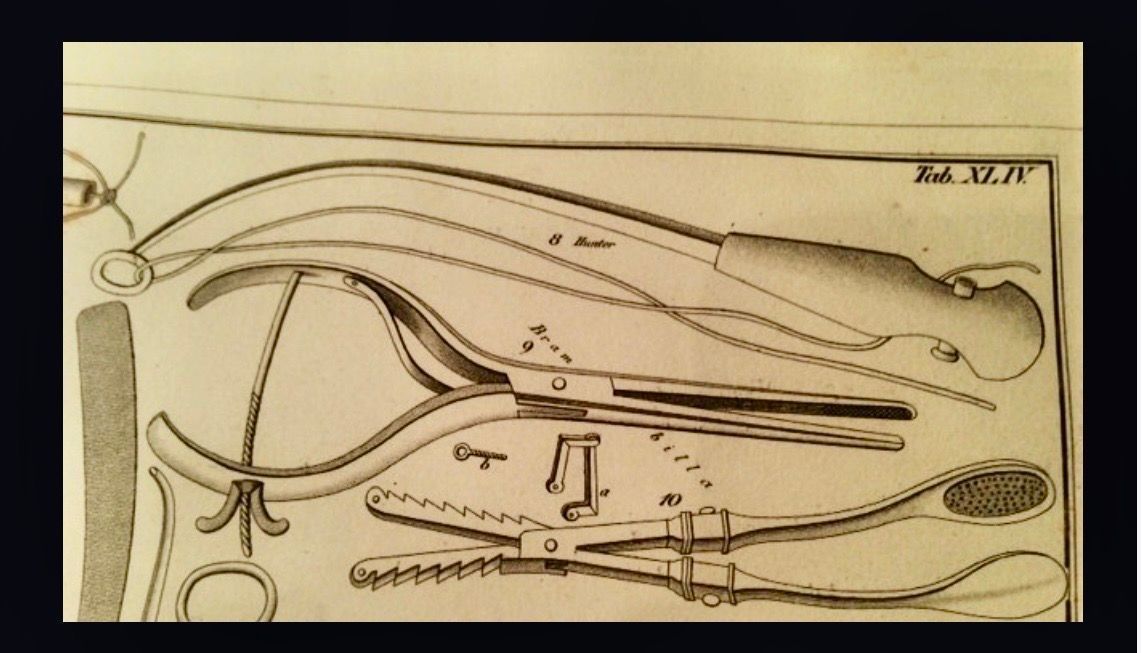
This instrument was invented late in the 18th century by the important anatomist Dr. William Hunter. Below is an illustration from Volume IV of Benjamin Bell’s “System of Surgery” (1804) of Hunter’s polypus loop that was used for the removal of uterine polyps and for the repair of aneurysms. William housed his instrument in his brother John’s museum.
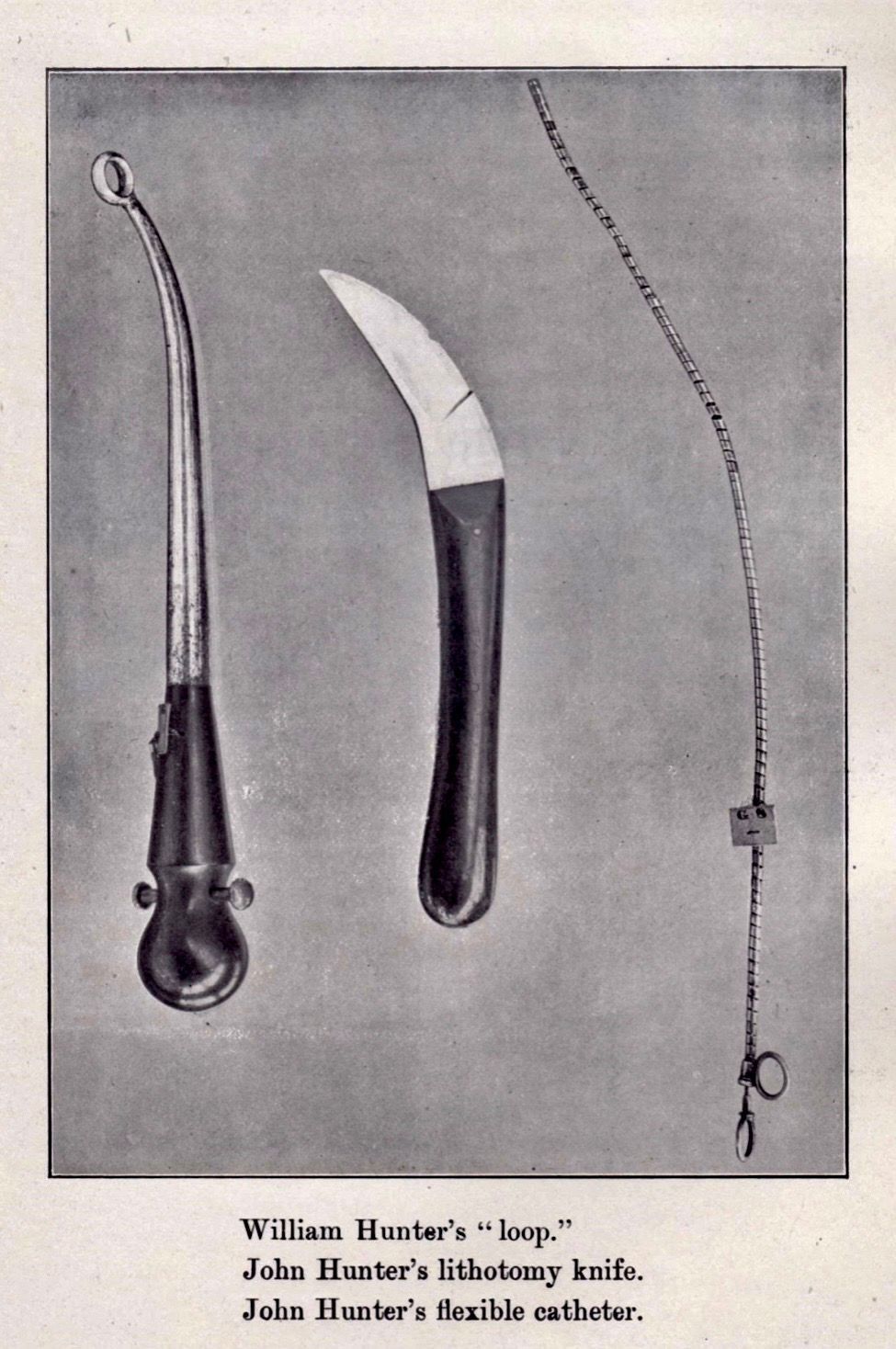
Unfortunately that entire collection of instruments was destroyed during a WWII bombing when it was tragically and mistakenly "moved to safety." The remainder Dr. John Hunter’c collection is now located at the Hunterian Museum in London with this the only remaining example of an instrument designed by his brother William.
You can see an illustration of Hunter’s polypus loop along with other instruments lost during the 1941 WWII bombing in Thompson's "Guide to the surgical instruments. Museum, Royal College of Surgeons, England." (1929)
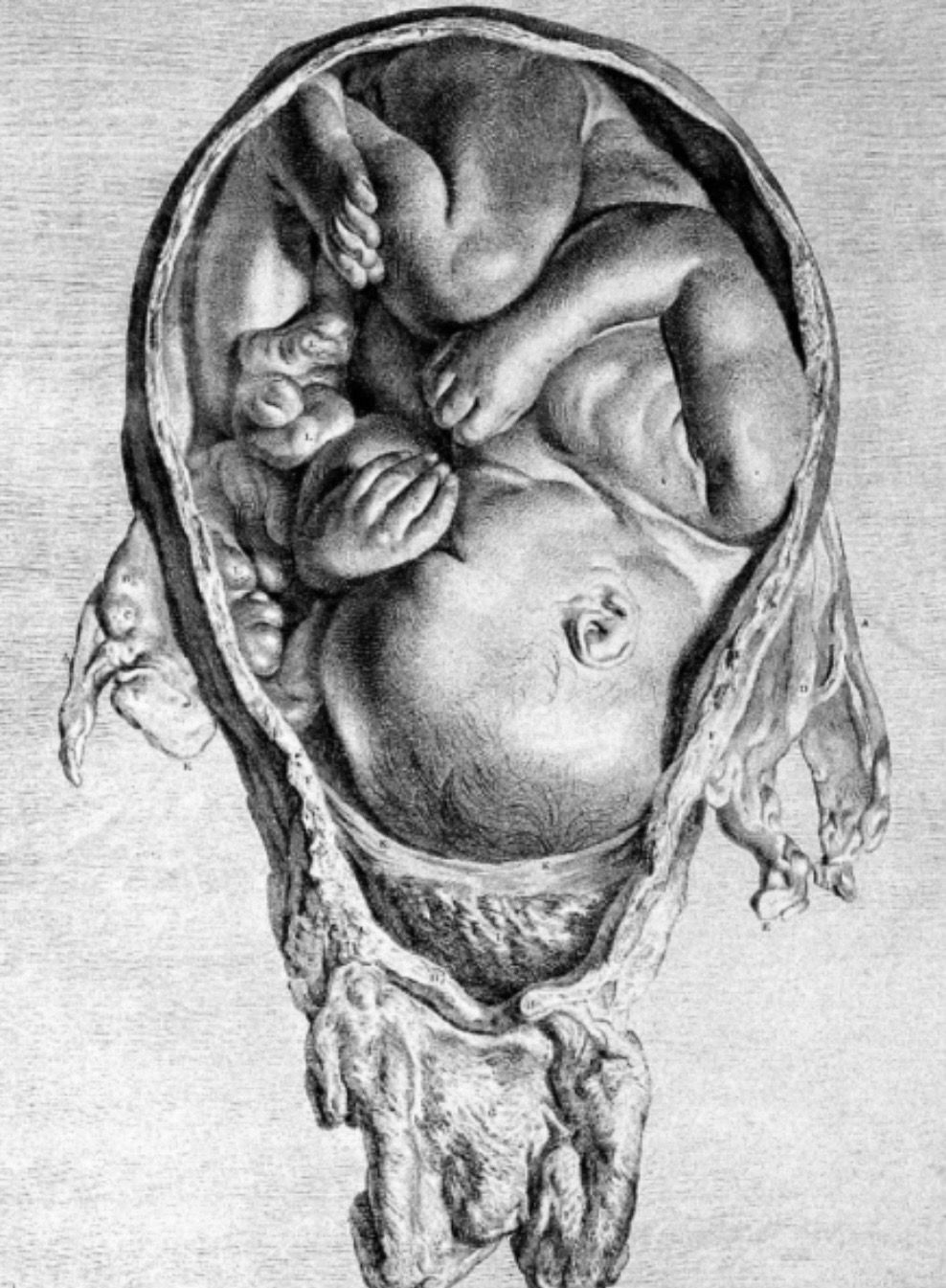
Below is William Hunter's famous image of a gravid uterus from his "Anatomia Uteri Humani Gravidi" (1774).
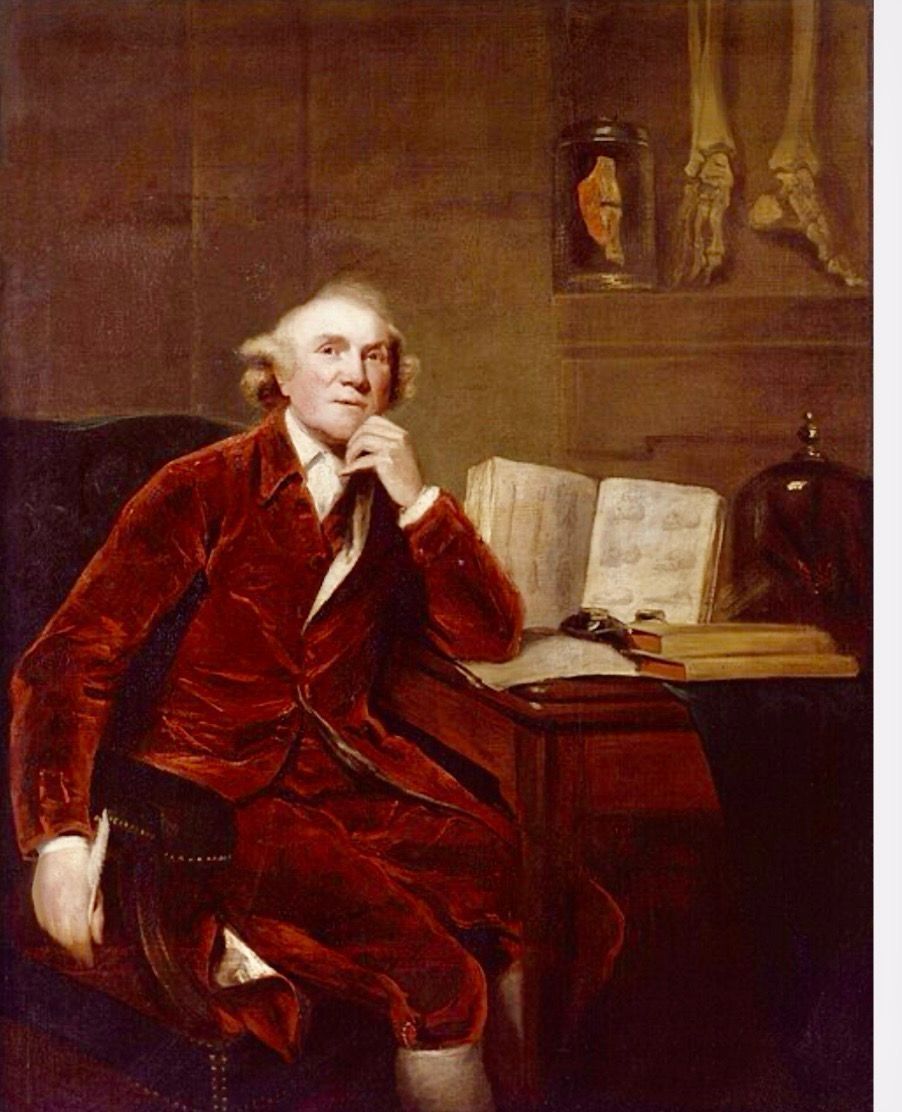
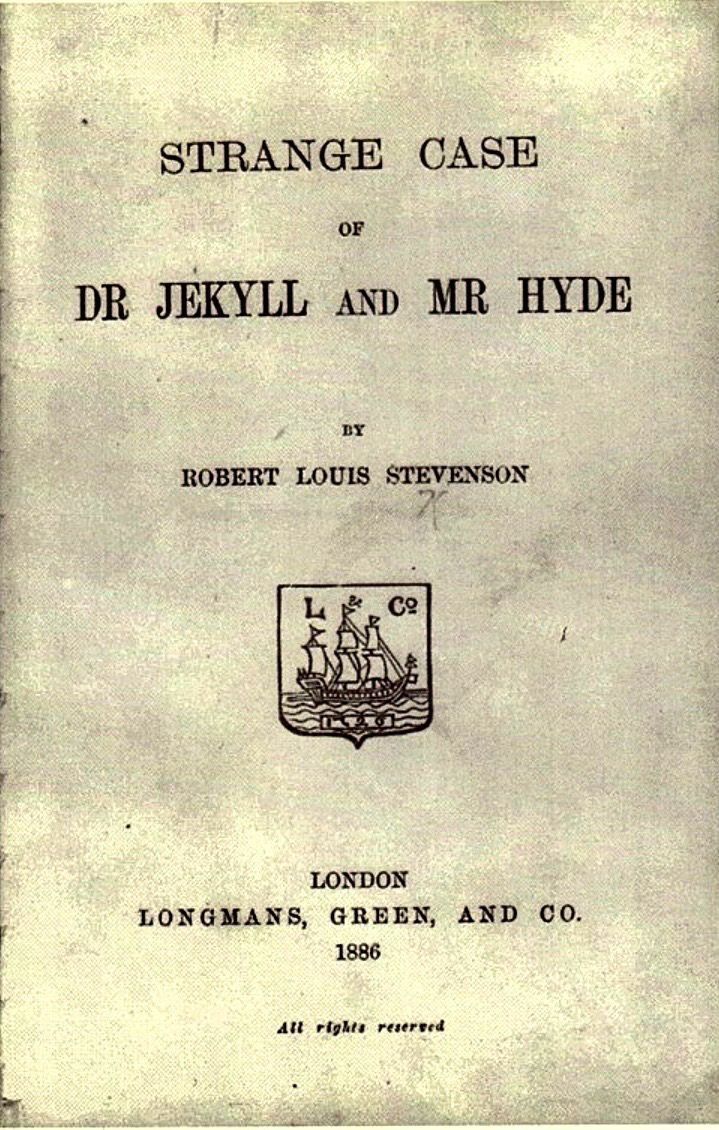
To the right of that is John Jackson’s famous 1813 portrait of Dr. John Hunter. His house was divided into two parts, one for seeing his private patients and the other to conduct medical experimentation. Robert Louis Stevenson may have used that practice model as an inspiration for his famous novel “The Strange Case of Dr. Jekyll and Mr. Hyde.”Condition
Overall Condition
Very GoodDate Examined
Jul 11, 2026Create Date
July 11, 2026Update Date
September 1, 2026