Name/Title
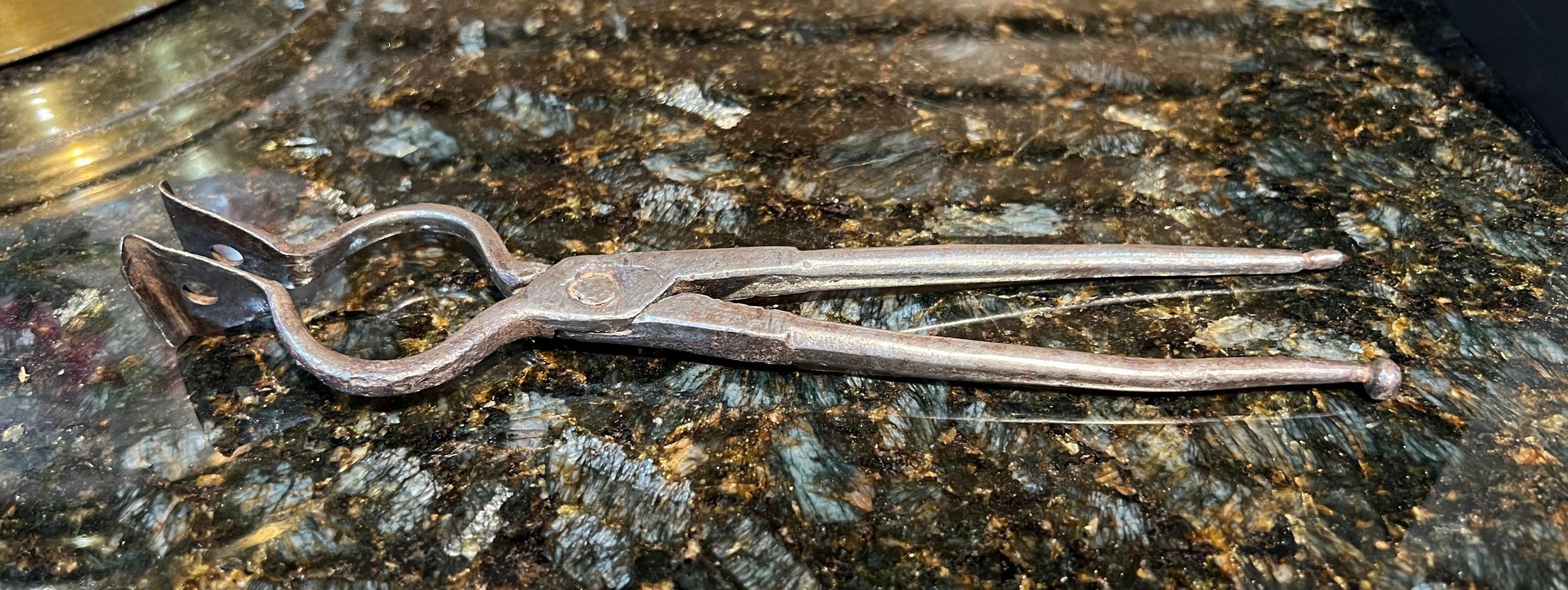
Seton clampDescription
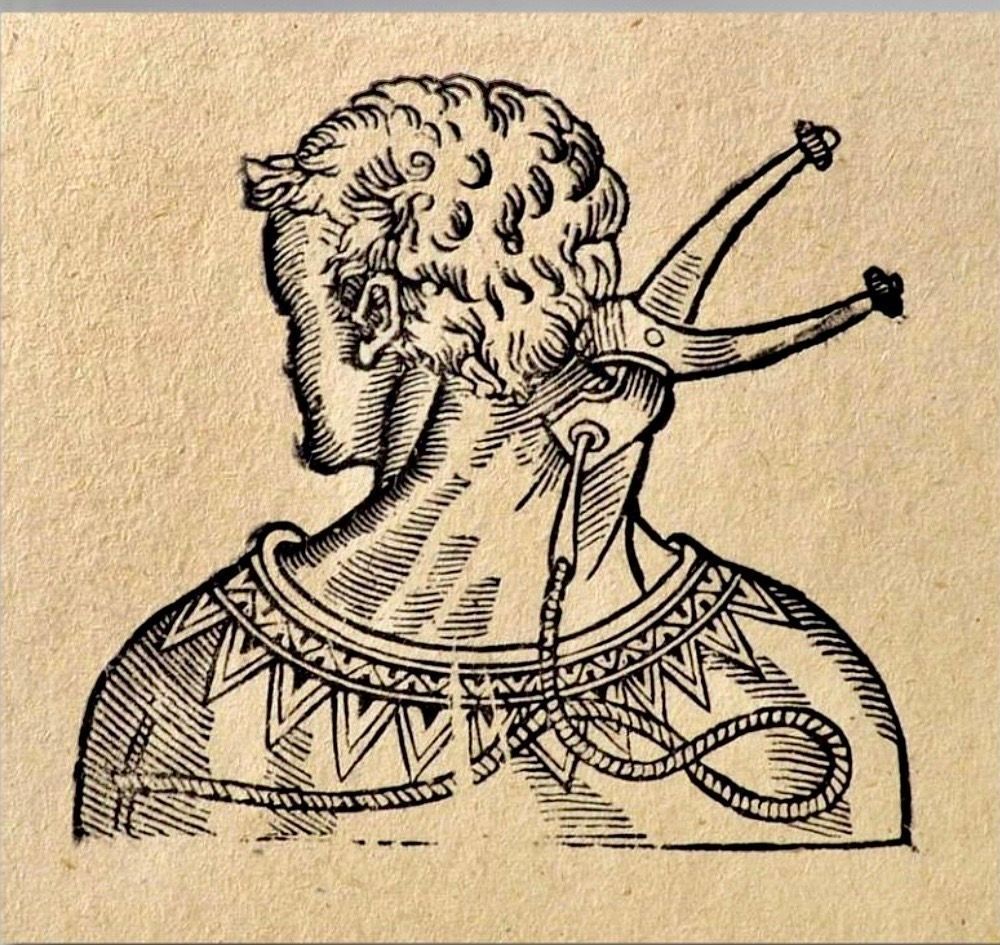
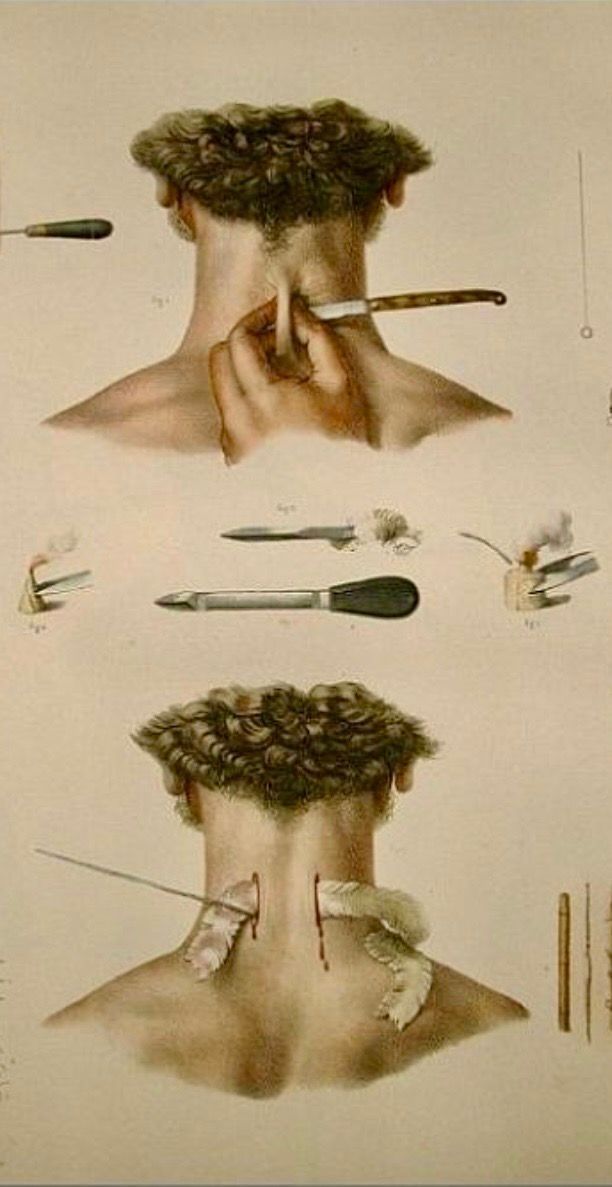
Another form of counter-irritation involved the use of the seton needle, which was a lancet inserted under the skin usually behind the neck, and left there to form a draining tract. The purpose was to reduce internal inflammations and poisons by their external discharge, the area kept open to drain pus by a silk or cotton thread and sometimes by the use of a hot cautery.
Illustrations from the left to the right are from "Observationum et Curationum Chirurgicarum Centuriae" (1641), by Wihelm Fabry and "Traité Complet d'Anatomie de l'Homme" (1866-1871) 2nd ed. by Bourgery, Bernard, and Jacob.Condition
Overall Condition
Very GoodDate Examined
Aug 3, 2026Create Date
August 4, 2026Update Date
August 30, 2026